







Walk onto almost any auto show floor in the mid-2020s, and the compact sedan feels like an endangered species, squeezed between subcompact crossovers on one side and battery-electric hatchbacks on the other. Yet Hyundai clearly didn’t get the memo that three-box cars are supposed to fade quietly into retirement.
Unveiled at the 2026 Los Angeles Auto Show on November 19; following its August domestic debut in South Korea under the Avante nameplate—the eighth-generation Hyundai Elantra arrives with a distinctly unapologetic thesis: if you want buyers to stick with a traditional sedan, make it look sharper, stretch its cabin into midsize territory, and underpin the whole thing with a true software-defined architecture. Positioned by Hyundai around the spirit of “My Dynamic Move,” it is pitched as a confident first car that can grow into a dependable daily partner, backed by President and CEO José Muñoz’s push to make an attainable sedan uncompromised in design, technology, and everyday usability.
For prospective buyers weighing value against practicality, enthusiasts who appreciate honest chassis proportions, and engineers looking closely at powertrain and cabin integration, the 2027-bound Elantra offers plenty to unpack.
>>> Great Discounts on Car & Bike Accessories <<<
Exterior Architecture: ‘Art of Steel’ and Aero Precision
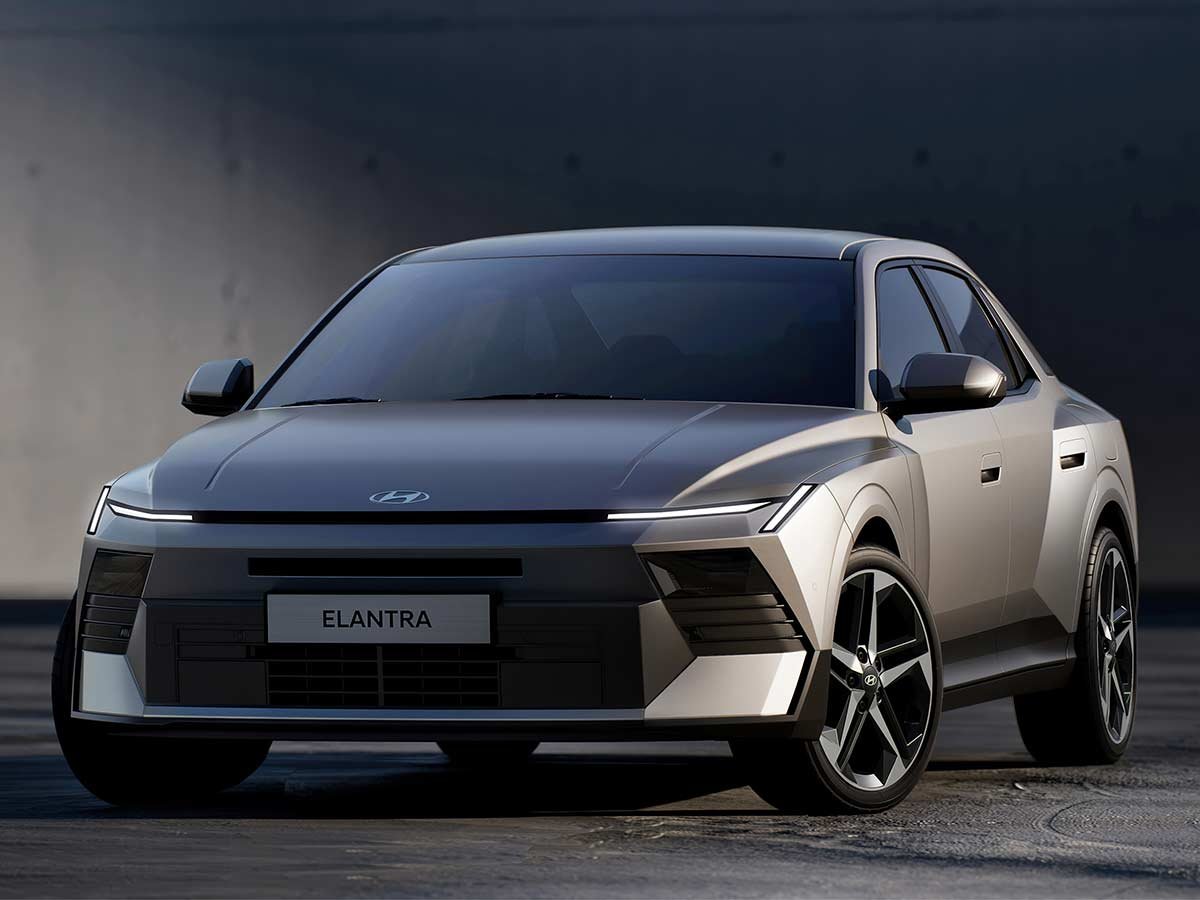
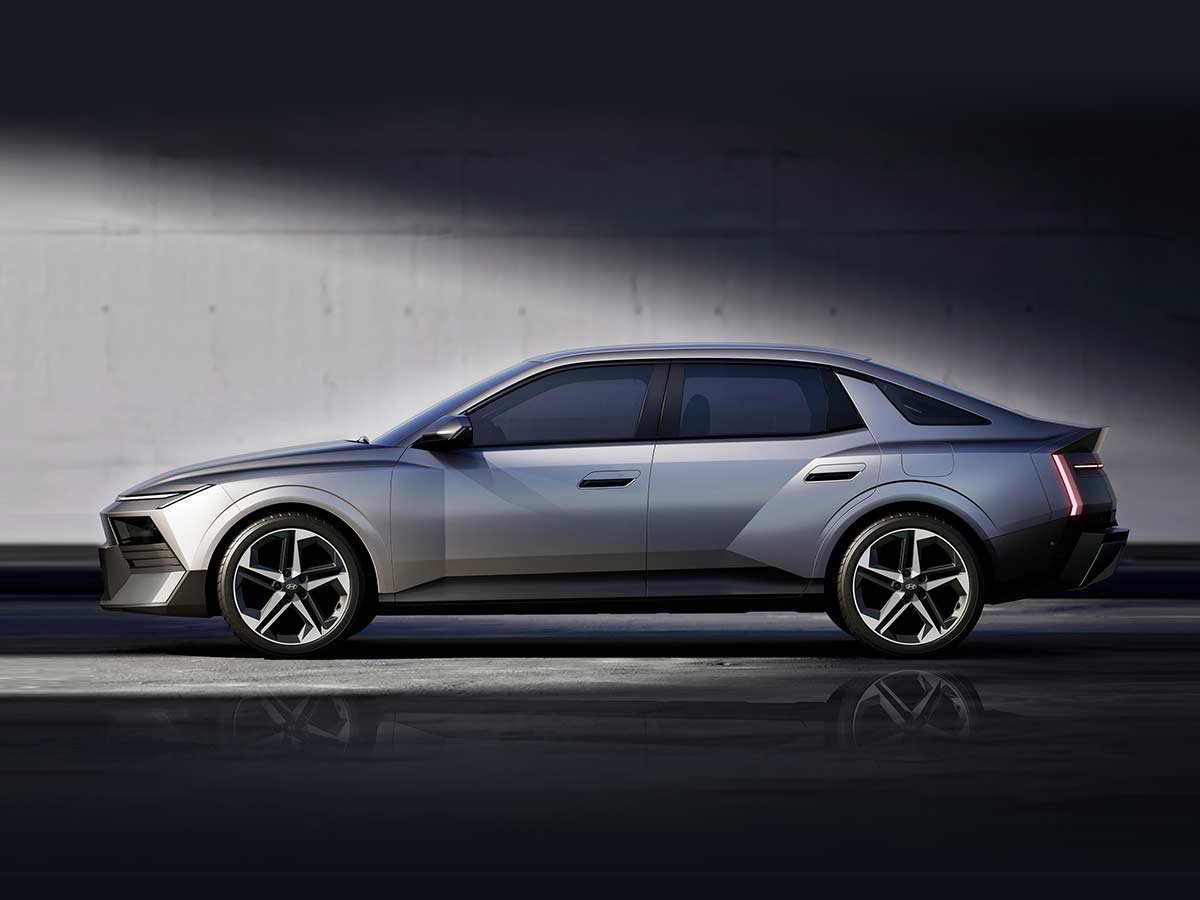
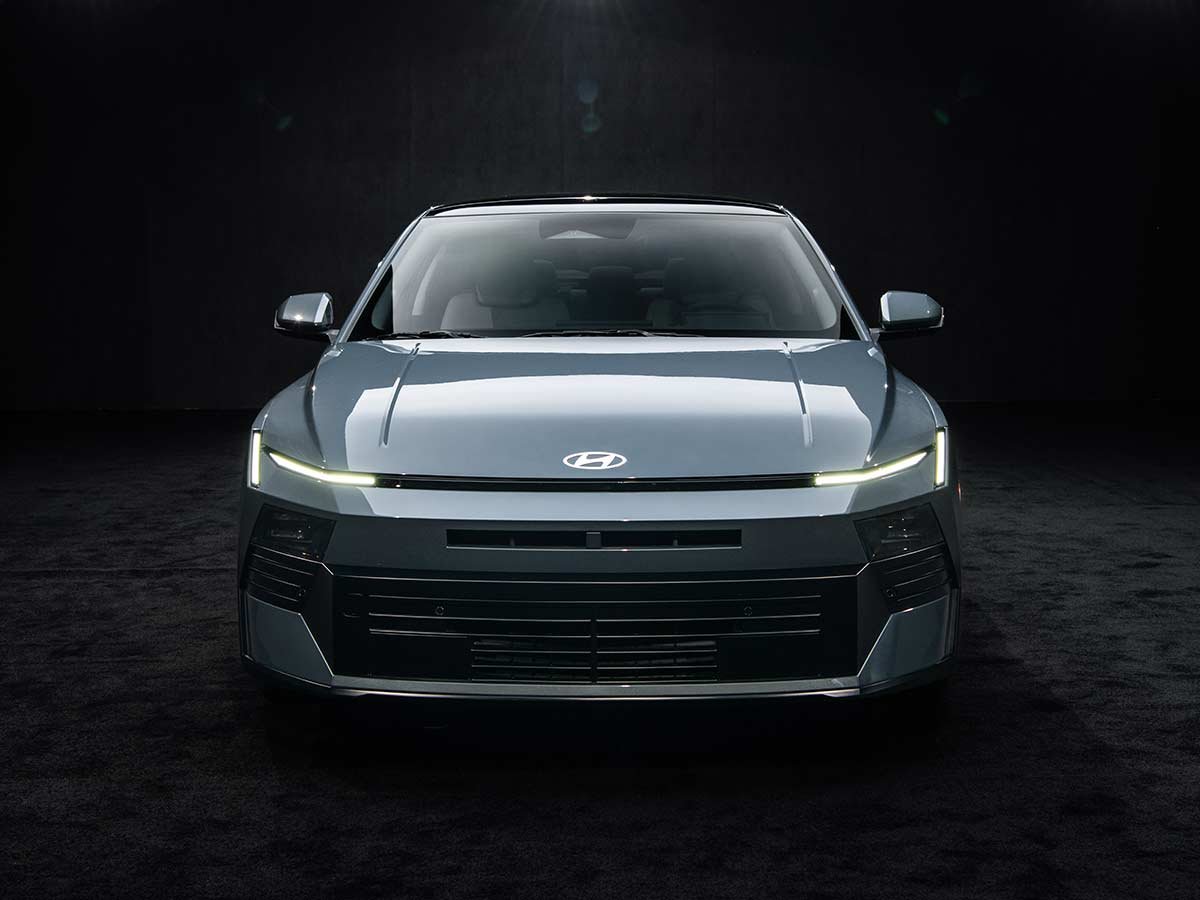
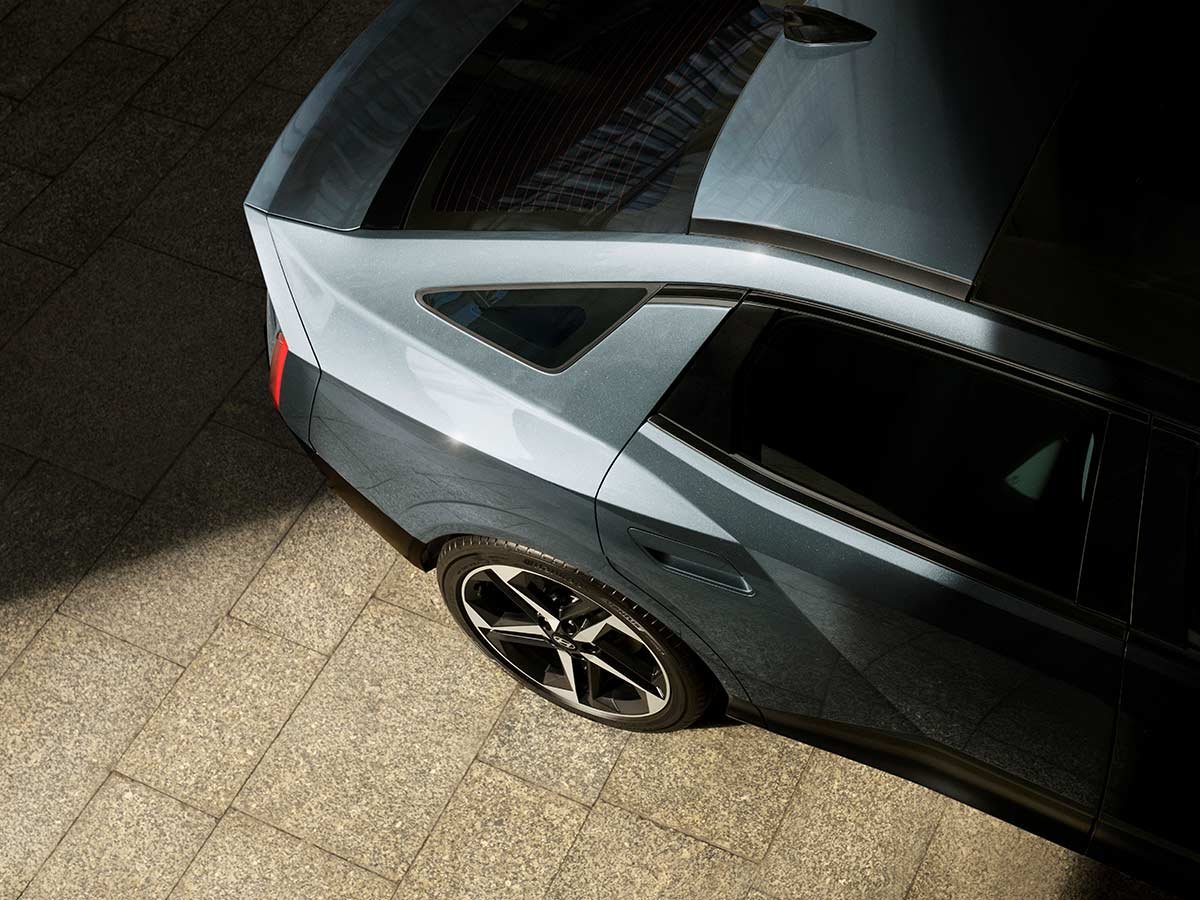
Under the direction of SangYup Lee, Executive Vice President and Head of Hyundai and Genesis Global Design Center, the new Elantra moves away from overly fussy creasing toward a cleaner, more muscular philosophy Hyundai calls ‘Art of Steel’. Rather than disguising the car as a four-door coupe, Hyundai leaned into traditional three-box sedan proportions—a long hood, wider fenders, and a planted stance—while refining surface tension and aerodynamics to achieve a 0.26 Coefficient of Drag (Cd).
- Dimensional Growth: In North American specification, overall length stretches by 85 mm to 4,795 mm (4,765 mm outside North America), while width grows by 30 mm to 1,855 mm. Crucially, the wheelbase expands by 30 mm to 2,750 mm, pushing the wheels closer to the corners and unlocking midsize cabin volume.
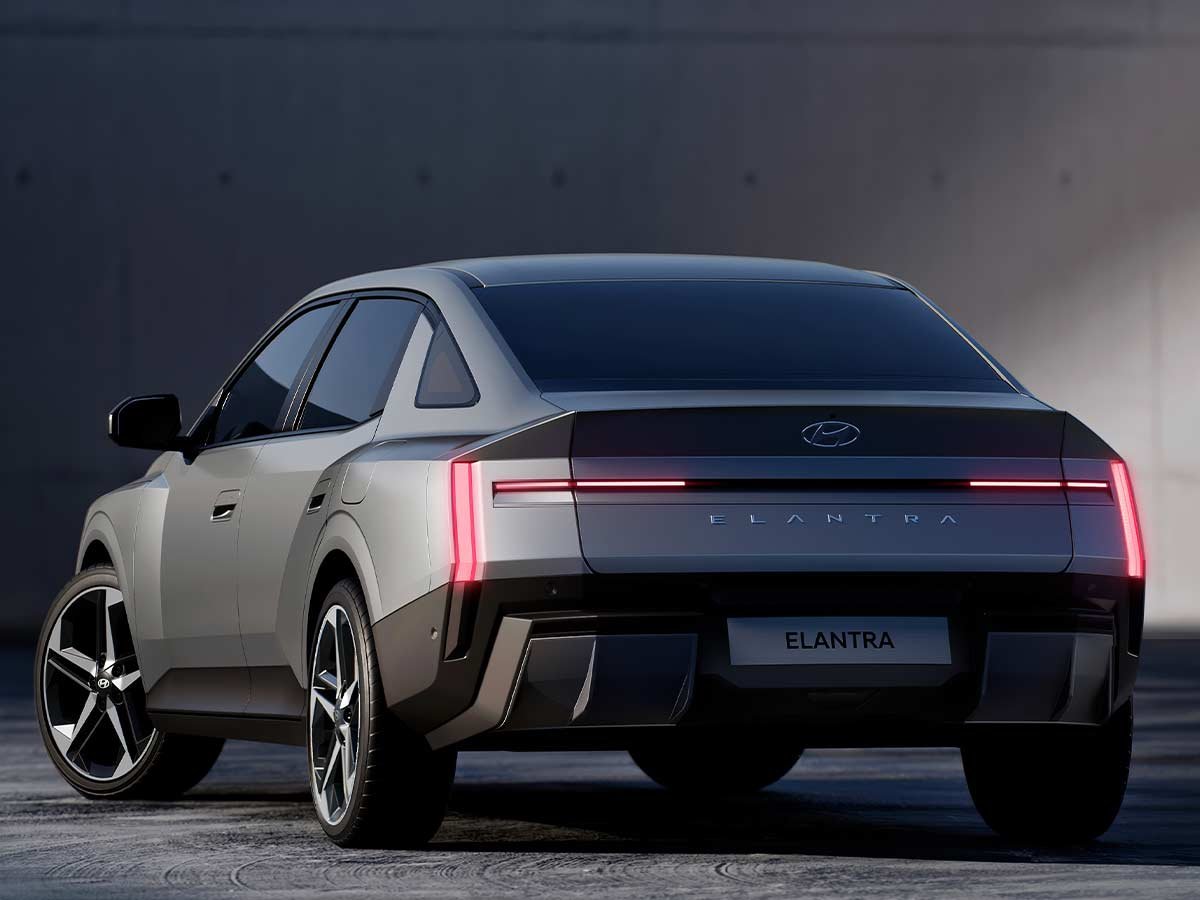
- H-Edge Lighting & Aero Integration: A distinctive horizontal daytime running lamp stripe visually broadens the front stance, while sculpted vertical tail lamps and a vertical secondary brake light help manage airflow and unify the front and rear visual identity.
- Chassis & Body Details: Slim-neck side mirrors, lift-up flush door handles, and up to 18-inch alloy wheels work alongside the bodywork to keep proportions clean and aerodynamic.
- Exterior Color Palette: Hyundai offers a broad mix of classic and fresh finishes, including Atlas White Solid, Serenity White Pearl, Ecotronic Gray Pearl, Abyss Black Pearl, Quantum Silver Pearl, Goyo Copper Pearl, and Volcanic Red Pearl, joined by new shades Kodiak Blue Pearl (North America and global markets, market details subject to confirmation), Kodiak Blue Matte (Korea and global markets excluding North America, inspired by cobalt minerals), Raptor Gray Matte (Korea and global markets excluding North America), and Graphene Green Pearl, the global signature hue. Graphene Green Pearl uses multi-layer pearl technology—blending white pearl, sparkle blue pearl, turquoise pearl, and sparkling glass flake—to shift across greenish-grey tones as light moves over the car. (Specific paint availability varies by region and trim.)
Inside the Cabin: Ergonomics Meet Android Automotive OS
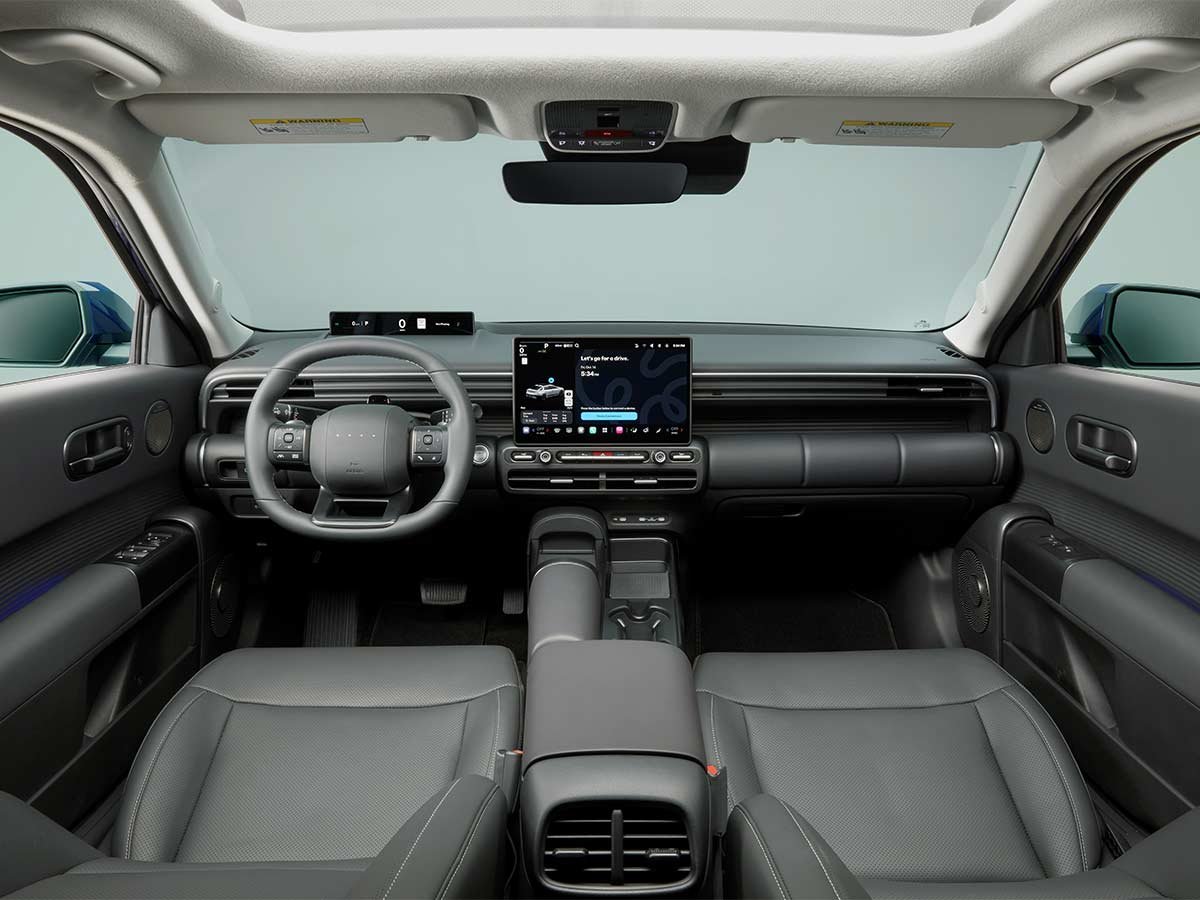
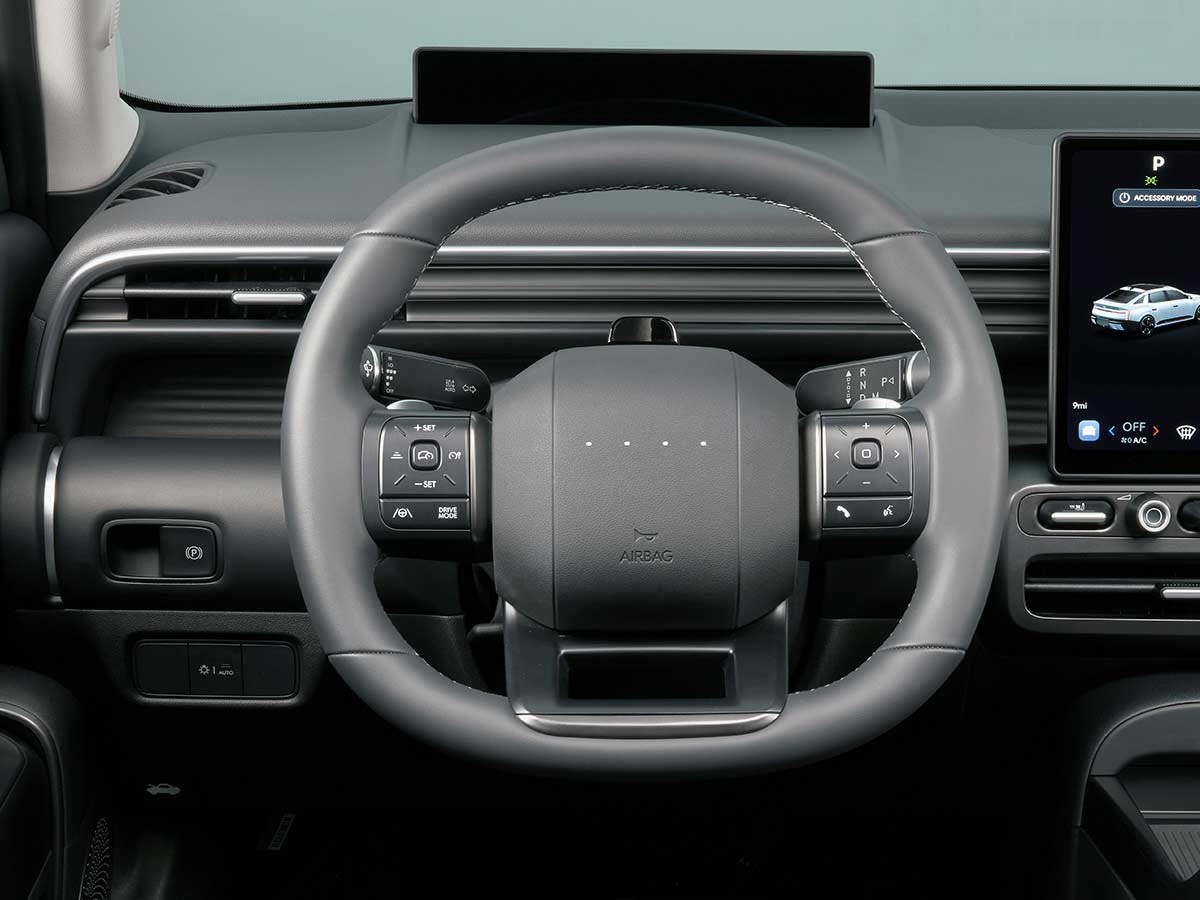
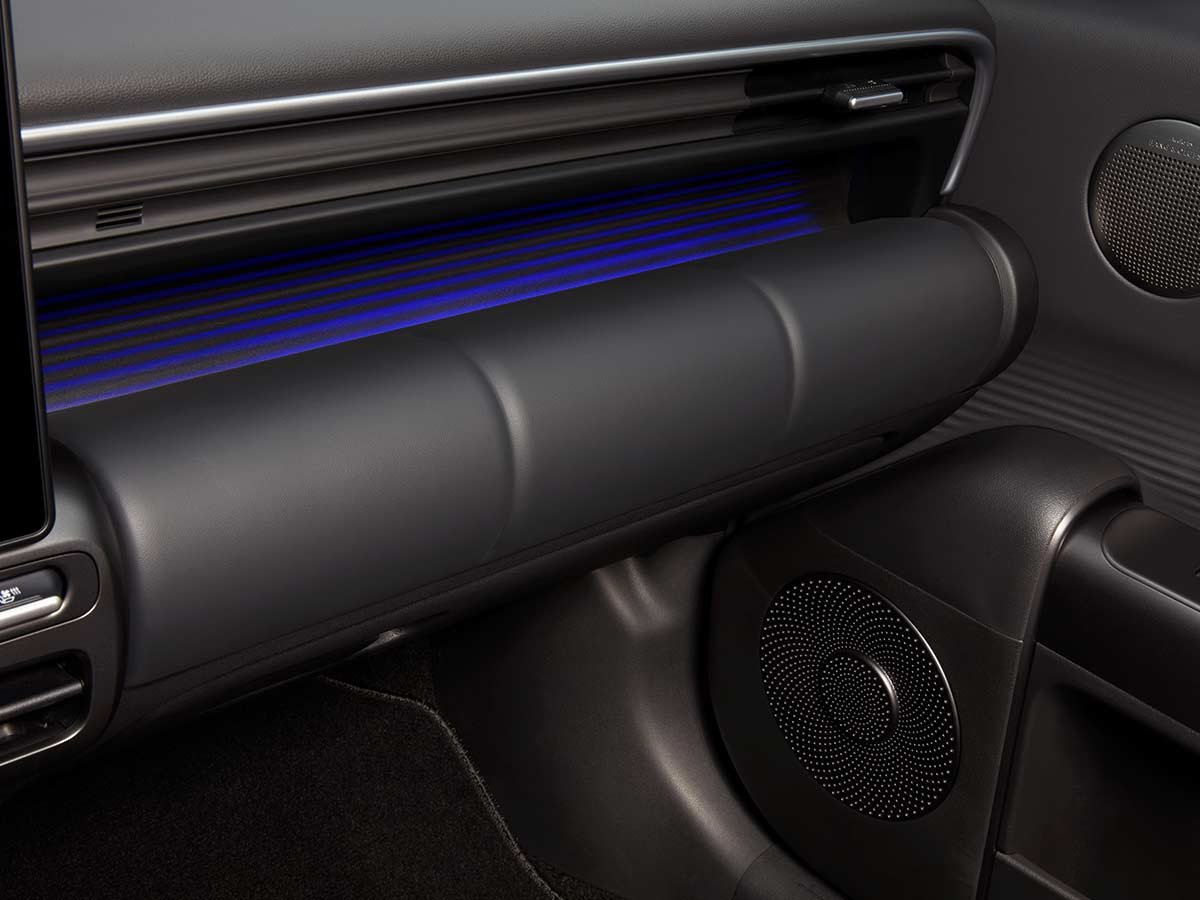
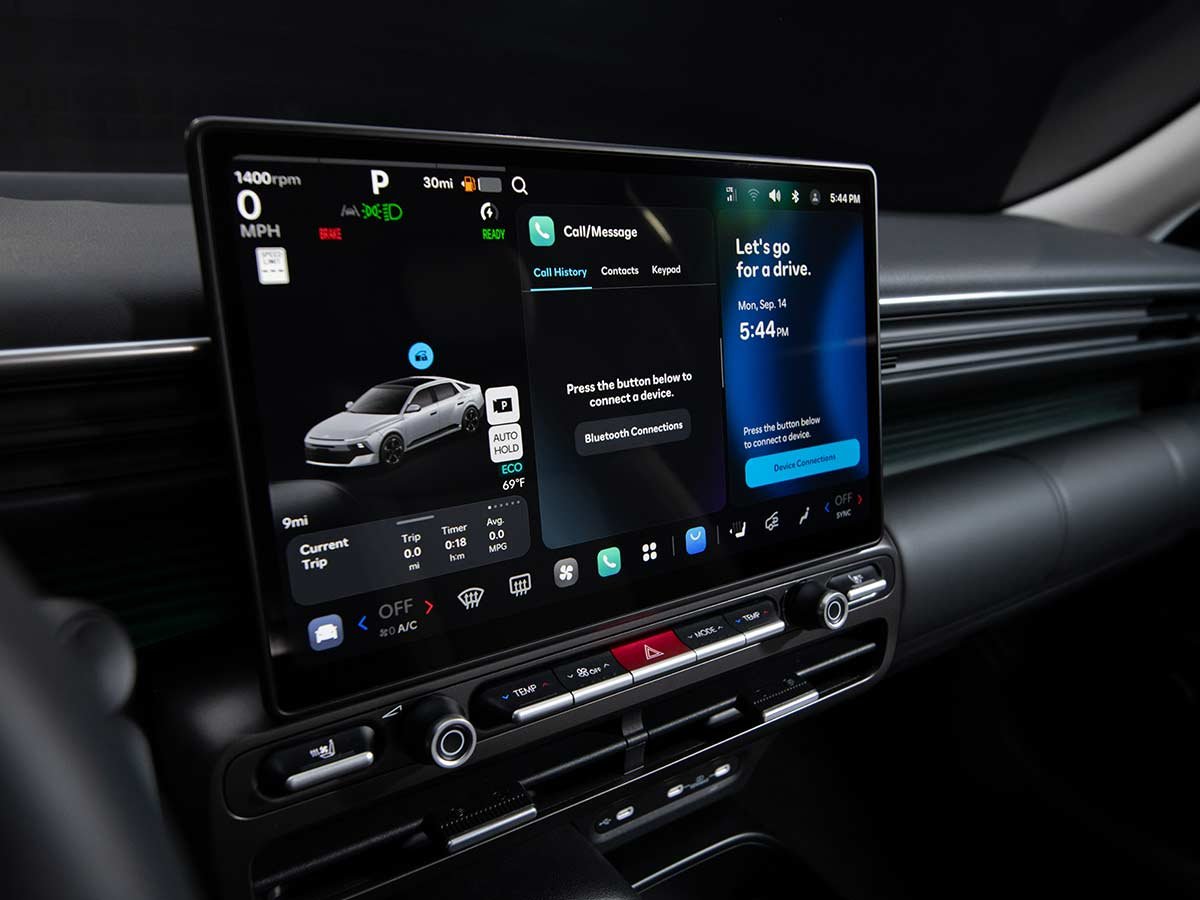
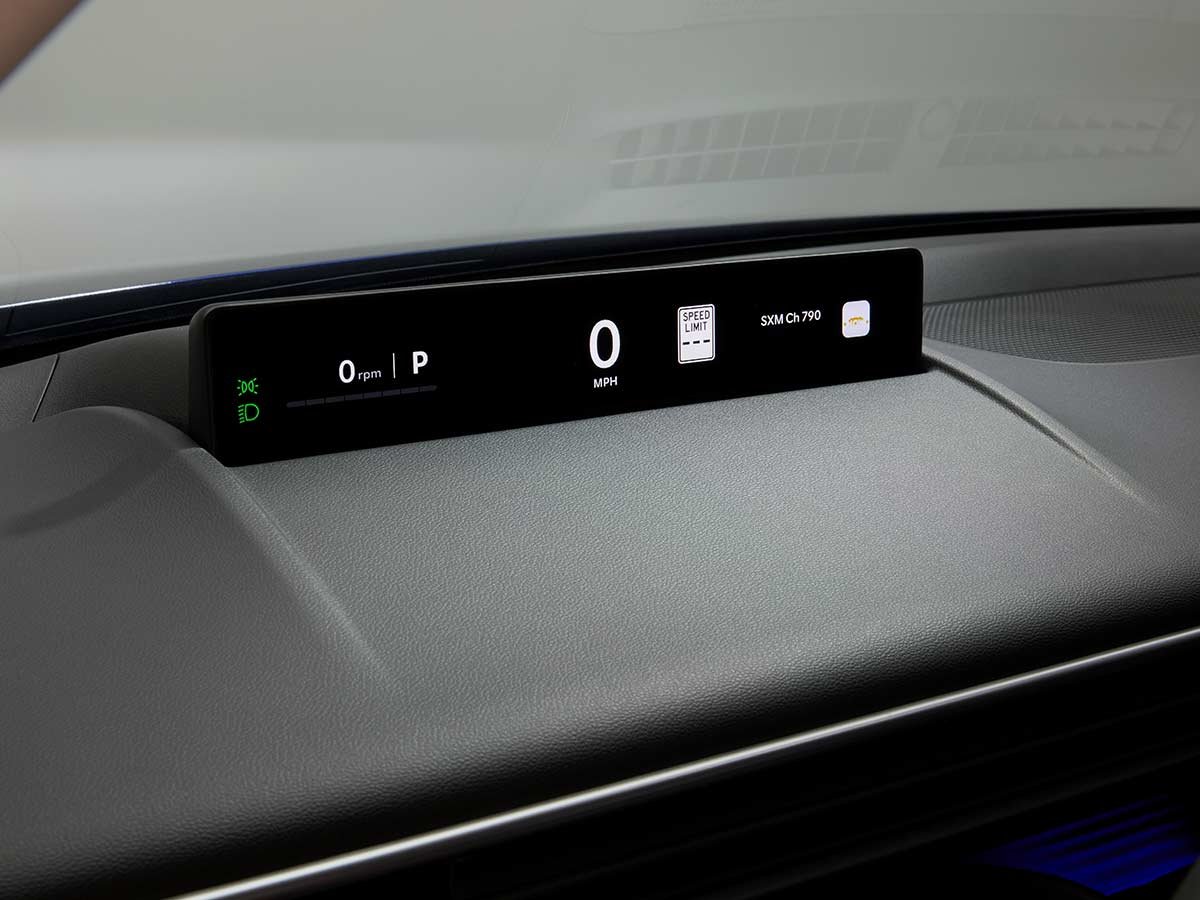
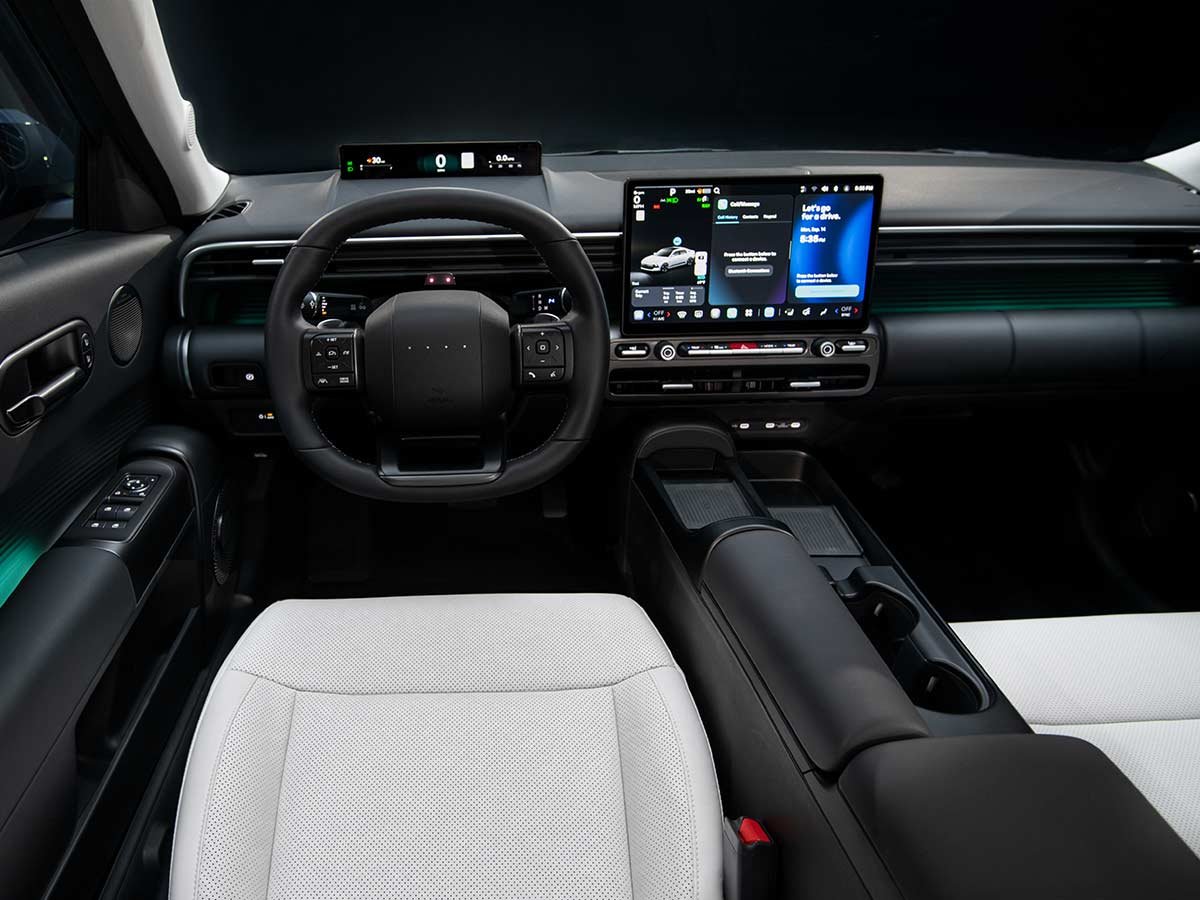
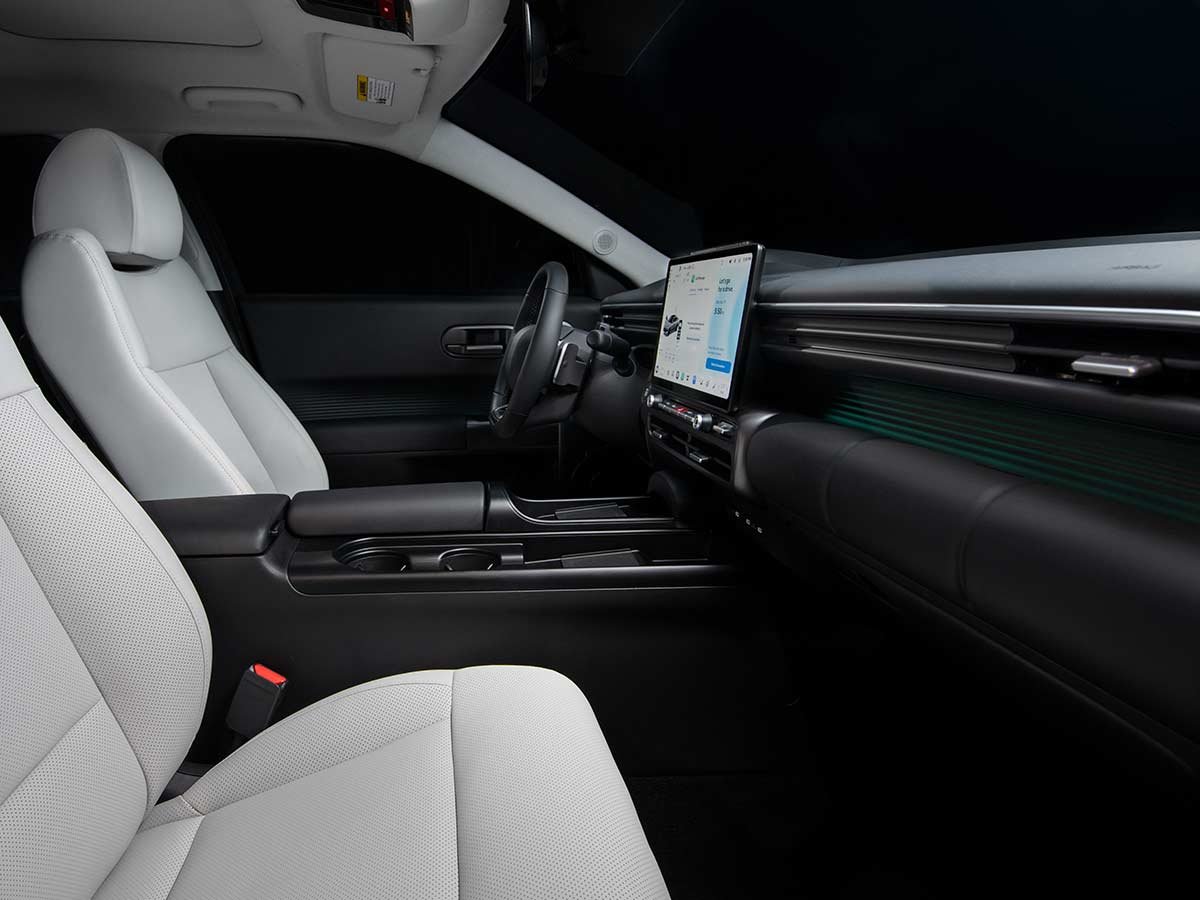
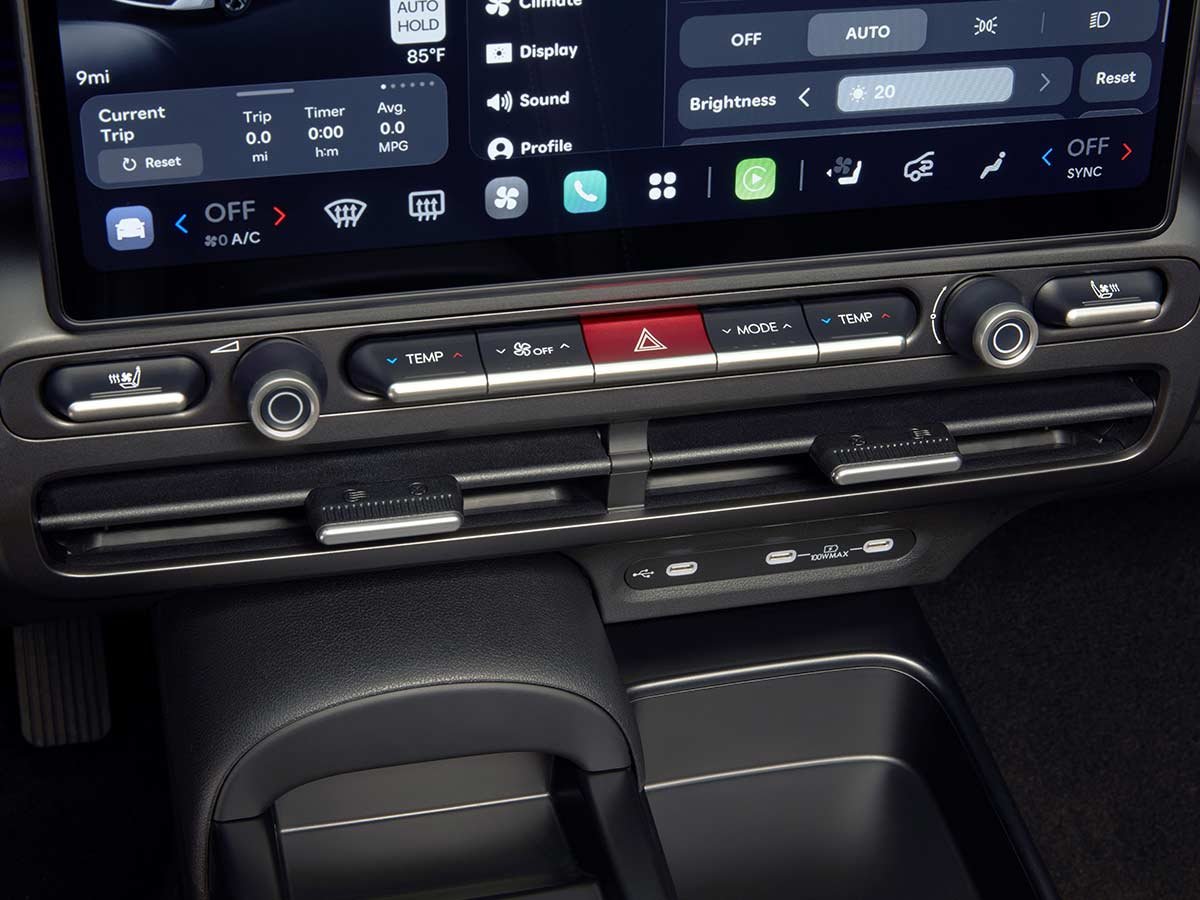
Step inside, and the design brief shifts to what Hyundai calls the ‘Curve of Upholstery’—a furniture-inspired, symmetrical layout that gently embraces front occupants. While many competitors bury basic controls inside touchscreen menus, Hyundai retained physical buttons for essential functions and placed a slim information display in the driver’s natural line of sight to support its ‘Eyes on the Road, Hands on the Wheel’ philosophy.
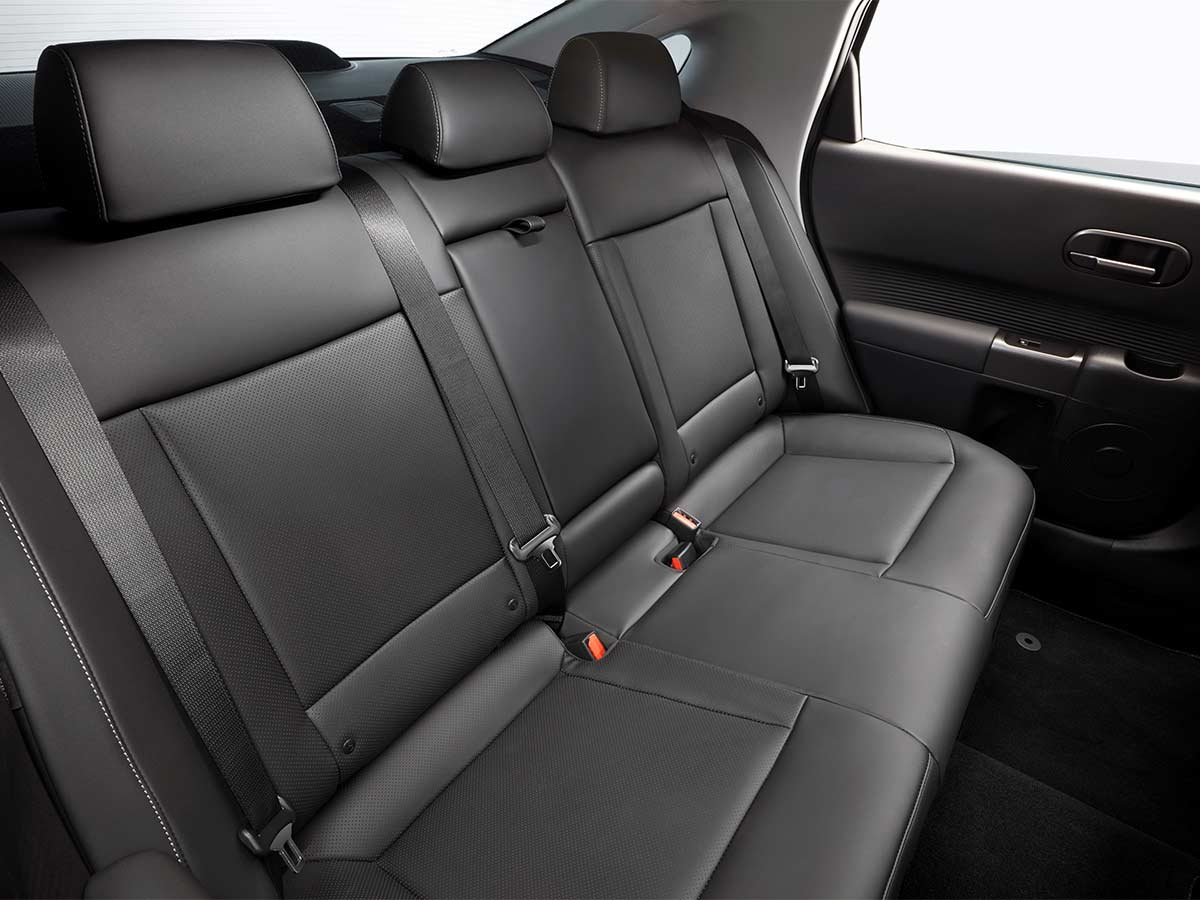
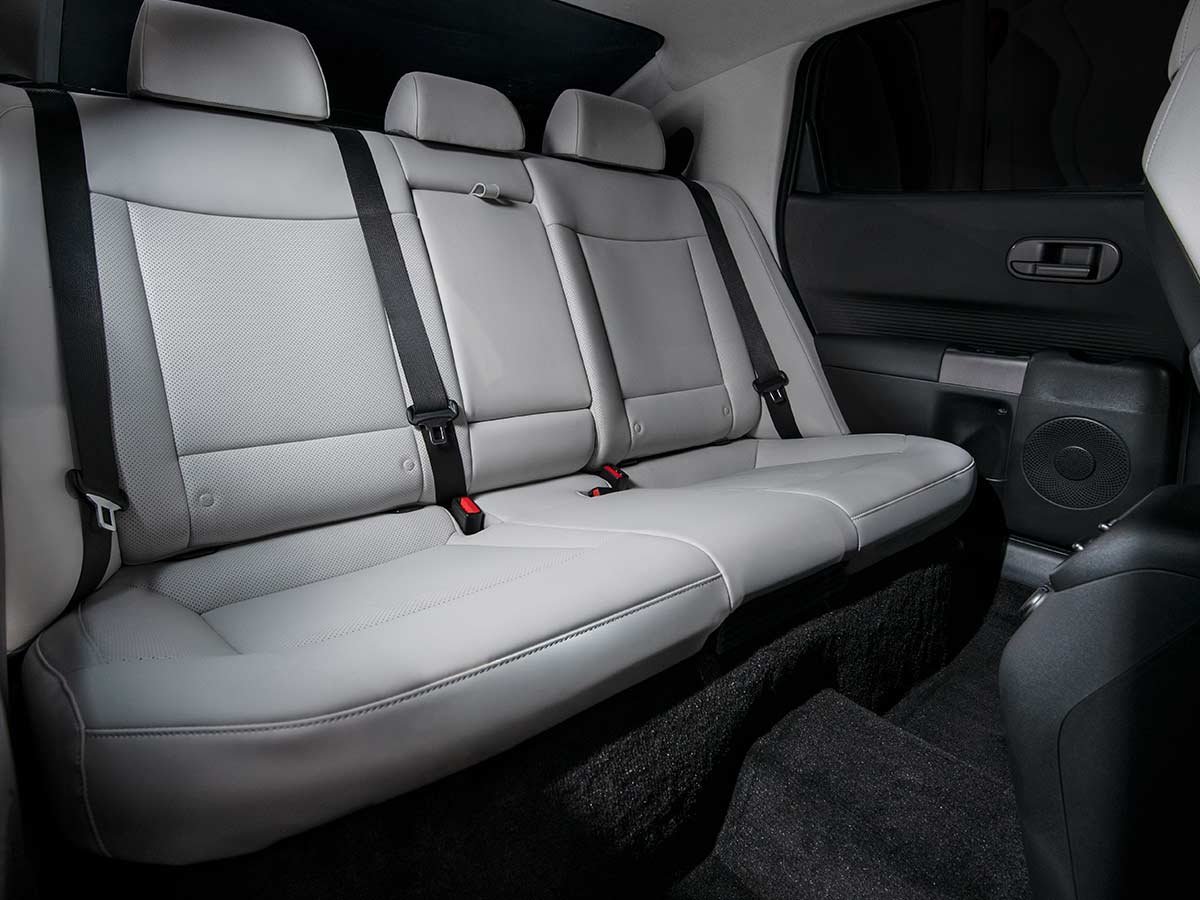
- Midsize Packaging: That 30 mm wheelbase stretch delivers 993 mm of rear legroom (+29 mm vs. the previous model) and +22 mm of shoulder room. Rear headroom measures 958 mm (+18 mm) on standard models and 953 mm on the HEV, while VDA cargo volume comes in at 479 cubic liters for the ICE model (396 liters by SAE measurement) and 467 cubic liters for the HEV.
- Pleos Connect & Gleo AI: The standard central screen is a 12.9-inch Full HD display (Connect-L), with a 14.6-inch display (Connect-S) available in select markets including Korea and on the top HEV trim (Canada-exclusive in North America). Built on Android Automotive OS, Pleos Connect supports over-the-air (OTA) updates and third-party apps via the Pleos App Market (such as music streaming and vehicle management tools), paired with wireless Apple CarPlay and Android Auto, a Wi-Fi hotspot with Alexa Built-in, and Hyundai Pay. At its core is Gleo AI, an in-vehicle agentic AI that handles natural, context-aware requests—such as asking to find a hiking trailhead with parking within 30 minutes—without forcing drivers through menus. (Exact availability, service names, and rollout timing vary by market, model, and trim.)
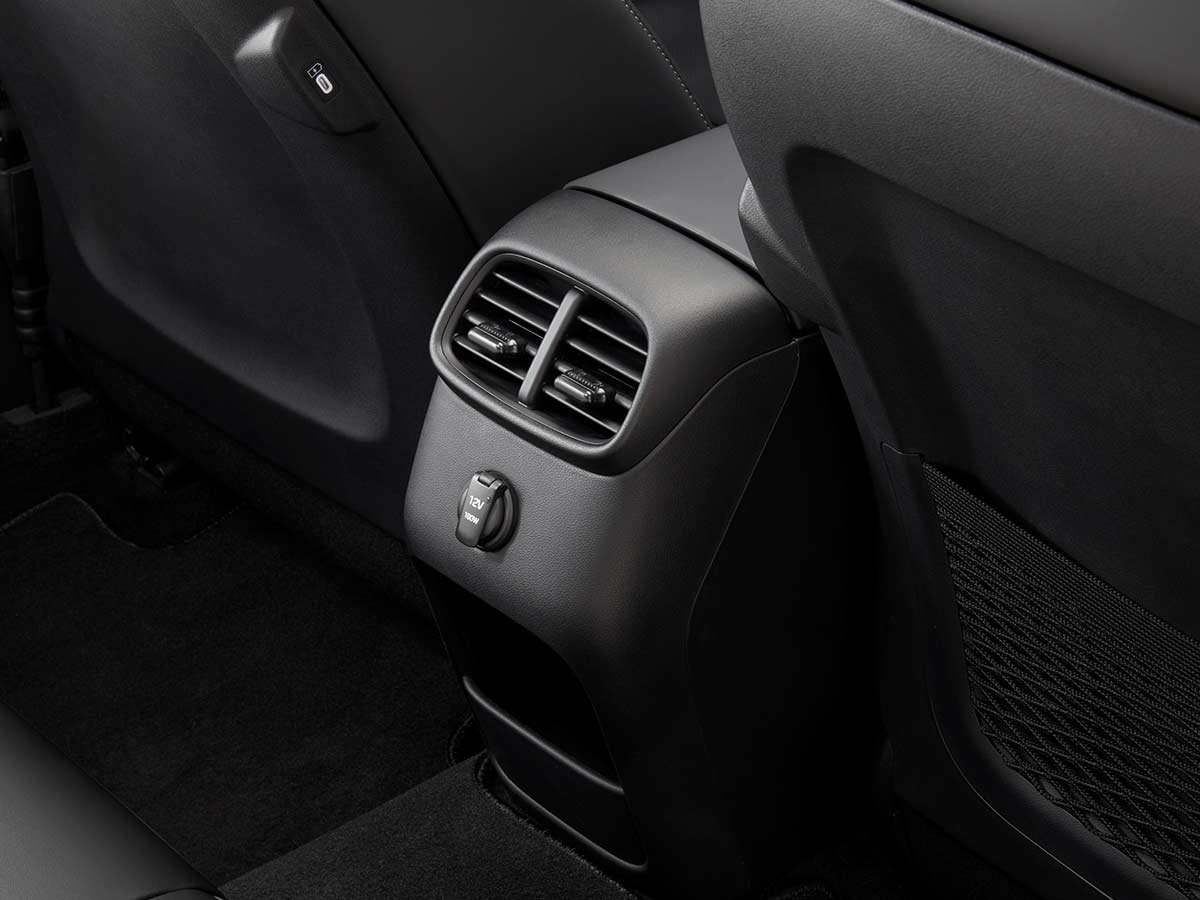
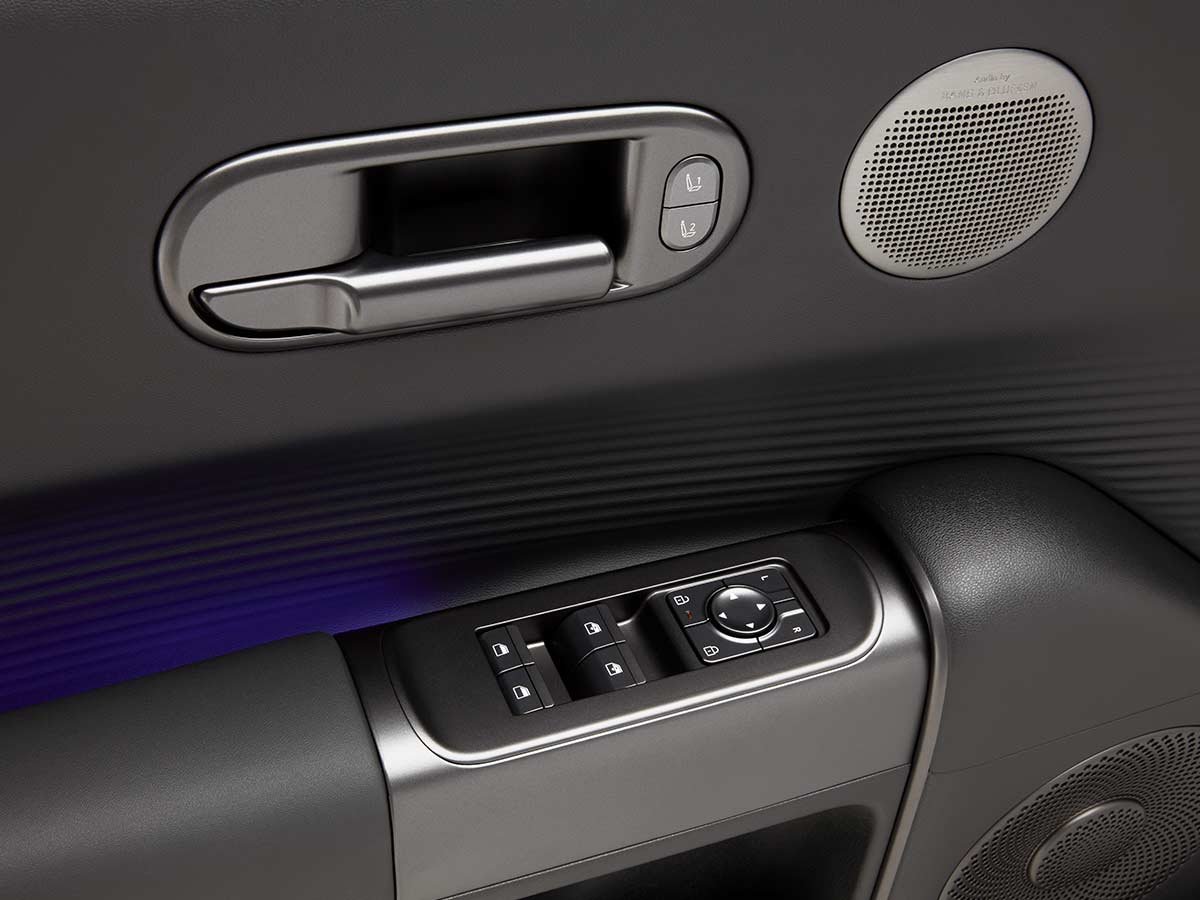
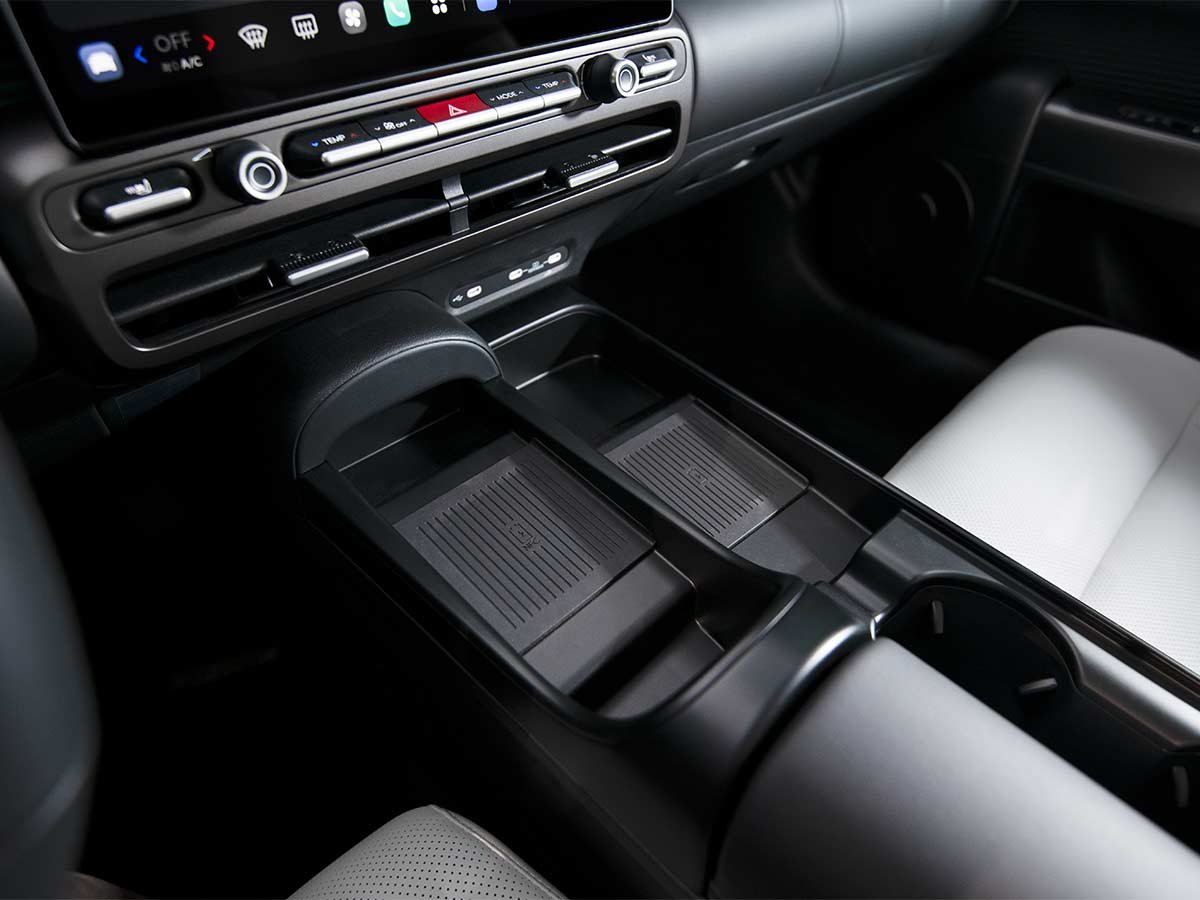
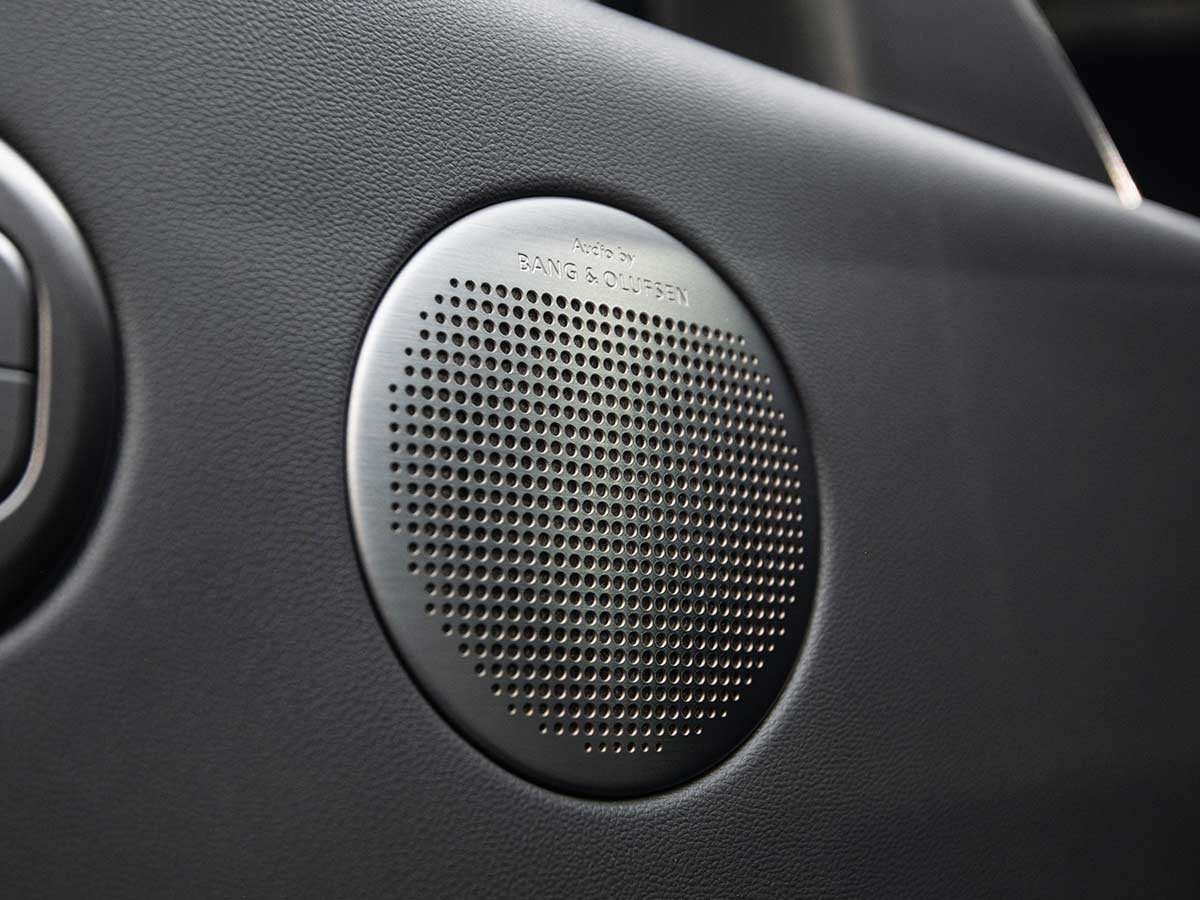
- Charging, Audio & Digital Access: Convenience tech includes 100W-capable USB-C ports (available in Korea and the U.S., excluding Canada and other global markets), wireless charging pads offered as a single pad (standard) or dual 15W (Qi 2.0) wireless charging pads (optional), Digital Key 2.0 Premium (referenced as Hyundai Digital Key 2 in the release text), and an Audio by Bang & Olufsen sound system.
- Interior Color & Material Options: Buyers can choose from six curated interior color combinations: Black/Black, Black/Dove Gray, Black/Cognac, Burgundy/Rose Ivory, Black/Chalk Beige, and Chalk Beige, paired with cloth, leatherette, or leather depending on market and trim.
Powertrains and Technical Architecture: Predictive Efficiency
Under the hood, Hyundai offers two powertrains—a 1.6L hybrid (HEV) and a 2.0L gasoline engine (ICE)—each paired with its own transmission setup.
| Specification | 2.0L ICE | 1.6L HEV |
| Output | 149 PS (+26 PS vs. previous 1.6L model) | 157 PS (system combined) |
| Transmission | COGF1 IVT | D6KF1-2 6-speed dual-clutch |
| Fuel Efficiency | 35 mpg (EPA-certified in NA with 16-inch wheels) / 14.3 km/L in Korea | Currently undergoing EPA certification process |
| Ground Clearance | 140 mm (+5 mm in North American model) | 145 mm |
| Height | 1,425 mm (+10 mm vs. previous model) | 1,430 mm |
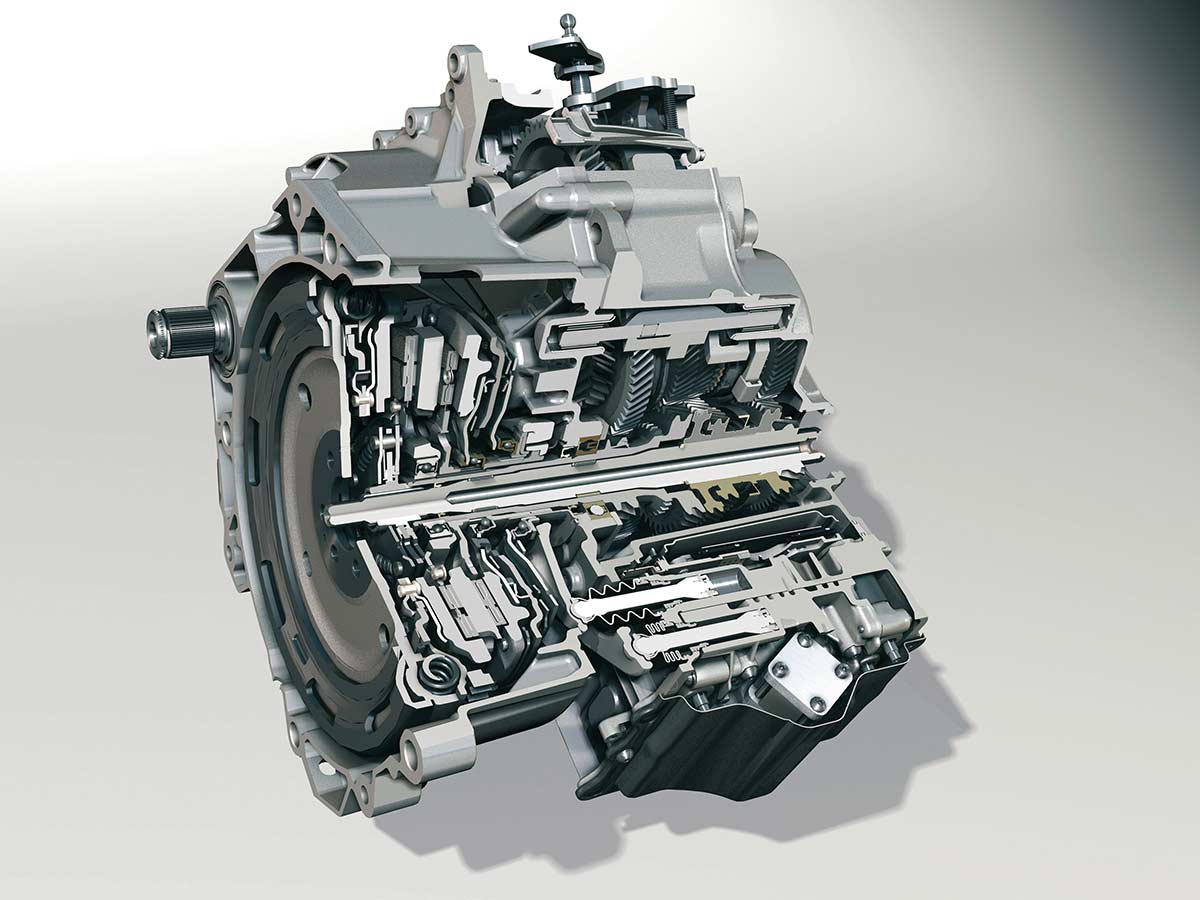
The 1.6L hybrid powertrain pairs 157 PS of combined output with a 6-speed dual-clutch transmission (D6KF1-2) and smart energy management features:
- Smart Regeneration System 3.0: Captures kinetic energy during braking and deceleration to optimize energy recovery and extend hybrid battery lifespan.
- Hybrid Hierarchical Predictive Control System: Intelligently anticipates driving patterns and road conditions in real time to maximize efficiency.
- Stay Mode: Powers climate control, audio, and lighting while parked without unnecessary engine operation, cutting emissions.
For shoppers looking at the 2.0L gasoline engine, it produces 149 PS (+26 PS over the previous 1.6L) with the COGF1 IVT, rated at 35 mpg in North America (with 16-inch wheels) and 14.3 km/L in Korea.
Structural Rigidity, SmartSense ADAS & Parking Tech
Hyundai pairs structural reinforcement—using ultra-high-strength steel in critical frame and structural areas, reinforced support members, a comprehensive airbag system, protective coatings, and sealed construction—with four-wheel disc brakes with ABS and Electronic Stability Control (ESC) featuring traction control (TCS) and brake assist.
The SmartSense driver-assistance and parking suite spans collision avoidance, lane support, cabin monitoring, and parking aids (with specific features varying by market and trim):
- Collision & Lane Systems: Forward Collision-Avoidance Assist 2 (FCA 2, excluding North America), Blind-Spot Collision-Avoidance Assist (BCA), Safe Exit Warning (SEW), Lane Keeping Assist (LKA), Lane Following Assist 2 (LFA2), High Beam Assist (HBA), and Intelligent Speed Limit Assist (ISLA).
- In-Cabin Monitoring: Includes Driver Attention Warning (DAW), Rear Occupant Alert, seat belt monitoring, camera-based occupant detection, and Steering Wheel Grip Detection (HOD). An In-Cabin Monitoring Unit (ICMU)—available in Australia and select global markets excluding Korea and North America—supports Driver State Monitoring (DSM) and Occupant State Monitoring (OSM).
- Visibility & Parking Tech: Includes Blind-Spot Monitor (BVM, excluding North America), Surround View Monitor (SVM, excluding North America), Rear Monitor (RVM), Rear Cross-Traffic Collision-Avoidance Assist (RCCA), Parking Distance Warning (PDW-F/S/R, with PDW-S not available in North America), Parking Collision-Avoidance Assist (PCA-F/R, available only in Korea and Australia), Remote Smart Parking Assist (RSPA, available only in Korea and on HEV trim in Australia and select other global markets), and Memory Reversing Assist (MRA, available only in Korea and on HEV trim in Australia and select other global markets).
Market Rollout and Final Verdict
Following its launch in Korea as the Avante in August 2026, the eighth-generation Elantra is scheduled to launch in global markets, including North America, in early 2027, with exact features, specs, trims, and safety systems depending on the market.
By pairing expanded three-box dimensions and midsize-style rear legroom with a dual-clutch hybrid system, predictive energy controls, Stay Mode, and a Pleos Connect cockpit that keeps key physical controls intact, Hyundai gives the compact sedan a serious, feature-packed argument heading into 2027.
Source: Hyundai