








Hyundai’s Bold New Move Could Change the Automotive Market Forever
For years, car buyers have found themselves trapped between two worlds.
On one side stood the traditional hatchback – affordable, efficient, easy to drive, and practical for daily life. On the other stood the compact SUV – commanding, spacious, technologically advanced, and increasingly desirable.
The problem? Many buyers wanted the best qualities of both.
Now Hyundai believes it has found the answer.
With the launch of the all-new Hyundai i20 for the Brazilian market, the Korean automaker is doing something few manufacturers have attempted successfully: creating a vehicle that genuinely bridges the gap between hatchbacks and SUVs.
It is larger than most conventional hatchbacks, offers interior space rivaling vehicles from higher segments, introduces Hyundai’s latest design philosophy, brings advanced ADAS technologies usually associated with more expensive vehicles, and does all of this while maintaining a price point designed to attract buyers making their first move toward SUV ownership.
The result is arguably one of the most strategically important Hyundai launches of the decade.
And after examining every detail of the new model, it’s clear that Hyundai isn’t simply launching another compact car.
The company is launching an entirely new category.
>>> Great Discounts on Car & Bike Accessories <<<
Meet the New Hyundai i20
The Hyundai i20 is one of Hyundai’s most recognized global nameplates, but the Brazilian version tells a very different story.
Developed specifically for local market needs, the new i20 slots directly between the Hyundai HB20 and the Hyundai CRETA.
That positioning may sound simple on paper.
In reality, it reflects a major shift in consumer behavior.
Many drivers love the practicality and efficiency of hatchbacks but increasingly desire the elevated presence, technology, and spaciousness associated with SUVs. The new Hyundai i20 was engineered specifically for this growing audience.
Available in six variants and produced alongside the HB20 and CRETA at Hyundai’s Piracicaba manufacturing facility, the new model arrives with launch pricing starting from R$99,990.
More importantly, it arrives with a mission.
To become the ideal upgrade path for hatchback owners who are not yet ready to move into a full-size SUV.
The “Art of Steel” Design Language Makes a Powerful First Impression
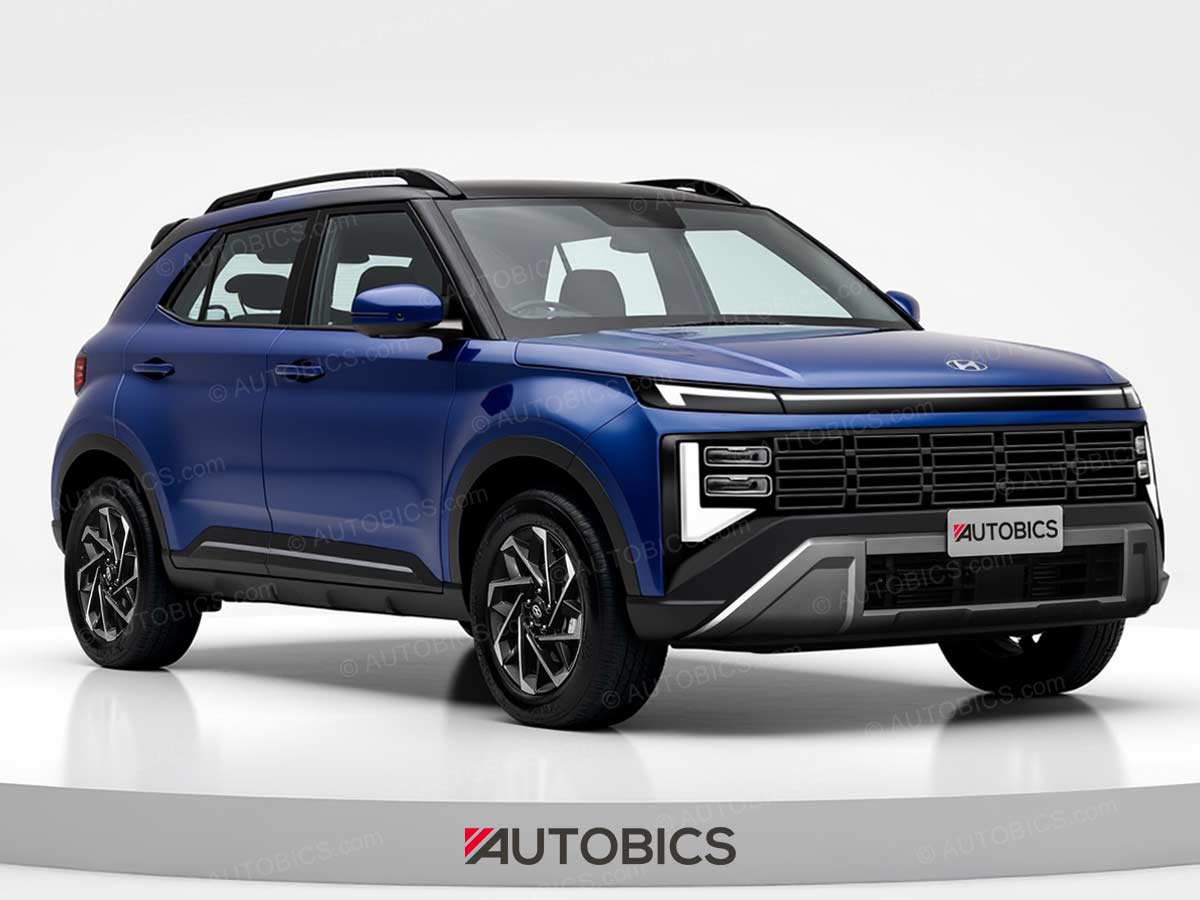
The most immediately striking aspect of the new Hyundai i20 is its design.
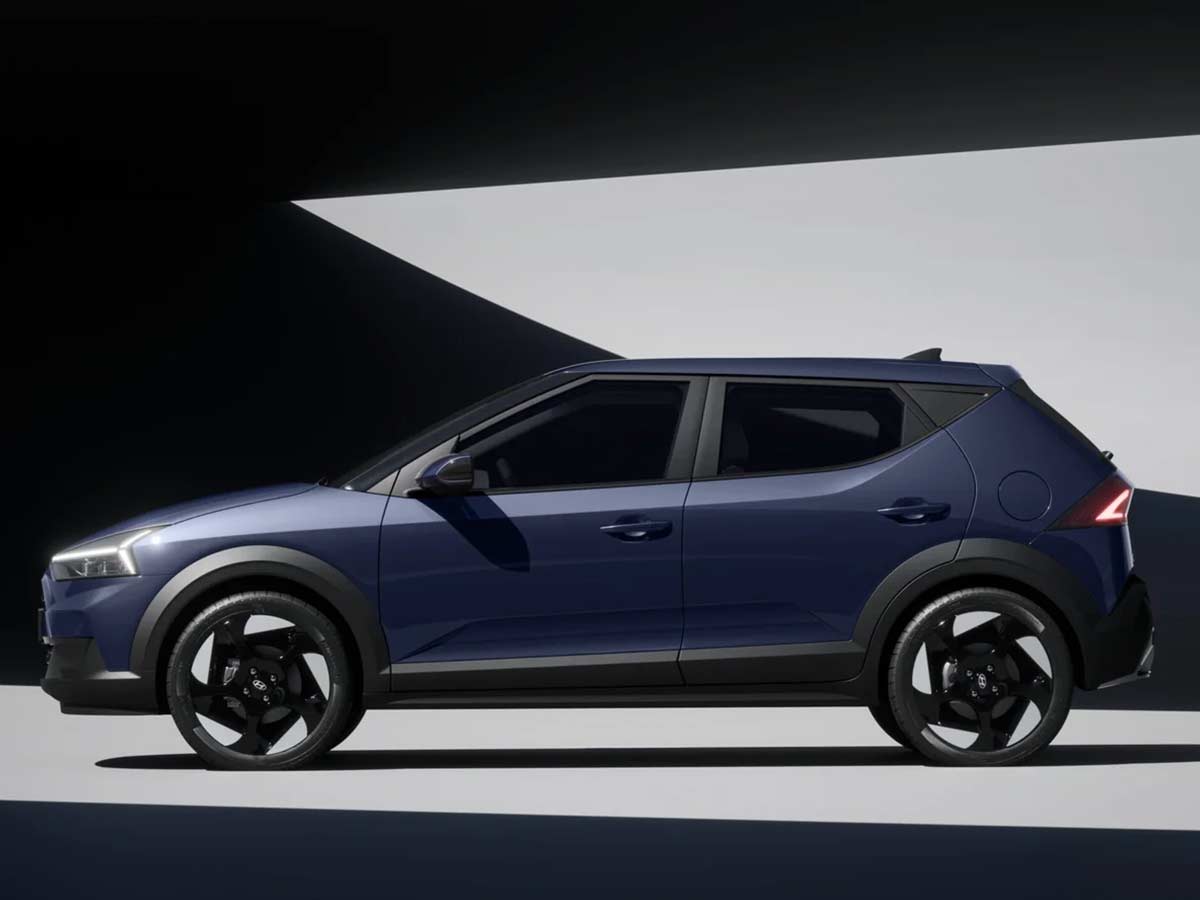
This is the first Brazilian Hyundai to showcase the company’s new “Art of Steel” design philosophy.
Rather than relying on soft curves and organic shapes, Hyundai’s designers embraced the precision and strength associated with sculpted steel.
Sharp character lines.
Bold surfaces.
Strong proportions.
Every angle appears deliberate.
The objective was to create a vehicle that communicates both athleticism and sophistication while reinforcing a sense of robustness and aerodynamic efficiency.
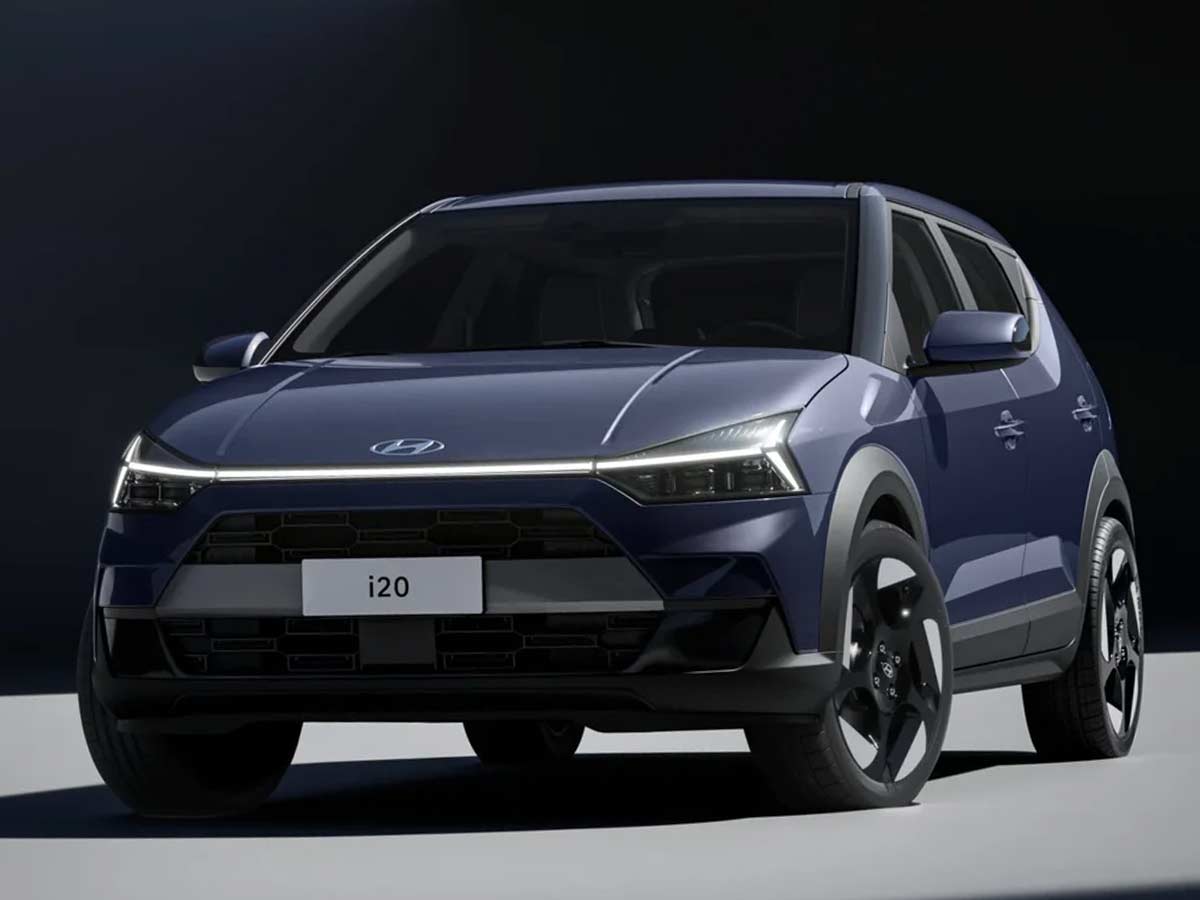
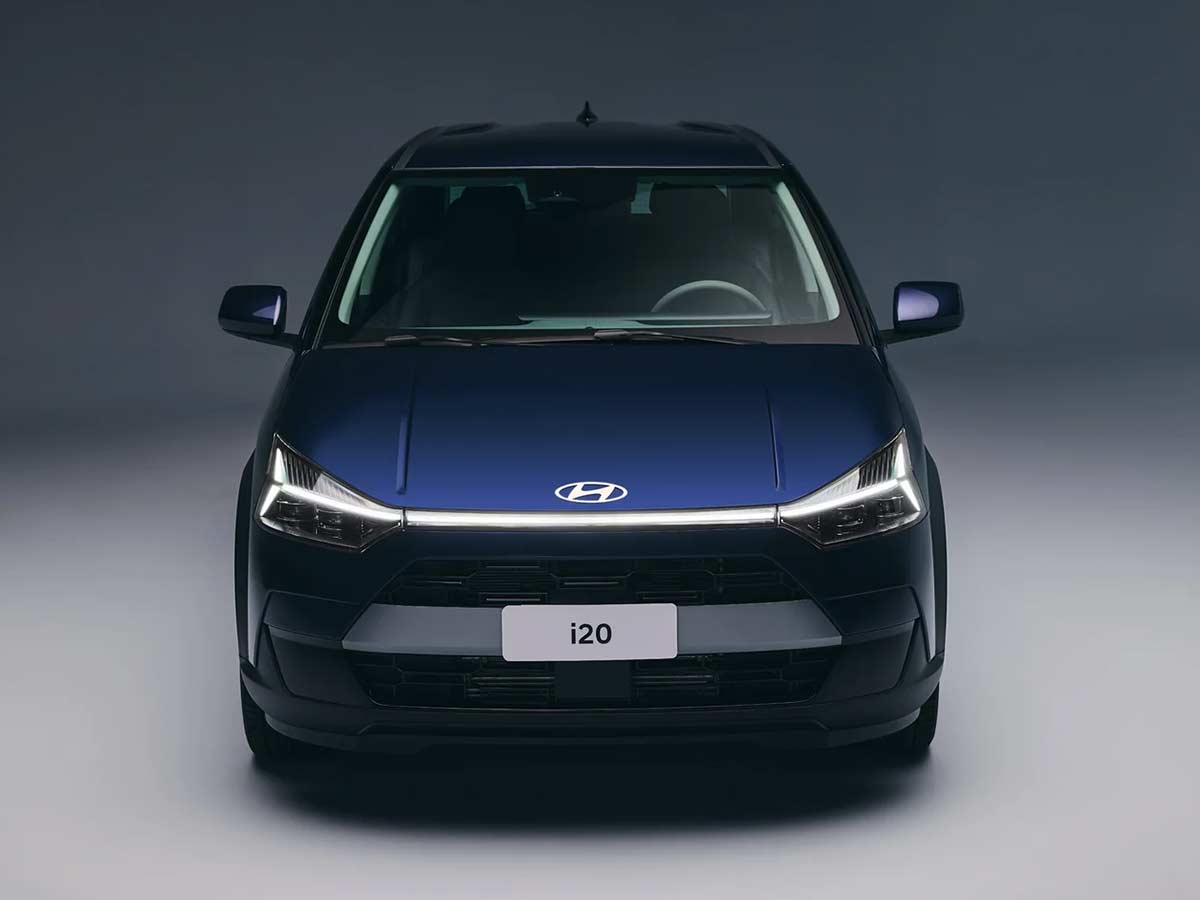
The front fascia is particularly distinctive.
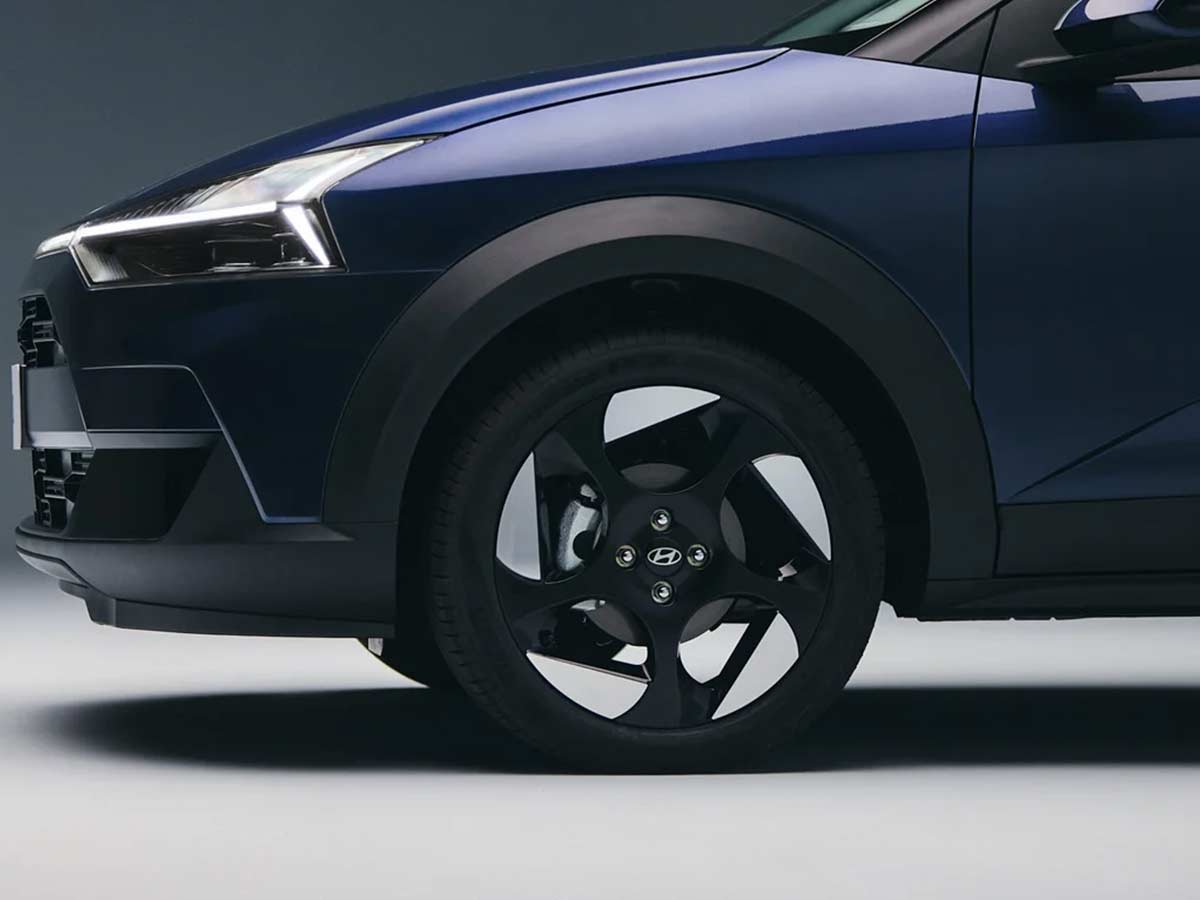
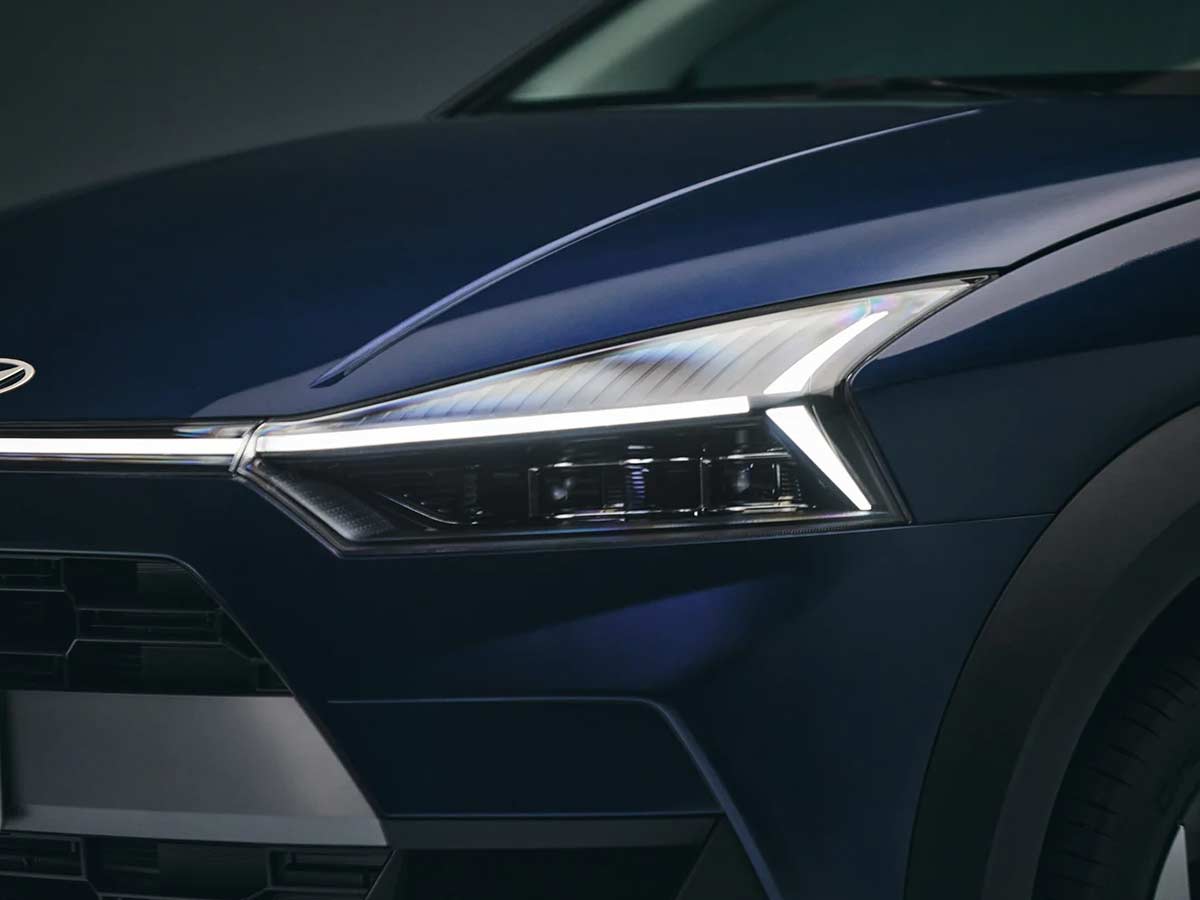
A gloss-black grille integrates seamlessly with Hyundai’s new “H-Architecture” lighting signature, creating one of the most recognizable visual identities in the segment.
H-Architecture: Lighting That Redefines Brand Identity
Modern vehicle design increasingly revolves around lighting signatures.
Hyundai understands this better than most manufacturers.
The company’s new H-Architecture concept transforms the letter “H” into a visual language expressed through the vehicle’s lighting systems.
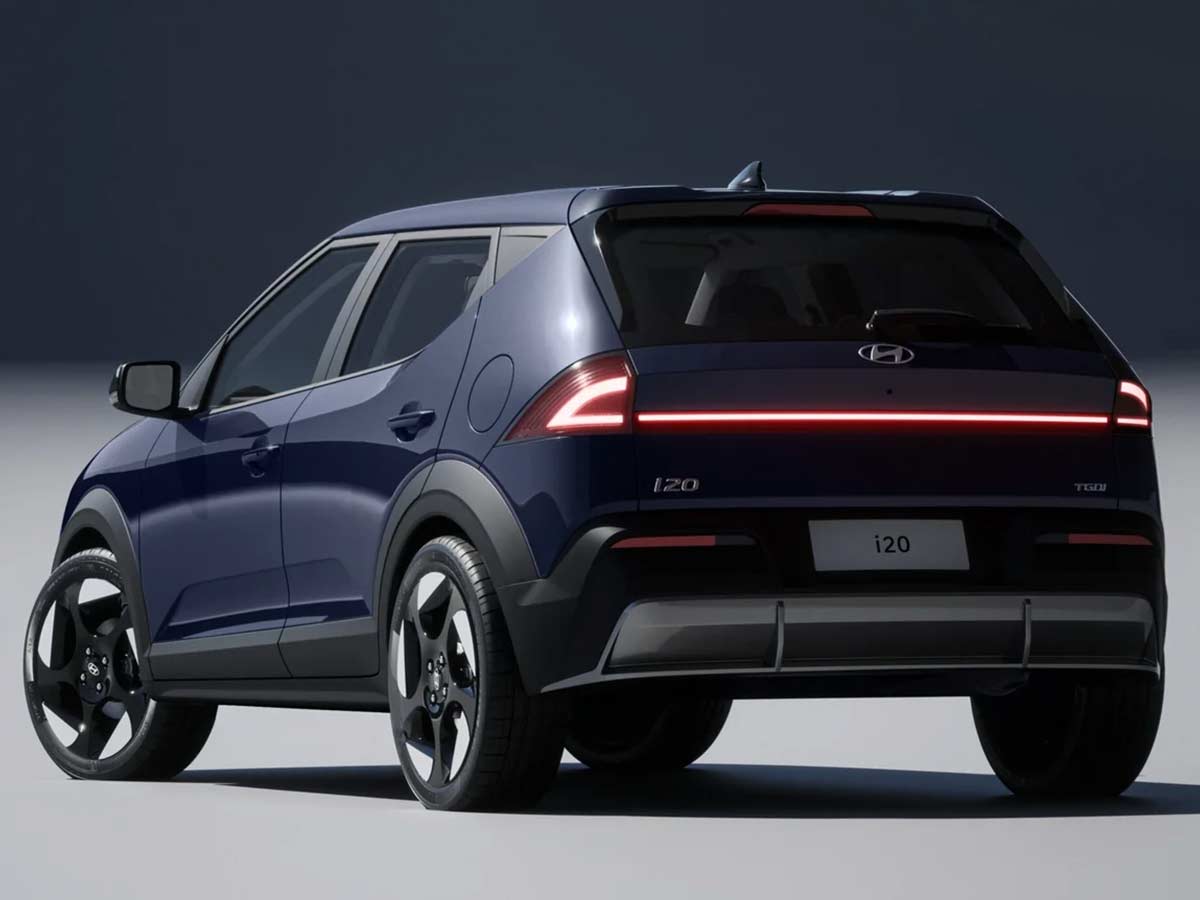
On upper trims, seamless LED light bars stretch across both the front and rear sections of the vehicle.
The result is futuristic without becoming excessive.
Sophisticated without appearing conservative.
Most importantly, it ensures the new Hyundai i20 remains instantly recognizable both day and night.
In an automotive landscape crowded with lookalike crossovers and hatchbacks, that distinction matters.
A lot.
Bigger Than You Think
One of Hyundai’s strongest selling points for the i20 is size.
At first glance, many buyers may assume they are looking at a conventional hatchback.
The numbers tell a different story.
Hyundai i20 Dimensions
- Length: 4,130 mm
- Width: 1,780 mm
- Height: 1,495 mm
- Wheelbase: 2,580 mm
- Cargo Capacity: 346 liters
These dimensions place the new Hyundai i20 among the largest vehicles in its category.
Particularly impressive is its width and wheelbase, both areas where Hyundai claims class-leading competitiveness.
Why does that matter?
Because wheelbase and width directly influence passenger comfort.
And inside the cabin, the benefits become immediately apparent.
A Cabin Designed to Feel Like a Class Above
Step inside the Hyundai i20 and one thing becomes clear.
This vehicle was not designed to feel entry-level.
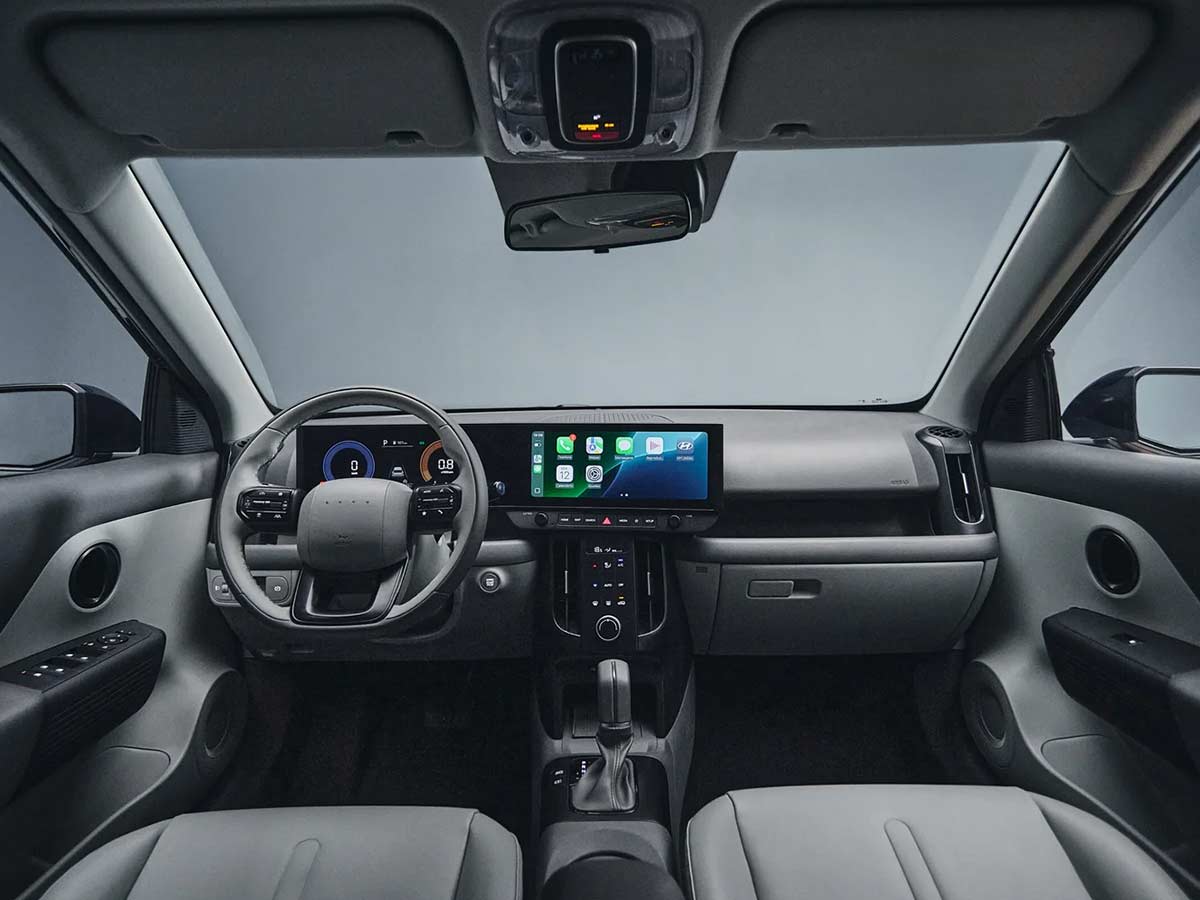
Hyundai calls its interior philosophy “Dynamic Premium Tech.”
That name might sound like marketing jargon, but the execution is genuinely impressive.
The dashboard architecture is clean and modern.
The design emphasizes horizontal visual flow.
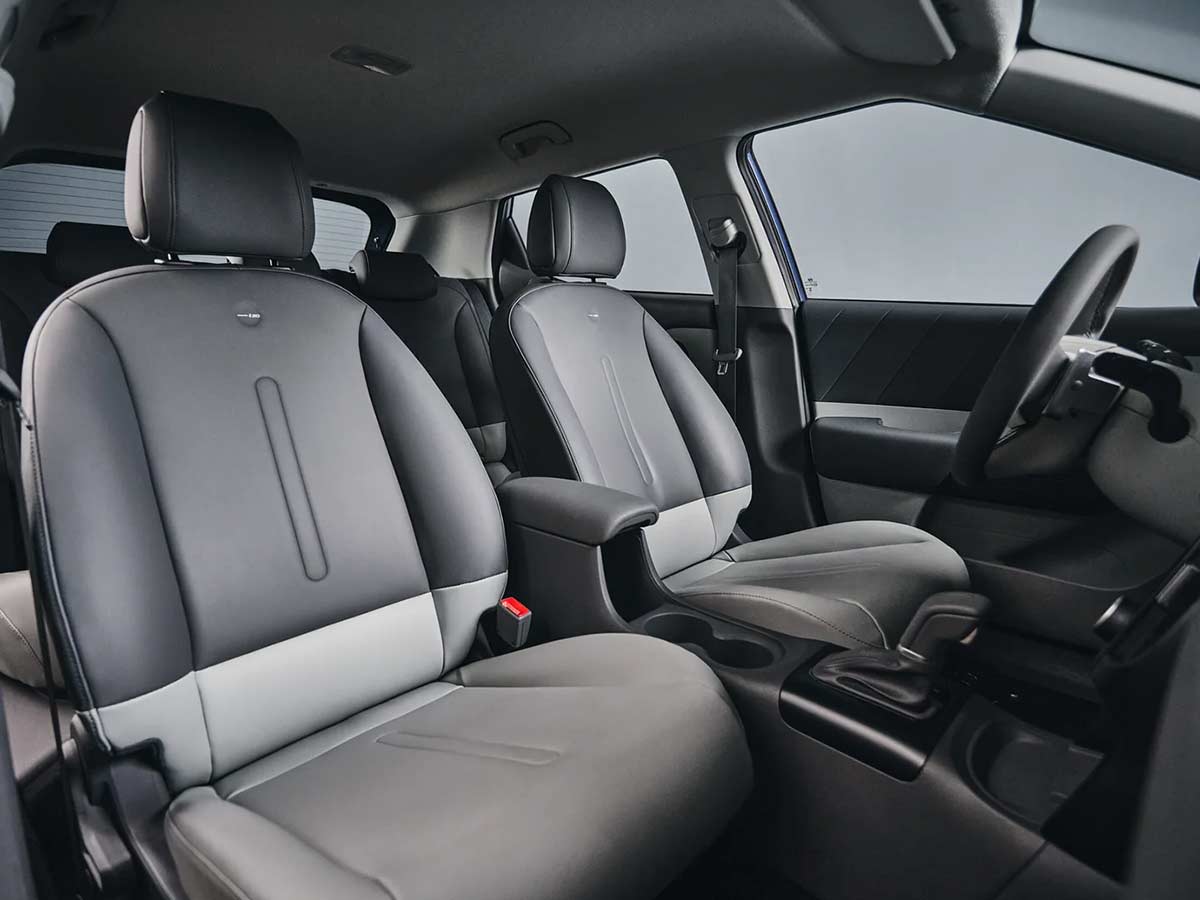
Premium materials appear throughout the cabin.
Metallic accents elevate perceived quality.
The two-tone leather-inspired seating surfaces create a sense of sophistication rarely seen at this price point.
Even small details, such as the unique steering wheel design featuring Hyundai’s Morse-code-inspired “H” identity, demonstrate a level of thoughtfulness often reserved for premium vehicles.
Rear Passenger Space Sets New Expectations
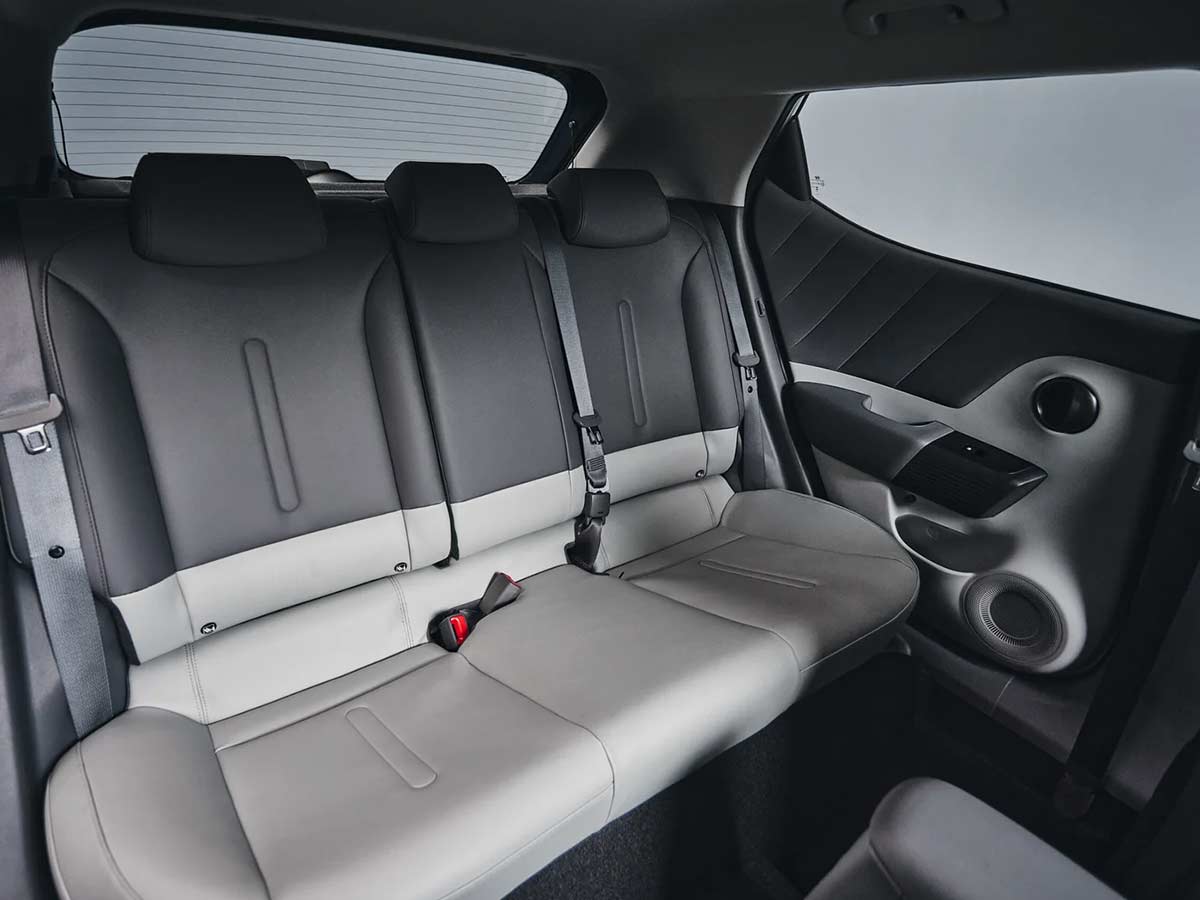
Perhaps the most surprising aspect of the cabin is rear-seat accommodation.
Hyundai specifically targeted passenger comfort during development.
The numbers reveal why.
Rear passengers benefit from:
- 917 mm of legroom
- 961 mm of headroom
- 1,391 mm of shoulder room
For buyers who regularly transport family members, friends, or rideshare passengers, these figures represent a significant advantage.
In practical terms, adults can comfortably occupy the rear seats without feeling squeezed.
That alone could become a decisive factor for many buyers comparing the new Hyundai i20 with traditional hatchbacks.
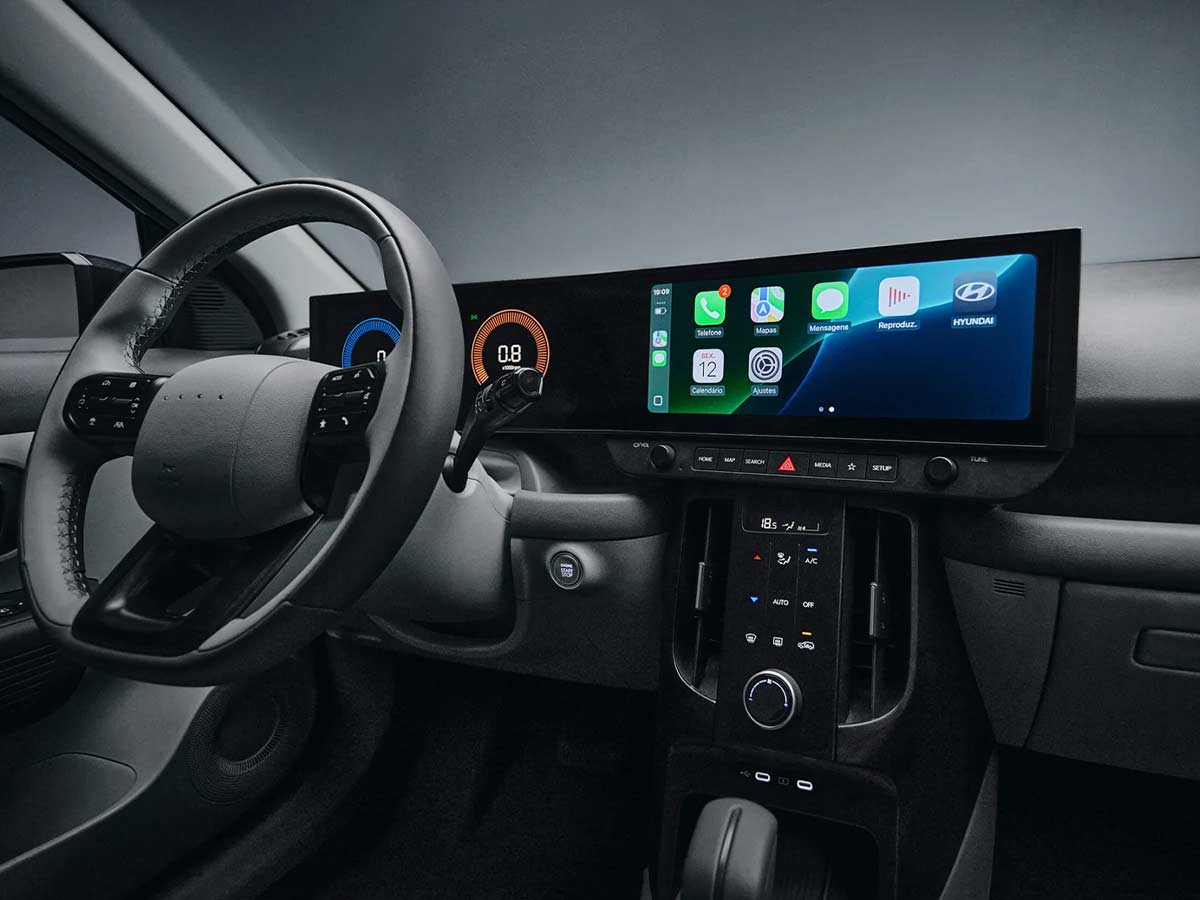
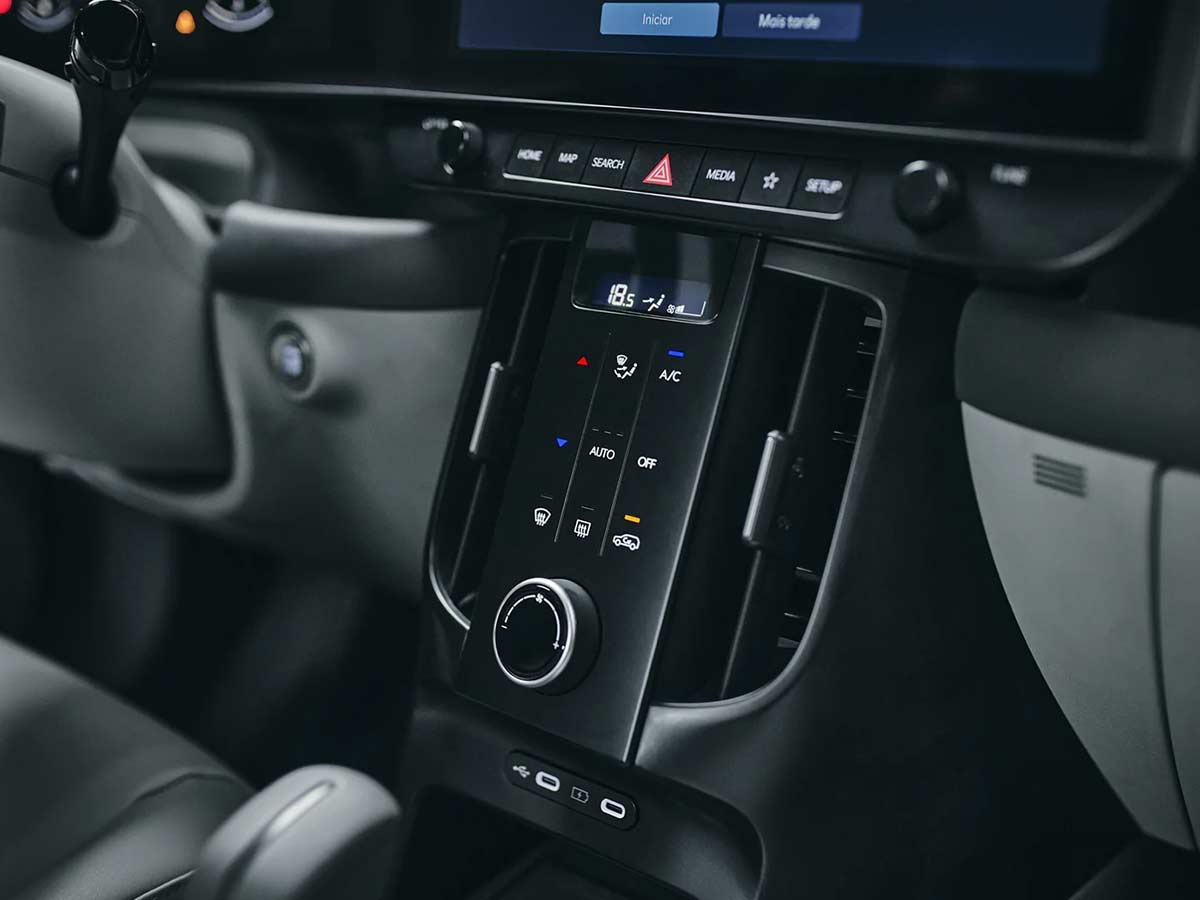
Dual 12.3-Inch Displays Transform the Driving Experience
Technology has become one of the primary battlegrounds in the automotive industry.
Hyundai came prepared.
Higher trims of the new Hyundai i20 feature an integrated dual-screen layout consisting of:
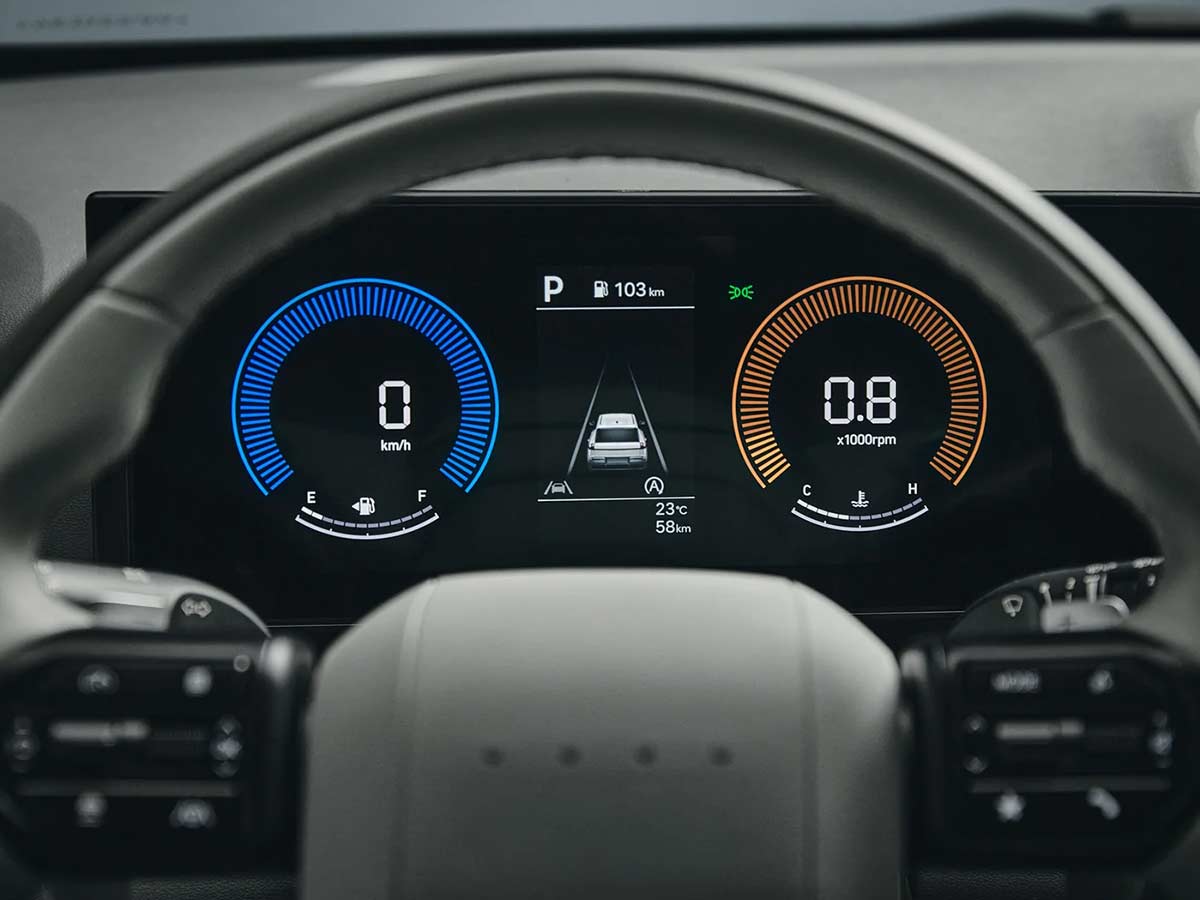
- A 12.3-inch digital instrument cluster
- A 12.3-inch infotainment display
The seamless integration creates an upscale environment that feels inspired by vehicles from significantly higher price brackets.
Wireless Apple CarPlay and Android Auto compatibility eliminate cable clutter, while OTA (Over-the-Air) update capability ensures the vehicle can continue receiving software improvements throughout ownership.
This is particularly significant because the i20 becomes one of Hyundai Brazil’s first locally produced models to feature OTA technology.
The car can evolve long after it leaves the showroom.
That’s increasingly important in the software-defined vehicle era.
Hyundai Bluelink Brings Connected Car Intelligence
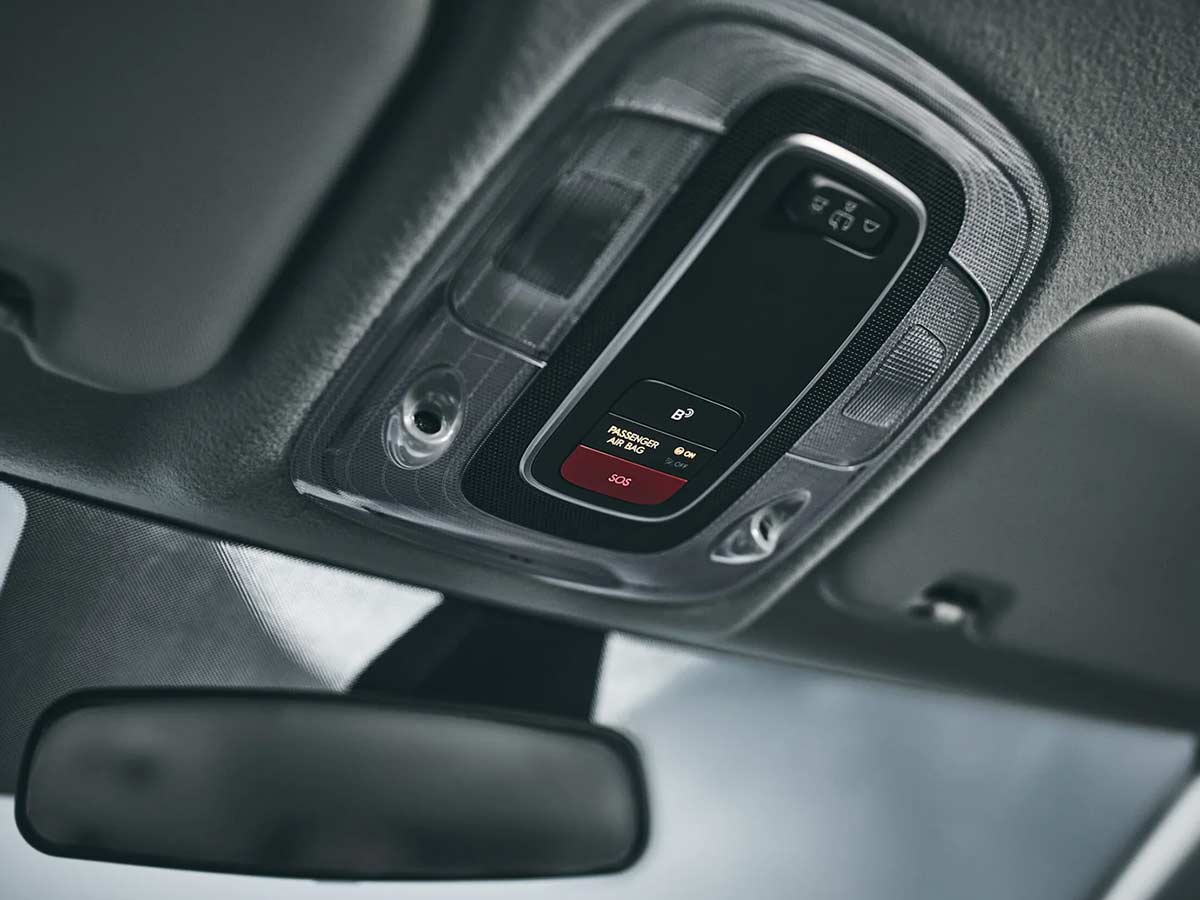
Every version of the i20 includes Hyundai’s Bluelink connected car platform.
Connected vehicle technology is no longer a luxury feature.
It has become an expectation.
Bluelink enables owners to interact with various vehicle functions remotely while enhancing convenience, security, and ownership experience.
Combined with OTA capabilities, the system positions the 2027 Hyundai i20 among the most technologically advanced offerings in its price category.
Hyundai SmartSense: Safety Takes Center Stage
The automotive market has reached a point where safety technology influences purchase decisions almost as much as design.
Hyundai clearly understands this.
The 2027 Hyundai i20 arrives equipped with one of the most comprehensive safety packages available in its segment.
The Hyundai SmartSense suite includes advanced driver assistance technologies that were once exclusive to premium vehicles.
Available features include:
- Forward Collision Avoidance Assist
- Lane Keeping Assist
- Lane Following Assist
- Blind Spot Collision Avoidance Assist
- Rear Cross Traffic Collision Avoidance Assist
- Safe Exit Warning
- Driver Attention Warning
- Adaptive Cruise Control with Stop & Go
- High Beam Assist
This collection of technologies dramatically enhances everyday driving confidence.
Whether navigating urban congestion, highways, or crowded parking areas, the system actively works to reduce risk.
Six Airbags Standard Across the Range
Beyond advanced electronics, Hyundai has ensured strong foundational safety.
Every version includes:
- Six airbags
- Electronic Stability Control
- Traction Control
- Hill Start Assist
- ABS brakes with EBD
- ISOFIX child-seat mounting points
- Emergency Stop Signal
The decision to standardize six airbags across all trims deserves recognition.
Many manufacturers still reserve comprehensive airbag coverage for higher variants.
Hyundai does not.
That approach reinforces the company’s commitment to democratizing safety technology.
The Powertrain Strategy: Efficiency Meets Everyday Performance
Under the hood, Hyundai offers two versions of its proven Kappa three-cylinder engine family.
1.0 MPI Naturally Aspirated
- 80 hp (ethanol)
- 75 hp (gasoline)
- Up to 10.2 kgfm torque
This engine focuses on affordability, fuel efficiency, and low operating costs.
For urban drivers, it provides a balanced ownership experience.
1.0 Turbo GDI
- 115 hp
- 17.5 kgfm torque
- Peak torque available from just 1,500 rpm
The turbocharged variant transforms the new i20’s personality.
More importantly, Hyundai prioritized low-end torque delivery.
This means stronger acceleration during everyday driving situations such as overtaking, merging onto highways, and climbing steep grades.
Rather than chasing headline horsepower figures, Hyundai focused on real-world usability.
That decision will likely resonate with buyers far more than raw performance numbers.
Fuel Efficiency Remains a Key Strength
Despite its larger dimensions and premium positioning, the i20 maintains impressive efficiency credentials.
The naturally aspirated version achieves fuel economy figures reaching approximately:
- 13.7 km/l in city driving
- 14.8 km/l on highways
This balance of space, performance, and efficiency strengthens the vehicle’s appeal among cost-conscious buyers.
The Exclusive X Line Edition Adds Personality
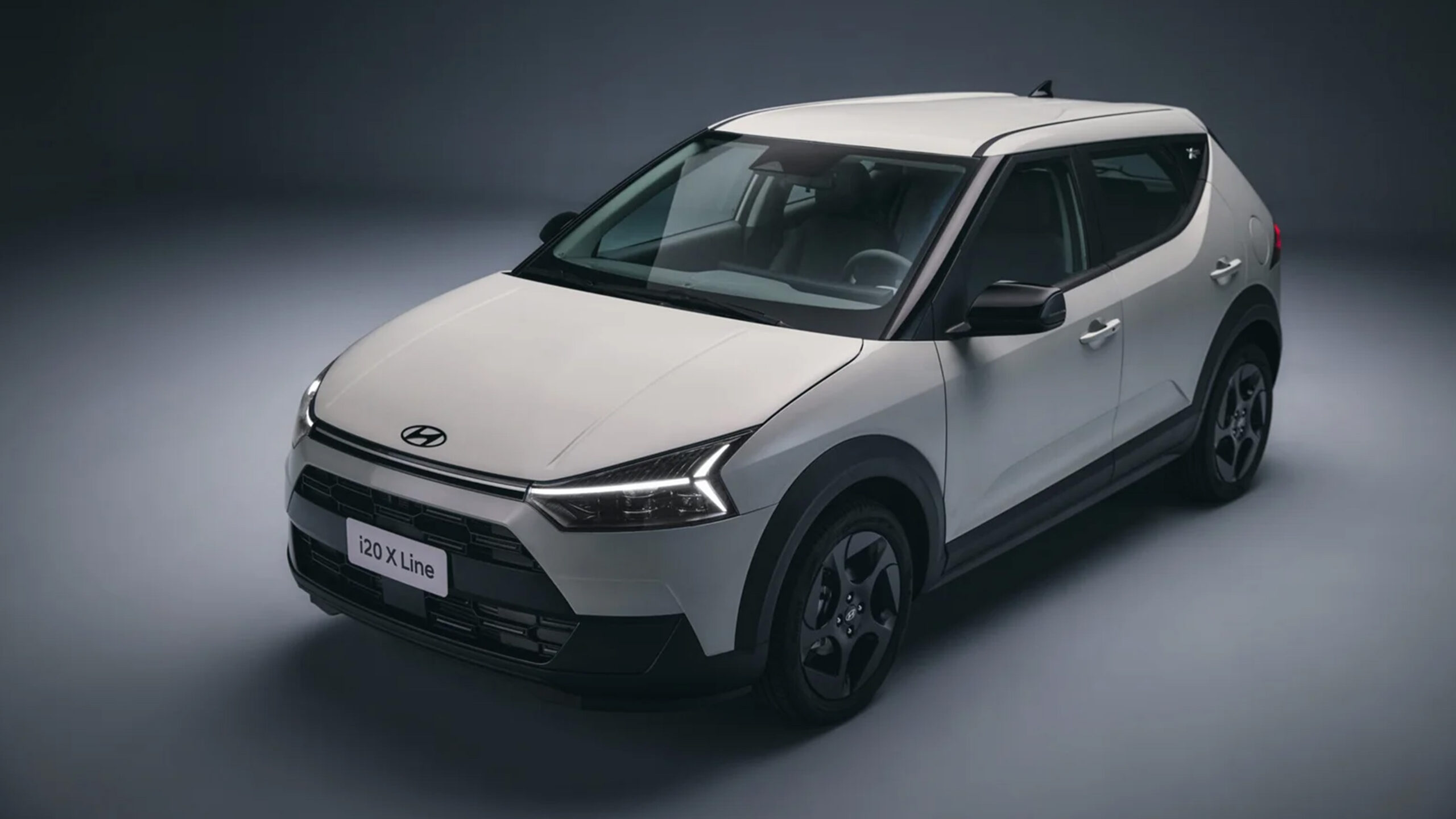
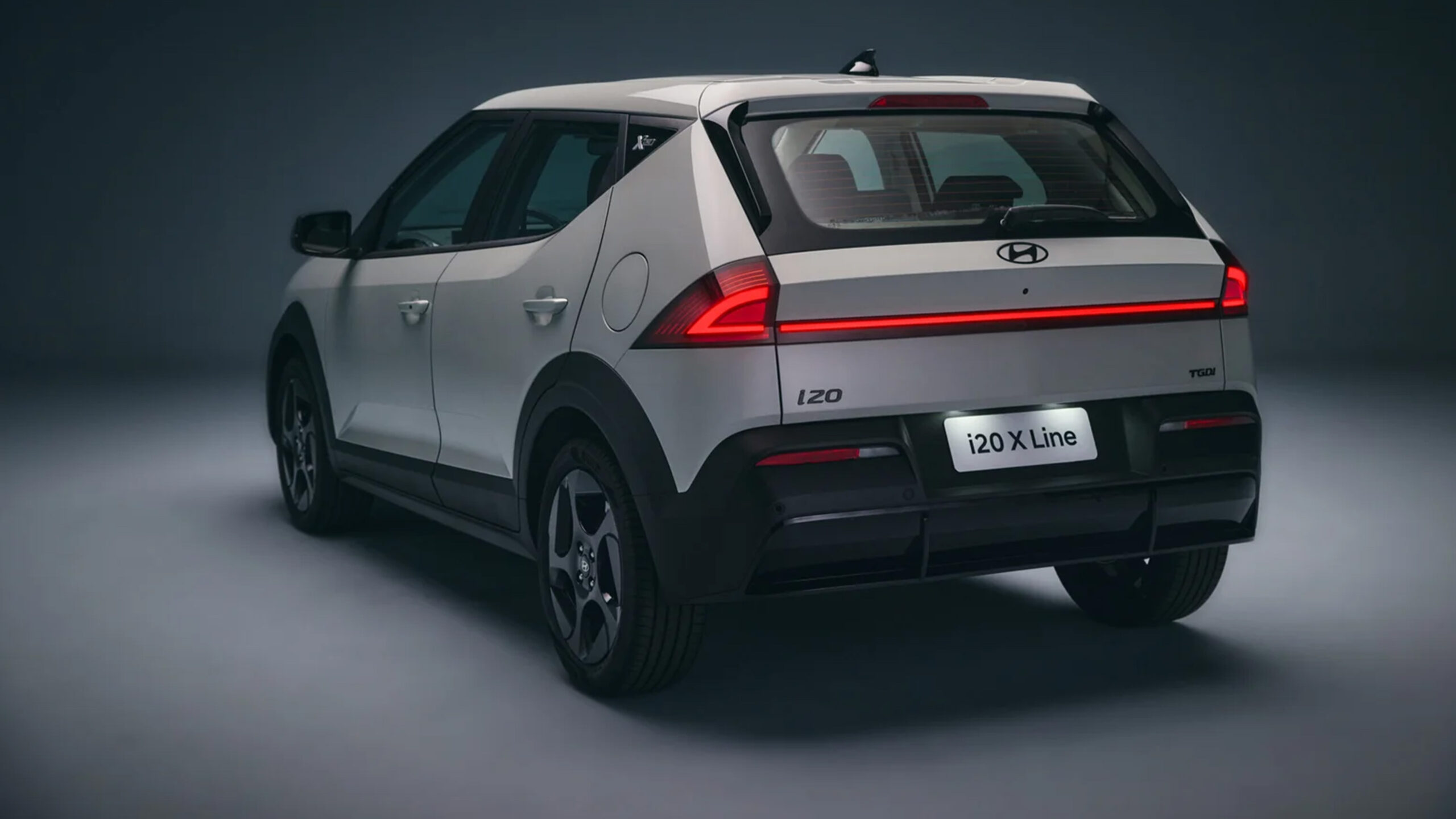
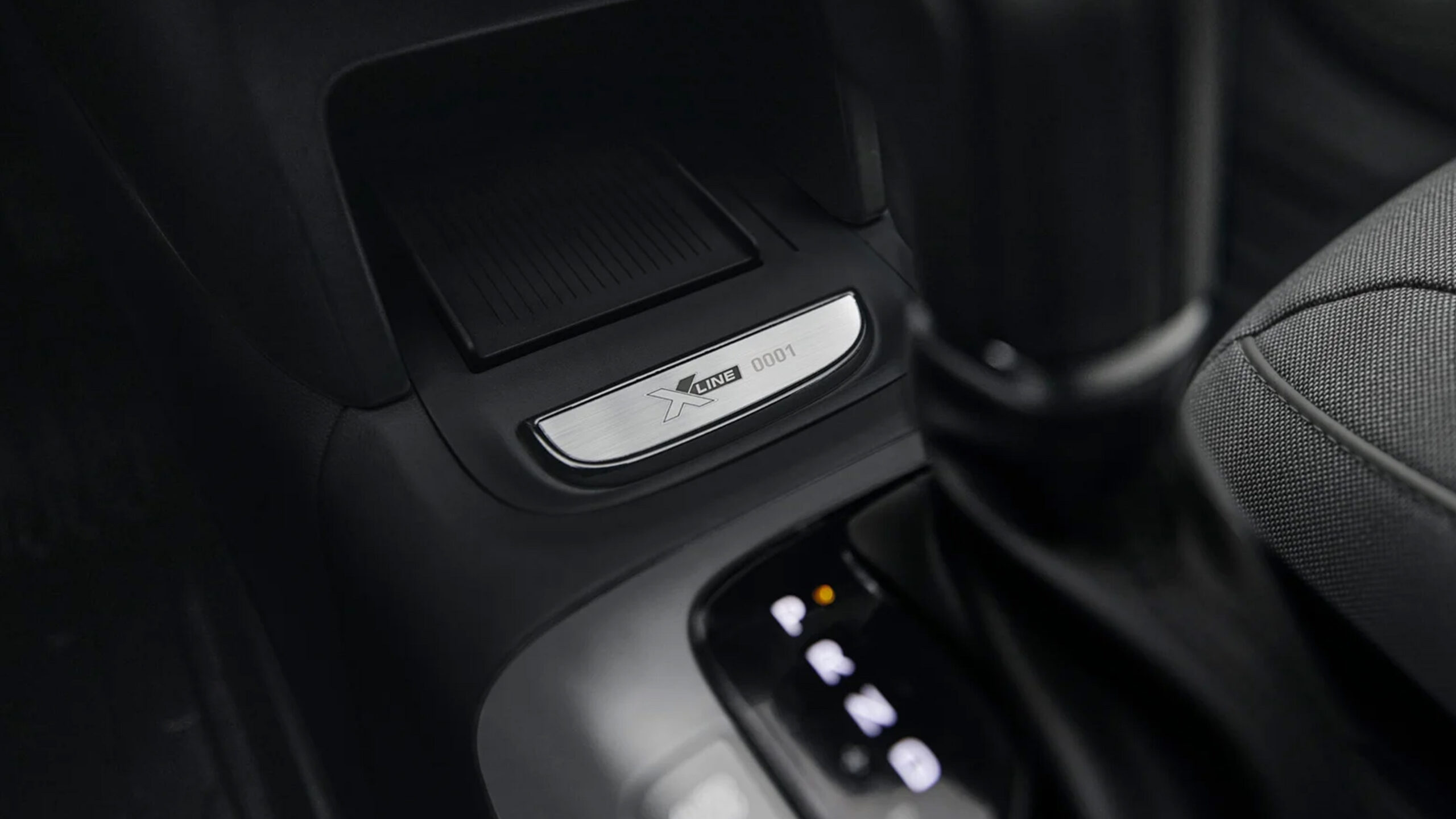
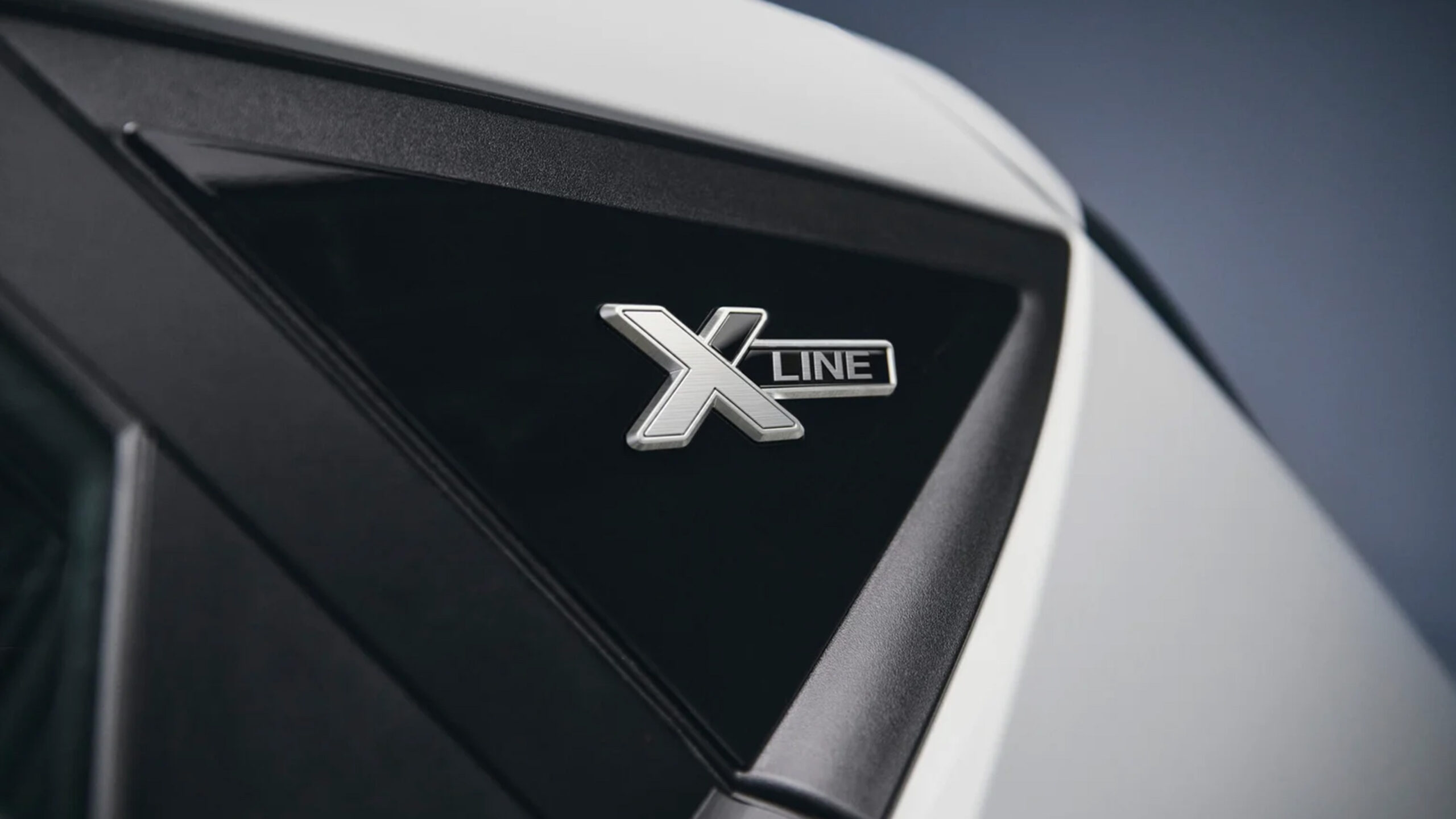
For early adopters seeking something more distinctive, Hyundai introduces the i20 X Line.
This special edition goes beyond cosmetic enhancements.
Each unit receives an individually numbered plaque, creating a sense of exclusivity uncommon in this segment.
Unique design elements include:
- Gloss black exterior details
- Exclusive 17-inch wheels
- Black Hyundai badging
- Special X Line identification
- Exclusive interior trim components
For enthusiasts who enjoy owning something rare, the X Line represents a compelling proposition.
Also Read: Hyundai Boulder Concept Just Flipped the Script on Off-Road Trucks
Built for the Future
Underneath the stylish bodywork lies Hyundai’s third-generation K3 platform architecture.
This evolved structure was developed with future electrification in mind.
The platform delivers:
- Increased rigidity
- Lower center of gravity
- Improved crash protection
- Greater adaptability for future powertrains
High-strength and ultra-high-strength steel are strategically integrated throughout the body structure, reinforcing occupant protection while maintaining efficiency.
The platform itself may be invisible to most buyers.
Its benefits, however, influence every aspect of the driving experience.
Pricing: Hyundai Targets Maximum Value
The Hyundai i20 range launches with aggressive pricing.
2027 Hyundai i20 Launch Prices
- Comfort 1.0 MPI – R$99,990
- Limited 1.0 MPI – R$104,990
- Limited 1.0 Turbo – R$125,990
- X Line Turbo – R$128,990
- Platinum Turbo – R$134,990
- Ultimate Turbo – R$139,990
Considering the technology, safety equipment, cabin quality, and dimensions on offer, Hyundai appears to have positioned the i20 very strategically.
The pricing places it directly within reach of buyers considering both premium hatchbacks and entry-level SUVs.
Exactly where Hyundai wants it.
Five-Year Warranty Strengthens Ownership Appeal
Hyundai further reinforces its value proposition through a five-year warranty.
Private owners receive:
- Five years of coverage
- Unlimited mileage
This remains one of the strongest warranty programs available in the market and significantly improves long-term ownership confidence.
Fixed-price maintenance plans further reduce uncertainty for prospective buyers.
Final Verdict: Hyundai May Have Created the Segment’s New Benchmark
The automotive industry loves labels.
Hatchback.
Crossover.
SUV.
Sedan.
The Hyundai i20 challenges those categories.
It borrows the practicality of a hatchback.
It adopts the technology expectations of a premium vehicle.
It delivers the spaciousness buyers increasingly demand.
And it incorporates many of the safety and convenience features that traditionally pushed customers toward SUVs.
The result is a vehicle that feels remarkably aligned with how modern consumers actually shop for cars.
Instead of forcing buyers to choose between hatchback efficiency and SUV desirability, Hyundai offers a compelling middle ground.
If the market responds the way Hyundai expects, the 2027 Hyundai i20 won’t simply become another successful model.
It could redefine what buyers expect from compact cars altogether.
And that may ultimately prove to be its most important achievement.
Source: Hyundai