






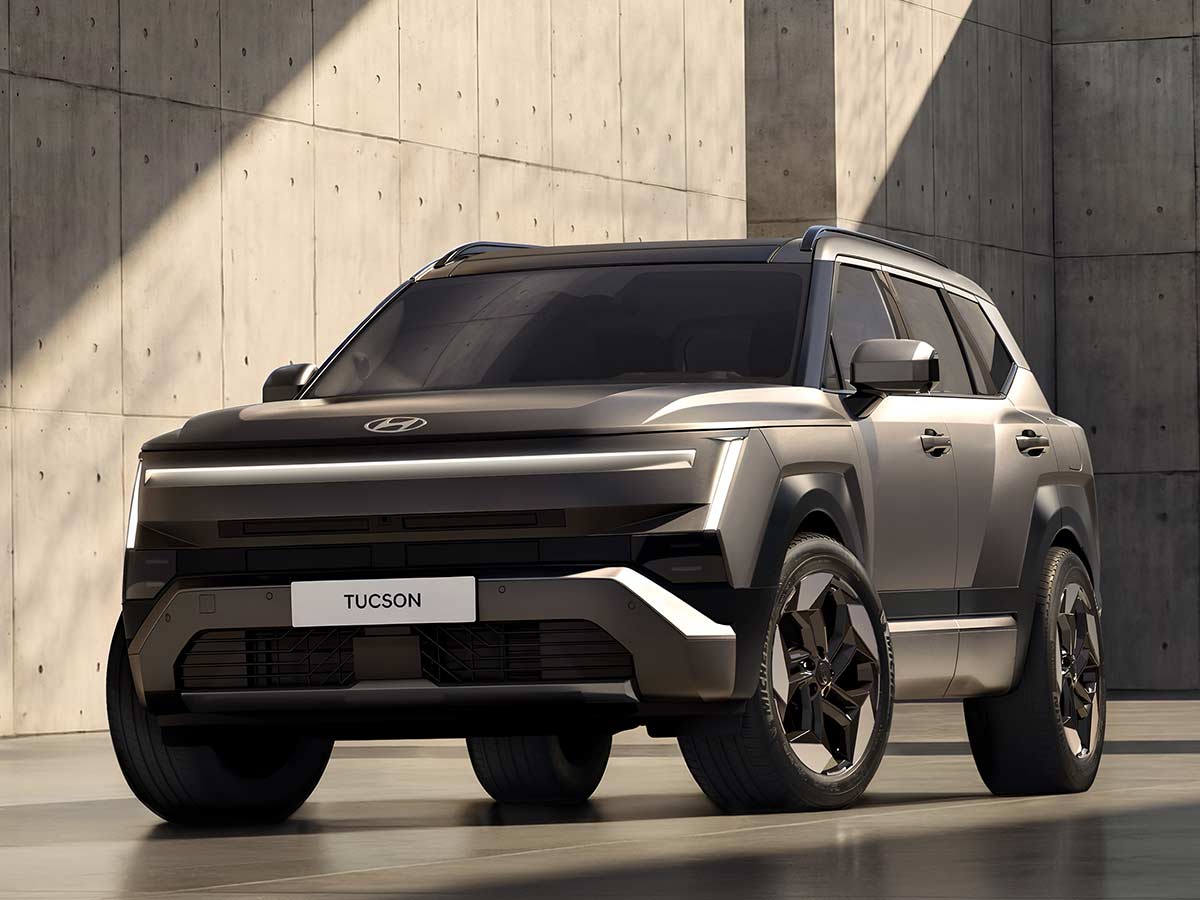
The new Hyundai Tucson 2027 marks a major evolution for one of Hyundai Motor’s most important SUVs. The all-new Tucson combines a more muscular design with a larger cabin, next-generation hybrid technology, a new Pleos Connect infotainment system, conversational Gleo AI, and a substantially more adventure-focused Tucson XRT PRO.
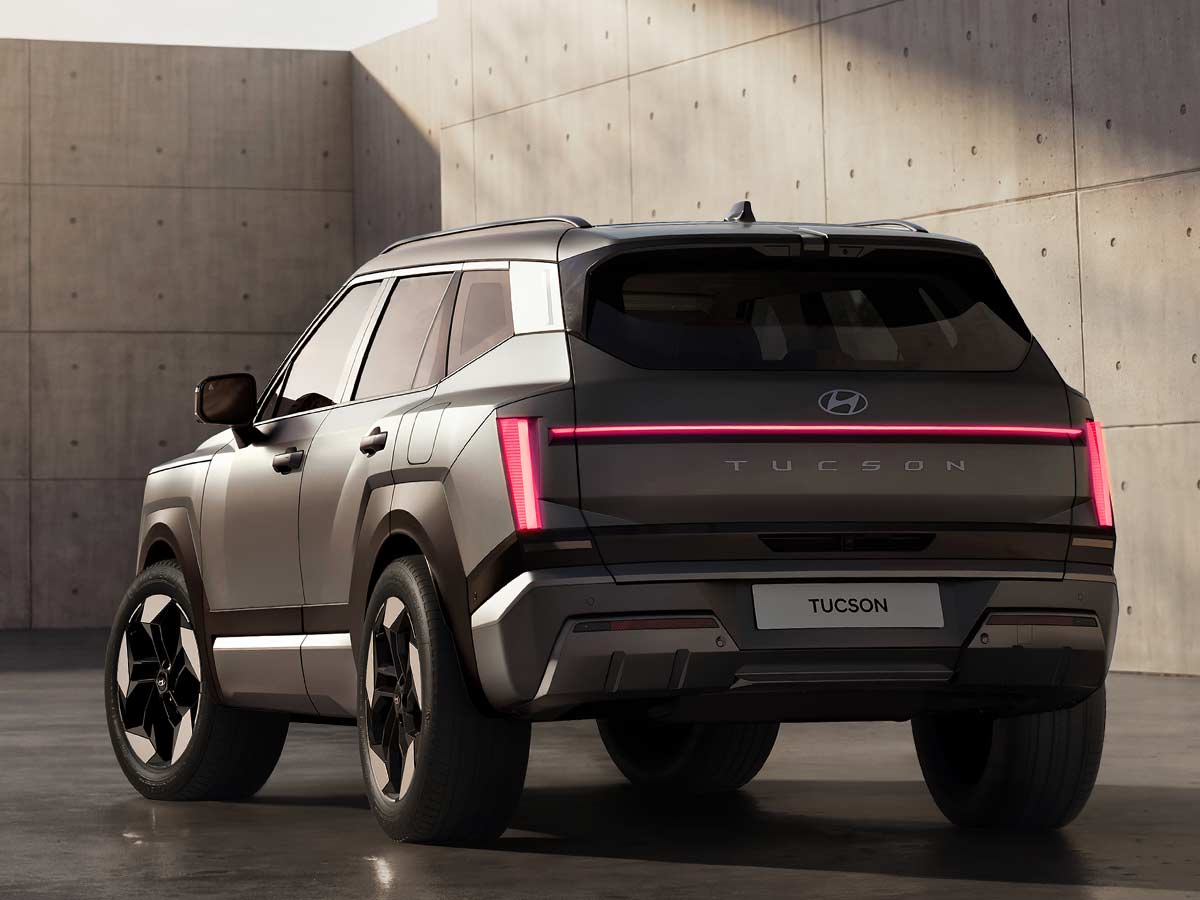
Hyundai is positioning the new Tucson as its “Boldest SUV”, built around an exterior design philosophy called “Art of Steel”. The changes go well beyond styling. The new-generation SUV is longer, wider and taller in long-wheelbase form, gains additional interior space, introduces new driver-assistance and off-road technologies, and brings a new-generation hybrid system targeting up to 42 mpg in the North American market.
For buyers, the interesting part is how these changes come together. The new Tucson is designed to cover a remarkably broad spectrum, from everyday urban commuting and family duties to long-distance travel and, in XRT PRO form, more serious outdoor adventures.
Hyundai says the Tucson has sold more than 11.1 million units globally since its introduction in 2004, making it the company’s best-selling SUV worldwide. The latest generation therefore arrives with considerably more than a new set of headlights to live up to.
>>> Great Discounts on Car & Bike Accessories <<<
What is new on the 2027 Hyundai Tucson?
The biggest changes can be grouped into five areas:
- A larger and more muscular “Art of Steel” exterior
- A more spacious, furniture-inspired interior
- A new-generation hybrid system focused on efficiency and performance
- Pleos Connect infotainment with Gleo AI
- Expanded adventure capability, particularly in the Tucson XRT PRO
The result is a Tucson that attempts to be both more sophisticated and more capable without moving away from the practical SUV formula that has made the nameplate a global success.
Hyundai describes the vehicle as being engineered for the transition between daily commuting and weekend escapes. That positioning becomes particularly clear when the standard Tucson is considered alongside the XRT and XRT PRO variants.
The result is a Tucson that attempts to be both more sophisticated and more capable without moving away from the practical SUV formula that has made the nameplate a global success.
Hyundai describes the vehicle as being engineered for the transition between daily commuting and weekend escapes. That positioning becomes particularly clear when the standard Tucson is considered alongside the XRT and XRT PRO variants.
2027 Hyundai Tucson Design: The “Art of Steel” Takes Shape
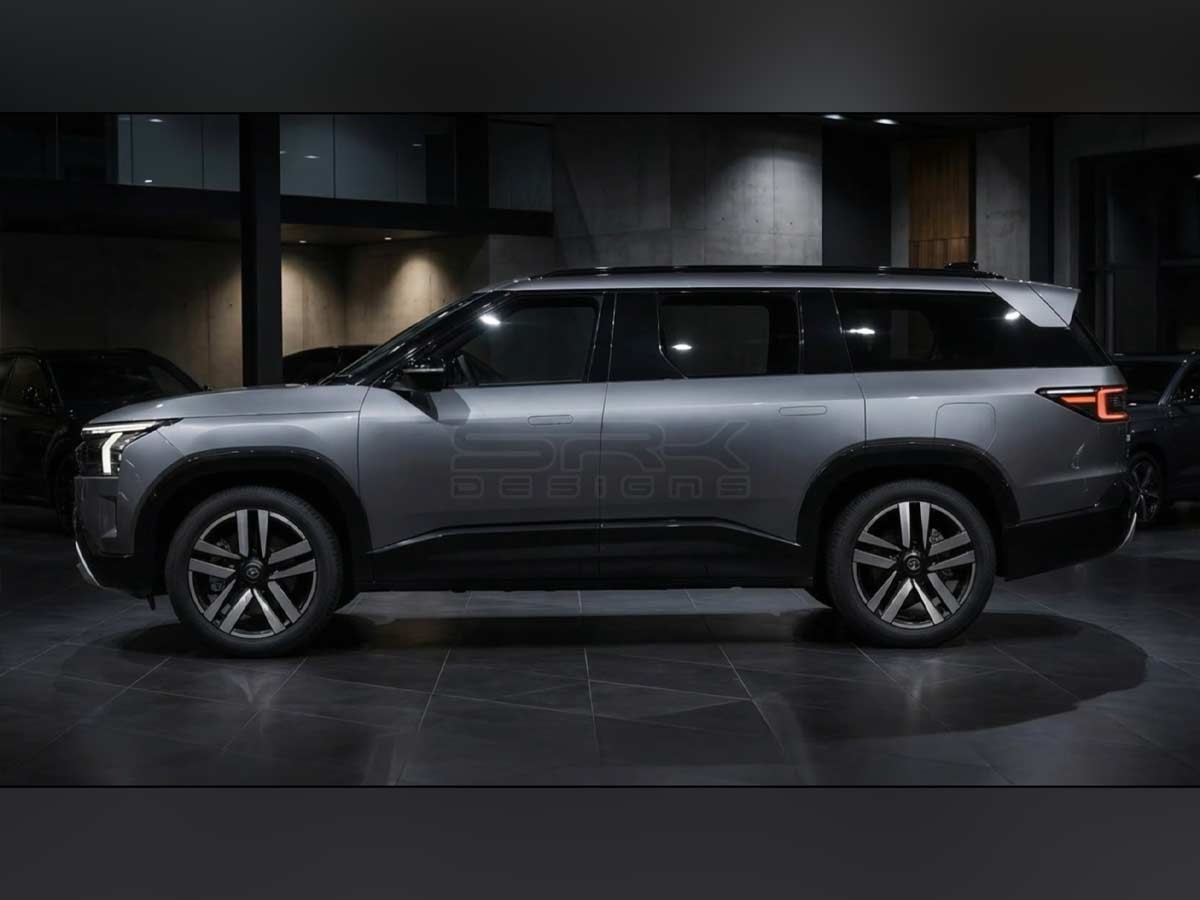
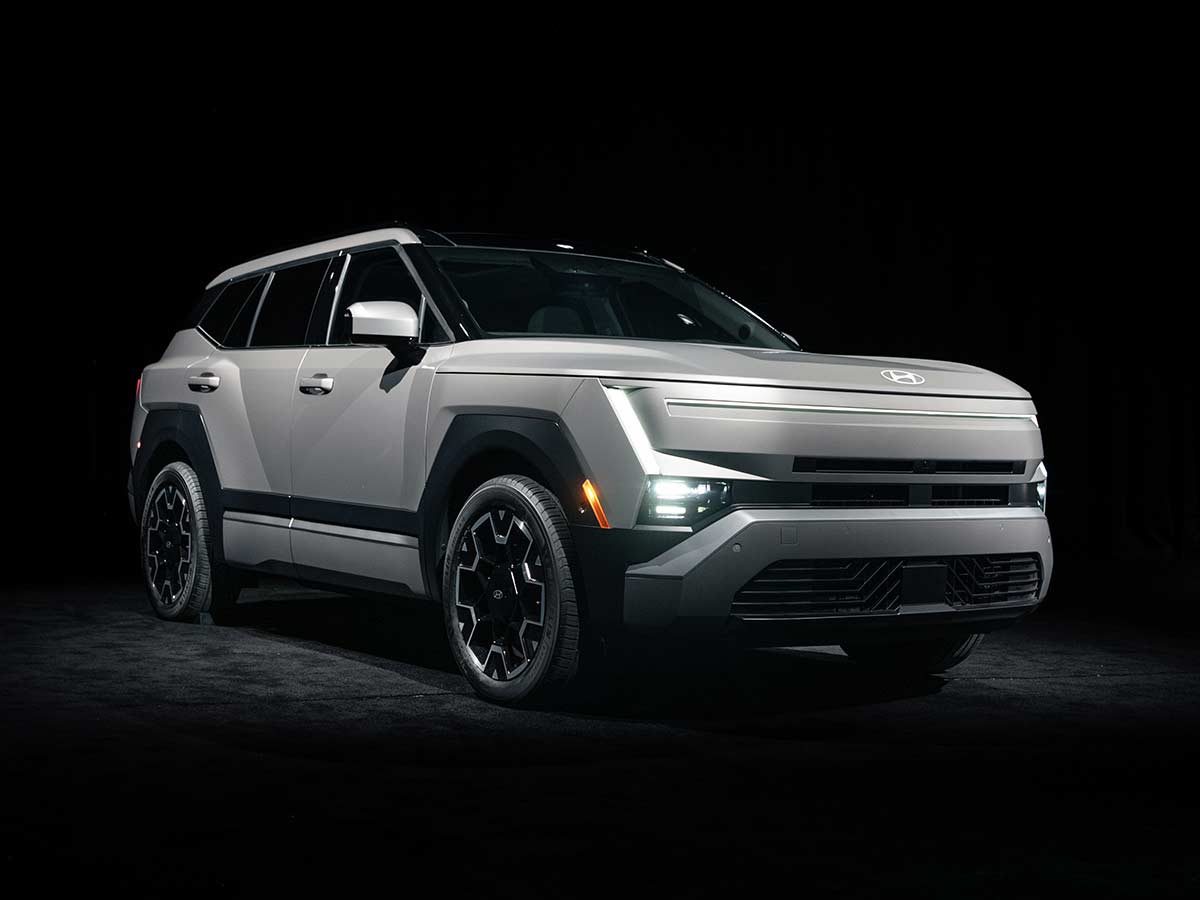
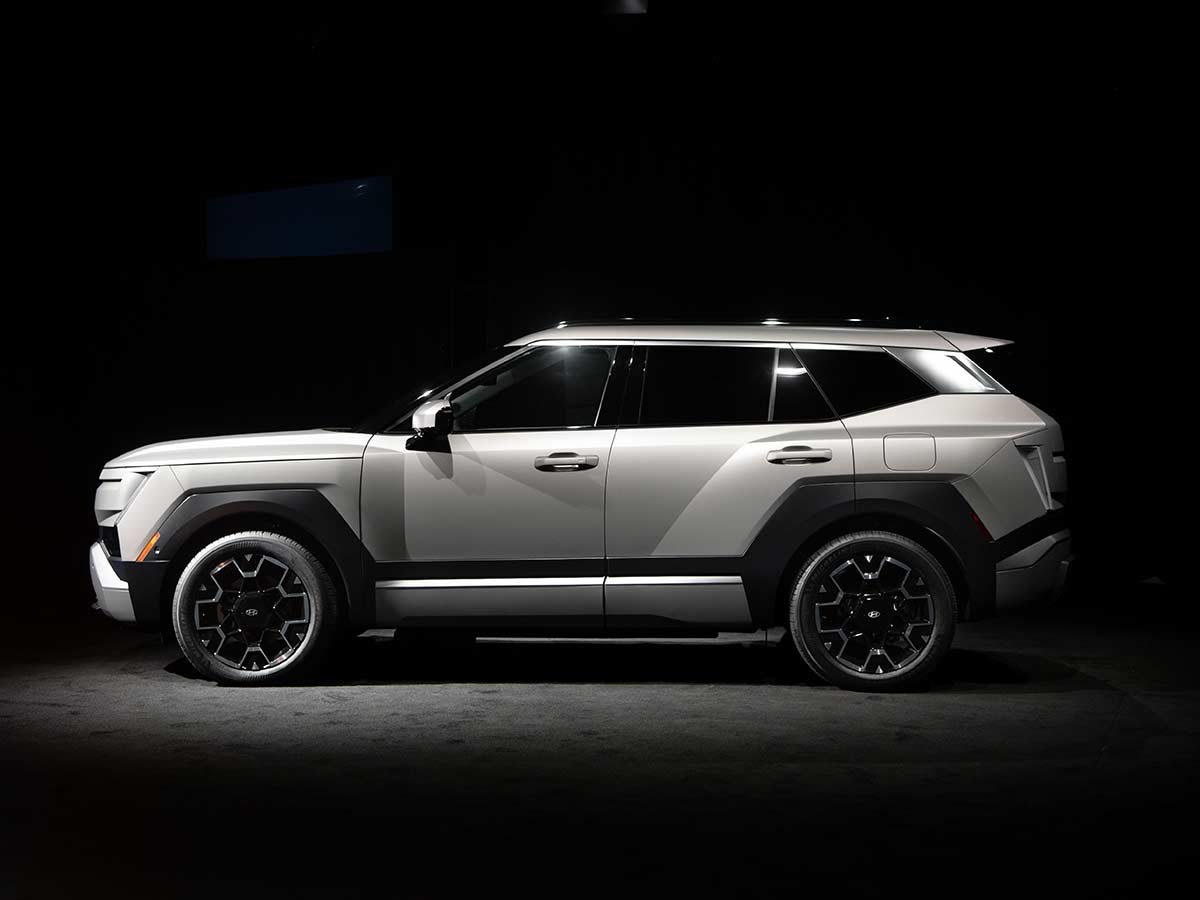
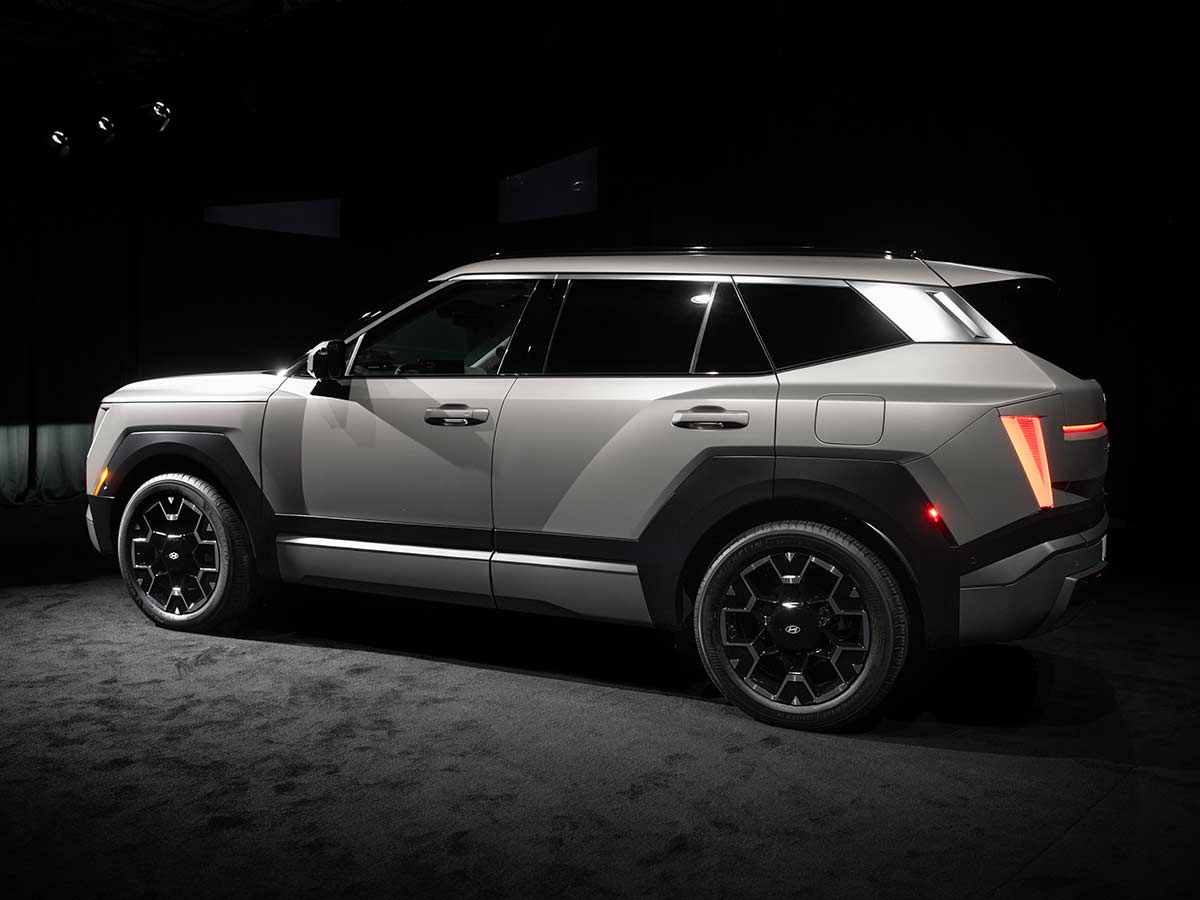
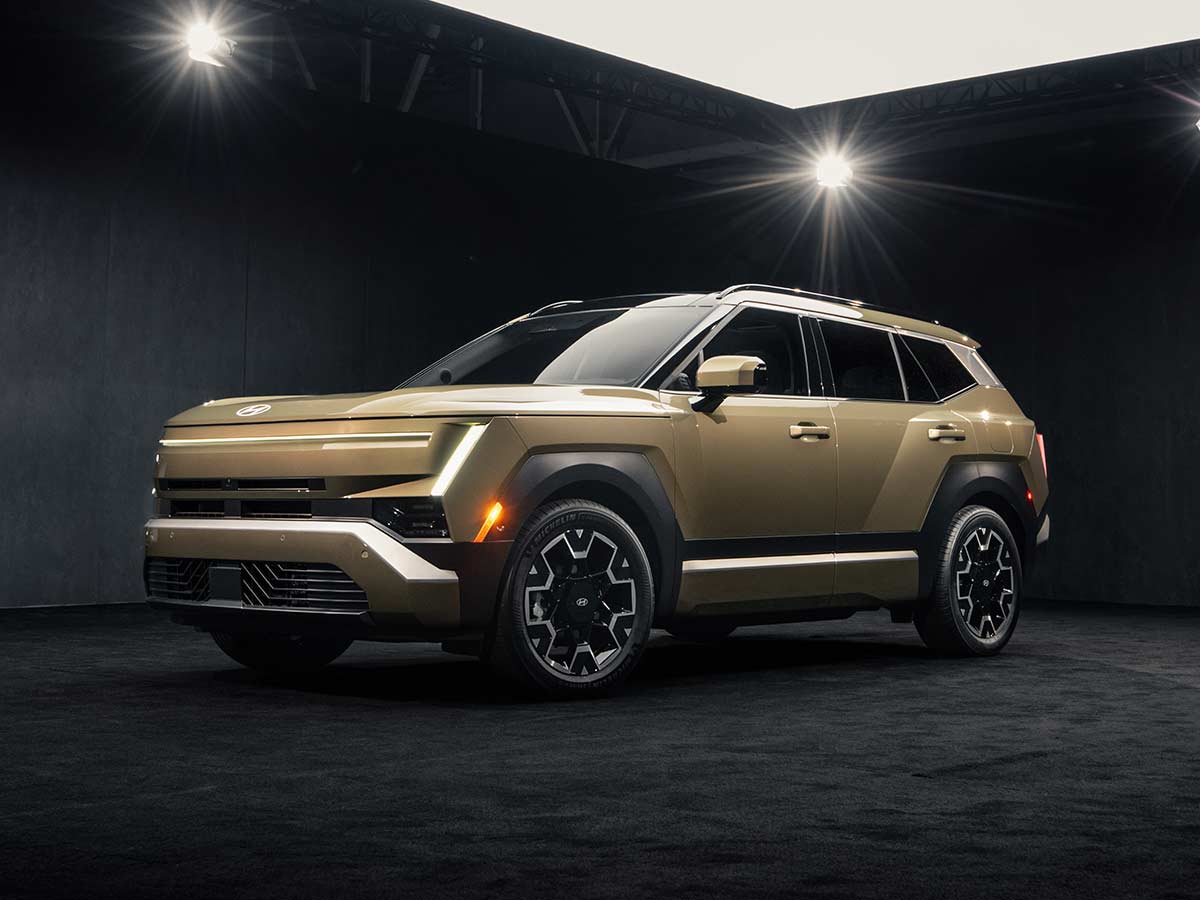
The new Tucson’s exterior is built around Hyundai’s “Art of Steel” design language.
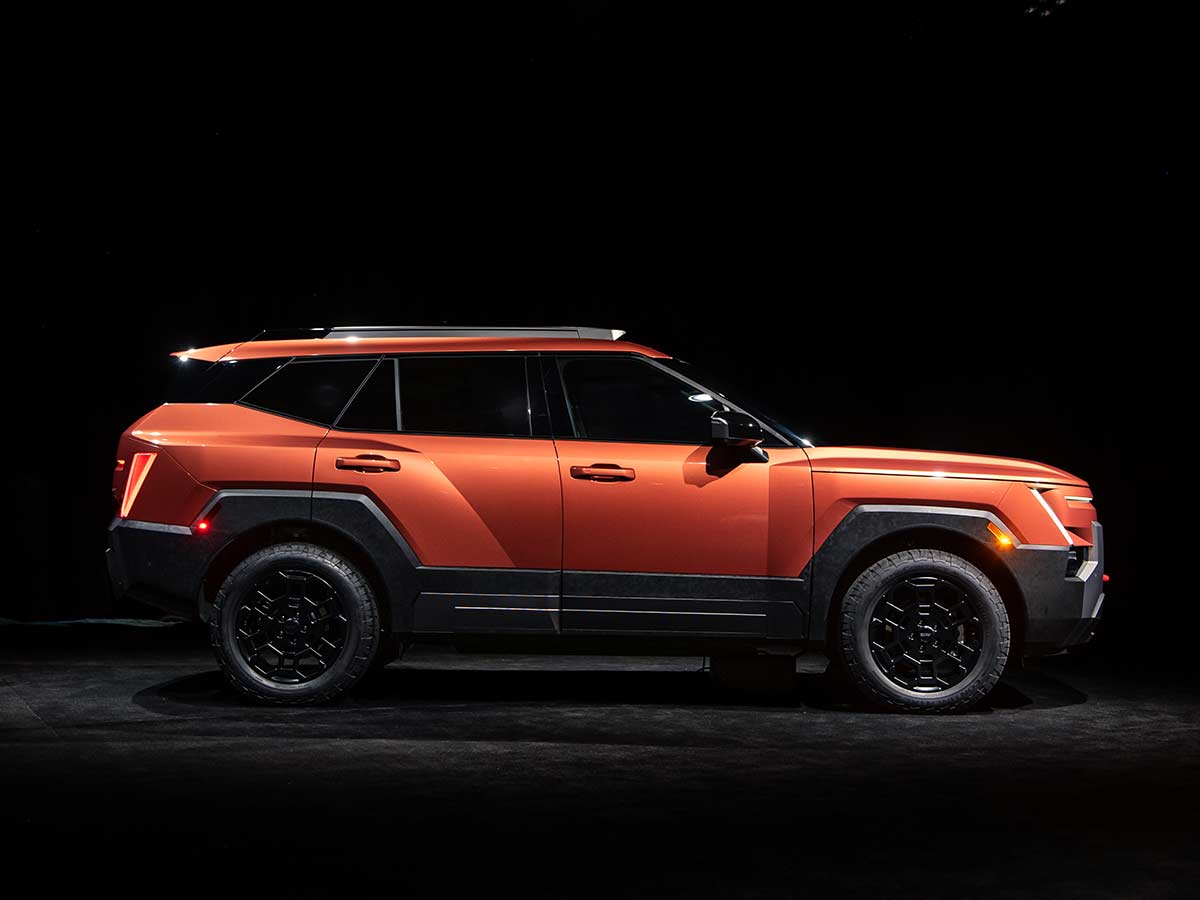
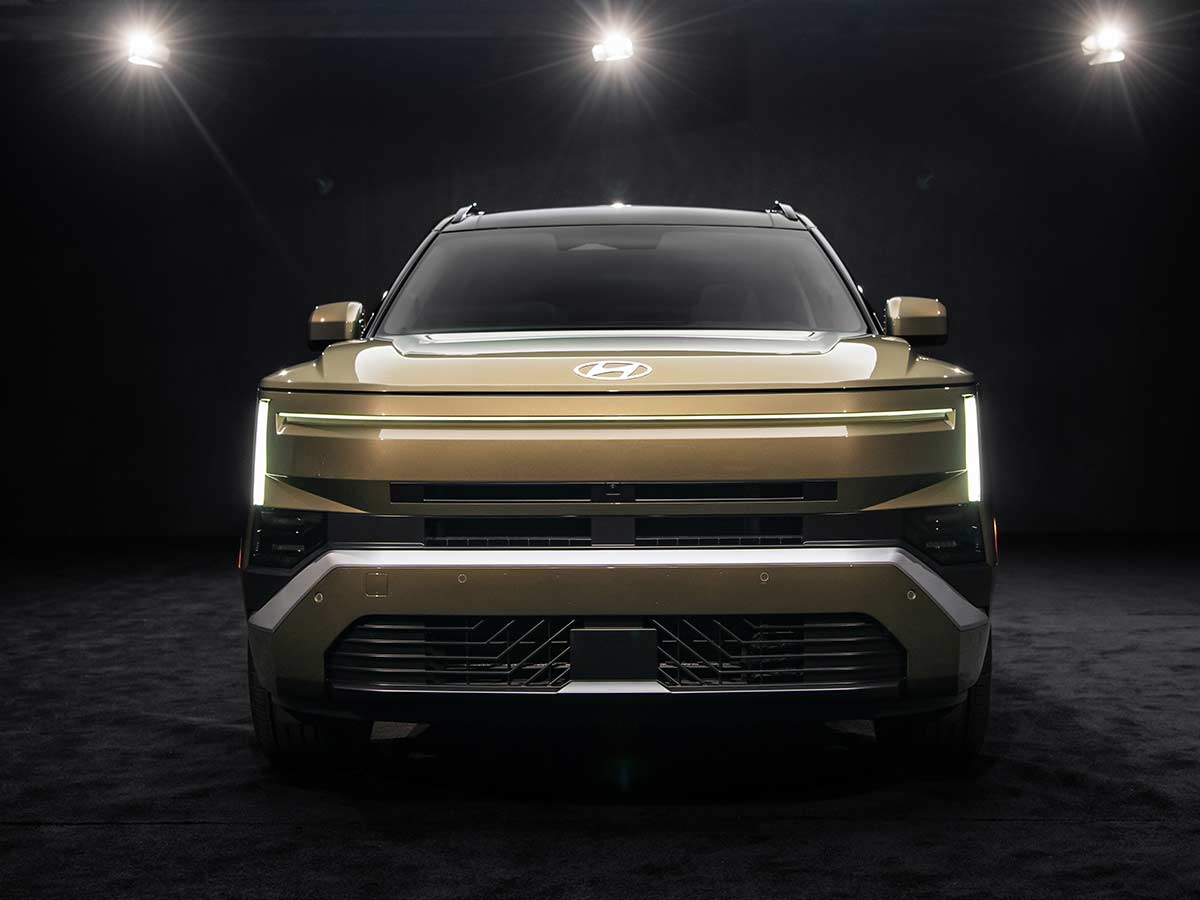
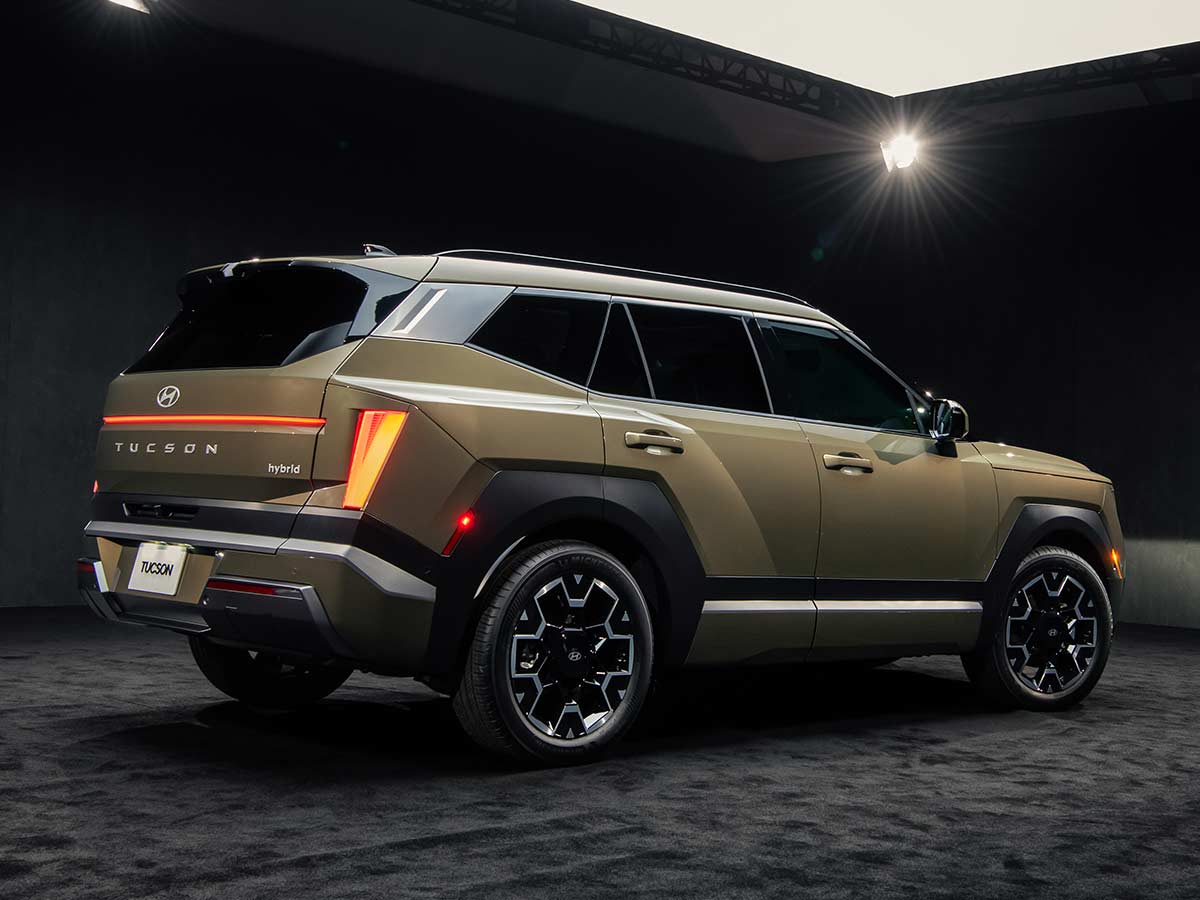
Rather than relying entirely on sharp creases and decorative details, the design emphasizes the visual tension of steel. Pronounced muscular fenders give the SUV a wider, more planted appearance, while relatively restrained door surfaces and crisp body lines keep the design from becoming visually busy.
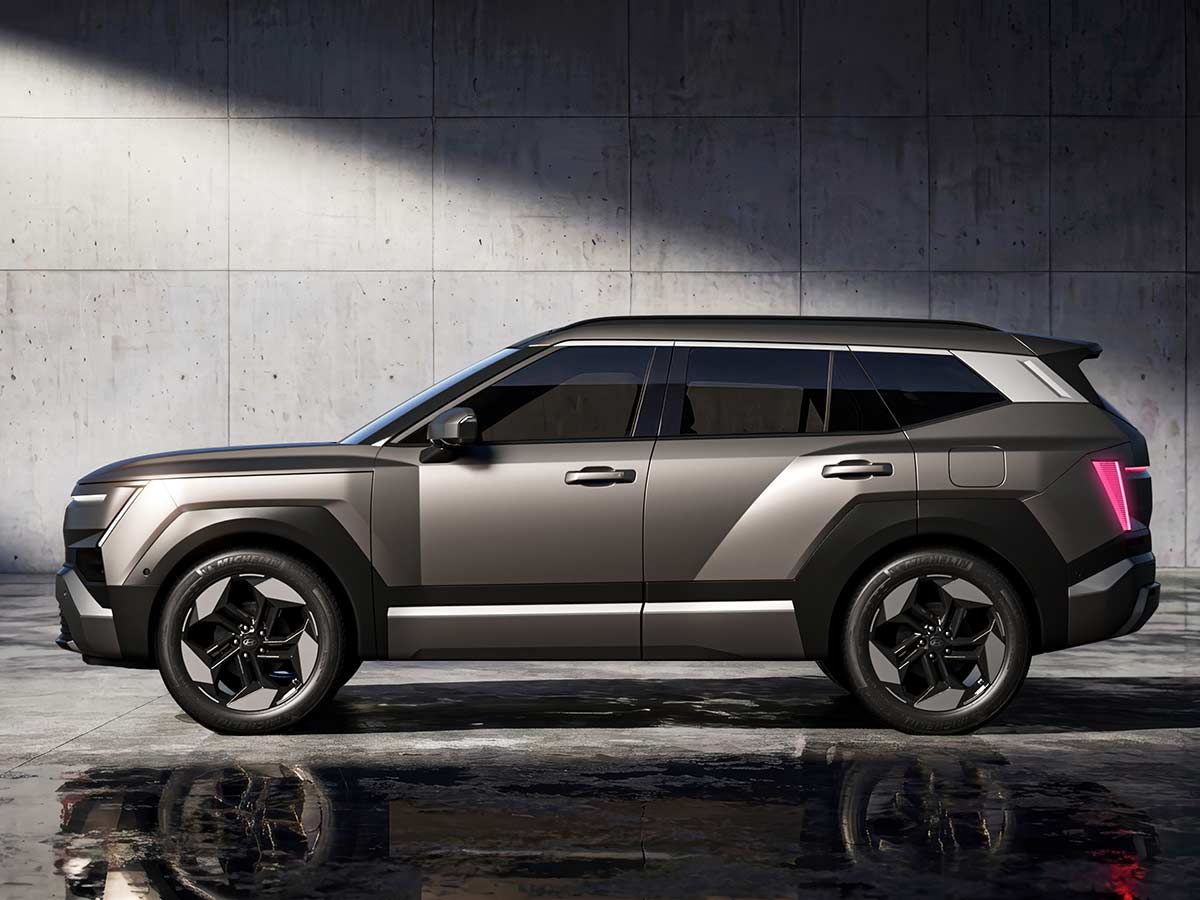
The proportions have also changed.
The long-wheelbase Tucson measures:
| Dimension | New Tucson LWB |
|---|---|
| Length | 4,700 mm |
| Width | 1,905 mm |
| Height | 1,685 mm |
| Wheelbase | 2,785 mm |
| Standard ground clearance | 180 mm |
| XRT PRO ground clearance | 210 mm |
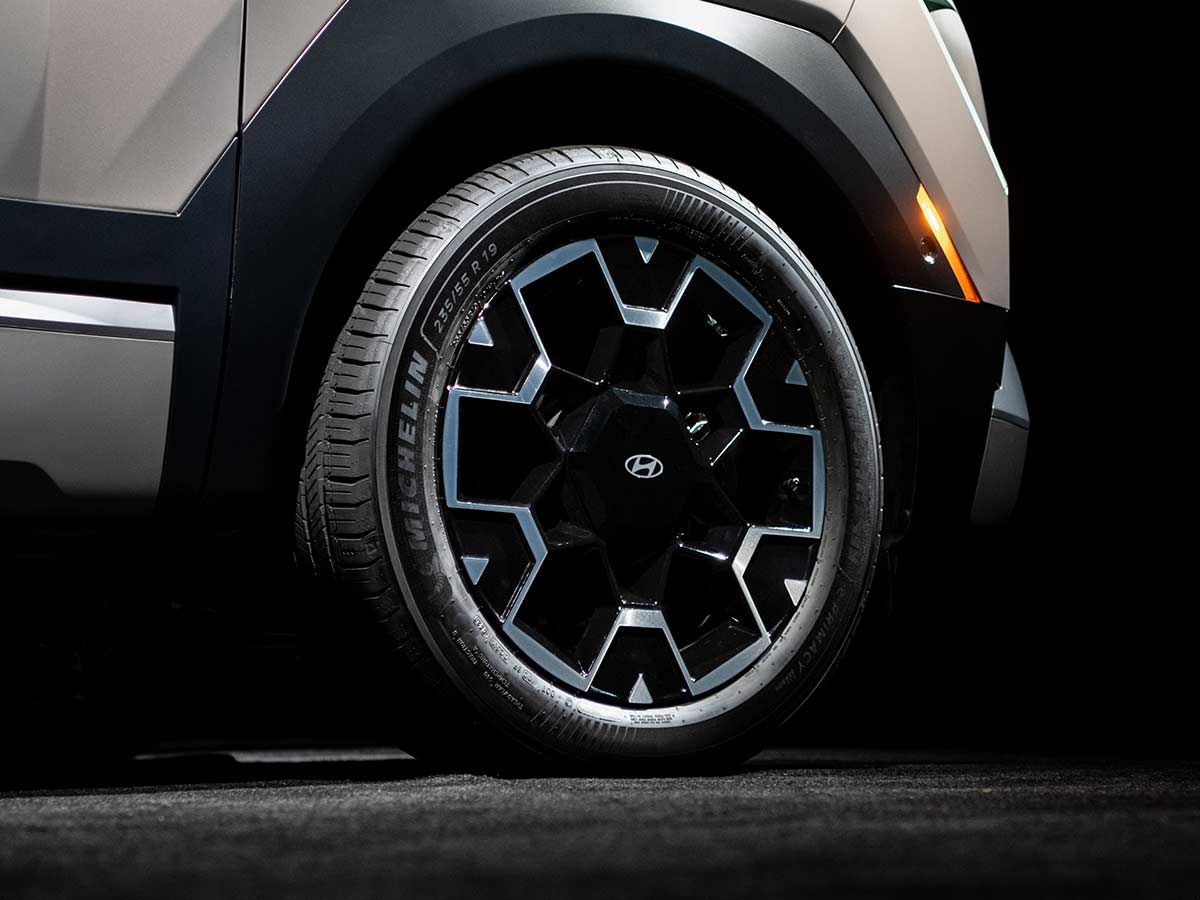
| Maximum tire size | 235/50R20 |
| Wheel options | 17, 18, 19 and 20 inches |
Compared with the previous model, the long-wheelbase version is 60 mm longer, 40 mm wider and 20 mm taller, while its wheelbase grows by 30 mm to 2,785 mm. Hyundai describes the 40 mm increase in width as the largest increase in its segment.
Those numbers matter because the larger dimensions are not purely cosmetic. Hyundai has used the additional size to create more room inside the cabin, while the longer body also gives the Tucson a more substantial road presence.
The door opening angle has increased from 73 degrees to 83 degrees, making entry and exit easier. Hyundai also says the front design has been developed with pedestrian safety and forward collision protection in mind.
New Tucson lighting: H-Edge, Prism Rear Lamps and Micro Pixel Lighting
Lighting is one of the most distinctive elements of the new Tucson.
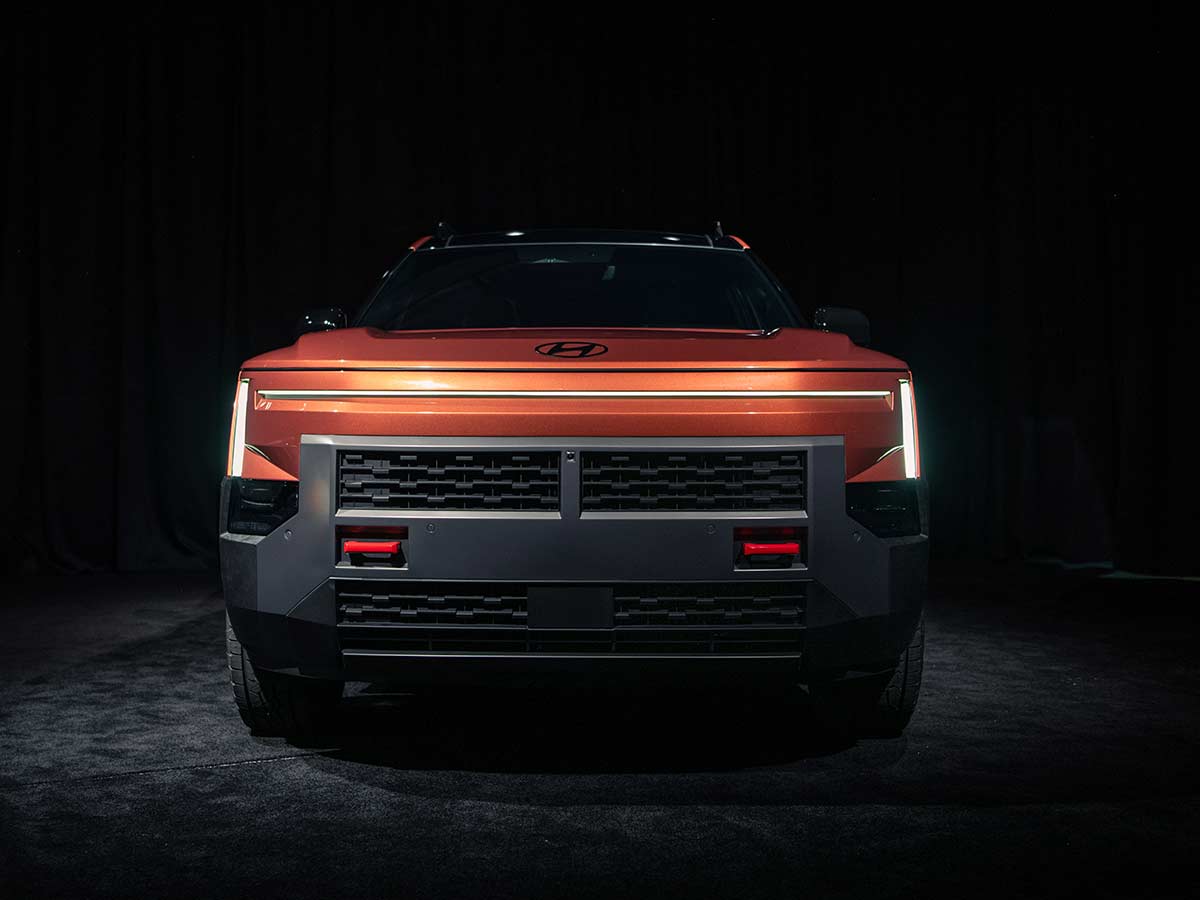
At the front is Hyundai’s H-Edge lighting concept. It combines indirect center lighting with edge lighting to visually emphasize the SUV’s horizontal width. The effect is intended to make the Tucson appear broader and more stable while giving the front end a more technical character.
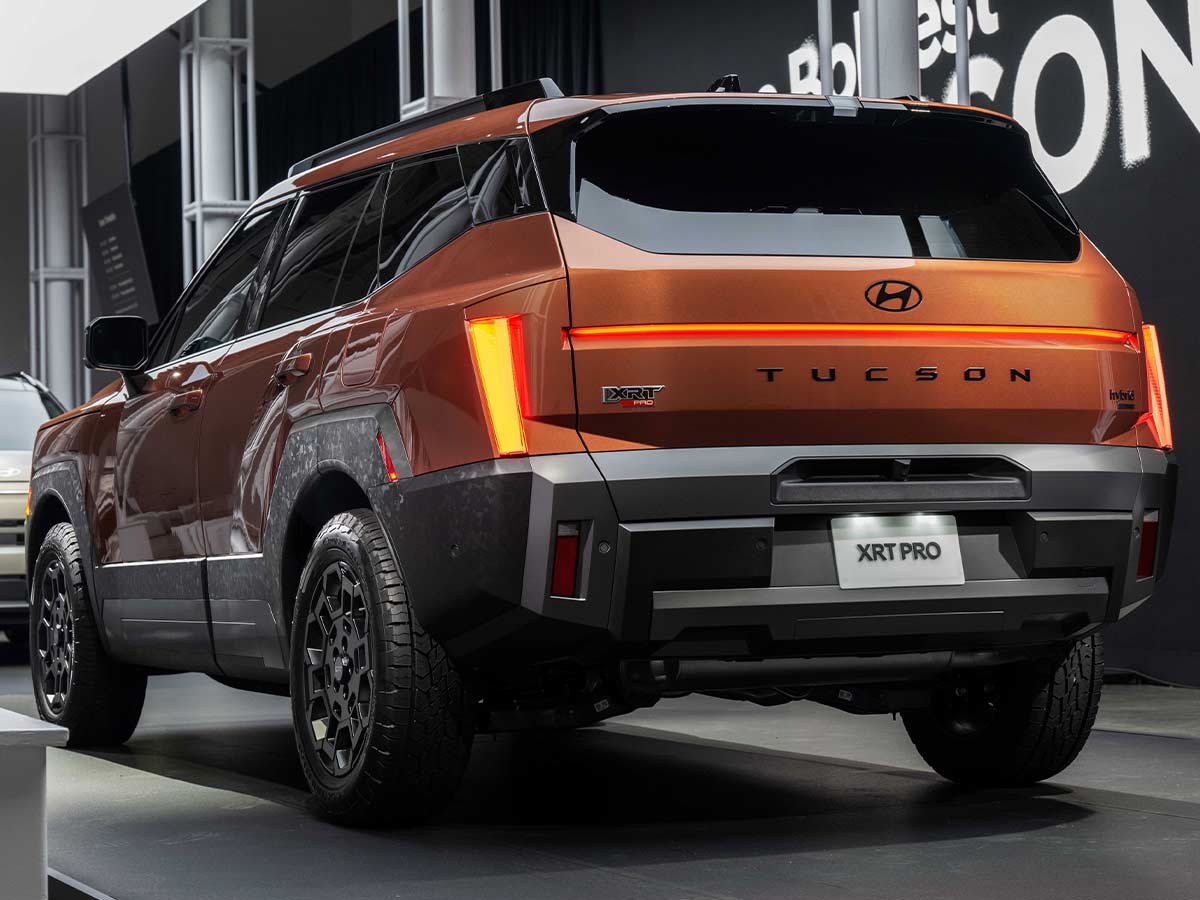
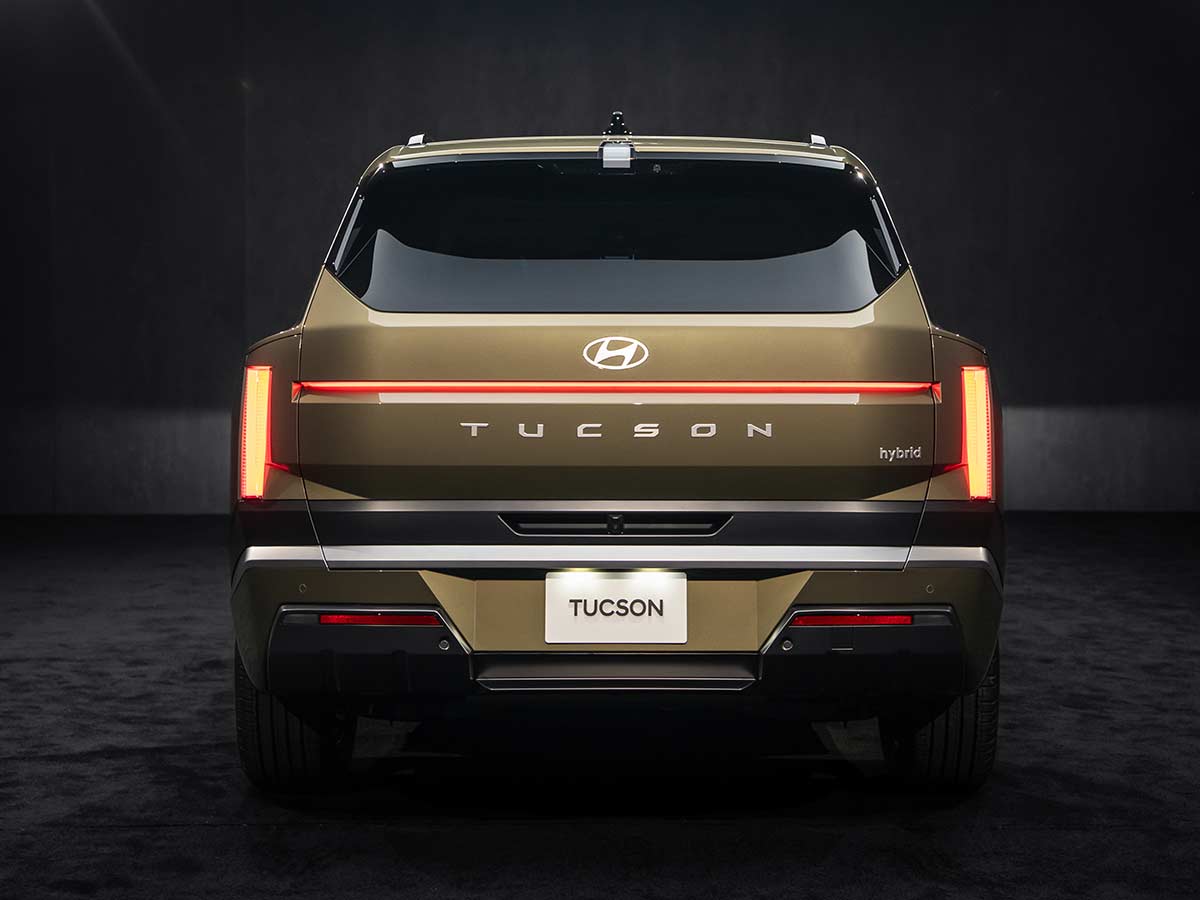
The rear receives Prism Rear Lamps, featuring a sculptural three-dimensional design and intricate internal patterning. Hyundai describes the effect as light appearing to sit at the edge of a transparent lens.
There is also available Micro Pixel Lighting (MPL), which uses an extraordinary 25,600 individual LED pixels. The system supports precision beam patterns, rain guidance and dynamic welcome and farewell animations. Standard LED headlamps use a two-in-one module design, while LED taillamps are standard across the lineup.
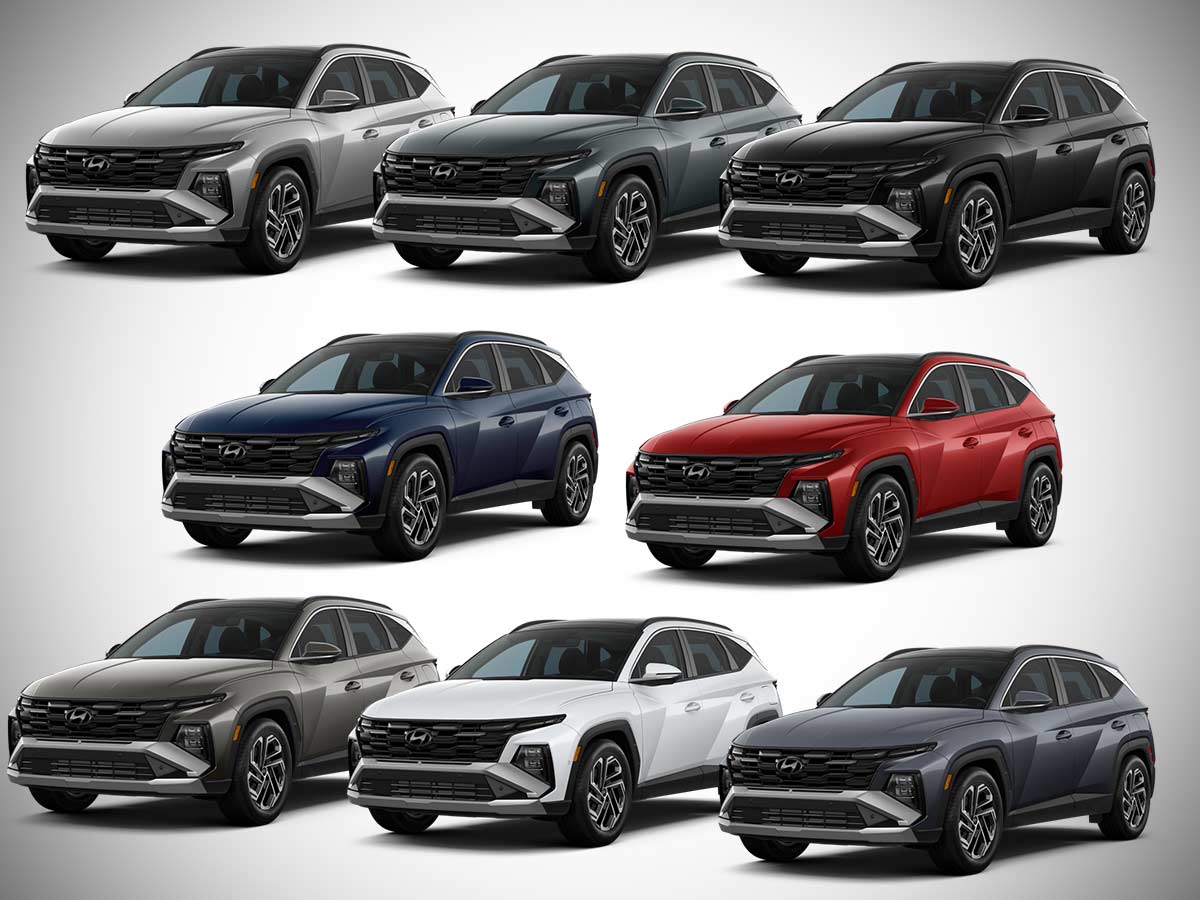
The technical specification lists the Tucson’s exterior colors as:
- Serenity White Pearl
- Ranger Green Pearl
- Kodiak Blue Pearl
- Driftwood Gray Metallic
- Red Rock Orange Pearl
The palette is deliberately nature-inspired, with several finishes designed to change character depending on the angle and quality of light.
A More Spacious Hyundai Tucson Interior
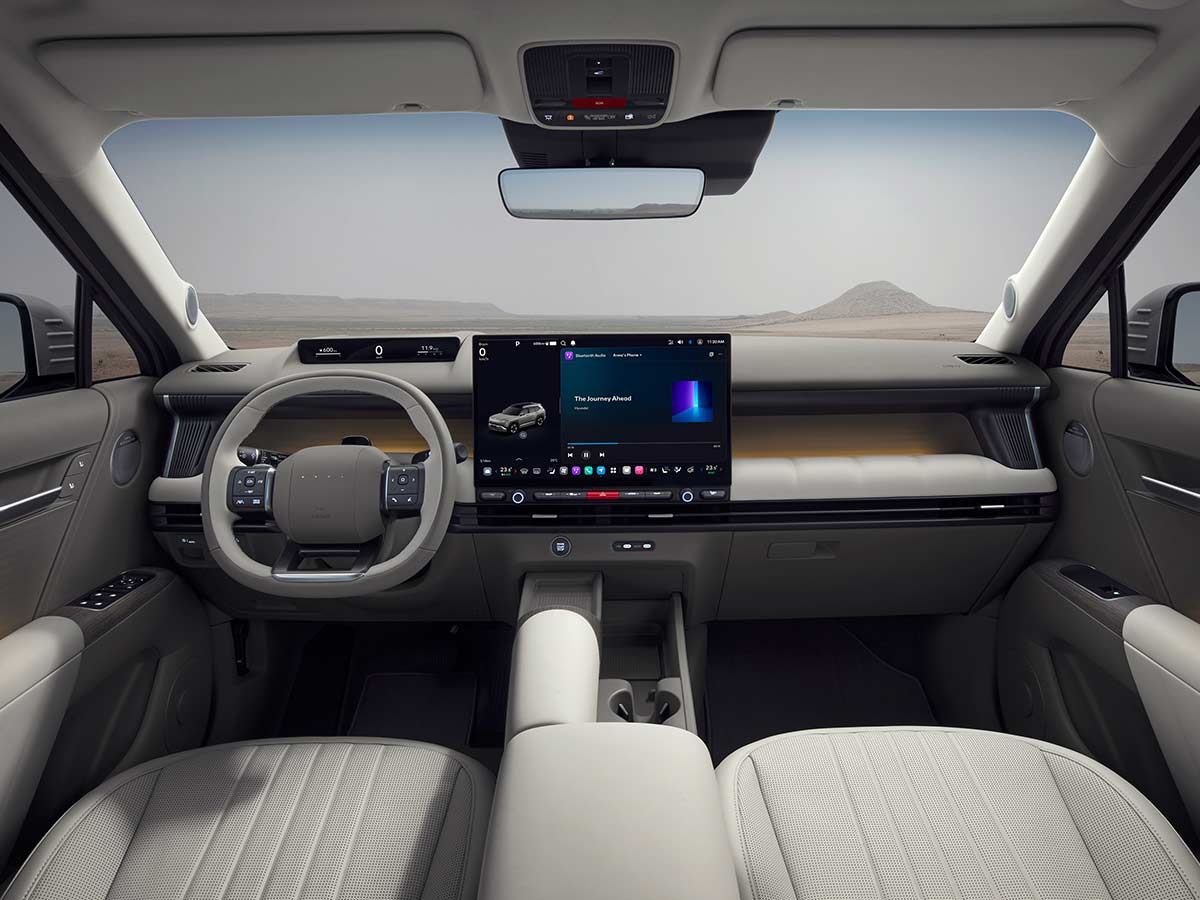
The biggest transformation may be inside.
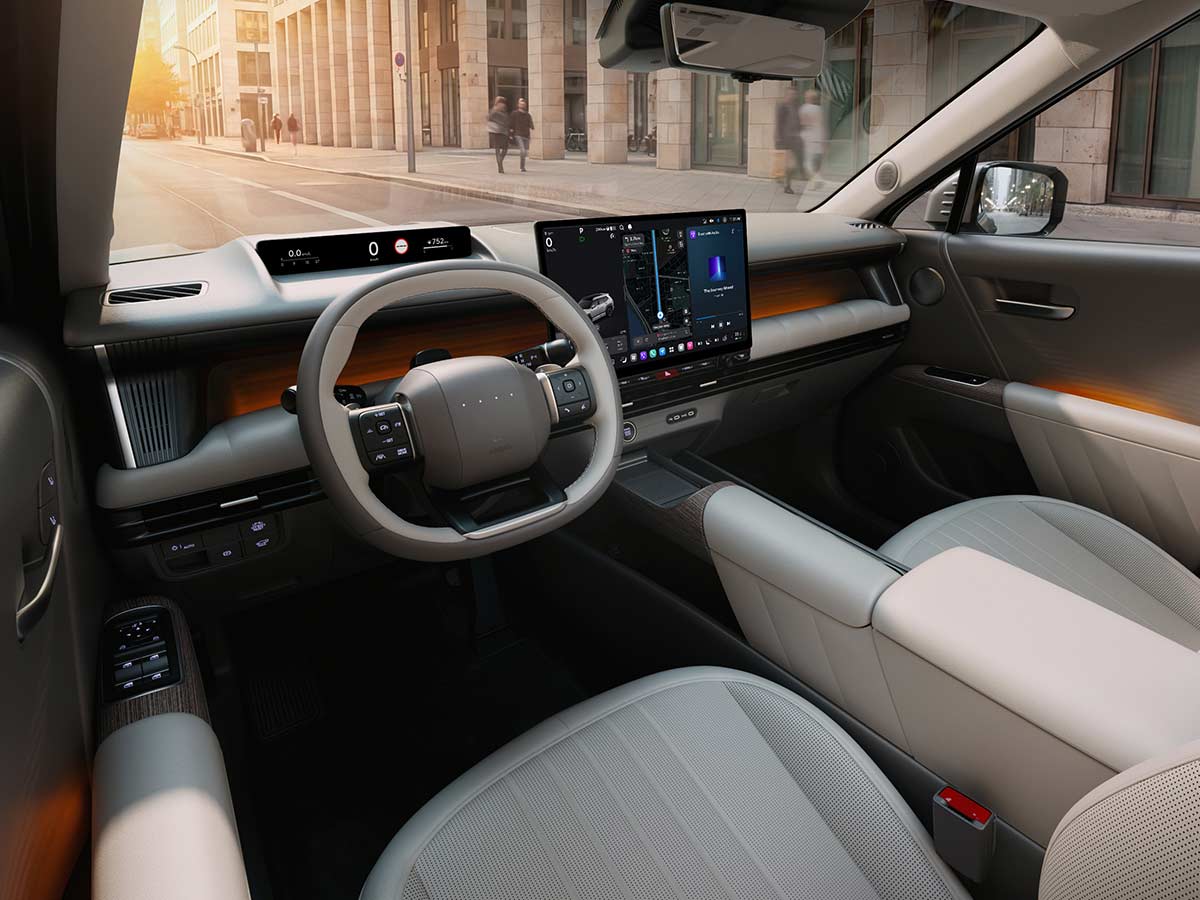
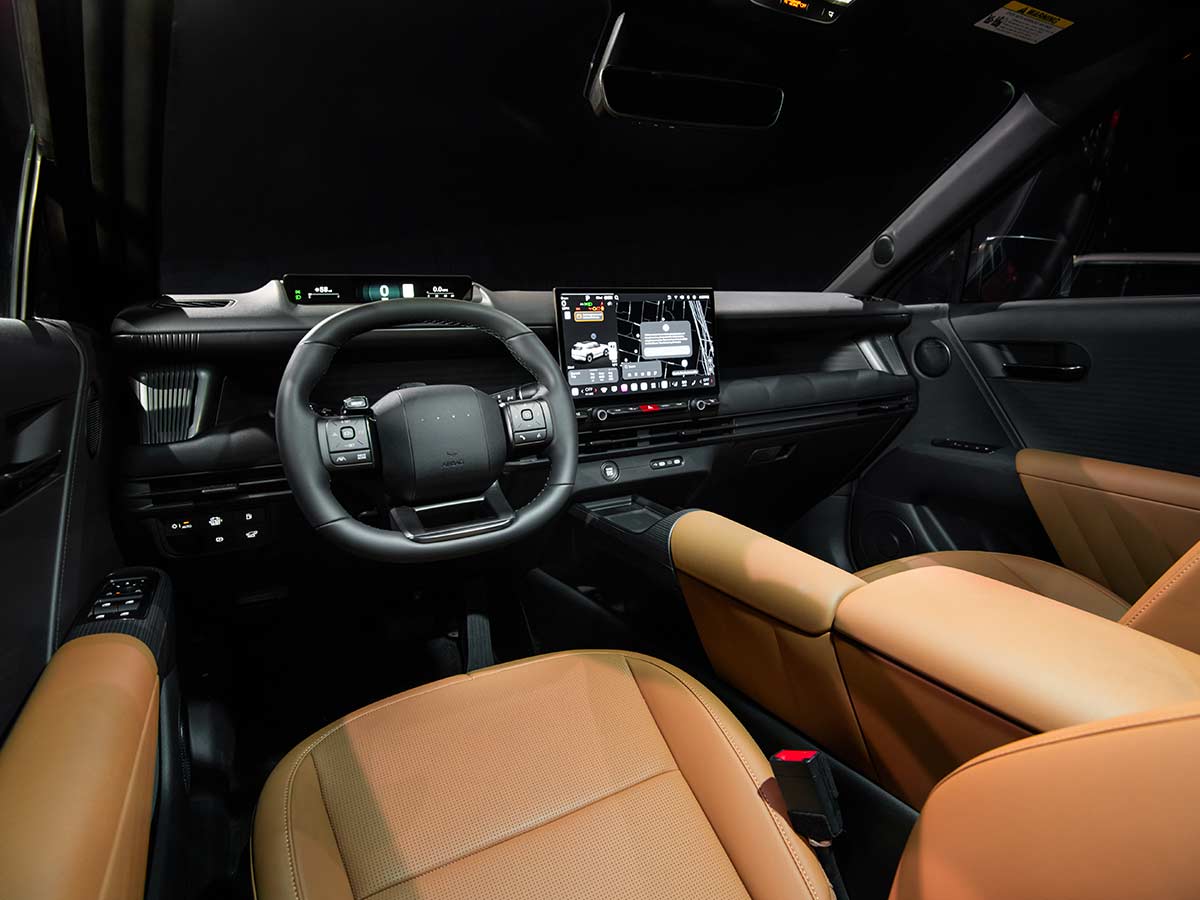
Hyundai calls the new Tucson’s cabin a “furnished space”, using furniture-inspired design cues to create a calmer and more comfortable environment. Instead of treating the dashboard as a collection of screens, switches and vents, the new interior uses layered surfaces, cushioning and open storage to create a more lounge-like atmosphere.
The dashboard uses a two-layer design. A horizontal upper section emphasizes visual clarity, while a deeper open tray underneath adds practical storage.
Soft cushioning extends across the upper dashboard, doors and console armrest. The overall effect is intended to make the cabin feel less like a technology showroom and more like a comfortable personal space.
Hyundai Tucson interior dimensions
The long-wheelbase Tucson provides the following published dimensions:
| Interior measurement | Front | Rear |
|---|---|---|
| Headroom | 1,036 mm | 1,031 mm |
| Legroom | 1,052 mm | 1,064 mm |
| Shoulder room | 1,470 mm | 1,428 mm |
Cargo capacity is listed at 41.7 cu. ft. (1,067 litres domestic SAE), while seating capacity is five occupants. North American and Korean models receive a 6:4 split-folding rear-seat configuration.
The numbers suggest that the Tucson’s increased exterior dimensions have been put to practical use, particularly in the second row. Rear legroom reaches 1,064 mm, slightly exceeding the published front figure.
That makes the new Tucson particularly relevant to buyers who use an SUV as a family vehicle rather than simply as a higher-riding alternative to a hatchback.
Comfort features designed around real-world use
Hyundai has paid considerable attention to the small moments that happen between journeys.
Available Ergo Motion Seats use a seven-cell pneumatic lumbar and bolster massage system with manual and automatic modes. An available four-link Relaxation Comfort Seat can recline by 10 degrees at the touch of a button when the vehicle is parked.
The steering column-mounted Shift-By-Wire selector moves gear selection away from a conventional center-console shifter. An illuminated gear indicator and one-button park engagement are designed to simplify operation while keeping the center console more open.
The climate system uses Hyundai’s Multi-Air Mode System, distributing conditioned air through the main vents, multi-vents and floor outlets to reduce uncomfortable direct airflow. An available three-zone HVAC system allows occupants to adjust climate settings independently.
Another unusual feature is the available 13.5V metal-coated heated glass. Hyundai says the system can provide full de-icing in 15 minutes. The glass can also reject 60 percent of solar energy, helping keep the cabin two degrees cooler in summer and reducing air-conditioning load and fuel consumption.
The technical specification also lists dual 15W Qi 2.0 wireless charging pads and 100W USB-C fast charging at the seat backs.
2027 Hyundai Tucson Hybrid: Efficiency Without Giving Up Performance
Electrification is central to the new Tucson’s mechanical story.
Hyundai’s Next-generation Hybrid System is designed around what the company calls “Intelligent Efficiency”. Rather than focusing solely on reducing fuel consumption, the system is intended to balance efficiency, acceleration and everyday refinement.
The headline figure is a targeted 42 mpg for the specified North American 2WD HEV with 17-inch wheels.
Acceleration from 0 to 60 mph is quoted at 8.5 seconds for the hybrid. Hyundai says the figure demonstrates that improved fuel economy does not necessarily require sacrificing performance.
The detailed North American figures list:
- 42 mpg: 2WD HEV with 17-inch wheels
- 40 mpg: 2WD HEV
- 40 mpg: 4WD HEV with 17-inch wheels
- 38 mpg: 4WD HEV
- 233 hp: U.S.-spec HEV combined output
- 8.5 seconds: 0-60 mph
The gasoline model is listed at 184 hp in the U.S., with 28 mpg for 2WD and 26 mpg for 4WD in the supplied EPA figures. Actual fuel economy varies by configuration and driving conditions.
What is E-Traction in the new Tucson?
The hybrid system gets another interesting piece of technology called E-Traction.
Exclusive to HEV models, E-Traction intelligently manages driving torque to reduce wheel slip during cornering. By increasing grip at the inner tire, Hyundai says the system can improve stability and control near the handling limit.
This is an important distinction. The Tucson’s hybrid system is not being presented purely as an economy technology. Hyundai is using electrification as part of the vehicle’s dynamic-control strategy as well.
HEV Stay Mode gives the Tucson an EV-like trick
One of the more practical hybrid features is HEV Stay Mode.
It allows the vehicle to operate features such as air conditioning, heating, audio and device charging while the engine is switched off. The result is an EV-like cabin experience during breaks, outdoor activities or periods of waiting.
For customers who spend time in the vehicle without actually driving, this could prove more useful than a headline horsepower figure.
Integrated electric water pump
All powertrain options feature an integrated electric water pump (EWP).
Hyundai says the unified cooling system consolidates separate circuits, reducing weight while maintaining thermal performance, efficiency and reliability. It is an example of the engineering changes that may be less visible to customers but can have an impact on how efficiently the vehicle manages heat across its powertrain.
Hyundai Tucson Plug-in Hybrid: 292 PS and 81 km of Electric Range
The new Tucson Plug-in Hybrid takes electrification a step further.
It combines a 1.6-litre turbocharged engine with a plug-in hybrid system and produces 292 PS and 38.7 kgf·m of torque.
The PHEV has a 17.1 kWh battery and an estimated 81 km of all-electric range. A 7.2 kW onboard charger is specified for charging at home or public charging stations.
The PHEV’s 0-60 mph figure is listed at 7.9 seconds with four-wheel drive.
The plug-in hybrid is available in select markets, so customers should not assume that the same powertrain portfolio will be offered in every country. Hyundai explicitly states that feature and powertrain availability can vary by region, model and specification.
Pleos Connect and Gleo AI: The New Tucson Becomes a Digital Platform
The new Tucson is also a major step forward in Hyundai’s approach to in-car software.
The centerpiece is Pleos Connect, an infotainment system based on Android Automotive OS.
Depending on configuration, the system uses a 17-inch or 12.9-inch primary touchscreen alongside a 9.9-inch slim display. The interface supports three-finger gesture controls and a single-screen mode designed to reduce the amount of interaction required while driving.
But the more significant development is Gleo AI.
Gleo is described as an in-vehicle agentic AI system capable of understanding natural conversation and user context. Rather than forcing the driver to navigate through multiple menus, the system is designed to respond to requests in conversational language.
For example, a request such as finding a hiking trailhead with parking within a specified time can be interpreted according to the context of the request.
That changes the role of the infotainment system. Instead of simply displaying information, it is designed to help the driver obtain information through natural interaction.
Pleos Connect can also integrate third-party entertainment, productivity and gaming services natively without requiring smartphone mirroring or manual connection steps. Hyundai says the system will receive over-the-air updates, allowing the digital experience to evolve after the vehicle is delivered.
New Hyundai Tucson Safety and Driver Assistance Technology
The new Tucson’s safety strategy combines structural engineering with electronic driver assistance and occupant monitoring.
Hyundai says hot-stamped steel is extensively used in key body structures to increase impact resistance and body rigidity. Reinforced center pillars and multi-point collision energy management are designed to absorb and distribute impact forces.
The company has also focused on acoustic refinement, sound insulation, aerodynamic improvements and sealing technologies, with the stated aim of creating a quieter cabin and reducing fatigue during long journeys.
Driver monitoring and occupant protection
The In-Cabin Monitoring Unit (ICMU) monitors driver eye activity and drowsiness and can issue fatigue alerts.
The Tucson also incorporates Child Presence Detection (CPD) and Rear Occupant Alert (ROA), which can notify the driver if children or pets are left unattended.
Other assistance technologies include:
- Intelligent Speed Limit Assist (ISLA)
- Navigation-Linked Smart Cruise Control (NSCC)
- Lane Following Assist
- Stop & Go functionality
- Emergency Stop
- Memory Reversing Assist
- Ground View Monitor
- Trailer Reverse Assist
The published technical specification describes the vehicle as offering Level 2+ assisted driving technology, including Stop & Go, Lane Following and Emergency Stop functionality.
NSCC can use navigation information to proactively slow the vehicle for upcoming curves, roundabouts, intersections and speed bumps, while ISLA recognizes speed-limit signs and can adjust the vehicle’s set speed.
Tucson XRT and XRT PRO: The Adventure Side of Hyundai’s SUV
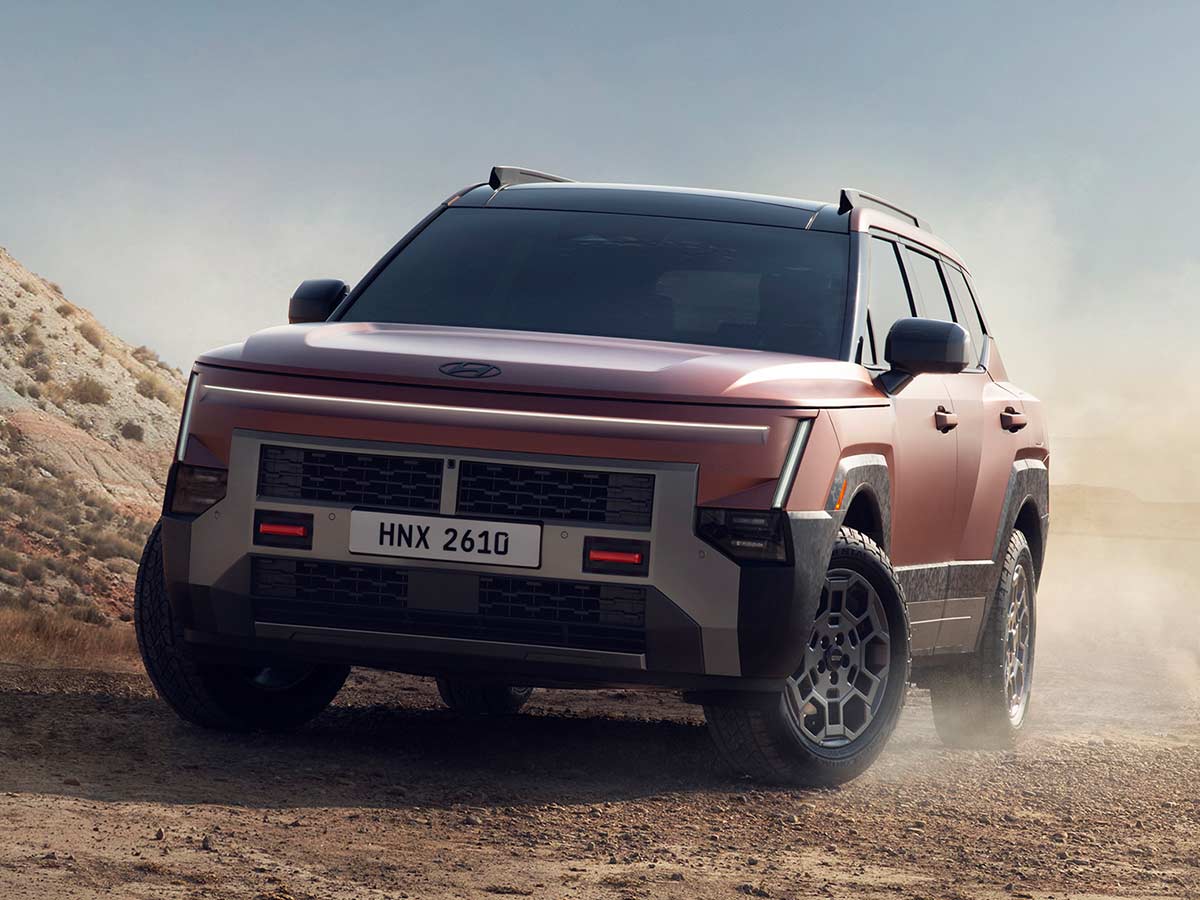
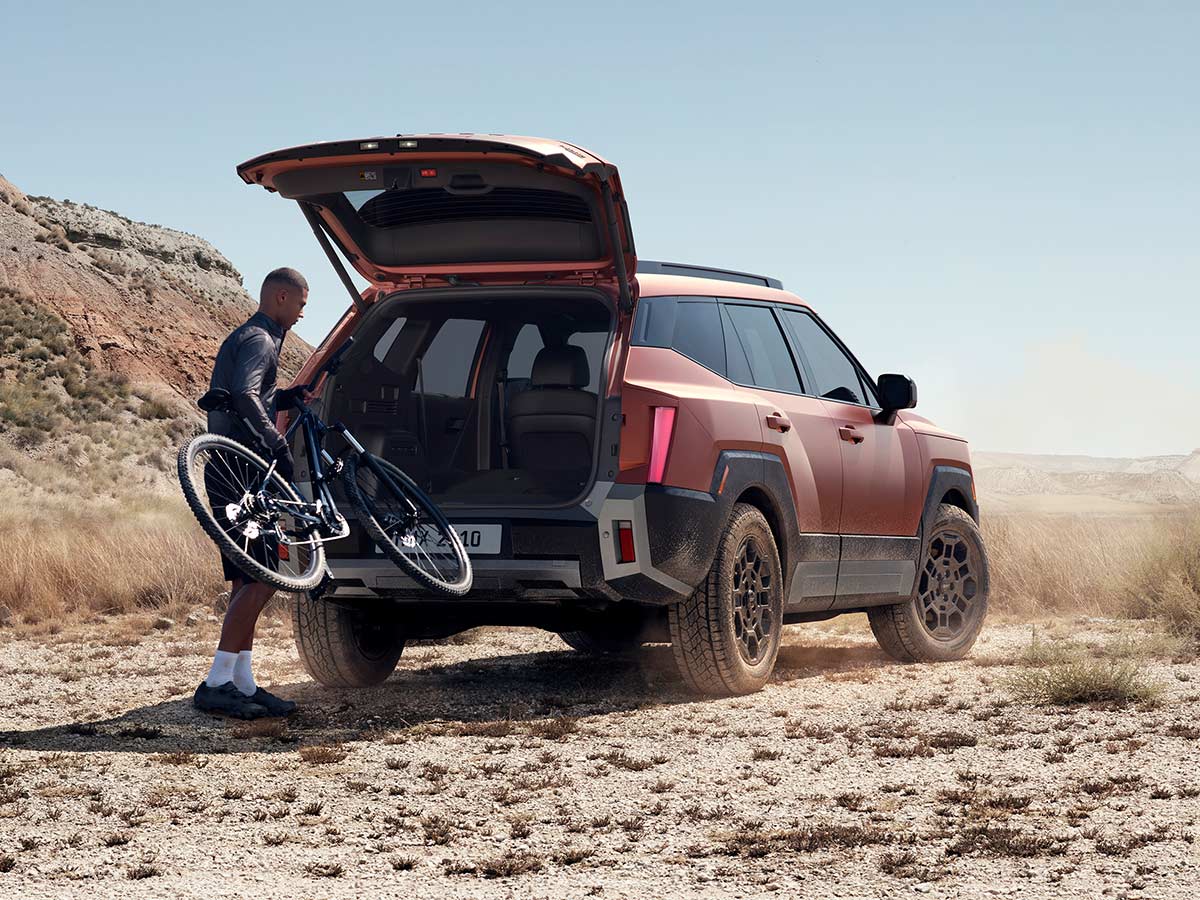
The standard Tucson is designed as a broad-use family SUV, but Hyundai has developed the XRT and XRT PRO to give the range a distinctly tougher personality.
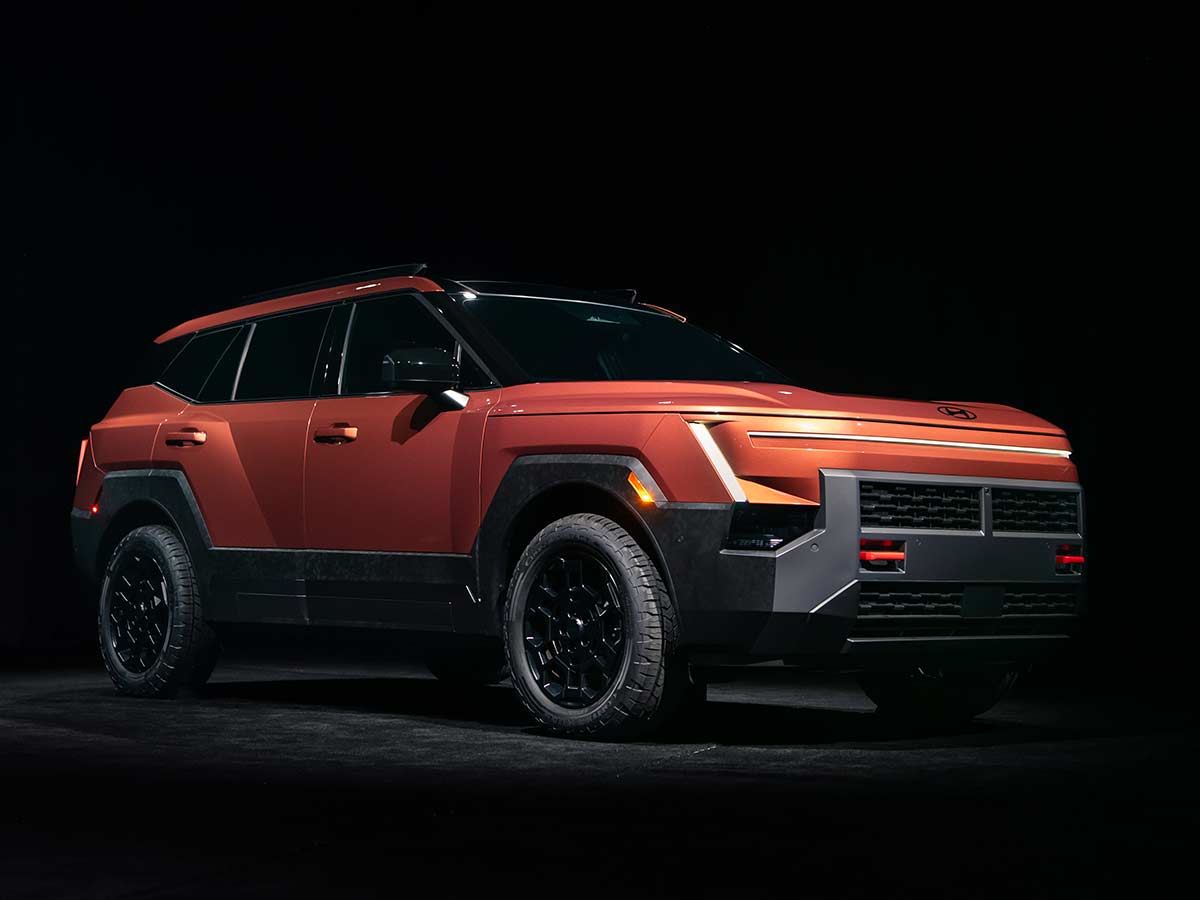
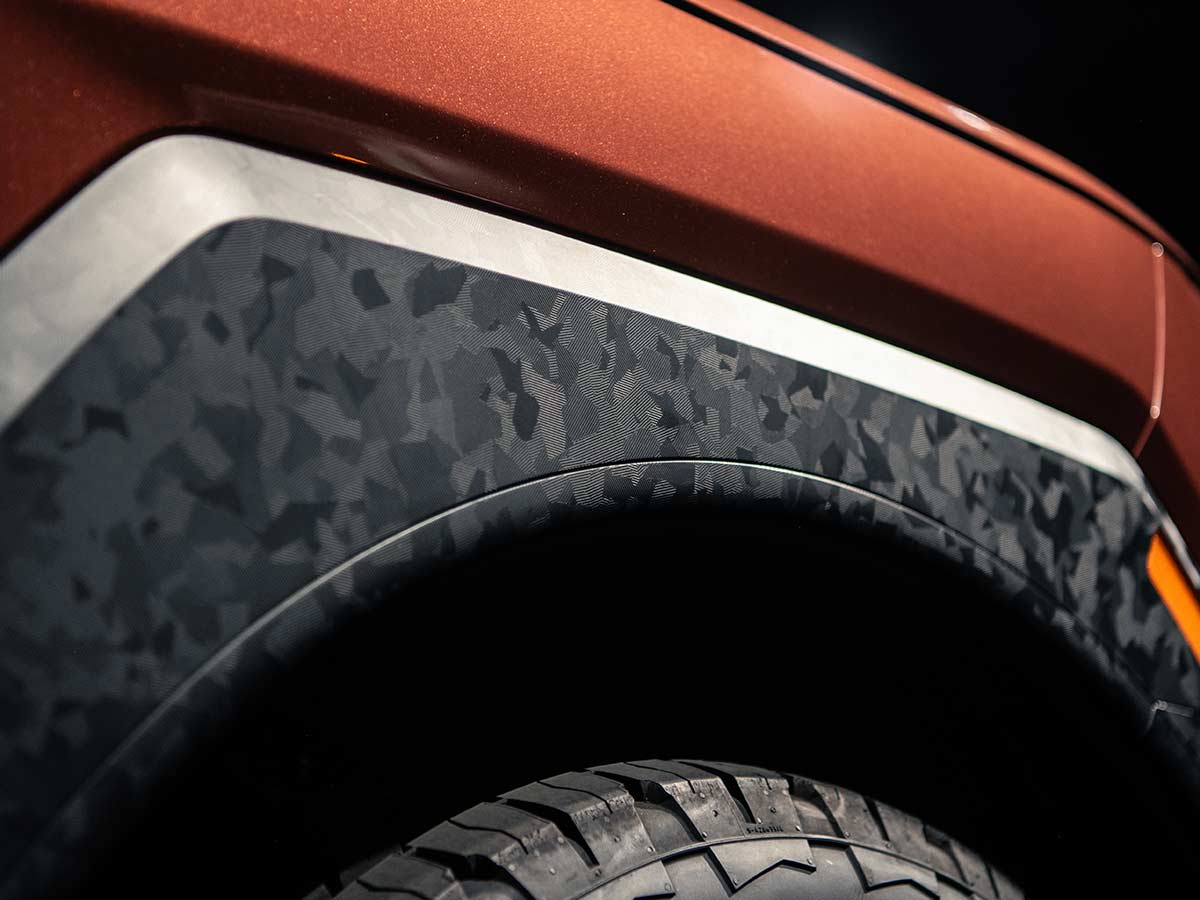
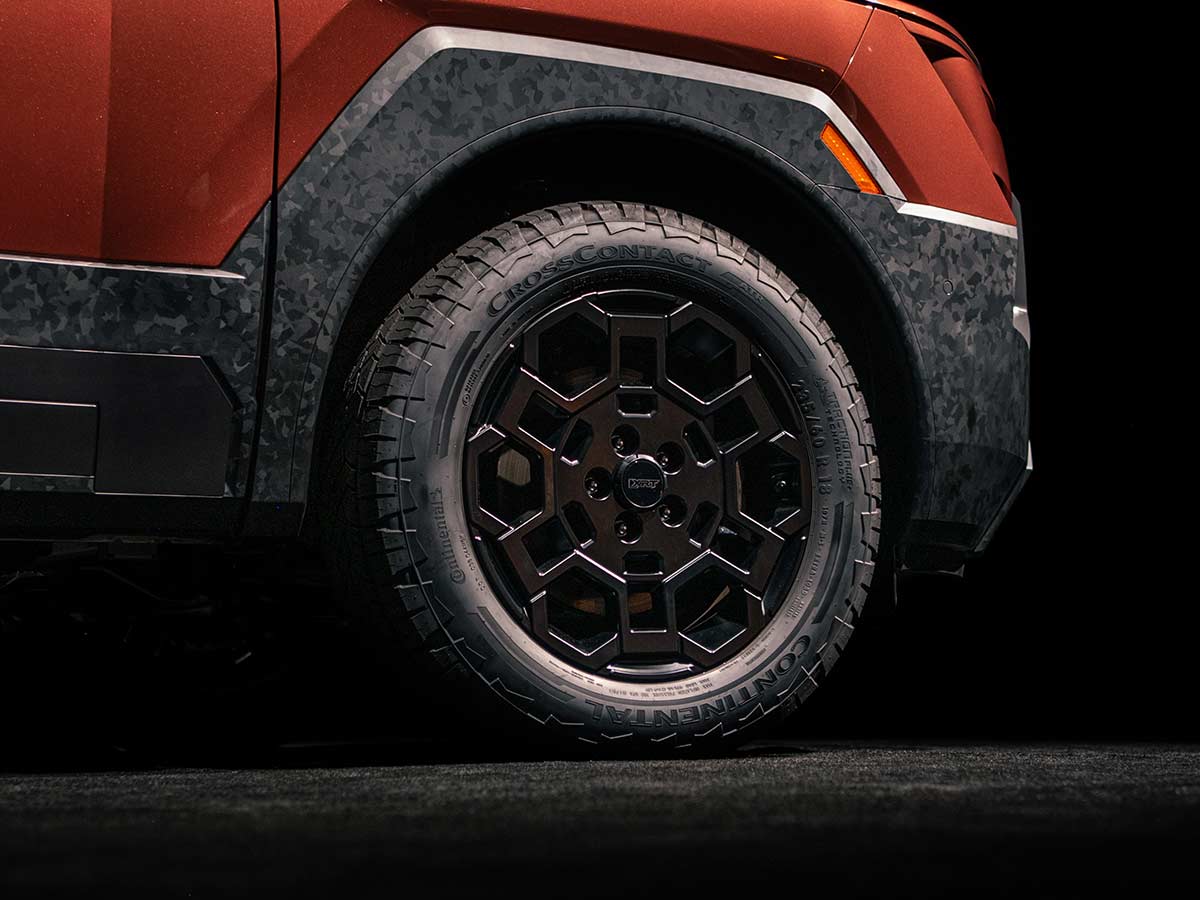
The XRT uses wider front cladding, extended black wheel-arch cladding, forged-carbon-inspired detailing and more prominent bumper and skid-plate treatments.
The Tucson XRT PRO goes considerably further.
It features:
- All-wheel drive
- All-terrain tires
- Aggressive approach and departure angles
- Front recovery hooks
- 210 mm of ground clearance
- Additional lower-body protection
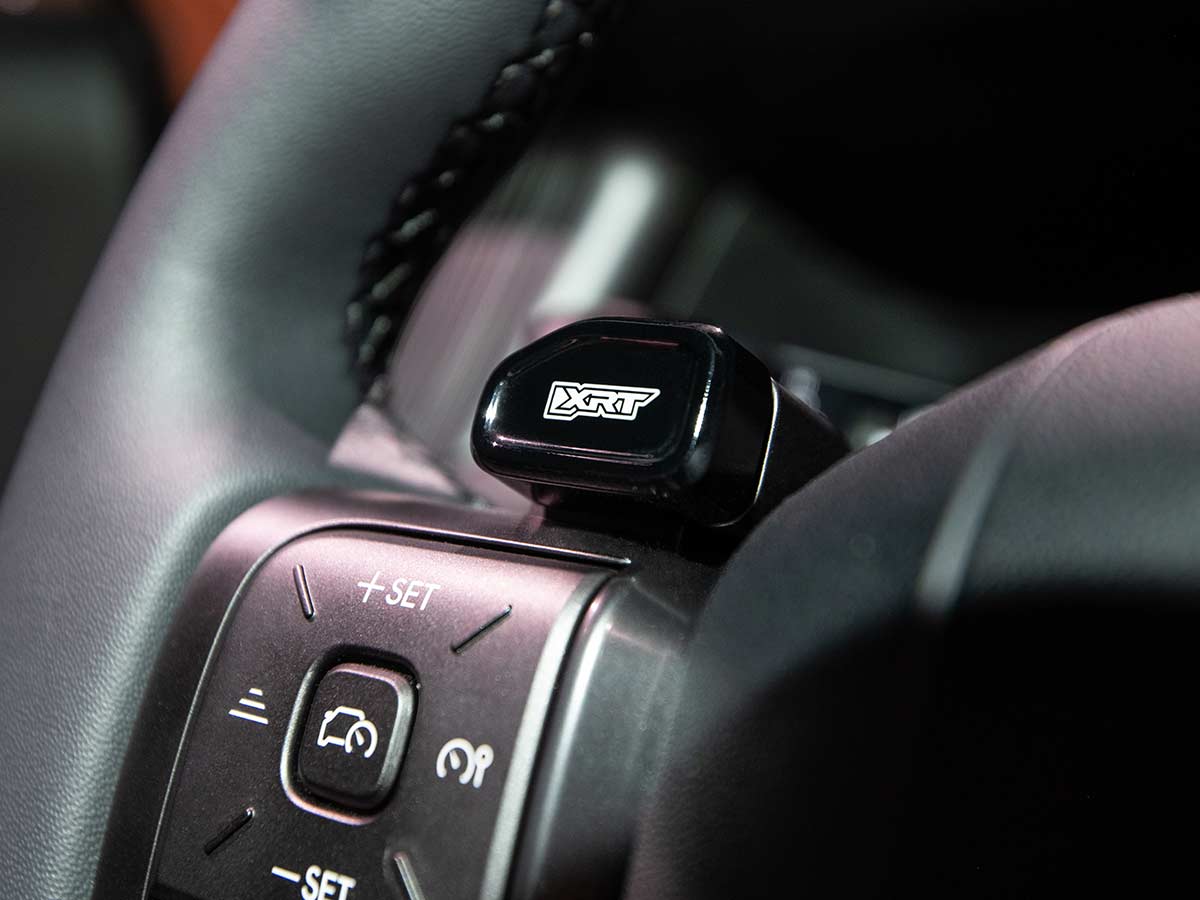
- XRT-specific interior detailing
The 210 mm ground clearance is 30 mm greater than the standard Tucson.
The XRT PRO is therefore more than an appearance package. Its combination of all-terrain hardware, increased clearance, recovery equipment and off-road assistance technology gives the variant a distinctly different purpose.
Smart Terrain Assist
The most interesting XRT PRO technology is Hyundai’s first Smart Terrain Assist (STA).
STA assesses terrain difficulty in real time by analyzing traction and wheel-slip conditions. The system communicates the result using a green, orange or red “stuck score”, giving the driver a visual indication of how challenging the terrain is.
There is also Target Speed Control, which operates between 2 and 25 km/h and manages acceleration and braking to maintain a selected low speed according to terrain conditions.
For drivers who are not experienced off-road, the idea is simple: reduce the number of variables that have to be managed simultaneously while concentrating on steering.
Memory Reversing Assist and Ground View Monitor
The Tucson also introduces Memory Reversing Assist, described as a class-first feature.
It can record driving at speeds up to 30 km/h and automatically assist steering while reversing along narrow roads.
An available Ground View Monitor provides a view of the terrain forward and beneath the vehicle, while Trailer Reverse Assist can semi-automatically manage steering alignment when reversing a trailer.
These features show how Hyundai is trying to make the XRT PRO easier to use, rather than simply making it mechanically tougher.
2027 Hyundai Tucson Towing Capacity
Towing capability also increases.
In North America, the Tucson HEV offers up to 3,000 lb (1,361 kg) of towing capacity. Hyundai says this represents a 1,000 lb increase over the previous model.
For Europe, Hyundai lists increases over the previous generation of up to 350 kg for the ICE model, 260 kg for the HEV and 450 kg for the PHEV. The European PHEV is listed with a towing capacity of 1,910 kg in the technical data.
That makes the Tucson’s expanded capability relevant not just to off-road enthusiasts, but also to customers who use an SUV for recreational equipment and trailers.
New 2027 Hyundai Tucson Specifications at a Glance
Dimensions
| Specification | New Hyundai Tucson |
|---|---|
| Length | 4,700 mm |
| Width | 1,905 mm |
| Height | 1,685 mm |
| Height with roof rack | 1,700 mm |
| Wheelbase | 2,785 mm |
| Ground clearance | 180 mm |
| XRT PRO ground clearance | 210 mm |
| Front overhang | 915 mm |
| Rear overhang | 1,000 mm |
| Maximum tire size | 235/50R20 |
| Seating | 5 |
| Cargo capacity | 41.7 cu. ft. / 1,067 L domestic SAE |
Powertrains
| Powertrain | Published output | Battery | 0-60 mph |
|---|---|---|---|
| Gasoline | 184 hp US | N/A | 9.5-12.4 sec |
| Hybrid | 233 hp US | 1.49 kWh | 8.5 sec |
| Plug-in Hybrid | 292 PS | 17.1 kWh | 7.9 sec, 4WD |
The global technical specification also lists gasoline outputs ranging from 150-193 PS, depending on configuration, while the HEV is listed at 236-245 PS in Korea and 233 hp in the U.S.
Hybrid and PHEV efficiency
The North American figures supplied by Hyundai list up to 42 mpg for the specified 2WD HEV on 17-inch wheels.
The PHEV has an estimated 81 km (50 miles) of electric range and a 7.2 kW onboard charger. European CO2 figures are listed at 142 g/km for the ICE model, 119 g/km for the HEV and 91 g/km for the PHEV
Hyundai Tucson’s Global Legacy
The latest Tucson carries a substantial legacy.
Introduced in 2004, the model has accumulated more than 11.1 million global sales, including China-only models, according to Hyundai. Approximately 20 percent of cumulative global Tucson sales have come from the United States.
Hybrid demand has become particularly significant there. Hyundai says hybrid variants accounted for 31 percent of total Tucson sales in the U.S. in 2025.
That background helps explain the emphasis placed on the new hybrid system. Electrification is no longer being treated as a niche version of the Tucson. It has become an important part of the model’s identity in a major global market.
The Verdict: Why the New Hyundai Tucson Matters
The 2026 Hyundai Tucson is not simply a styling refresh wrapped around a familiar SUV formula.
Its significance comes from the way Hyundai has broadened the model in several directions at once.
The exterior becomes more muscular without abandoning the practical SUV shape. The larger body creates more usable cabin space. The interior puts greater emphasis on physical controls, storage and comfort while simultaneously introducing a much more sophisticated digital layer.
The hybrid system is arguably the mechanical centerpiece. With up to 42 mpg targeted in the specified North American configuration and an 8.5-second 0-60 mph time, Hyundai is pursuing efficiency without presenting the hybrid as a compromise. The PHEV goes further with 292 PS and an estimated 81 km of electric range.
Then there is the technology. Pleos Connect, OTA updates and Gleo AI turn the infotainment system into a more conversational digital environment. Driver monitoring, navigation-linked assistance and advanced reversing technologies add another layer of intelligence.
And for buyers who want something more adventurous, the XRT PRO changes the character of the Tucson substantially, combining 210 mm of ground clearance with all-terrain tires, all-wheel drive, recovery hooks and Smart Terrain Assist.
The most compelling aspect of the new Tucson, therefore, may be its range of abilities. It can be positioned as a spacious family SUV, an efficiency-focused hybrid, a plug-in electrified vehicle, a technology-rich daily driver or, in XRT PRO form, a more serious outdoor machine.
That versatility is precisely what Hyundai’s best-selling SUV needs from a new generation. With more than 11.1 million Tucson sales behind it, the latest model has arrived with a clear ambition: make the SUV broader in capability without making its appeal narrower.
Frequently Asked Questions (FAQs) about the new Hyundai Tucson 2027
Q: How Much Larger Is the New Hyundai Tucson?
The long-wheelbase 2026 Tucson is 60 mm longer, 40 mm wider and 20 mm taller than the previous model. Its wheelbase grows by 30 mm.
The additional width is particularly notable because Hyundai identifies the 40 mm increase as the largest increase in the segment. The larger dimensions also accompany more interior room, including 1,064 mm of rear legroom.
Q: Is the New Tucson a Family SUV or an Adventure SUV?
The answer is effectively both. The standard Tucson is designed around everyday usability, cabin comfort, storage, digital technology and efficiency. The HEV adds a particularly strong blend of fuel economy and performance, while the PHEV introduces an 81 km electric driving capability in markets where it is offered.
At the other end of the spectrum, the XRT PRO adds all-wheel drive, all-terrain tires, 210 mm ground clearance, recovery hooks and a suite of off-road assistance technologies.
That breadth is one of the strongest themes running through Hyundai’s presentation of the new Tucson. It is not being developed around a single type of buyer.
Q: When Will the New Hyundai Tucson Go on Sale?
The all-new Tucson will launch in South Korea later in 2026.
Hyundai says North America, Europe and other global markets will follow in 2027. Exact specifications and feature availability can vary by market, model and selected trim, and Hyundai explicitly notes that certain technologies and services are region-specific.
The XRT PRO, for example, is identified as North America-only in the supplied release, while the plug-in hybrid is described as being available in select markets.
A new sport-inspired Tucson variant is also scheduled to debut at the 2026 Paris Motor Show.
Source: Hyundai