






Honda’s all-new Avancier is more than a new three-row SUV. It introduces the company’s next-generation hybrid technology, a new vehicle platform, electric all-wheel drive and a fresh design identity. But its most interesting ambition is perhaps the hardest to achieve: delivering genuine driving pleasure while making every passenger feel like they’re travelling first class.
There is a particular kind of automotive luxury that cannot be measured by the size of a touchscreen, the number of ambient lighting colours or even how much leather finds its way into the cabin.
It is the ability to cover hundreds of kilometres, arrive at your destination feeling refreshed, and still remember the drive as something you genuinely enjoyed.
It sounds simple. It isn’t.
For most SUVs, the engineering compromise is familiar. Make the suspension firmer and the vehicle feels more controlled, but rear passengers may pay the price. Prioritise ride comfort and the driving experience can become less involving. Add sound insulation and structural reinforcement, and weight becomes another challenge. Make the vehicle lighter, and engineers must work harder to achieve the desired refinement and stability.
This is precisely the problem Honda says it set out to address with its all-new Avancier.
Unveiled globally on November 20, 2026, the new Avancier is an important vehicle for Honda. It is the first model to wear the company’s new H mark, the first to feature its next-generation Honda Hybrid system, and the first to use a newly developed vehicle platform.
It also introduces technologies including DualPower electric all-wheel drive, Motion Management System and Honda S+ Shift.
On paper, that is quite an introduction.
But the more interesting part of the story is the thinking behind it. Rather than simply building another feature-loaded family SUV, Honda has developed the Avancier around an idea it calls Grand-Journey.
And that tells us a great deal about where the company wants to take its premium SUV experience.
>>> Great Discounts on Car & Bike Accessories <<<
The Grand-Journey philosophy: When the destination isn’t the only thing that matters
The name Avancier comes from the French word avancer, meaning to move forward. It is a fitting name for a model whose identity has evolved around the idea of combining SUV presence with the comfort and hospitality traditionally associated with luxury sedans.
The original Avancier arrived in 1999, distinguished by its spacious rear seating. Honda subsequently introduced the Accord Crosstour, an early example of coupe-inspired SUV design, before bringing back the Avancier in 2016 as a flagship SUV for the Chinese market.
The latest generation takes that philosophy further.
Its Grand-Journey concept is built around two different experiences.
When travelling alone, the driver should enjoy the connection between the vehicle and the road. When travelling with family or friends, the vehicle should become a welcoming, comfortable environment where the journey itself becomes part of the experience.
This is a subtle but important distinction.
Honda isn’t positioning driving pleasure and passenger comfort as competing priorities. It wants them to coexist.
That ambition influenced practically everything about the new vehicle, from its platform engineering and hybrid powertrain to its interior packaging and cabin technology.
It also explains why some of the most interesting developments in the Avancier are not immediately visible.
A new face for Honda: The Avancier wears the new H mark
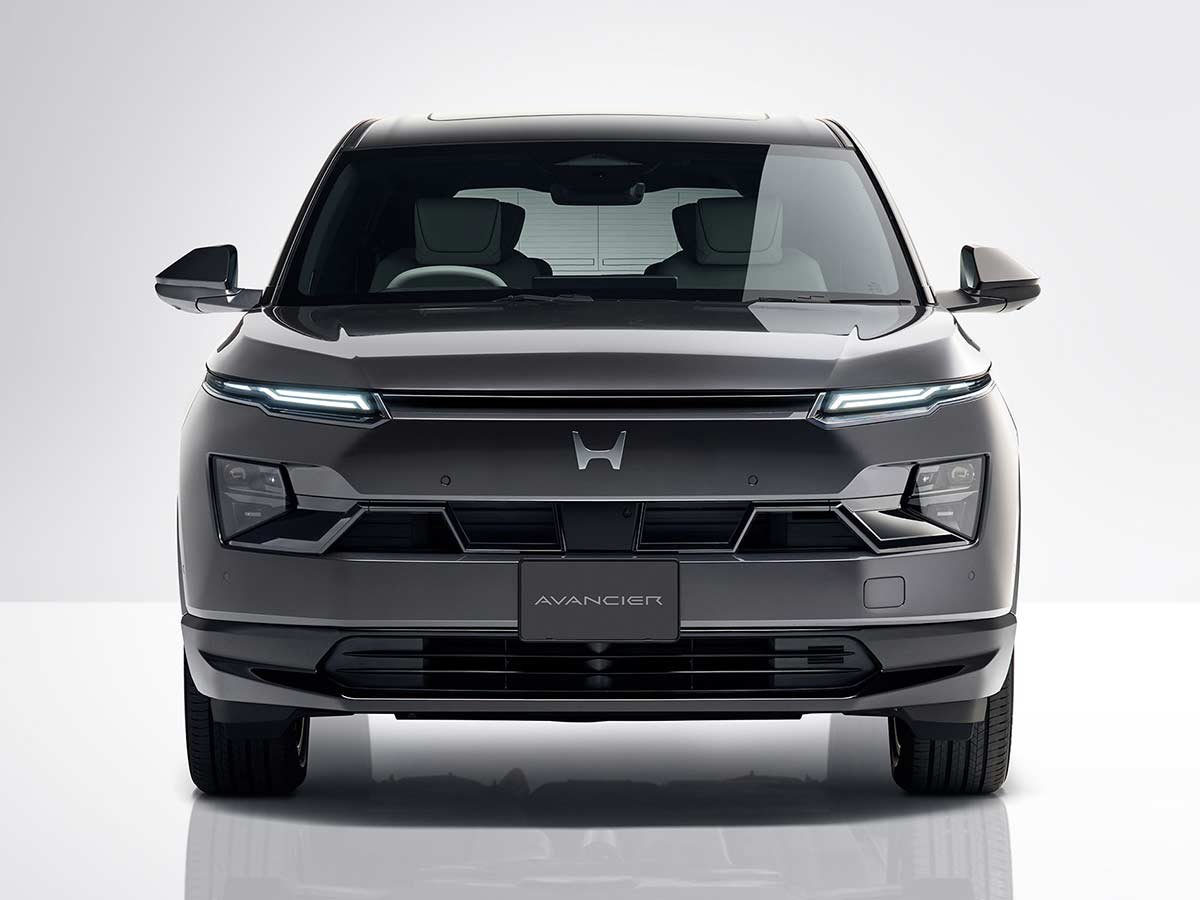
The new H mark is more than a small styling update. Its appearance on the Avancier makes this SUV the first production model to introduce Honda’s new visual identity.
That gives the vehicle an interesting position within the company’s product evolution.
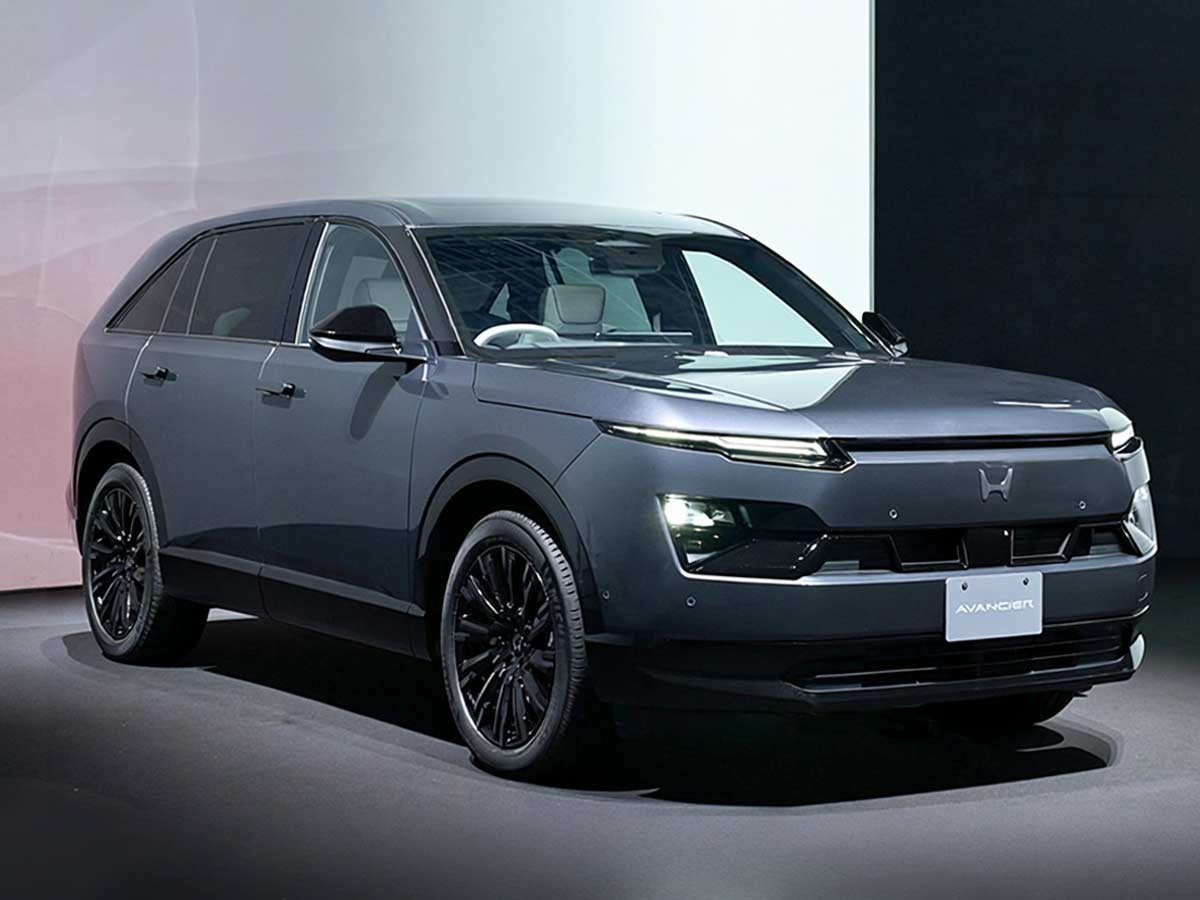
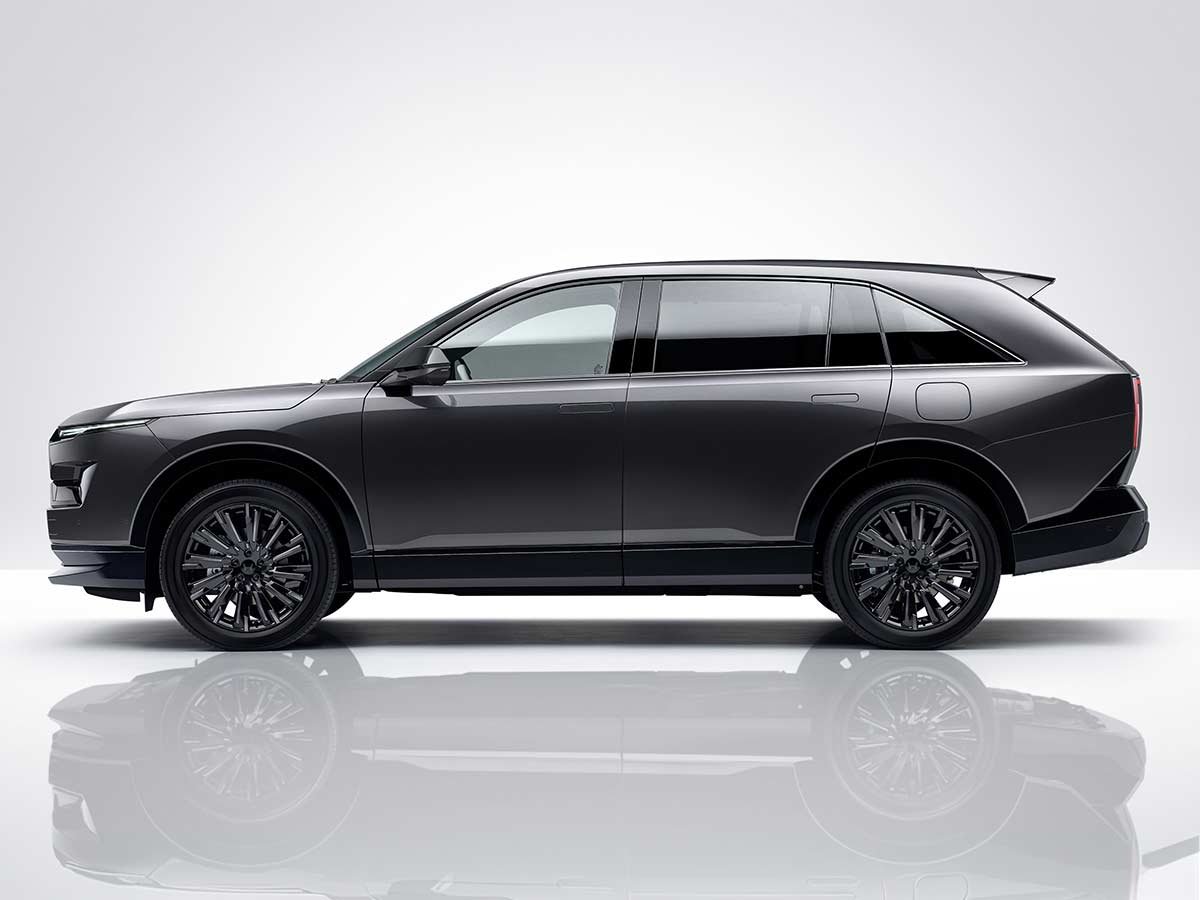
The exterior itself takes a relatively restrained approach to modern SUV styling. Rather than relying on excessive creases, complicated surfaces or exaggerated decorative elements, Honda has pursued a cleaner, more architectural appearance.
At the front, slim multifunction lighting elements sit alongside a prominent grille, giving the vehicle a wide, confident expression.
The side profile is particularly interesting. Its horizontally flowing design, minimal body contours and pronounced SUV proportions create a visual impression of length and stability. There are subtle rugged elements, but the overall effect is more sophisticated than overtly aggressive.
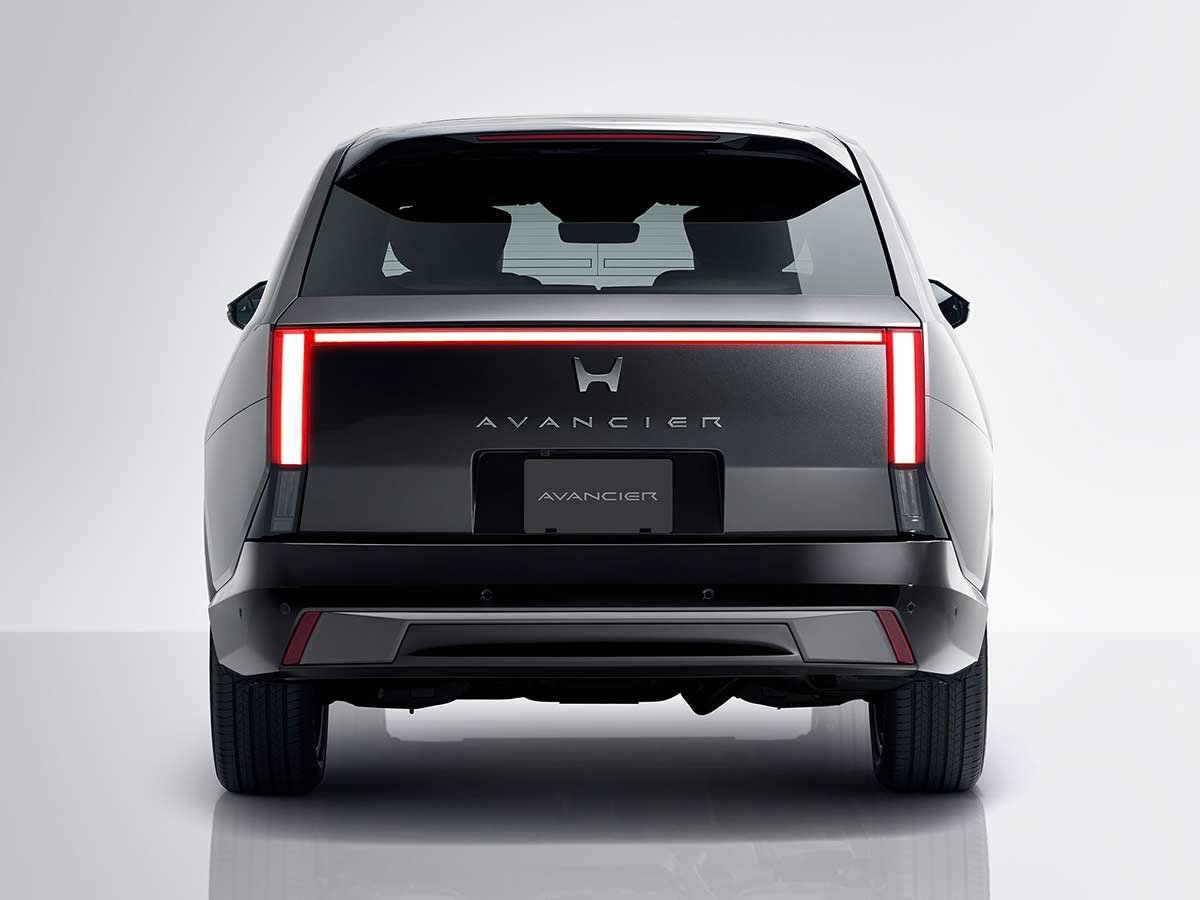
At the rear, the tapered tailgate design, angular combination lamps and pronounced fender treatment give the vehicle a sportier stance.
Honda has also worked to remove visual clutter.
Flush exterior door handles, a slim tailgate spoiler and a concealed rear wiper contribute to a cleaner overall appearance. These are small details individually, but together they help create a more cohesive design.
The result is an SUV that appears to be aiming for understated confidence rather than attention at any cost.
And that is arguably the right direction for a vehicle built around long-distance travel and premium comfort.
The cabin: Honda’s idea of a moving lounge
If the exterior establishes the Avancier’s new identity, the cabin reveals where Honda has placed its priorities.
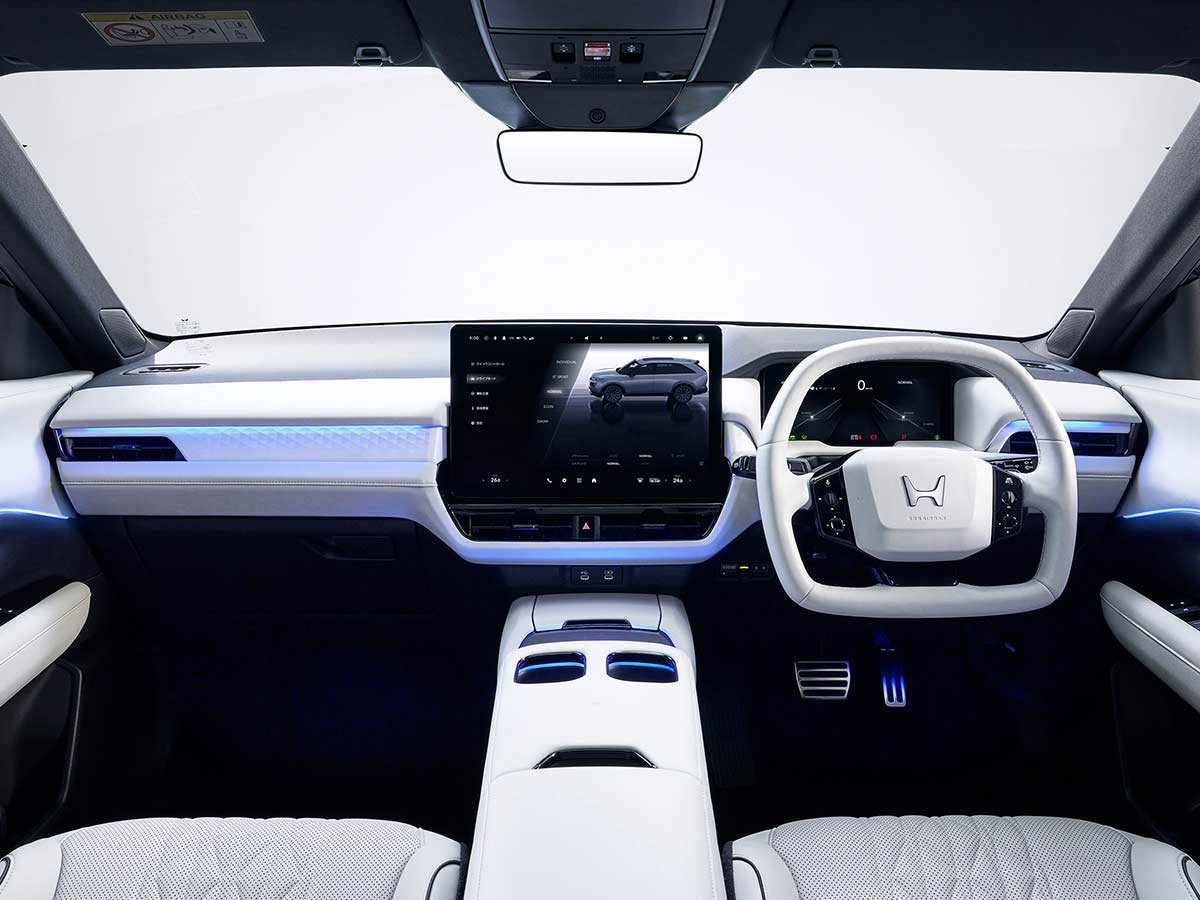
The dashboard follows a minimalist design philosophy, with physical switches and buttons reduced in favour of a large central information display. A column-mounted gear selector also frees up space in the centre console.
The intention is straightforward: create a cleaner, more open environment without sacrificing access to essential functions.
But the second row is where the Avancier’s Grand-Journey philosophy becomes particularly apparent.
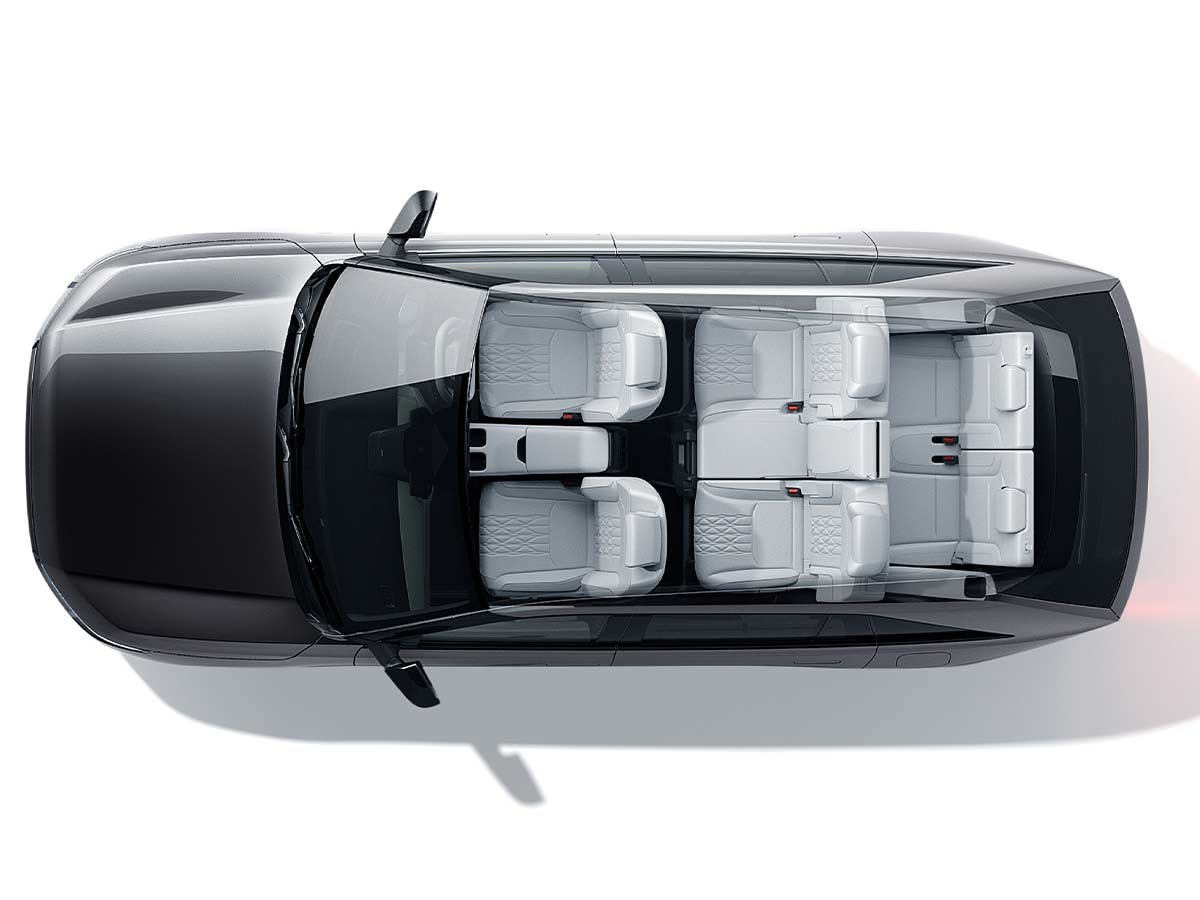
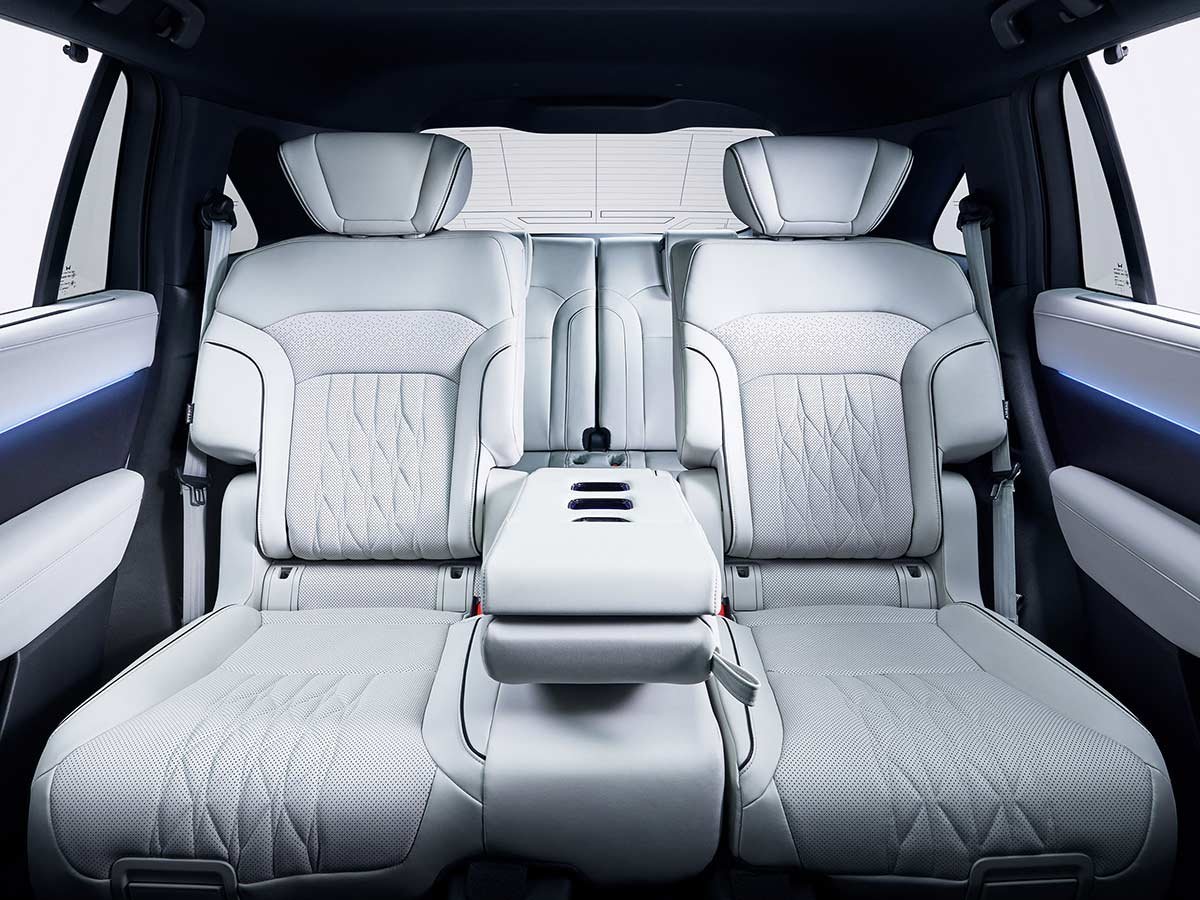
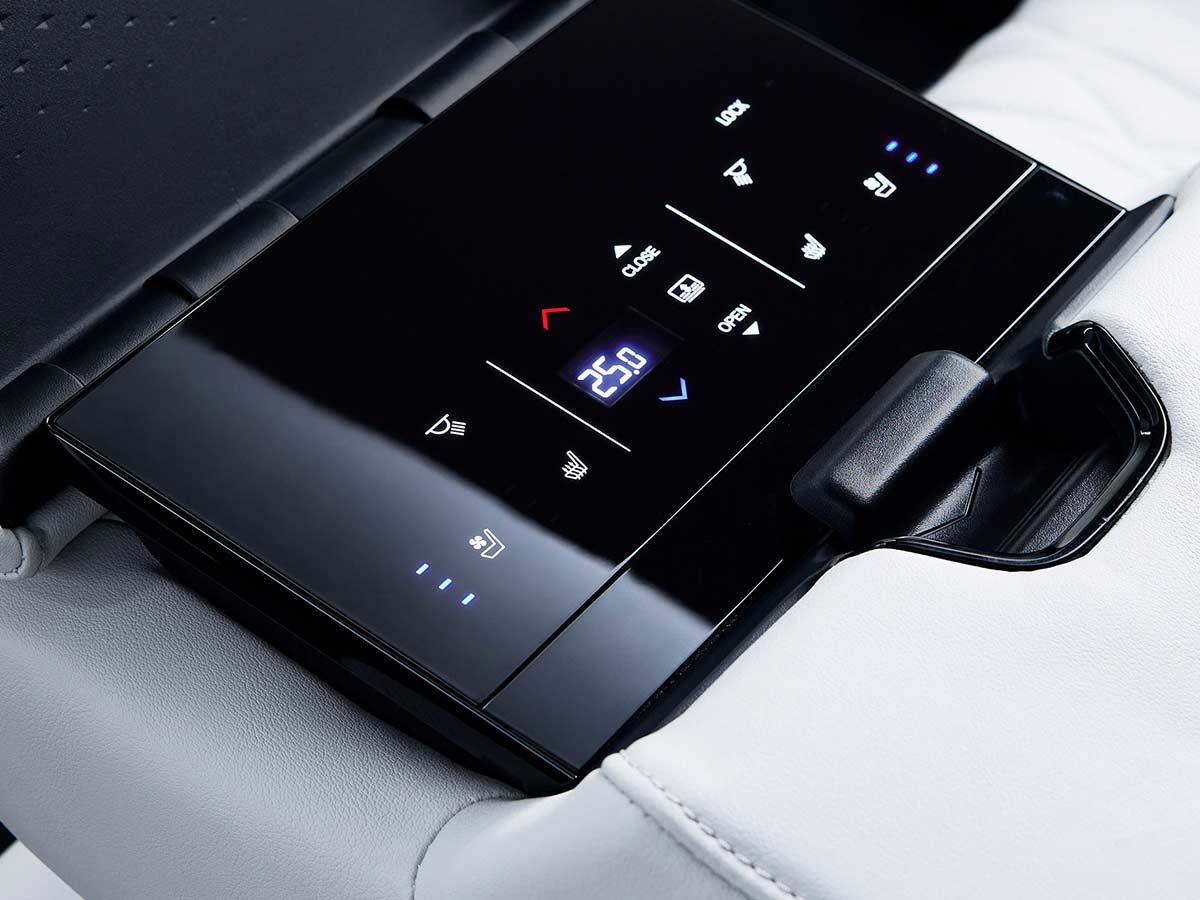
Honda describes the rear seating environment as limousine-like, and the design details support that ambition. The second-row seats feature large headrests, substantial armrests and both heating and ventilation functions.
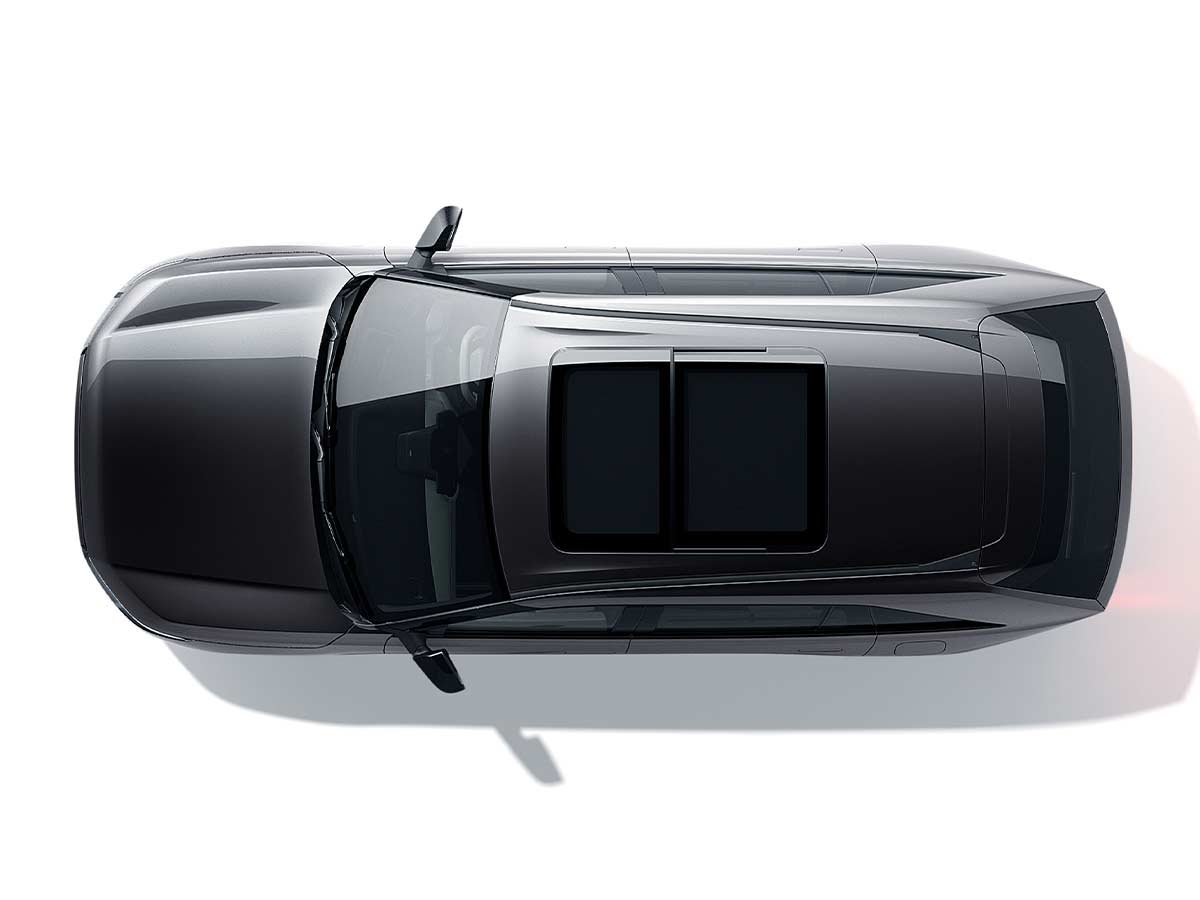
The panoramic roof extends towards the third row, bringing more natural light into the cabin and creating a greater sense of openness.
There is also a practical consideration that deserves attention. Honda says it has optimised the door sill shape and other design elements to make entering and exiting the third row easier.
That matters because a three-row SUV should not treat its last row as an afterthought.
Of course, actual third-row legroom, seat dimensions and long-distance comfort will have to be assessed in person. Honda has not yet provided the detailed measurements needed to judge those aspects.
Still, the emphasis on accessibility and occupant comfort suggests that the company understands an important part of the family SUV experience: every seat matters.
A sound system designed to surround every passenger
The cabin experience extends beyond seats and materials.
The Avancier features a BOSE Premium Sound System compatible with Dolby Atmos, using 12 speakers to create a three-dimensional audio environment.
Unlike a conventional stereo arrangement that primarily directs sound across the front and rear of the cabin, Dolby Atmos introduces overhead audio channels to create a more immersive experience.
In practical terms, the intention is to make the cabin feel enveloped in sound rather than simply filled with it.
Honda is also bringing voice recognition into the experience, allowing occupants to control functions such as the air-conditioning system.
Two additional technologies are particularly interesting: Remote In-Cabin View and Remote Surround View.
These are expected to allow owners to use a smartphone to check the interior of the parked vehicle and its surrounding environment remotely.
Together with other connected cabin features, Honda groups these experiences under the name MyCabin.
The idea is to make the vehicle’s technology feel less like a collection of individual gadgets and more like an integrated environment.
The engineering story: Why making an SUV more comfortable can be surprisingly difficult
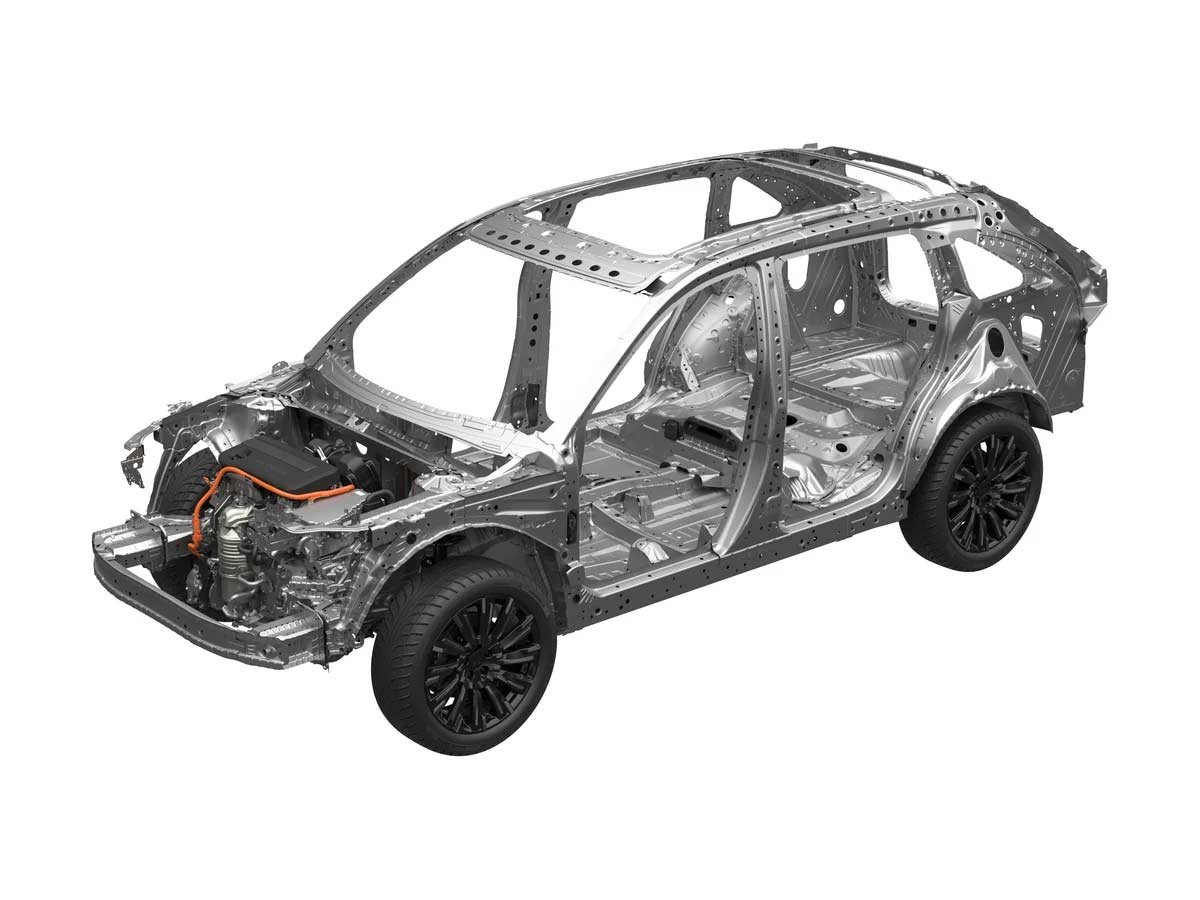
Here is where the Avancier becomes particularly interesting from an engineering perspective.
Honda’s development team identified what it calls refined vehicle dynamics as a central objective.
In simpler terms, the SUV needed to feel stable and engaging to drive while remaining comfortable and quiet for passengers.
These requirements often work against one another.
A vehicle engineered for sharper handling needs predictable body control and effective management of the forces acting on its tyres. A vehicle designed for greater ride comfort must also allow its suspension to respond appropriately to changing road surfaces.
Increasing structural rigidity can help in some areas, but simply making a vehicle stiffer is not a complete solution. It can add weight, and it does not automatically produce the best possible tyre contact or ride quality.
Honda’s answer is a new approach to body rigidity management.
Controlled flexibility, not simply a stiffer body
One of the most revealing details in the development team’s explanation concerns the way the new platform manages structural rigidity.
Instead of treating maximum stiffness as the ultimate objective, Honda has worked to provide rigidity where it is needed while allowing controlled movement in other areas.
Why does that matter?
A tyre needs to maintain consistent contact with the road to deliver grip. The suspension, body structure and damper mounting points all influence how forces are transmitted through the vehicle.
If those forces are not managed properly, the result can be inconsistent tyre loading, reduced stability or unnecessary vibrations.
Honda’s approach focuses on managing how the body responds to these forces over time, helping the suspension work more effectively.
One particularly important area is the damper mounting structure, where the suspension dampers connect to the vehicle body.
The development team targeted approximately twice the vertical rigidity of the previous design at these mounting points.
That is a significant engineering detail because it demonstrates how Honda is approaching the problem at a component level rather than simply adding structural reinforcement everywhere.
It is also a reminder that the most meaningful automotive innovations are not always the ones that look impressive in a specification sheet.
Making the cabin quieter without making the SUV heavier
Noise and vibration reduction presented another challenge.
Traditionally, improving cabin refinement can involve additional sound insulation, damping materials and structural reinforcement. These measures can add weight.
Honda instead used computer-aided engineering (CAE) to explore how changes in component stiffness could reduce vibrations.
One example involved revising the positioning of the rear brake calipers to reduce vibration without increasing vehicle weight.
It is an unusually specific engineering detail, but an important one.
It illustrates the level of attention being given to the relationship between individual components and the overall driving experience.
The development team was not simply chasing a quieter cabin. It wanted to achieve that quietness without undermining the lightweight construction and handling characteristics central to the new platform.
The next-generation Honda Hybrid: More than just fuel efficiency
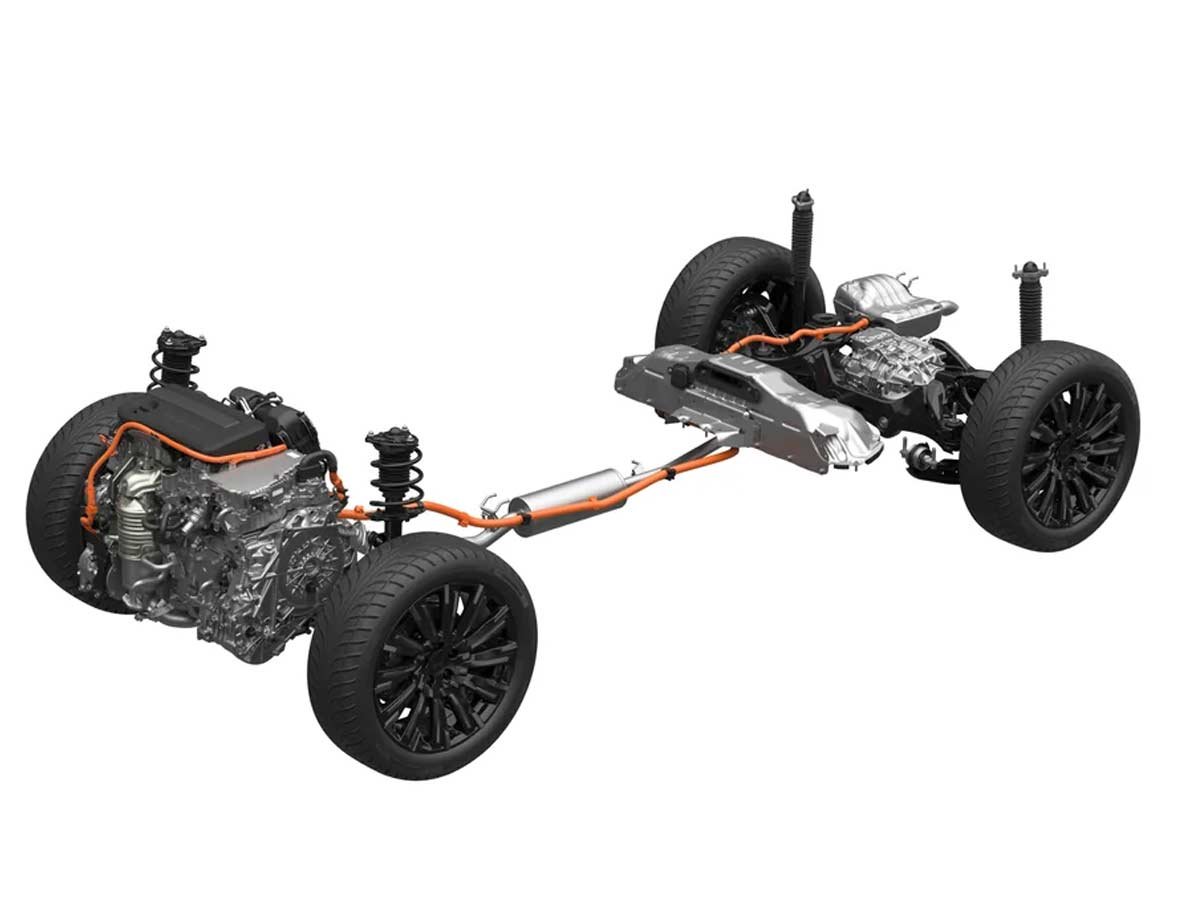
The biggest technological milestone of the new Avancier is arguably under its bonnet.
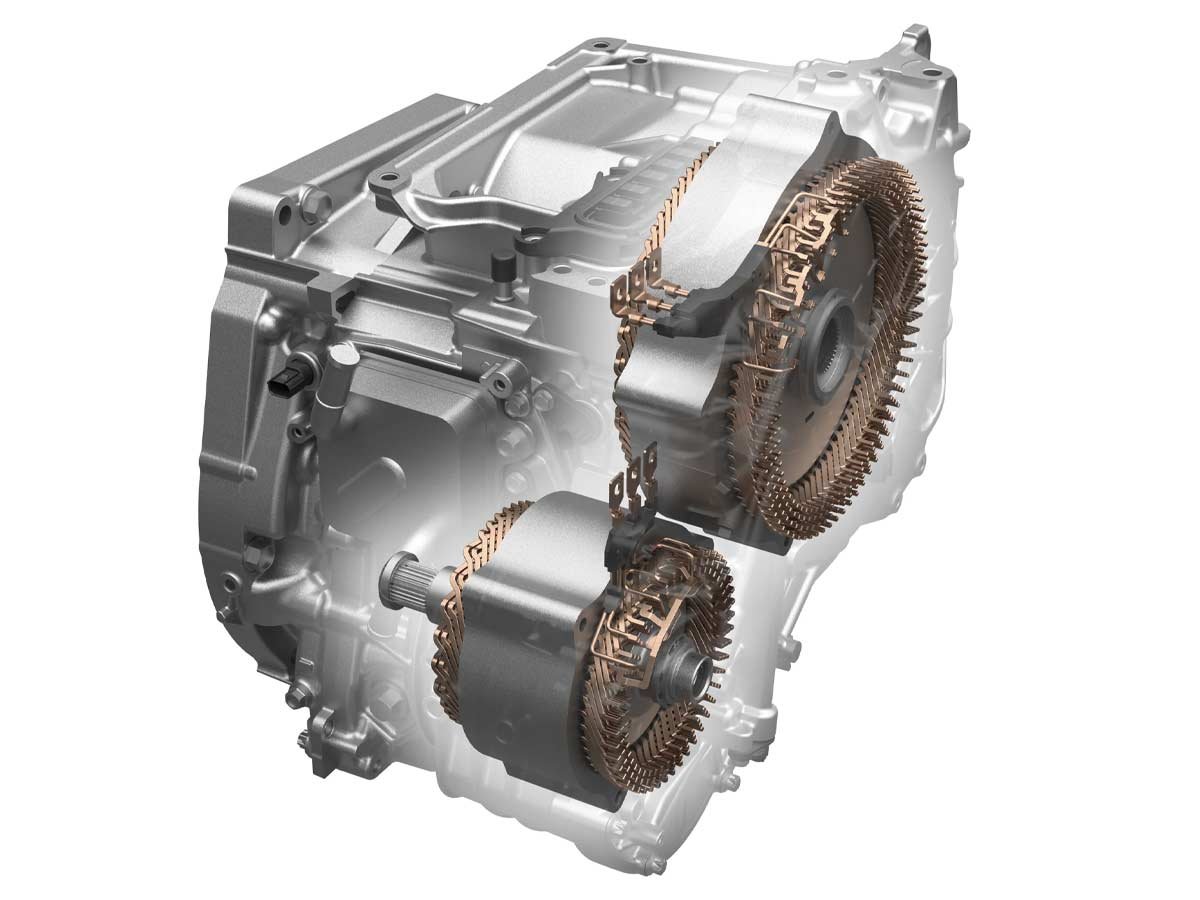
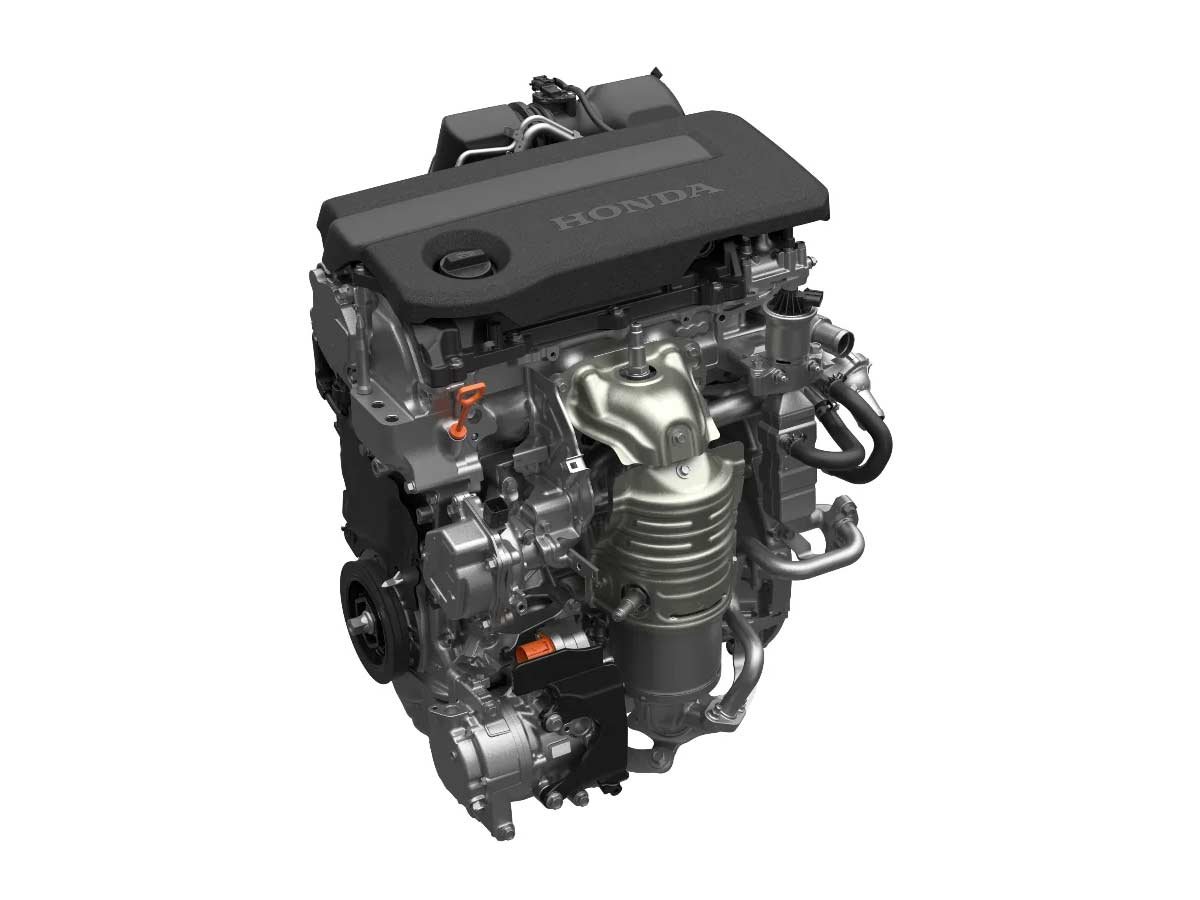
It is the first model to feature Honda’s next-generation Honda Hybrid system, an evolution of the company’s established two-motor hybrid architecture.
Honda has worked on three principal areas: improving the engine’s high-efficiency operating range, increasing the efficiency of the drive unit while reducing its size, and advancing the control technologies that determine how the powertrain operates.
The objective is to deliver strong fuel efficiency without losing the responsive driving characteristics expected of a Honda.
The system’s operating strategy is particularly worth understanding.
At lower speeds and across a wide range of driving conditions, electric motor drive plays a major role in moving the vehicle. During high-speed cruising, the engine can drive the wheels directly.
The system selects the most efficient operating mode according to the driving conditions.
This is important because hybrid technology is not simply about having an electric motor and a petrol engine working together. The intelligence lies in deciding when and how each should contribute.
A highly efficient engine, a newly developed motor and improved system controls are intended to deliver both fuel economy and effortless acceleration.
Honda has not yet announced the Avancier’s official power output, fuel consumption figures, battery capacity or detailed powertrain specifications.
Those numbers will be essential when assessing its real-world efficiency and performance.
For now, the more significant takeaway is that the Avancier is the first showcase for a hybrid architecture that Honda intends to deploy across a much wider range of vehicles.
DualPower eAWD: An electric approach to all-wheel drive
The Avancier also introduces another Honda first: DualPower eAWD.
Unlike a conventional mechanical all-wheel-drive arrangement that relies on a physical connection to distribute power between the front and rear axles, this system uses separate electric motors to drive and control the front and rear wheels independently.
The advantages go beyond simply having power available at both ends of the vehicle.
Electric motors can respond quickly and allow precise control over the amount of driving force delivered to each axle.
This helps the system adapt to changing driving conditions, supporting acceleration, traction and stability.
For a large three-row SUV, that is particularly relevant.
Think about the different situations an owner might encounter: pulling away on a wet road, accelerating out of a bend, navigating a slippery surface or maintaining composure on a long highway journey.
The ability to manage front and rear driving forces independently gives the vehicle another tool to help maintain stability.
Honda believes the system also contributes to more natural handling, reinforcing the Grand-Journey philosophy.
Importantly, the company describes the Avancier as the first Honda model to feature this DualPower eAWD technology.
It is a major development in the vehicle’s technical package, although detailed system output and performance figures have yet to be announced.
Motion Management System: Technology working behind the scenes
Another important element is Honda’s Motion Management System.
This is an integrated vehicle control technology that coordinates braking force, driving force and other aspects of vehicle dynamics.
The system uses precise estimation of the vehicle’s state and posture control technologies developed through Honda’s experience in robotics.
That connection is particularly interesting.
Robotics requires an understanding of movement, balance, positioning and how forces influence the behaviour of a moving object. Honda is applying knowledge accumulated in this field to the way its vehicles manage movement.
In the Avancier, the goal is to help stabilise vehicle behaviour and make it easier for the driver to control the SUV as intended across a wide range of driving conditions.
It is not necessarily a technology that occupants will consciously notice.
And that may be the point.
The best vehicle dynamics systems often work quietly in the background, allowing the driver to feel more confident without having to think about the engineering making it possible.
Honda S+ Shift: Because hybrids should still be enjoyable to drive
There is an interesting contradiction at the heart of modern hybrid development.
As manufacturers pursue greater efficiency, many powertrains become increasingly focused on smoothness and economy. But smoothness does not always translate into the kind of feedback that driving enthusiasts appreciate.
Honda appears keen to address that with S+ Shift.
Already featured on the new Prelude and Civic e:HEV RS, Honda S+ Shift is designed to enhance the driver’s sense of control by coordinating engine speed, engine sound and acceleration response.
Rather than treating the engine as a background component that simply operates at the most efficient speed, the system uses its naturally pleasing sound to create a more engaging driving experience.
The objective is to make acceleration feel more responsive and connected to the driver.
It is a reminder that Honda’s hybrid strategy is not intended to make driving enjoyment secondary to efficiency.
For a company whose performance identity has been built around the relationship between driver and machine, that is an important message.
The new platform: A foundation for more than one SUV
The Avancier’s platform is another significant part of the story.
Honda has developed a modular architecture that combines improved rigidity management with weight reduction.
It also allows certain components, including elements of the engine room and rear underbody, to be shared across different models.
Other areas, such as the rear cabin, can be developed specifically for individual vehicles.
This approach has two advantages.
First, it allows Honda to improve development and production efficiency by increasing component commonality.
Second, it creates flexibility to develop vehicles with distinct characteristics rather than forcing every model to feel identical.
In other words, the Avancier is not just the recipient of a new platform. It is also the first indication of how Honda intends to use that platform architecture in future products.
That makes the SUV’s importance extend beyond its own model cycle.
MyCabin and MyMotion: Honda is building an experience, not just a feature list
There are two names that bring together much of the Avancier’s development philosophy.
MyCabin represents the evolution of the in-car experience, encompassing technologies and features designed around passenger comfort, convenience and personalisation.
MyMotion brings together the technologies intended to enhance the driving experience, including the new hybrid system, electric all-wheel drive and Motion Management System.
The distinction is useful.
One focuses on the experience of being inside the vehicle. The other focuses on the experience of driving it.
Both are important to the Grand-Journey concept.
The Avancier also supports over-the-air software updates, with Honda planning to introduce additional features to enhance convenience after the vehicle has been purchased.
This is increasingly important in an automotive landscape where a vehicle’s technology experience can continue evolving long after it leaves the showroom.
It also reflects a broader shift in the definition of premium ownership. The value of a vehicle is no longer determined solely by what it offers on delivery day.
Where will the new Honda Avancier launch?
Honda has confirmed that the all-new Avancier will be introduced primarily in Asian markets.
The rollout is scheduled to begin in Thailand, followed by Japan, China and other markets.
The launch strategy is significant because it places the new SUV in markets where Honda sees opportunities for its next-generation hybrid technologies.
However, Honda has not announced a confirmed Indian-market launch, nor has it disclosed market-specific pricing, variants or detailed equipment specifications.
For Indian buyers, the Avancier is therefore best viewed as an important indication of Honda’s future hybrid and premium SUV direction rather than a confirmed upcoming showroom product.
Its eventual market positioning will depend on the specifications, powertrain configurations and pricing Honda decides to offer in individual countries.
The bigger picture: Honda’s next chapter in hybrid technology
The Avancier arrives at an important moment for Honda.
The company has announced plans to launch 15 next-generation hybrid models equipped with Honda Hybrid globally by the end of the fiscal year ending March 31, 2030.
That makes the Avancier much more than a standalone product unveiling.
It is the first model to bring together several developments that Honda intends to use as the foundation for its next phase of hybrid vehicles: a new platform, an evolved two-motor hybrid system, electric all-wheel drive and more sophisticated vehicle dynamics control.
There is also a philosophical element to the project.
During the development interview, Honda’s development leader referred to the company’s Three Actuals philosophy: going to the actual place, examining the actual product and understanding the actual situation.
In an era increasingly dominated by computer simulations, digital development and advanced software, the message was that physically experiencing and evaluating a vehicle remains essential.
It is a revealing insight into how Honda wants its engineering culture to evolve without losing its fundamentals.
And perhaps that is the most interesting aspect of the Avancier.
The company has not simply assembled a list of technologies to make a new SUV sound impressive. It has attempted to connect those technologies to a single purpose: making the act of travelling better for everyone inside the vehicle.
Our take: The Avancier could be an important turning point for Honda
There is no shortage of premium SUVs promising comfort, technology, electrification and performance.
What is more difficult is delivering all four in a convincing package.
The new Avancier has an interesting proposition because its development appears to have started with a fundamental question about how people actually use their vehicles.
The driver wants engagement. Passengers want comfort. Families want space. Long-distance travellers want quietness and efficiency. And modern buyers increasingly expect their vehicles to remain technologically relevant after purchase.
Honda has attempted to address these requirements through a combination of mechanical engineering, electrification, cabin design and connected technology.
There is still much we need to know.
Official power and torque figures, fuel consumption, vehicle dimensions, battery specifications, detailed safety equipment, pricing and market-specific configurations remain undisclosed. A proper road test will also be necessary to establish whether the new platform genuinely delivers the balance Honda promises.
But the direction is encouraging.
The most compelling luxury feature of the Avancier may not be its panoramic roof, its Dolby Atmos audio system or even its new hybrid powertrain.
It may be the idea that the driver should enjoy the journey just as much as the people being driven.
That is a worthwhile ambition.
And if Honda has managed to translate it from an engineering philosophy into a genuinely convincing driving experience, the new Avancier could become one of the more interesting developments in the company’s next generation of hybrid SUVs.
Because the best journeys are not simply about getting somewhere. They are about enjoying every kilometre along the way.
Frequently Asked Questions: New Honda Avancier
1. What is the new Honda Avancier?
The all-new Honda Avancier is a three-row SUV unveiled globally on November 20, 2026. It introduces Honda’s new H mark, next-generation Honda Hybrid system and newly developed vehicle platform.
2. What is special about the 2027 Honda Avancier?
It is the first Honda model to combine the next-generation Honda Hybrid system, DualPower electric all-wheel drive and the company’s new platform. It also features Motion Management System, Honda S+ Shift and a premium three-row cabin.
3. Is the new Honda Avancier a hybrid SUV?
Yes. It is the first model equipped with Honda’s next-generation two-motor hybrid system, designed to combine improved efficiency with responsive acceleration and driving enjoyment.
4. Does the Honda Avancier have all-wheel drive?
Yes. The new Avancier introduces Honda DualPower eAWD, an electric all-wheel-drive system that independently controls the front and rear wheels using separate motors.
5. How many seats does the new Honda Avancier have?
Honda describes the Avancier as a three-row SUV. The official announcement highlights seating comfort and accessibility across all three rows.
6. What is Honda S+ Shift?
Honda S+ Shift coordinates engine speed, engine sound and acceleration response to make the hybrid driving experience more engaging and give the driver a greater sense of control.
7. What is Honda’s Motion Management System?
It is an integrated vehicle control technology that coordinates braking force, driving force and vehicle dynamics to help stabilise the vehicle and improve driver control.
8. Does the Honda Avancier have Dolby Atmos?
Yes. It features a BOSE Premium Sound System compatible with Dolby Atmos, using 12 speakers to create an immersive three-dimensional audio experience.
9. Will the new Honda Avancier launch in India?
Honda has not confirmed an Indian launch. The announced rollout focuses primarily on Asian markets, beginning with Thailand, followed by Japan, China and other markets.
10. When will the new Honda Avancier go on sale?
Honda has announced its market rollout plan but has not provided confirmed showroom sale dates for each market.
11. What is the new Honda H mark?
The new H mark represents Honda’s updated corporate identity. The Avancier is the first model to feature this new emblem.
12. What is the significance of the new Avancier platform?
The new platform combines improved structural rigidity management, weight reduction and a modular architecture. It has been developed to improve ride comfort, handling stability and vehicle dynamics while allowing component sharing across future models.
Source: Honda