











By the time a luxury automobile reaches flagship status, horsepower alone is no longer enough.
The modern premium vehicle is being asked to do something far more ambitious: become a sanctuary. A mobile living room. A private business lounge. A digital retreat from the noise of modern life. In this increasingly competitive world of ultra-luxury SUVs, refinement is measured less by acceleration figures and more by atmosphere, craftsmanship, silence, and emotional experience.
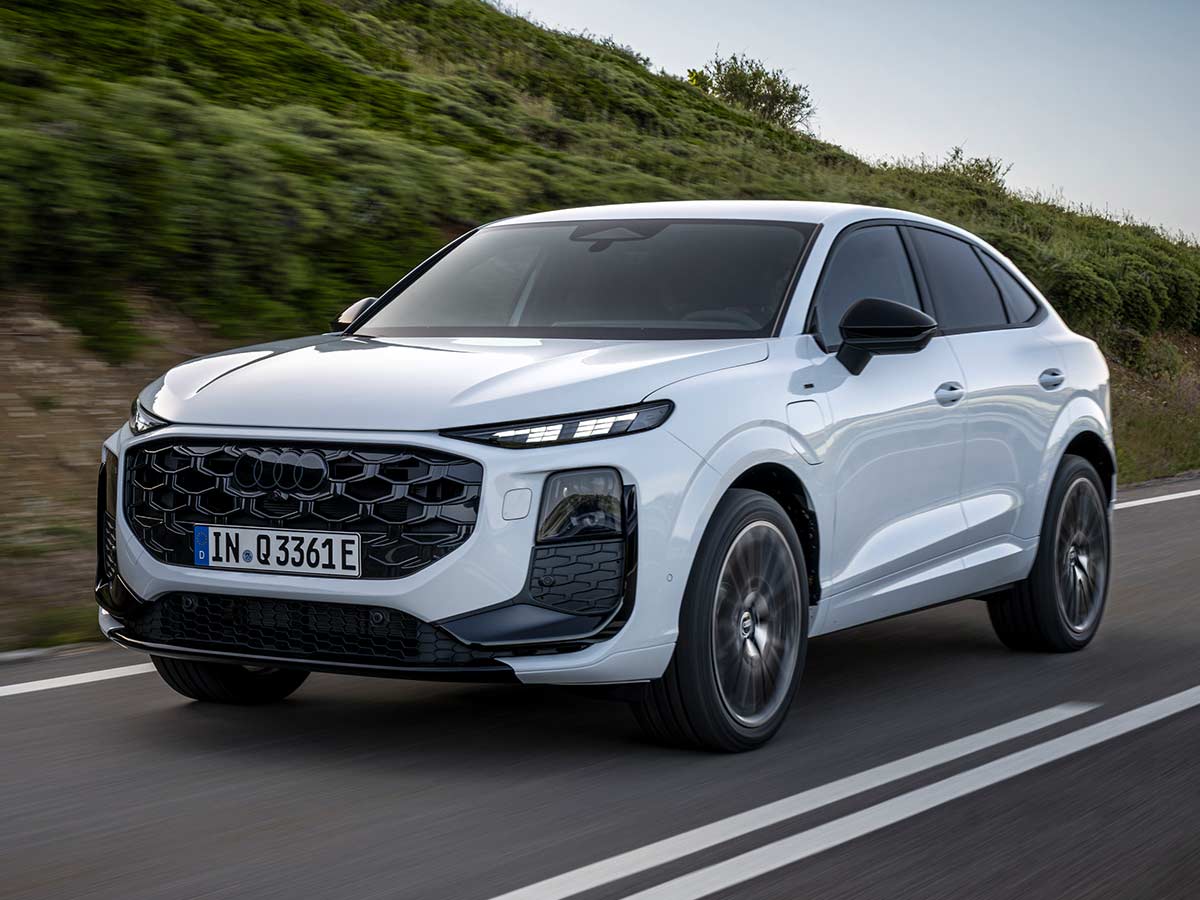
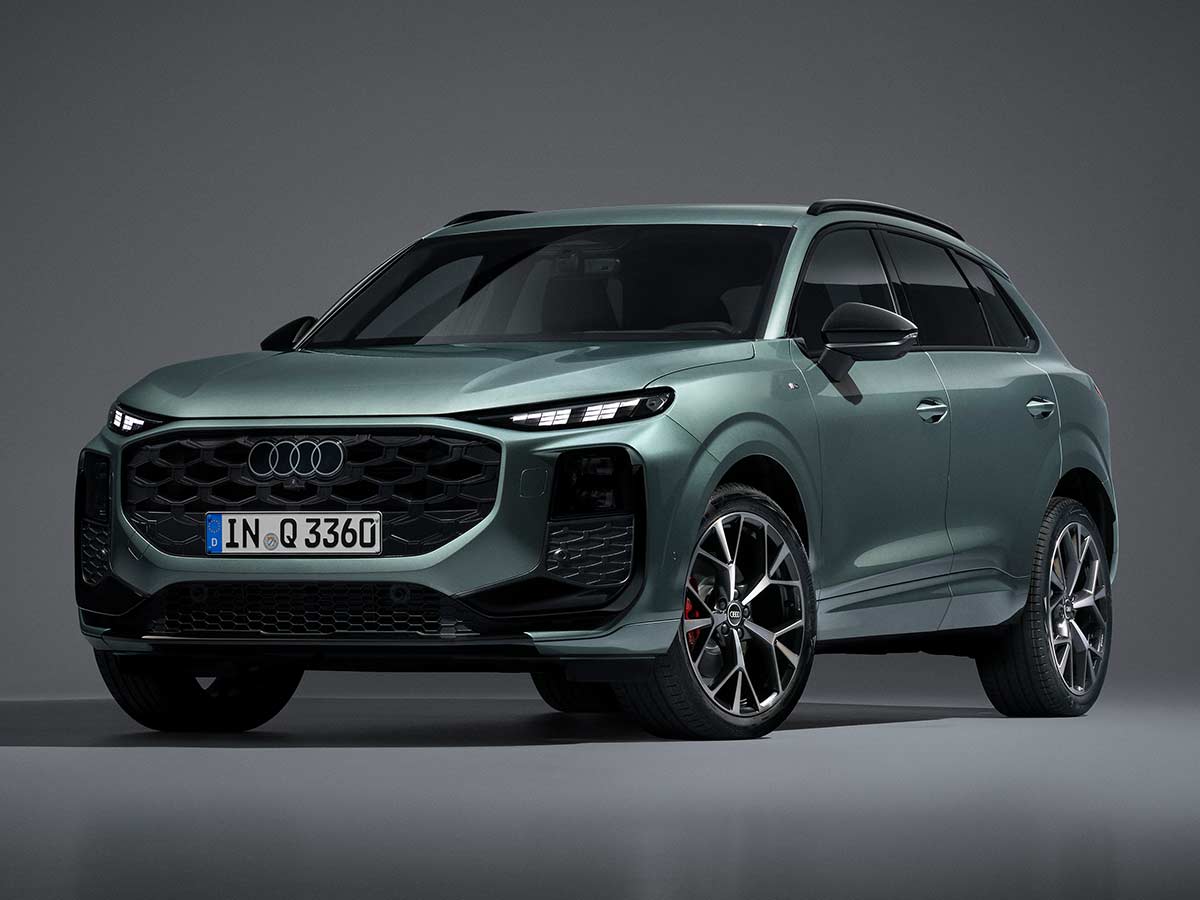
That shift in philosophy sits at the very heart of the new Audi Q9.
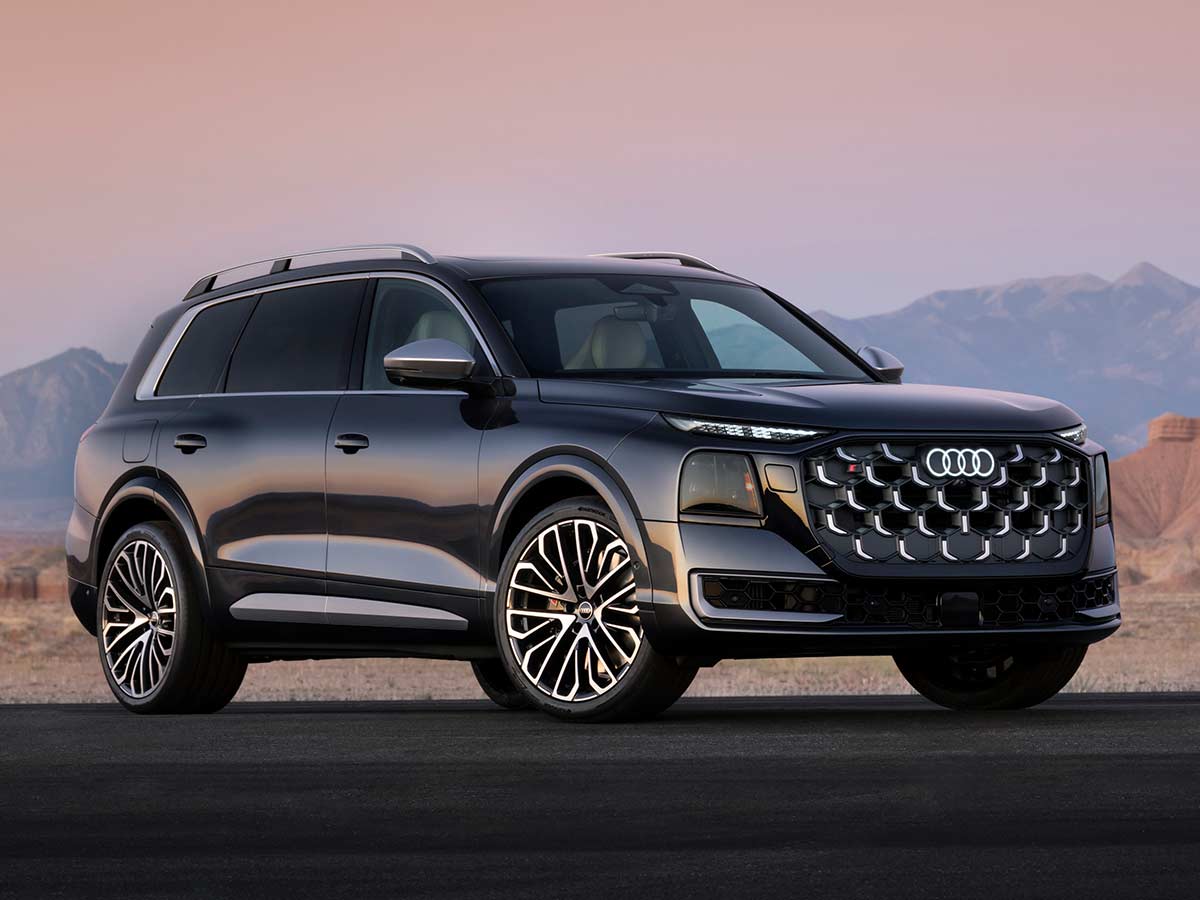
Set to officially debut in Summer 2026, Audi’s first full-size SUV represents more than the arrival of a larger vehicle in the company’s lineup. It signals a profound transformation in how the German marque defines luxury itself. According to Audi CEO Gernot Döllner, the Q9 increasingly defines “Vorsprung durch Technik” through the in-car experience rather than sheer mechanical prowess.
And after examining the first interior details released by Audi, it becomes clear that the Q9 is not merely another premium SUV. It is Audi’s most ambitious attempt yet to blur the line between automotive engineering and architectural design.
>>> Great Discounts on Car & Bike Accessories <<<
Audi Q9 Interior and the Era of Experiential Luxury
Luxury SUVs have evolved dramatically over the past decade. Once built primarily around commanding road presence and high-output engines, today’s flagship SUVs are increasingly judged on how effectively they manage space, comfort, technology, and emotional ambience.
Buyers in this segment are no longer purchasing transportation alone. They are investing in environments.
That reality has transformed the design priorities of brands across the industry. Interior architecture now carries as much importance as exterior styling. Lighting matters. Acoustic quality matters. Material tactility matters. Even the emotional effect of opening a door has become part of the premium equation.
The Audi Q9 appears engineered around precisely that understanding.
Audi describes the vehicle’s cabin as a “sanctuary for family, business, and long journeys,” and nearly every design decision reflects that philosophy.
This is not a sports SUV pretending to be practical. Nor is it simply an enlarged version of the company’s existing Q-series models. Instead, the Audi Q9 positions itself as a rolling luxury environment where the occupant experience takes center stage.
First Impressions Begin Before You Sit Down
One of the most fascinating aspects of the Audi Q9 is Audi’s decision to treat entry into the vehicle as an event in itself.
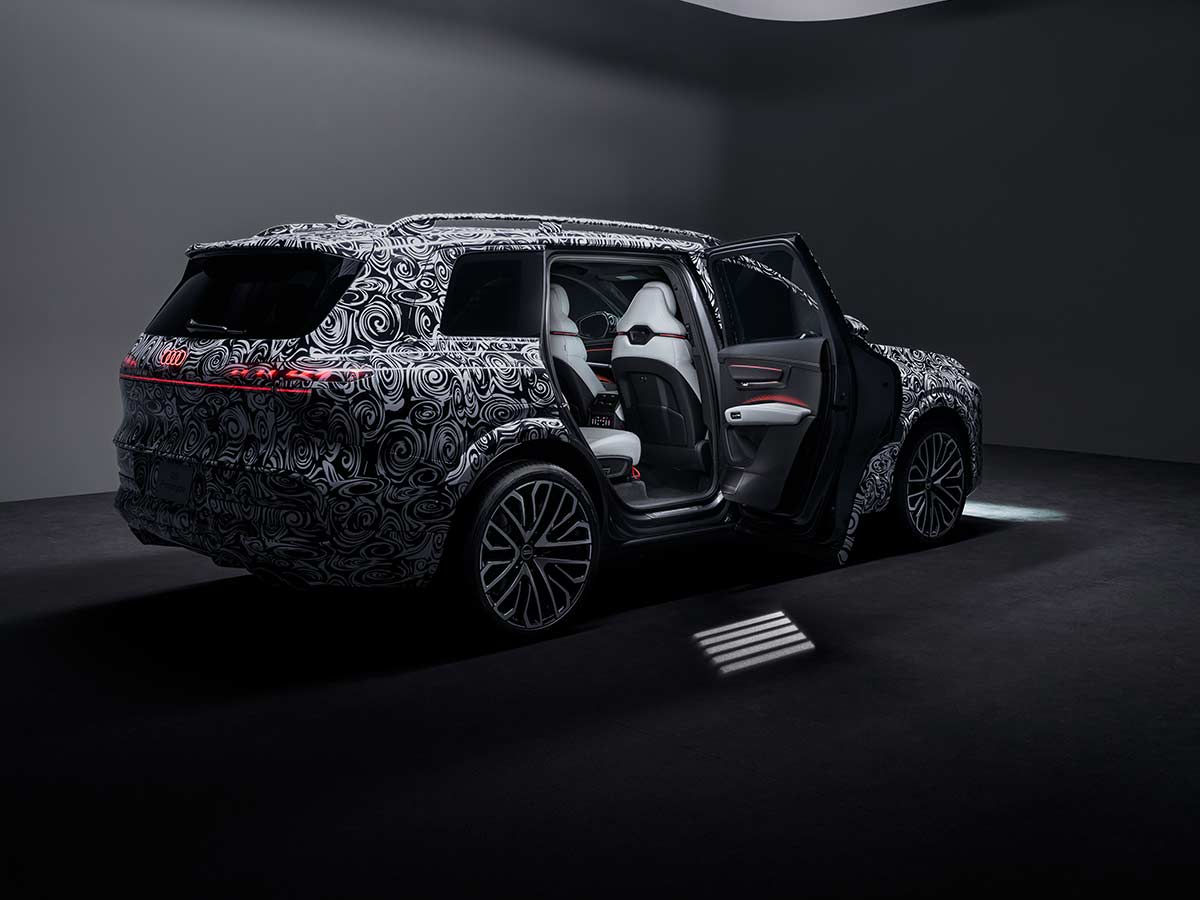
For the first time in the company’s history, all four doors can be electrically operated. The doors may be opened or closed using the key, the myAudi app, the central MMI interface, the brake pedal, or even the seatbelt buckle. That level of automation might initially sound excessive, but in practice it speaks to a broader luxury trend: eliminating friction from everyday interactions.
Modern luxury increasingly means effortlessness.
Audi’s implementation goes beyond theatricality. Wide-opening doors improve accessibility for passengers carrying shopping bags, luggage, or strollers. Surround sensors with obstacle detection prevent the doors from opening into nearby objects or cyclists, integrating convenience with urban safety considerations.
In many ways, this detail encapsulates the Audi Q9 philosophy. The technology is not included merely to impress. It exists to remove stress from everyday life.
Audi Q9 Interior Design Makes Space a Luxury Statement
If one theme defines the Audi Q9 Interior above all else, it is generosity.
Audi has built its largest SUV around the idea that spaciousness itself is a luxury material. This becomes immediately evident in the seating architecture.
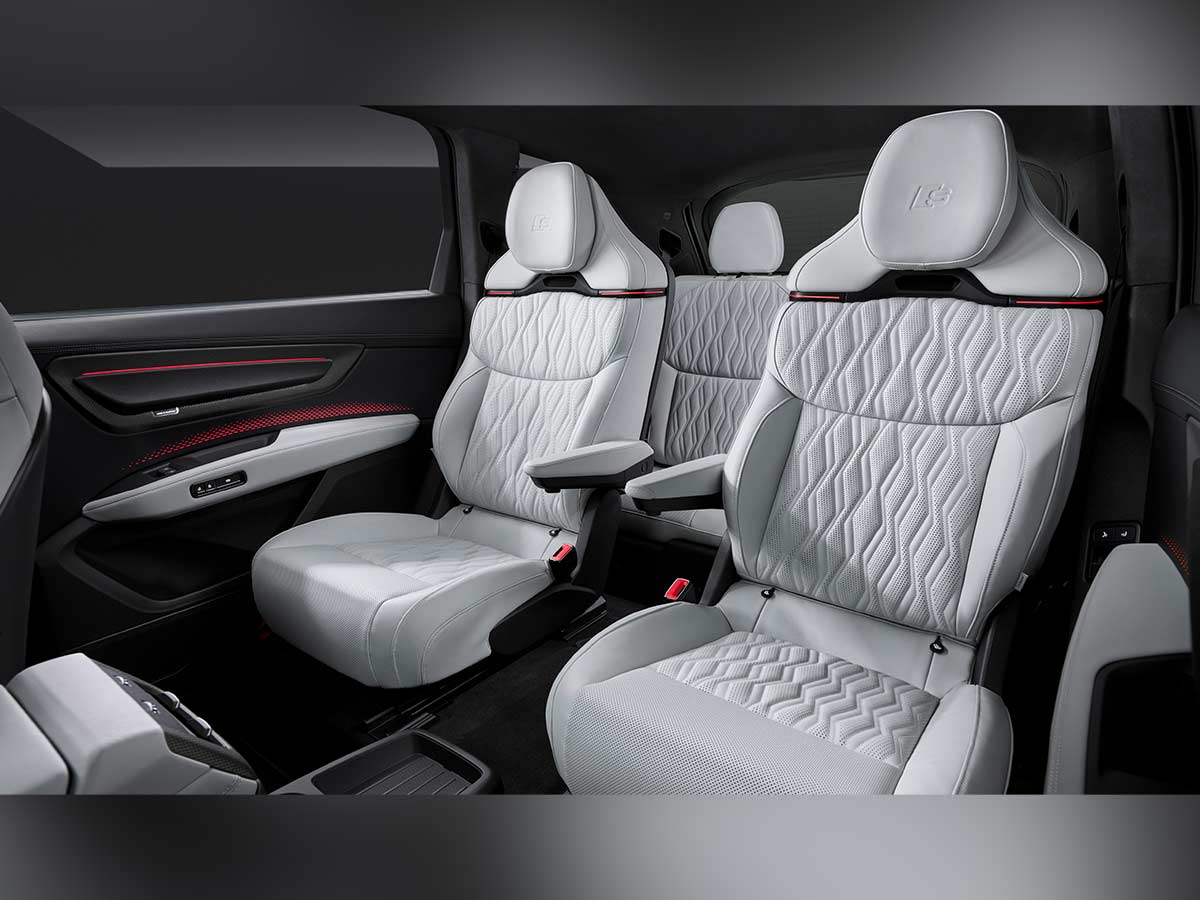
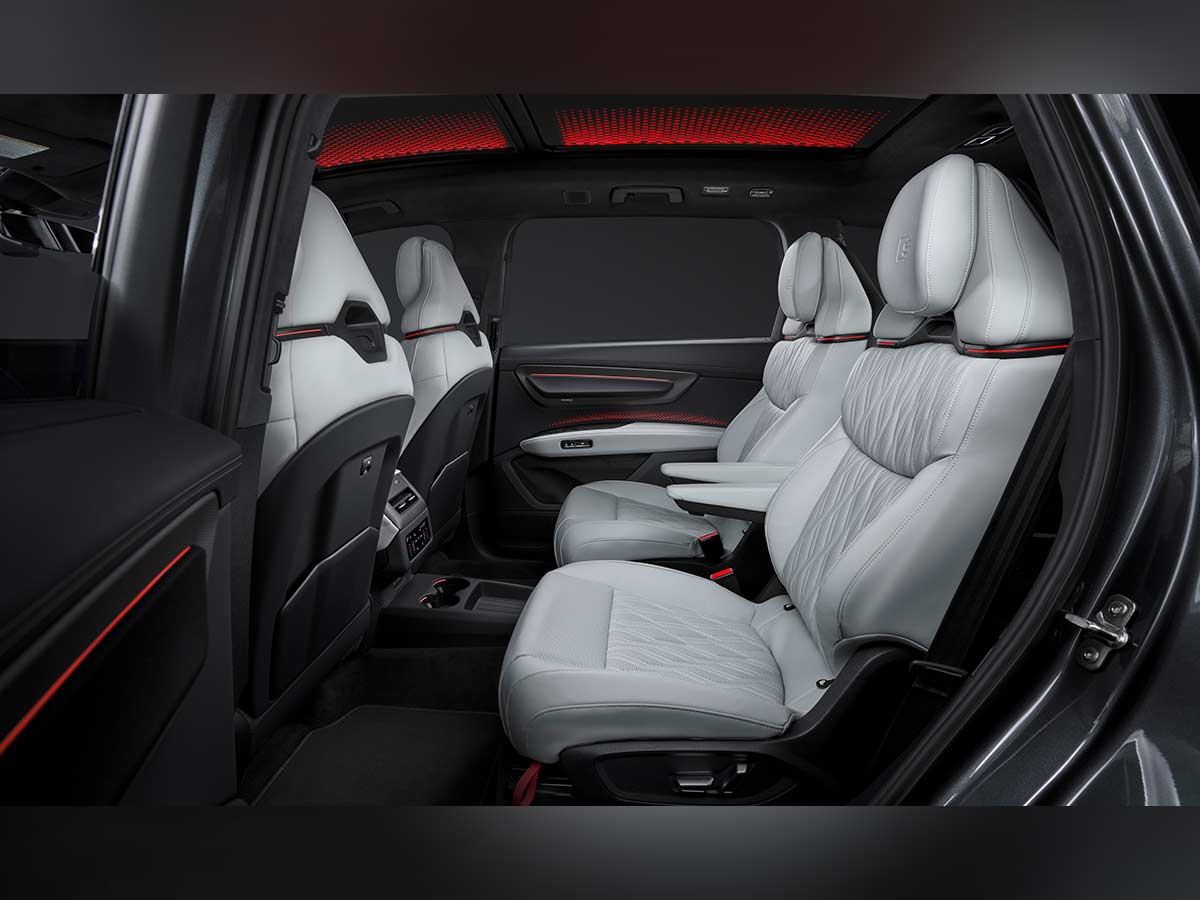
Customers may choose between six-seat and seven-seat configurations. The optional six-seat layout transforms the second row into something closer to an executive airline cabin, featuring two electrically adjustable individual seats complete with active ventilation in both the seat cushion and backrest.
This is a critical distinction.
Traditional large SUVs often prioritize capacity over comfort. The Audi Q9 instead attempts to merge the two. Even in seven-seat form, all three second-row seats can accommodate child seats, emphasizing real-world family usability rather than merely theoretical passenger counts.
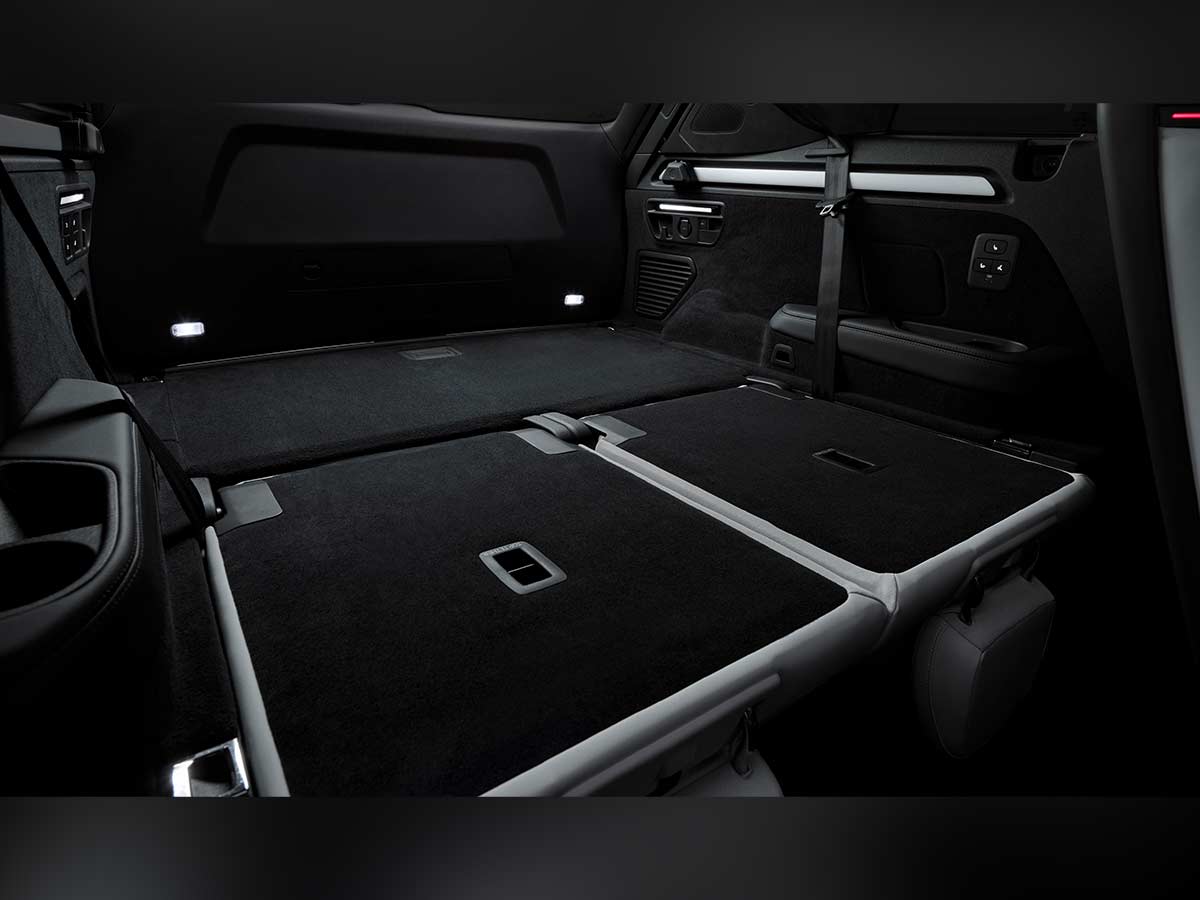
Meanwhile, the third-row seats can fold individually via electric controls, allowing rapid transformation between passenger and cargo configurations. It is a small but meaningful touch that acknowledges how luxury vehicles are actually used day-to-day.
Audi understands that flexibility itself has become a premium feature.
Why the Audi Q9 Interior Feels Like a Mobile Lounge
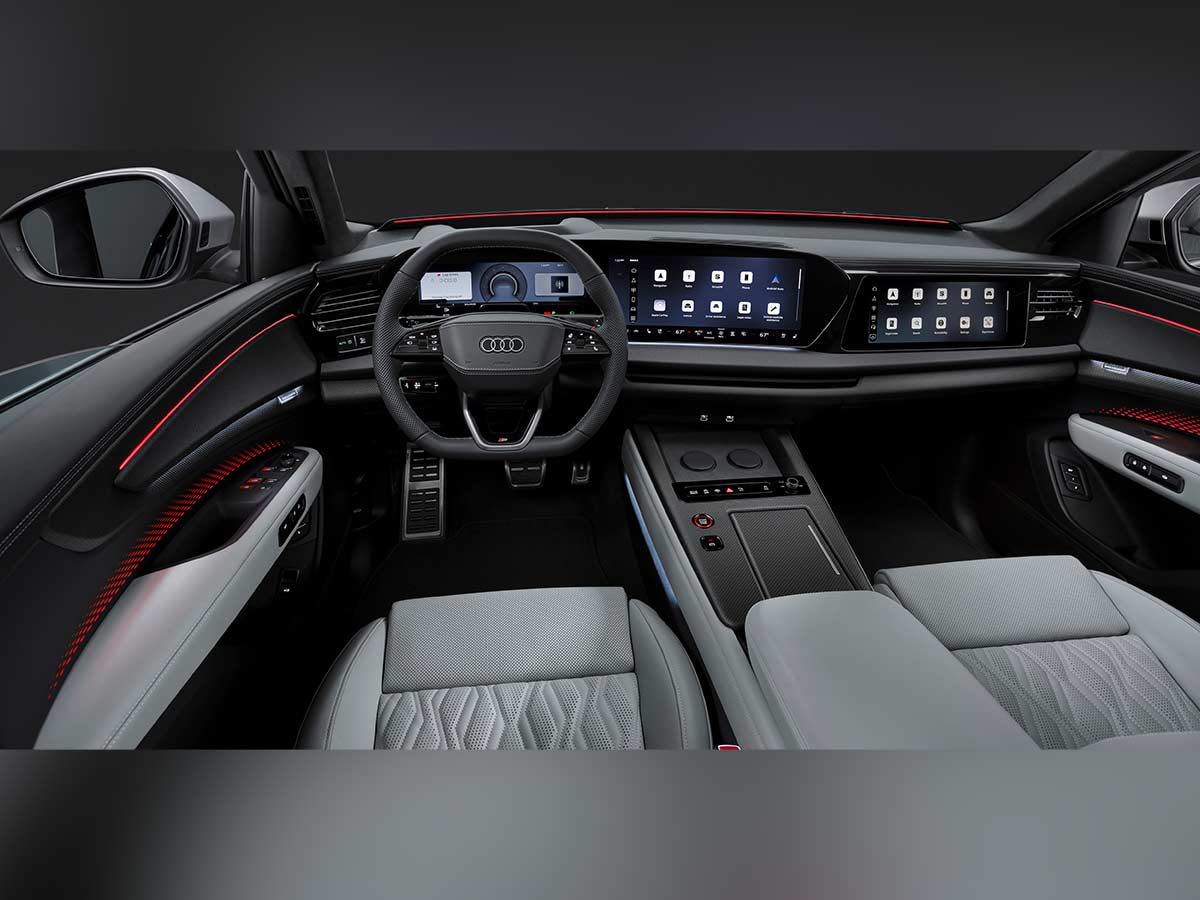
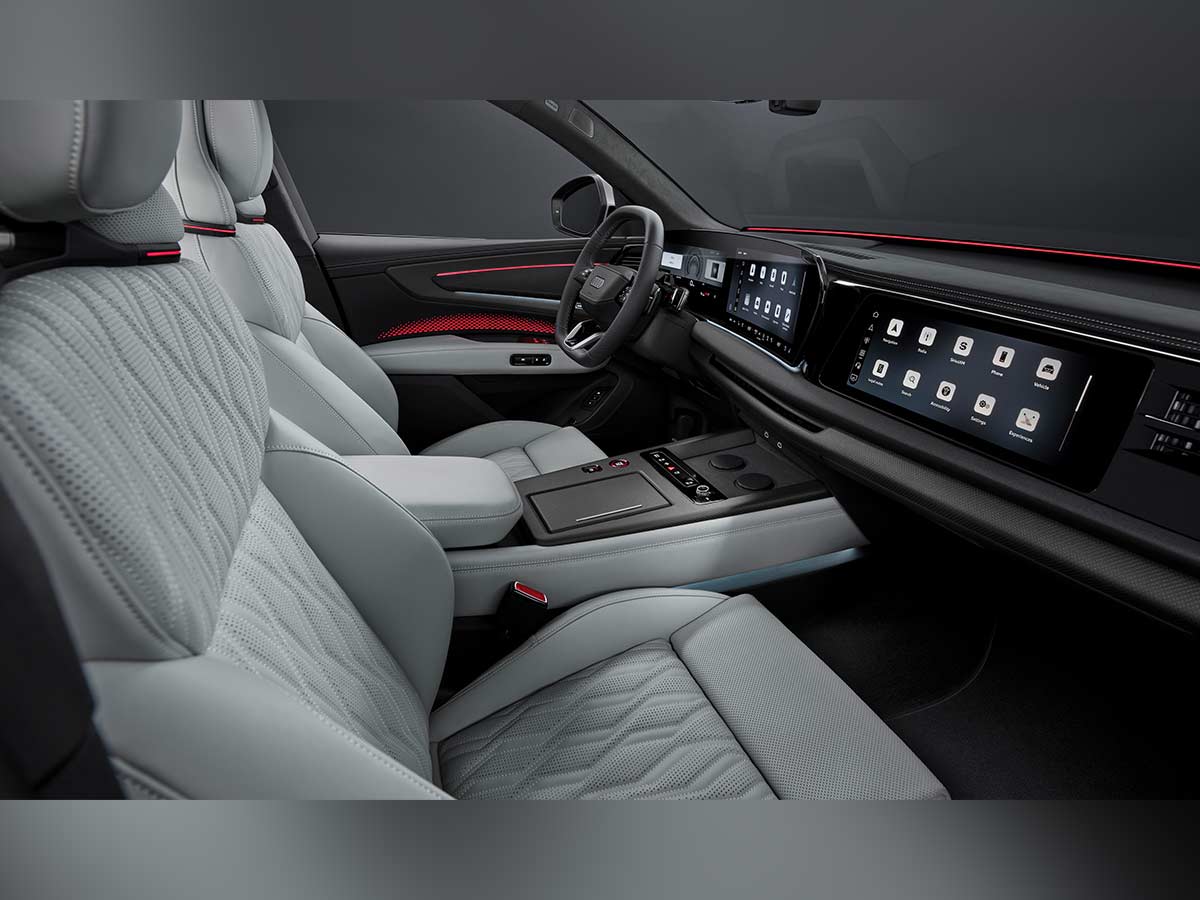
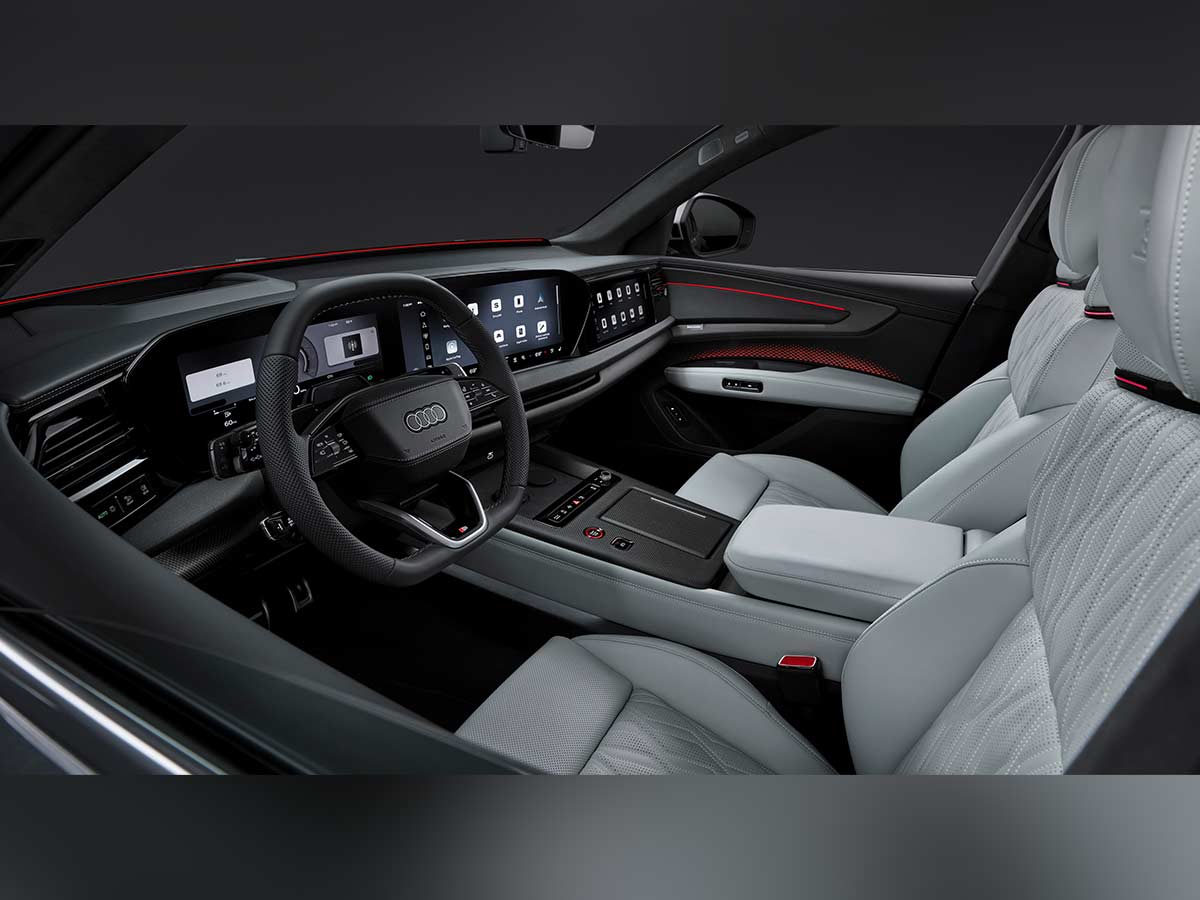
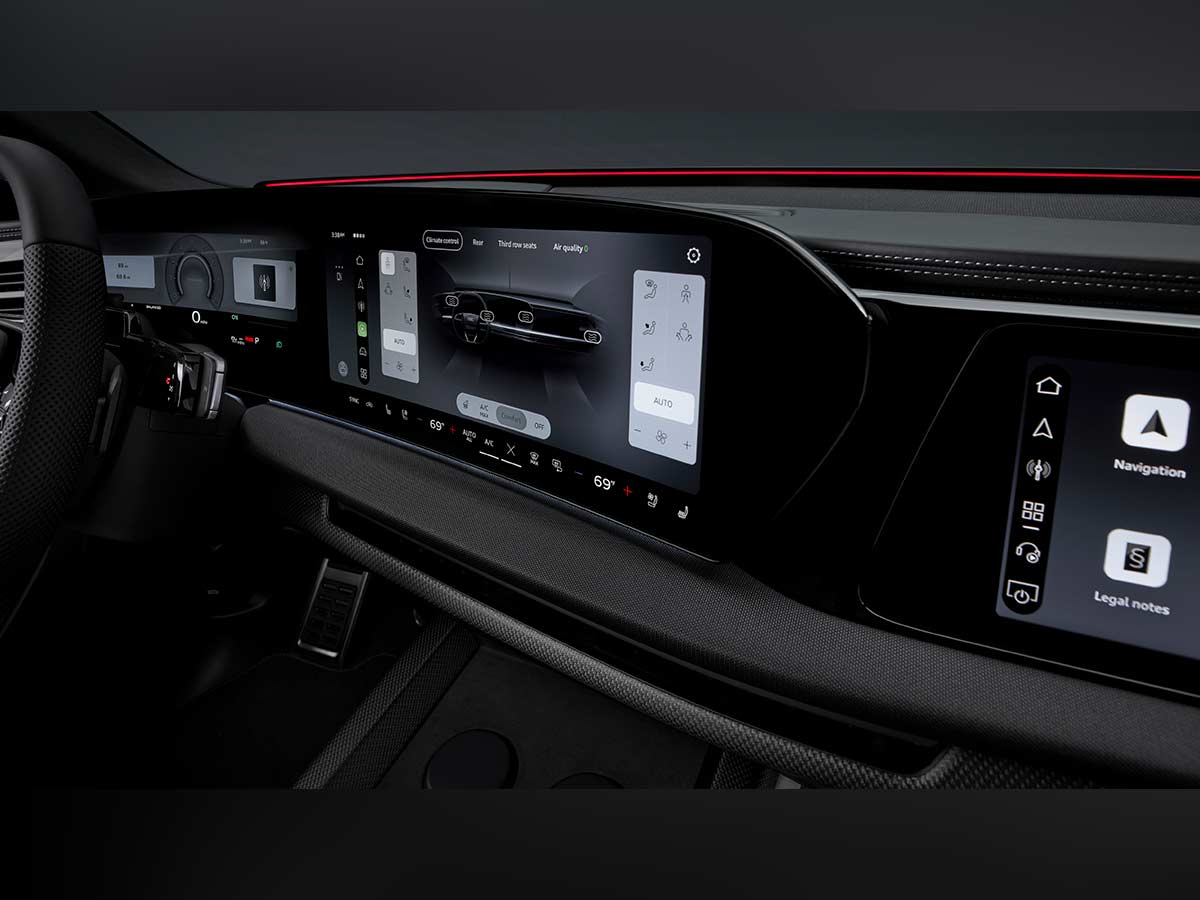
Step inside the Audi Q9 and one design ambition becomes unmistakable: Audi wants the cabin to feel less like a cockpit and more like a contemporary lounge.
The company achieves this through multiple overlapping strategies.
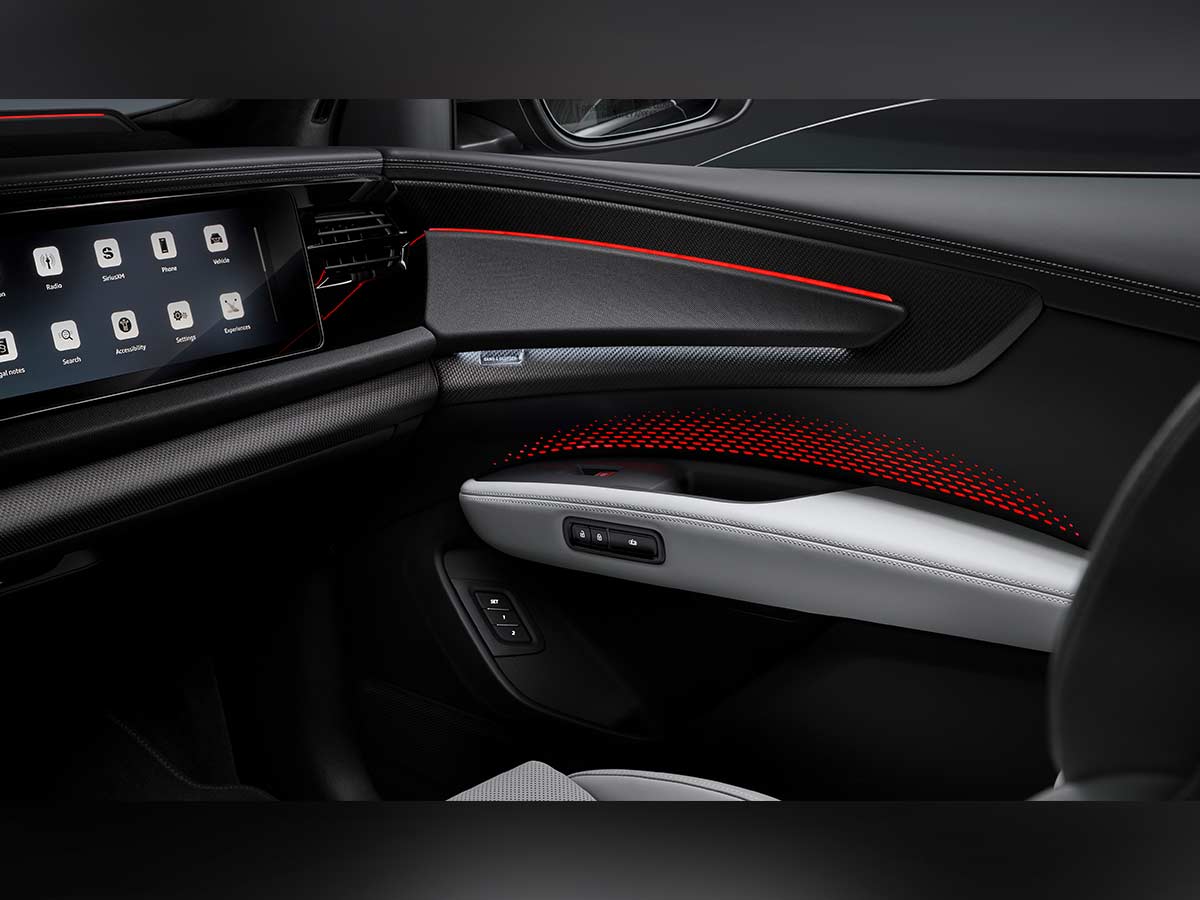
First comes materiality. Audi has expanded its palette with new fabric and wood trims, including fine-grain ash natural, silk beige finishes, lime structure natural accents, and basalt gray carbon-fiber weaves.
More importantly, Audi is deliberately reducing glossy surfaces in favor of matte and textured materials. This might seem subtle, but it reflects one of the most important shifts in modern luxury aesthetics. High-gloss surfaces once symbolized futurism and opulence. Today, understated textures communicate confidence, sophistication, and calm.
The available upholstery options further reinforce that direction. Alpaca wool fibers, Dinamica microfiber, leather blends, and fine Nappa leather are curated less for visual extravagance than for sensory warmth and tactile richness.
The resulting atmosphere appears intentionally serene.
Rather than overwhelming occupants with visual stimulation, the Audi Q9 Interior seems designed to lower cognitive stress. In an era where people spend much of their day surrounded by screens, alerts, and noise, that restraint may become one of the vehicle’s greatest luxuries.
The Panoramic Roof as Emotional Architecture
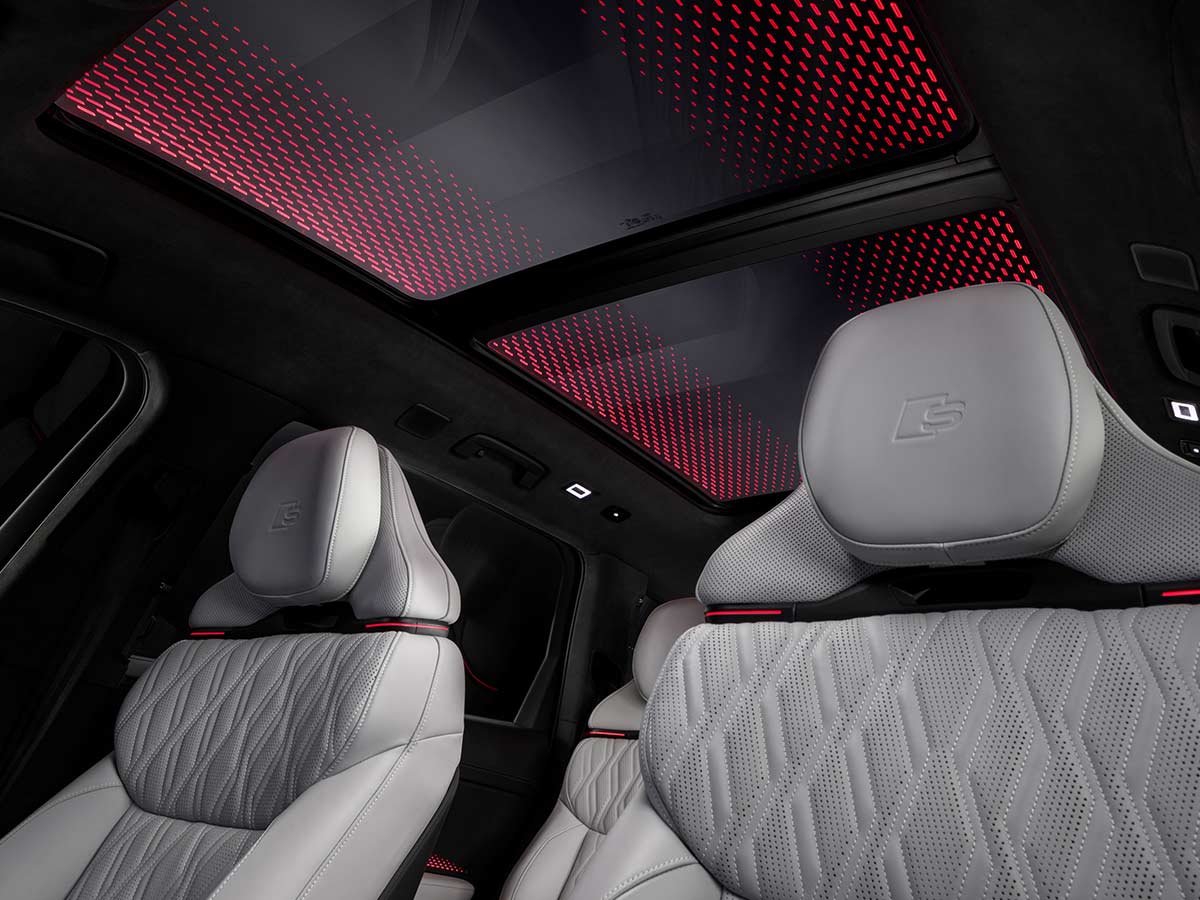
Perhaps no single feature illustrates the Audi Q9 Interior ambitions more clearly than the SUV’s panoramic glass roof.
At approximately 1.5 square meters, the roof is enormous by any standard. But sheer size is only part of the story.
The glass incorporates nine independently controllable transparency segments, allowing occupants to selectively switch portions of the roof from transparent to opaque at the touch of a button. The system eliminates the need for a traditional sunblind while simultaneously improving thermal management and privacy.
The engineering behind this feature is significant. The coated laminated glass blocks over 99.5 percent of UV radiation while reflecting infrared light.
But what matters most is not the specification sheet. It is the atmosphere created inside the vehicle.
Luxury design increasingly borrows concepts from high-end hospitality and residential architecture. Natural light, openness, visual airiness, and adaptable ambience all contribute to emotional well-being. The Q9’s roof functions less like a traditional automotive feature and more like a dynamic architectural element.
At night, the effect becomes even more dramatic. In top-spec versions, 84 integrated LEDs illuminate the roof in one of 30 selectable colors synchronized with the ambient lighting system.
The result is not merely illumination. It is mood design.
Audi Q9 Interior Sound System Creates an Immersive Experience
Audi has long maintained a strong reputation for interior acoustic quality, but the Q9 pushes the concept into more immersive territory.
The updated Bang & Olufsen 4D sound system transforms music playback into a multisensory experience. Headrest-integrated speakers enable personalized audio zones for navigation prompts and phone calls without disturbing other occupants, while actuators embedded within the front seats physically transmit low-frequency vibrations through the body.
In essence, passengers do not simply hear music. They experience it physically.
This development reflects a larger industry trend in which premium automotive audio systems increasingly compete with luxury home entertainment environments. Acoustic engineering has become central to how luxury brands differentiate themselves.
The Audi Q9 also introduces a highly theatrical interaction between audio and lighting. Audi’s dynamic interaction light system can synchronize ambient lighting with music rhythms and album artwork, effectively turning the cabin into an immersive sensory environment.
For some buyers, this may sound excessive. For others, it will represent exactly the kind of emotionally engaging digital luxury expected from a flagship vehicle in 2026.
Also Read: Audi Concept C: Radical Simplicity and the Dawn of a New Design Era
Technology That Disappears Into the Experience
One of the strongest signs of maturity in luxury technology is invisibility.
Poorly integrated technology constantly demands attention. Great technology fades naturally into the background while quietly improving everyday life.
Many of the Audi Q9’s most impressive features follow this principle.
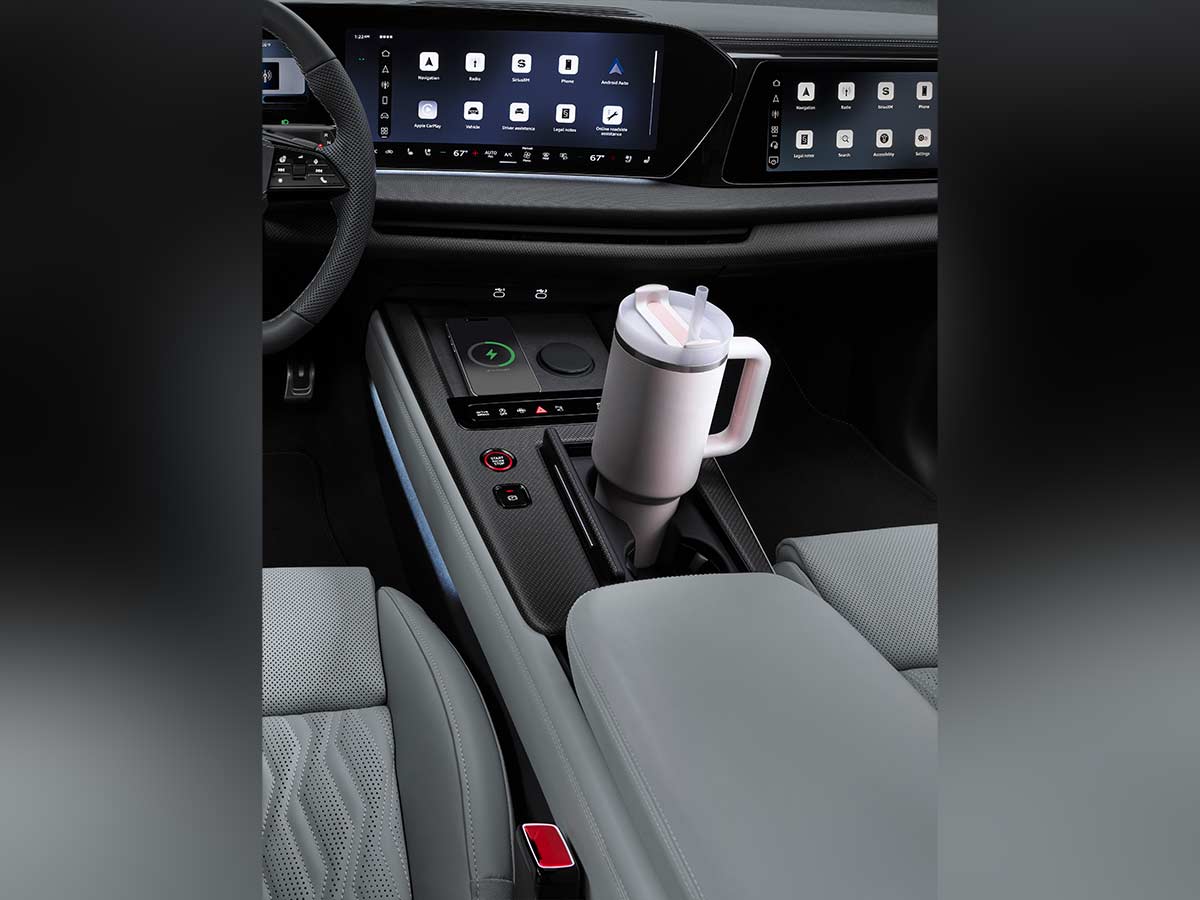
Wireless charging pads support simultaneous fast charging for two smartphones using the latest Qi2.2 standard. USB-C ports deliver up to 100 watts of power, enough for laptops and larger devices. The trunk incorporates an aluminum rail system with adjustable anchors and sliding hooks that allow cargo to be secured in three dimensions without sacrificing floor space.
Individually, these details may seem modest. Collectively, they reveal a vehicle designed around modern lifestyles rather than traditional automotive assumptions.
This is especially important for the Audi Q9’s likely customer base.
Large premium SUVs today frequently serve as executive shuttles, family transporters, road-trip machines, airport transfer vehicles, and mobile offices simultaneously. Owners expect seamless transitions between those roles. The Q9 appears engineered precisely for that flexibility.
Audi Q9 Marks a Strategic Shift
The launch of the Audi Q9 also carries broader strategic importance for Audi itself.
The premium SUV market has become one of the most fiercely contested segments in the automotive industry. Rivals such as the BMW X7, Mercedes-Benz GLS, Range Rover, and ultra-luxury entrants from brands like Bentley Motors have elevated consumer expectations dramatically.
Audi has historically excelled in technology integration, cabin quality, and understated design language. Yet until now, it lacked a true full-size SUV flagship capable of competing directly in this increasingly lucrative category.
The Audi Q9 changes that.
Importantly, Audi is not attempting to out-muscle competitors with brute extravagance. Instead, the company appears focused on sophisticated restraint, emotional comfort, and intelligent environmental design.
That distinction matters because luxury consumers themselves are changing.
Modern affluent buyers increasingly value calmness over conspicuousness. They seek products that simplify life rather than dominate attention. The Audi Q9 Interior emphasis on tranquility, spatial comfort, intuitive technology, and sensory refinement aligns closely with those evolving preferences.
Beyond Transportation
Perhaps the most revealing aspect of the Audi Q9 is what it says about the future of automobiles more broadly.
As electrification, automation, and digital ecosystems continue reshaping the automotive industry, traditional performance metrics may gradually lose emotional importance. Acceleration is becoming abundant. Power delivery is increasingly standardized. Software can equalize many dynamic characteristics across brands.
What remains difficult to replicate is atmosphere.
How does a vehicle make its occupants feel?
That question may define the next era of luxury mobility more than engine specifications ever did.
The Audi Q9 seems designed around precisely that idea. It is not simply a larger SUV. It is an argument that future luxury will be defined by emotional intelligence, spatial experience, and sensory design.
And if Audi succeeds, the most important innovation in tomorrow’s flagship vehicles may not be what happens under the hood at all.
It may be what happens the moment the doors open.
Source: Audi