











Audi’s Most Ambitious Road Car Yet Arrives with Formula 1 DNA, 350 km/h Performance, and a Vision for the Brand’s Future
There are moments in automotive history when a new model arrives not merely as a product, but as a declaration of intent.
For Audi, the Nuvolari is precisely that moment.
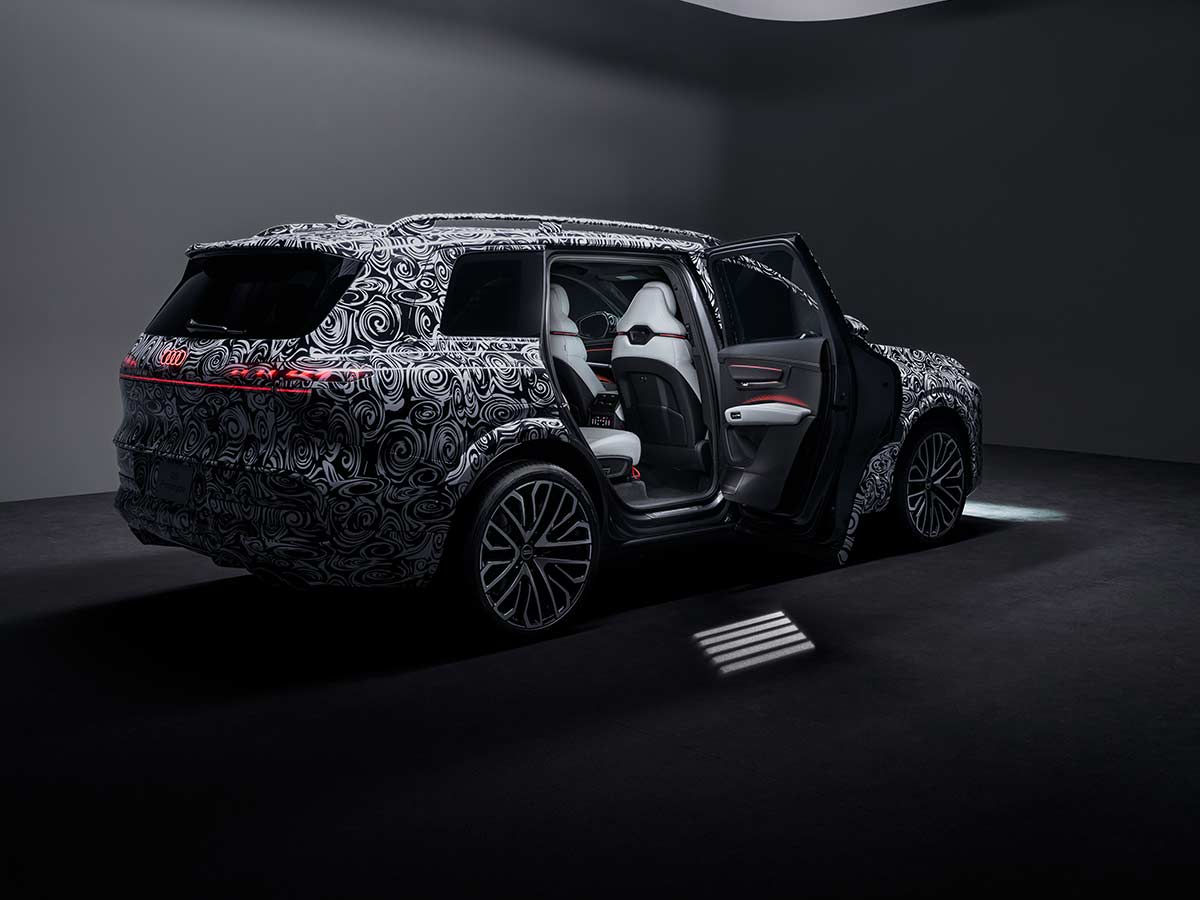
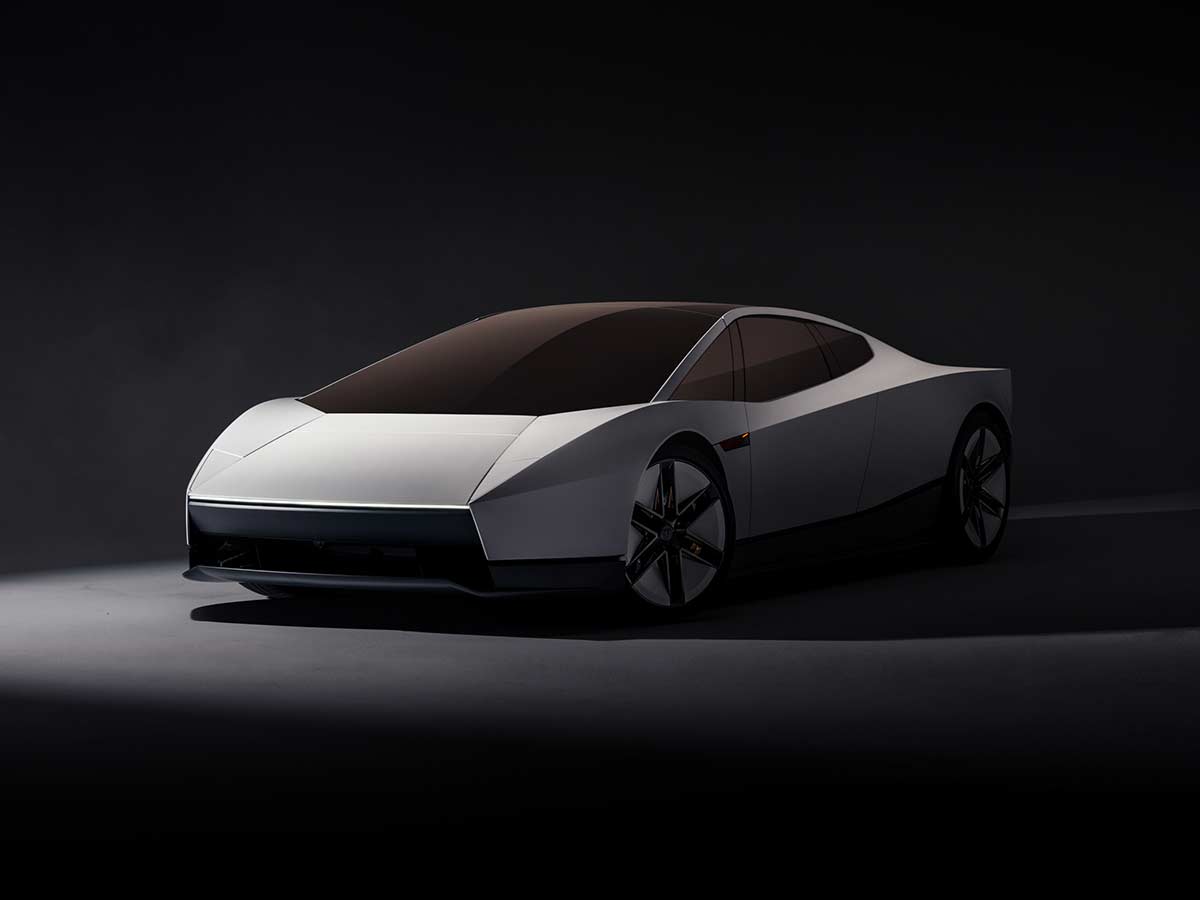
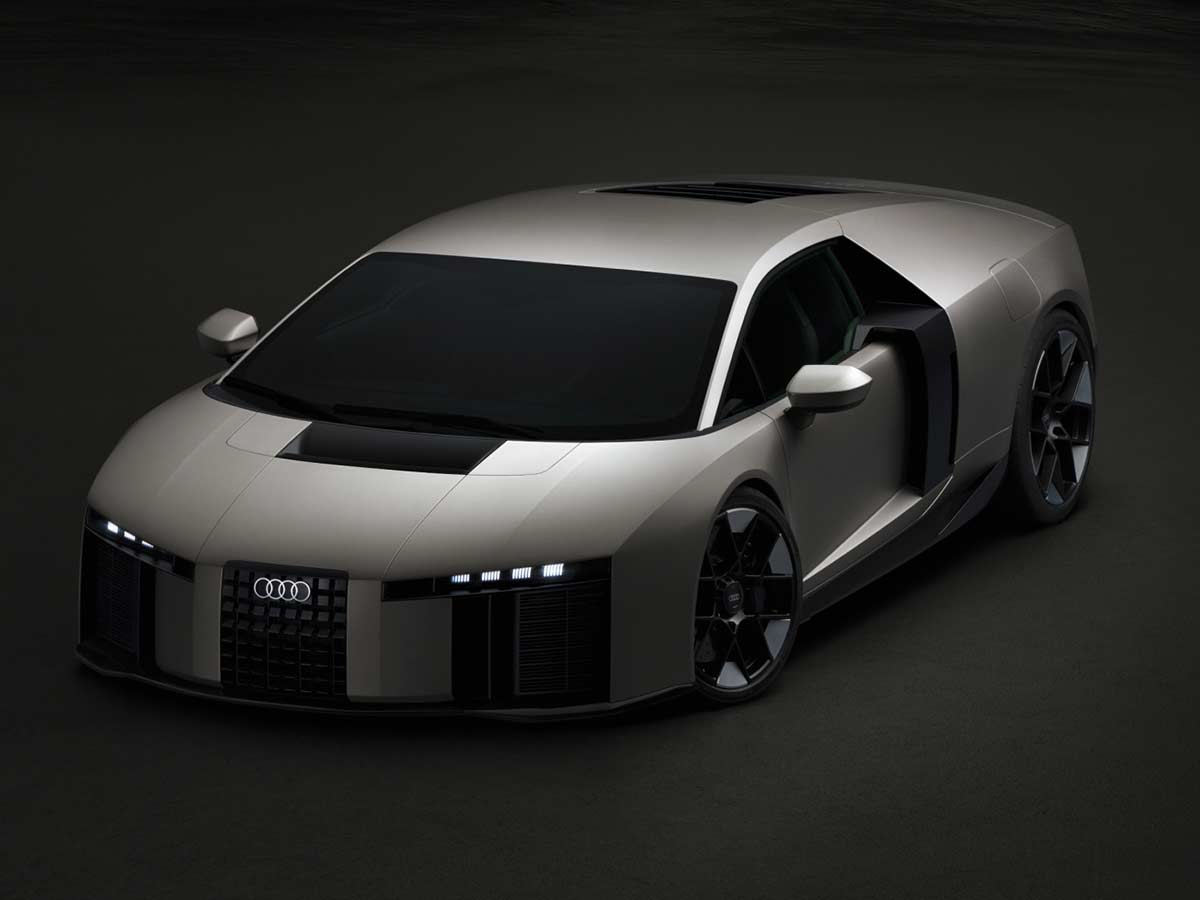
Unveiled on the French Riviera ahead of the Monaco Grand Prix weekend, the limited-production supercar represents far more than a new flagship. It is a technological showcase, a rolling laboratory for the brand’s Formula 1 ambitions, and perhaps most importantly, a glimpse into what Audi wants to become in an era increasingly defined by electrification, software, and high-performance hybridization.
With a staggering 1,001 PS, a top speed exceeding 350 km/h, and a production run capped at just 499 examples worldwide, the Audi Nuvolari instantly becomes the fastest and most powerful production vehicle ever to wear the four rings.
Yet numbers alone fail to tell the complete story.
The real significance of the Audi Nuvolari lies in what it represents: a radical rethinking of performance, where hybrid technology, predictive vehicle intelligence, advanced aerodynamics, and lightweight engineering converge into one extraordinary machine.
>>> Great Discounts on Car & Bike Accessories <<<
A New Chapter for Audi Performance
For decades, Audi has built its reputation on technological innovation.
From pioneering all-wheel drive with quattro to dominating endurance racing through diesel and hybrid technology, the company has repeatedly demonstrated an ability to challenge convention.
The Audi Nuvolari arrives as the latest expression of that philosophy.
Named after legendary Italian racing driver Tazio Nuvolari, whose fearless approach to competition made him one of motorsport’s most celebrated figures, the new supercar channels the same relentless pursuit of speed and technical excellence.
Unlike previous Audi halo cars, however, the Nuvolari has been conceived from the outset as a bridge between motorsport and the road.
Its development coincides with Audi’s Formula 1 entry, and the influence of grand prix racing is evident throughout the vehicle. From its hybrid powertrain architecture and energy management systems to its active aerodynamics and carbon-fiber construction techniques, the Audi Nuvolari draws heavily from the technologies and engineering mindset that define modern Formula 1.
The result is a machine that feels less like a traditional supercar and more like a road-going manifestation of Audi’s future ambitions.
1,001 Horsepower from a Four-Engine Hybrid System
At the heart of the Nuvolari sits one of the most technically sophisticated powertrains Audi has ever developed.
The centerpiece is a 4.0-liter twin-turbocharged V8 producing 800 horsepower. Unlike conventional road-car V8s, this engine revs to an astonishing 10,000 rpm – territory typically reserved for motorsport machinery.
Supporting the combustion engine are three axial-flux electric motors, each generating 110 kW.
Two motors are mounted on the front axle, while a third sits between the mid-mounted V8 and transmission. Together, the system develops a combined output of 736 kW, or 1,001 PS.
The performance figures are predictably outrageous.
Audi claims the Nuvolari will sprint from 0-100 km/h in just 2.6 seconds and reach 200 km/h in 6.8 seconds before continuing to a top speed beyond 350 km/h.
However, the raw acceleration numbers only reveal part of the engineering achievement.
The placement of the electric motors allows Audi to deliver an extraordinary level of torque management. The front axle alone can deploy up to 2,150 Nm of torque through the two electric motors, enabling an unprecedented degree of precision in power delivery.
This isn’t simply electrification for efficiency.
It is electrification deployed as a performance tool.
Quattro Evolves Into Something Entirely New
Audi’s legendary quattro system has been a cornerstone of the brand’s identity for more than four decades.
With the Audi Nuvolari, that philosophy enters an entirely new phase.
The company calls the system “quattro predictive ride,” and it may ultimately become the vehicle’s most important innovation.
Unlike conventional all-wheel-drive systems that react after grip begins to diminish, the Nuvolari’s predictive architecture actively anticipates changes in vehicle dynamics.
Using a highly detailed vehicle-state model, the system continuously analyzes steering inputs, acceleration, yaw movements, tire grip levels, and numerous other parameters.
When the software predicts a potential loss of traction, it proactively coordinates the powertrain, brakes, torque distribution, and aerodynamics before the situation develops.
The effect is intended to be almost seamless.
Rather than correcting mistakes, the car works to prevent them.
Combined with the electric torque-vectoring capabilities of the front motors, the result promises exceptional cornering agility alongside remarkable high-speed stability.
It is an approach that highlights a broader shift occurring throughout the automotive industry: the movement from mechanical performance toward intelligent performance.
The Audi Nuvolari may be one of the earliest examples of this transition executed at the highest level.
Formula 1 Aerodynamics Comes to the Road
Few areas of modern motorsport have evolved as rapidly as aerodynamics.
Audi’s engineers have clearly paid attention.
Every surface on the Nuvolari serves a purpose.
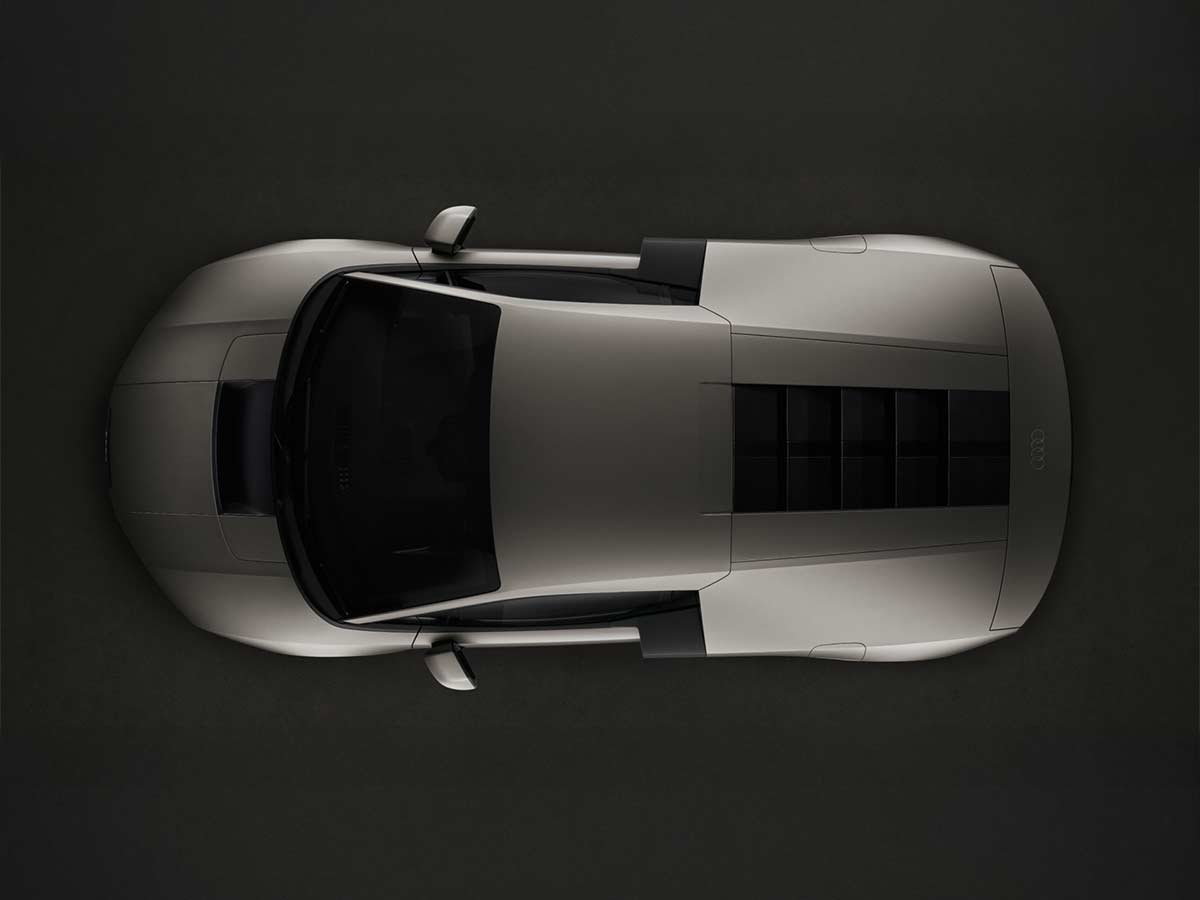
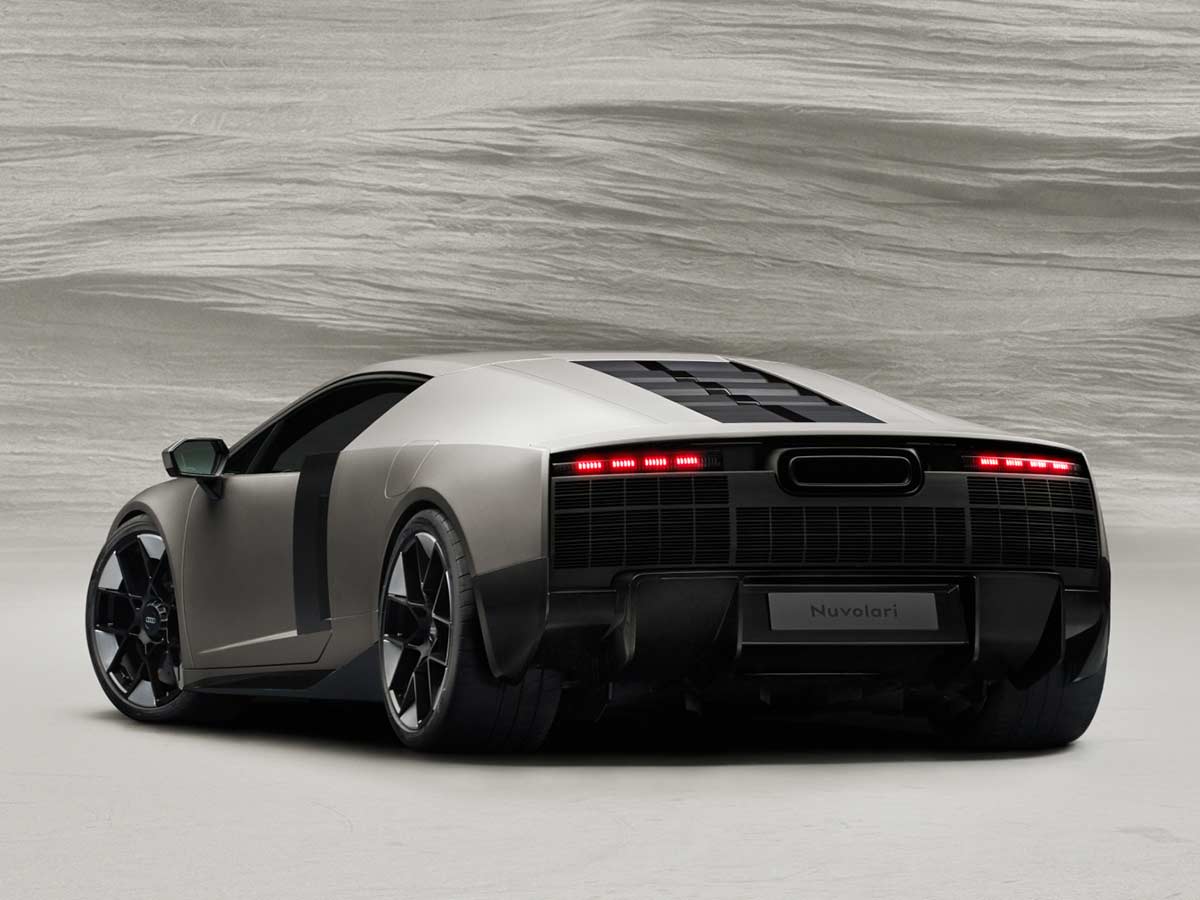
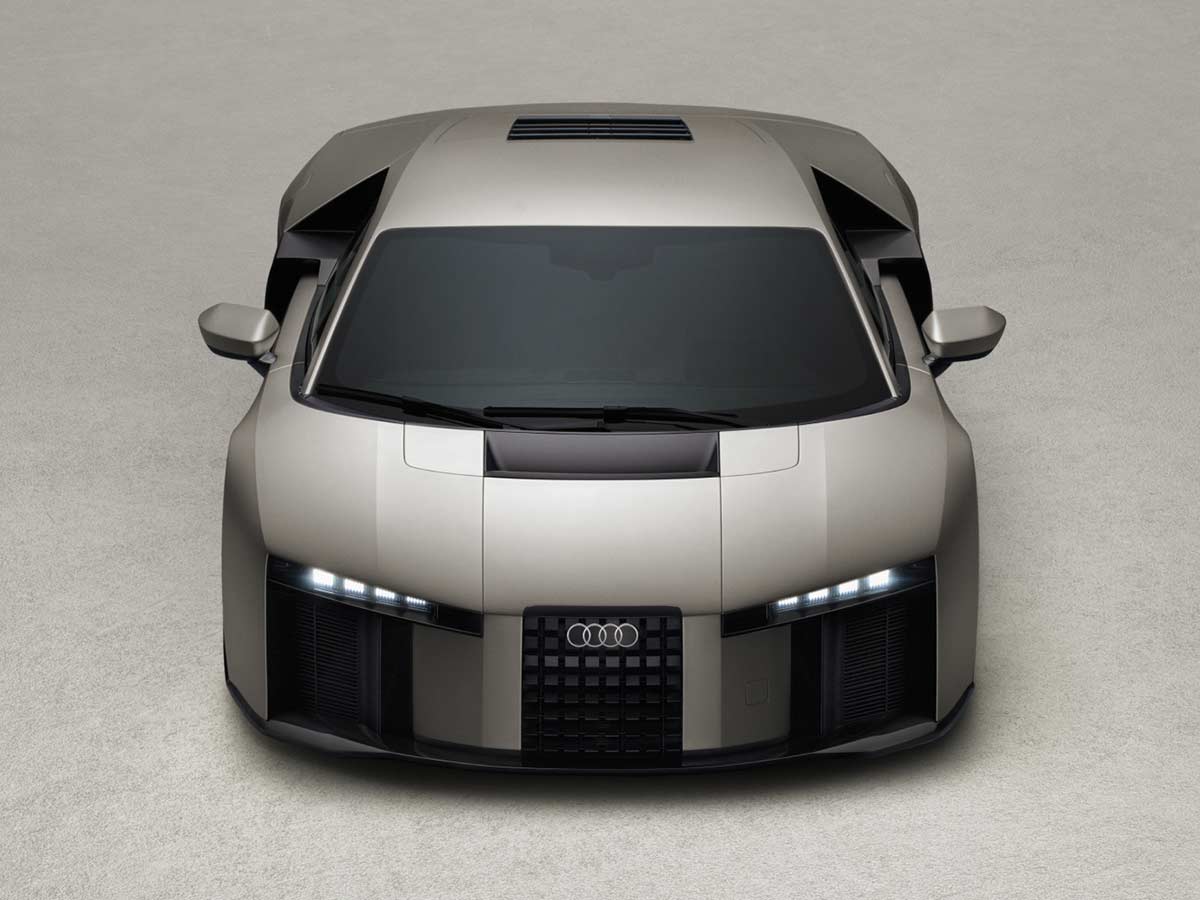
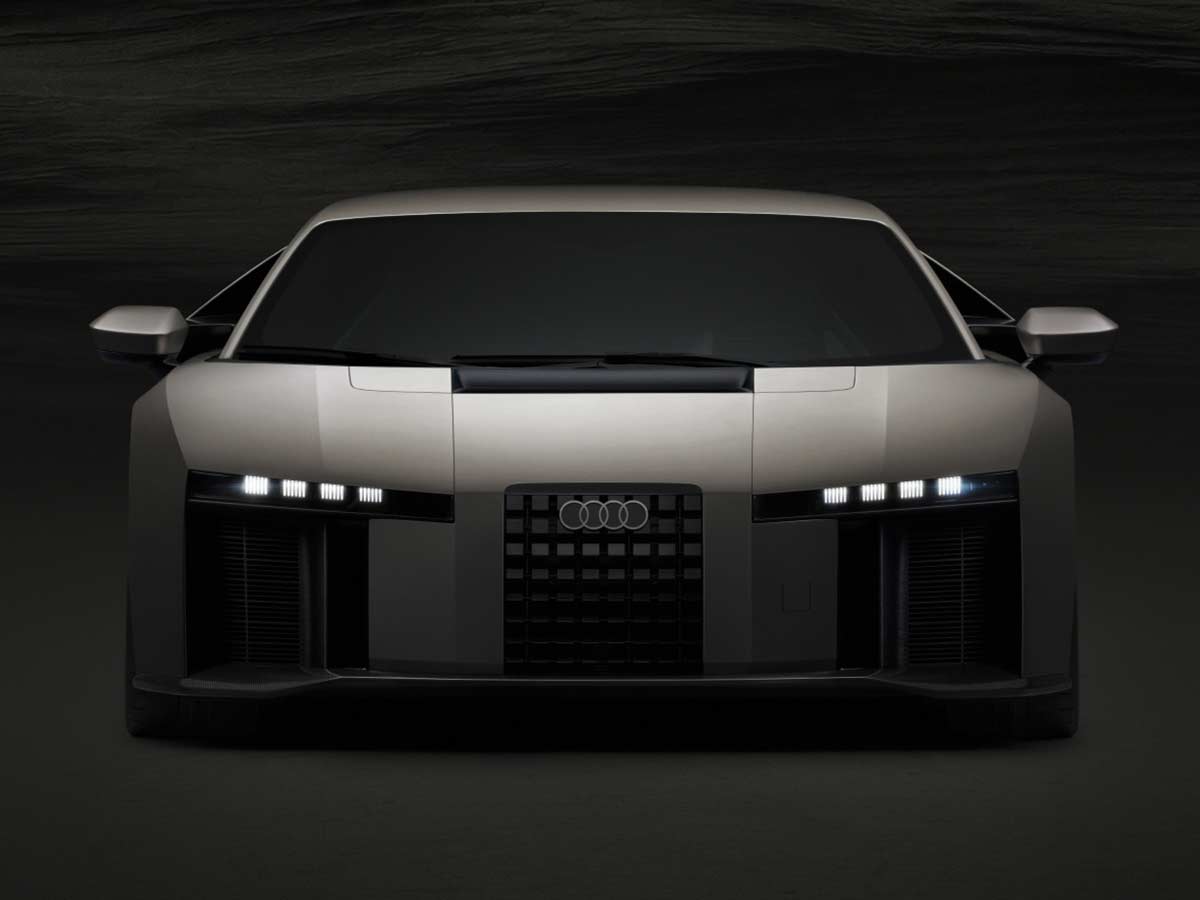
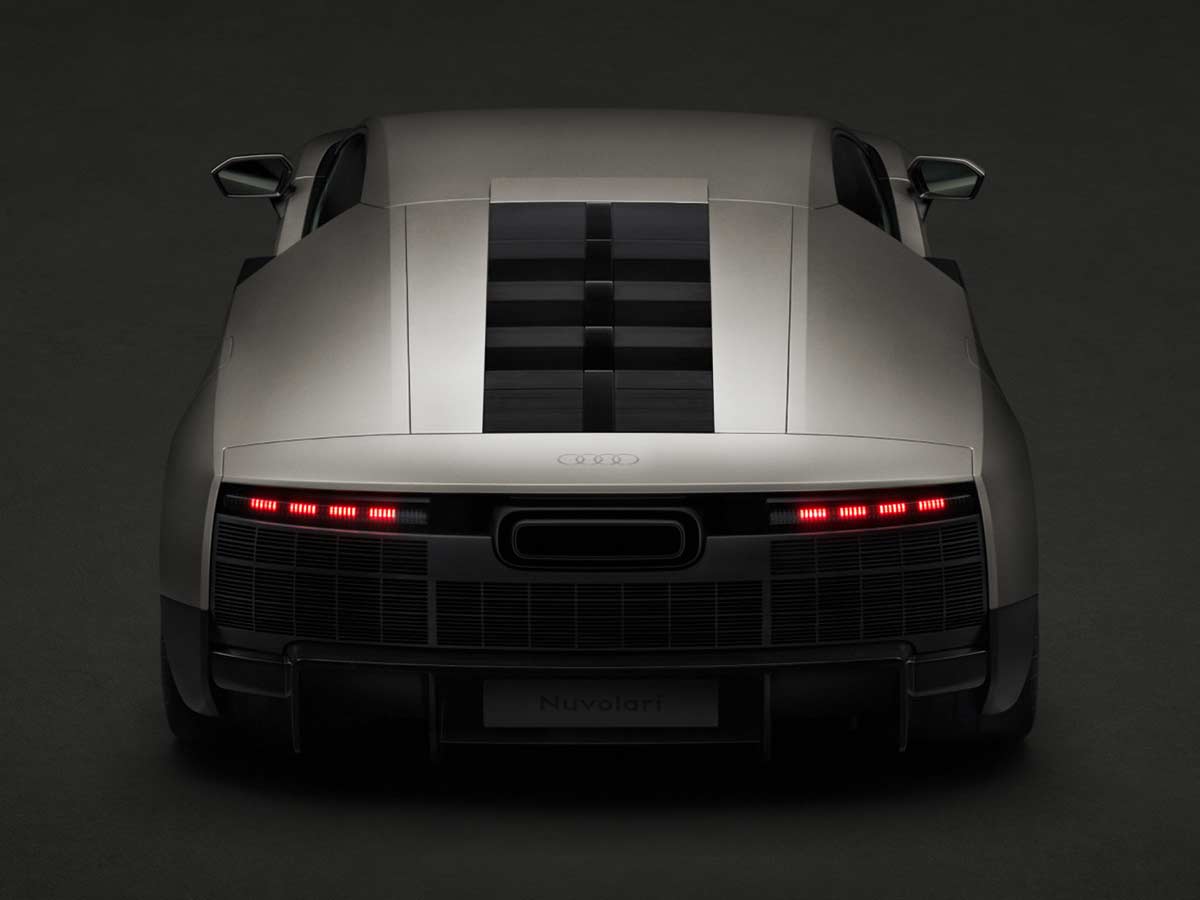
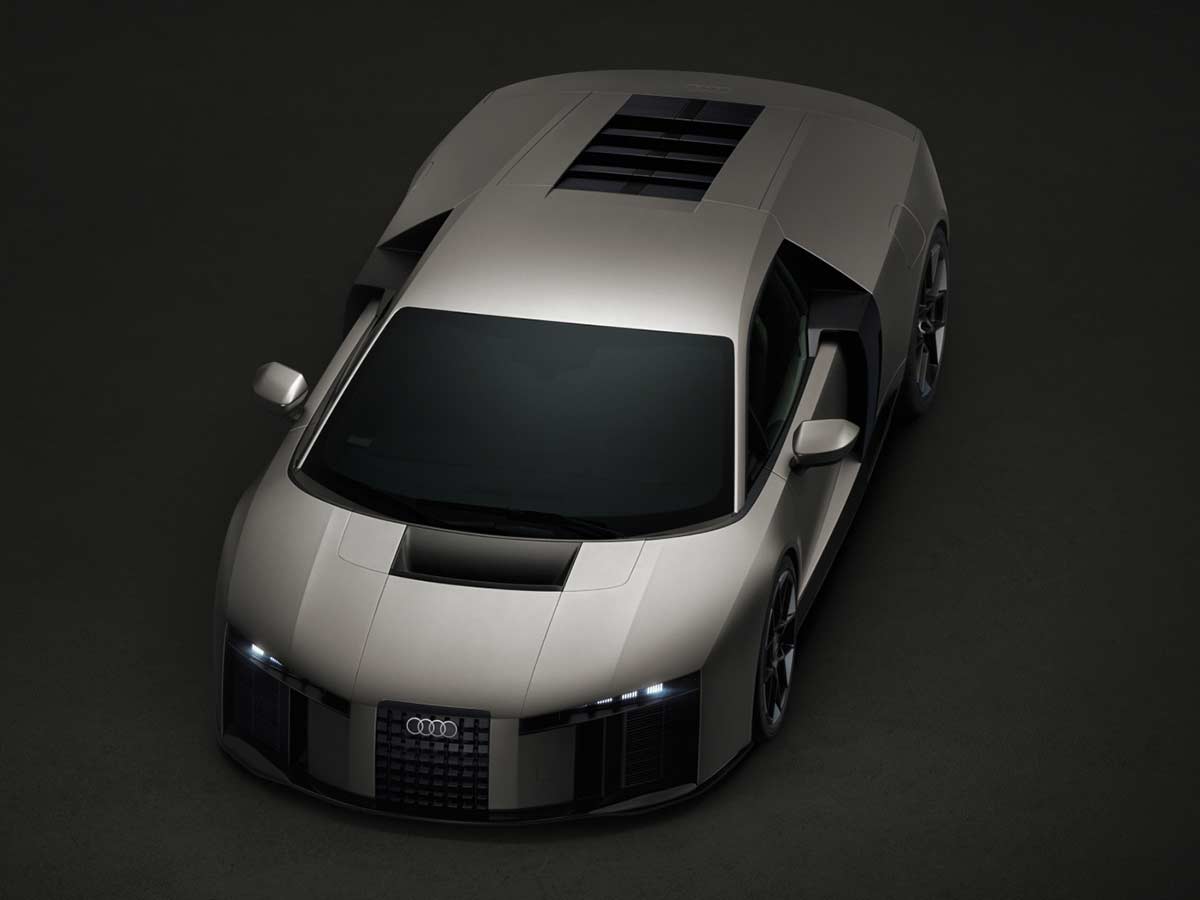
A prominent front splitter, carefully sculpted cooling channels, and a Formula 1-inspired S-duct work together to improve airflow management, increase front-end downforce, and reduce aerodynamic lift at extreme speeds.
The centerpiece of the aerodynamic package is the adaptive rear wing.
Unlike conventional fixed-wing solutions, Audi’s system can alter its configuration according to driving conditions and selected performance modes.
Three primary settings are available:
- Closed
- Low Downforce
- High Downforce
In maximum-performance scenarios, the system automatically adjusts itself to optimize grip and stability.
The Nuvolari even features a Drag Reduction System (DRS), a technology made famous by Formula 1. Activated via a steering-wheel control, the system reduces aerodynamic drag on straights to increase top speed.
Under braking or through high-speed corners, the rear wing immediately transitions to its high-downforce configuration.
At peak effectiveness, Audi says the entire aerodynamic package can generate more than 400 kilograms of downforce.
That places the Audi Nuvolari firmly within hypercar territory.
Carbon Fiber, Lightweight Construction, and a New Audi Space Frame
Lightweight engineering remains fundamental to performance, regardless of how advanced powertrains become.
To that end, Audi has developed a new interpretation of its renowned Audi Space Frame architecture.
For the first time, the structure is paired extensively with a carbon-fiber exterior.
Virtually every exterior panel is constructed from carbon-fiber-reinforced polymer, utilizing manufacturing methods derived directly from Formula 1 production processes.
The company employs prepreg autoclave technology, in which pre-impregnated carbon fibers are carefully layered, shaped, and cured under extreme pressure and temperature.
The process is labor-intensive, but it enables exceptionally complex geometries while maximizing strength and minimizing weight.
The engineering benefits extend beyond simple mass reduction.
Carbon fiber allows aerodynamic components, structural reinforcements, cooling channels, and airflow-management elements to be integrated into a single cohesive architecture.
The result is a vehicle that appears visually dramatic while remaining fundamentally driven by function.
Braking Technology That Rivals Formula 1
When a car is capable of exceeding 350 km/h, stopping power becomes just as important as acceleration.
The Audi Nuvolari introduces a sophisticated brake-by-wire system that seamlessly blends regenerative braking with traditional hydraulic braking.
Under lighter deceleration, electric motors handle a significant portion of the braking effort while simultaneously recovering energy.
Only when maximum stopping power is required do the hydraulic systems fully engage.
The centerpiece is Audi’s new Ceramic Pro braking system.
Massive 420 mm front discs are paired with ten-piston calipers, while the rear setup employs 410 mm discs and four-piston calipers.
More impressive still is the thermal capability.
Audi claims the braking system can absorb up to 2.8 megawatts of energy, a figure comparable to current Formula 1 machinery.
Specialized cooling channels increase heat dissipation by more than 20 percent compared with conventional carbon-ceramic systems, ensuring consistent performance even under sustained track use.
For a vehicle expected to spend time on racetracks around the world, such engineering could prove invaluable.
Also Read: Audi Concept C: Radical Simplicity and the Dawn of a New Design Era
A Driver-Centric Interior in an Age of Digital Overload
While many modern performance cars compete to offer ever-larger screens and increasingly complex digital interfaces, Audi has taken a different approach.
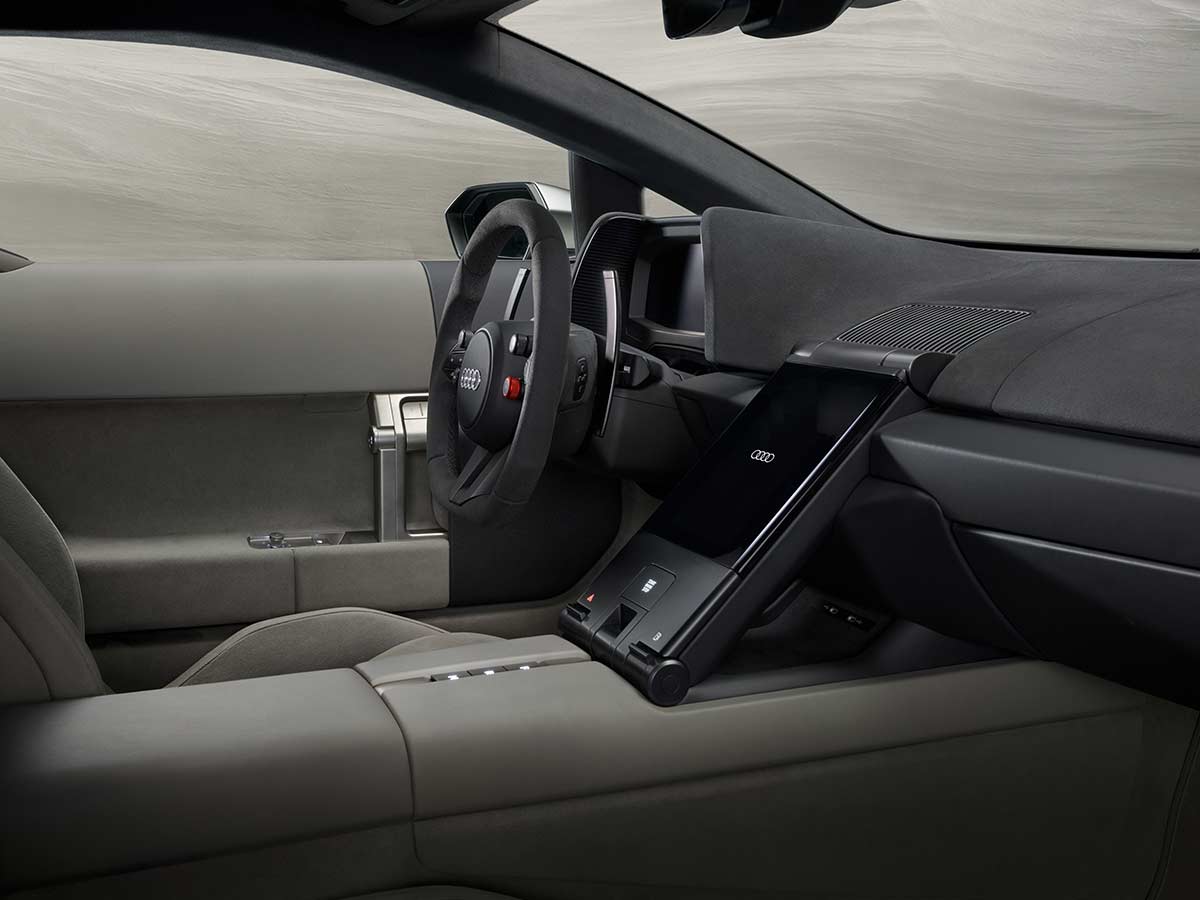
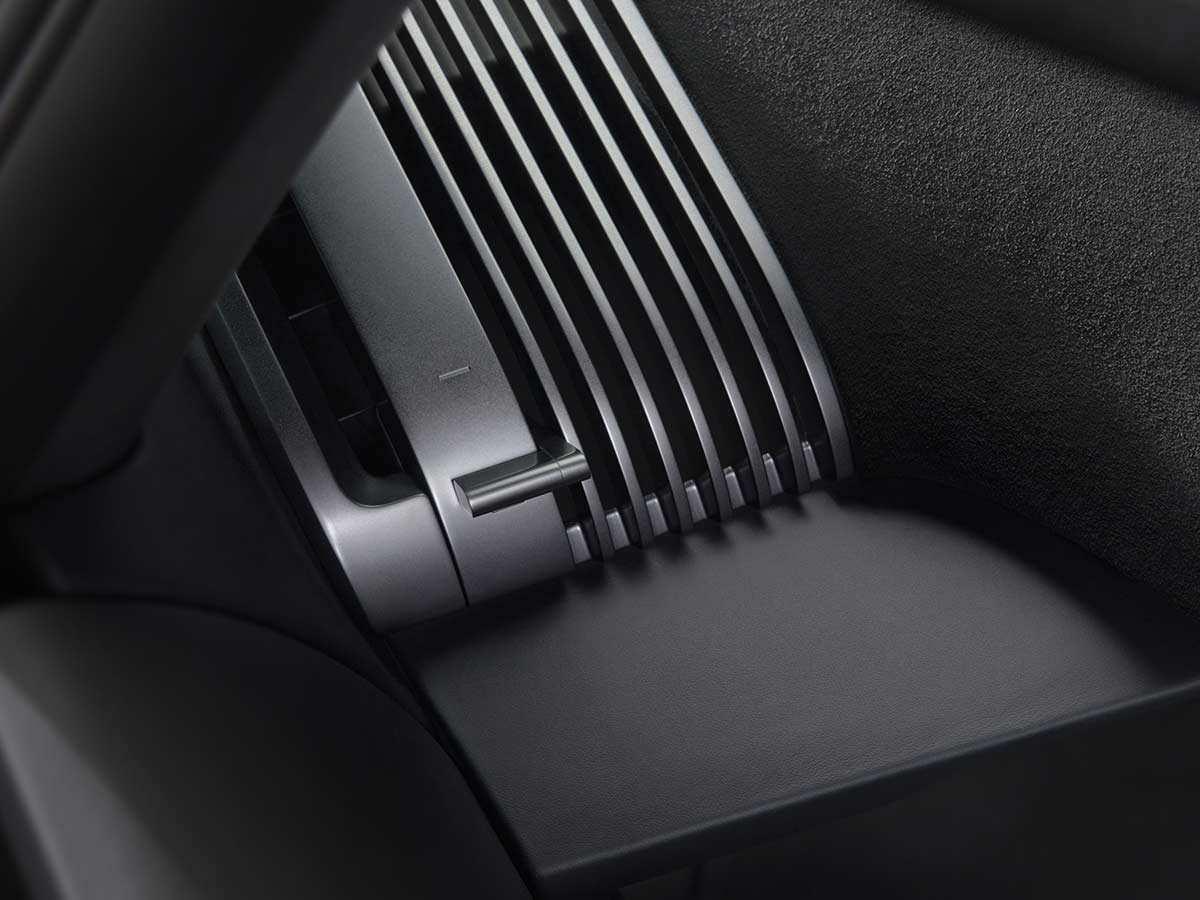
The Audi Nuvolari’s interior is intentionally restrained.
The architecture revolves around the driver, with essential controls positioned directly within the field of vision.
Physical interfaces remain central to the experience, while digital displays deliver only the most relevant information.
The design philosophy prioritizes concentration over distraction.
Carbon-backed lightweight seats provide exceptional support while minimizing weight, and carefully selected materials create a cockpit atmosphere that feels purposeful rather than luxurious for luxury’s sake.
Even the color strategy has a story to tell.
Subtle accents reference the historic Auto Union Type C racing car, linking the Nuvolari to one of the most celebrated eras in German motorsport history.
It is an interior designed not to impress during a showroom visit, but to enhance the driving experience at speed.
Why the Audi Nuvolari Matters Beyond Its Performance Figures
The most important aspect of the Audi Nuvolari may not be its 1,001 horsepower output or its ability to exceed 350 km/h.
It may be what the car reveals about Audi’s future.
In recent years, the automotive industry has undergone dramatic change. Electrification, software-defined vehicles, sustainability targets, and fierce global competition have forced manufacturers to rethink long-established strategies.
The Nuvolari demonstrates how Audi intends to respond.
Rather than abandoning performance in the transition toward electrification, the company is using electrification to enhance performance.
Instead of treating software as a convenience feature, it is leveraging predictive intelligence to improve vehicle dynamics.
And rather than separating motorsport from production vehicles, Audi is creating a more direct transfer of technology between the two worlds.
The Audi Nuvolari therefore serves as both a supercar and a statement.
It is a declaration that Audi’s next chapter will be defined not by nostalgia, but by innovation.
Final Verdict
The Audi Nuvolari enters one of the most competitive and technologically advanced segments in the automotive world. Yet it arrives with a compelling argument of its own.
Combining a 1,001 PS hybrid powertrain, predictive all-wheel-drive technology, Formula 1-derived aerodynamics, advanced carbon-fiber construction, and a deeply focused driving experience, it represents the most ambitious road car Audi has ever created.
More importantly, it offers a glimpse into the direction of the brand itself.
The Nuvolari is not merely Audi’s fastest production car.
It is the clearest expression yet of what “Vorsprung durch Technik” means in the modern era.
And if this machine is any indication, Audi’s future looks considerably faster than its past.
Source: Audi