






The compact SUV has become one of the most fiercely contested corners of the automotive world. Design, technology, efficiency and everyday usability are no longer separate considerations. Buyers expect them to coexist effortlessly. With the all-new 2027 Tucson, Hyundai appears determined to push those expectations further.
Unveiled in November 2026, the fifth-generation Tucson represents a substantial evolution of one of Hyundai’s most important global nameplates. It arrives with a more muscular exterior shaped around the brand’s new ‘Art of Steel’ design philosophy, a more generously proportioned cabin, an entirely new infotainment architecture and a next-generation hybrid powertrain promising up to 42 mpg on select trims.
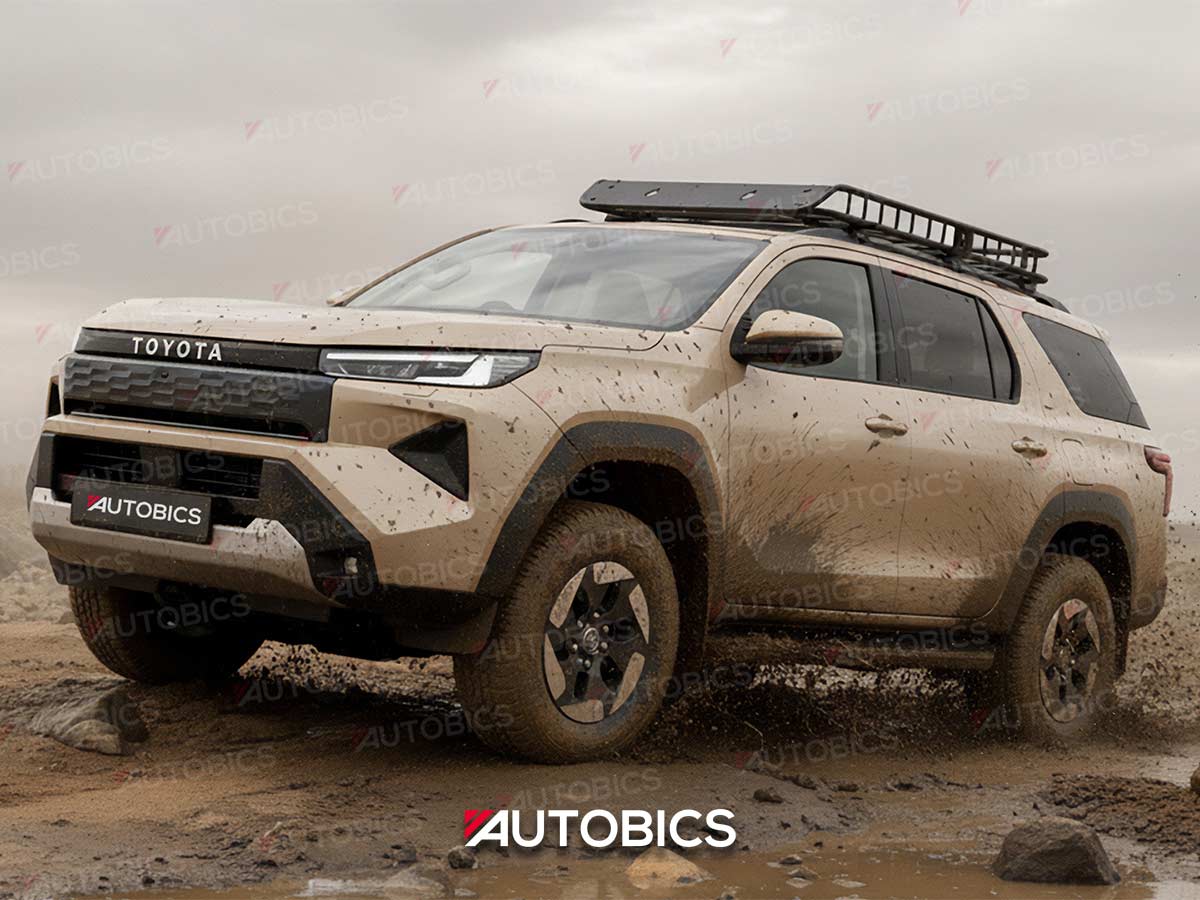
Yet the most interesting development may be the arrival of the Tucson XRT PRO, an adventure-oriented variant that combines hybrid efficiency with more serious off-road hardware and technology.
This is not simply a familiar SUV receiving another round of cosmetic improvements. Hyundai has reworked the Tucson around a broader ambition: to create a vehicle equally comfortable navigating the rhythms of everyday life and escaping them altogether.
>>> Great Discounts on Car & Bike Accessories <<<
Art of Steel: A More Confident Expression
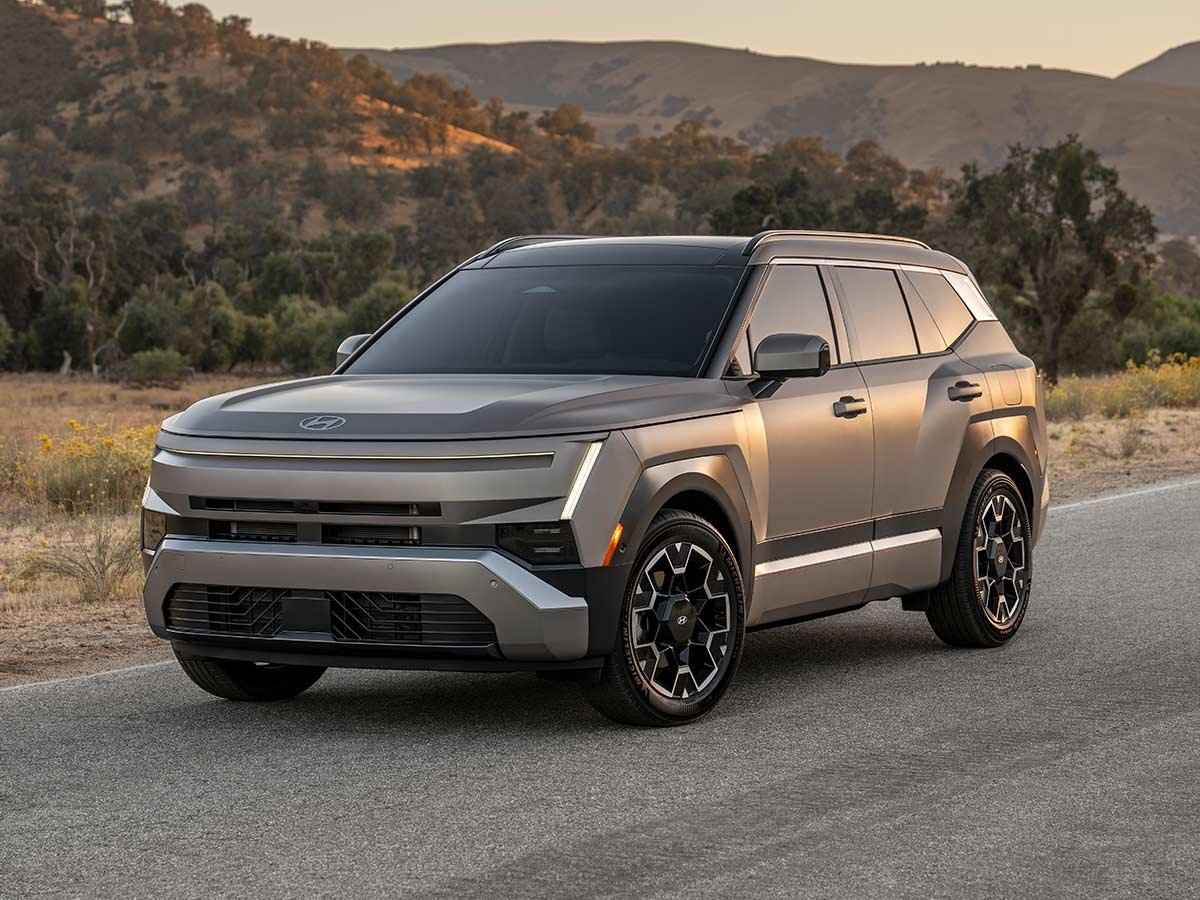
The first encounter with the 2027 Tucson is defined by its proportions.
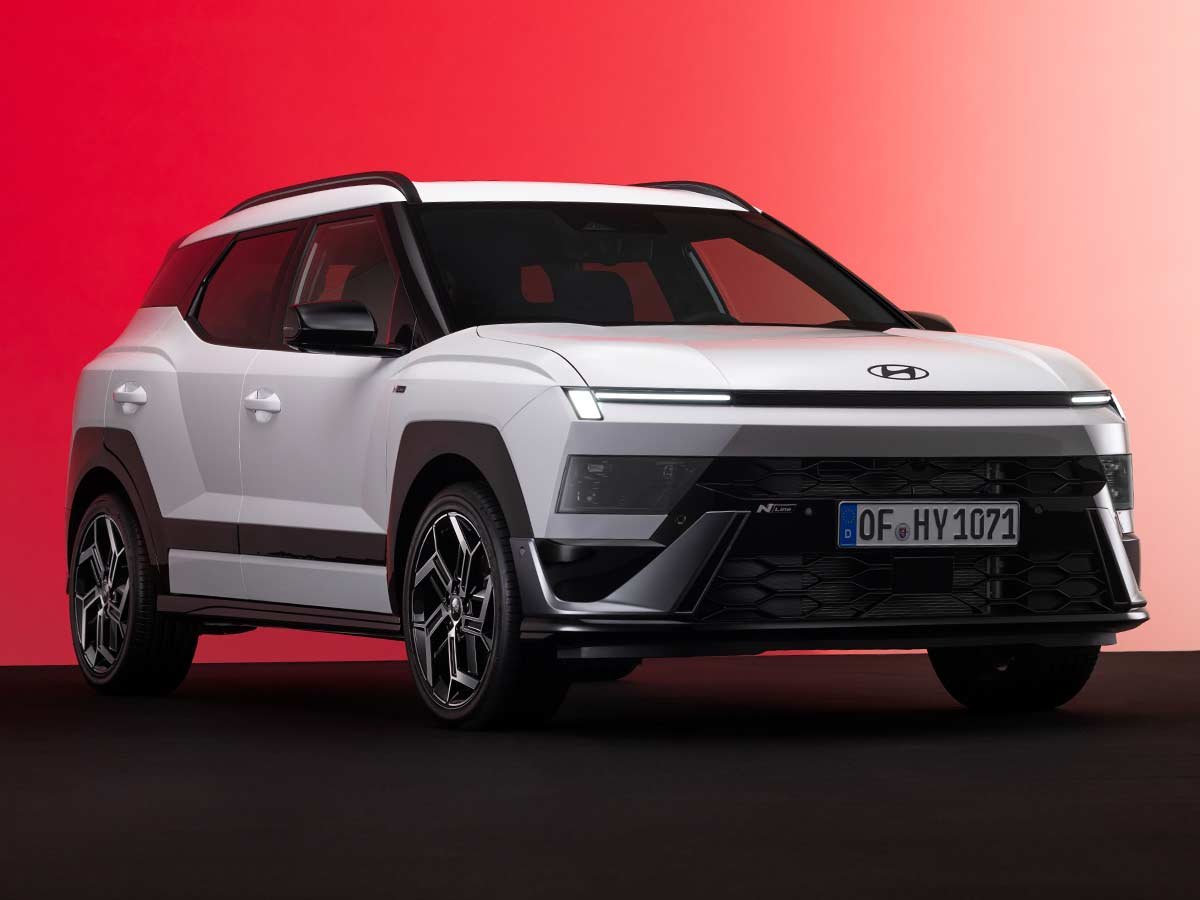
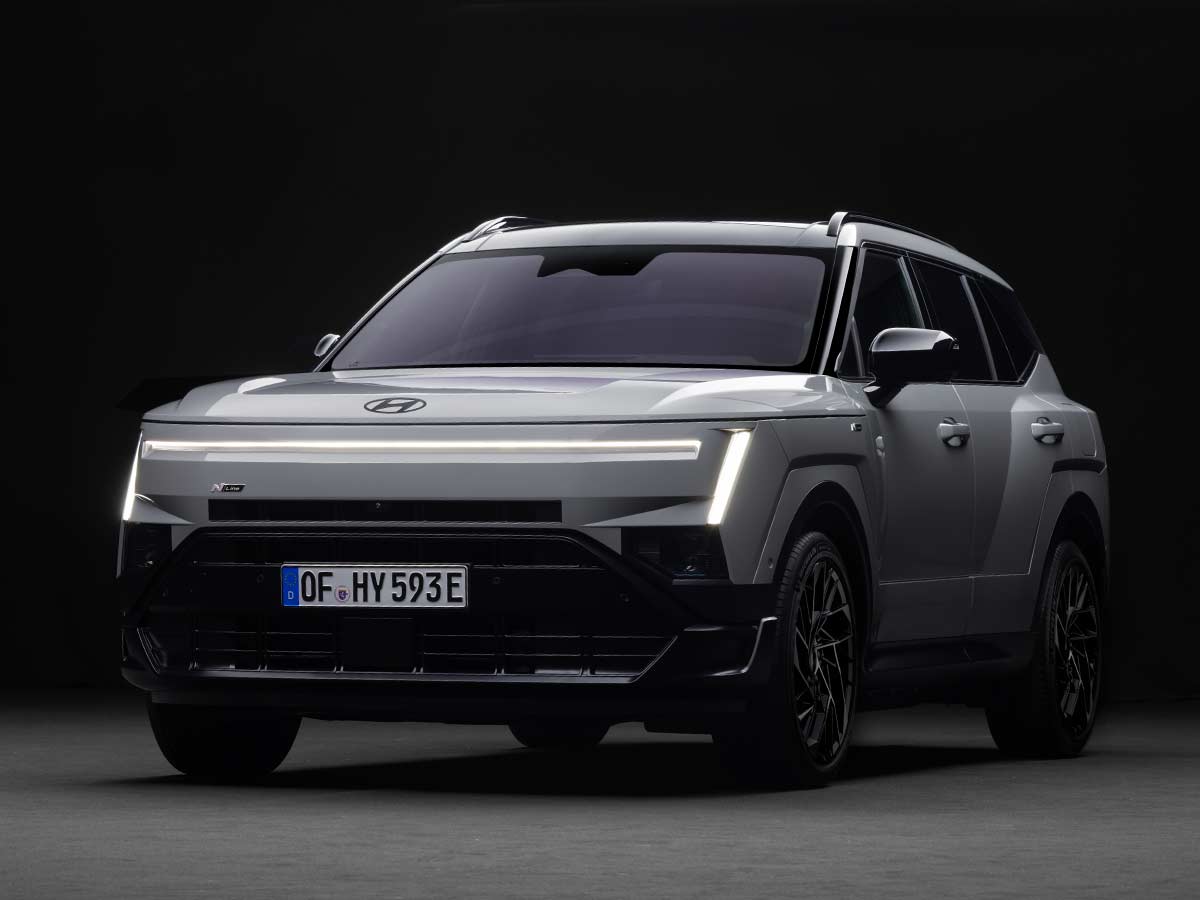
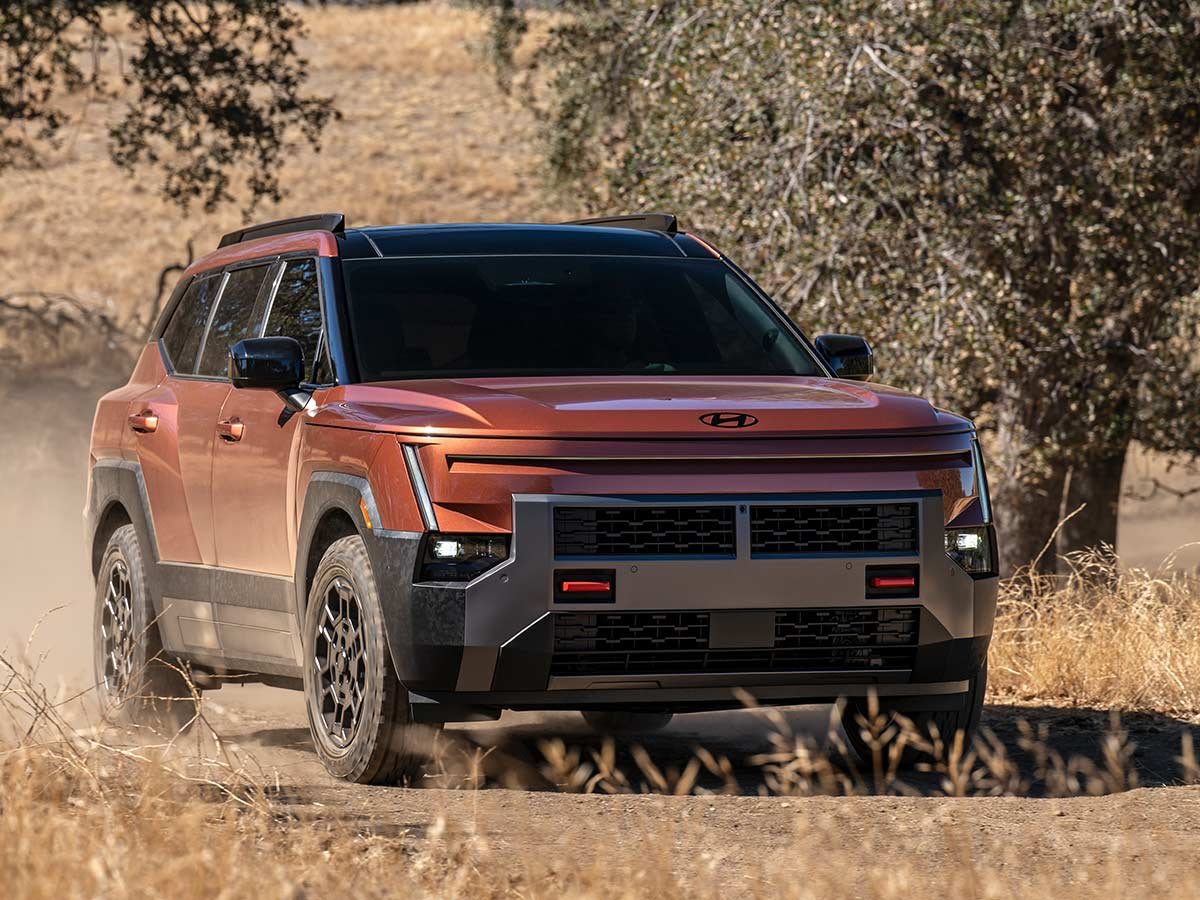
Hyundai’s Art of Steel design language gives the SUV a more substantial visual character, built around pronounced fenders, muscular surfaces and sharply defined bodywork. There is a deliberate tension between the sculptural strength of the wheel arches and the relatively restrained treatment of the doors, creating a design that feels purposeful rather than unnecessarily complicated.
The new Tucson is longer, wider and taller than its predecessor. It measures 185 inches in length, 75 inches in width and 66.3 inches in height without roof rails. The additional 2.3 inches of length and 1.6 inches of width contribute not only to its more commanding road presence but also to the increased cabin and cargo space.
Lighting plays an equally important role in establishing the new identity.
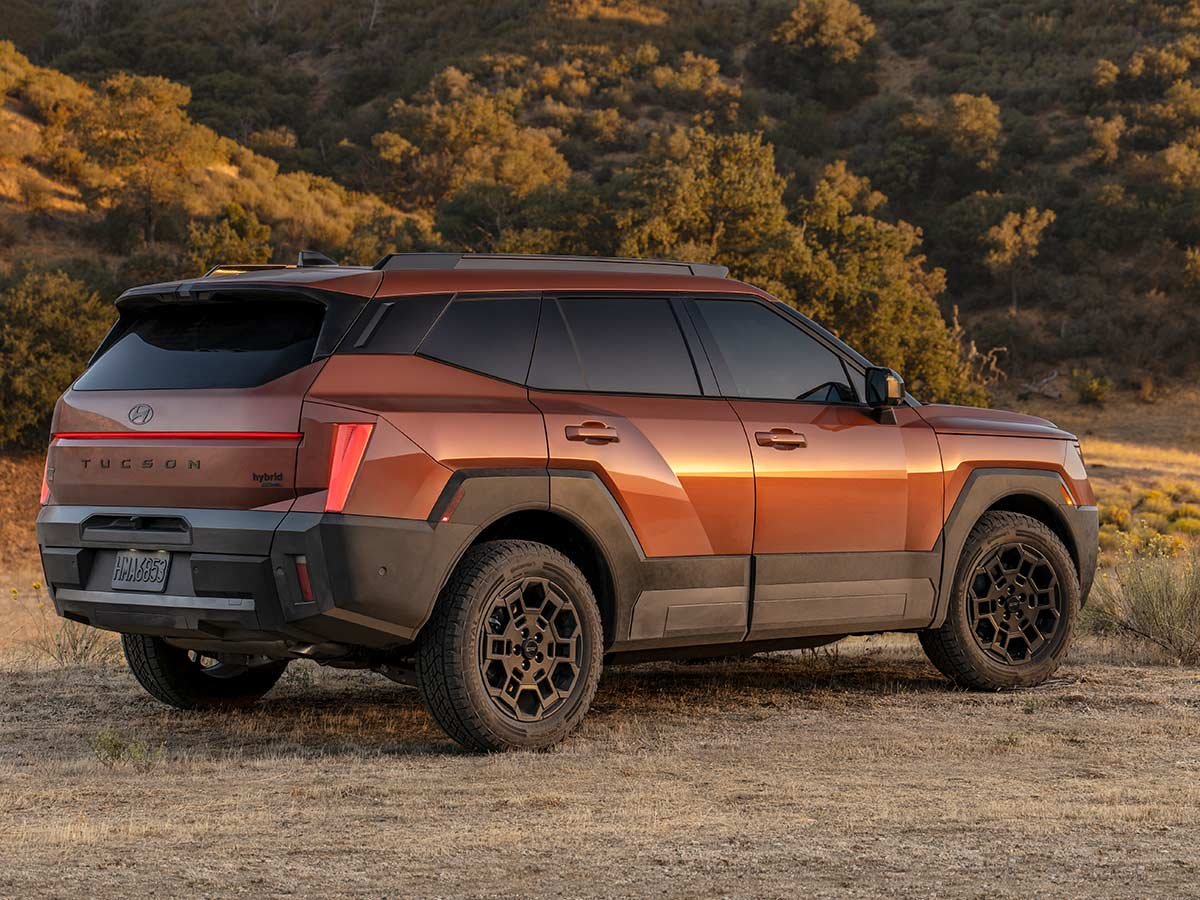
At the front, Hyundai introduces its H-Edge lighting signature, combining available indirect centre lighting with illuminated edge elements to emphasise the vehicle’s horizontal proportions. The rear receives sculptural Prism Rear Lamps, designed to create the impression of light sitting along the edge of a transparent lens.
Standard LED headlamps and LED rear lamps feature across the range, giving the Tucson a distinctive lighting signature regardless of specification.
The colour palette is another indication of Hyundai’s increasingly sophisticated approach to exterior design. Ranger Green Pearl, Summit Blue Pearl and Driftwood Gray Metallic or Matte introduce nature-inspired finishes with colour-shifting effects that reveal different tones depending on the surrounding light.
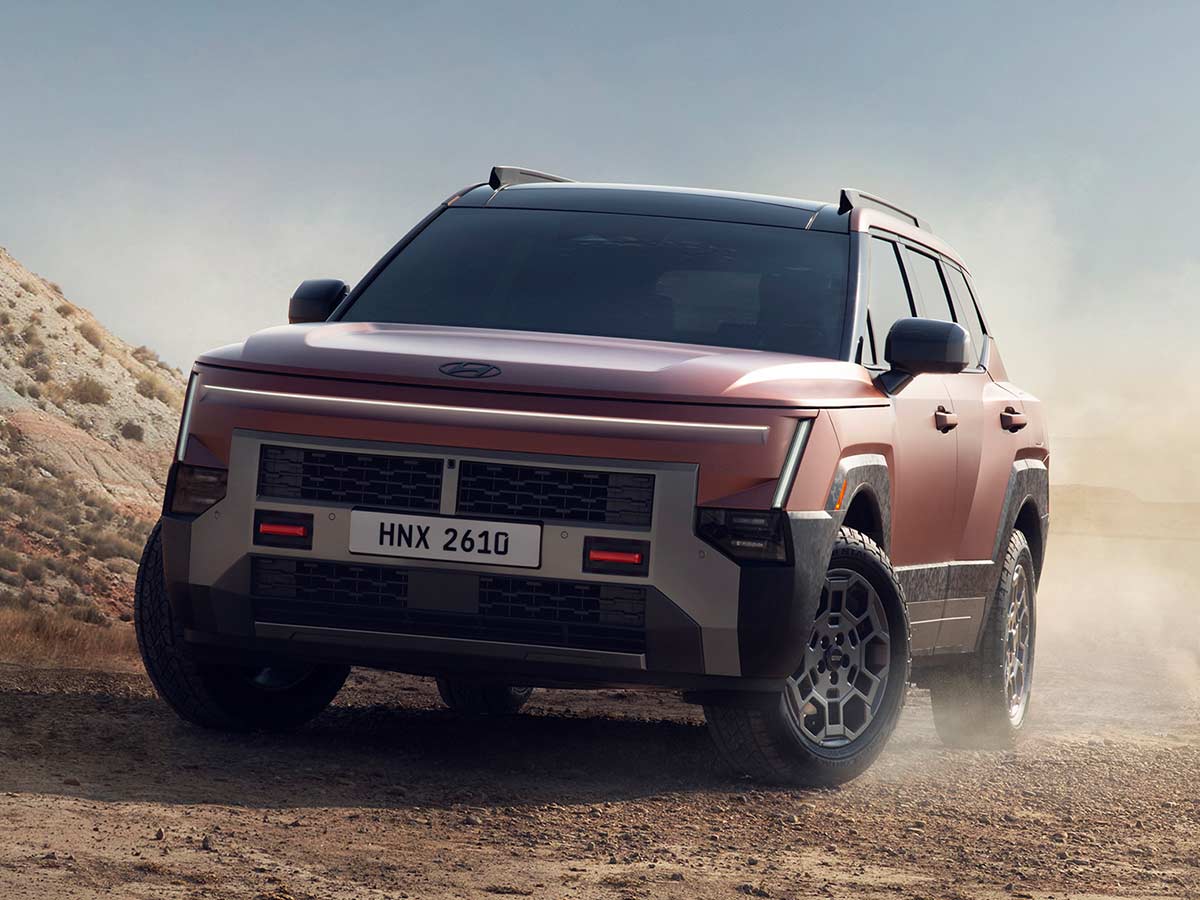
For the more adventurous XRT PRO, Red Rock Orange Pearl adds a distinctly more expressive personality.
A Cabin Designed Around Comfort, Space and Simplicity
If the exterior is about strength, the cabin takes a noticeably different approach.
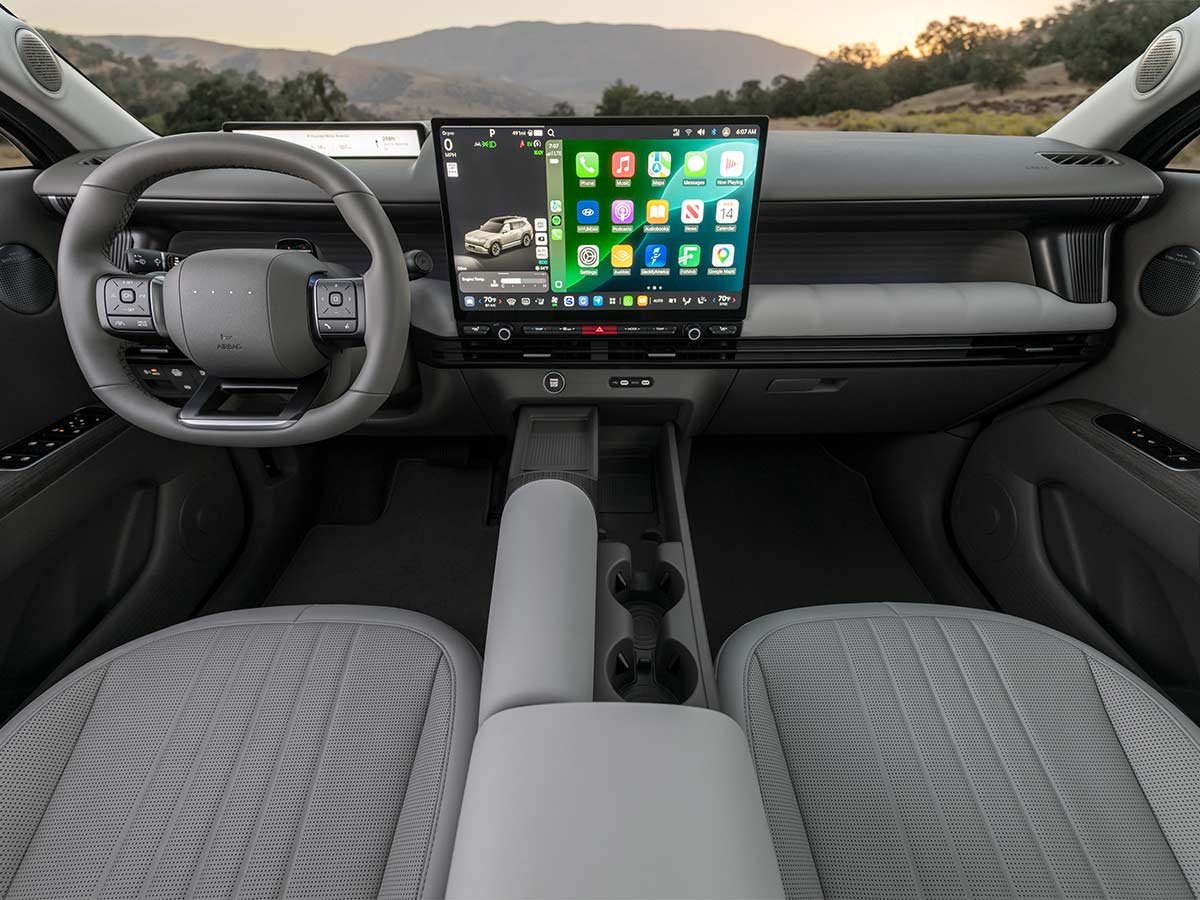
Hyundai describes the interior philosophy as ‘Curve of Upholstery’, a concept that draws inspiration from contemporary furniture design. Rather than pursuing minimalism through the removal of every physical control, the new Tucson combines softer surfaces, carefully arranged technology and practical storage solutions to create an environment intended to feel welcoming.
The dashboard adopts a dual-layer architecture. A horizontal upper section provides visual clarity, while an open storage tray beneath it introduces a practical element without disrupting the overall design.
Soft cushioning extends across the dashboard, door panels and centre console armrest. The effect is intended to give the cabin a more relaxed, premium character, particularly on longer journeys.
Hyundai has also paid attention to the relationship between the driver and the controls.
A Double D-Cut steering wheel sits ahead of a 9.9-inch low-profile digital instrument display. Frequently used functions, including climate and audio controls, retain physical buttons and rotary knobs beneath the central touchscreen.
It is a welcome decision at a time when many manufacturers are increasingly moving essential vehicle functions into digital menus.
The centre console has been redesigned around accessibility and storage. An extended armrest improves support when interacting with the touchscreen, while available dual 15W wireless charging pads reduce cable clutter. A concealed storage tray provides additional space for everyday belongings.
The packaging figures are particularly encouraging. The Tucson offers 40.8 inches of front headroom, 41.9 inches of rear legroom and 57.9 inches of front shoulder room.
Rear access has also been improved. The rear door opening angle increases from 73 to 83 degrees, making it easier for passengers to enter and exit the vehicle.
Another notable change is the steering column-mounted Shift-By-Wire system. Replacing the conventional centre-console gear selector, the horizontal control stalk frees up additional space while simplifying gear selection.
Interior upholstery choices include Black, Gray, Gray Two-Tone and Brown, with the XRT PRO receiving its own Black and Brown combination with dark metallic accents.
Pleos Connect: Hyundai’s Next Chapter in Automotive Technology
Technology is arguably one of the most significant areas of change in the new Tucson.
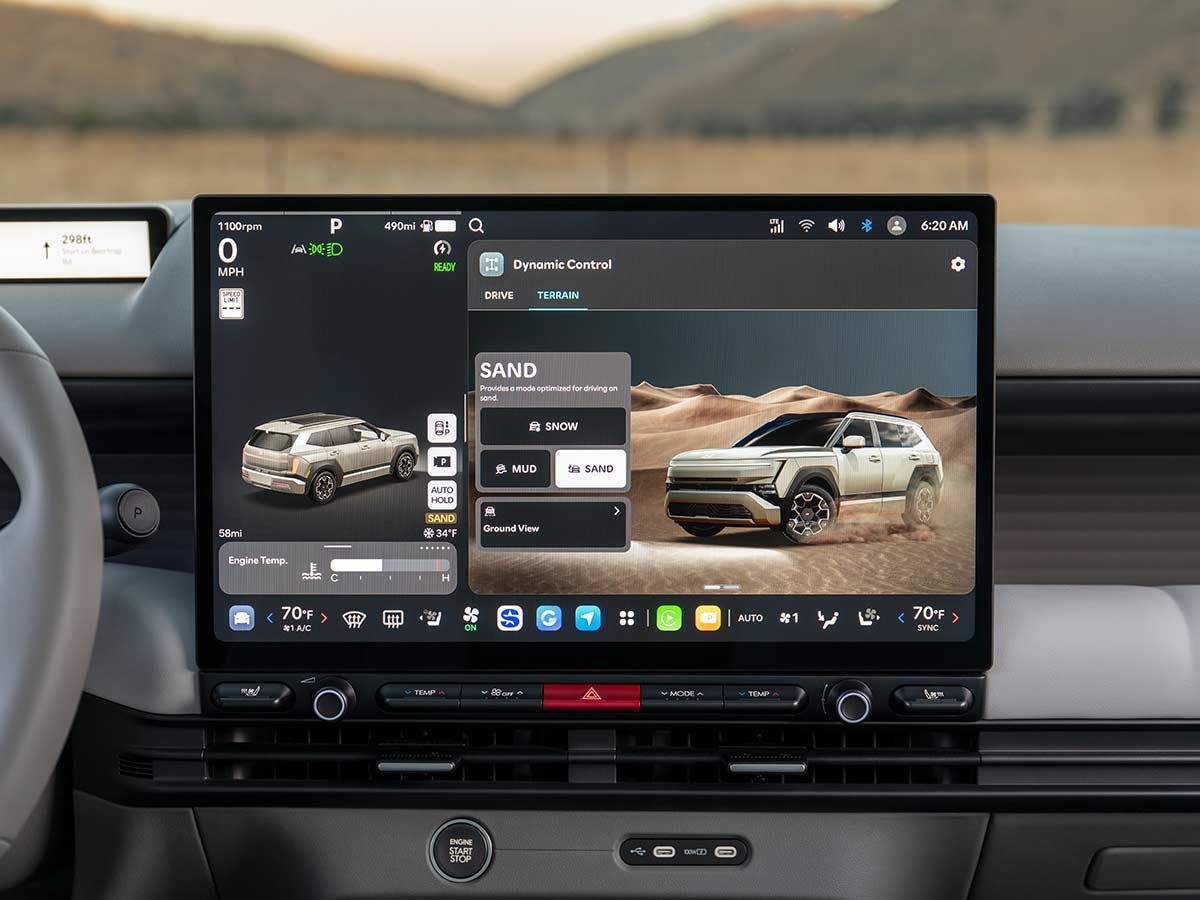
The fifth-generation model introduces Pleos Connect, Hyundai Motor’s Android Automotive OS-based infotainment platform. Depending on specification, the system incorporates either a 12.9-inch or 17-inch central touchscreen, complemented by the 9.9-inch digital instrument display.
The interface has been designed around more intuitive interaction. A three-finger gesture allows occupants to reposition application windows or close applications without navigating through multiple menus.
However, the more intriguing addition is Gleo AI, Hyundai’s in-vehicle conversational digital assistant.
Rather than relying exclusively on traditional touchscreen commands, Gleo AI is designed to understand natural language and contextual requests. Hyundai offers the example of a driver asking the system to locate a hiking trailhead with parking within a 30-minute drive.
The system can then interpret the request and provide relevant results, potentially reducing the need to navigate through multiple menus while driving.
Pleos Connect also supports native integration of third-party entertainment and productivity services without requiring conventional smartphone mirroring or manual connection procedures.
Over-the-air software updates are intended to keep the system evolving throughout the ownership experience.
The emphasis is clear: the infotainment system is no longer being treated as a fixed piece of equipment. Hyundai wants it to become an evolving part of the vehicle.
Availability and functionality of Gleo AI will depend on vehicle equipment, software versions and operating conditions.
A New Hybrid Powertrain With Performance in Mind
Under the bonnet, the 2027 Tucson continues to offer a turbocharged petrol engine, but the headline development is the introduction of Hyundai’s next-generation hybrid system.
The conventional internal-combustion model uses a 1.6-litre turbocharged four-cylinder engine producing 184 horsepower at 6,000 rpm and 195 lb-ft of torque between 1,600 and 4,500 rpm.
Power is delivered through an eight-speed automatic transmission, with Hyundai focusing on smooth acceleration, refined gear changes and everyday efficiency.
The hybrid takes a more substantial step forward.
Its 1.6-litre turbocharged direct-injection engine works alongside a permanent-magnet electric motor rated at 64 horsepower. The system uses a 1.49 kWh lithium-ion battery and a hybrid-specific six-speed automatic transmission.
Combined output stands at 233 horsepower, with 280 lb-ft of torque available between 1,500 and 4,000 rpm.
More importantly, Hyundai is targeting fuel economy of up to 42 mpg on select hybrid trims. These are preliminary manufacturer estimates, with final EPA certification still pending.
The intention is to deliver meaningful efficiency without sacrificing the performance expected from a modern family SUV.
Hyundai has also introduced its E-Traction system for hybrid models. By intelligently distributing driving torque during cornering, the technology is designed to improve usable traction at the inside wheel, helping reduce wheel slip and improve stability.
Another interesting addition is Stay Mode. It allows the vehicle’s climate control, heating, audio system and device charging functions to operate using the hybrid battery while the petrol engine remains switched off.
The feature can support these functions for up to 30 minutes, creating a quieter cabin environment during outdoor activities or short waiting periods.
Both petrol and hybrid versions also feature an integrated electric water pump designed to consolidate cooling circuits, reduce weight and maintain thermal performance.
Tucson XRT PRO: An SUV With a More Adventurous Agenda
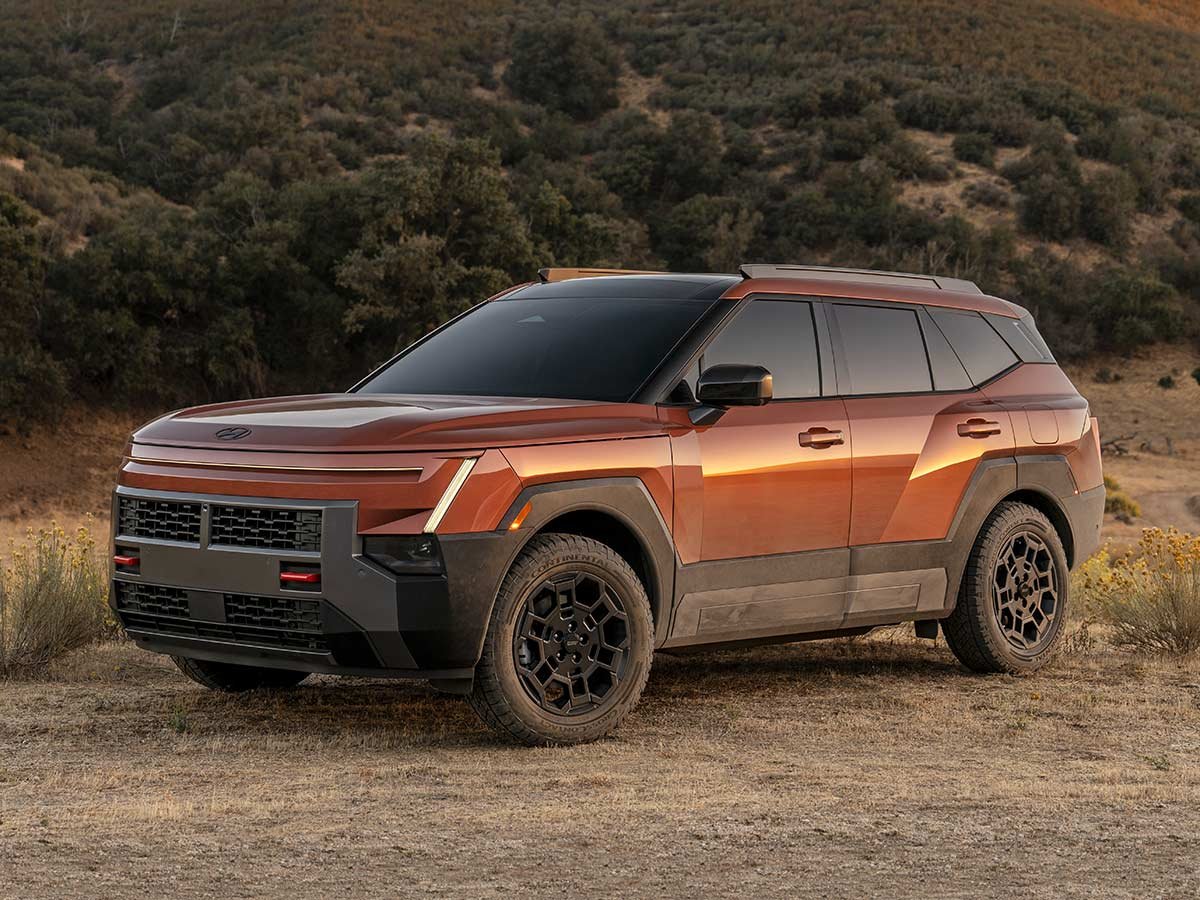
For buyers who want their SUV to venture beyond paved roads, Hyundai has introduced something particularly interesting.
The Tucson XRT PRO becomes the brand’s first-ever hybrid XRT PRO model, bringing together electrified performance and a more serious collection of off-road enhancements.
Its mechanical and visual upgrades begin with all-wheel drive, 18-inch wheels wrapped in all-terrain tyres, front recovery hooks and more aggressive approach and departure angles.
Ground clearance rises to 8.3 inches, an increase of 1.2 inches over the standard internal-combustion Tucson.
The exterior also receives expanded lower-body cladding with forged-carbon-inspired detailing, reinforcing its more rugged character. Dark metallic interior finishes, exclusive seat patterns and XRT PRO branding distinguish the cabin.
But it is the technology that makes this particular Tucson especially interesting.
Hyundai’s new X-Trek+ system evaluates terrain difficulty in real time by analysing traction conditions. It provides visual feedback through green, orange and red ‘stuck scores’, helping drivers understand the level of difficulty ahead.
Working alongside it is Target Speed Control, which can automatically manage acceleration and braking at speeds of up to 15 mph. Drivers select their preferred speed while the system helps maintain consistent progress over changing terrain.
The objective is to make low-speed off-road driving more manageable, allowing the driver to concentrate on steering while the vehicle regulates power delivery.
An available Ground View Monitor provides visibility of terrain ahead and beneath the vehicle, while Memory Reverse Assist can record recent driving manoeuvres and assist steering when reversing through difficult spaces.
The latter is particularly useful in tight driveways, parking areas and other situations where retracing a previous path can be challenging.
There is also a practical improvement for those who enjoy travelling with additional equipment. The Tucson Hybrid offers a towing capacity of up to 3,000 pounds, representing a 1,000-pound increase over the previous model.
It gives the new generation a broader range of possibilities, from carrying small boats to towing compact campers and recreational trailers.
Safety and Refinement Beneath the Surface
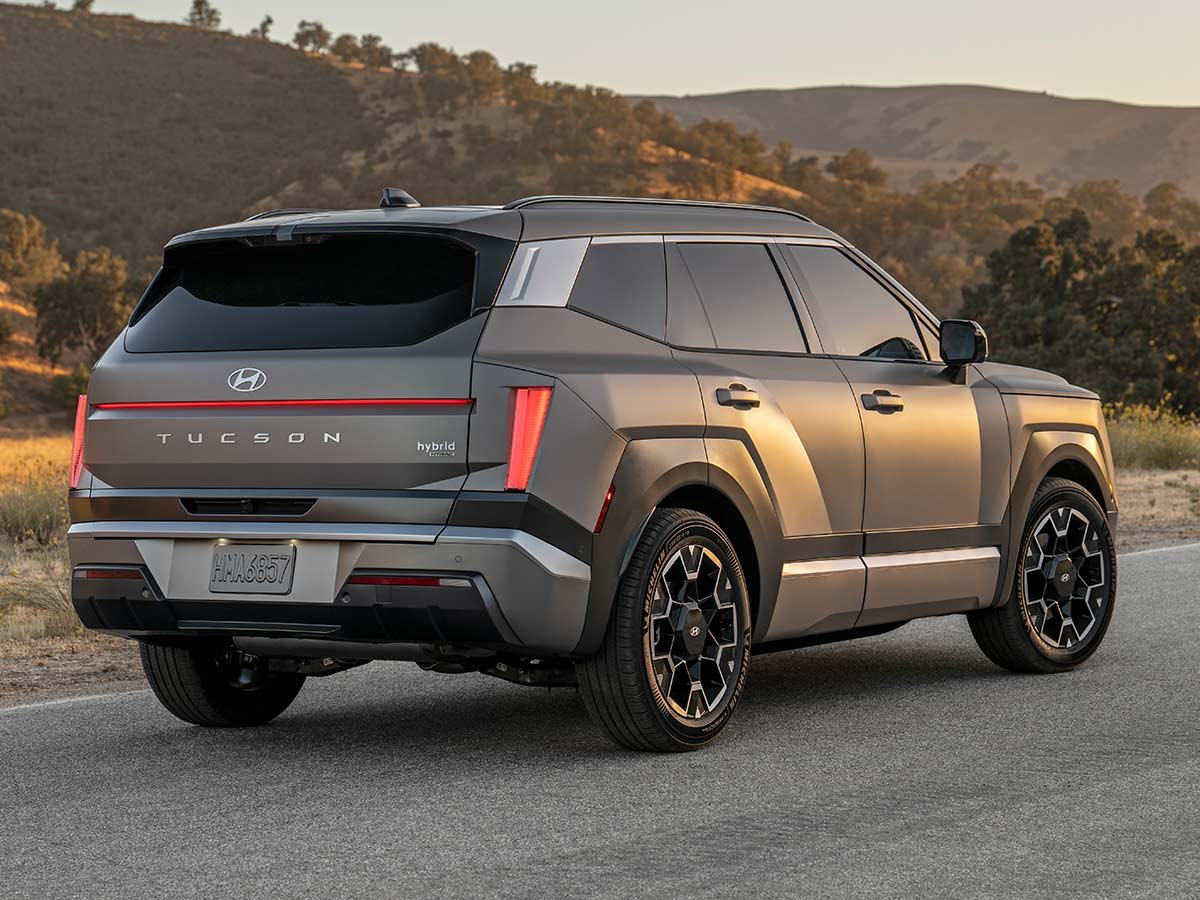
Beyond its design and technology, Hyundai has placed considerable emphasis on structural integrity, acoustic refinement and driver assistance.
The new Tucson uses hot-stamped, high-strength steel in key structural areas, with reinforced centre pillars and a multi-point collision energy management structure designed to improve impact resistance.
Standard occupant protection includes dual front airbags, front and rear side airbags, and side curtain airbags.
The company has also worked on reducing unwanted cabin noise through additional sound insulation, aerodynamic refinements and improved sealing technologies.
Driver assistance features include Intelligent Speed Limit Assist, which can recognise road speed-limit signs and help adjust the vehicle’s desired speed accordingly.
Available Navigation-based Smart Cruise Control can anticipate certain road conditions, including curves, roundabouts, intersections and speed bumps, using navigation information.
Rear Occupant Alert adds another layer of reassurance by helping notify drivers if children or pets may have been left unattended.
Together, these measures suggest that Hyundai’s ambitions for the new Tucson extend beyond adding technology for its own sake. The focus is on making the vehicle more reassuring and comfortable to live with over extended periods of ownership.
2027 Hyundai Tucson: Key Specifications
| Specification | Details |
|---|---|
| Petrol engine | 1.6-litre turbocharged four-cylinder |
| Petrol power | 184 hp |
| Petrol torque | 195 lb-ft |
| Petrol transmission | 8-speed automatic |
| Hybrid system | 1.6-litre turbo with electric motor |
| Hybrid combined power | 233 hp |
| Hybrid torque | 280 lb-ft |
| Hybrid transmission | 6-speed automatic |
| Hybrid fuel economy target | Up to 42 mpg |
| Length | 185.0 inches |
| Width | 75.0 inches |
| Wheelbase | 109.6 inches |
| Height | 66.3 inches without roof rails |
| Maximum ground clearance | 8.3 inches (XRT PRO) |
| Passenger capacity | Five |
| Hybrid towing capacity | Up to 3,000 lbs |
Fuel economy figures are preliminary manufacturer estimates. Final EPA figures remain subject to certification.
Availability and Market Positioning
Hyundai Motor America has confirmed that the 2027 Tucson will arrive in the United States in two stages.
The internal-combustion model is scheduled to reach dealerships in the first quarter of 2027, followed by the hybrid in early second quarter 2027.
Pricing, detailed trim-level equipment and complete market-specific specifications have not yet been announced in the supplied launch information.
For international markets, including India, the American-market specifications and launch schedule should not be interpreted as confirmation of local availability. Hyundai has not provided India-specific pricing or launch information in this announcement.
What is clear is that Hyundai is taking a more ambitious approach to its compact SUV. The new Tucson brings together a stronger design identity, a more carefully considered cabin, a significantly upgraded digital experience and a hybrid system that places equal importance on performance and efficiency.
The XRT PRO adds another dimension, giving the range a more distinctive personality for drivers whose idea of an SUV extends beyond urban roads.
In a segment where evolution is often incremental, the fifth-generation Tucson makes a convincing case for a more comprehensive rethink. It is a vehicle designed not simply to keep pace with changing expectations, but to anticipate where they are heading.
Source: Hyundai