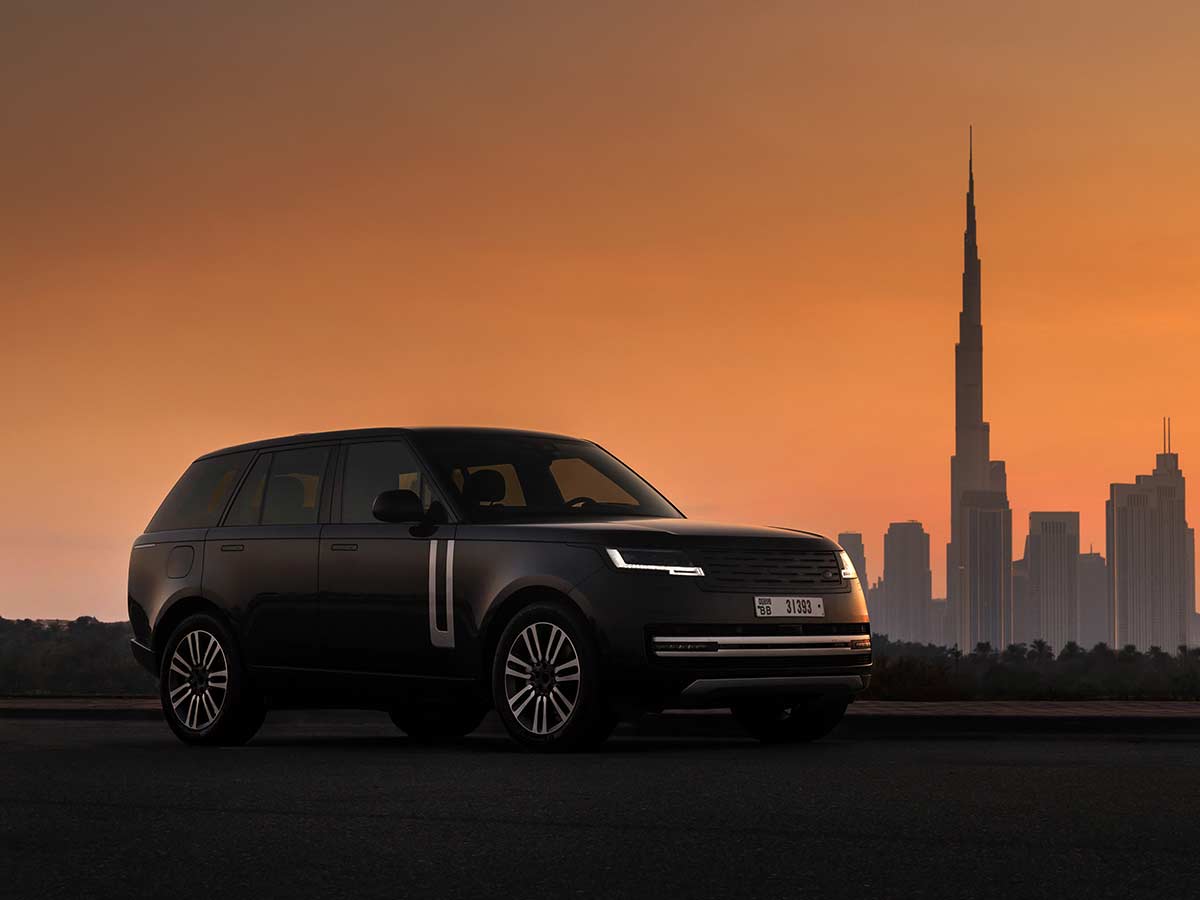






The road is almost unnervingly quiet. There is no V8 rumble gathering behind the bulkhead, no diesel clatter, no distant mechanical churn to punctuate the landscape. Instead, the Range Rover Electric gathers speed with the eerie composure unique to a powerful electric vehicle, its immense body gliding forward with 850Nm of torque available with the immediacy of a thought.
The road is almost unnervingly quiet. There is no V8 rumble gathering behind the bulkhead, no diesel clatter, no distant mechanical churn to punctuate the landscape. Instead, the Range Rover Electric gathers speed with the eerie composure unique to a powerful electric vehicle, its immense body gliding forward with 850 Nm of torque available with the immediacy of a thought.
This is not simply a Range Rover with its engine removed and a battery installed. The Range Rover Electric is the first fully electric version of the original luxury SUV, and its engineering brief is unusually demanding: preserve the imperious comfort, commanding driving position and genuine all-terrain capability of a Range Rover while making electric propulsion feel as though it had always belonged here.
That makes the Range Rover Electric one of the most consequential new luxury SUVs of its generation. With twin 260 kW permanent-magnet motors producing up to 550 PS and 850 Nm, a usable 118.5 kWh battery, 800-volt electrical architecture and a claimed WLTP range of up to 372 miles, it has the numbers to challenge the Mercedes-Benz EQS SUV, BMW iX and Porsche Cayenne Electric. But its more important achievement is philosophical: it makes electric power feel entirely compatible with the Range Rover idea.
>>> Great Discounts on Car & Bike Accessories <<<
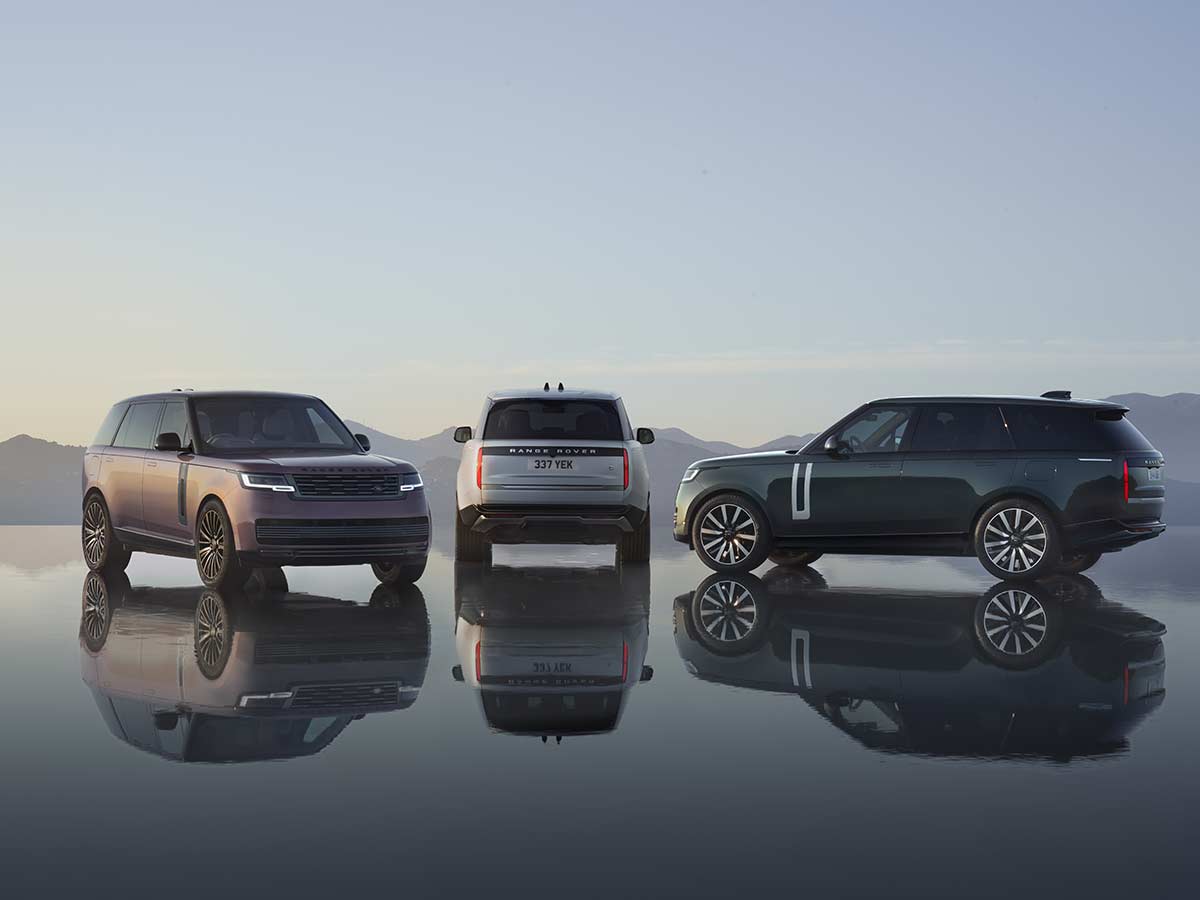
Range Rover Electric: Specs At A Glance
- Powertrain: Dual permanent-magnet electric motors
- Maximum output: 550PS
- Torque: 850Nm
- Battery: 118.5kWh usable lithium-ion
- Electrical architecture: 800 volts
- 0-60mph: As little as 4.3 seconds
- 50-75mph: As little as 2.7 seconds
- WLTP range: Up to 372 miles
- Real-world range: Up to 333 miles, according to JLR
- DC charging: 10-80% in approximately 22 minutes on a suitable 350kW charger
- Rapid-charge addition: Up to 137 miles/220km in 10 minutes under specified conditions
- Maximum wading depth: 900mm
- Production: Solihull, UK
- UK starting price: £154,070 OTR
What Is the Range Rover Electric Like to Drive?
The defining quality is not acceleration. It is effortlessness.
Electric propulsion suits a Range Rover almost suspiciously well. The traditional luxury SUV has always been about suppressing effort: insulating occupants from vibration, filtering out road imperfections and delivering large reserves of power without demanding much physical or mental exertion from the driver.
The Range Rover Electric simply takes that philosophy further.
Its two 260 kW motors generate up to 550 PS and 850 Nm, giving it the kind of low-speed authority traditionally associated with a large-displacement V8. Yet the delivery is cleaner and more immediate. There is no gearbox intervention, no combustion crescendo and no waiting for an engine to build its stride. Depress the accelerator and the mass moves with startling conviction.
The headline 0-60mph time of 4.3 seconds tells only part of the story. The more revealing figure is its claimed 2.7-second acceleration from 50 to 75mph. That is the territory where an enormous luxury SUV suddenly feels much smaller than it is, particularly when overtaking on a fast road.
And yet the real trick is how little drama accompanies the speed.
The cabin becomes a remarkably secluded environment. Electric propulsion eliminates one of the most persistent sources of background noise in a combustion-powered Range Rover, leaving tyre noise, wind and suspension movement to become the dominant sounds. For a vehicle whose central promise is luxury, that matters enormously.
Electric Performance Without Sacrificing Range Rover Capability
The obvious concern with electrifying a vehicle famous for crossing terrain that would stop most luxury SUVs is weight, traction and battery protection.
Range Rover’s answer is an entirely new level of software-controlled driveline management.
Its Integrated Traction Management system can control motor speed in as little as 50 milliseconds, with JLR claiming that this is up to 100 times faster than the equivalent response in an internal-combustion vehicle. Intelligent Driveline Dynamics can vary rear torque from 100 per cent to zero to prevent wheelspin and preserve traction.
That matters because off-road driving is rarely about brute force. It is about controlling torque precisely when grip is scarce.
Here, electric motors offer a fundamental advantage. Their response can be manipulated almost instantaneously, allowing the electronics to meter torque at each axle with remarkable precision. The result is intended to make the Range Rover Electric more predictable on loose surfaces rather than merely more powerful.
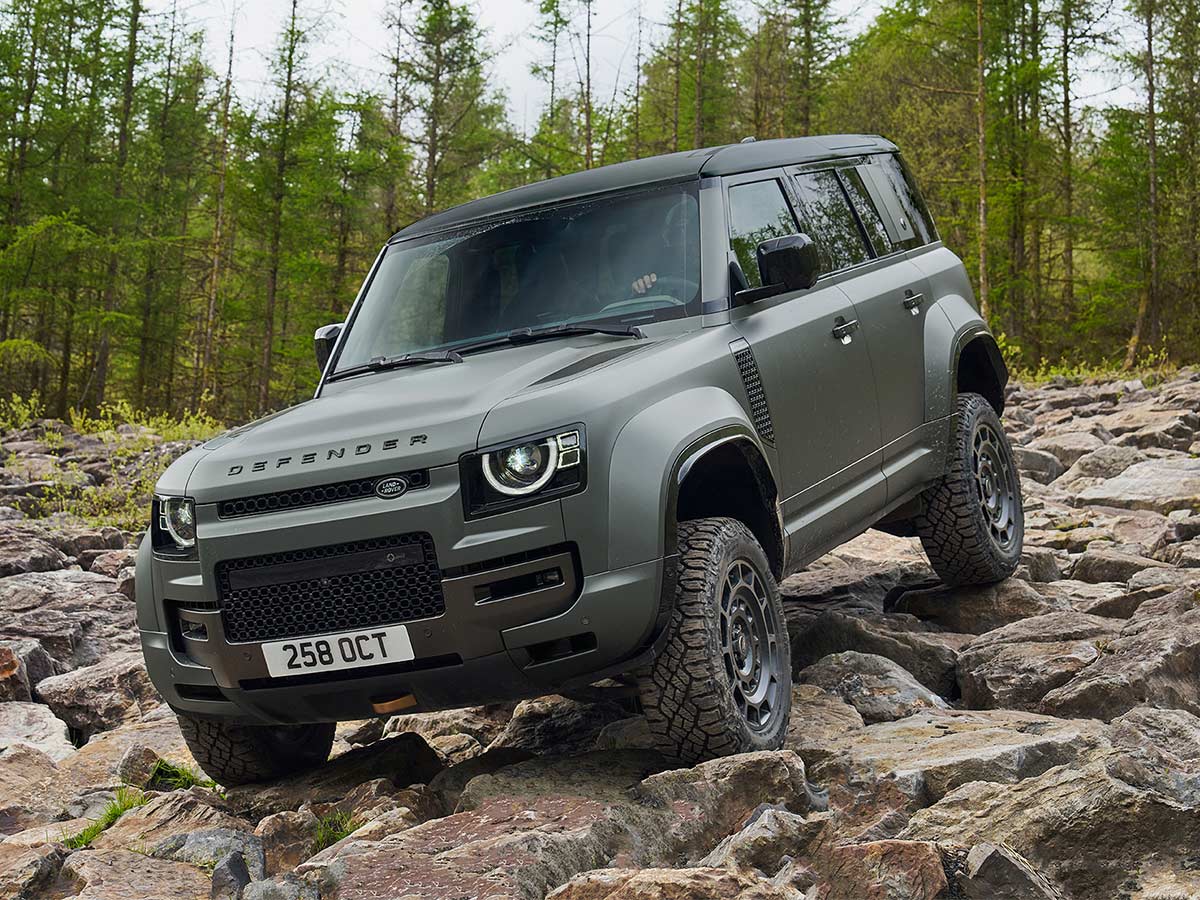
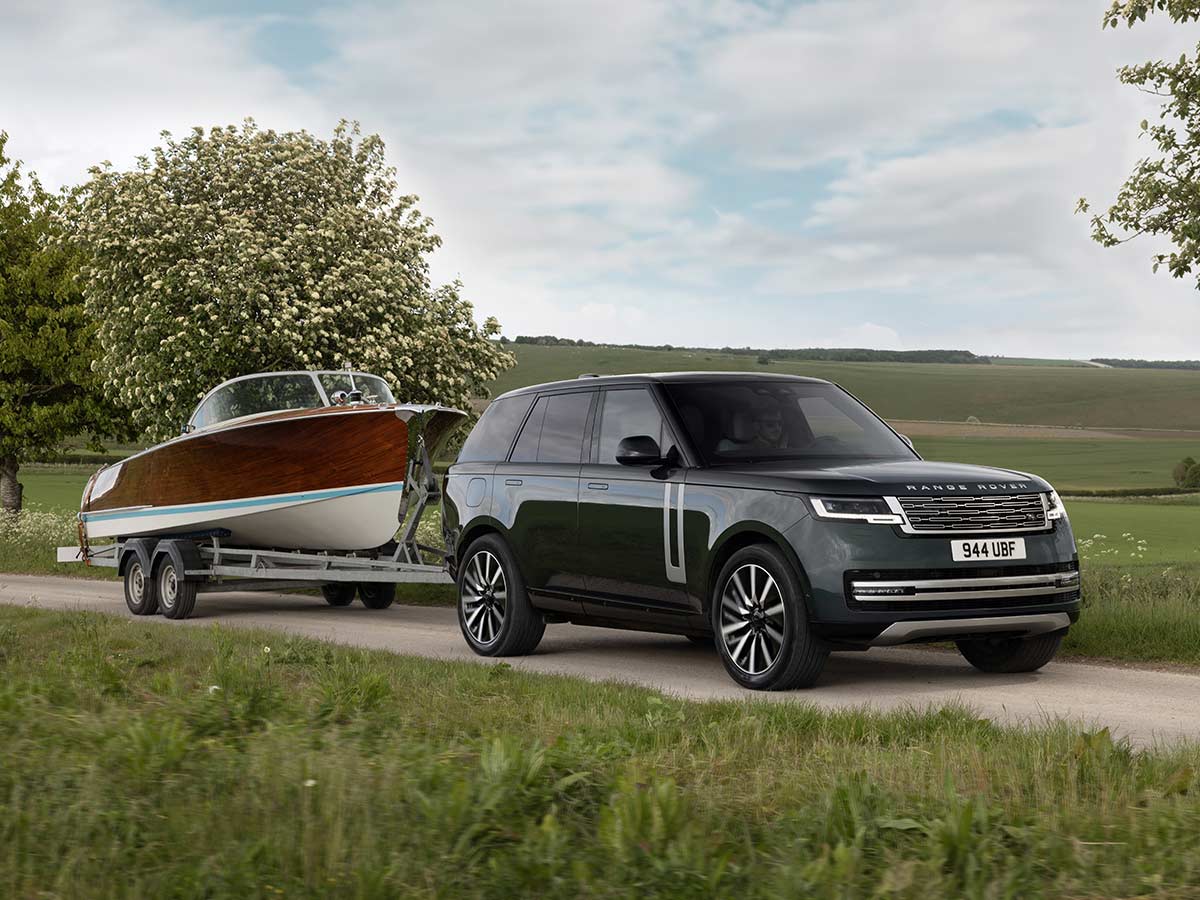
The numbers are extraordinary by luxury-SUV standards. It can wade through up to 900mm of water, while its Single Pedal mode can help the vehicle climb slopes of up to 45 degrees.
That is a crucial distinction. Plenty of premium electric SUVs are quick. Far fewer are engineered to retain the mechanical and electronic credibility necessary to venture properly off-road.
How the Range Rover Electric Handles Off Road
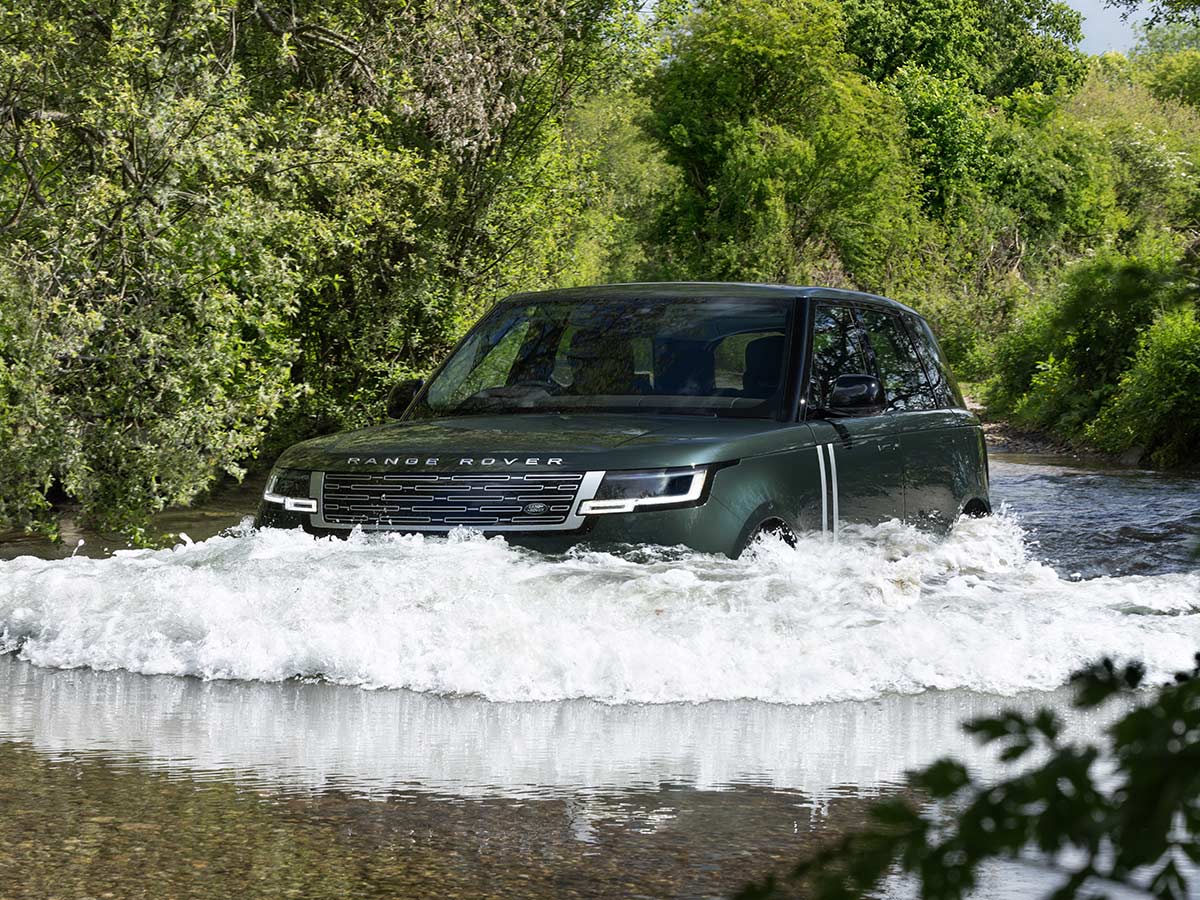
The low-mounted battery naturally lowers the vehicle’s centre of gravity, an advantage that should become apparent on faster roads as well as trails. Meanwhile, the Range Rover’s sophisticated air suspension remains central to its character.
The electric model uses twin-chamber air suspension to balance ride comfort and body control. That combination is particularly important because the inherent mass of a large battery-electric SUV can easily expose weaknesses in suspension calibration.
The objective here is not sports-car agility. It is composure.
A Range Rover should never feel nervous or busy. Its ideal body control is one in which the vehicle seems to absorb the landscape rather than react to it. Electric propulsion, with its finely controllable torque delivery and low centre of gravity, gives the chassis engineers another tool with which to achieve that sensation.
The result is a different interpretation of Range Rover capability: less mechanical theatre, more precision.
The 118.5kWh Battery Is the Engineering Centrepiece
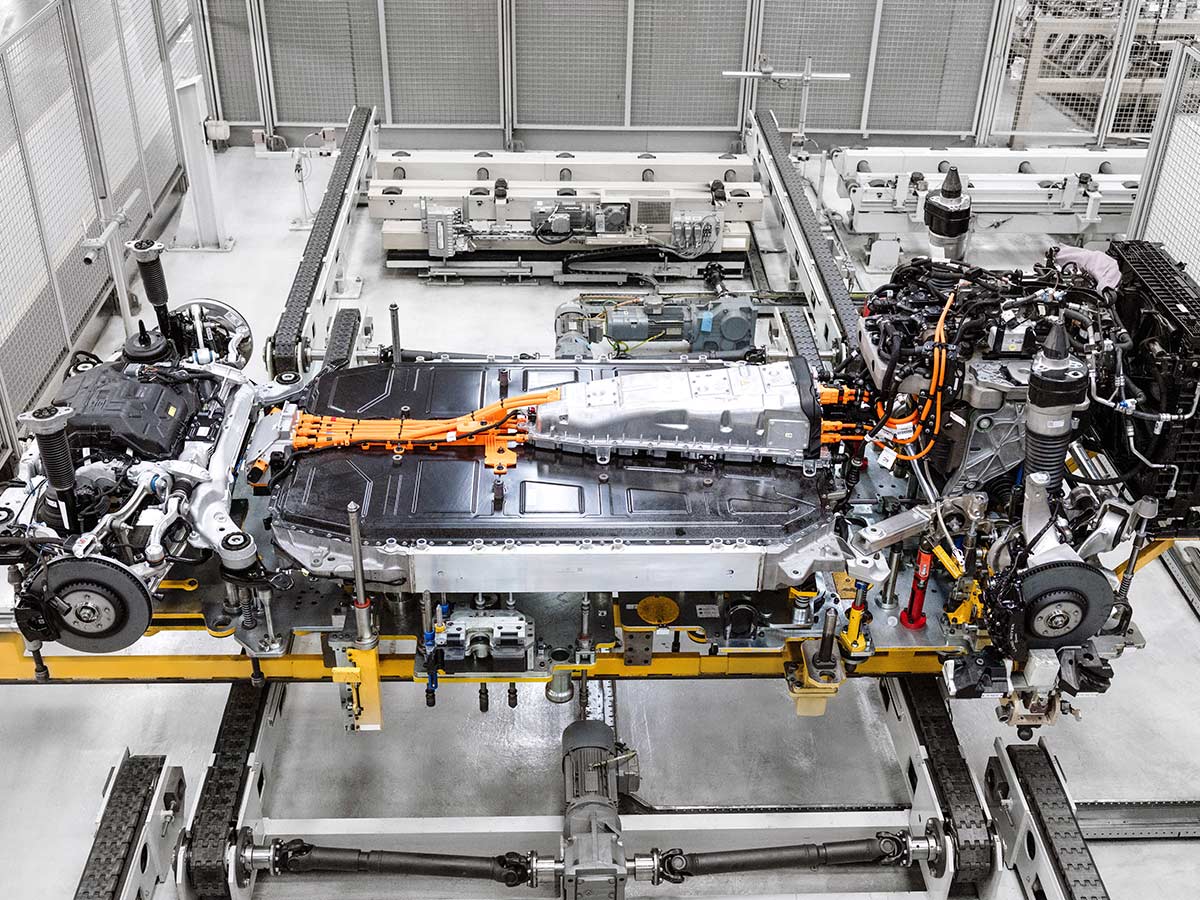
Beneath the familiar Range Rover silhouette is one of the vehicle’s most significant innovations: a 118.5 kWh usable lithium-ion battery employing 344 prismatic cells in a double-stacked configuration.
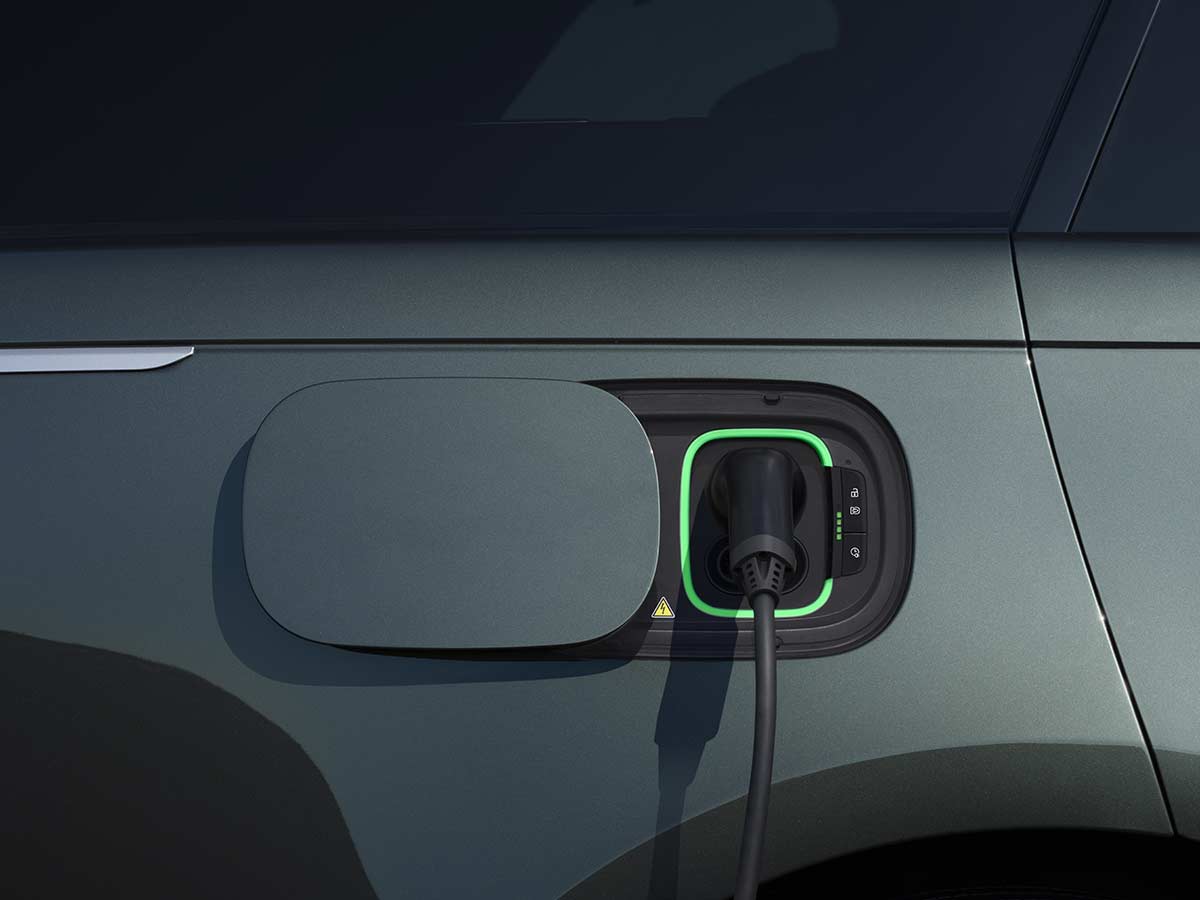
The battery operates on an 800-volt electrical architecture, allowing substantially faster charging than a conventional lower-voltage system when connected to a sufficiently powerful charger.
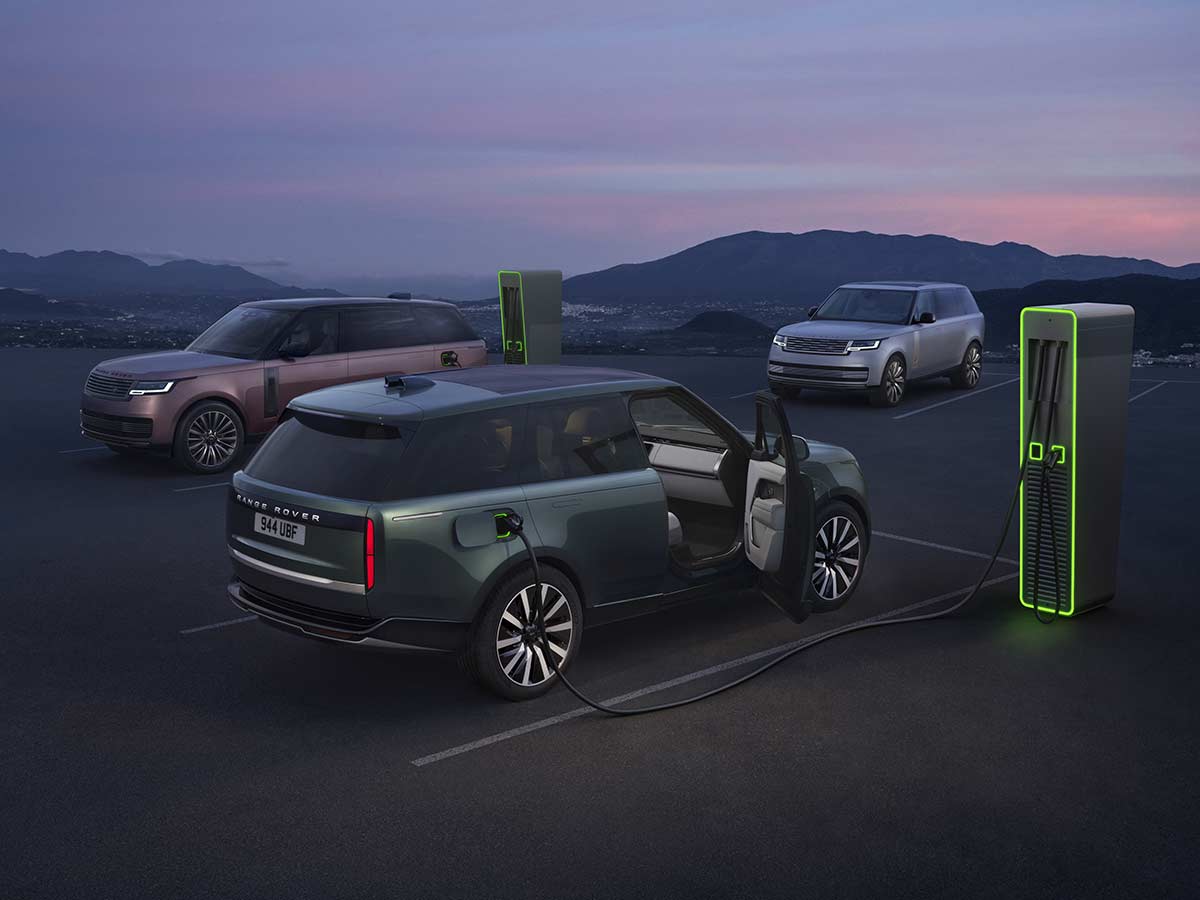
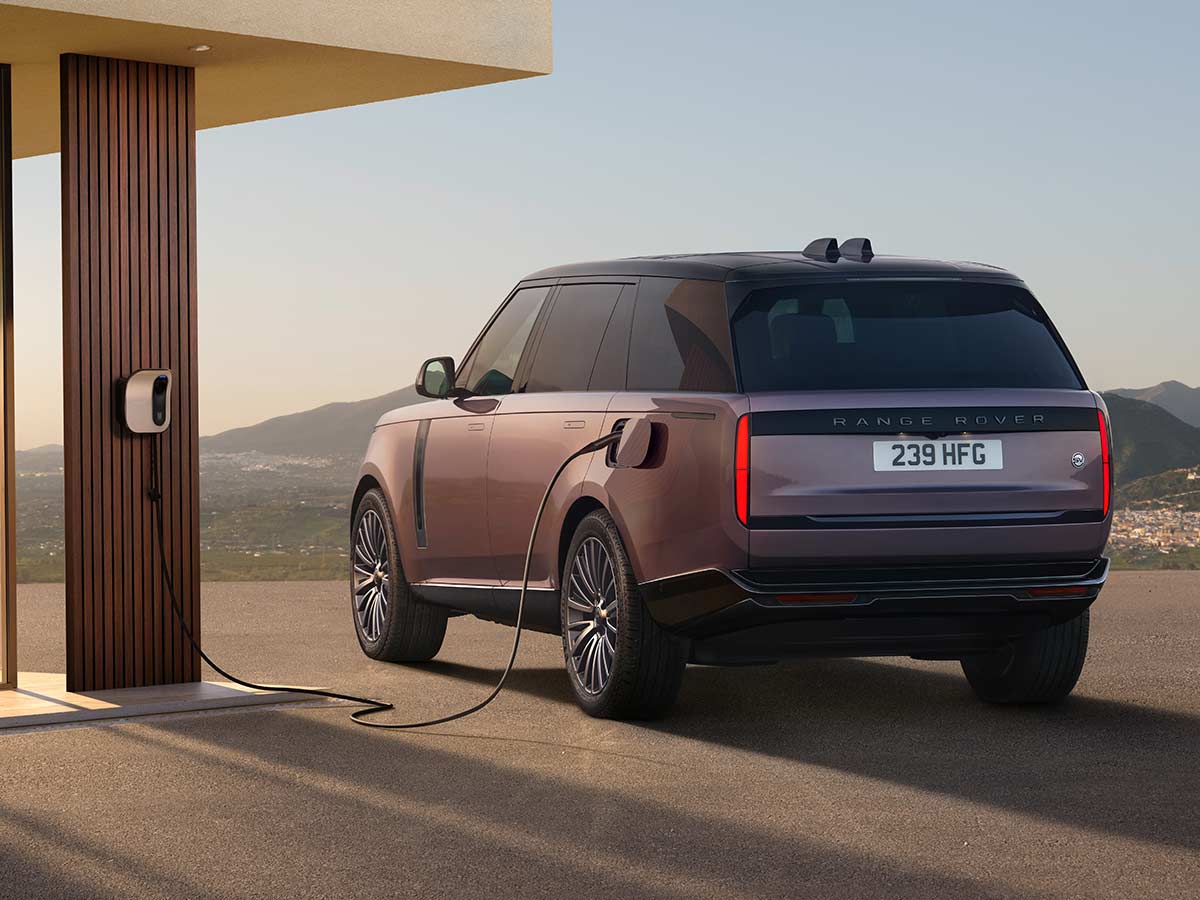
On a 350kW DC rapid charger, Range Rover quotes approximately 22 minutes for a 10 to 80 per cent charge. Under the specified WLTP conditions and maximum charging rate, 10 minutes can add as much as 137 miles, or 220km, of range.
That is approaching the point where charging becomes less of an interruption and more of a brief stop in a long-distance journey.
The quoted maximum range of 372 miles is based on the WLTP testing cycle. JLR also cites a real-world range of up to 333 miles. As always with a large, heavy electric SUV, actual range will vary substantially with temperature, speed, terrain, wheel choice and climate-control use.
That distinction is important. A 372-mile WLTP figure is useful for comparison, but it should not be mistaken for a guaranteed motorway range.
ThermAssist and the Battle Against Cold-Weather Range Loss
Battery-electric vehicles are particularly sensitive to temperature, and Range Rover has attacked that problem with its ThermAssist heat-management system.
JLR says the technology can add up to 25 miles of range while reducing heating energy consumption by as much as 40 per cent. More importantly, the system is designed to manage battery temperature not only for range but also for charging speed, longevity and performance.
That holistic approach matters in a vehicle expected to operate in climates ranging from Arctic winter to desert heat.
The development programme reportedly included testing at temperatures as low as -40°C in Arjeplog, Sweden, as well as extreme heat in Dubai. The vehicle has completed more than 1.5 million kilometres of physical testing, alongside more than 250,000 hours of virtual development.
Those figures are impressive, but the more telling detail is the philosophy behind them. Range Rover has clearly understood that an electric flagship cannot simply be judged on a specification sheet. It has to behave consistently when the environment stops being accommodating.
Does the Range Rover Electric Still Look Like a Range Rover?
This is perhaps where the electric model is most successful.
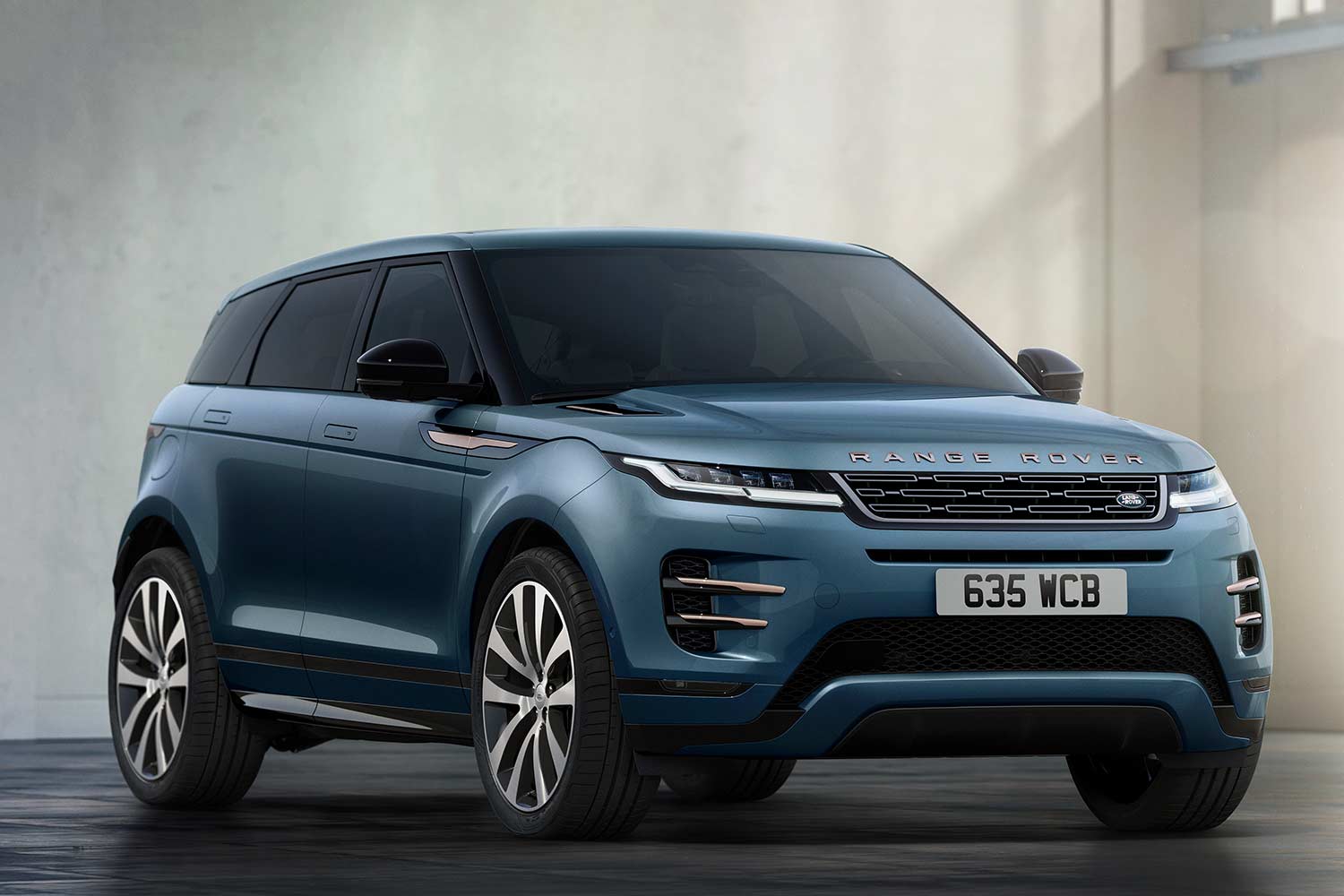
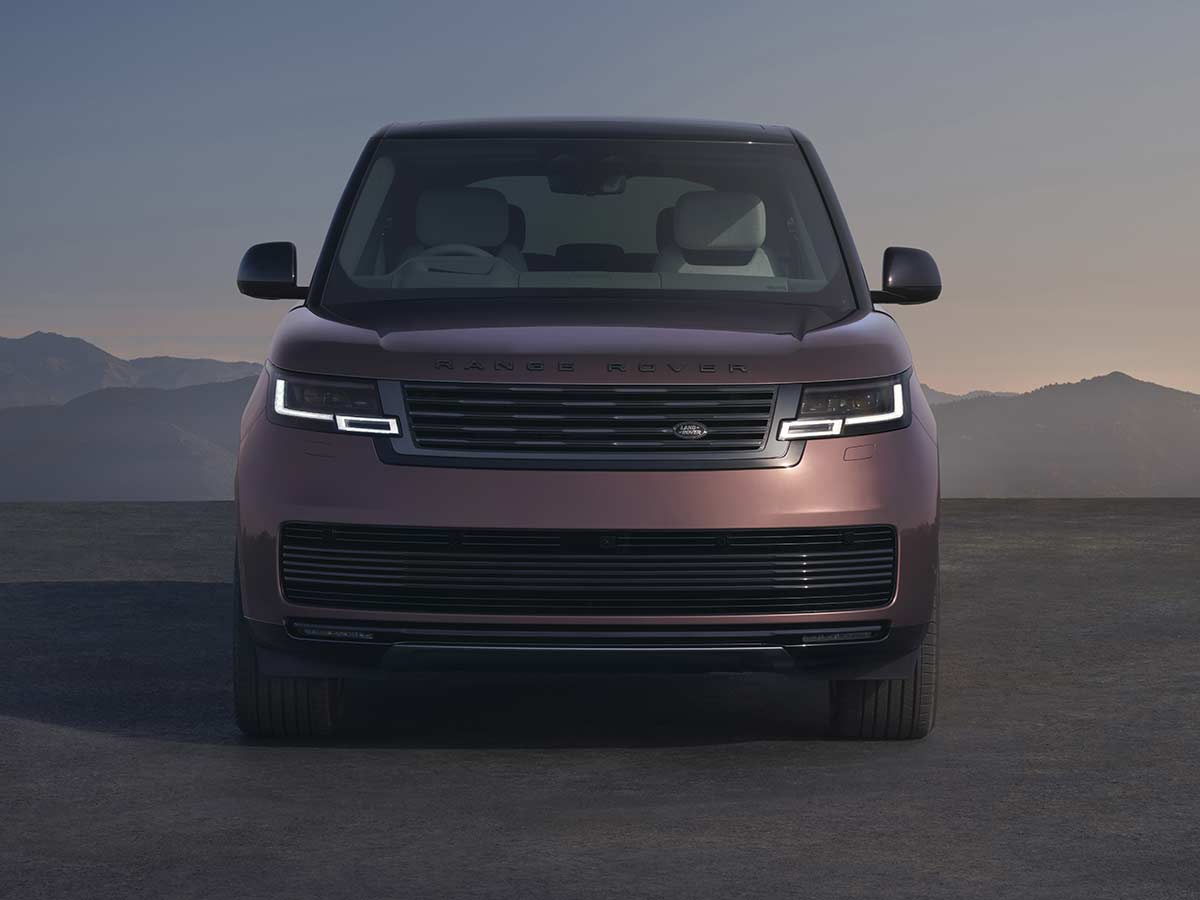
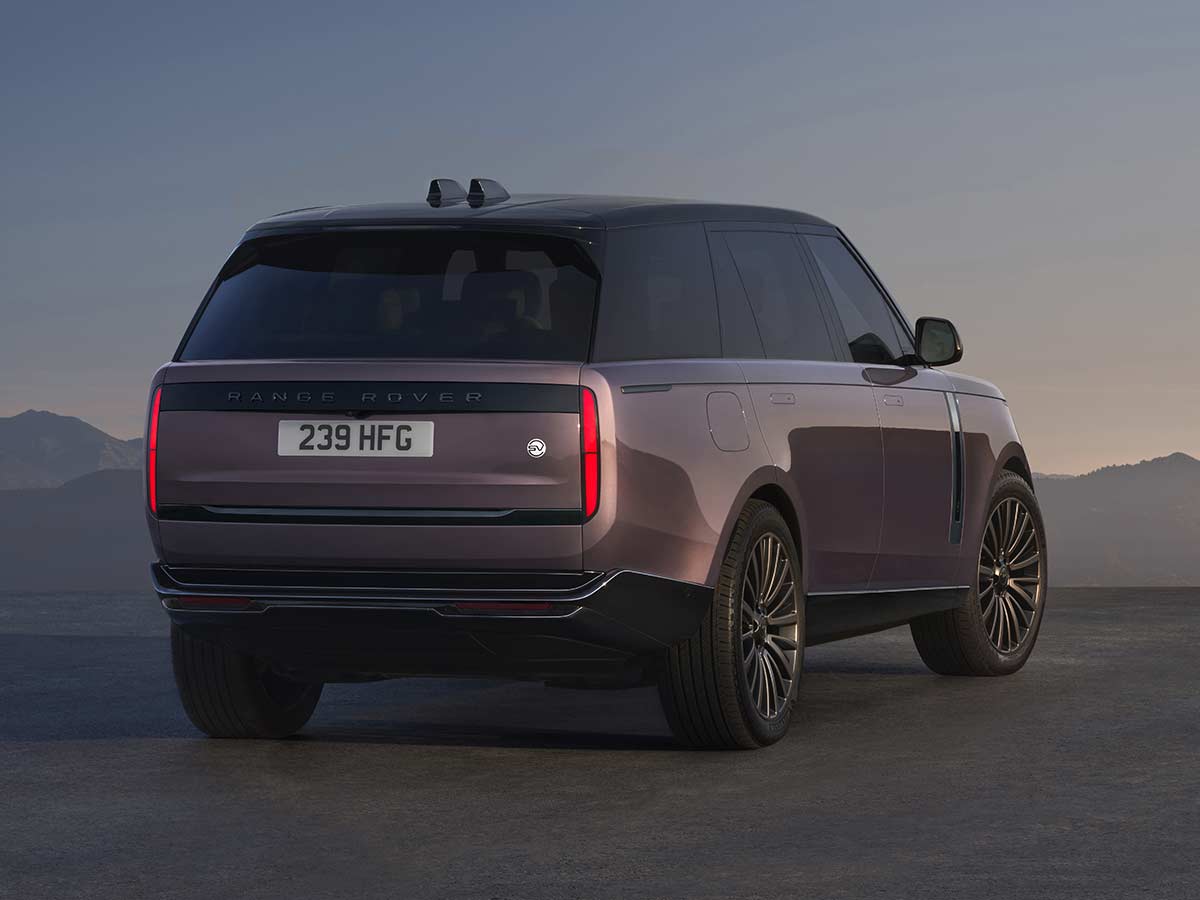
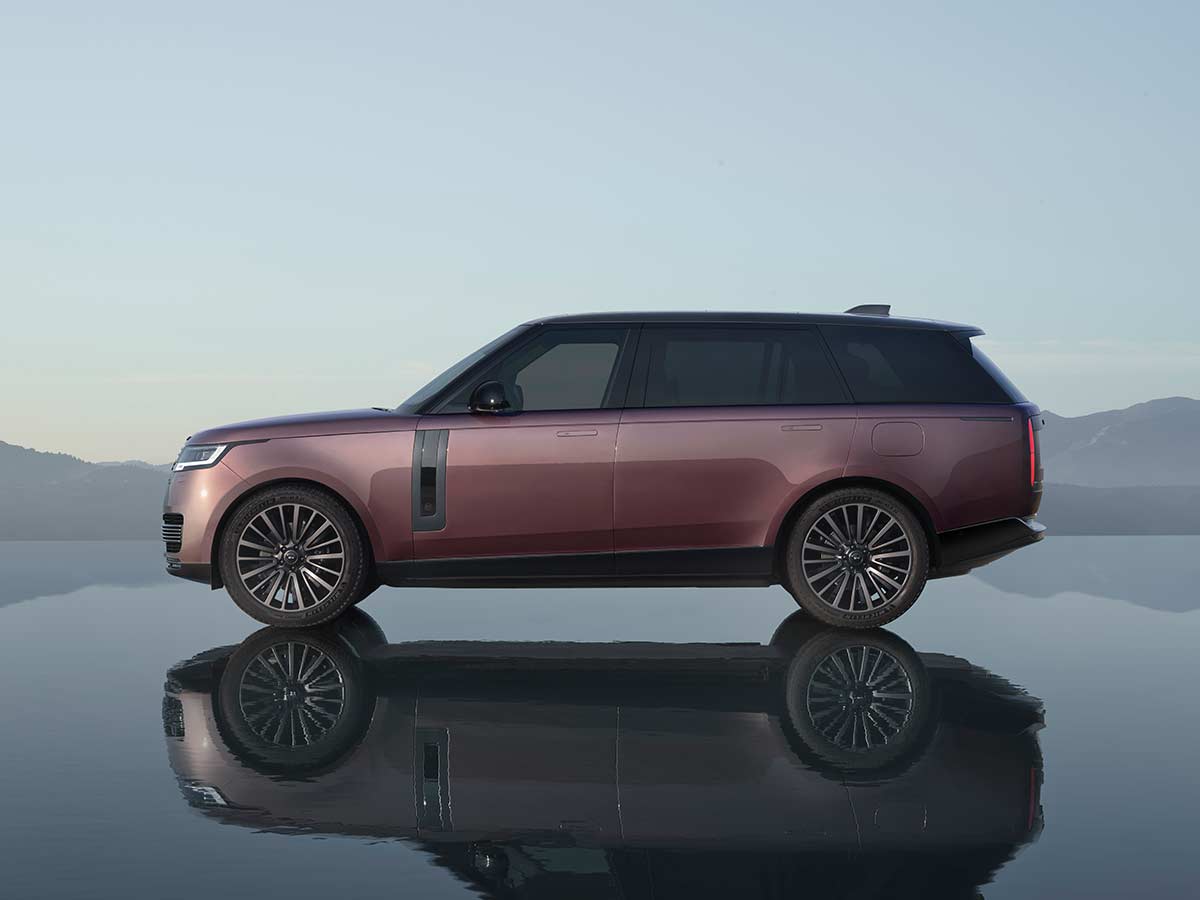
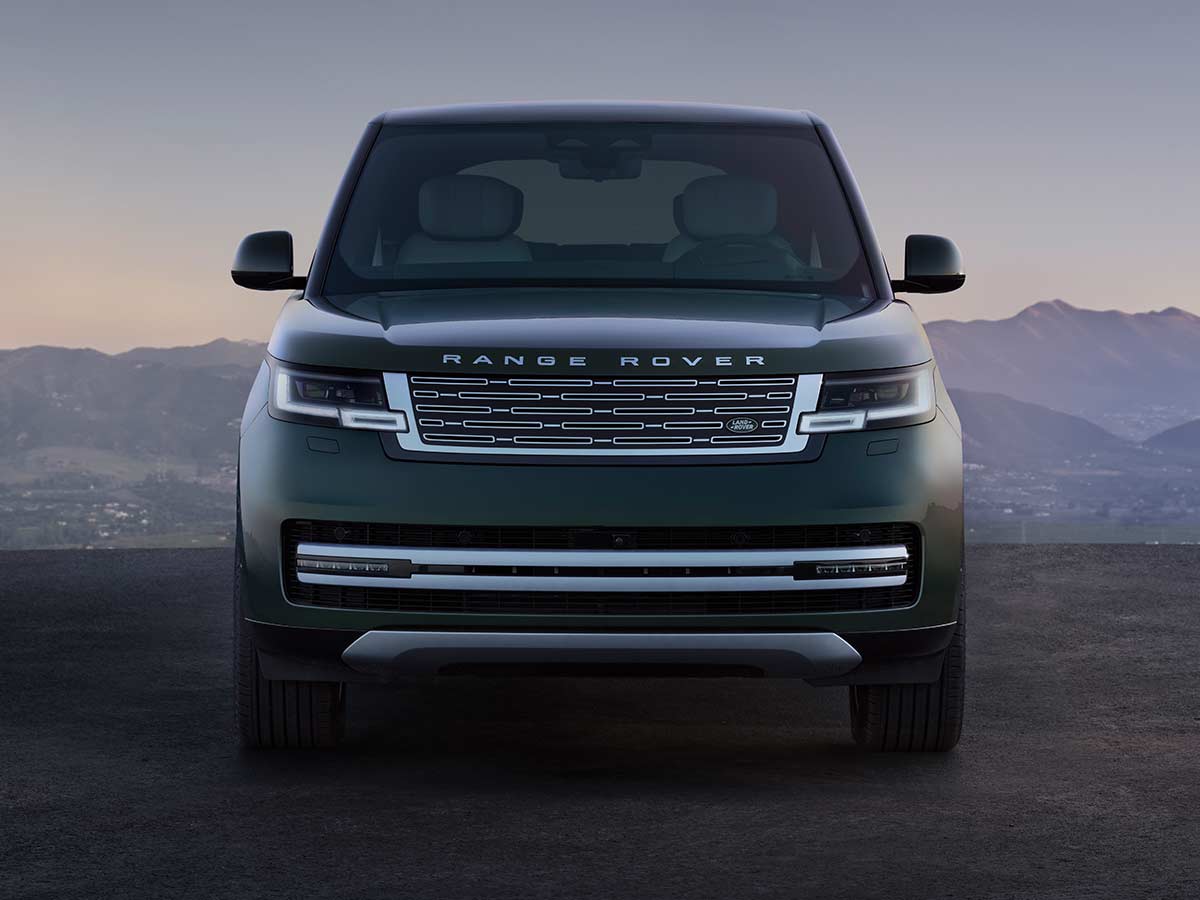
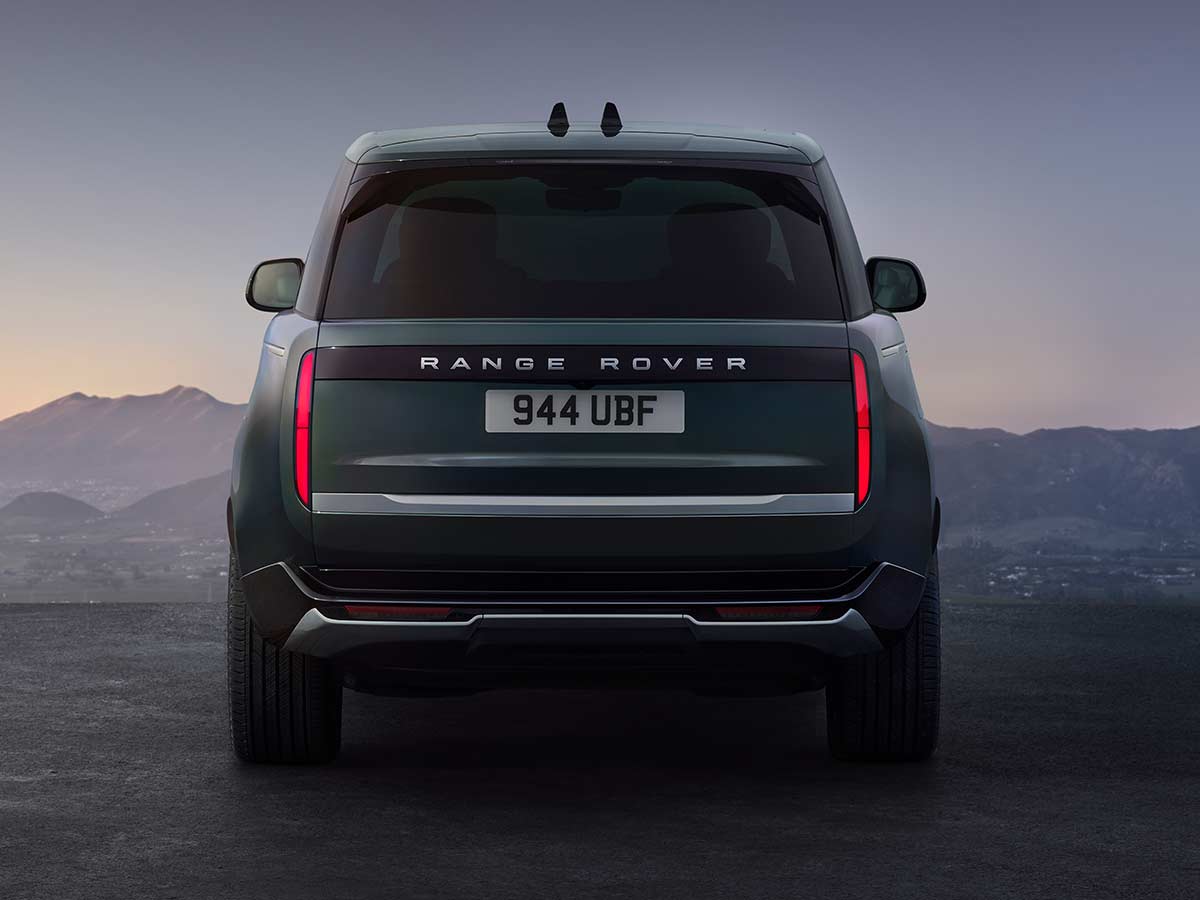
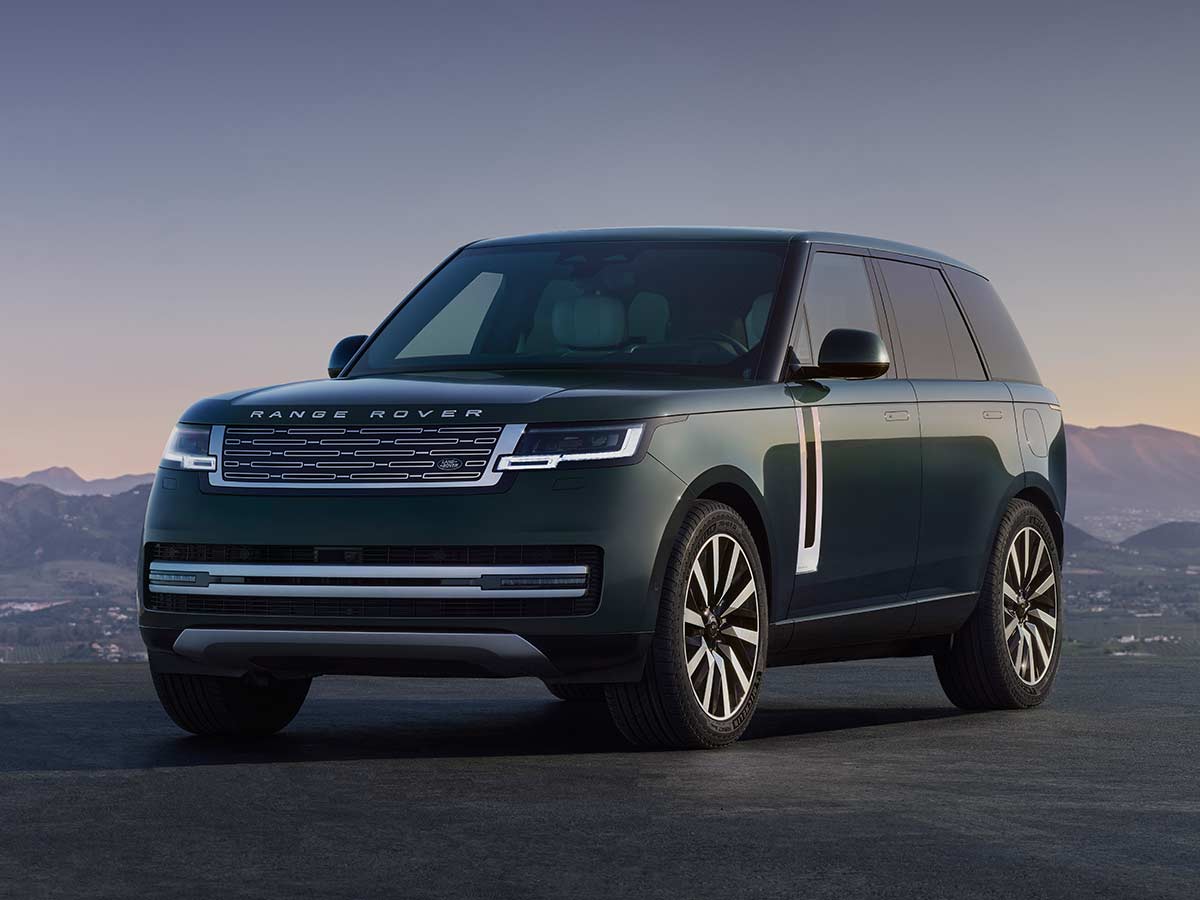
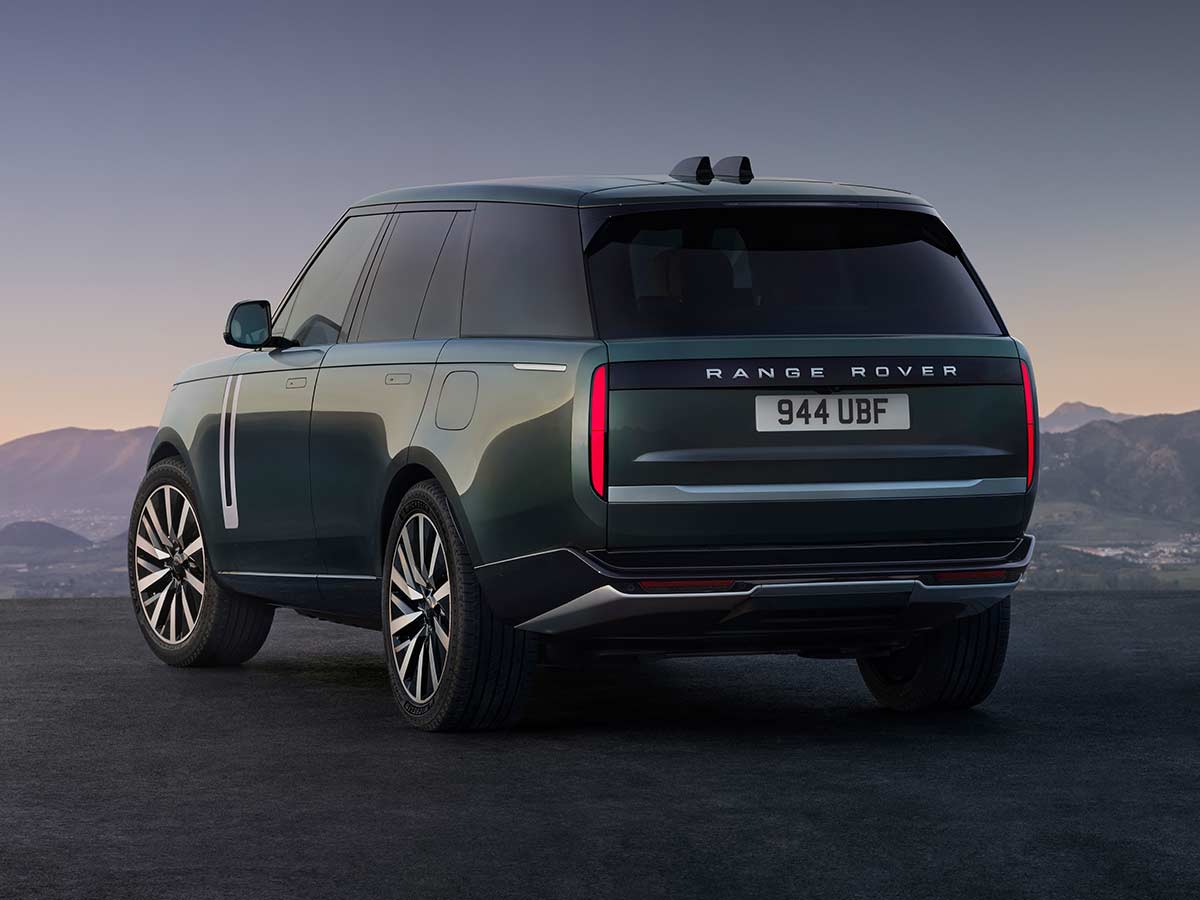
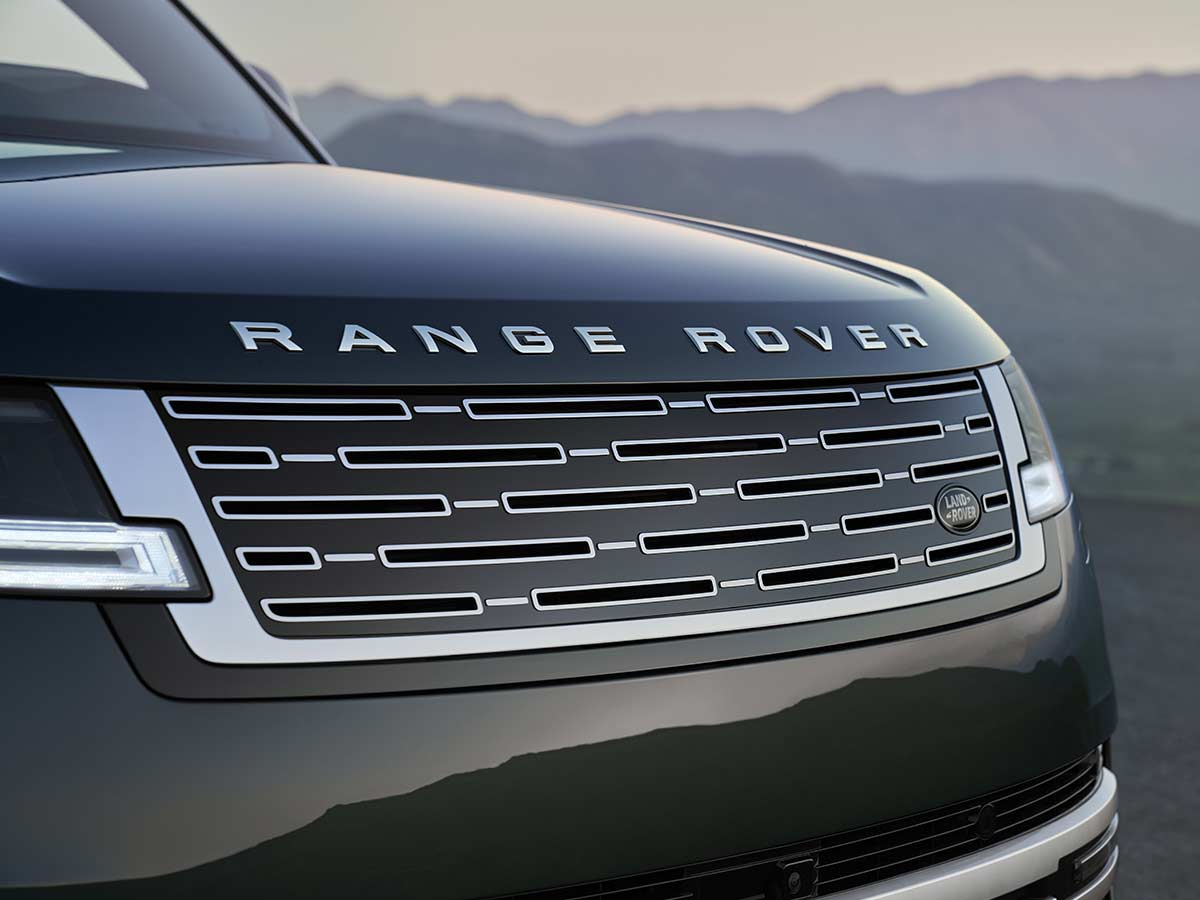
There is no attempt to make the Range Rover Electric look futuristic for the sake of it. The proportions remain unmistakably Range Rover. The upright stance, clean surfaces and reductive design language survive intact.
Only the details reveal the engineering beneath.
An aerodynamically optimised grille, revised wheels and a tailored underbody help reduce aerodynamic drag and improve motorway efficiency. The changes are deliberately restrained.
That is the correct approach.
Range Rover has spent decades establishing an instantly recognisable visual identity. Throwing that away in pursuit of an overtly “electric” appearance would have undermined the very thing the vehicle is supposed to preserve.
The electric Range Rover therefore follows a simple principle: Range Rover first, electric second.
Inside the Range Rover Electric: Quiet Luxury, Reconsidered
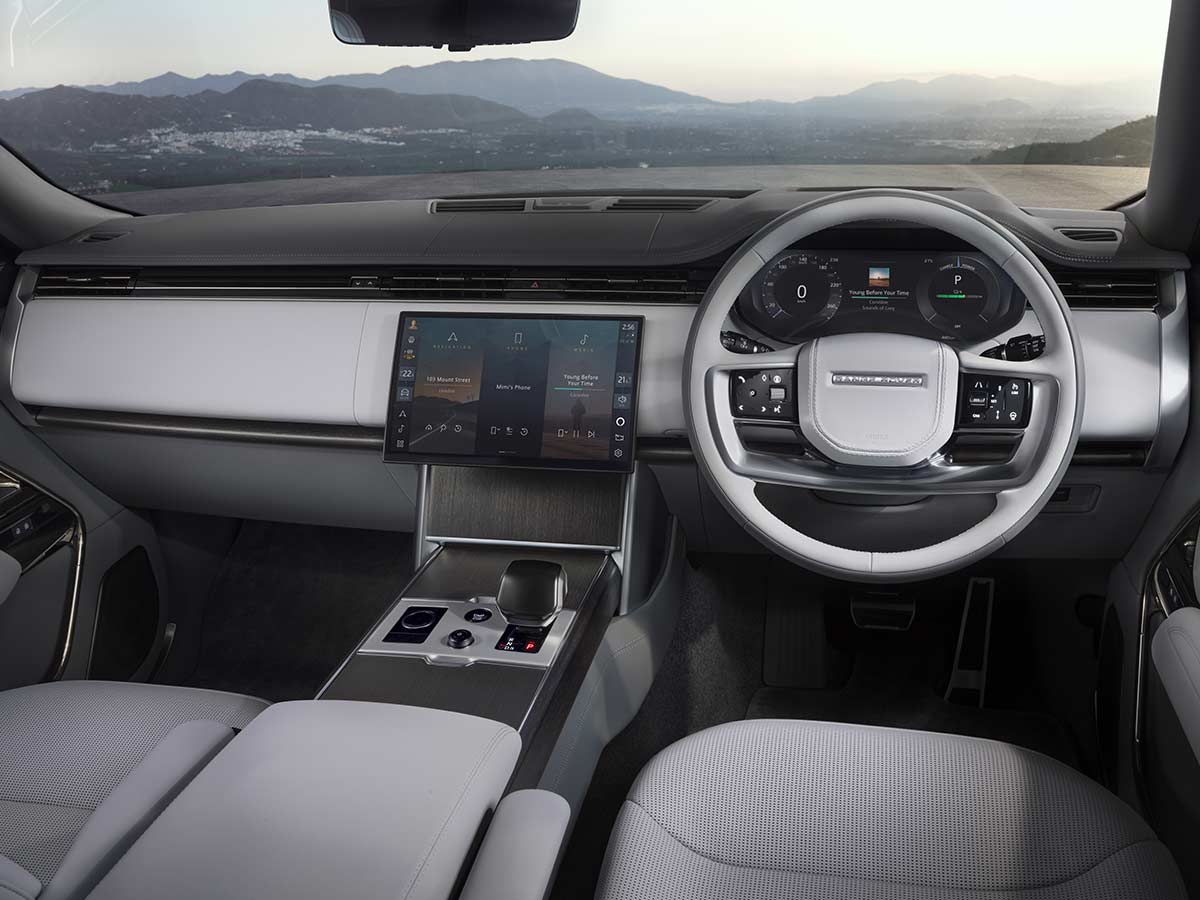
The cabin’s greatest asset may be something you cannot see.
Silence changes the perception of luxury.
Without the mechanical noise of a combustion engine, small sounds become more apparent and the interior takes on an almost lounge-like character. That makes the Range Rover Electric’s minimalist architecture and carefully selected materials feel particularly appropriate.
The First Edition is available in Belgravia Green, Santorini Black and Varesine Blue, with a new Light Cloud Ultrafabrics PU and Kvadrat interior treatment.
The material choice is significant. Luxury is increasingly moving away from simply displaying expensive natural materials and toward creating environments that feel considered, tactile and calm. In that context, the use of technical textiles and alternative upholstery feels less like compromise and more like a contemporary interpretation of Range Rover’s traditional craftsmanship.
For customers seeking something more individual, Range Rover’s Bespoke commissioning service opens the door to extended paint options, distinctive finishes, tailored colour combinations and details such as unique embroidery.
Range Rover Electric vs BMW iX, Mercedes EQS SUV and Porsche Cayenne Electric
The competitive landscape is becoming considerably more interesting.
The BMW iX has demonstrated how convincing an electric luxury SUV can be when efficiency, ride comfort and instant performance are prioritised. The Mercedes-Benz EQS SUV approaches the category from an even more overtly luxurious, technology-led perspective.
The Porsche Cayenne Electric, meanwhile, represents a different benchmark, emphasising dynamic performance and chassis sophistication.
The Range Rover Electric occupies an unusual position between them.
It is not attempting to be the sportiest electric SUV. Nor is it trying to win a technology arms race through visual spectacle. Its proposition is more difficult to replicate: luxury, silence and serious all-terrain capability in the same vehicle.
That distinction is likely to become its greatest competitive advantage.
Built in Solihull, Engineered for an Electric Future
The Range Rover Electric is manufactured at Solihull, the home of Range Rover production since 1970. Its arrival represents a substantial transformation of the facility, with manufacturing staff retrained for electrification and new battery and electric-drive-unit processes introduced alongside existing propulsion technologies.
JLR’s Electric Propulsion Manufacturing Centre in Wolverhampton produces the vehicle’s battery packs and electric drive units.
More than 300 patent applications have reportedly been filed around the Range Rover Electric, covering innovations including its battery, motors and ThermAssist thermal-management technology.
The vehicle therefore represents more than a new derivative. It is a test of whether one of Britain’s most recognisable automotive products can transition into the electric era without losing its identity.
Range Rover Electric Verdict
The first electric Range Rover does not feel like an apology for electrification.
It feels like an argument for it.
The silence suits the cabin. The instant torque suits the vehicle’s enormous physical presence. The lower centre of gravity benefits the chassis. Sophisticated electric traction control potentially makes the vehicle even more precise on surfaces where conventional powertrains can struggle. And the 800-volt charging system addresses one of the most persistent objections to using a large electric SUV as a long-distance machine.
There will still be compromises. A vehicle of this size and weight will always ask a great deal of its battery at high motorway speeds, and its £154,070 UK starting price places it firmly in the upper reaches of the luxury market.
But those issues miss the larger point.
The Range Rover Electric does not represent Range Rover abandoning what made it desirable. It represents the brand taking those defining qualities – serenity, authority, capability and effortless performance – and asking what they should feel like when the combustion engine disappears.
The answer is remarkably convincing.
For more than half a century, Range Rover has been about making difficult terrain feel easy. In its electric form, it achieves something similar with propulsion itself. The technology is formidable, but the experience is almost deceptively simple: press the accelerator, watch the horizon approach, and let the landscape pass in near silence.
The original luxury SUV has not changed its character. It has simply found a new way to express it.
Source: Land Rover