







With a sharper design language, distinctive N Line detailing and an interior that challenges expectations of the compact SUV segment, the all-new Hyundai BAYON brings a more expressive interpretation of everyday mobility. It is sporty without being excessive, sophisticated without being ostentatious, and practical without surrendering its sense of style.
There is something compelling about a car that knows exactly what it wants to be. It does not need exaggerated proportions or unnecessary theatrics to command attention. Instead, its character emerges through carefully considered details, confident design and an understanding of what makes the everyday driving experience genuinely rewarding.
The all-new Hyundai BAYON N Line makes precisely that kind of statement.
In a compact SUV segment increasingly populated by familiar silhouettes and predictable design choices, Hyundai’s latest BAYON arrives with a more assertive personality. The N Line treatment gives it an unmistakably sporting edge, transforming an already confident urban SUV into something considerably more expressive. Yet beneath the sharper exterior lies a more substantial proposition: a vehicle designed around comfort, intelligent technology and the versatility demanded by contemporary life.
It is this combination that makes the new Hyundai BAYON N Line particularly interesting. Rather than pursuing sportiness at the expense of everyday usability, it brings the two together in a package that feels thoroughly considered.
>>> Great Discounts on Car & Bike Accessories <<<
A sporting identity, sculpted in steel
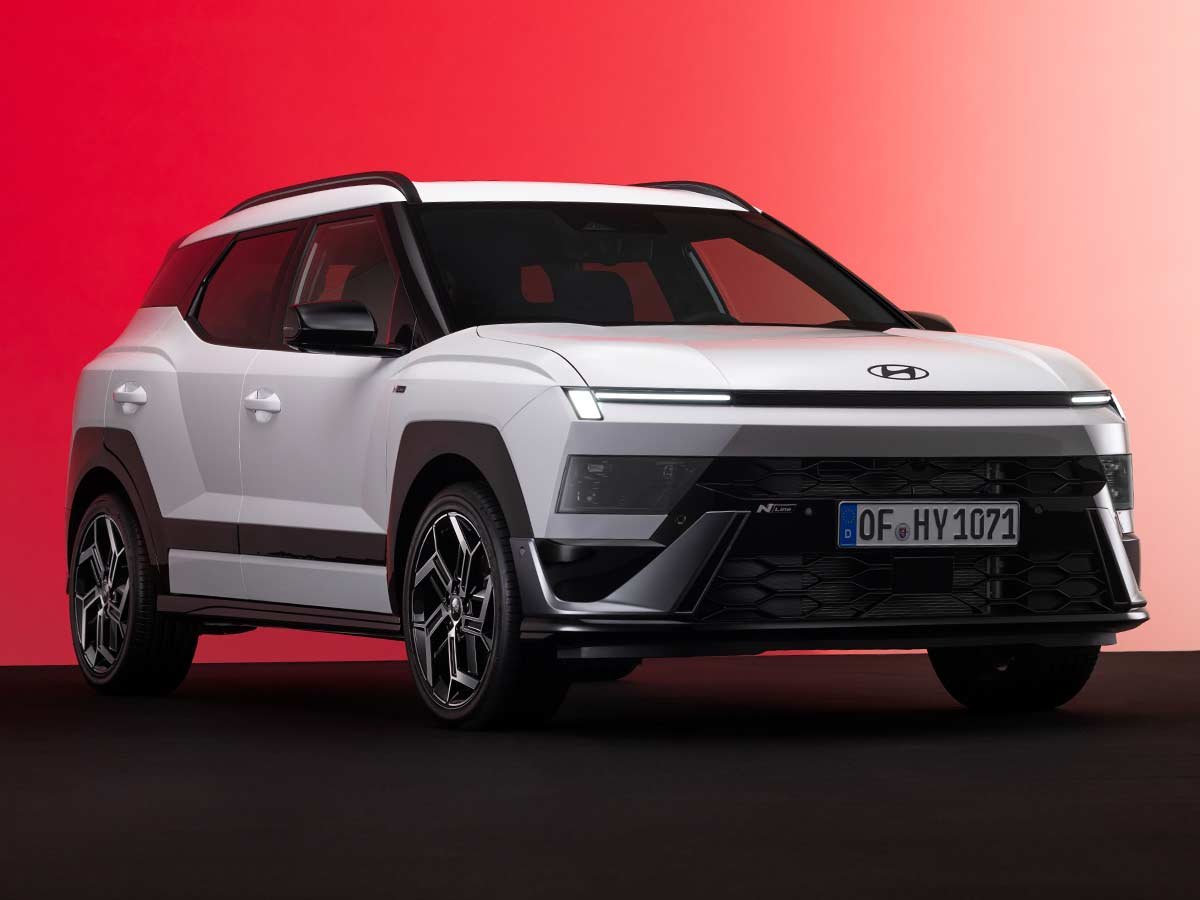
The first encounter with the all-new BAYON N Line is very much a visual one.
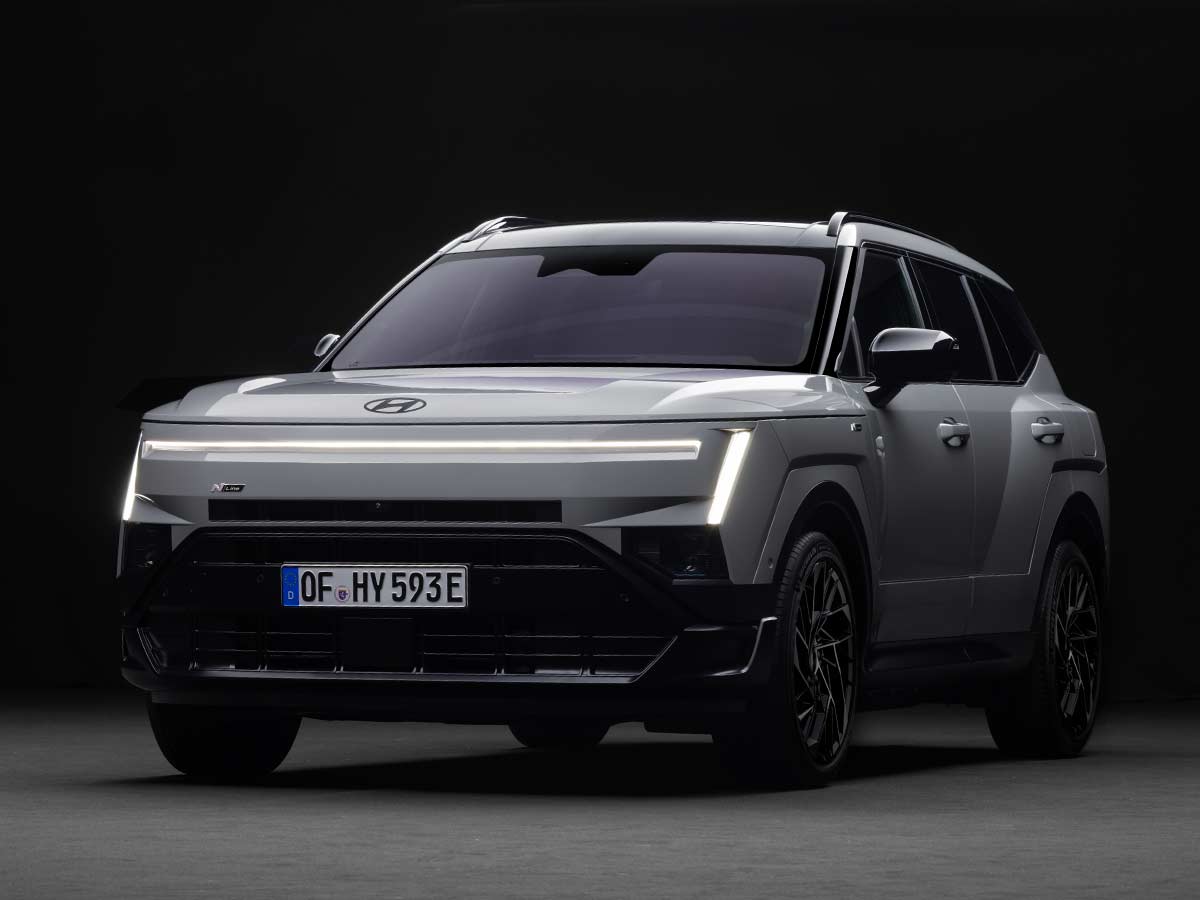
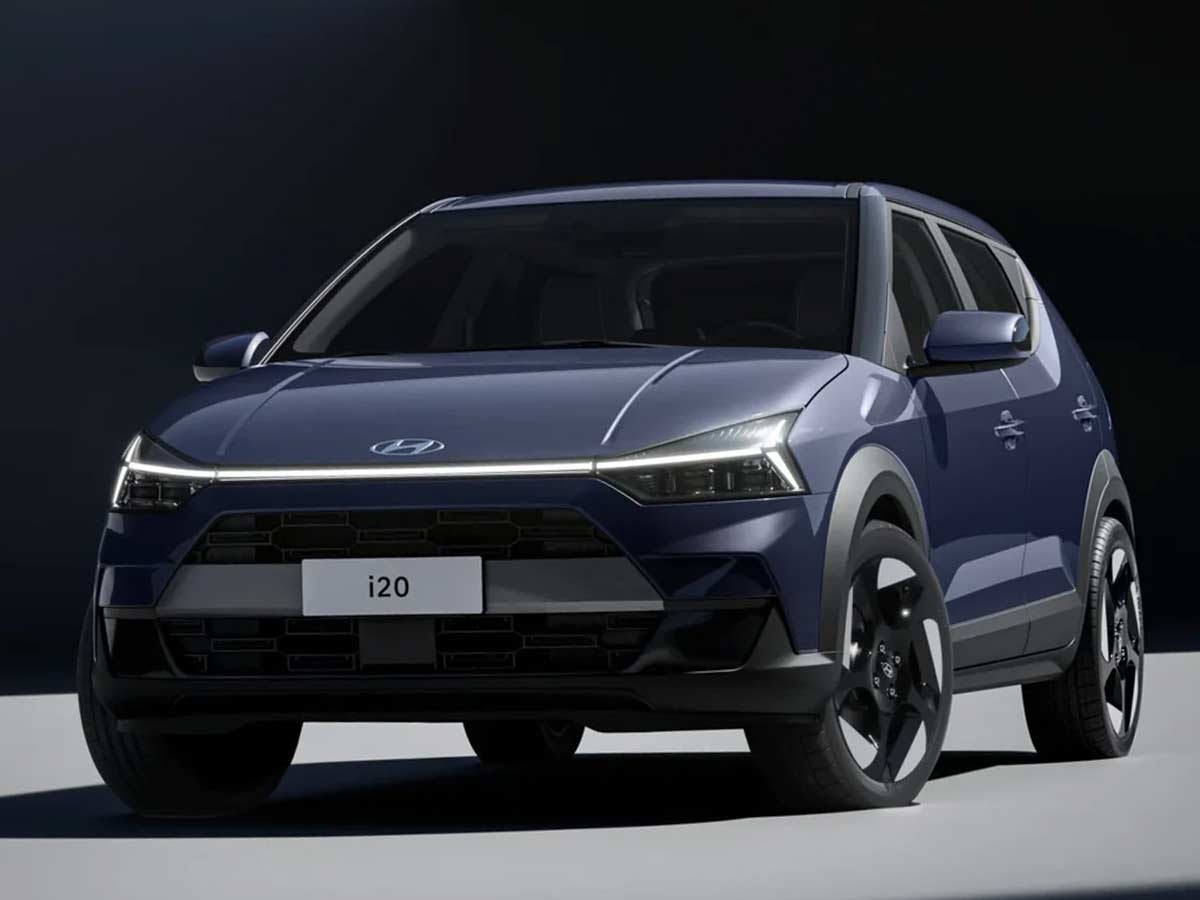
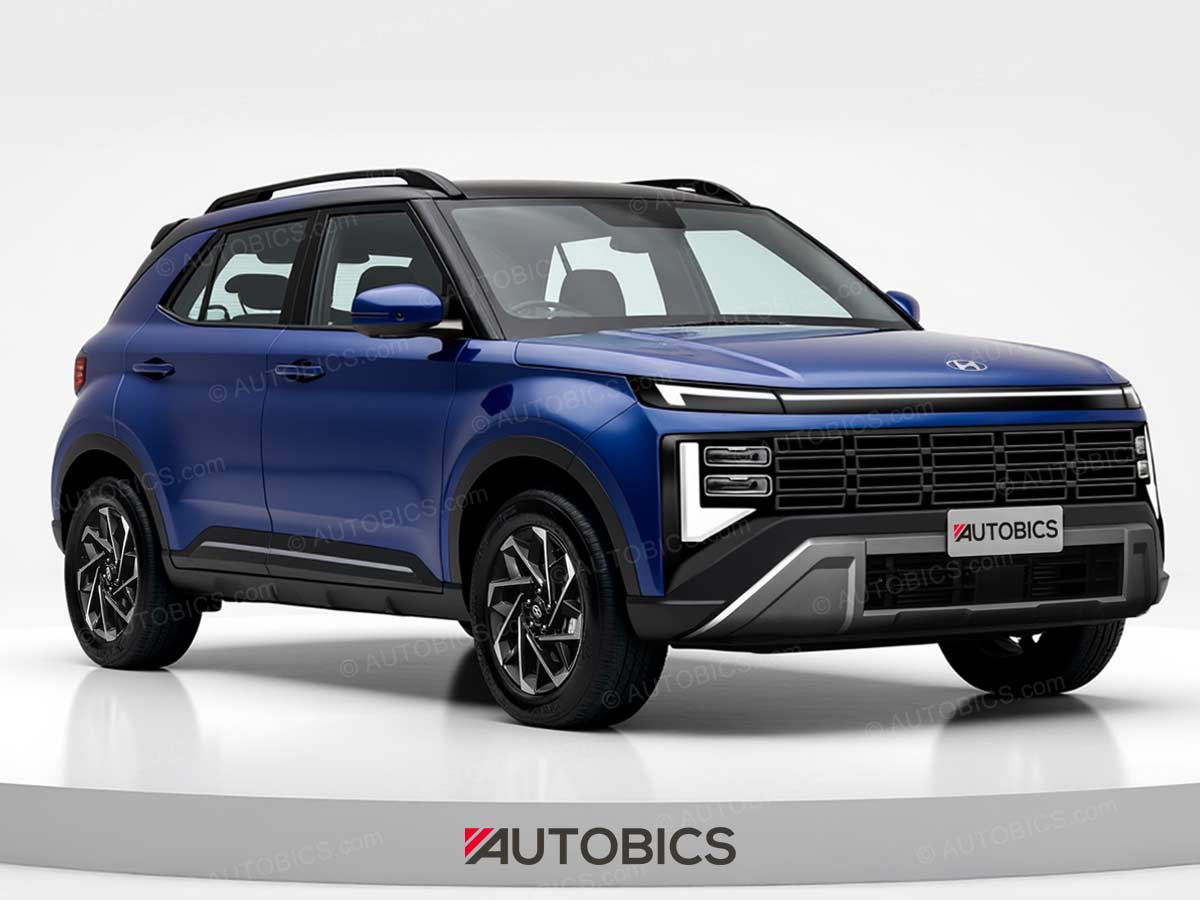
Hyundai has developed a more confident SUV identity for the new generation, drawing on its Art of Steel design philosophy. The emphasis is on defined surfaces, angular detailing and pronounced body volumes, creating an exterior that feels both sculptural and purposeful.
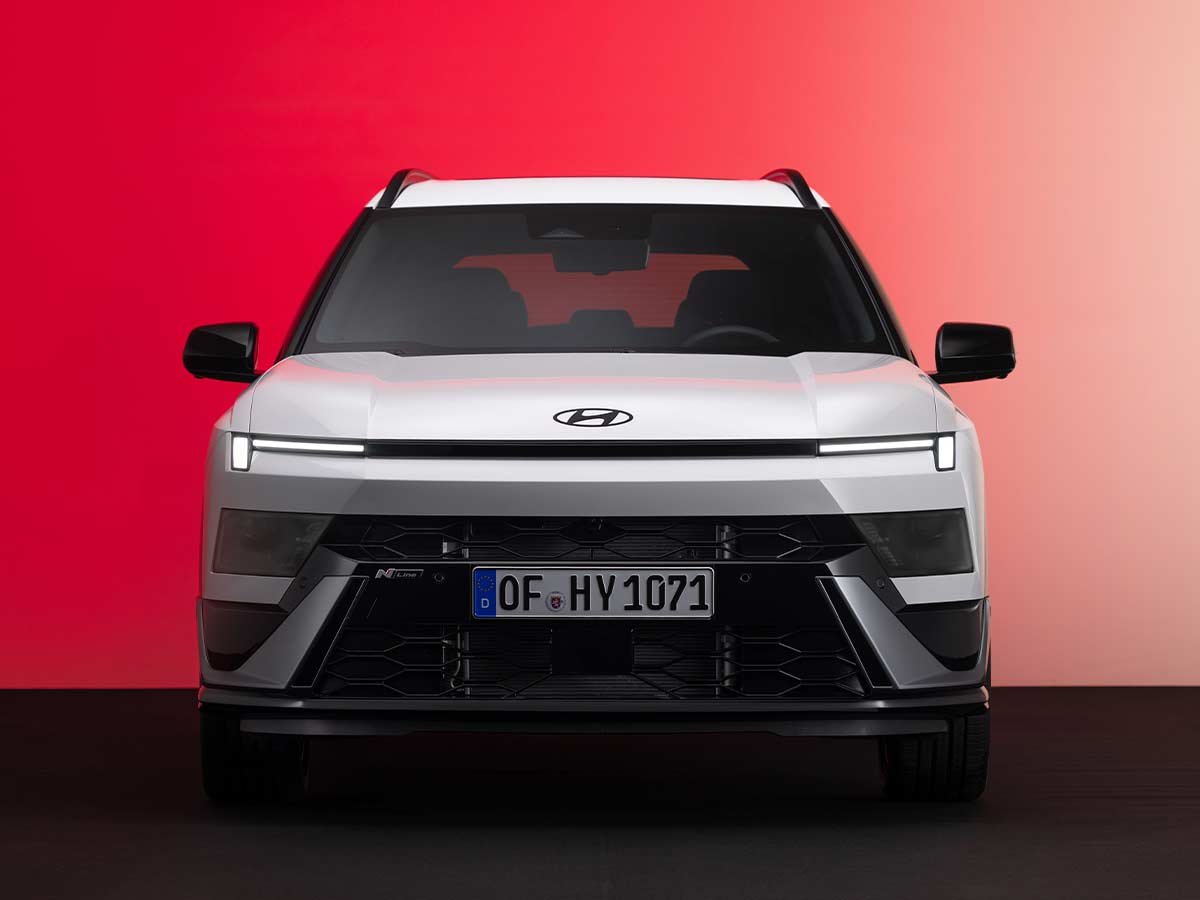
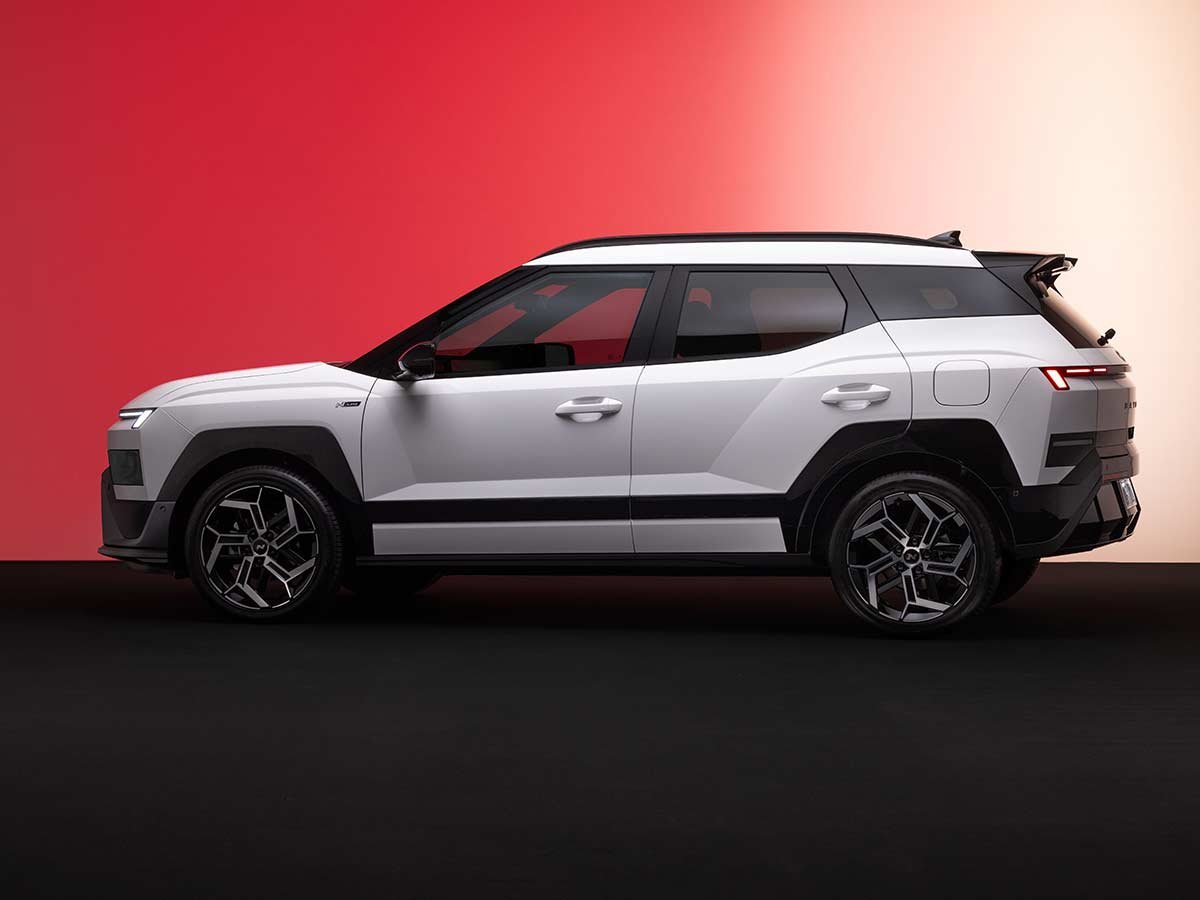
The proportions do much of the talking. An upright stance, increased ground clearance and pronounced wheel arches establish the BAYON’s SUV credentials, while the sculpted bonnet and full-width horizontal lighting signature give the front end a distinctive architectural quality.
But it is the N Line treatment that brings an additional layer of personality.
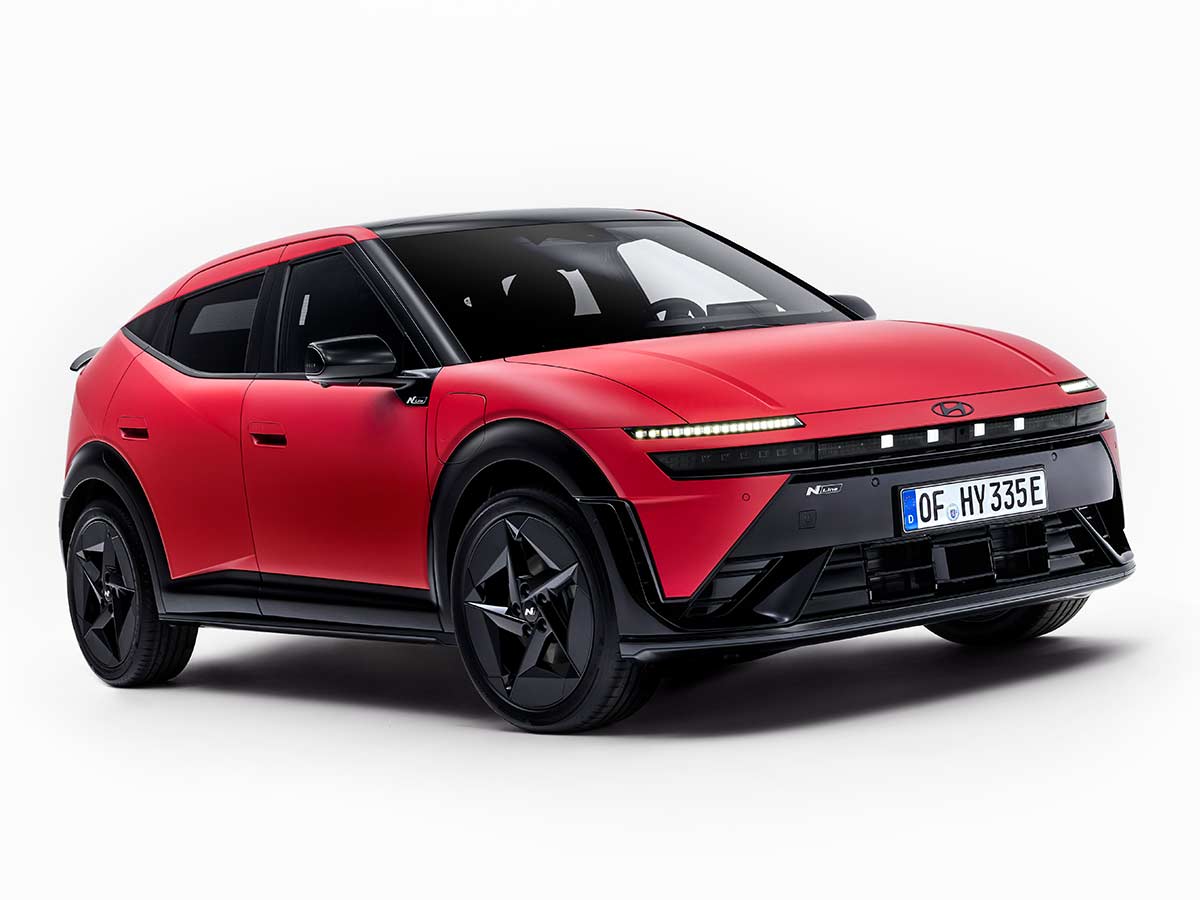
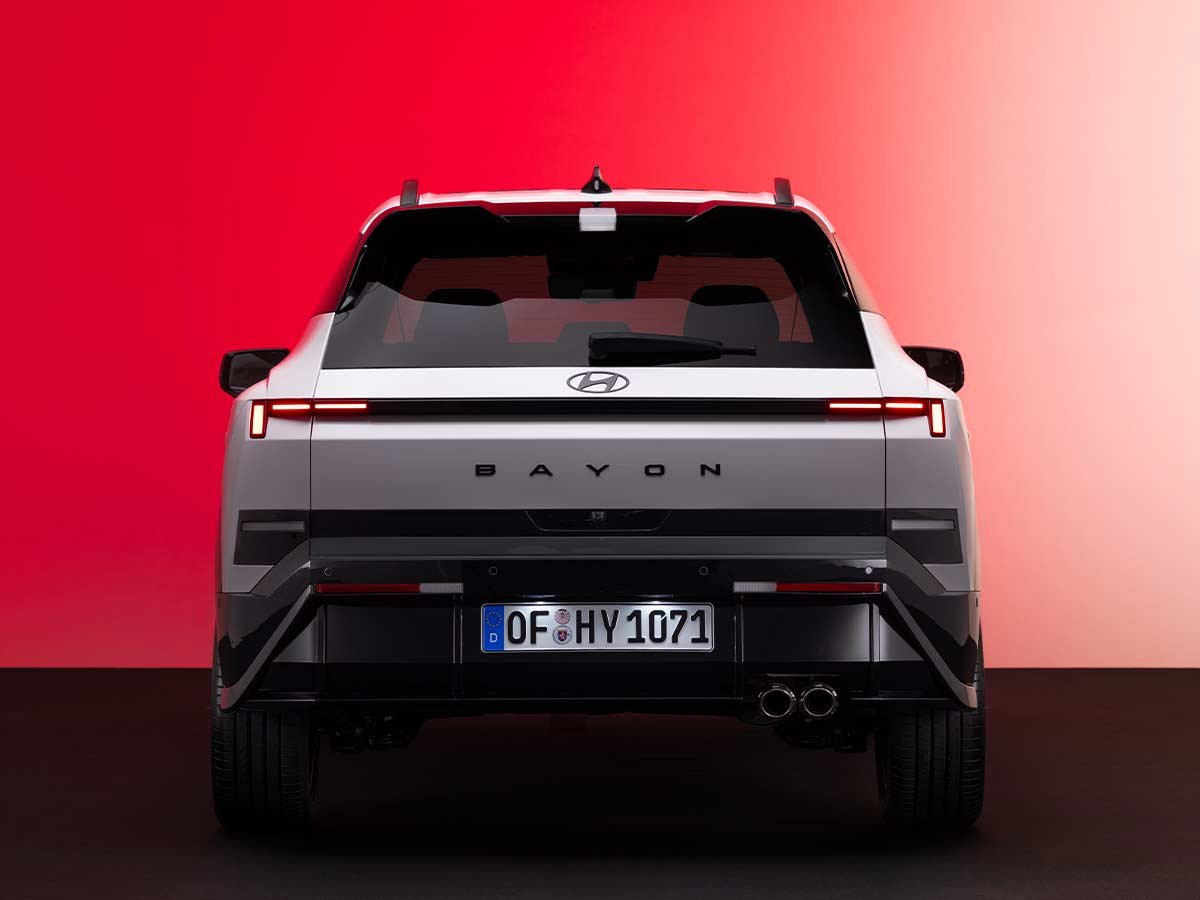
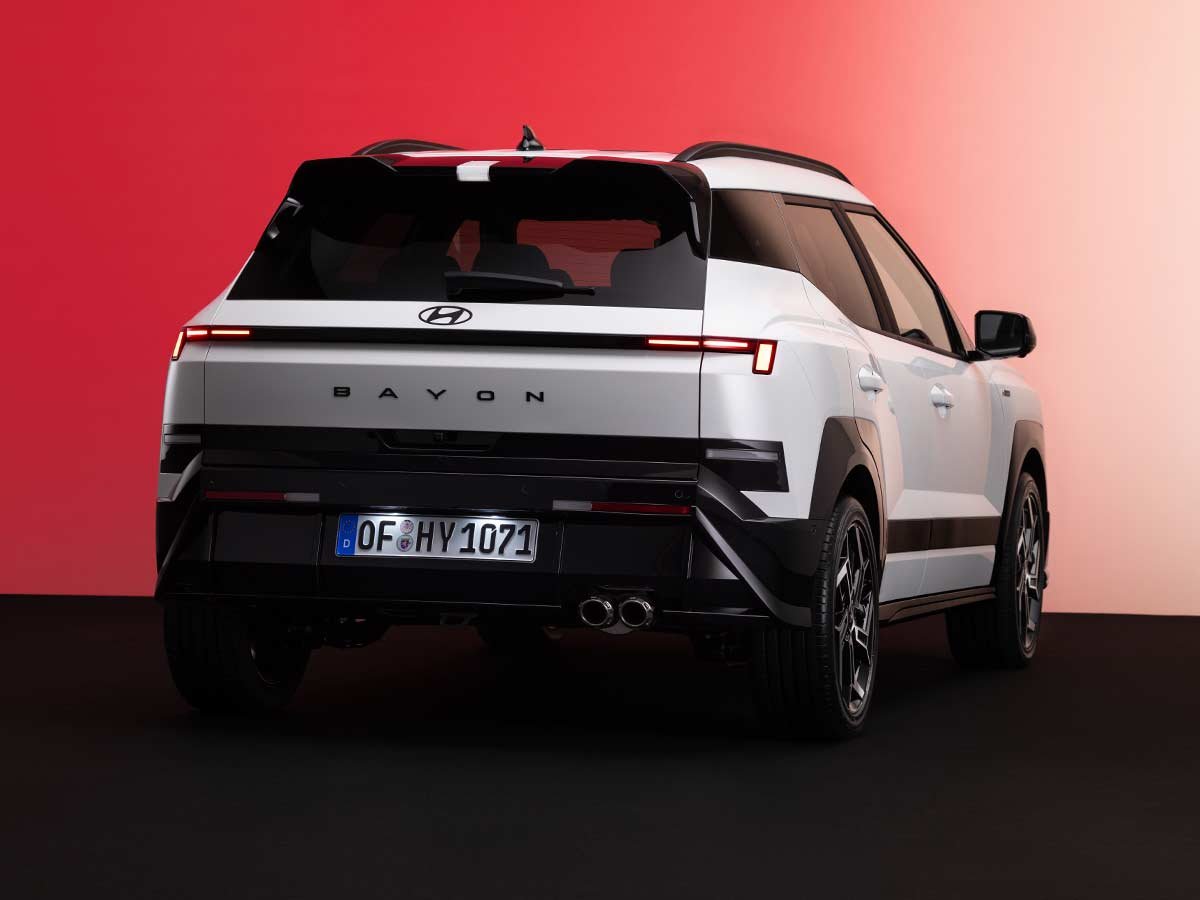
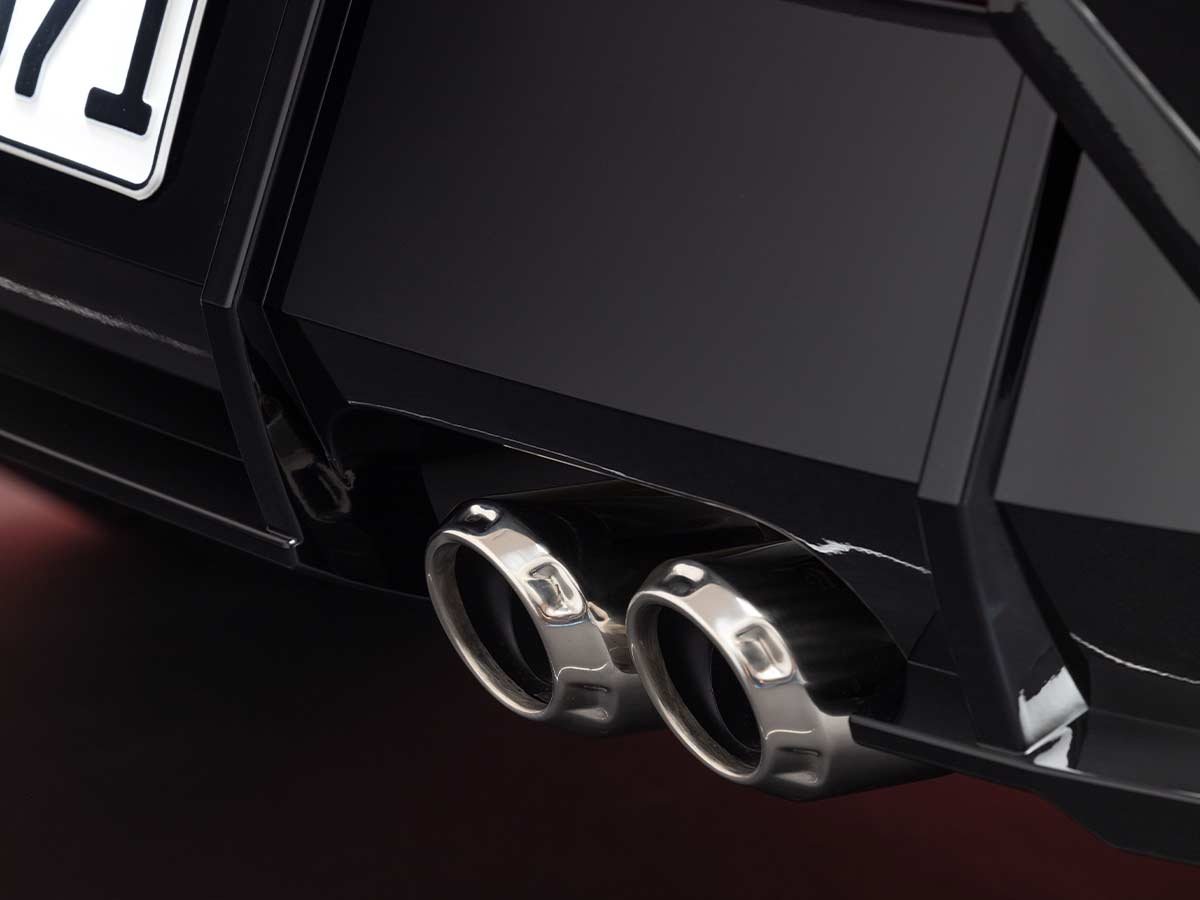
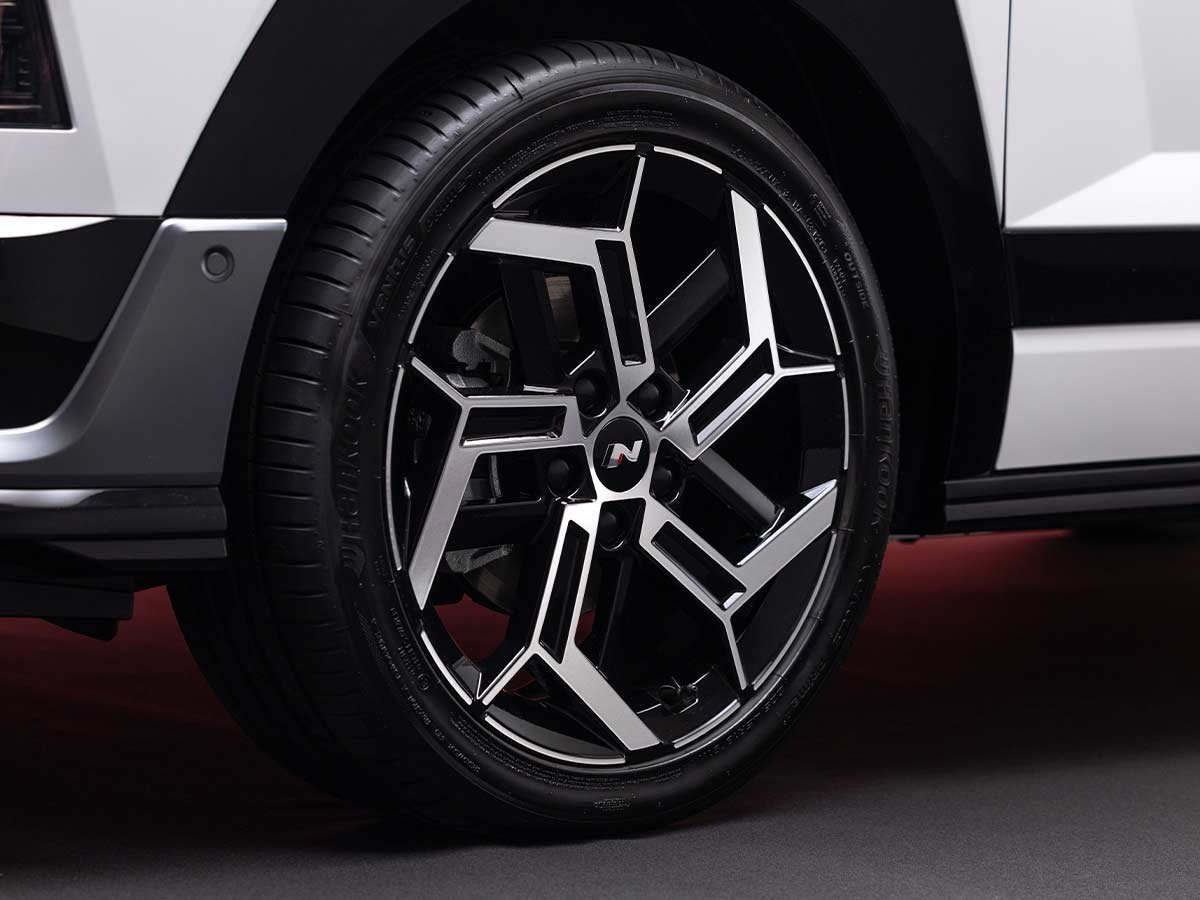
Dedicated technical mesh detailing, specially designed lower-bumper winglets and high-gloss black cladding create a more performance-inspired appearance. The 18-inch N Line-specific alloy wheels give the compact SUV a stronger visual foundation, while the rear diffuser, complete with integrated twin exhaust outlets, adds a purposeful finishing touch.
There is an interesting balance at work here. The BAYON N Line looks athletic, but not unnecessarily aggressive. Its sporting character comes through the precision of its detailing rather than an overwhelming collection of visual embellishments.
From the side, contrasting cladding and pronounced fenders reinforce the SUV stance, while black A- and D-pillars create a more cohesive silhouette. A contrasting black roof, available on the model, adds another dimension to its appearance.
The rear design continues the same visual language, with lighting elements echoing the front signature and an angular skid plate creating a wider, more planted impression.
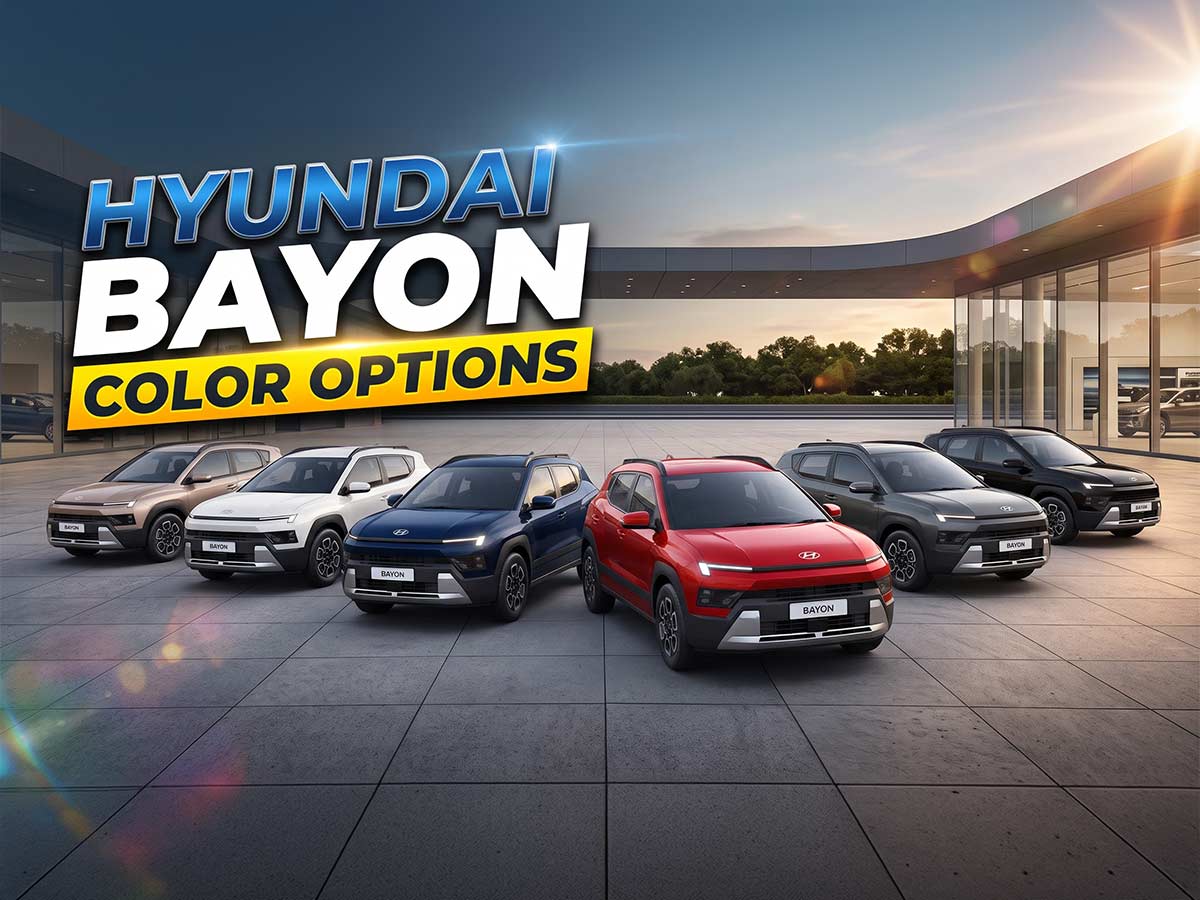
For those who appreciate individuality, the colour palette offers another opportunity for expression. Particularly noteworthy are the matte finishes, including Vibrant Blue Matte, Ice Blue Matte and Fierce Red Matte. Their availability is a distinctive proposition in a segment where matte exterior finishes remain unusual.
The result is an SUV that manages to look contemporary and sporty without losing the visual substance expected of its category.
Inside the BAYON N Line: A more personal interpretation of sportiness
The sporting character of the Hyundai BAYON N Line does not end with its exterior.
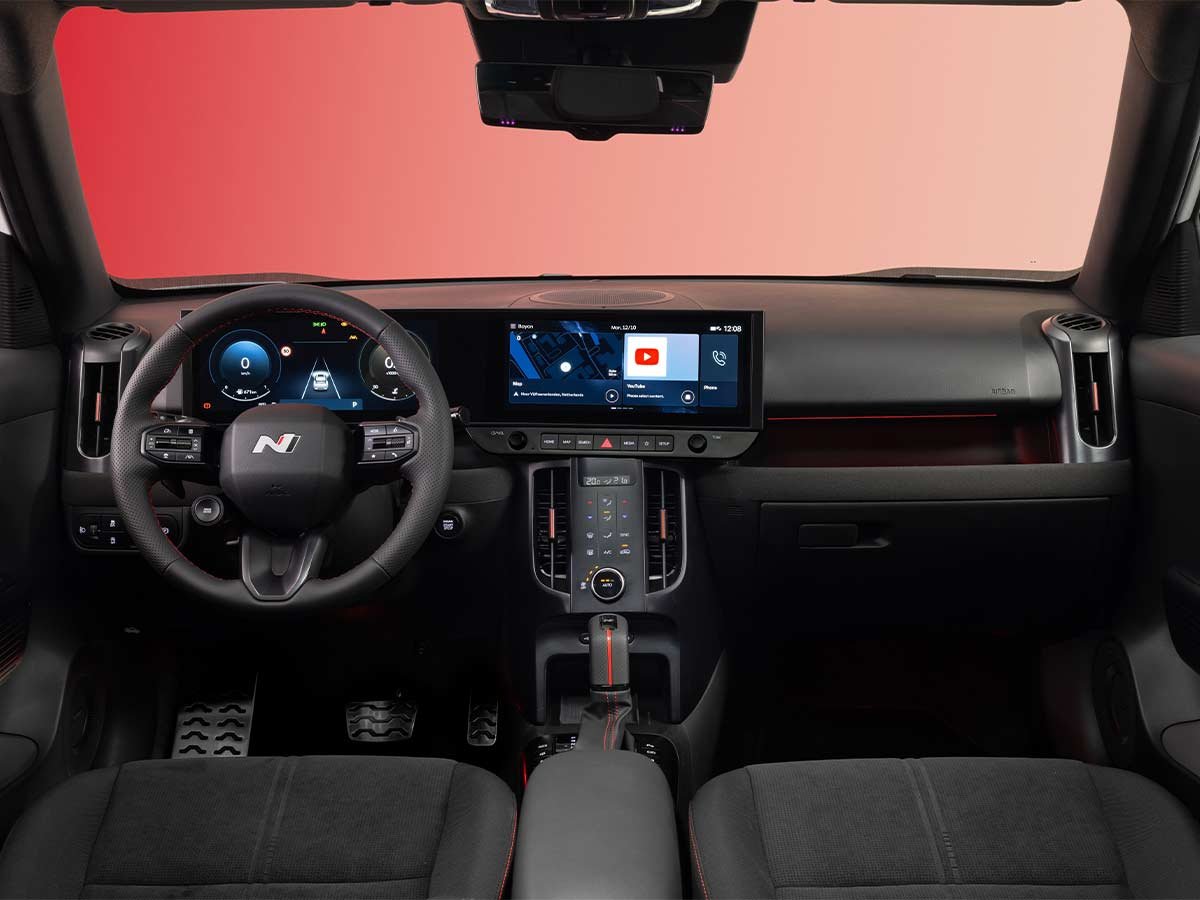
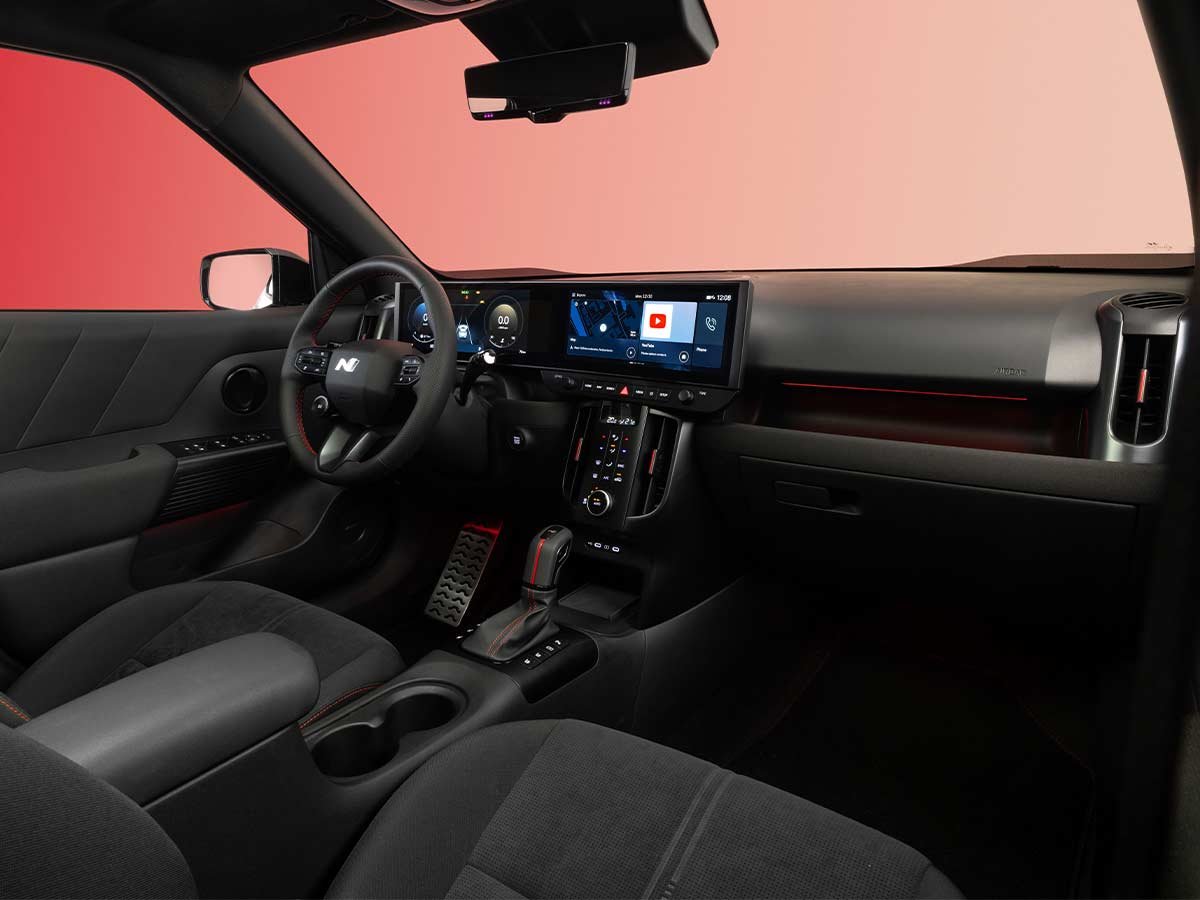
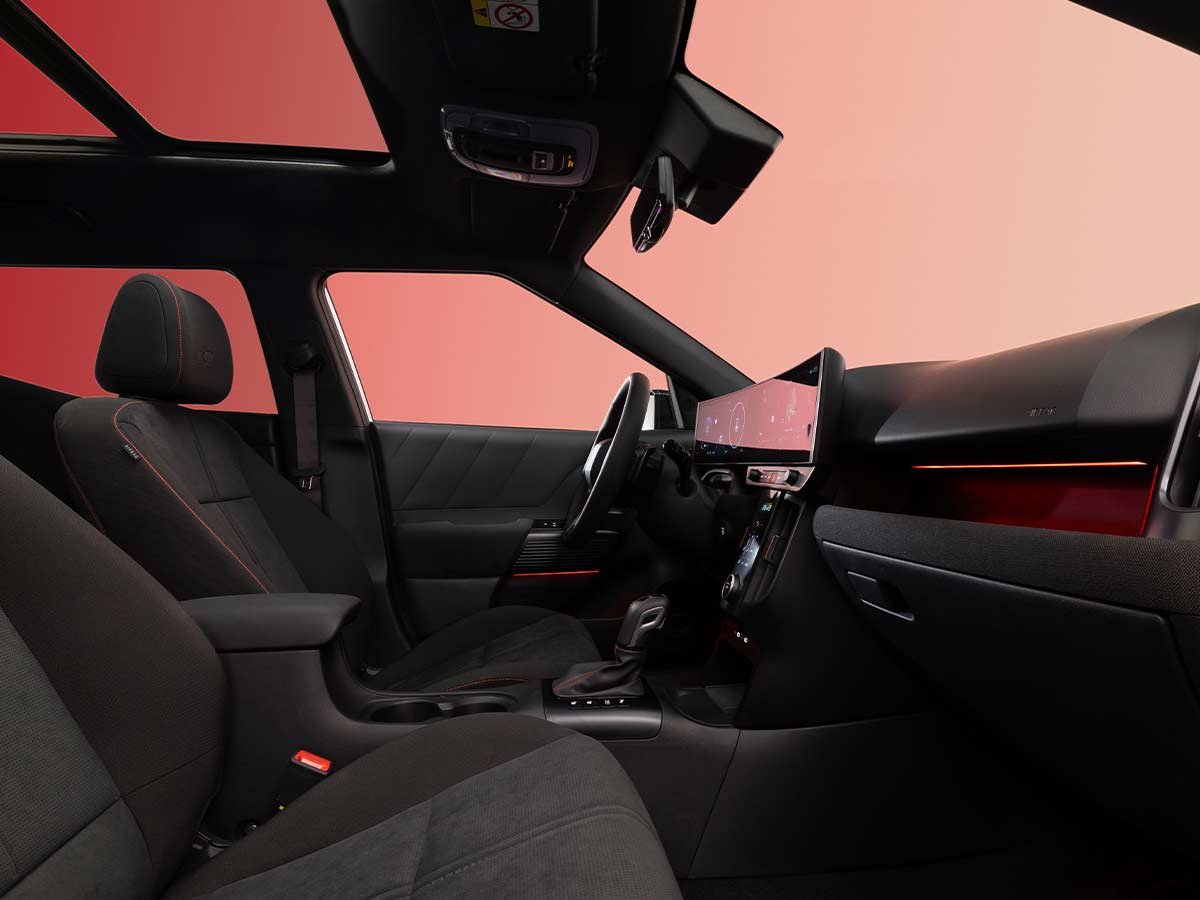
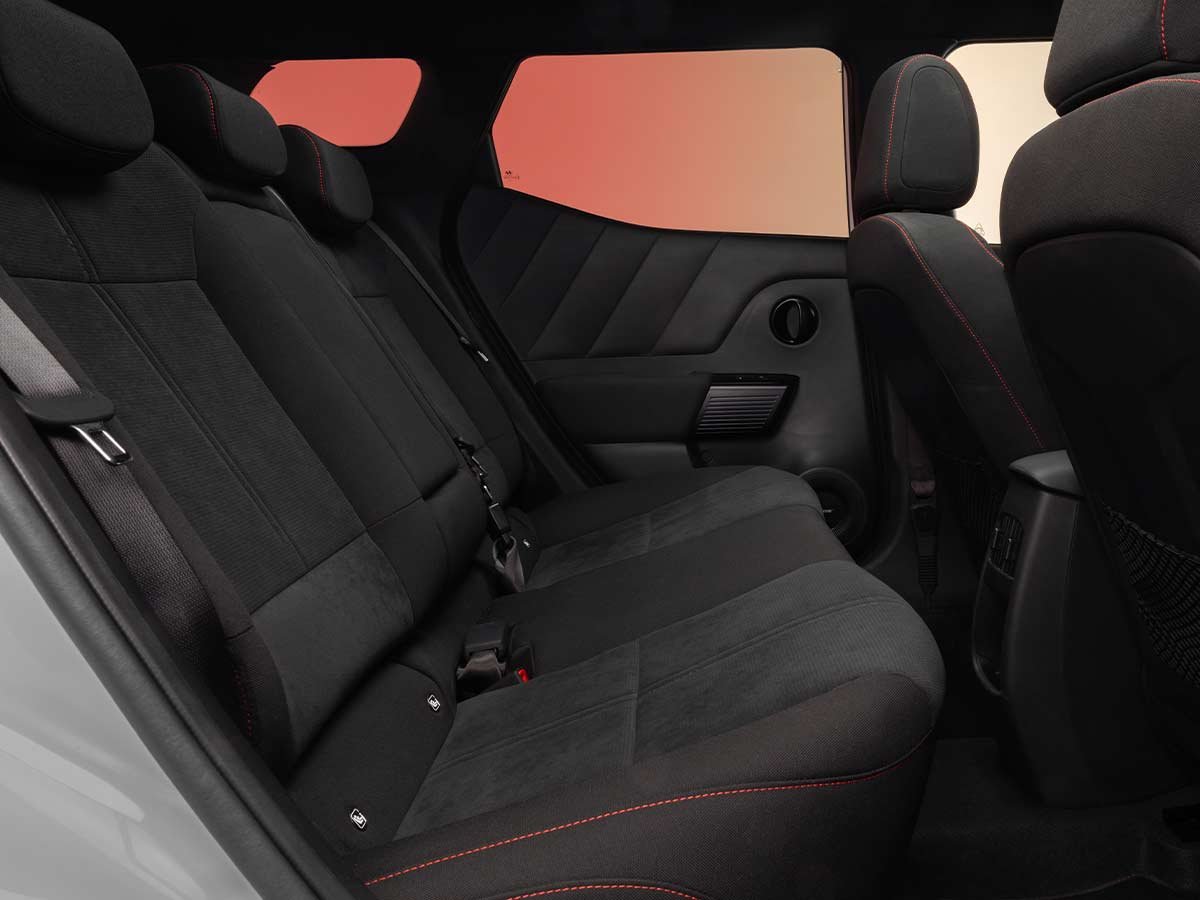
Step inside, and the cabin introduces a more driver-focused atmosphere, with N Line-specific cloth and textile suede seats providing a distinctive visual and tactile identity. The upholstery reinforces the model’s sporting intentions while maintaining the comfort expected of a vehicle intended for everyday use.
The wider BAYON interior has been designed around an increasingly important principle in modern automotive design: technology should feel integrated rather than imposed.
Depending on specification, the dashboard incorporates two 12.3-inch displays, bringing the digital instrument cluster and infotainment system together in a curved panoramic arrangement. The result is a clean, contemporary interface that places essential driving information and entertainment within easy reach.
The cabin’s appeal also extends beyond its screens. Soft-touch materials, dual ambient lighting and carefully considered ergonomics create an environment that feels more sophisticated than the vehicle’s compact dimensions might suggest.
An available openable panoramic sunroof adds another dimension, bringing natural light into the cabin and enhancing the sense of space. It is a feature that changes the atmosphere of the interior, particularly on longer journeys.
The BAYON N Line makes a convincing case for a more expressive compact SUV experience, without confusing sporting design with compromised comfort.
Technology that moves with you
The modern driving experience extends well beyond the steering wheel, and the all-new Hyundai BAYON has been equipped with a range of connectivity features designed to make everyday journeys more seamless.
Hyundai Digital Key 2 is among the most interesting additions. Compatible smartphones and smartwatches can be used to unlock and start the vehicle, offering an alternative to carrying a conventional key.
Wireless Apple CarPlay and Android Auto provide straightforward smartphone integration, while wireless charging and USB-C connections help keep devices powered throughout the journey.
For those who appreciate a more immersive entertainment experience, the available eight-speaker Bose Premium Sound System brings premium audio into the compact SUV environment.
An optional Entertainment Package also allows access to streaming services, including YouTube, directly through the infotainment display.
These are features that increasingly define how people interact with their vehicles. The car is no longer simply a place to travel between destinations. It is an extension of the digital environment people inhabit throughout the day.
Hyundai appears to understand this shift, giving the BAYON N Line a connected experience that feels relevant to contemporary lifestyles.
Beyond the sporting seats: Comfort for everyone
One of the more impressive aspects of the all-new BAYON is the attention given to passenger comfort, particularly in the second row.
Compact SUVs are often expected to make compromises when it comes to rear-seat accommodation. Hyundai has taken a different approach, using a 2,600 mm wheelbase to create more usable cabin space and improve passenger comfort.
Rear occupants benefit from increased legroom, reclining seatbacks and a centre armrest with integrated cupholders. Depending on specification, heated rear seats and dedicated rear air ducts are also available.
At the front, heated and ventilated seats provide comfort across changing weather conditions, while driver lumbar support and height adjustment for both front seats allow for a more personalised driving position.
Dual-zone automatic climate control further enhances the experience, allowing front occupants to tailor the cabin temperature to their preferences.
It is a thoughtful combination of features, particularly when considered in the context of a compact SUV. The intention is clear: the BAYON should feel equally welcoming whether one is driving alone through the city or travelling with family over a longer distance.
The openable panoramic sunroof completes this more premium cabin experience, adding light and a greater sense of openness.
Smart technology, with safety at its centre
Sporty styling may be what initially attracts attention to the BAYON N Line, but its technology extends into areas that matter considerably more over the long term.
The Hyundai SmartSense driver assistance package brings together an extensive range of available systems designed to support the driver across different environments.
Highway Driving Assist 2, Smart Cruise Control and Lane Following Assist 2 are intended to provide additional support during motorway travel.
In urban environments, the Surround View Monitor offers a comprehensive view around the vehicle, while the Blind-Spot View Monitor helps improve visibility when changing lanes.
Other available technologies include Forward Collision-Avoidance Assist 2, Blind-Spot Collision-Avoidance Assist, Rear Cross-Traffic Collision-Avoidance Assist and Parking Collision-Avoidance Assist-Reverse.
Together, these systems provide an additional layer of awareness and assistance, helping make the BAYON a more reassuring companion in the varied conditions of everyday driving.
The emphasis is not simply on adding technology for the sake of a longer equipment list. It is about making advanced assistance systems accessible within a compact SUV.
Compact outside. Considered within.
The BAYON N Line’s sporting personality is supported by a practical foundation.
At 4,245 mm long and 1,810 mm wide, the all-new BAYON maintains dimensions suited to urban environments. Its compact footprint is complemented by a longer wheelbase, which helps maximise passenger accommodation.
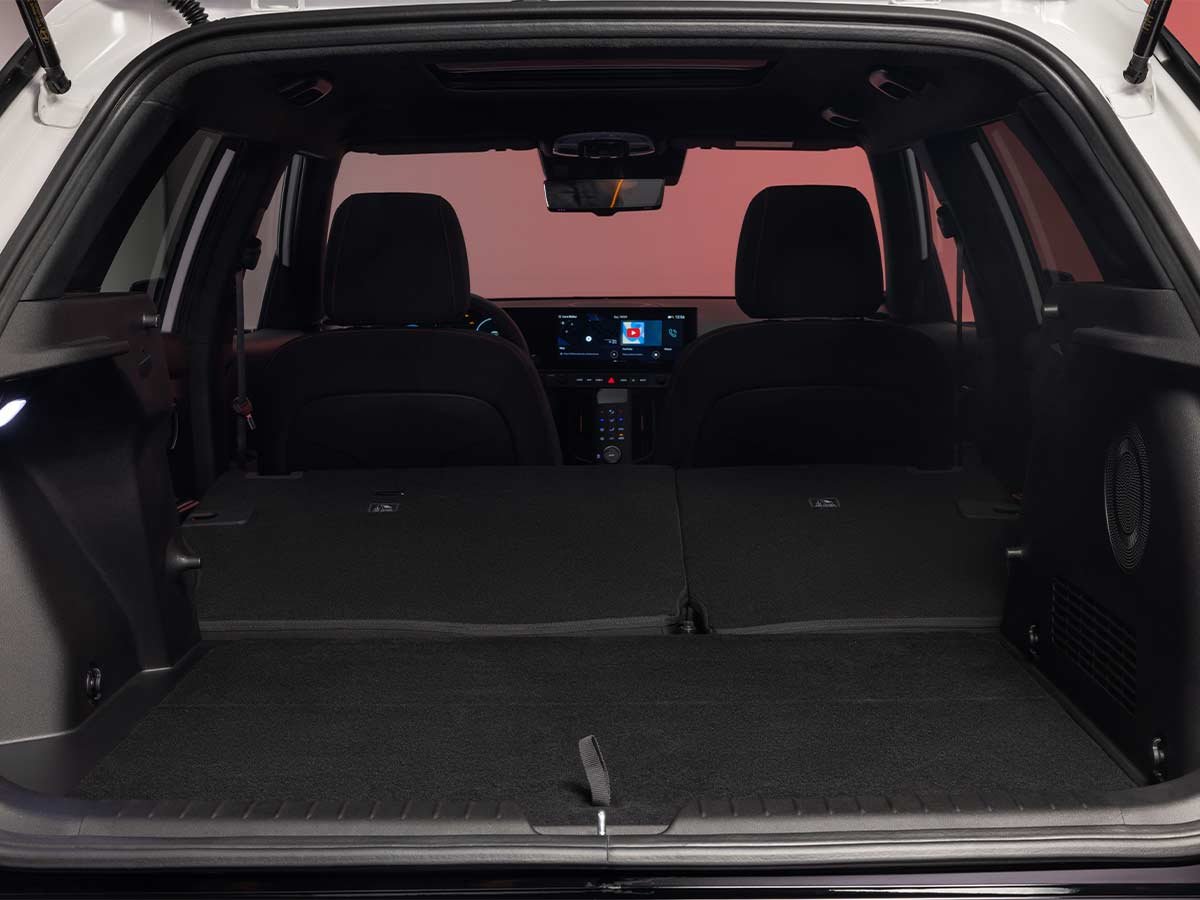
Internal-combustion versions are projected to offer 440 litres of luggage capacity, supported by additional storage beneath the luggage-compartment floor and a stowable luggage cover.
It is the sort of versatility that becomes increasingly valuable with use. A weekday commute, a weekend away, a family outing or the everyday demands of city life all call for a vehicle that can adapt without feeling cumbersome.
The BAYON’s proportions are therefore not simply a matter of design preference. They are central to its purpose.
Performance today, electrification tomorrow
The all-new Hyundai BAYON range will initially feature two versions of the 1.0-litre T-GDI petrol engine, producing 90 PS and 115 PS respectively.
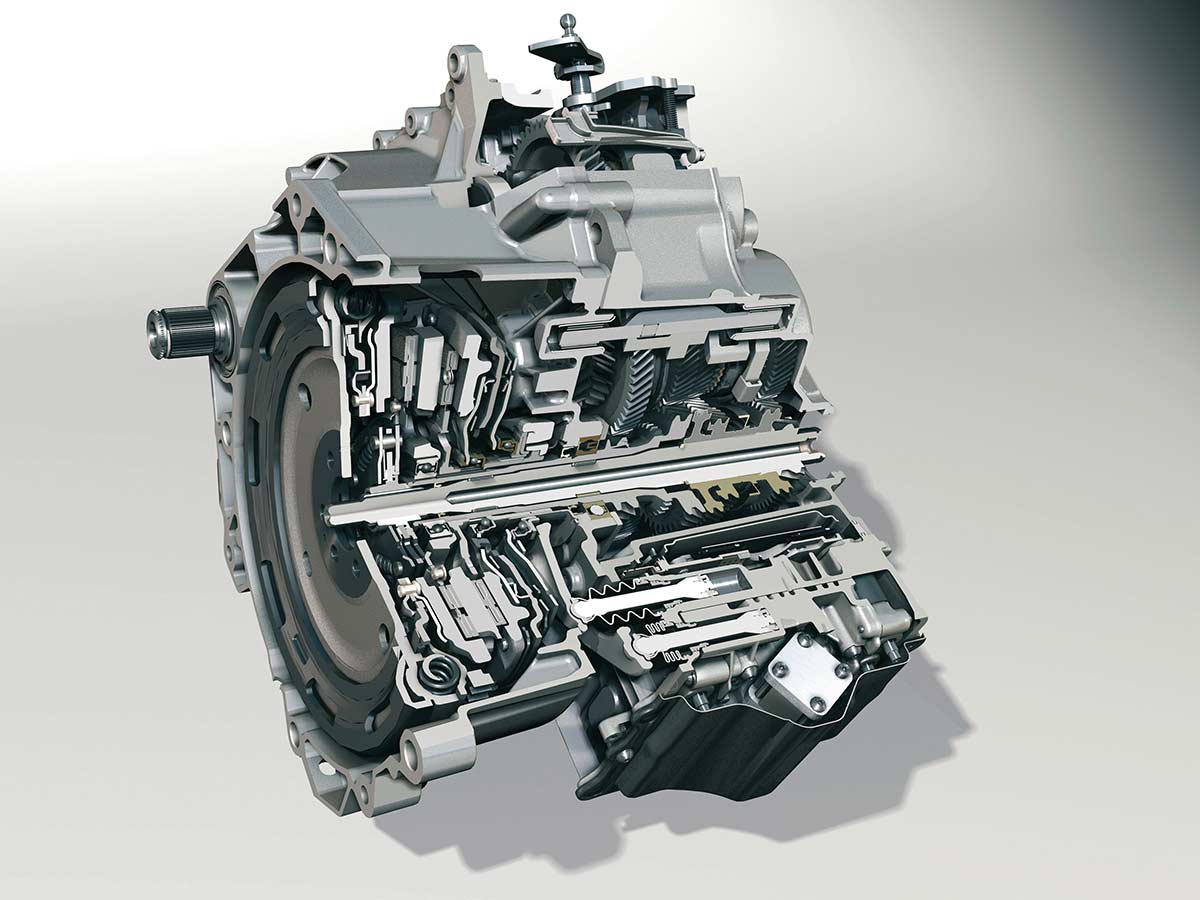
Depending on the configuration and market, these engines will be available with a six-speed manual or seven-speed dual-clutch transmission. Power is delivered to the front wheels.
However, the next chapter of the BAYON’s powertrain story is perhaps its most significant.
A new hybrid powertrain is planned to join the line-up in 2027, combining a 1.6-litre GDI petrol engine with an electric motor and a six-speed dual-clutch transmission. The system is expected to produce a combined output of 138 PS.
Beyond the additional power, the hybrid configuration will introduce adaptive regenerative braking, allowing energy recuperation to respond to driving conditions. Steering-wheel paddle shifters will give drivers the ability to select their preferred level of regeneration.
With projected WLTP combined CO₂ emissions of 102 to 113 g/km, the hybrid will broaden the BAYON’s appeal to customers looking for an electrified alternative within the compact SUV category. Final figures remain subject to homologation.
It is a development that adds another dimension to the model’s appeal, bringing together sporting design, everyday usability and a more electrified approach to mobility.
The confidence to be different
The compact SUV category has become one of the most competitive spaces in the automotive industry. Standing out requires more than a distinctive grille or a larger touchscreen. It requires a product that understands the different expectations of modern drivers and responds to them in a meaningful way.
The all-new Hyundai BAYON N Line approaches this challenge through a combination of visual character, digital sophistication and passenger-focused comfort.
Its N Line identity gives it a sporting edge, but the real substance lies in the broader package. The carefully developed cabin, connected technology, advanced driver assistance systems and practical interior dimensions make it much more than an exercise in styling.
For European markets, production will take place at Hyundai Motor Türkiye’s manufacturing facility, reflecting the model’s importance within Hyundai’s regional portfolio.
Speaking about the new BAYON, Xavier Martinet, President and CEO of Hyundai Motor Europe, highlighted the company’s ambition to strengthen the model’s SUV character through bolder design, increased space, enhanced comfort and technologies traditionally associated with larger vehicles. The planned arrival of the hybrid powertrain in 2027 will further develop that proposition.
Ultimately, the BAYON N Line is an interesting expression of where the compact SUV is heading. It recognises that today’s drivers do not necessarily want to choose between a car that looks exciting and one that makes everyday life easier.
They want both.
And perhaps that is the most appealing quality of the new Hyundai BAYON N Line. It does not attempt to be a performance car disguised
Source: Hyundai