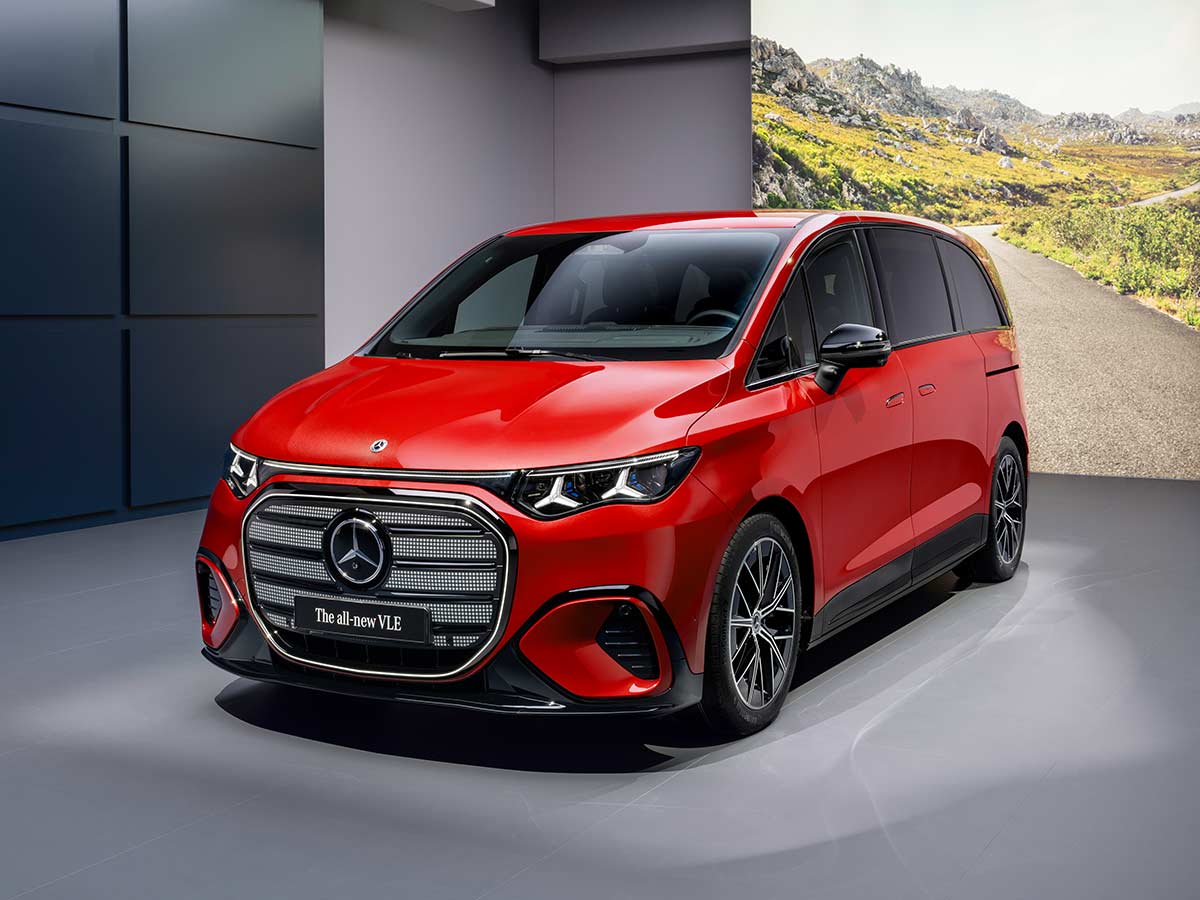







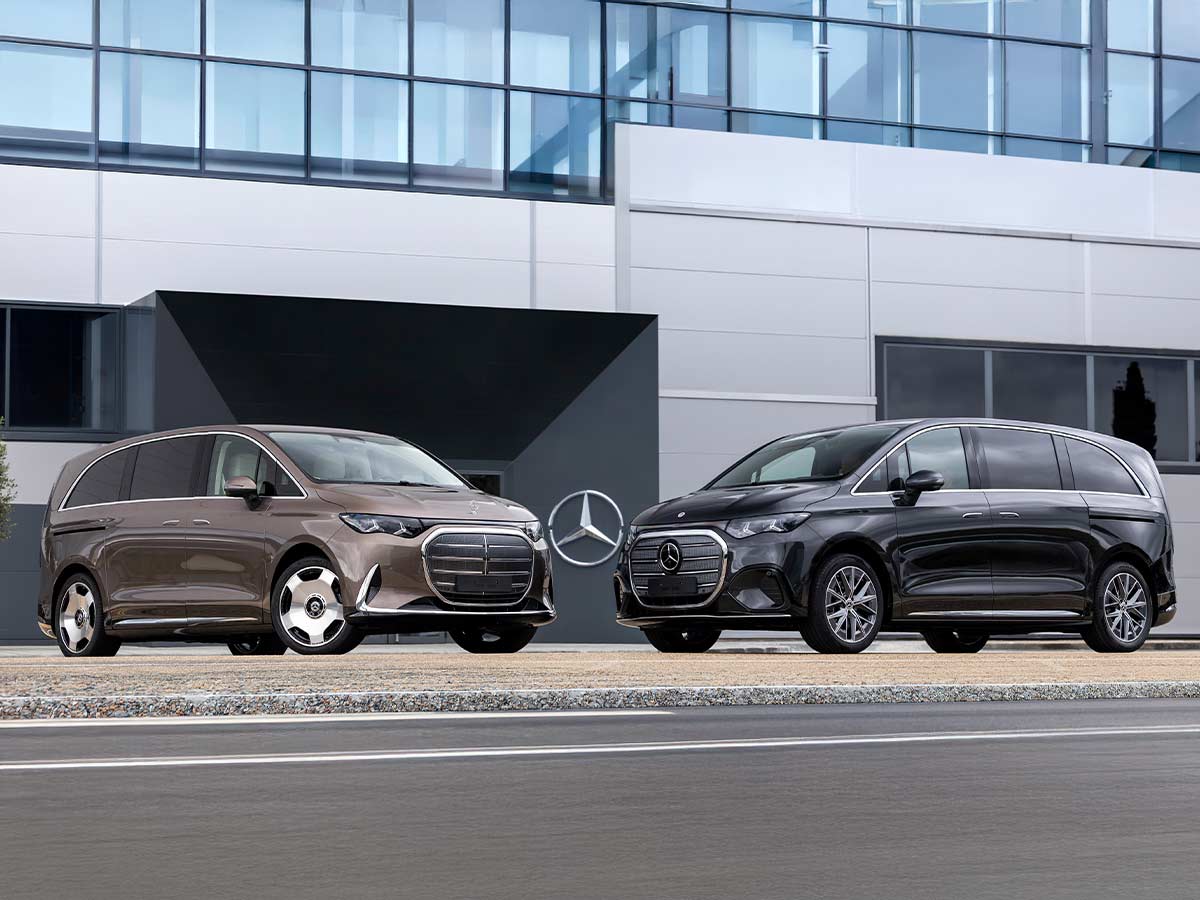
The all-new Mercedes-Benz VLE enters series production at the Vitoria plant, becoming the first model built on the brand’s next-generation Van Architecture and setting the stage for a major transformation in premium electric mobility.
For decades, luxury mobility has largely revolved around sedans and SUVs. But Mercedes-Benz believes the next chapter may look very different.
The German automaker has officially started series production of the all-new Mercedes-Benz VLE at its Vitoria manufacturing facility in northern Spain, marking a major milestone not only for Mercedes-Benz Vans but also for the company’s broader electrification strategy.
At first glance, the VLE might appear to be another premium people mover. In reality, it represents something much bigger. It is the first production vehicle built on Mercedes-Benz’s newly developed Van Architecture, a modular and scalable platform that will underpin the next generation of passenger and commercial vans across global markets.
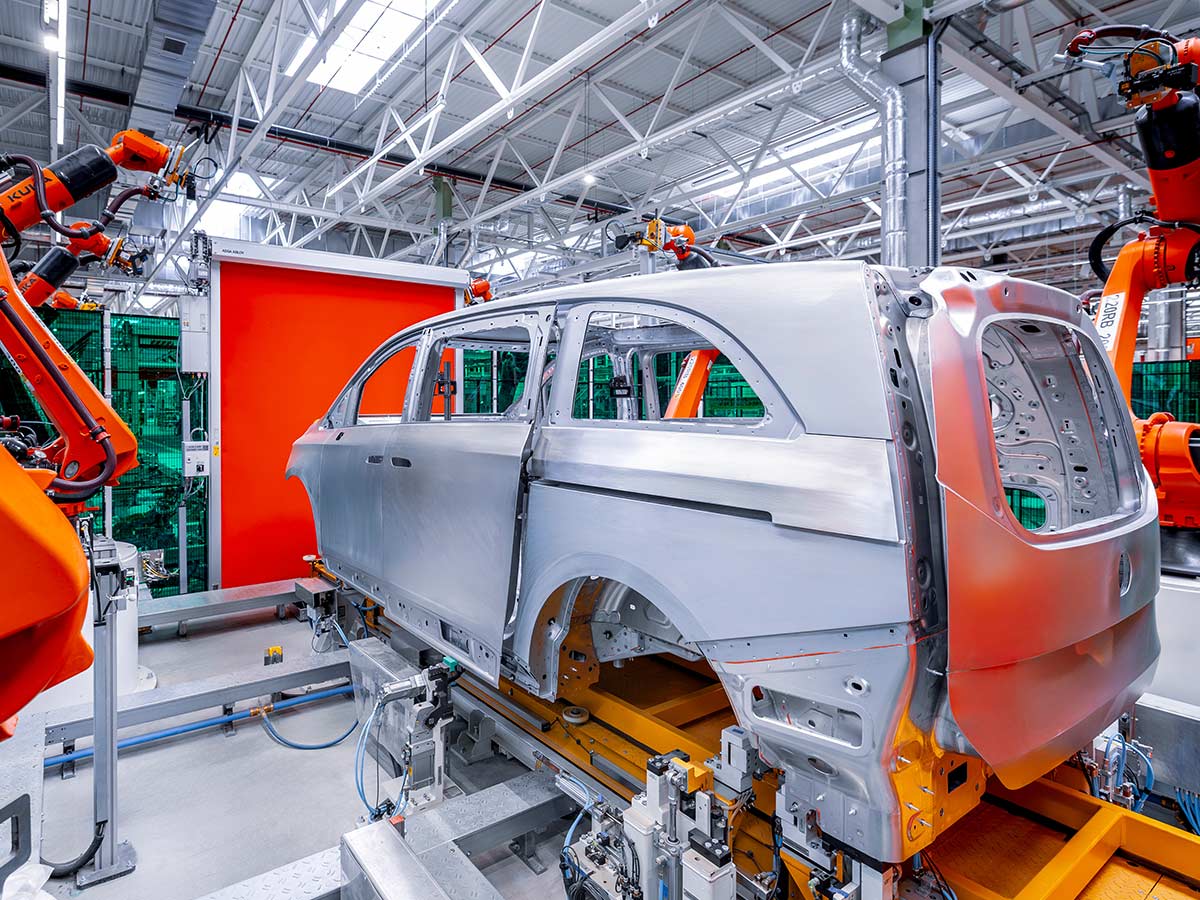
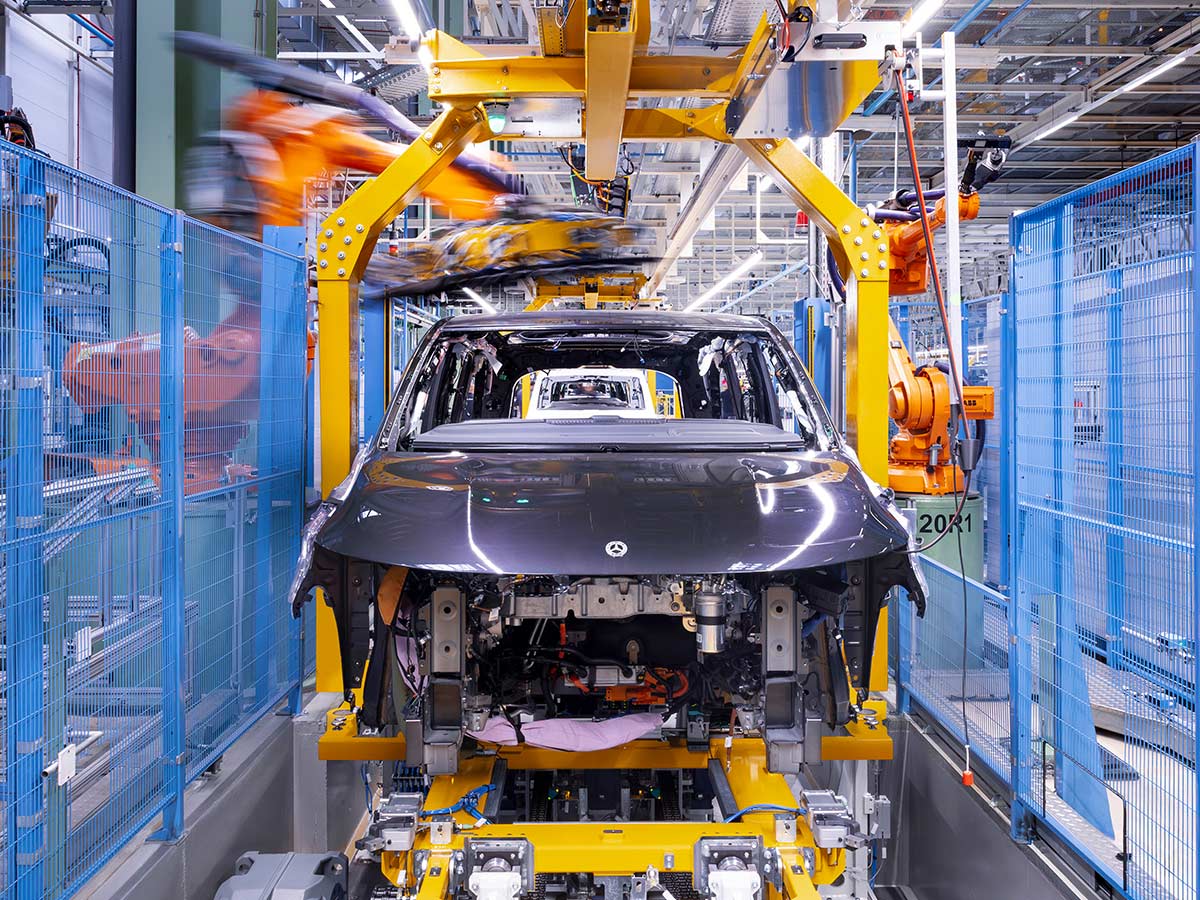
The start of production also crowns one of Mercedes-Benz’s most ambitious industrial transformation projects in Europe, turning the Vitoria facility into a highly digitalised, flexible and future-focused manufacturing hub designed for the electric era.
>>> Great Discounts on Car & Bike Accessories <<<
From World Premiere to Production Line
The Mercedes-Benz VLE made its global debut in March 2026, introducing what the company describes as a new category of vehicle: the Grand Limousine.
The concept behind the VLE is straightforward but ambitious. Mercedes-Benz aims to combine the ride comfort and refinement traditionally associated with luxury limousines with the practicality, versatility and spaciousness of a modern MPV.
The result is a premium electric vehicle capable of accommodating up to eight occupants while delivering long-distance usability that many EV buyers continue to prioritise.
According to Mercedes-Benz, the VLE offers a driving range of more than 700 kilometres on the WLTP cycle. Supporting that figure is a new 800-volt electrical architecture, enabling faster charging speeds, improved energy efficiency and better long-distance travel capability.
In an automotive landscape increasingly crowded with electric SUVs, the VLE takes a different approach. Rather than chasing rugged styling or off-road credentials, it focuses on space, comfort, flexibility and premium transportation.
That positioning could prove particularly attractive for large families, luxury shuttle operators, hospitality fleets, chauffeur services and business customers seeking a high-end electric people mover.
Why the Mercedes-Benz VLE Matters
The significance of the VLE extends far beyond a single product launch.
It serves as the first real-world application of Mercedes-Benz’s next-generation Van Architecture, a platform specifically designed to support a wide range of vehicle configurations and powertrains.
The modular architecture has been developed to form the technological foundation for the future Mercedes-Benz Vans portfolio, spanning both private and commercial segments.
In practical terms, that means future electric passenger vans, premium family vehicles, commercial transport solutions and executive mobility products will all benefit from the same flexible engineering foundation.
For Mercedes-Benz, the VLE is not simply a new electric van. It is the opening chapter of an entirely new vehicle ecosystem.
Vitoria Becomes the First Global Production Site for the VLE
The start of series production carries significant industrial importance because the Vitoria plant becomes the first Mercedes-Benz facility anywhere in the world to manufacture the VLE in volume production.
The Spanish facility now plays a central role within Mercedes-Benz’s global van manufacturing network.
While Vitoria will lead production initially, the company’s Fuzhou plant in China is scheduled to begin manufacturing VLE-based vehicles later in 2026, serving the Chinese market specifically.
That rollout strategy highlights the global ambitions Mercedes-Benz has for the new architecture and the vehicles built upon it.
A Massive Transformation Behind the Scenes
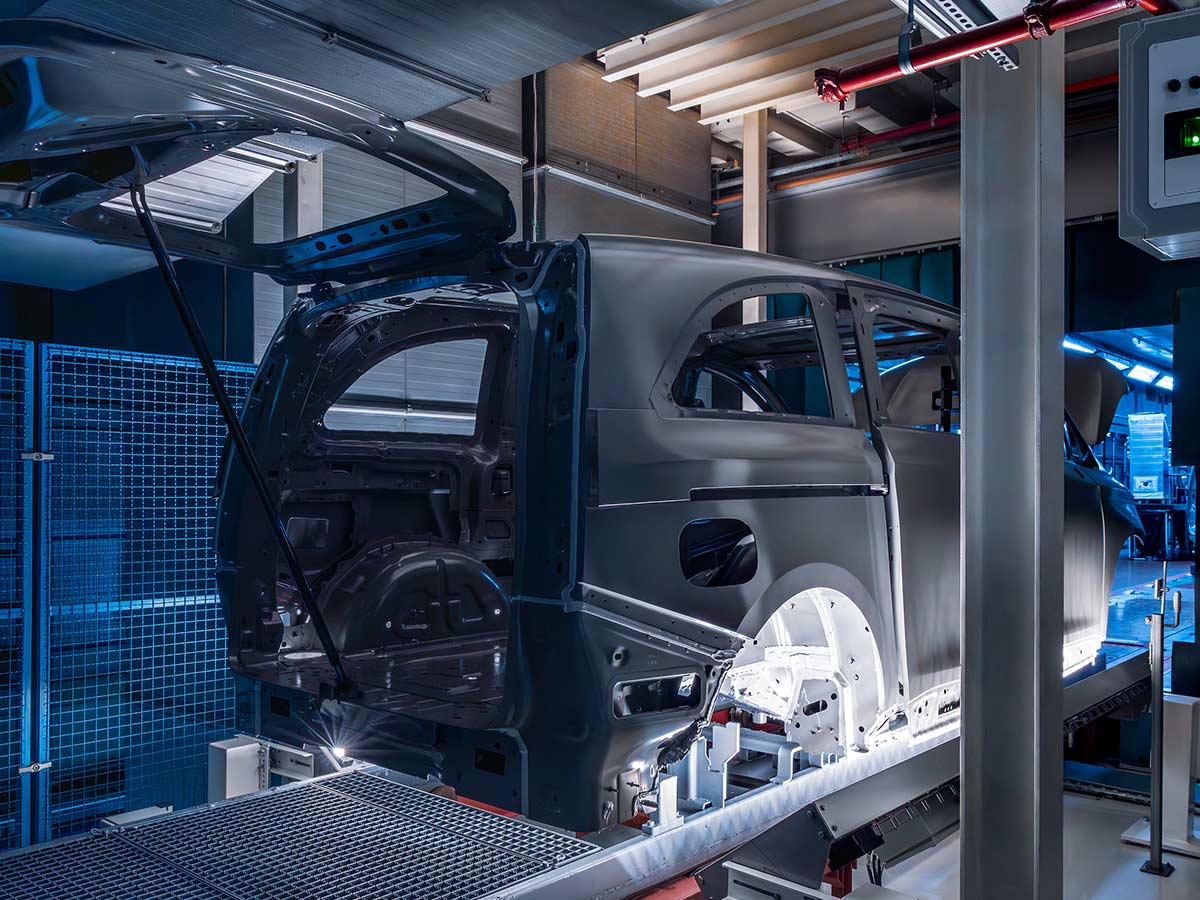
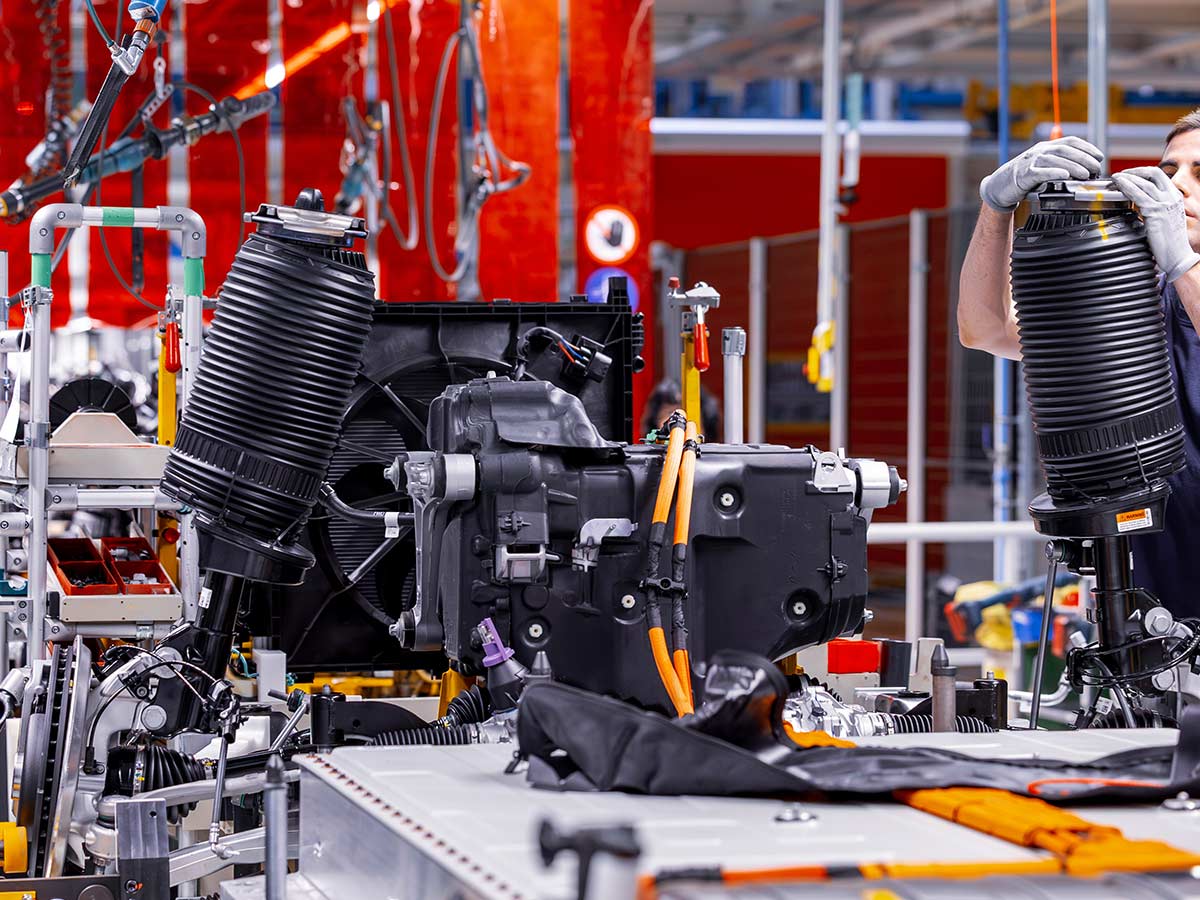
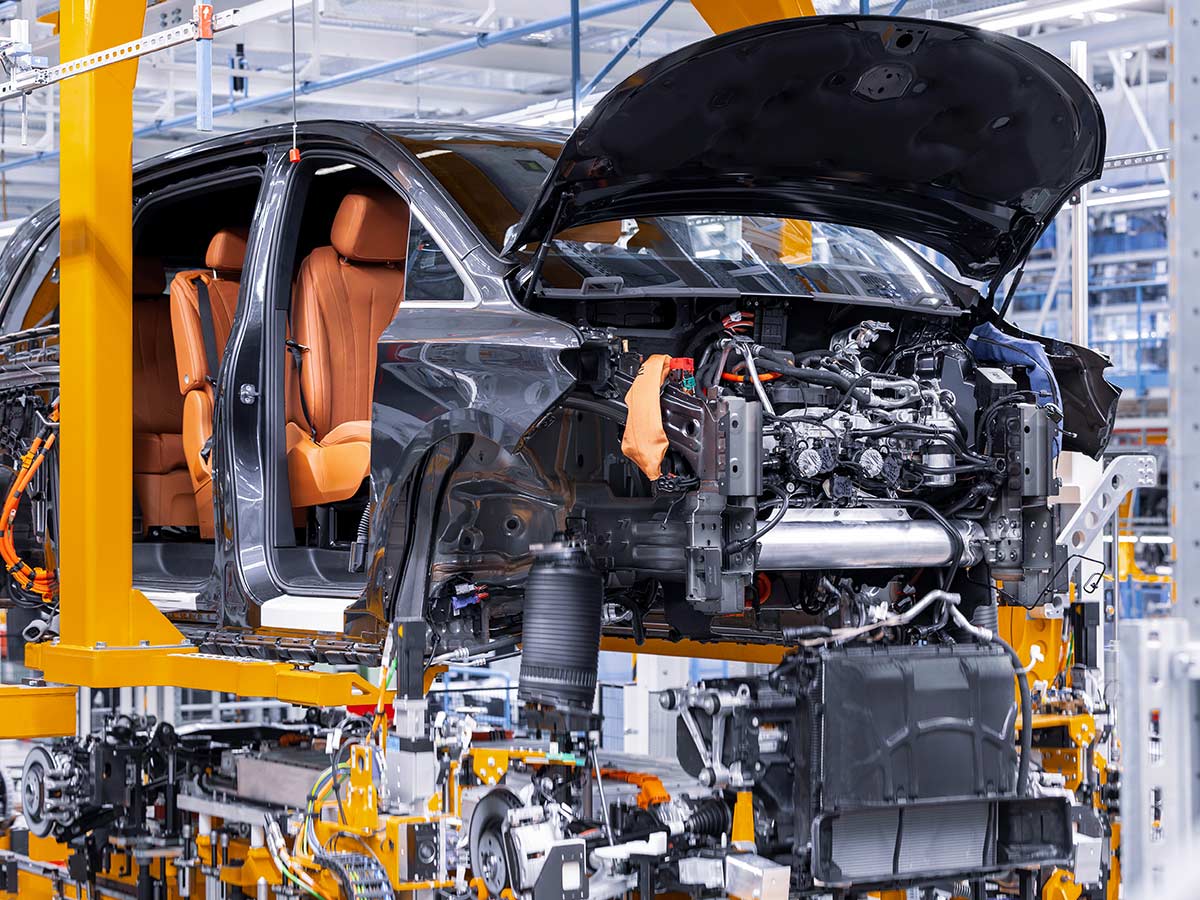
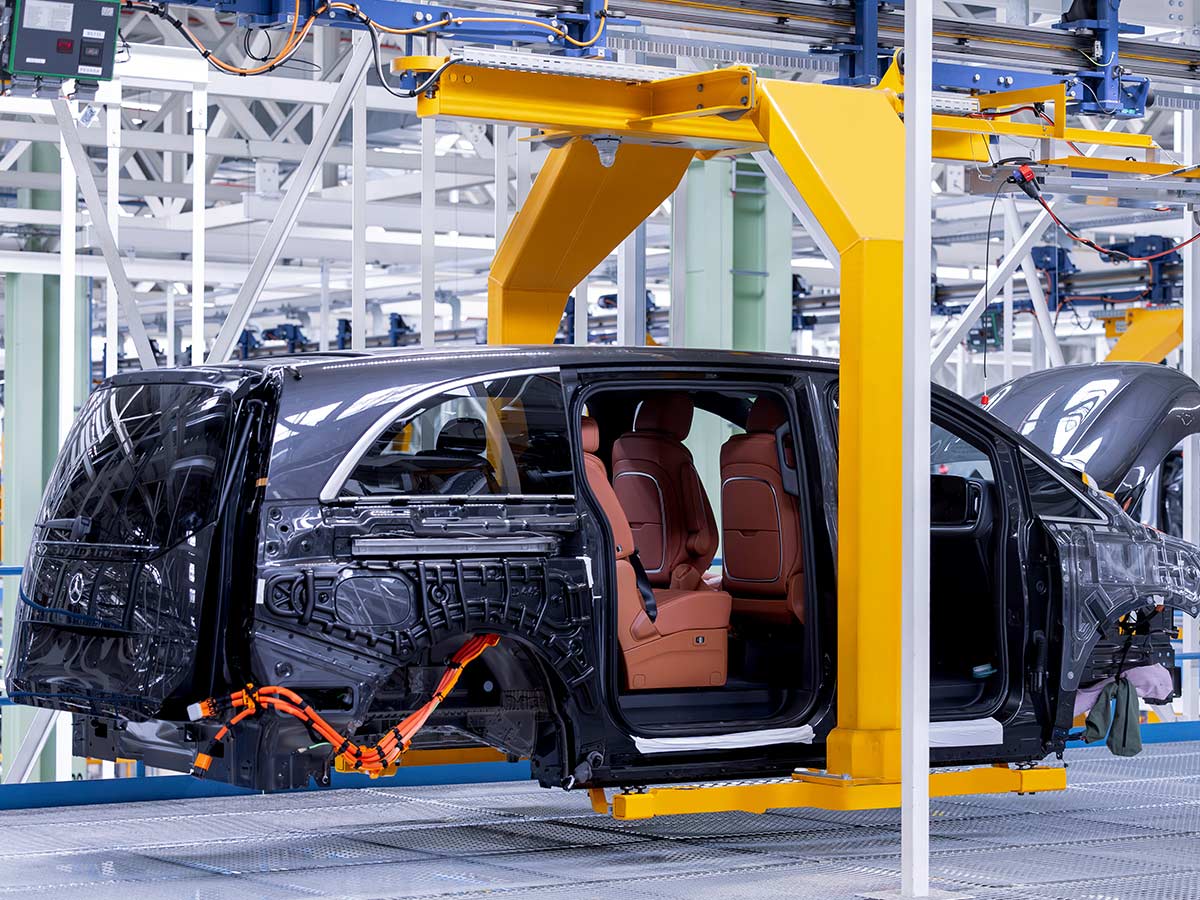
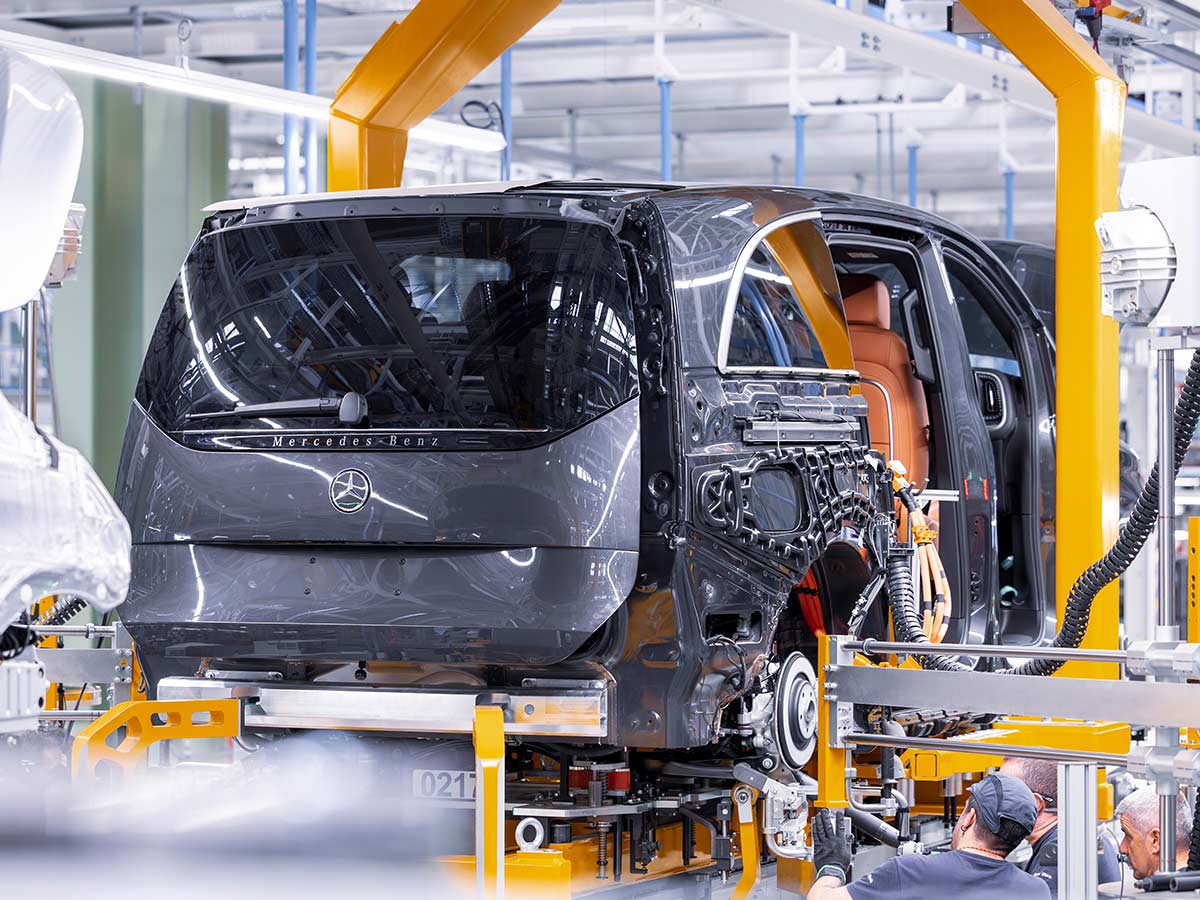
The production launch is the culmination of a comprehensive transformation programme at the Vitoria site, one of the largest industrial projects currently undertaken by Mercedes-Benz Vans in Europe.
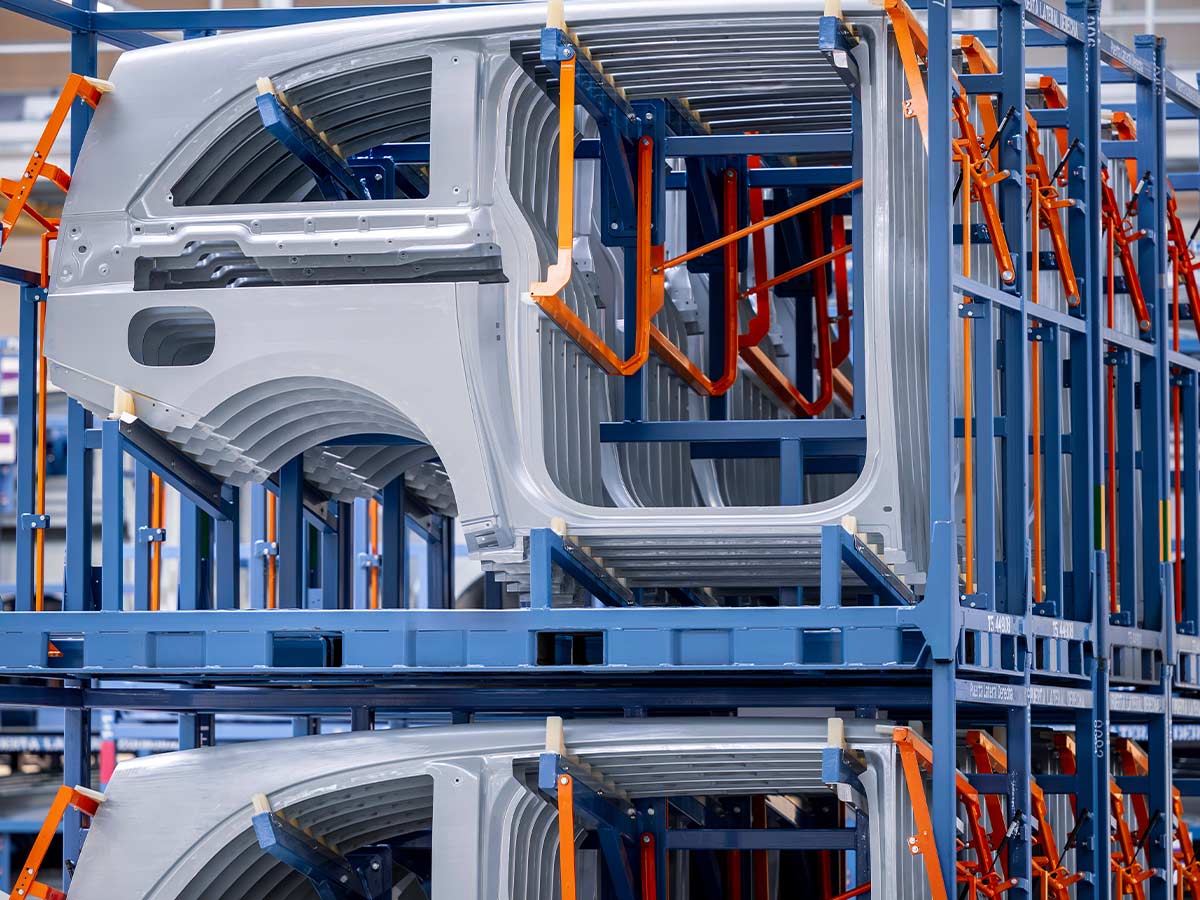
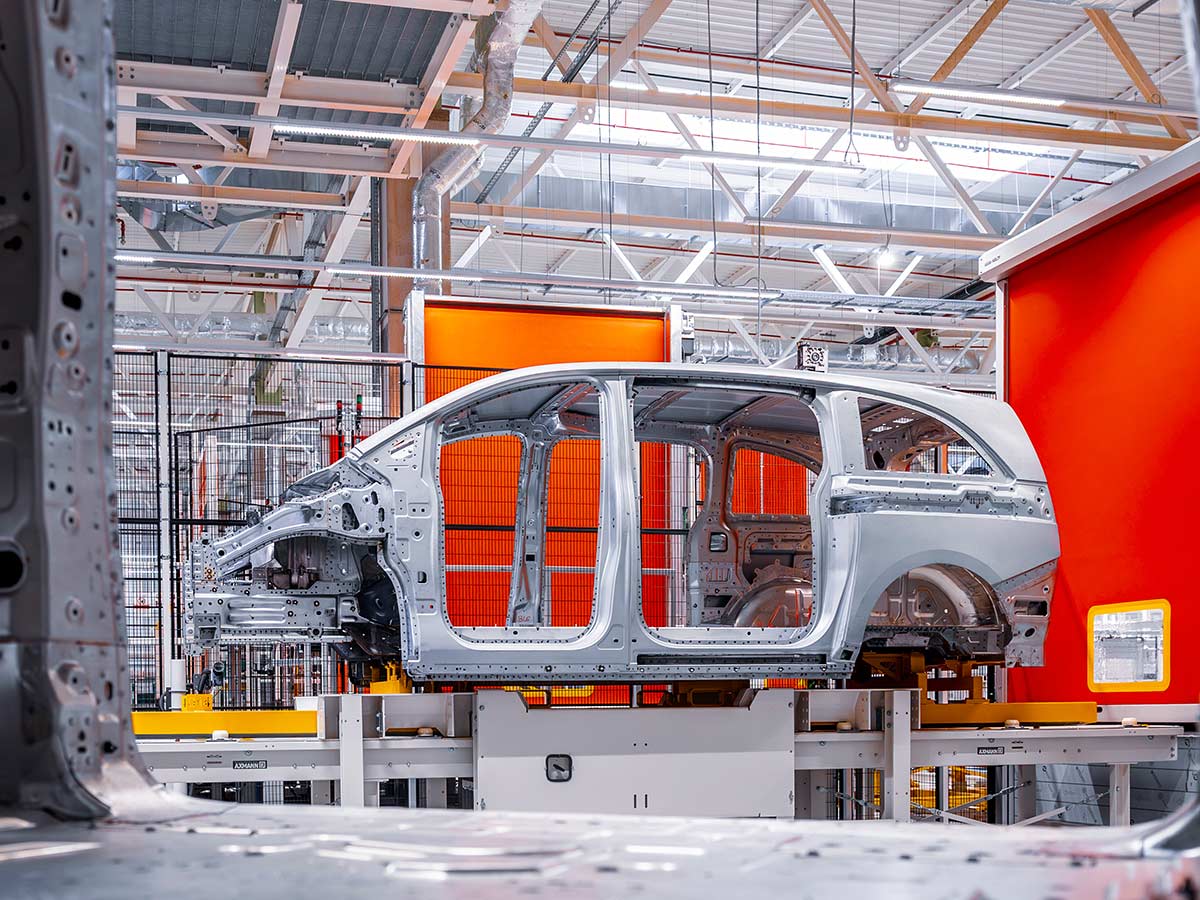
Over the past several years, the company has invested heavily in modernising the facility’s body shop, paint operations, assembly areas, logistics infrastructure and digital systems.
The objective was to create a highly flexible manufacturing environment capable of producing multiple vehicle types and powertrain configurations on a single production line.
What makes the achievement particularly noteworthy is that the transformation took place while the plant continued producing key models including the Mercedes-Benz V-Class, Vito and eVito.
Maintaining production continuity while simultaneously redesigning core manufacturing operations is a complex undertaking that few automotive plants can execute without disruption.
The successful start of Mercedes-Benz VLE production demonstrates the effectiveness of that transition.
The Human Effort Behind the Launch
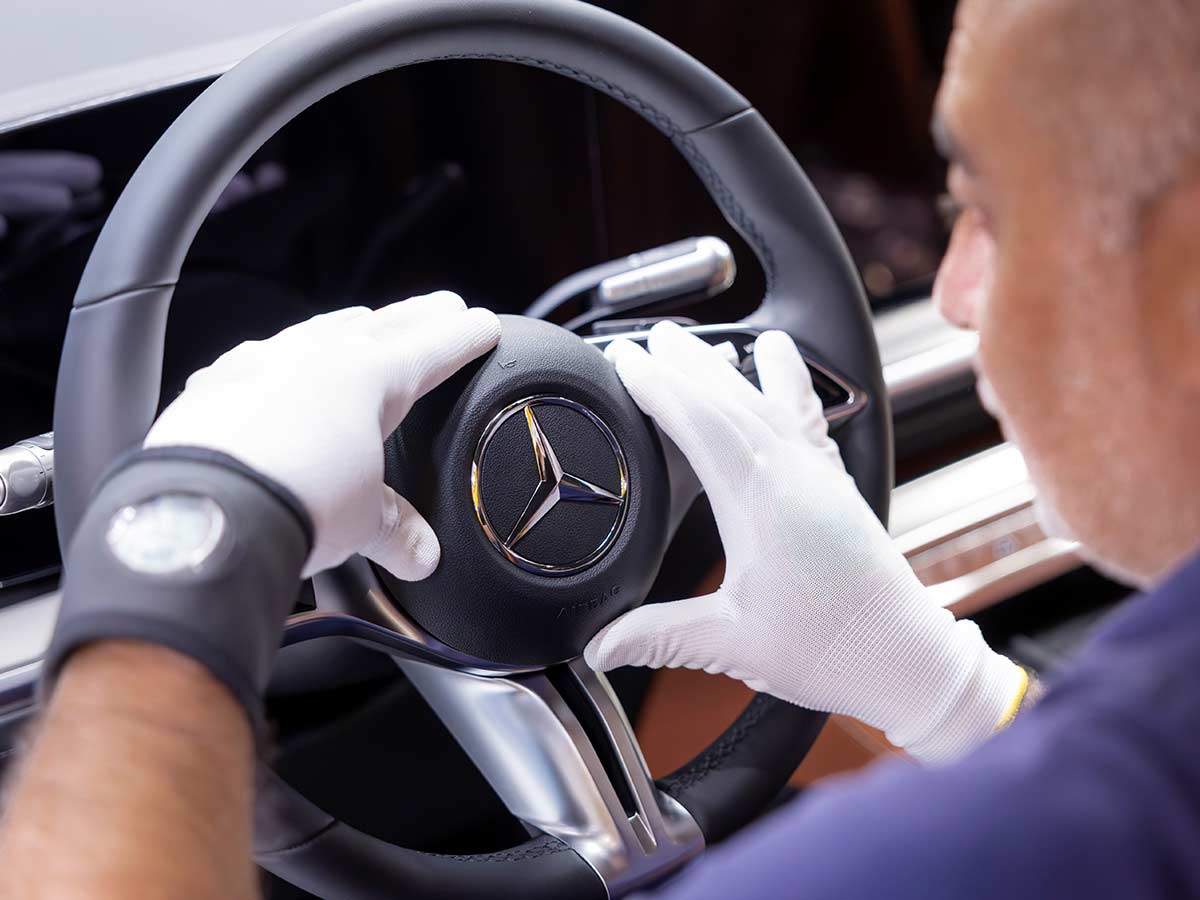
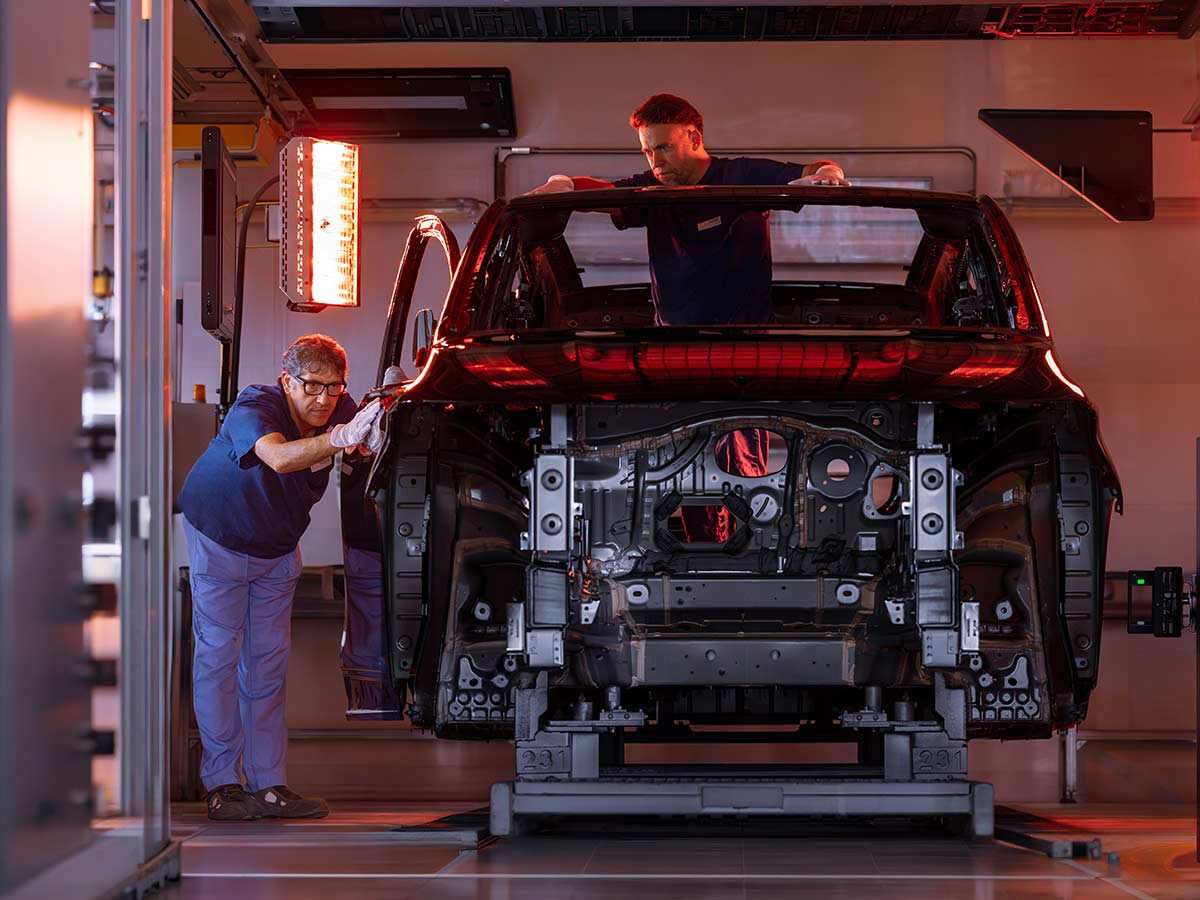
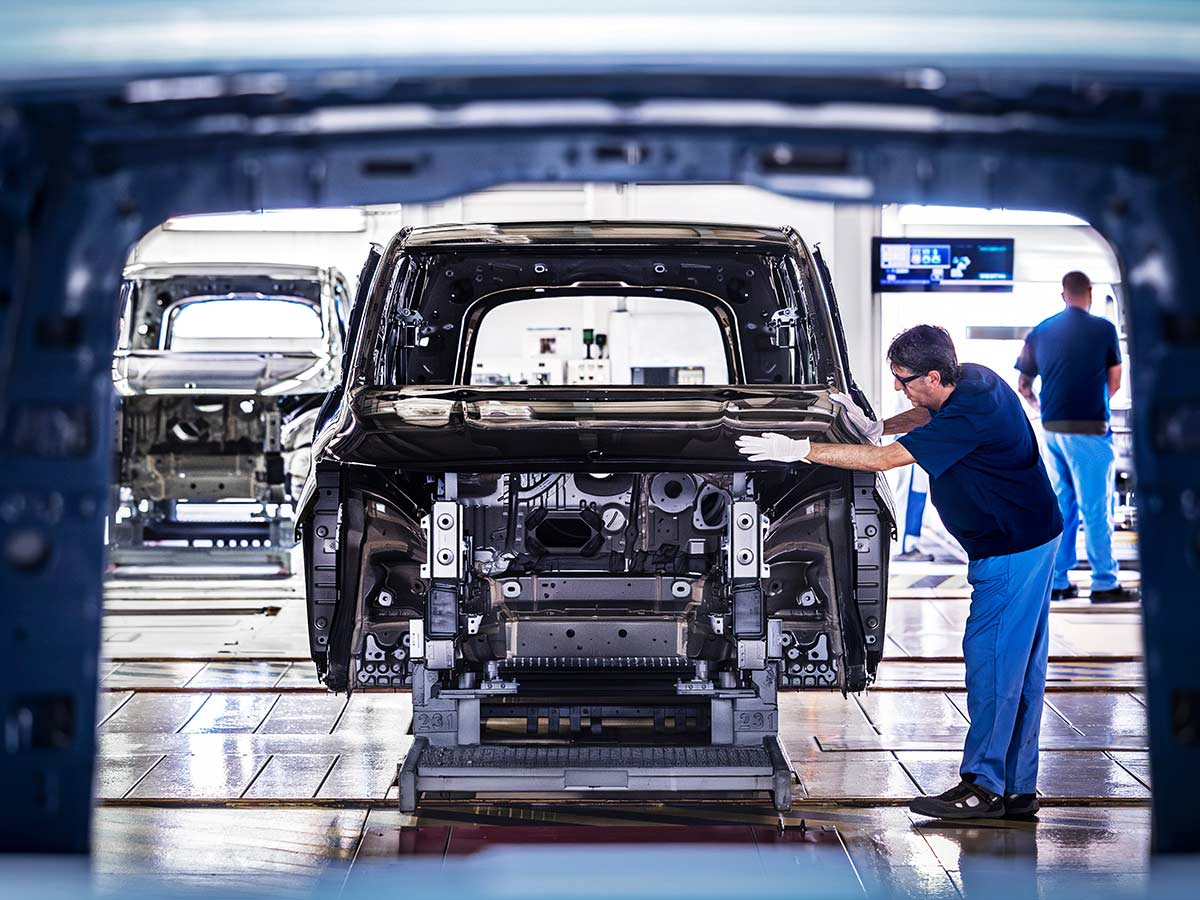
Behind every factory transformation lies a workforce required to adapt to new technologies, processes and production standards.
At Vitoria, approximately 5,000 direct employees played a critical role in preparing the facility for the arrival of the VLE.
Mercedes-Benz implemented more than 160 training programmes covering new manufacturing technologies, advanced materials, digital systems, IT standards and updated production processes.
The company also deployed national and international qualification initiatives designed to ensure quality, production stability and a smooth ramp-up phase as manufacturing begins.
In many ways, the VLE project is as much a workforce transformation story as it is a product story.
As vehicle manufacturing becomes increasingly software-driven and electrified, employee upskilling has become one of the most important competitive advantages for modern automotive plants.
Software Takes Centre Stage
The VLE is also one of the latest examples of Mercedes-Benz’s shift towards software-defined vehicles.
At the heart of the experience is the Mercedes-Benz Operating System, better known as MB.OS.
The platform manages key vehicle functions ranging from infotainment and connectivity to driver assistance technologies and overall vehicle performance.
As competition within the premium EV segment intensifies, software is rapidly becoming one of the most important differentiators between brands.
Customers increasingly expect seamless digital experiences, regular over-the-air updates, advanced connectivity features and intuitive interfaces. The VLE has been designed to meet those expectations from the outset.
Sustainability Extends Beyond the Vehicle
While the VLE itself is an electric vehicle, Mercedes-Benz has also focused heavily on reducing the environmental impact of how it is built.
The Vitoria plant has operated on a carbon-neutral balance since 2022 and incorporates a range of renewable energy solutions.
The facility uses electricity generated from renewable sources, geothermal energy and recovered waste heat from body construction and paint shop operations. New buildings constructed at the site comply with the company’s Zero-Emission Building standard, while a photovoltaic installation contributes renewable electricity directly to plant operations.
Additional improvements are still on the way.
A new largely electric paint shop is scheduled to begin operations in autumn 2026. Unlike conventional paint facilities that rely heavily on fossil-fuel-based energy sources, the new installation will operate entirely using renewable electricity.
Mercedes-Benz says the facility will reduce direct CO₂ emissions while improving operational efficiency and environmental performance.
The company is also implementing process optimisations and technological innovations across production, including battery manufacturing, to further reduce the overall carbon footprint of vehicle production.
A Different Vision of Luxury Mobility
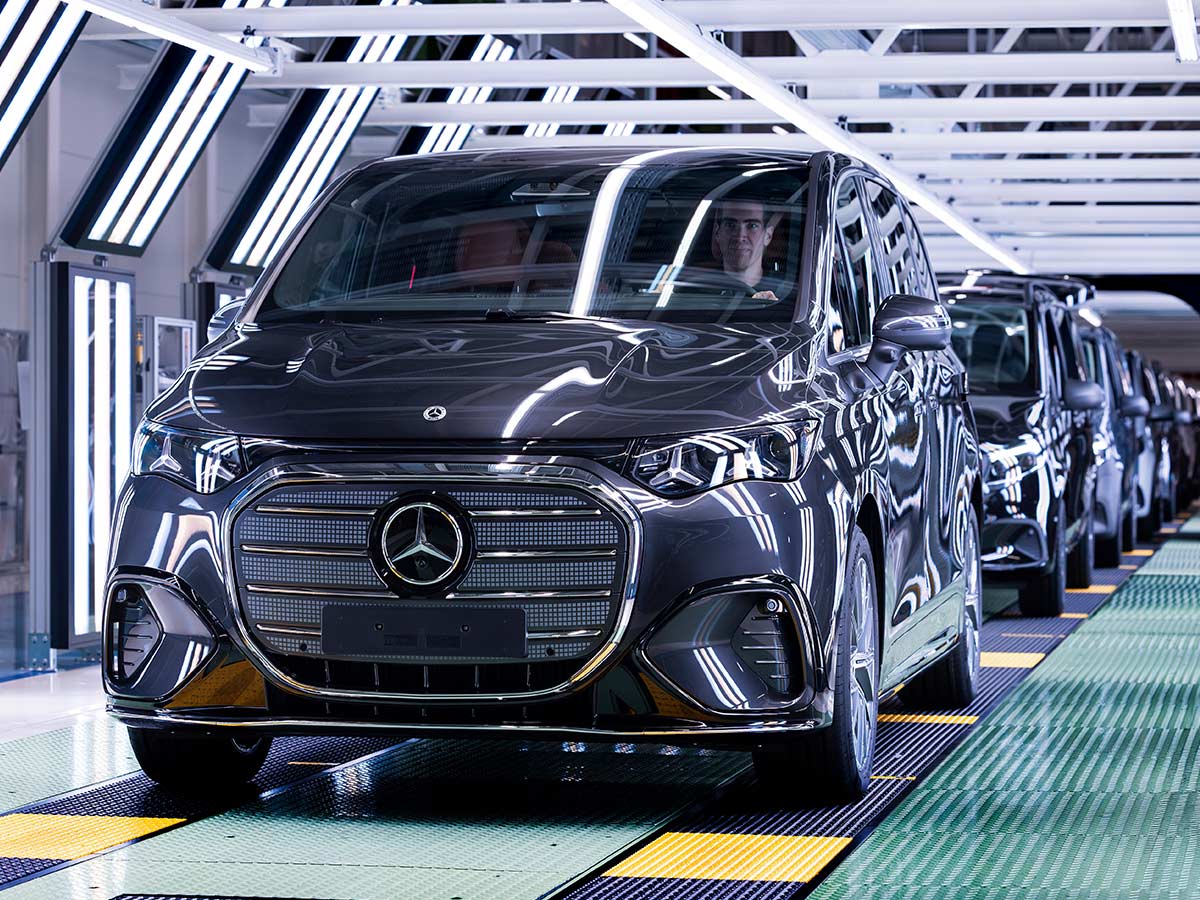
For years, the automotive industry has largely equated premium transportation with luxury SUVs. Mercedes-Benz is betting there is room for something different.
The Mercedes-Benz VLE enters the market at a time when consumer expectations are evolving. Buyers increasingly want electric powertrains, long-range capability, flexible interiors, advanced software and premium comfort in a single package.
Rather than adapting an SUV to meet those needs, Mercedes-Benz has developed a purpose-built electric luxury van that prioritises passenger space and versatility without sacrificing refinement.
Whether used as a family vehicle, executive transport solution, airport shuttle or luxury hotel transfer vehicle, the Mercedes-Benz VLE is designed to serve a broader range of use cases than many traditional premium vehicles.
Its arrival may ultimately signal the beginning of a wider shift in how luxury mobility is defined.
The Bigger Picture
The start of Mercedes-Benz VLE production is about far more than adding another electric vehicle to the market.
It represents the launch of a new vehicle architecture, the successful transformation of a major European manufacturing facility, the upskilling of thousands of employees and a significant step in Mercedes-Benz’s long-term electrification strategy.
Most importantly, it provides the clearest indication yet of where Mercedes-Benz Vans intends to go next.
With the first production vehicles now rolling out of Vitoria and expansion plans already underway for China, the VLE is no longer a glimpse of the future.
It has officially arrived.
Mercedes-Benz VLE Specifications at a Glance
- All-electric premium MPV
- First vehicle built on Mercedes-Benz Van Architecture
- More than 700 km WLTP range
- 800-volt electrical architecture
- Ultra-fast charging capability
- Seating for up to eight occupants
- Powered by Mercedes-Benz Operating System (MB.OS)
- Manufactured initially at the Vitoria plant in Spain
- Future production planned at Fuzhou, China
- Designed for family, leisure, executive shuttle and premium mobility applications
FAQs
What is the Mercedes-Benz VLE?
The Mercedes-Benz VLE is a new all-electric premium MPV and the first model built on the company’s next-generation Van Architecture platform.
What range does the Mercedes-Benz VLE offer?
Mercedes-Benz claims a WLTP driving range of more than 700 kilometres.
Where is the Mercedes-Benz VLE produced?
Series production has started at Mercedes-Benz’s Vitoria plant in Spain, which becomes the first facility globally to manufacture the VLE.
What is Mercedes-Benz Van Architecture?
Van Architecture is Mercedes-Benz’s new modular platform designed to support future passenger and commercial van models across multiple global markets.
Will the Mercedes-Benz VLE be produced outside Europe?
Yes. Mercedes-Benz has confirmed that its Fuzhou plant in China will begin producing VLE-based vehicles for the Chinese market later in 2026.
Source: Mercedes-Benz