






For decades, the Volkswagen Polo has represented accessible mobility for millions of drivers around the world. It has been practical, efficient, compact and dependable – the kind of car that quietly became part of everyday life across generations. Now, Volkswagen is rewriting the story of one of its most successful models with a dramatic shift into the electric era.
The all-new ID. Polo is not merely an electrified version of an existing hatchback. It is a complete reinvention of what a compact urban car can be in the age of EVs. Built on Volkswagen’s latest MEB+ architecture, the ID. Polo combines generous range, rapid charging, premium technology, clever packaging and modern design in a package intended to make electric mobility more accessible to mainstream buyers.
With pricing in Germany starting at €24,995 for the entry-level version, Volkswagen is positioning the ID. Polo as a key pillar in its broader strategy to democratize electric mobility across Europe and beyond. At the same time, the car introduces features rarely seen in the compact hatchback segment, including vehicle-to-load capability, connected driving assistance with traffic light recognition, massage seats and a large 13-inch infotainment system.
The result is a car that aims to bridge the gap between affordability and sophistication – something few electric vehicles have managed successfully so far.
>>> Great Discounts on Car & Bike Accessories <<<
A Familiar Name Enters a New Era
The significance of the Polo nameplate cannot be overstated. Volkswagen has sold more than 20 million units of the Polo globally, making it one of the most successful compact cars in automotive history.
That heritage places enormous expectations on the ID. Polo.
Volkswagen clearly understands the importance of preserving the essence of the original while simultaneously moving decisively into the future. According to Thomas Schäfer, CEO of the Volkswagen Passenger Cars brand, the ID. Polo is designed to bring “a Volkswagen bestseller into the electric age” while retaining the qualities customers expect from the brand – timeless design, intuitive usability, strong quality and accessible technology.
Unlike some futuristic EV concepts that alienate traditional buyers with overly experimental styling or complicated interfaces, the ID. Polo appears intentionally grounded. Volkswagen’s approach here is evolutionary in philosophy but revolutionary in execution.
Designed Around Everyday Usability
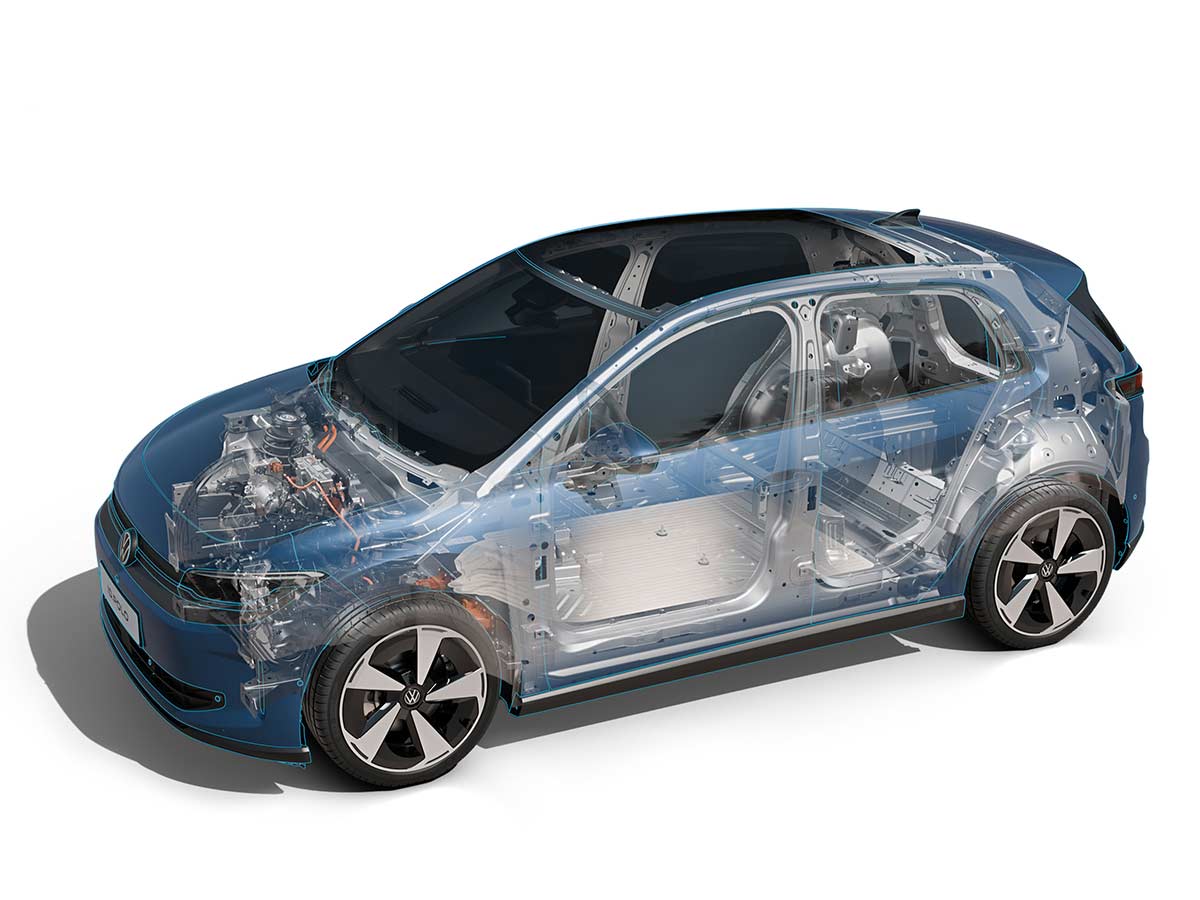
One of the most impressive aspects of the ID. Polo is how effectively Volkswagen has used its dedicated EV platform to maximize interior packaging.
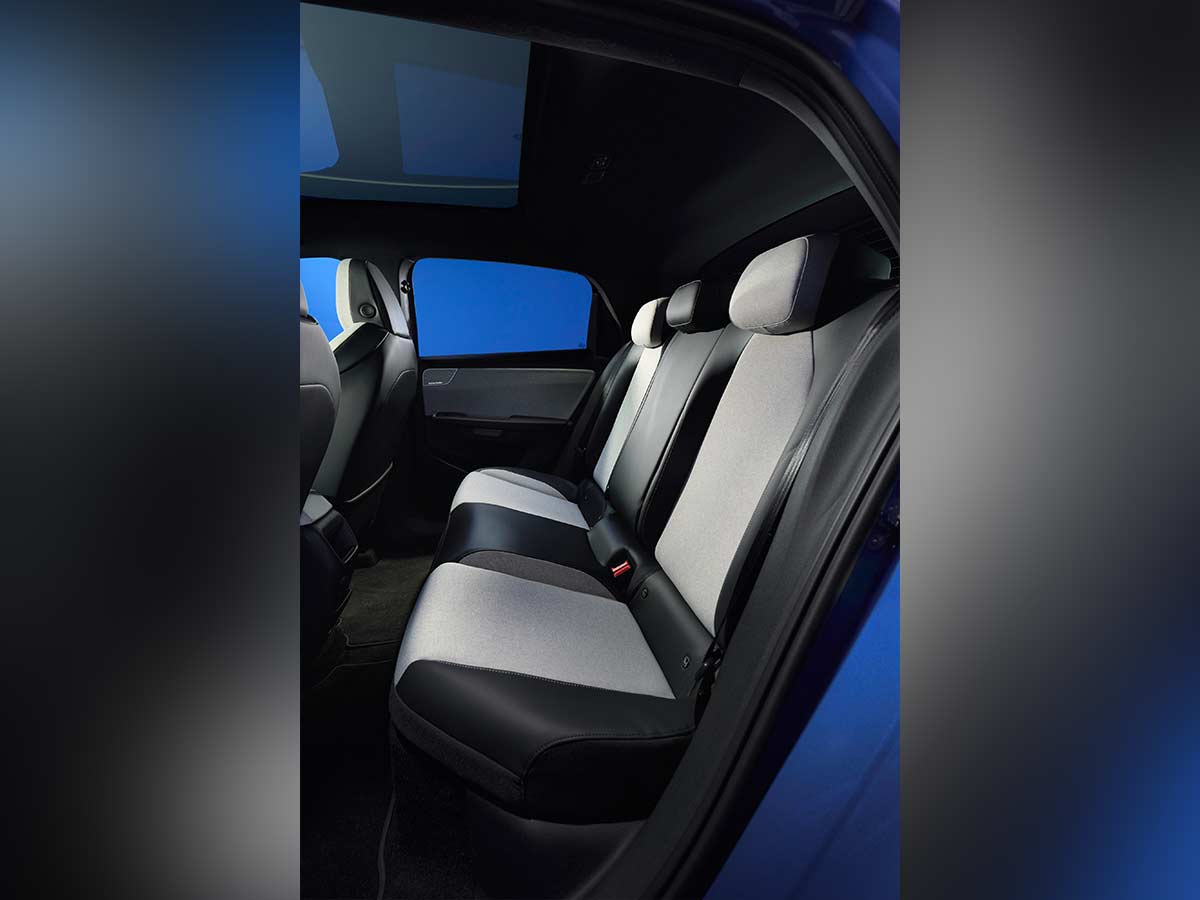
Despite measuring just 4,053 mm in length, the electric hatchback offers interior space comparable to vehicles from larger segments. Thanks to the front-wheel-drive MEB+ platform layout, cabin packaging is dramatically improved over the combustion-engine Polo.
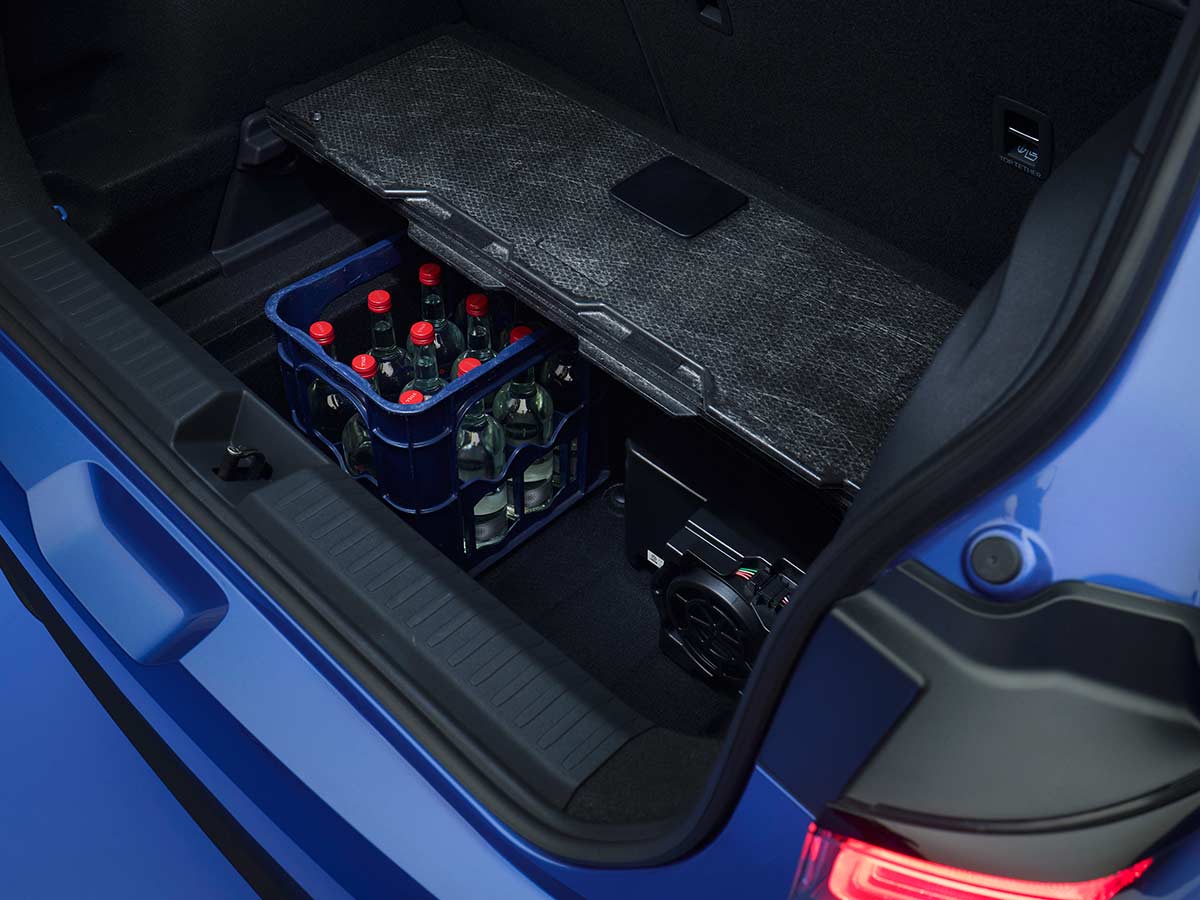
The luggage compartment is a perfect example.
Cargo capacity increases from 351 litres in the traditional Polo to 441 litres in the ID. Polo. Fold the rear seats down and total capacity expands to 1,240 litres – even more than some compact crossovers.
That transformation fundamentally changes the role of the Polo in daily life.
Historically, small hatchbacks often required compromises. Families had to pack carefully for road trips. Larger purchases became difficult. Passenger space could feel limited. Volkswagen claims the ID. Polo eliminates many of those compromises while maintaining city-friendly dimensions.
For urban buyers, this could become one of the most compelling aspects of the car. Compact on the outside yet spacious on the inside remains one of the defining promises of modern EV platforms, and the ID. Polo appears to execute that formula particularly well.
Range and Battery Options Target Mainstream Buyers
Volkswagen knows that range anxiety remains one of the biggest obstacles preventing wider EV adoption. The ID. Polo directly addresses that concern with multiple battery and powertrain configurations.
The lineup will eventually include three output levels:
- 85 kW (116 PS)
- 99 kW (135 PS)
- 155 kW (211 PS)
The lower-powered variants use a 37 kWh lithium iron phosphate (LFP) battery pack. Volkswagen claims these versions can achieve up to 329 km of WLTP range while charging from 10 to 80 percent in around 23 minutes using DC fast charging.
Meanwhile, the flagship 155 kW version receives a larger 52 kWh nickel-manganese-cobalt (NMC) battery. This configuration offers up to 455 km of WLTP range while maintaining similarly fast charging capability, requiring approximately 24 minutes for a 10 to 80 percent DC fast charge.
That 455 km figure is particularly important.
It places the ID. Polo into territory previously reserved for significantly more expensive electric vehicles. For many drivers, that level of range means the car can comfortably serve as both an urban commuter and a long-distance travel vehicle.
Fast charging also becomes essential at this price point. Volkswagen wisely includes DC quick charging as standard equipment, ensuring even entry-level buyers receive practical long-distance usability.
The Importance of MEB+
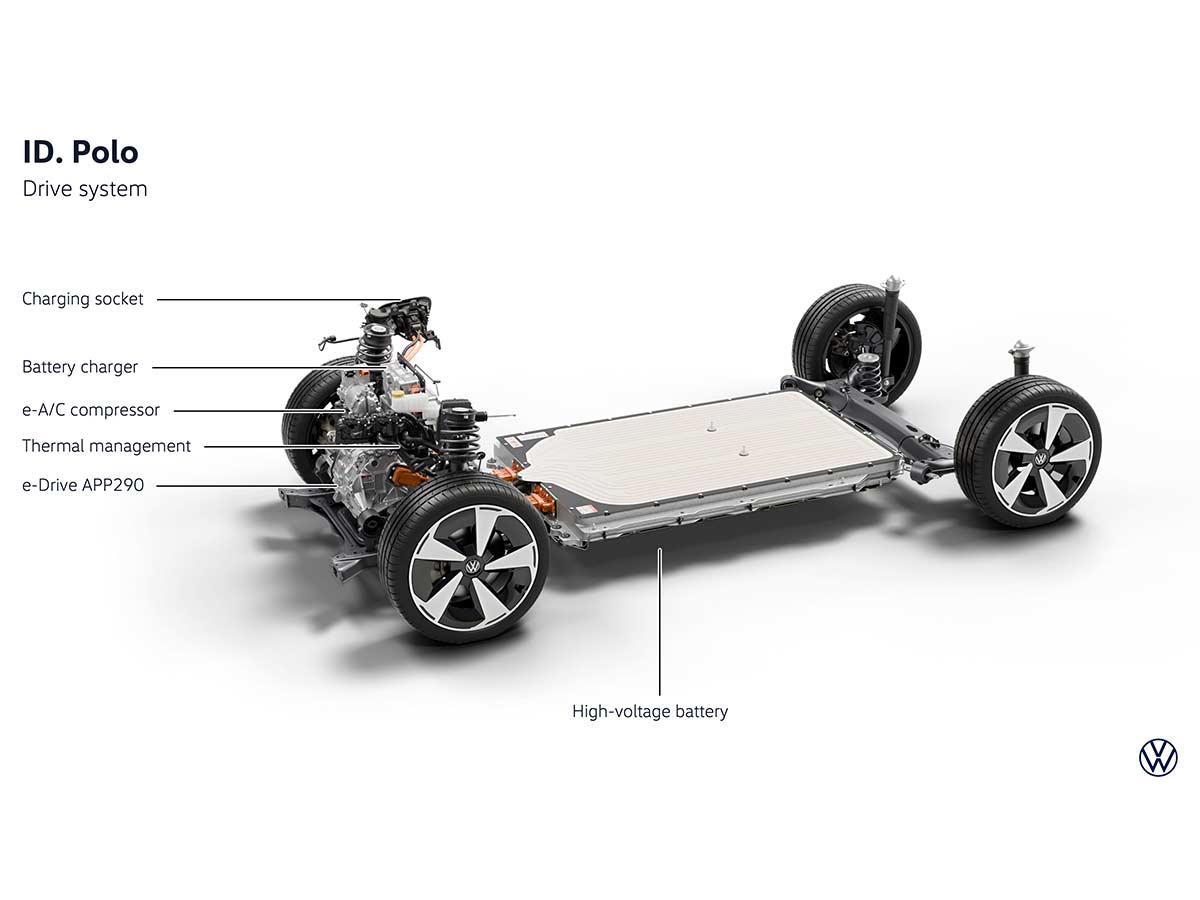
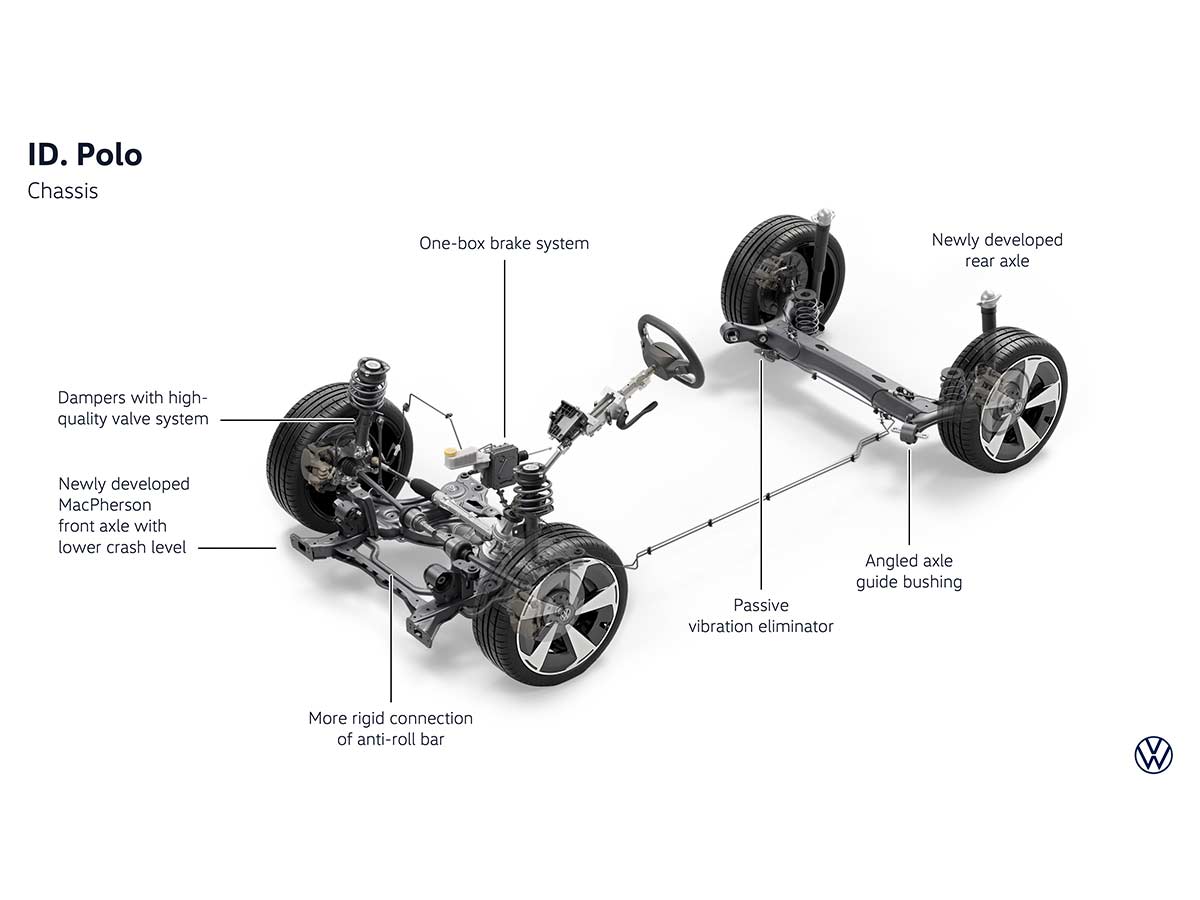
The ID. Polo is among the latest vehicles to use Volkswagen’s upgraded MEB+ platform architecture.
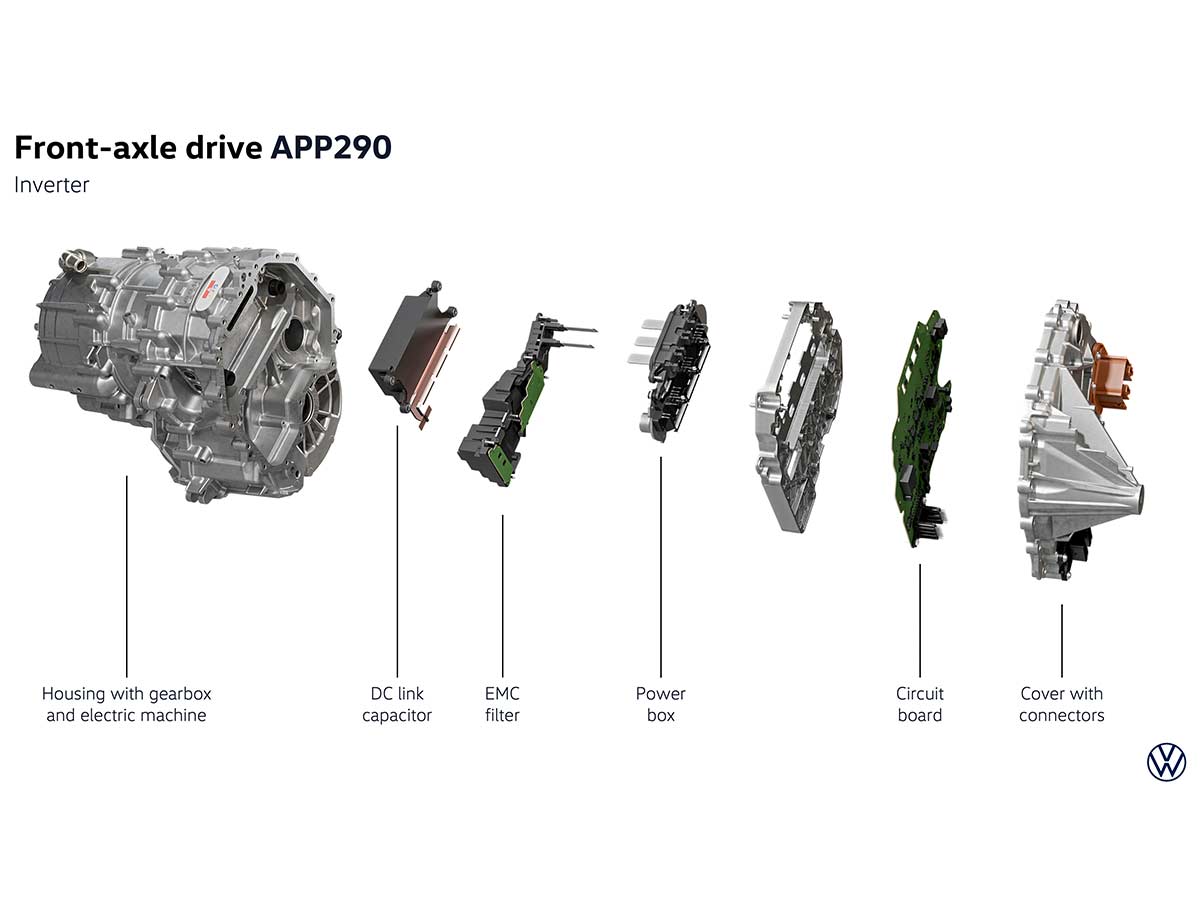
This matters because MEB+ represents a major refinement of the original MEB electric vehicle platform underpinning models such as the ID.3 and ID.4. Improvements focus on efficiency, software integration, packaging optimization and charging capability.
In practical terms, buyers should expect:
- Better energy efficiency
- Improved cabin space
- Faster software responsiveness
- Enhanced charging performance
- More advanced driver assistance systems
Volkswagen is also leveraging economies of scale through its Brand Group Core strategy, sharing technology development across Volkswagen, Škoda, SEAT/CUPRA and Volkswagen Commercial Vehicles.
That collaborative engineering approach helps reduce costs while enabling premium technology to trickle down into more affordable models like the ID. Polo.
Pure Positive Design Language Brings a Cleaner Identity
Volkswagen says the ID. Polo is the first production vehicle fully developed around its new “Pure Positive” design philosophy created by chief designer Andreas Mindt.
The design language focuses on clarity, simplicity and timelessness rather than excessive aggression or unnecessary visual complexity.
That restraint is immediately visible.
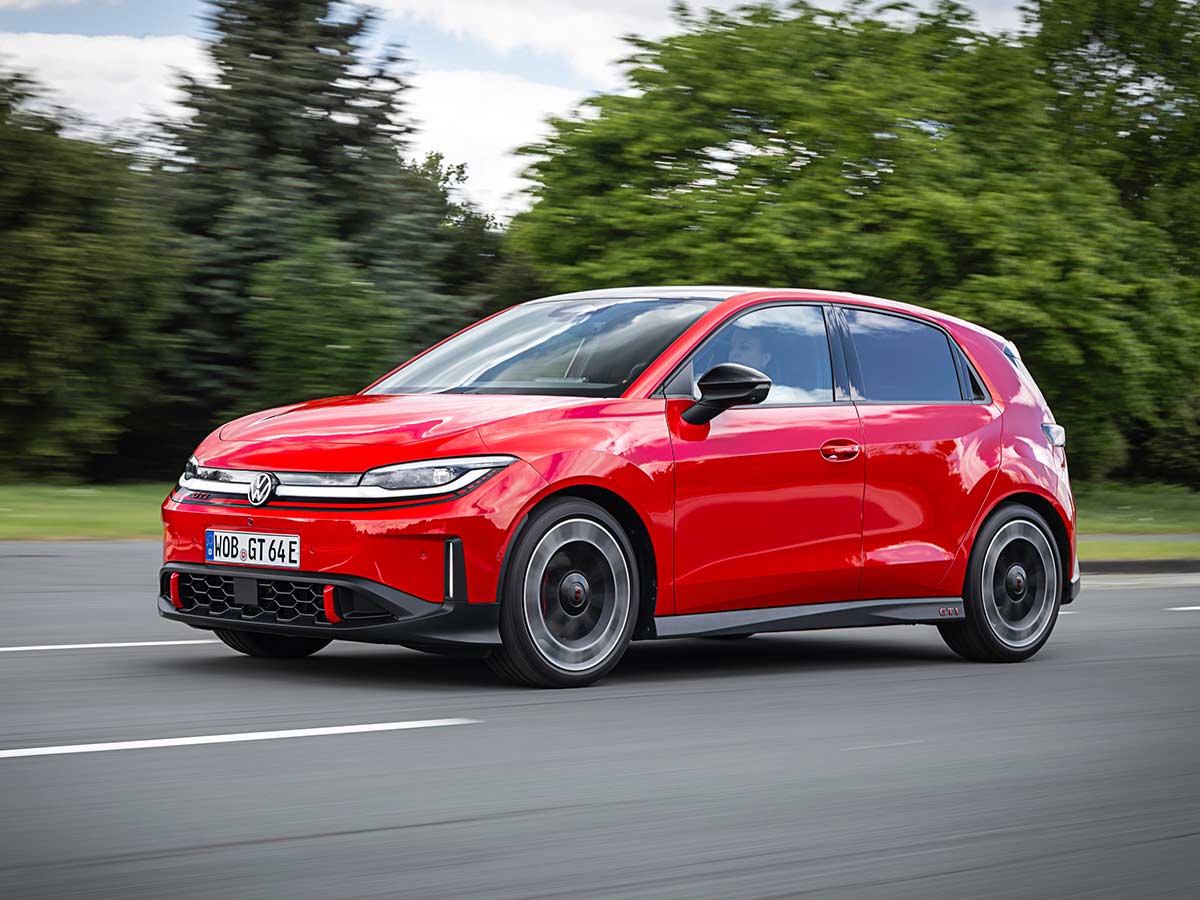
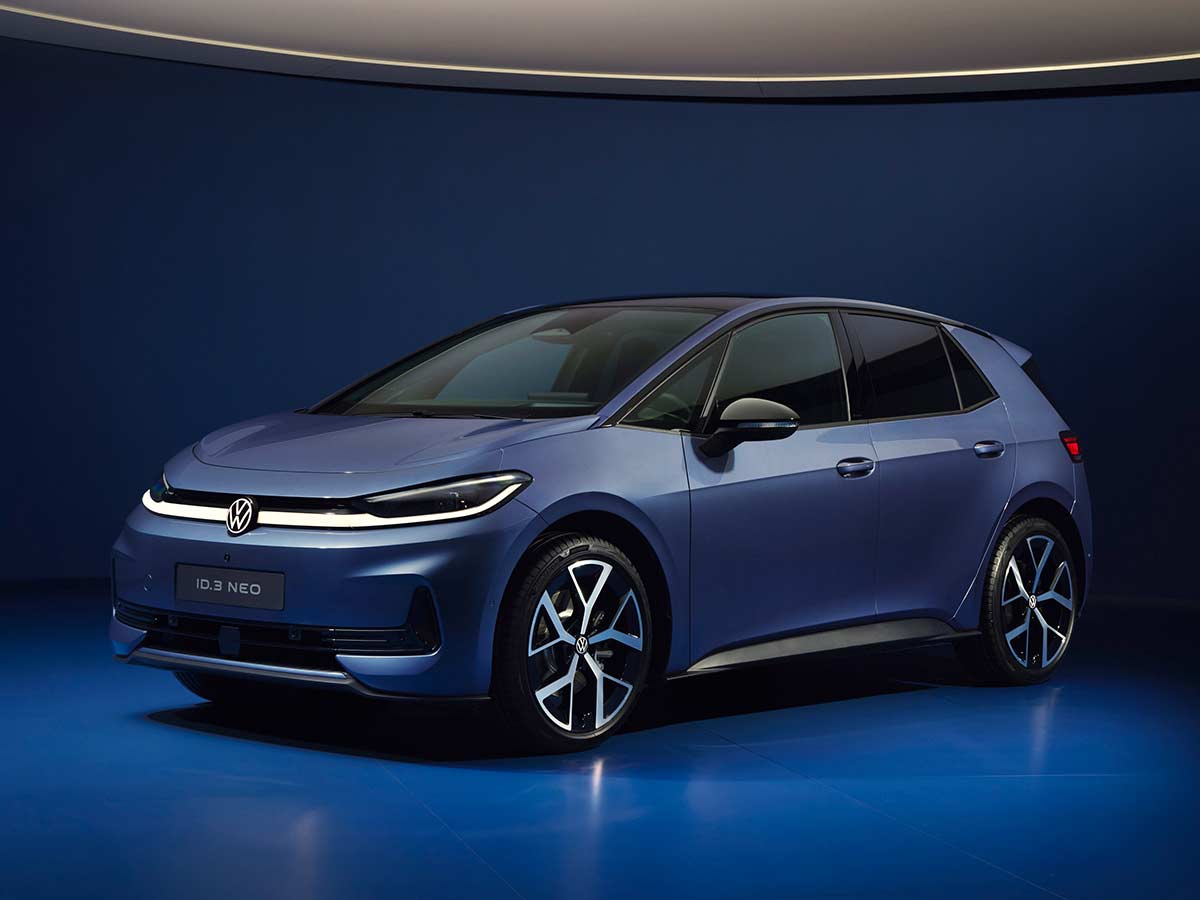
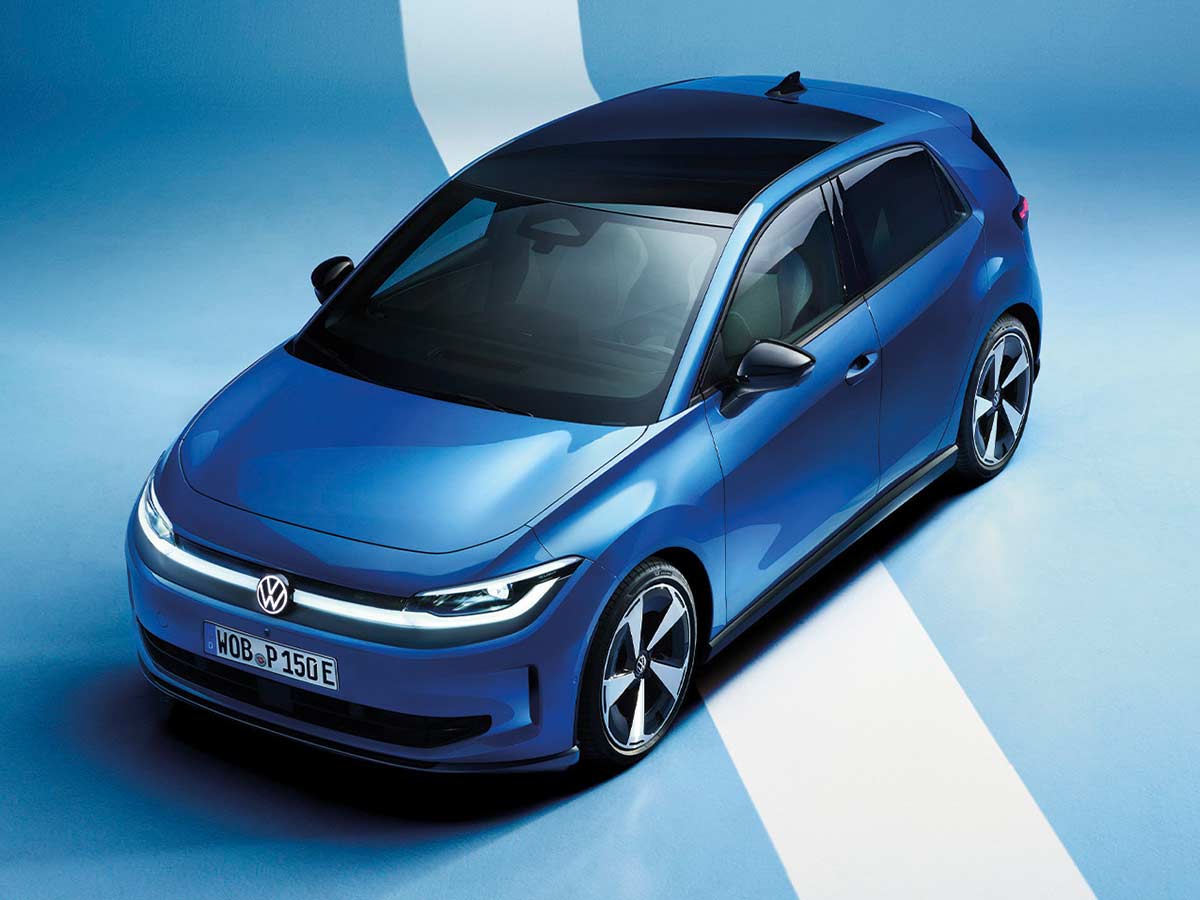
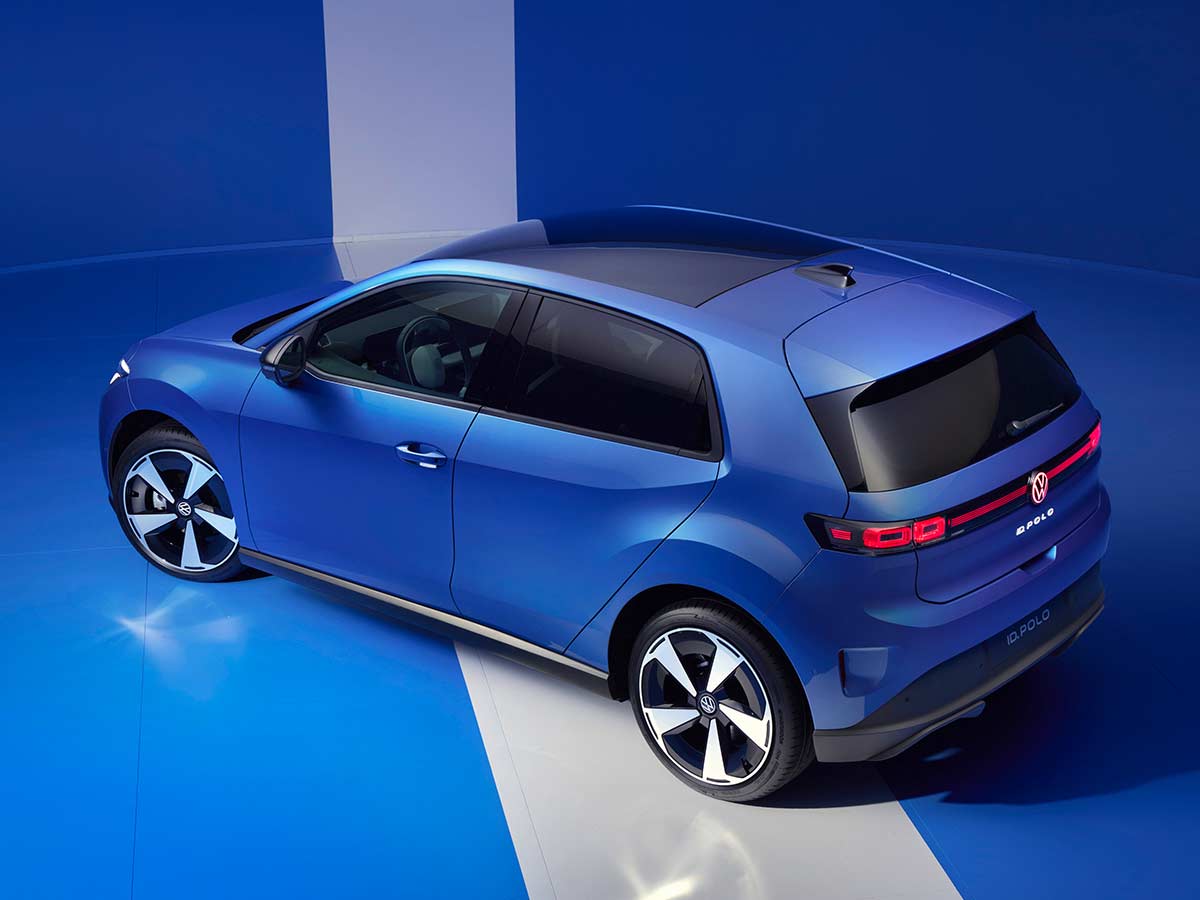
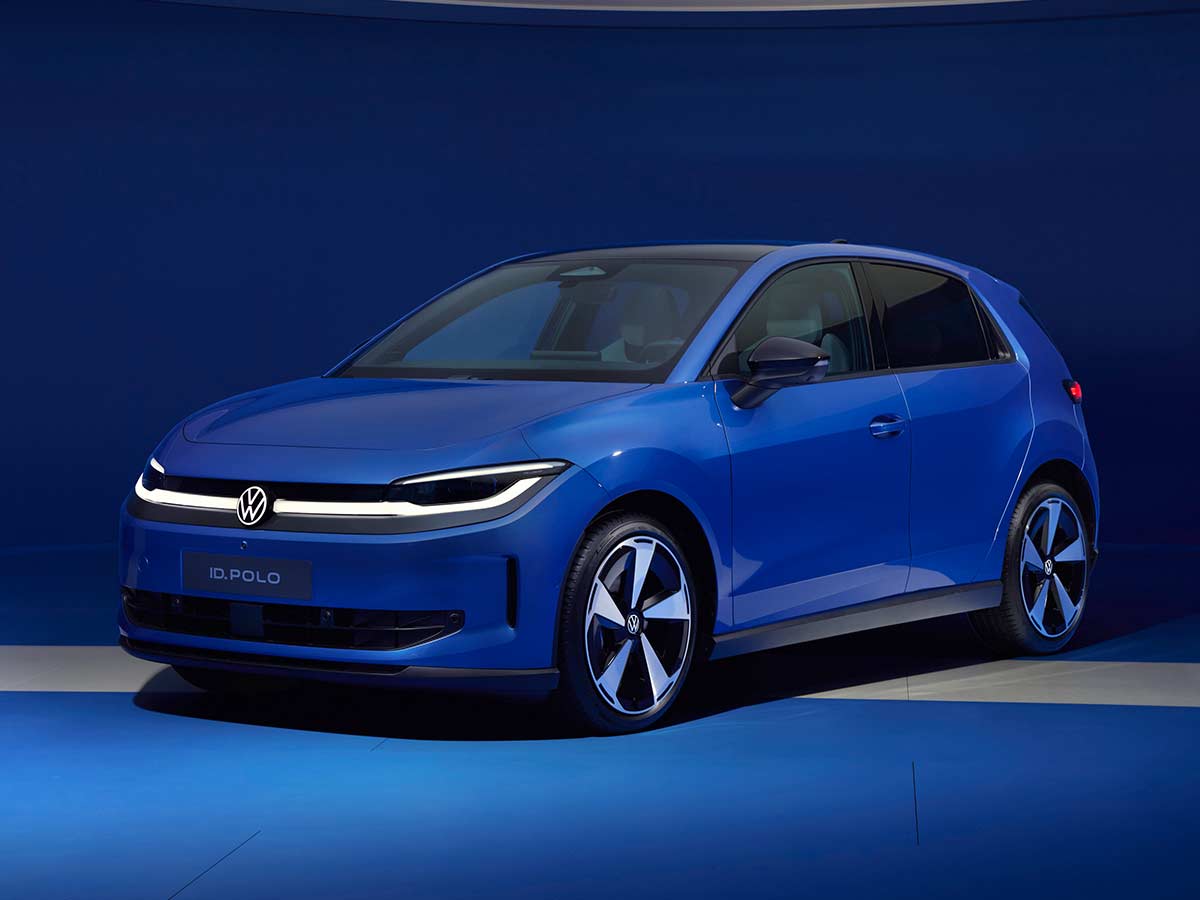
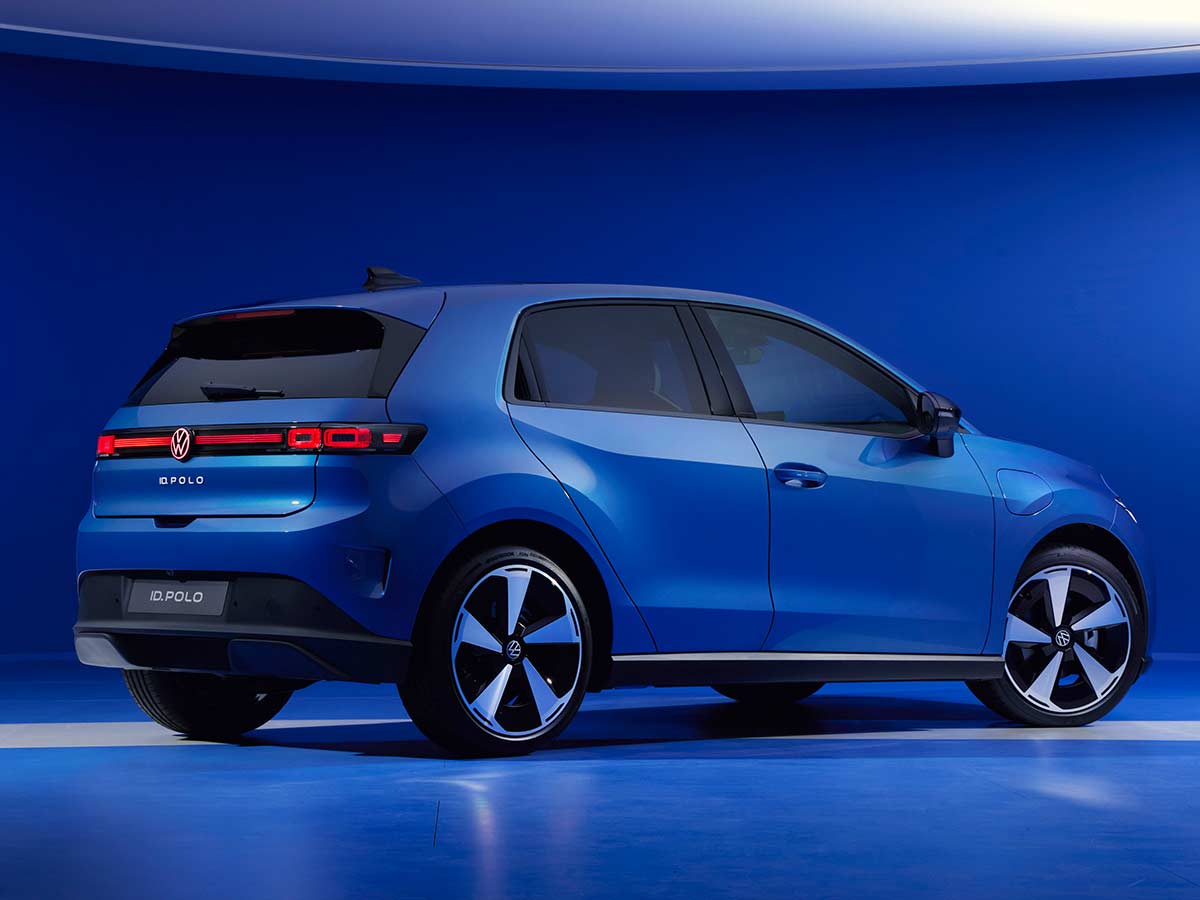
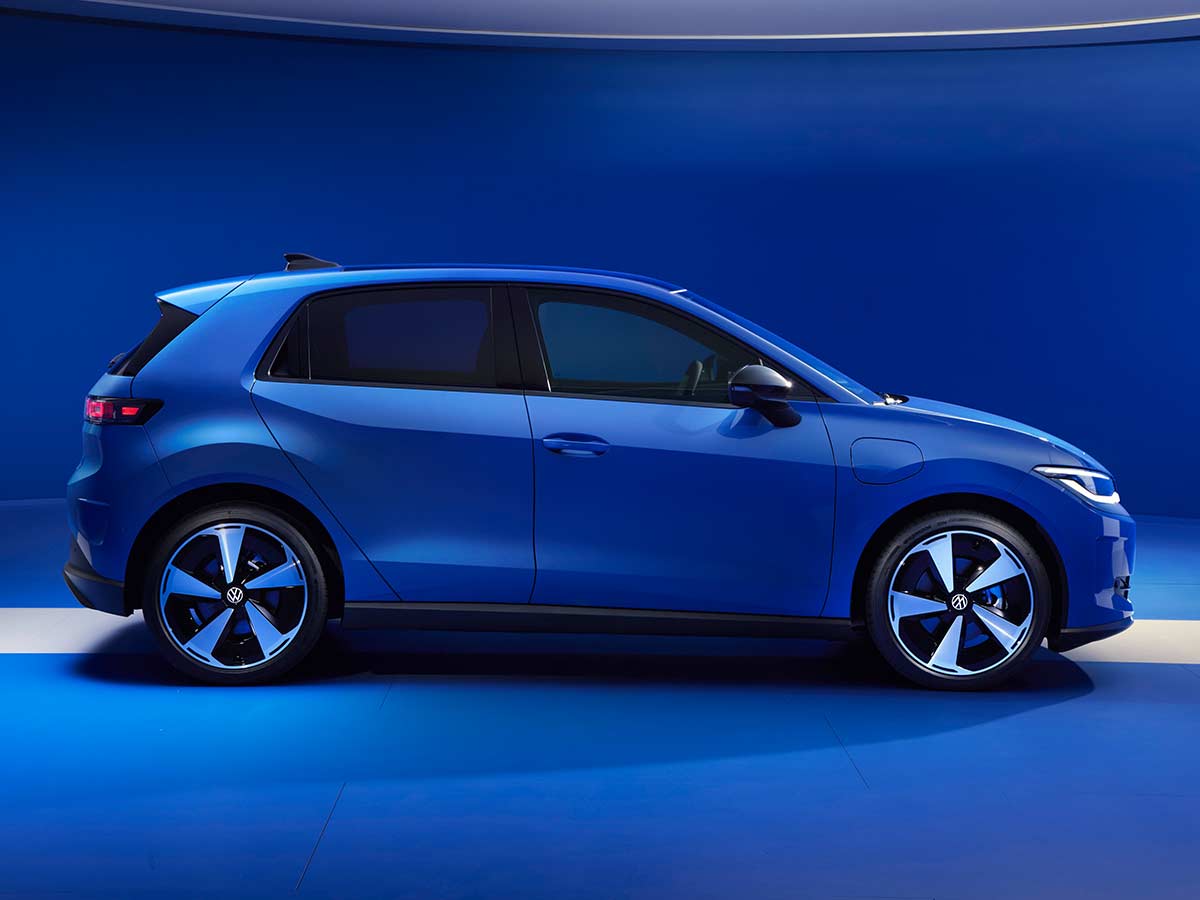
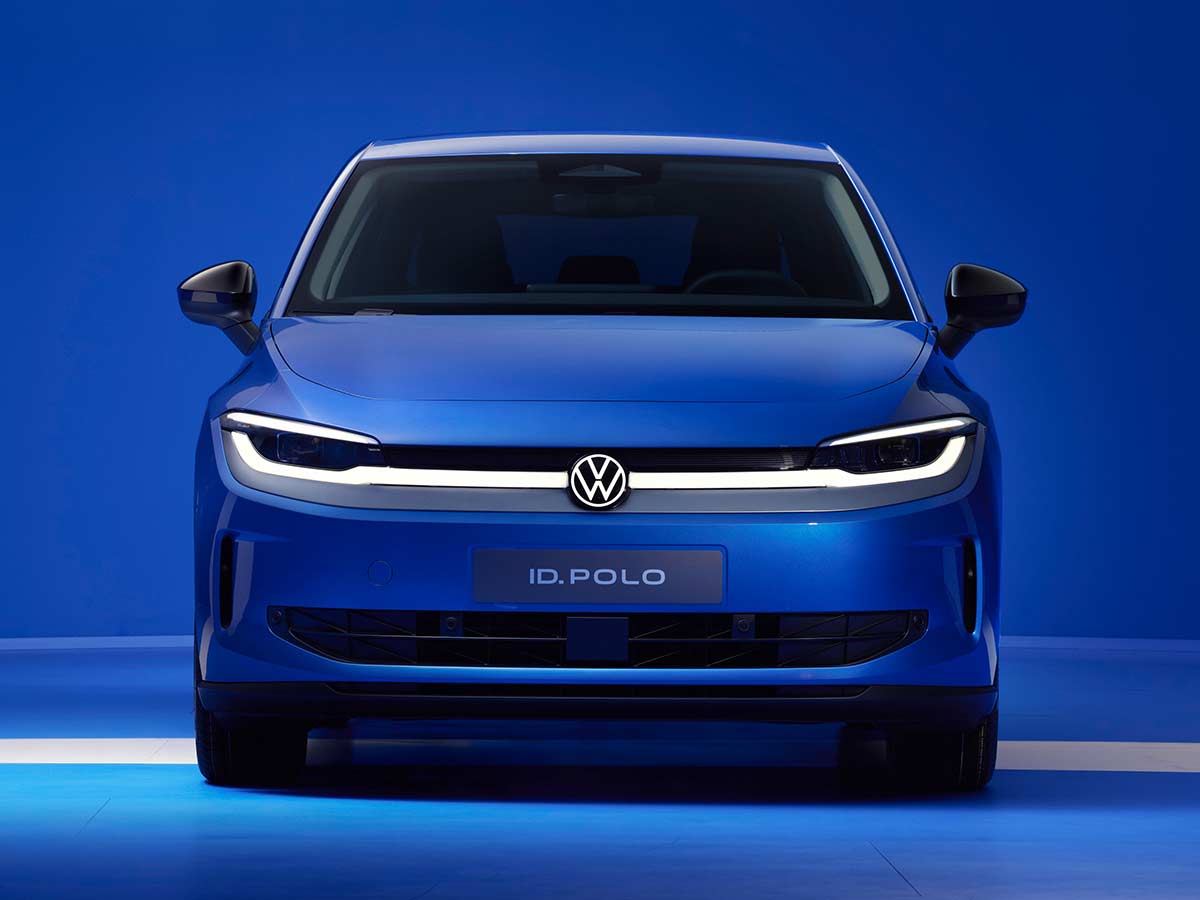
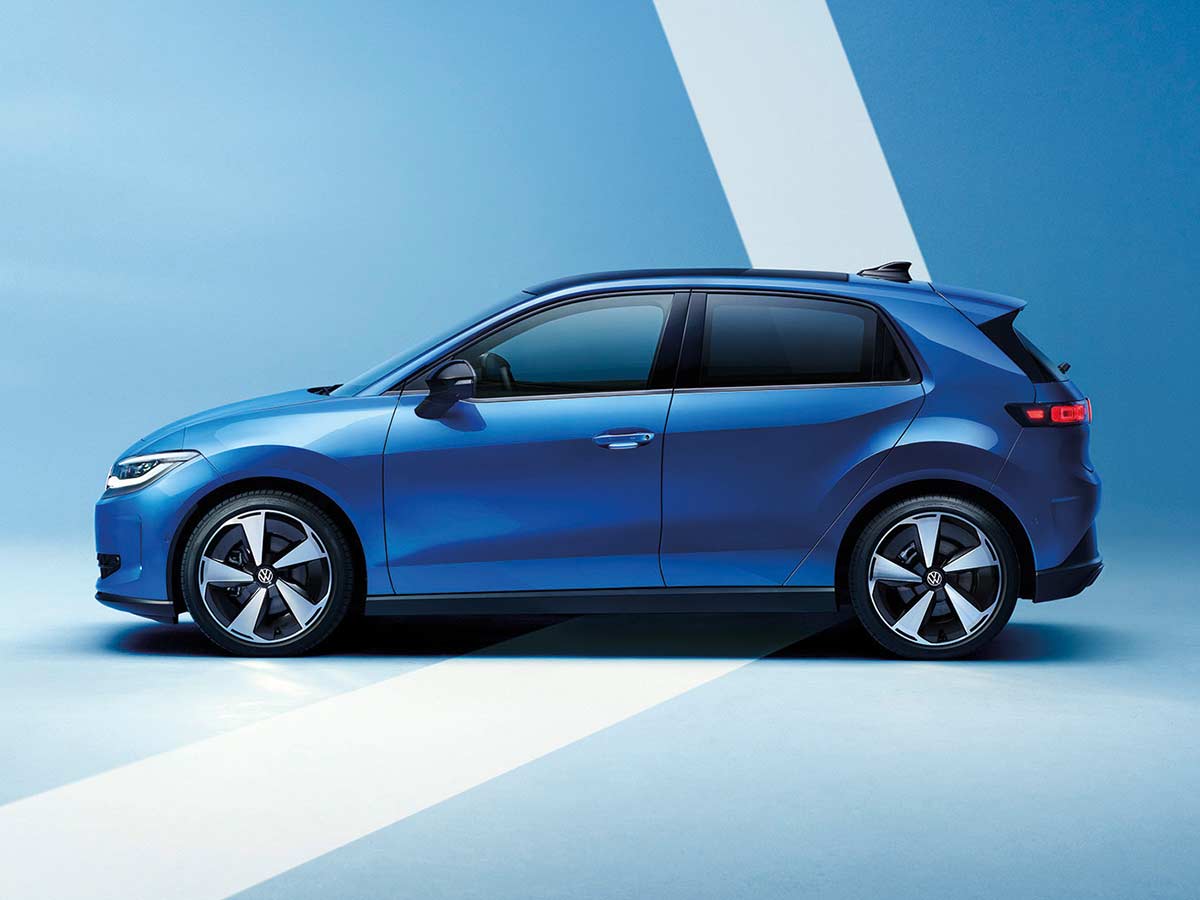
The ID. Polo features clean surfaces, balanced proportions and a friendlier front-end design compared to many sharply styled modern EVs. The rear profile is more muscular and substantial than previous Polo generations, helping the car appear more mature and premium.
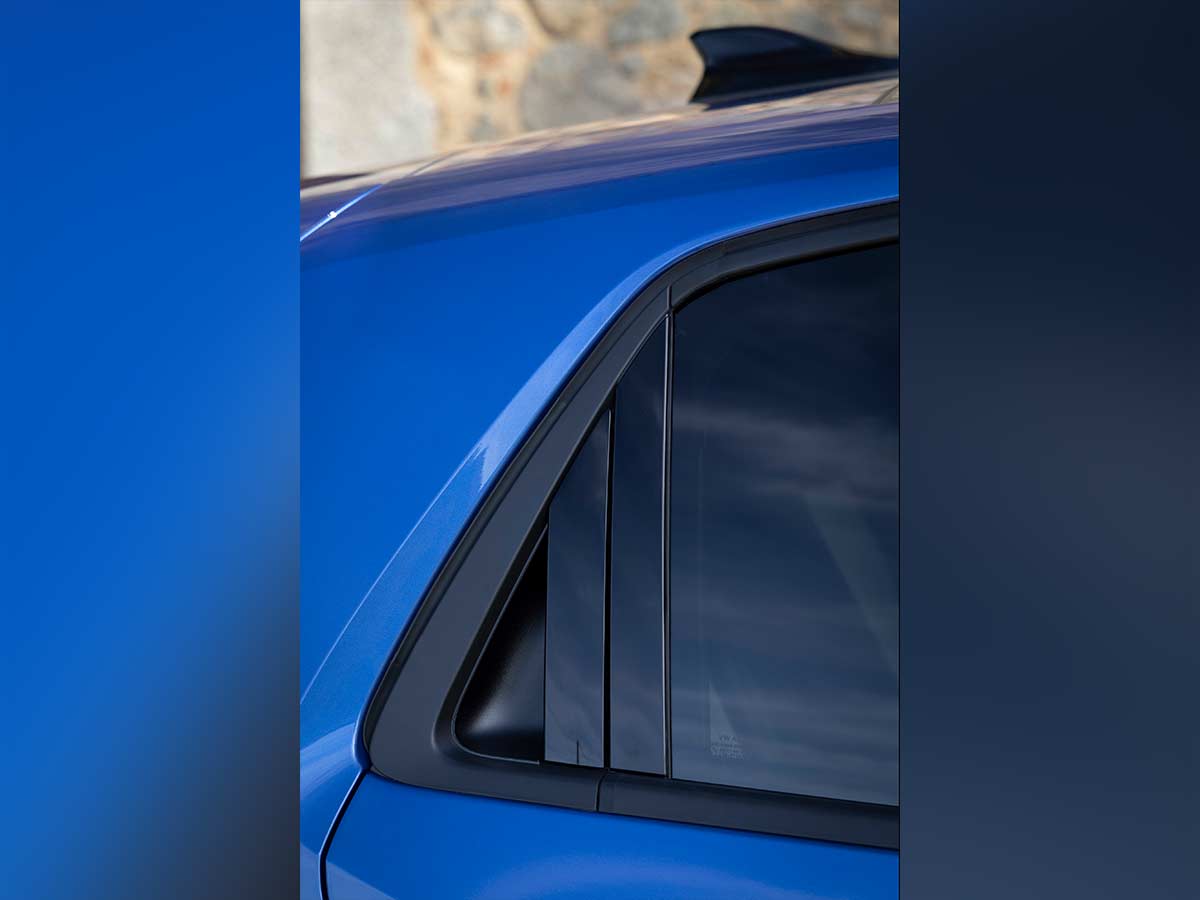
One particularly notable detail is the reinterpretation of Volkswagen’s iconic C-pillar treatment inspired by the original Golf. It subtly reinforces brand heritage while giving the car a recognizable identity.
Lighting technology also plays a central role in the design.
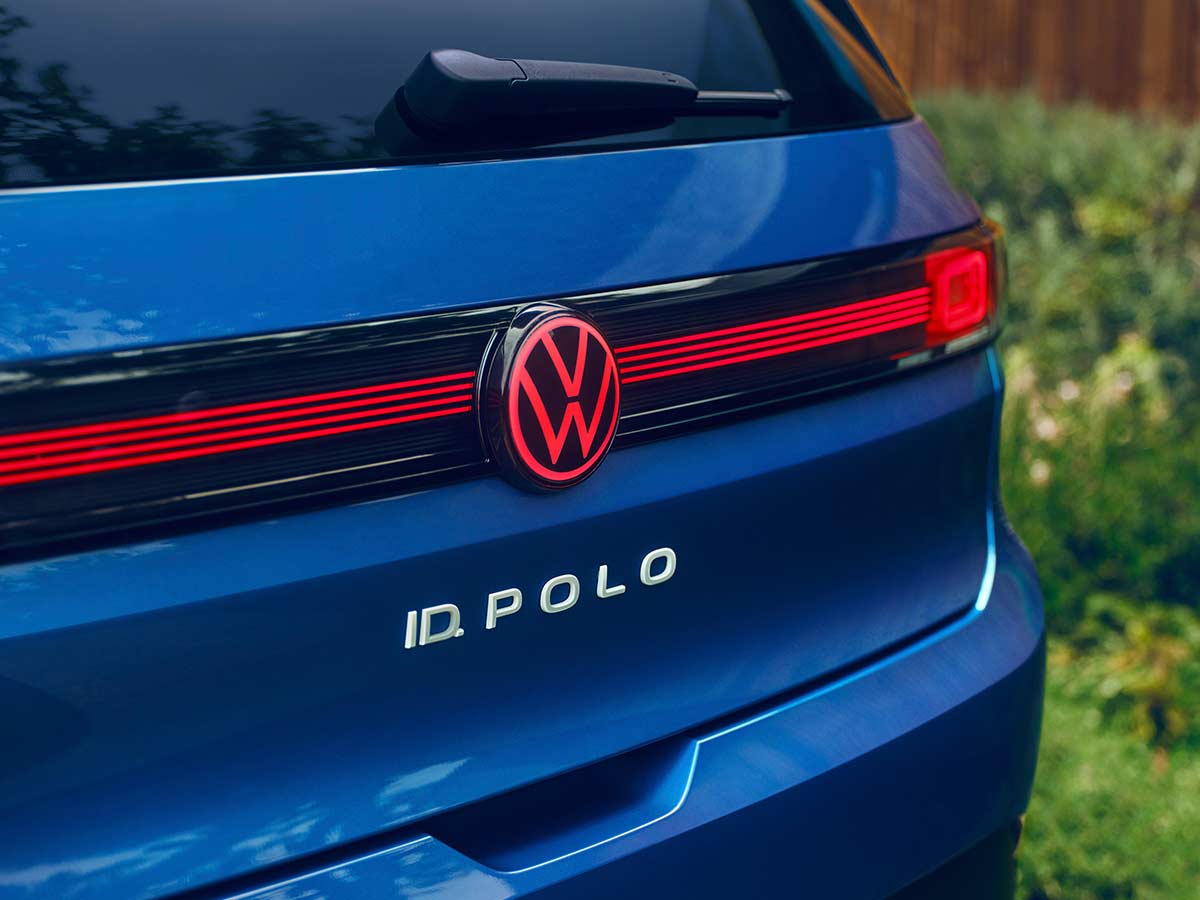
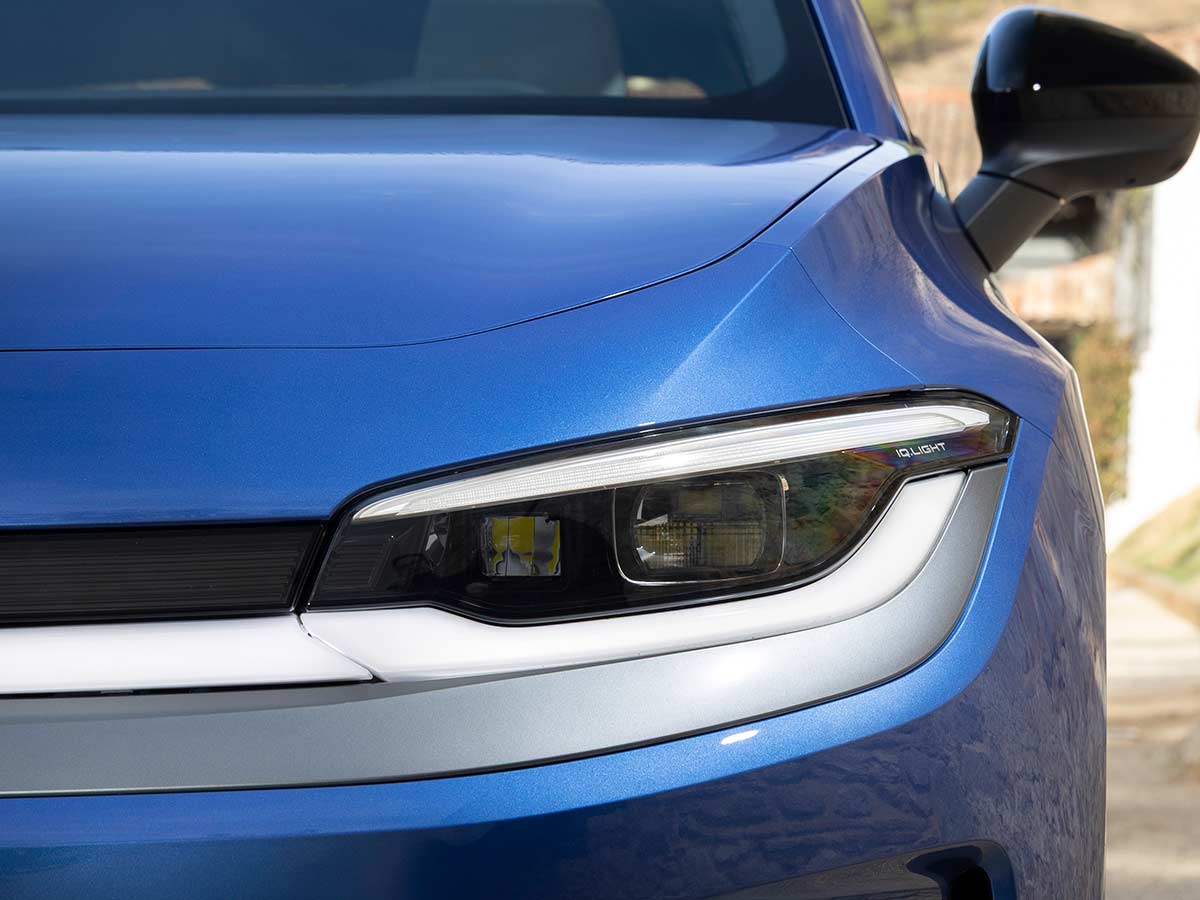
Higher trims receive illuminated Volkswagen logos, LED light bars and IQ.LIGHT matrix LED headlights that visually elevate the vehicle far beyond traditional expectations for a compact hatchback.
The challenge with EV design has often been balancing futuristic innovation with long-term visual appeal. Volkswagen appears to be prioritizing longevity here rather than chasing temporary styling trends.
Interior Technology Moves Upmarket
Step inside the ID. Polo and the leap forward becomes even more dramatic.
Volkswagen has heavily focused on improving perceived quality, ergonomics and digital integration while also responding to criticism of overly touch-dependent interfaces in previous models.
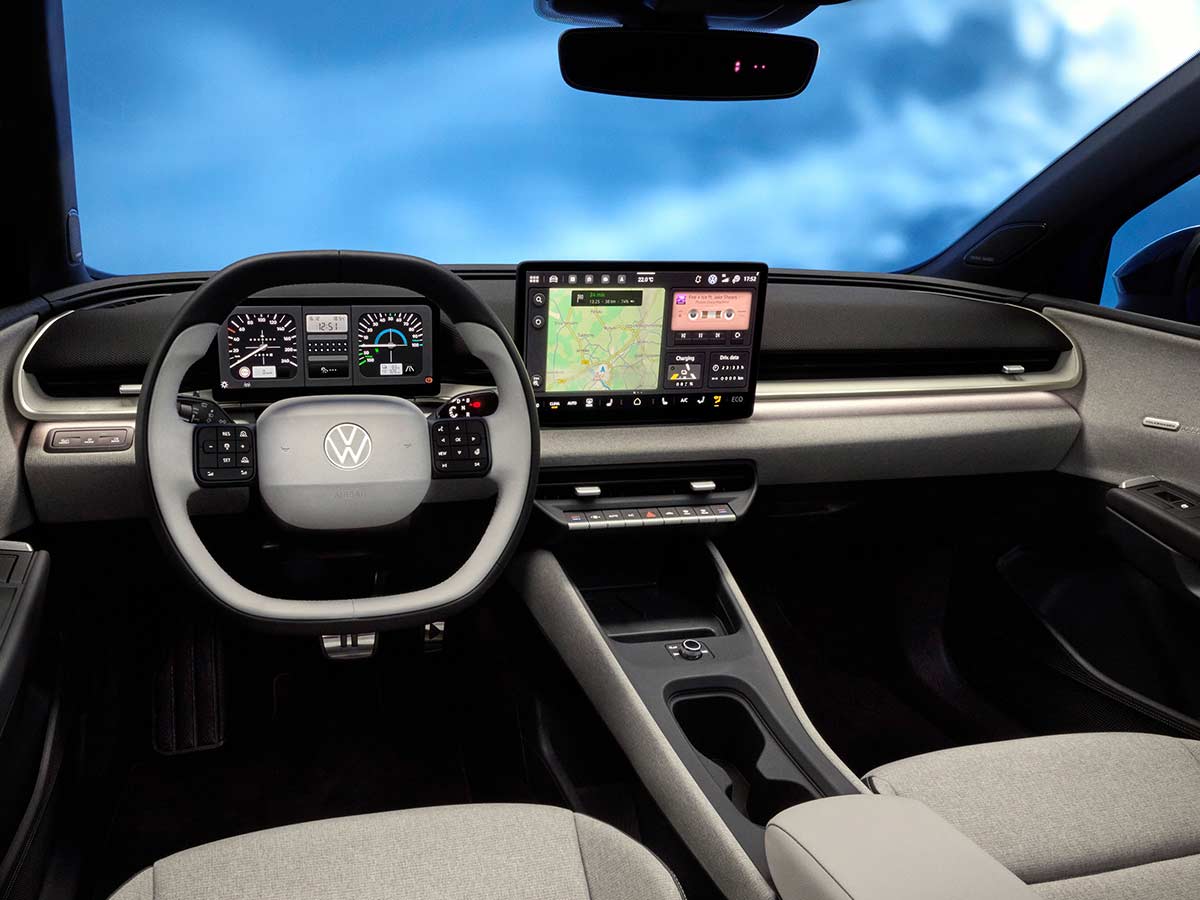
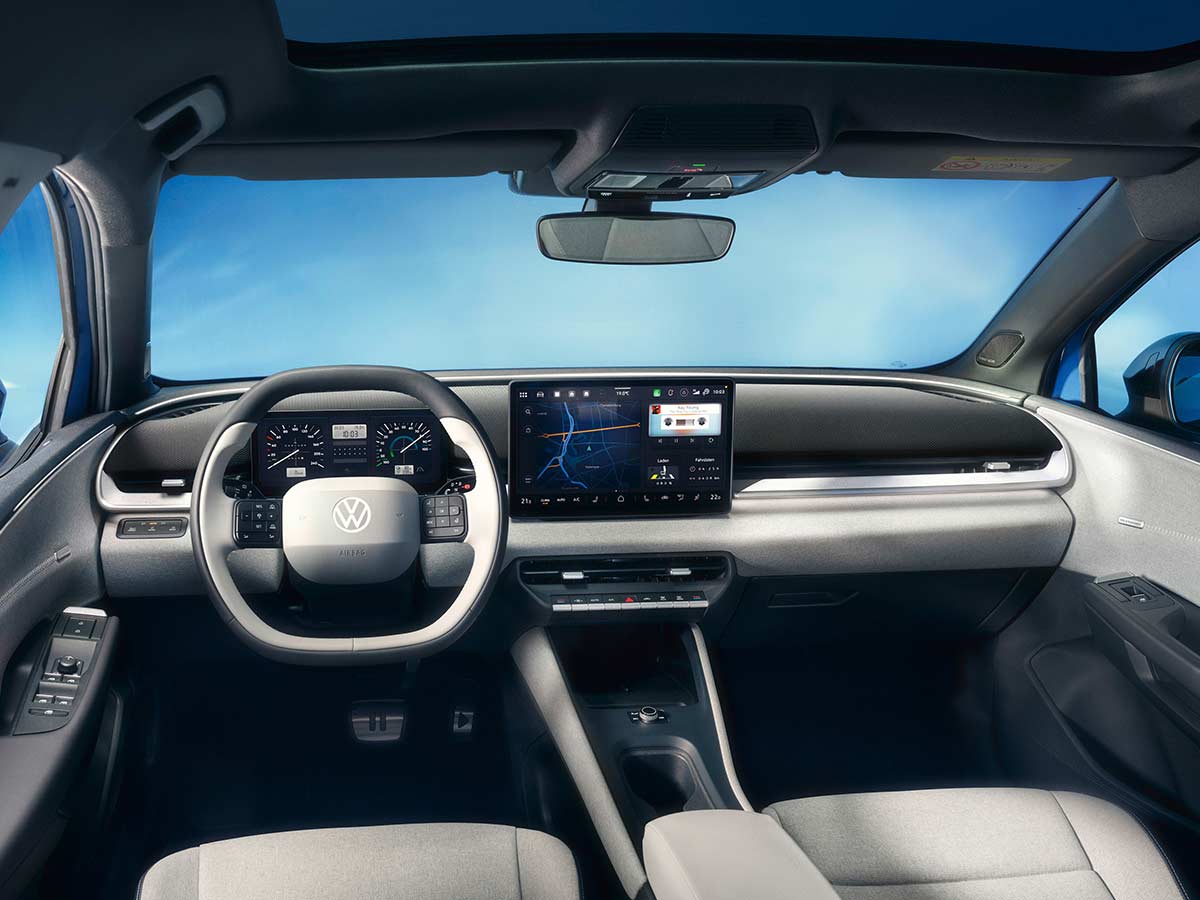
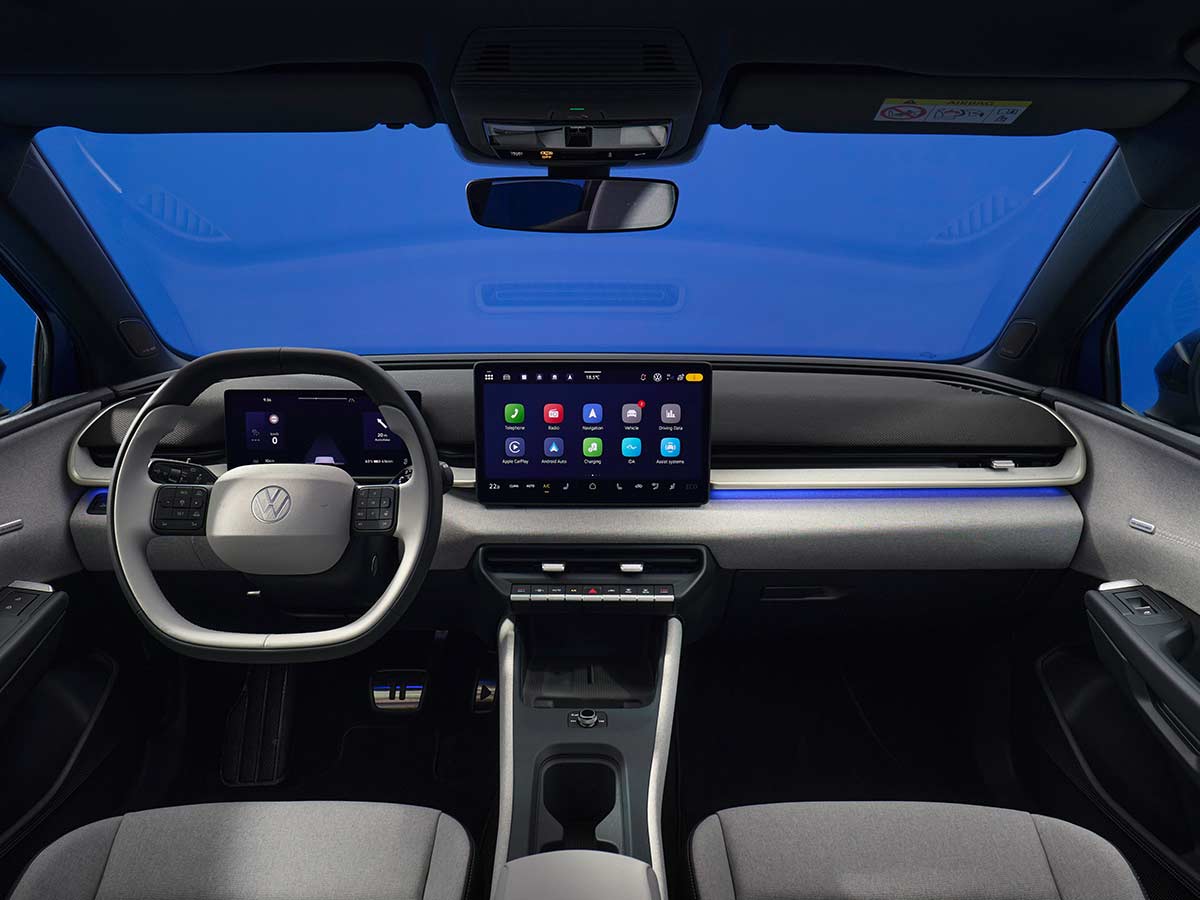
The cabin centers around two primary digital displays:
- A 10-inch Digital Cockpit instrument cluster
- A 13-inch Innovision infotainment touchscreen
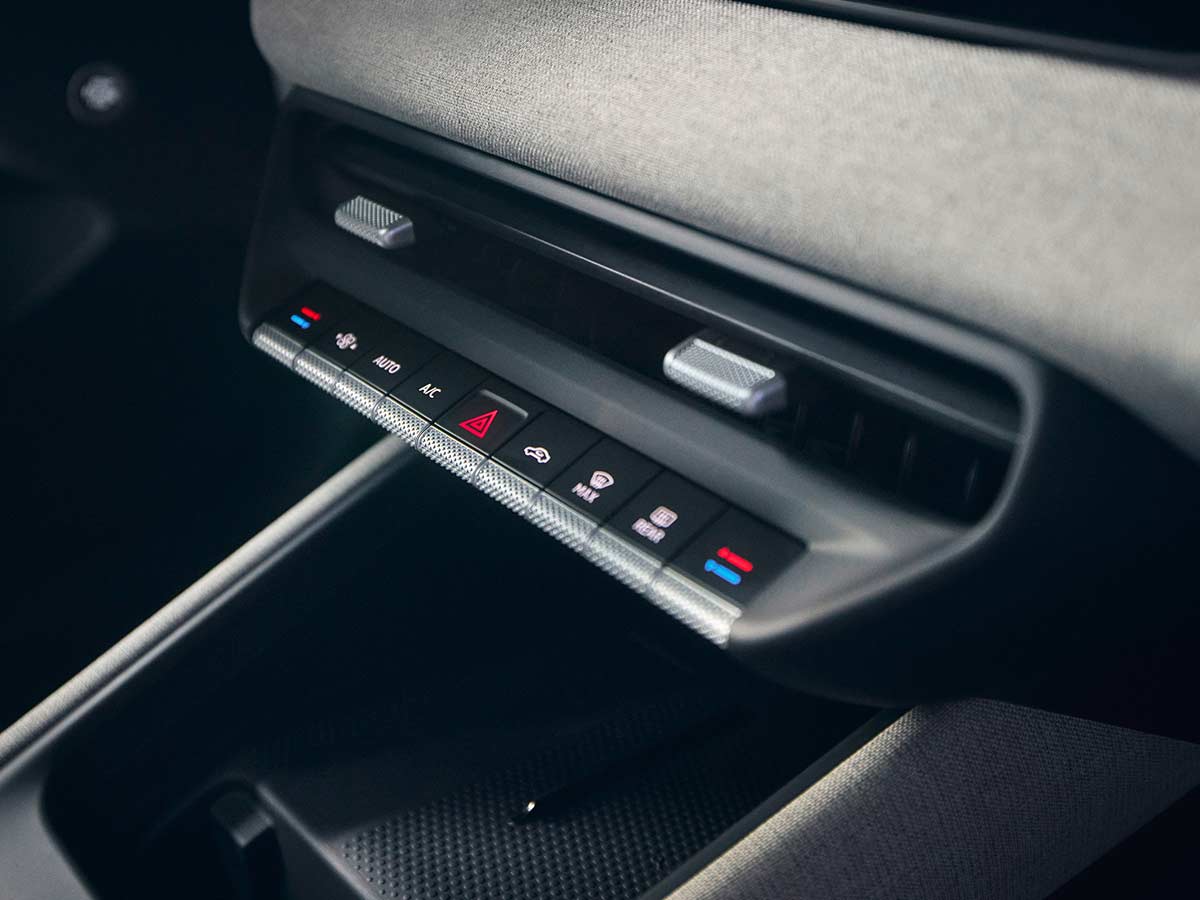
The large central display is designed to resemble a high-quality tablet, with improved graphics and accessibility for both driver and passenger. Importantly, Volkswagen also emphasizes physical controls, addressing one of the major complaints surrounding recent infotainment trends.
This matters more than it may initially seem.
Across the industry, automakers have increasingly prioritized minimalist interiors dominated by touchscreens. However, many drivers still prefer tactile buttons for frequently used functions. Volkswagen appears to be finding a middle ground by combining digital sophistication with more intuitive usability.
Another particularly interesting feature is the “retro display” mode inspired by the Golf I facelift instruments.
This blend of nostalgia and modernity could resonate strongly with long-time Volkswagen enthusiasts.
Advanced Driver Assistance Pushes the Segment Forward
One area where the ID. Polo significantly raises expectations is driver assistance technology.
Volkswagen claims the car introduces systems rarely available in the compact EV segment, including an advanced version of Connected Travel Assist with automatic traffic light recognition.
The system can assist with both longitudinal and lateral control while responding to traffic light conditions within operational limits.
That technology effectively moves the ID. Polo closer to semi-autonomous driving functionality than most direct competitors.
Other key assistance features include:
- Lane Assist with Emergency Assist
- Side Assist
- Adaptive Cruise Control
- Front Cross Traffic Assist
- Park Distance Control
- Rear-view camera system
One-pedal driving also comes standard, allowing drivers to control acceleration and deceleration primarily through throttle modulation.
For new EV owners, one-pedal driving often becomes one of the most appreciated daily-use features due to its smoothness and efficiency benefits.
Three Trim Levels Cater to Different Buyers
Volkswagen will offer the ID. Polo in three primary trim levels: Trend, Life and Style.
ID. Polo Trend
The entry-level Trend trim still includes an impressive amount of equipment.
Standard features include:
- 90 kW DC fast charging
- LED headlights with main-beam control
- 10-inch Digital Cockpit
- 13-inch infotainment system
- Automatic climate control
- Leatherette multifunction steering wheel
- Side Assist
- Lane Assist
That level of standard equipment is notable because affordable EVs have historically been criticized for feeling stripped down.
ID. Polo Life
The mid-range Life trim adds a stronger emphasis on comfort and convenience.
Additional features include:
- Adaptive Cruise Control
- Rear-view camera
- Front parking sensors
- Voice control
- Wireless Apple CarPlay and Android Auto
- Wireless smartphone charging
- Electrically folding mirrors
- Variable luggage compartment floor
For many buyers, this will likely represent the sweet spot in the lineup.
ID. Polo Style
At the top sits the more luxurious Style variant.
Highlights include:
- IQ.LIGHT matrix LED headlights
- Illuminated front and rear VW logos
- 3D LED tail lights
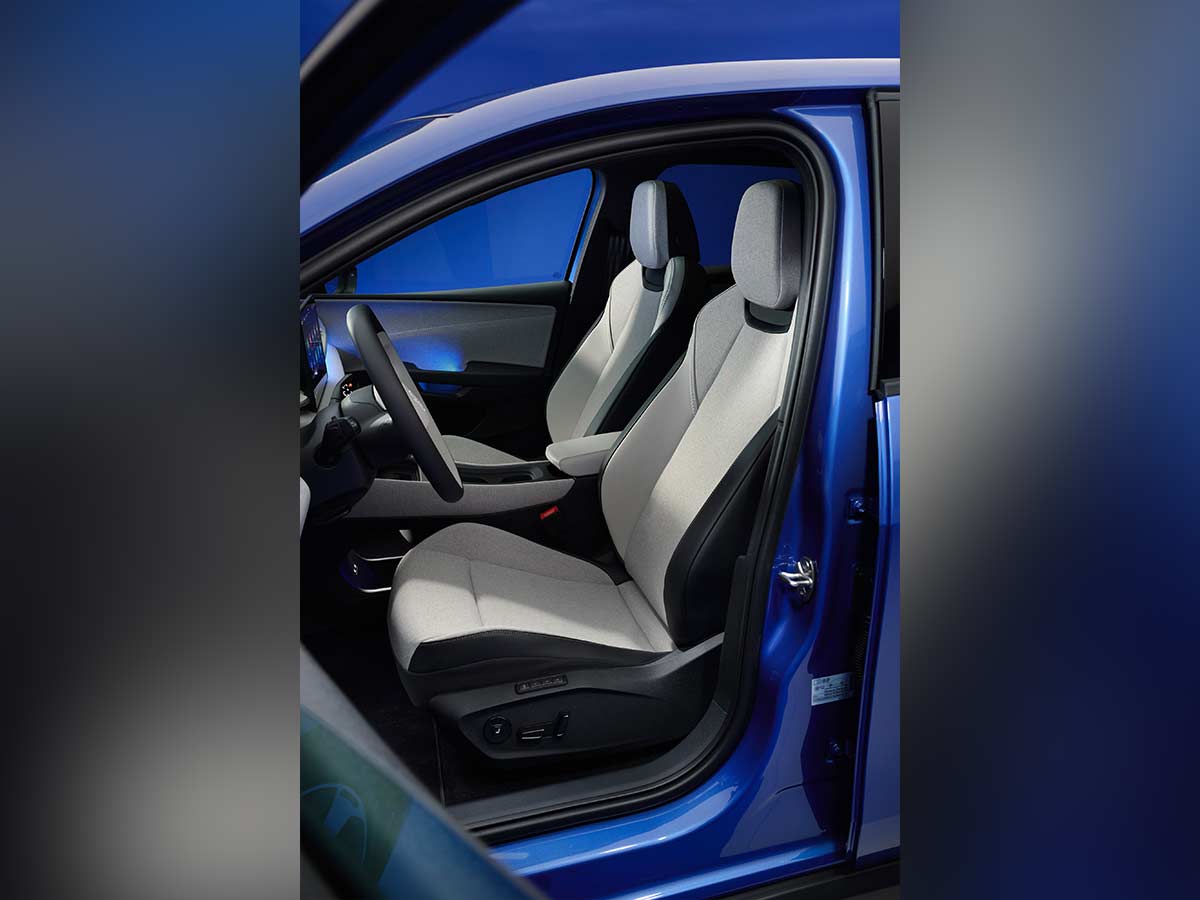
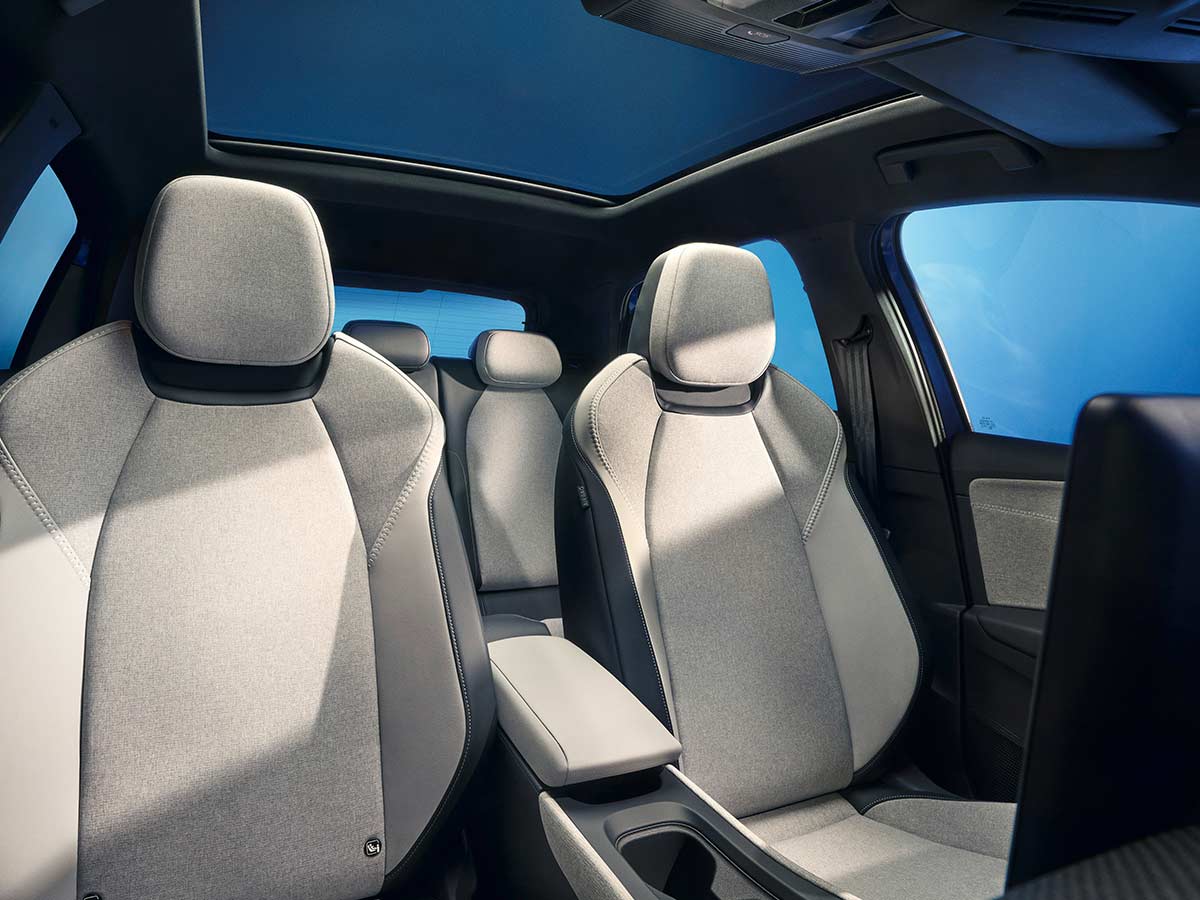
- Sport comfort seats
- Ambient lighting
- Heated seats and steering wheel
- Two-zone climate control
The enhanced ID. Light system also introduces safety functions extending into the front doors. The vehicle can warn occupants about approaching road users before opening the doors.
This demonstrates how software-defined functionality is increasingly shaping modern vehicle experiences.
Premium Features Rarely Seen in Compact Cars
Volkswagen is clearly attempting to elevate perceptions of what an affordable EV can offer.
Optional equipment includes several features traditionally associated with luxury vehicles:
- Harman Kardon premium sound system
- Panoramic glass roof
- 12-way electrically adjustable front seats
- Pneumatic massage seats
- Memory function for the driver’s seat
The massage seats are especially surprising in this segment.
Compact hatchbacks have historically focused on practicality rather than indulgence. Including features typically found in executive sedans signals Volkswagen’s intention to redefine customer expectations.
This also reflects a broader industry trend.
As EV platforms simplify packaging and mechanical layouts, manufacturers gain more flexibility to introduce premium comfort features at lower price points.
Vehicle-to-Load Functionality Expands Practicality
Another standout innovation is vehicle-to-load capability.
The ID. Polo can supply up to 3.6 kW of external power using a separate adapter connected to the charging port.
In practical terms, that means owners can power:
- E-bikes
- Camping equipment
- Small appliances
- Outdoor lighting
- Portable electronics
This transforms the car into a mobile energy source.
Vehicle-to-load technology is becoming increasingly important in the EV market because it expands the utility of electric vehicles beyond transportation. For active lifestyle buyers or outdoor enthusiasts, it adds genuine real-world functionality.
Pricing Strategy Could Be Crucial
Perhaps the most important aspect of the ID. Polo is its pricing structure.
Volkswagen says the entry-level version will start at €24,995 in Germany, although the initial launch model begins at €33,795 for the higher-powered Life trim with the larger battery pack.
The lower-priced versions are expected later.
That pricing target matters enormously because the European EV market still struggles with affordability concerns. Many consumers remain interested in electric mobility but are priced out of larger or more premium offerings.
If Volkswagen successfully delivers a genuinely usable EV with strong range, fast charging and premium technology around the €25,000 mark, the ID. Polo could become one of the most significant electric vehicle launches in Europe over the next several years.
Why the ID. Polo Matters Beyond Volkswagen
The importance of the ID. Polo extends beyond a single model launch.
The vehicle represents a broader turning point for the automotive industry.
For years, electric vehicles largely occupied two extremes:
- Expensive premium models
- Budget-focused small EVs with heavy compromises
The ID. Polo attempts to bridge that gap by delivering mainstream practicality, respectable range, advanced technology and emotional desirability at a relatively attainable price.
That combination could dramatically accelerate EV adoption among traditional hatchback buyers.
It also reflects how legacy automakers are beginning to leverage scale advantages more effectively. Volkswagen’s extensive manufacturing footprint, shared platform strategy and long-standing expertise in compact cars may give it a competitive edge as the industry moves deeper into electrification.
A Clear Focus on Human-Centered Design
One of the most refreshing aspects of the ID. Polo is its apparent emphasis on human-centered usability.
Rather than overwhelming users with futuristic gimmicks, Volkswagen focuses on:
- Intuitive controls
- Spacious interiors
- Comfortable ergonomics
- Familiar design cues
- Practical functionality
That approach could prove highly effective.
Many consumers interested in EVs are not necessarily technology enthusiasts. They simply want a dependable, efficient, comfortable car that integrates seamlessly into daily life.
The ID. Polo appears designed precisely for those buyers.
The Competitive Landscape
The compact electric hatchback market is becoming increasingly crowded, especially in Europe.
Competitors include models such as:
- Renault 5 E-Tech
- Peugeot e-208
- MINI Cooper Electric
- Opel Corsa Electric
- Citroën ë-C3
However, Volkswagen may hold several advantages:
- Strong brand recognition
- Extensive dealership support
- MEB+ platform scalability
- Larger interior packaging
- More premium technology offerings
The ID. Polo’s success will ultimately depend on execution – particularly software reliability, real-world efficiency and final market pricing.
Still, on paper, the formula appears extremely compelling.
Volkswagen’s Broader Electric Strategy
The ID. Polo also forms part of Volkswagen’s larger transformation strategy.
The company delivered approximately 382,000 all-electric vehicles globally in 2025 and continues pushing toward its BOOST 2030 objectives aimed at becoming “the most desirable brand for sustainable mobility.”
Small affordable EVs are essential to achieving that vision.
Premium electric SUVs may generate headlines, but mainstream adoption will depend on vehicles ordinary buyers can realistically afford and comfortably use every day.
That is exactly the role the ID. Polo is intended to fill.
Final Verdict: A Potential Turning Point for Affordable EVs
The all-new Volkswagen ID. Polo could become one of the defining compact electric vehicles of this decade.
It combines many of the ingredients consumers have been waiting for:
- Real-world usable range
- Fast charging
- Strong interior space
- Premium technology
- Recognizable branding
- Accessible pricing
- Everyday practicality
Most importantly, it avoids presenting electrification as a compromise.
Instead, Volkswagen positions the ID. Polo as something better than its combustion predecessor – more spacious, more advanced, more versatile and potentially more enjoyable to live with daily.
If Volkswagen delivers on the promises outlined during the global debut, the ID. Polo may not simply continue the legacy of the Polo nameplate.
It could redefine what mainstream electric mobility looks like for millions of drivers worldwide.
Frequently Asked Questions (FAQs) – Volkswagen ID. Polo
What is the Volkswagen ID. Polo?
The Volkswagen ID. Polo is the all-new fully electric version of the iconic Polo hatchback. Built on Volkswagen’s MEB+ electric vehicle platform, it combines compact dimensions with a spacious interior, modern technology and a driving range of up to 455 km (WLTP).
What is the range of the Volkswagen ID. Polo?
The top-spec ID. Polo with the 52 kWh battery offers up to 455 km of WLTP range on a single charge. Lower variants with the 37 kWh battery deliver up to 329 km of range.
How fast can the ID. Polo charge?
The ID. Polo supports DC fast charging as standard. Volkswagen claims the battery can charge from 10% to 80% in approximately:
- 23 minutes for the 37 kWh battery
- 24 minutes for the 52 kWh battery
What battery options are available in the ID. Polo?
Volkswagen will offer two battery packs:
- 37 kWh LFP (Lithium Iron Phosphate) battery
- 52 kWh NMC (Nickel Manganese Cobalt) battery
The larger battery is available with the most powerful 155 kW motor variant.
How many power variants does the Volkswagen ID. Polo have?
The ID. Polo will be available with three power outputs:
- 85 kW (116 PS)
- 99 kW (135 PS)
- 155 kW (211 PS)
What is the starting price of the Volkswagen ID. Polo?
Volkswagen has announced a starting price of €24,995 for the entry-level version in Germany. The launch version, featuring the 155 kW motor and 52 kWh battery, starts at €33,795.
Is the ID. Polo larger than the regular Polo?
While the exterior dimensions remain compact, the ID. Polo offers significantly better interior packaging thanks to its dedicated EV platform. It also provides:
- 441 litres of boot space
- Up to 1,240 litres with rear seats folded
This is more cargo capacity than the standard combustion-engine Polo.
Does the ID. Polo support one-pedal driving?
Yes. One-pedal driving comes as standard in the ID. Polo, allowing drivers to accelerate and decelerate using mainly the accelerator pedal.
What technology features are available in the ID. Polo?
Key technology highlights include:
- 10-inch Digital Cockpit
- 13-inch infotainment touchscreen
- Wireless Apple CarPlay and Android Auto
- Voice control
- Connected Travel Assist
- Traffic light recognition
- IQ.LIGHT matrix LED headlights (higher trims)
Does the ID. Polo have physical buttons?
Yes. Volkswagen says the ID. Polo focuses on intuitive usability and includes clearly accessible physical controls alongside its digital displays.
What is Connected Travel Assist in the ID. Polo?
Connected Travel Assist is Volkswagen’s advanced driver assistance system that supports steering, braking and acceleration. In the ID. Polo, it also includes automatic traffic light recognition within system limits.
Can the ID. Polo power external devices?
Yes. The ID. Polo supports vehicle-to-load (V2L) functionality with up to 3.6 kW power output, allowing owners to power external devices such as:
- E-bikes
- Camping equipment
- Outdoor electronics
What trim levels are available for the ID. Polo?
The electric hatchback will be offered in three trims:
- Trend
- Life
- Style
Each trim adds more comfort, technology and premium features.
Does the ID. Polo offer premium features?
Yes. Depending on the variant and options selected, buyers can get:
- Massage seats
- Harman Kardon sound system
- Panoramic glass roof
- Heated seats and steering wheel
- Ambient lighting
Is the ID. Polo based on Volkswagen’s MEB platform?
Yes. The ID. Polo uses the upgraded MEB+ electric vehicle architecture, which improves efficiency, interior space and software integration.
When will the Volkswagen ID. Polo go on sale?
Pre-sales in Germany have already started. Additional variants and the lower-priced entry-level version are expected to launch later in the summer of 2026.
Is the Volkswagen ID. Polo coming to global markets?
Volkswagen has currently confirmed European launch plans. Market availability for other regions will likely be announced later.
Who are the main rivals of the Volkswagen ID. Polo?
Expected competitors include:
- Renault 5 E-Tech
- Peugeot e-208
- MINI Cooper Electric
- Opel Corsa Electric
- Citroën ë-C3
Why is the ID. Polo important for Volkswagen?
The ID. Polo plays a key role in Volkswagen’s strategy to make electric mobility more affordable and accessible while expanding its all-electric ID lineup into the compact hatchback segment.
What makes the ID. Polo different from other compact EVs?
The ID. Polo stands out with:
- Long driving range
- Spacious cabin packaging
- Premium technology
- Fast charging
- Affordable entry pricing
- Advanced driver assistance systems
- Strong Volkswagen brand heritage