









After more than a decade away from SEMA, Mitsubishi returns with an SUV that looks towards the outdoors, draws on its motorsport past and signals where the brand wants to go next.
There is something revealing about the vehicles a manufacturer chooses to bring to SEMA. This is not an ordinary motor show where polished production models compete for attention under carefully controlled lighting. SEMA is where the automotive world gets a little more adventurous. It is a place for bigger ideas, unusual builds, aftermarket creativity and machines that make you reconsider what a familiar vehicle can become.
For Mitsubishi, returning to the show after 14 years is significant in itself. But the company is not making its comeback quietly. Its headline act is the all-new 2028 Outlander Diamond Trail Edition, a more rugged interpretation of its family SUV and, perhaps more importantly, a statement about the direction Mitsubishi wants to take in North America.
Making its world debut at the 2026 SEMA Show in Las Vegas, the Diamond Trail Edition is being positioned as the most capable Outlander the company has offered in the market. That is a fairly bold claim, particularly for a nameplate traditionally associated with everyday family duties. Yet the thinking behind this version is interesting. Mitsubishi is attempting to bring its off-road heritage into a vehicle that still belongs in the modern family SUV conversation.
And it is doing so with more than a collection of cosmetic accessories.
>>> Great Discounts on Car & Bike Accessories <<<
An Outlander with a different attitude
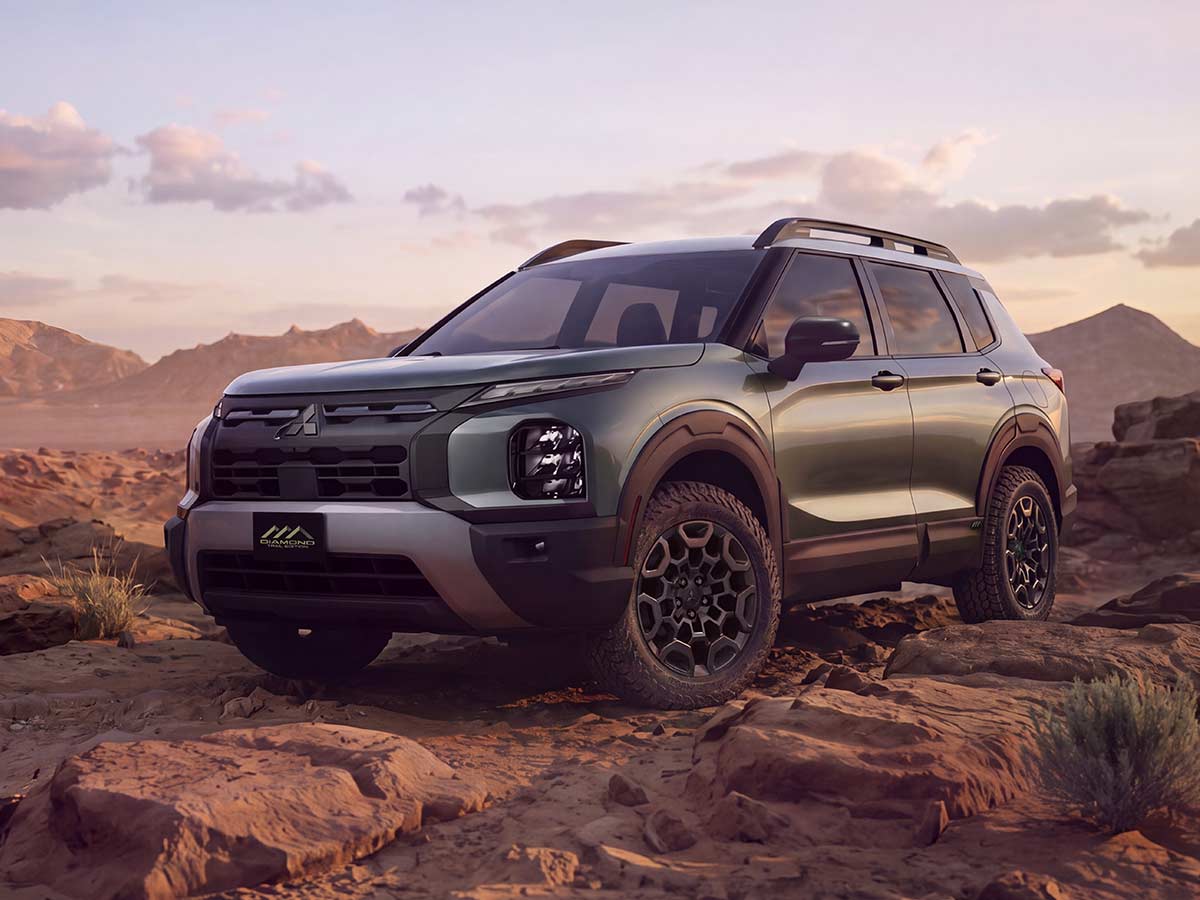
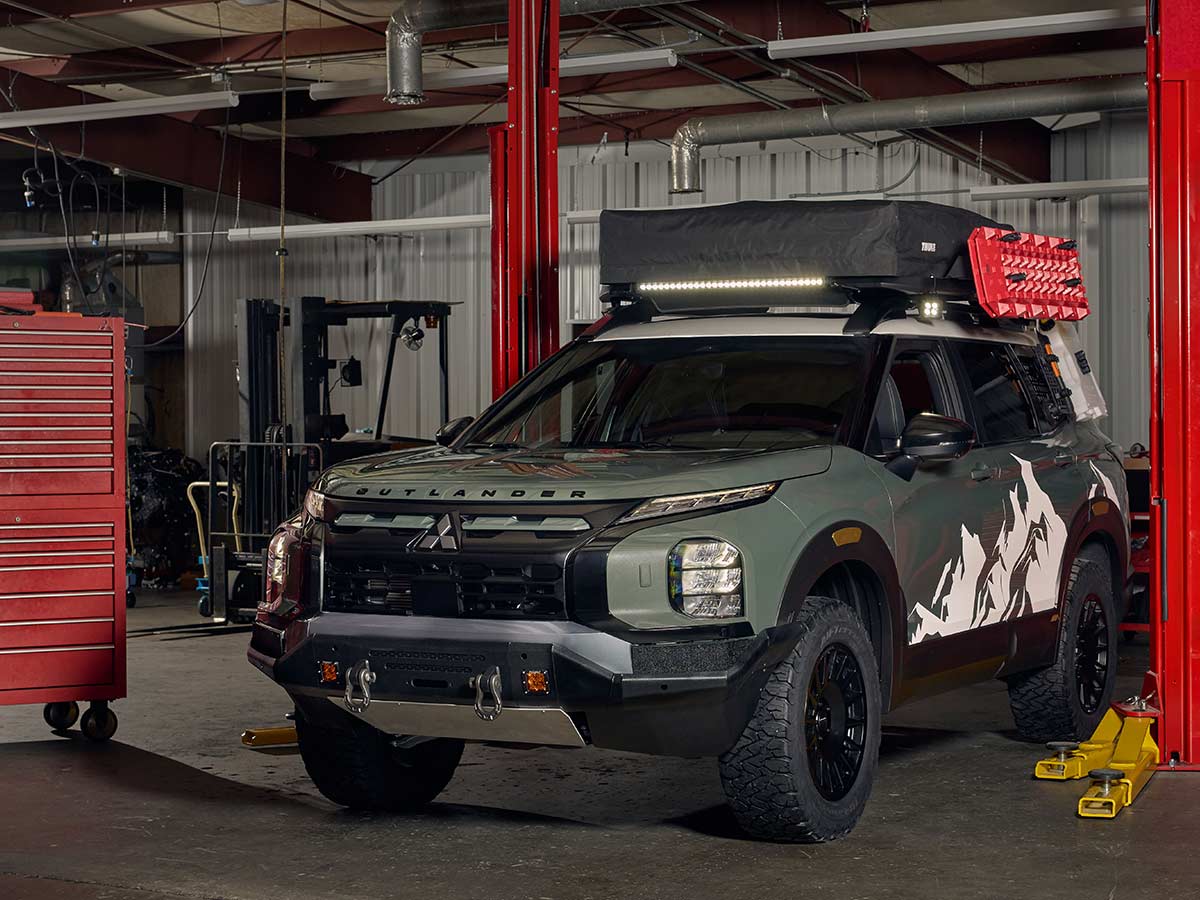
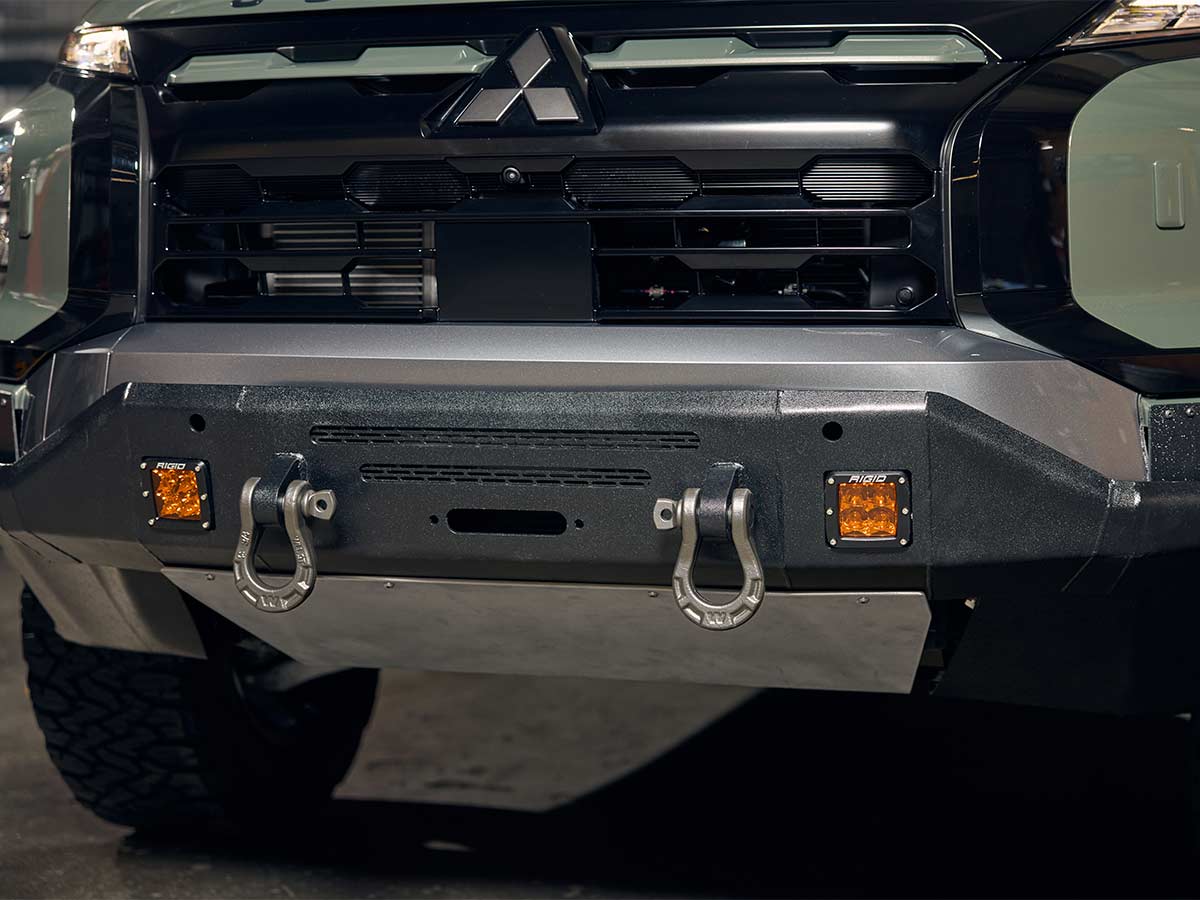
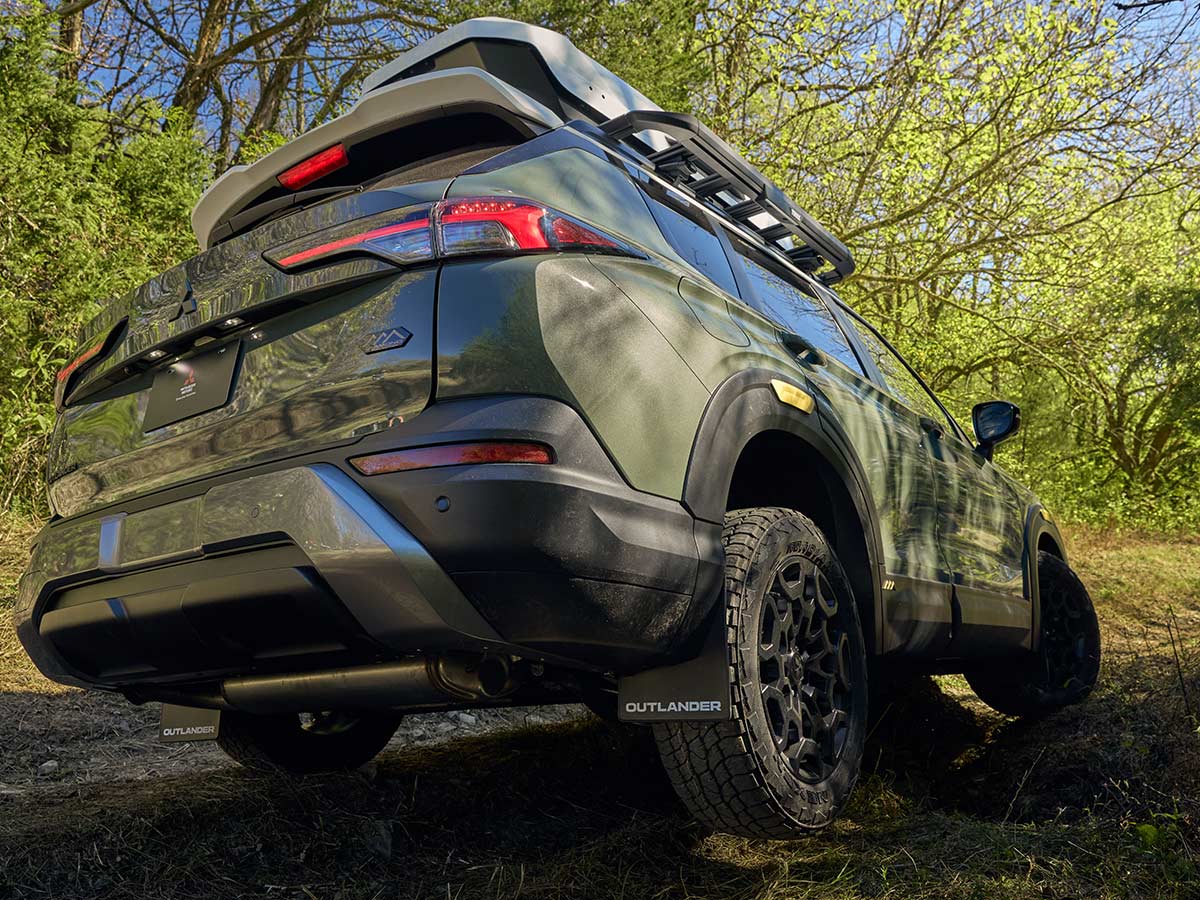
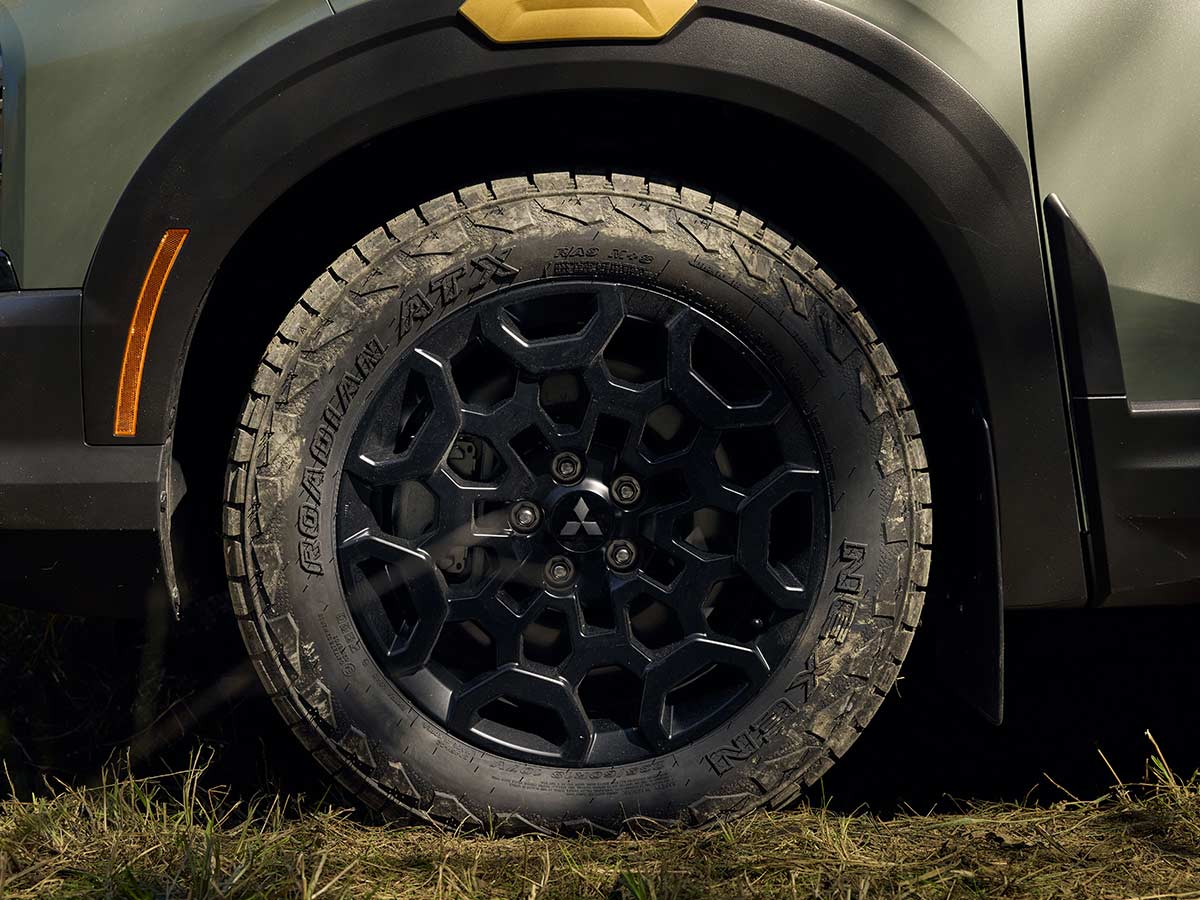
The first thing that sets the Diamond Trail apart is its stance. The familiar Outlander has been given a noticeably tougher visual character, with a matte-black grille, black Dynamic Shield detailing and dark-finished headlights. Redesigned front and rear bumpers, aggressive over-fenders and dedicated 18-inch black alloy wheels give the SUV a more purposeful appearance.
But the changes are not entirely about looking the part.
The revised bumpers improve the approach angle from 18.3 degrees to 20.5 degrees, while the departure angle increases from 22.2 degrees to 23.1 degrees. These are meaningful adjustments for a vehicle expected to encounter uneven ground, steep transitions and the occasional rocky trail.
The wheels are paired with Nexen Roadian ATX all-terrain tyres, while raised roof rails add some practical flexibility for carrying additional equipment. It is a combination that suggests the Diamond Trail is intended to spend at least some of its life away from the smooth, predictable surfaces of urban roads.
The most interesting change, however, sits beneath the surface.
The technology behind the trail-ready image
Mitsubishi has a considerable history in four-wheel-drive development, and the Diamond Trail Edition draws on that experience through its Super-All Wheel Control system, or S-AWC.
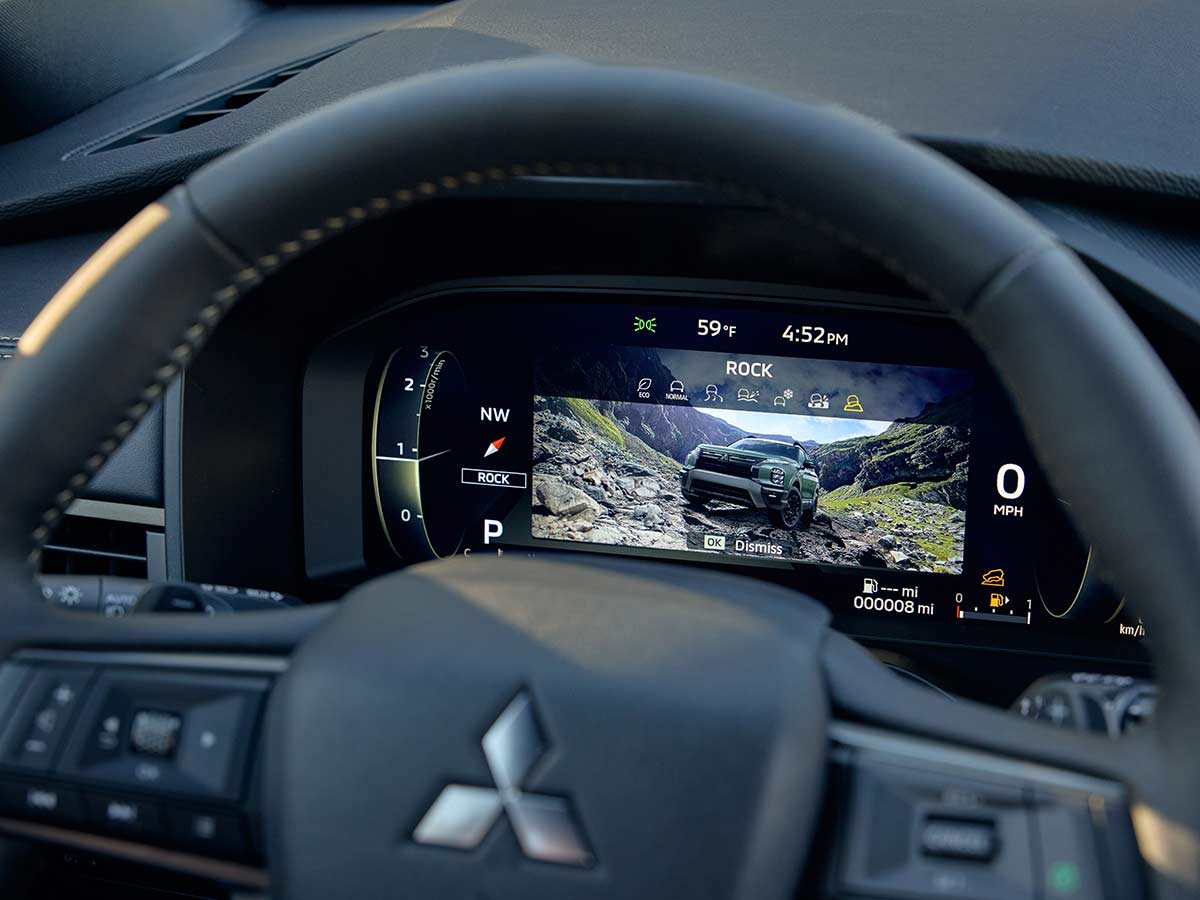
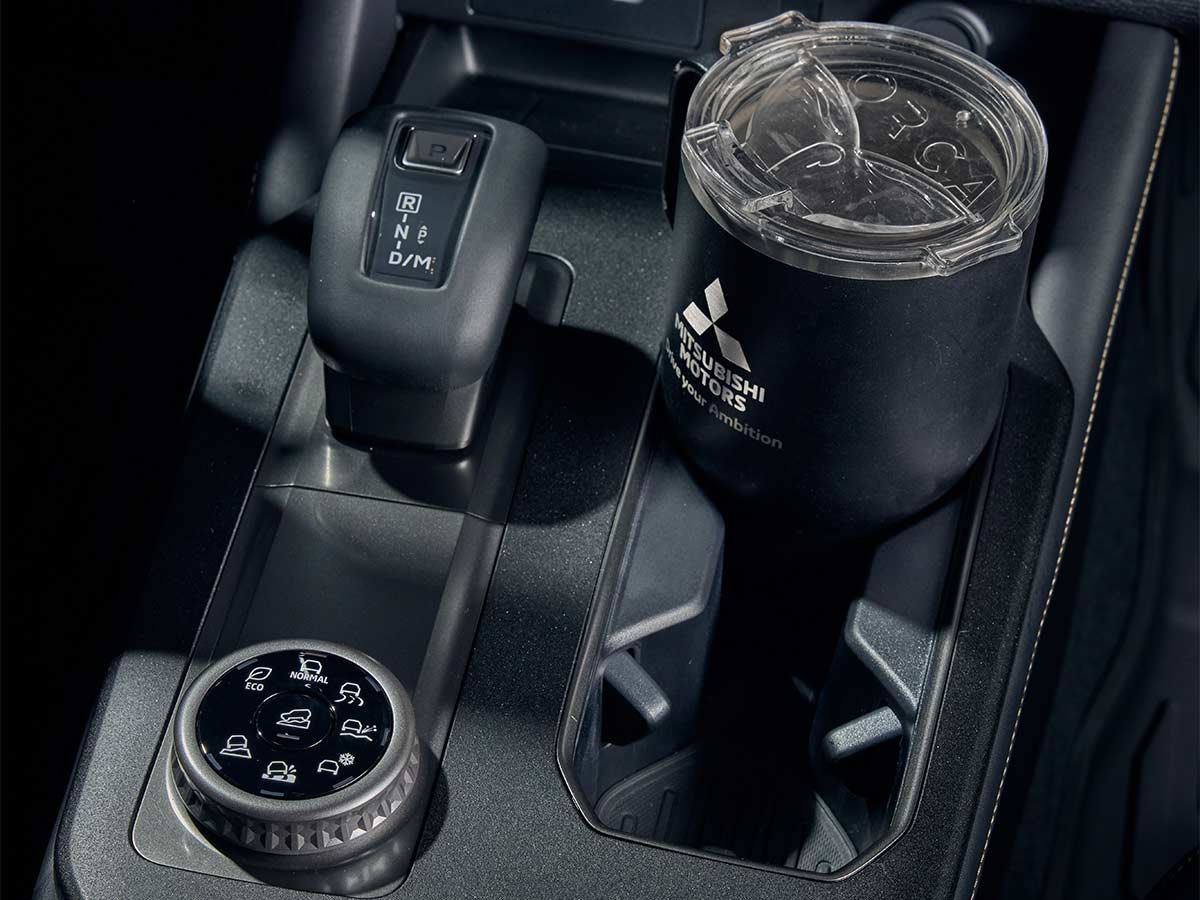
For this particular model, the system receives a new Rock drive mode. Its purpose is straightforward: improve the vehicle’s ability to maintain traction when negotiating rocky or uneven terrain.
The system uses enhanced brake control to suppress wheelspin more quickly than the other S-AWC modes. By intervening sooner when individual wheels begin to lose traction, it helps the vehicle maintain forward progress over difficult surfaces.
There is also a useful addition to the driver’s information display. A new instrument-cluster screen can show the front-wheel steering angle, individual wheel slip and traction-control intervention. Rather than simply asking the driver to trust the electronics, Mitsubishi is providing a clearer picture of what the vehicle is doing underneath.
The Multi-View Camera System has also been adapted for more demanding conditions. It can now remain active at speeds of up to 18.6mph, or 30km/h, compared with 6.2mph, or 10km/h, in the standard model.
Hill Descent Control is automatically activated when Rock mode is selected. Drivers can adjust the speed at which the system holds the vehicle, helping manage controlled descents across rocky or uneven terrain.
Taken together, these additions give the Diamond Trail a more convincing mechanical identity. This is not simply an Outlander wearing tougher-looking bodywork. Mitsubishi has made changes to the systems that actually matter when the surface beneath the tyres becomes unpredictable.
A heritage that stretches from the Dakar desert to modern family SUVs
There is a reason Mitsubishi is leaning so heavily into its off-road history.
The company’s relationship with four-wheel-drive vehicles goes back decades, beginning with the 1934 PX-33, recognised as Japan’s first four-wheel-drive vehicle. Its motorsport record subsequently helped establish the brand’s reputation for durability and capability.
The Dakar Rally remains an important part of that story. Mitsubishi secured overall honours in the legendary off-road event 12 times, including seven consecutive victories. In the World Rally Championship, Mitsubishi drivers won four consecutive championships between 1996 and 1999, while the company also secured the constructors’ title in 1998.
These achievements were not merely trophies for the showroom. They helped develop and refine the four-wheel-drive technologies that eventually found their way into production vehicles.
Today’s S-AWC system is part of that continuing evolution.
The Diamond Trail Edition is an attempt to make that heritage relevant to a different generation of buyers. Not everyone needs a dedicated off-road machine, and not everyone wants to sacrifice everyday practicality for extreme terrain ability. But there is an audience for family vehicles that can comfortably handle the school run during the week and a more adventurous weekend when the opportunity arises.
That is the space Mitsubishi appears to be targeting.
An interior designed for muddy boots, not just good photographs
The exterior might be what initially attracts attention, but the interior changes reveal something about how Mitsubishi imagines the Diamond Trail being used.
The seats receive exclusive dark-grey upholstery with khaki stitching. The material is designed to repel water and be easier to clean, a sensible choice for a vehicle that is being marketed towards outdoor activities.
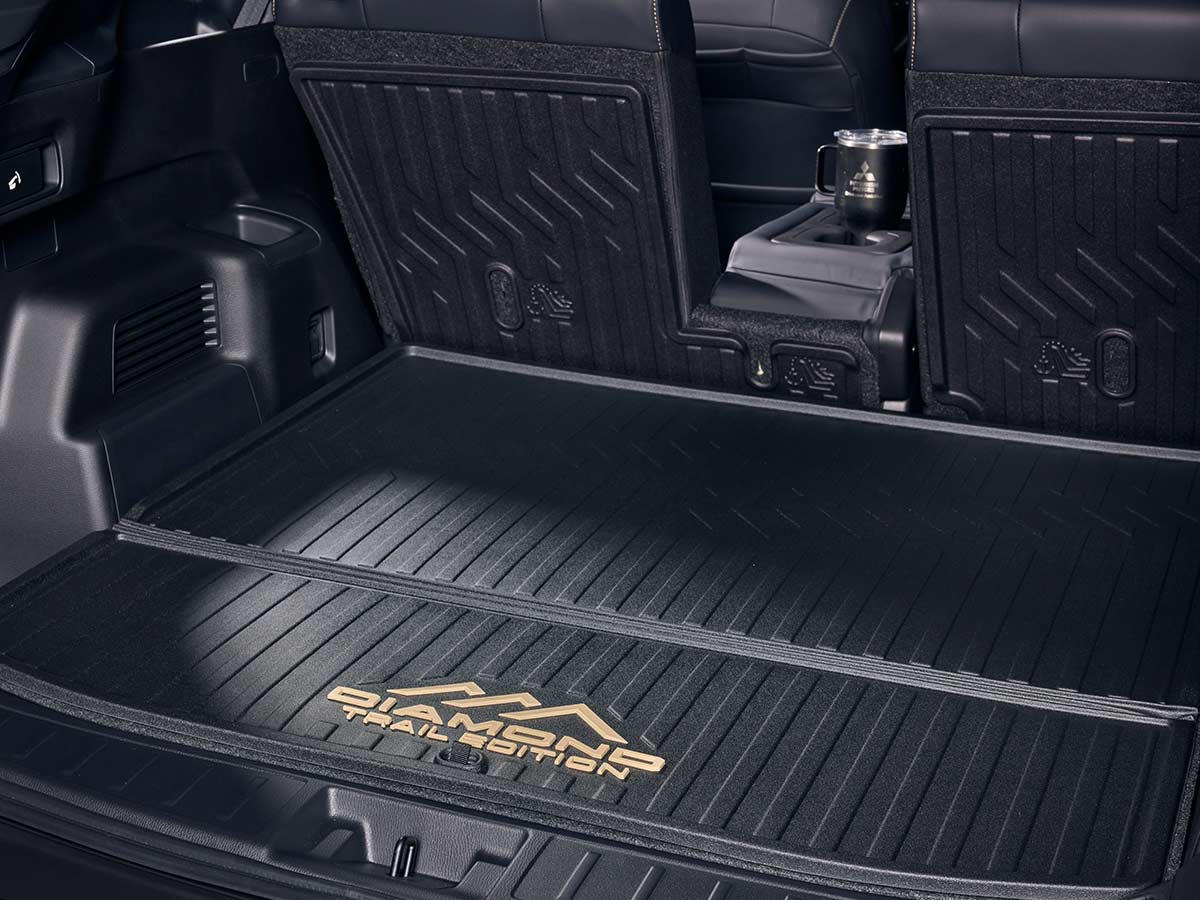
The cabin also adopts a darker visual theme, combining textured matte black, dark chrome and dark satin finishes. Diamond Trail branding appears on the seatbacks, floor mats and door trim.
The logo itself carries a little symbolism. Inspired by skilled athletes navigating a downhill course, it also plays on Mitsubishi’s Three Diamonds motif.
Perhaps the most distinctive addition is the new Trail Green Metallic exterior finish. Developed specifically for the Diamond Trail Edition, the earthy colour gives the SUV a closer connection to the landscapes it is intended to explore. Buyers can also pair it with a white roof, creating a two-tone combination that features on all three Diamond Trail vehicles displayed at SEMA.
It is a colour choice that feels particularly appropriate for the model. In a segment where black, grey and silver can sometimes make even adventurous SUVs look indistinguishable, a more expressive shade gives the Diamond Trail some personality.
Three builds, three different interpretations of adventure
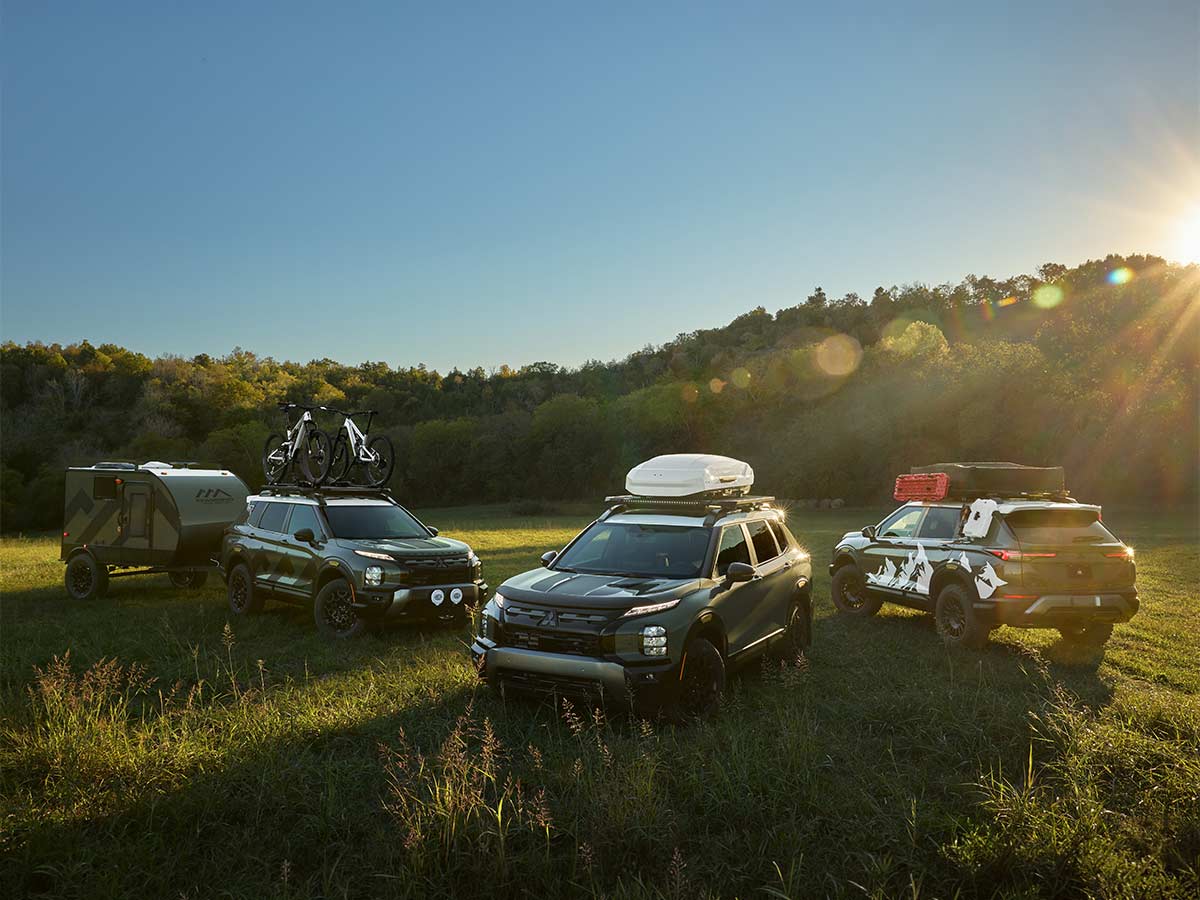
Mitsubishi’s SEMA display is particularly interesting because the company is not presenting just one version of the Diamond Trail. Three examples will demonstrate how the same basic vehicle can be adapted to different kinds of outdoor use.
The first stays relatively close to the production specification, with Mitsubishi Genuine Accessories and a colour-matched Thule roof box. It is arguably the most relatable interpretation, showing how an owner could add extra carrying capacity without fundamentally changing the character of the SUV.
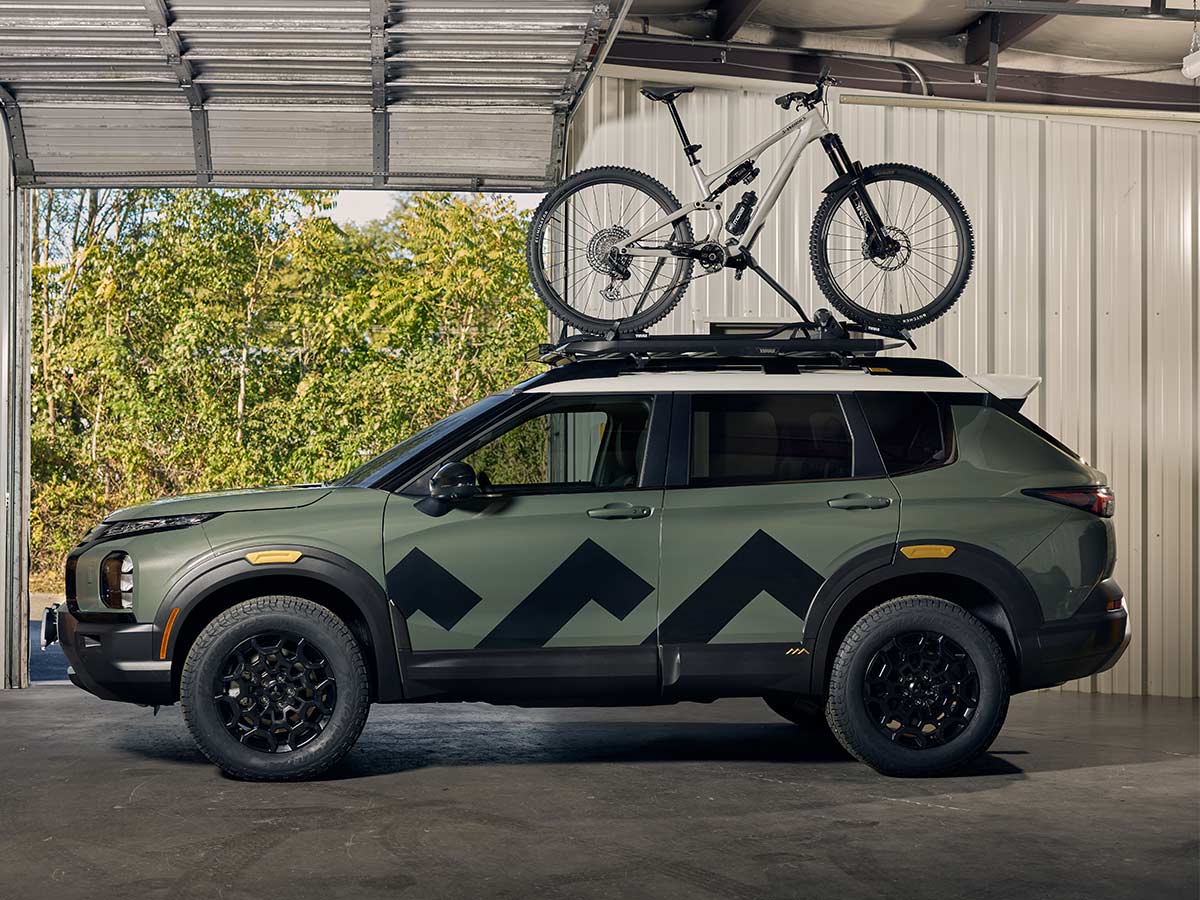
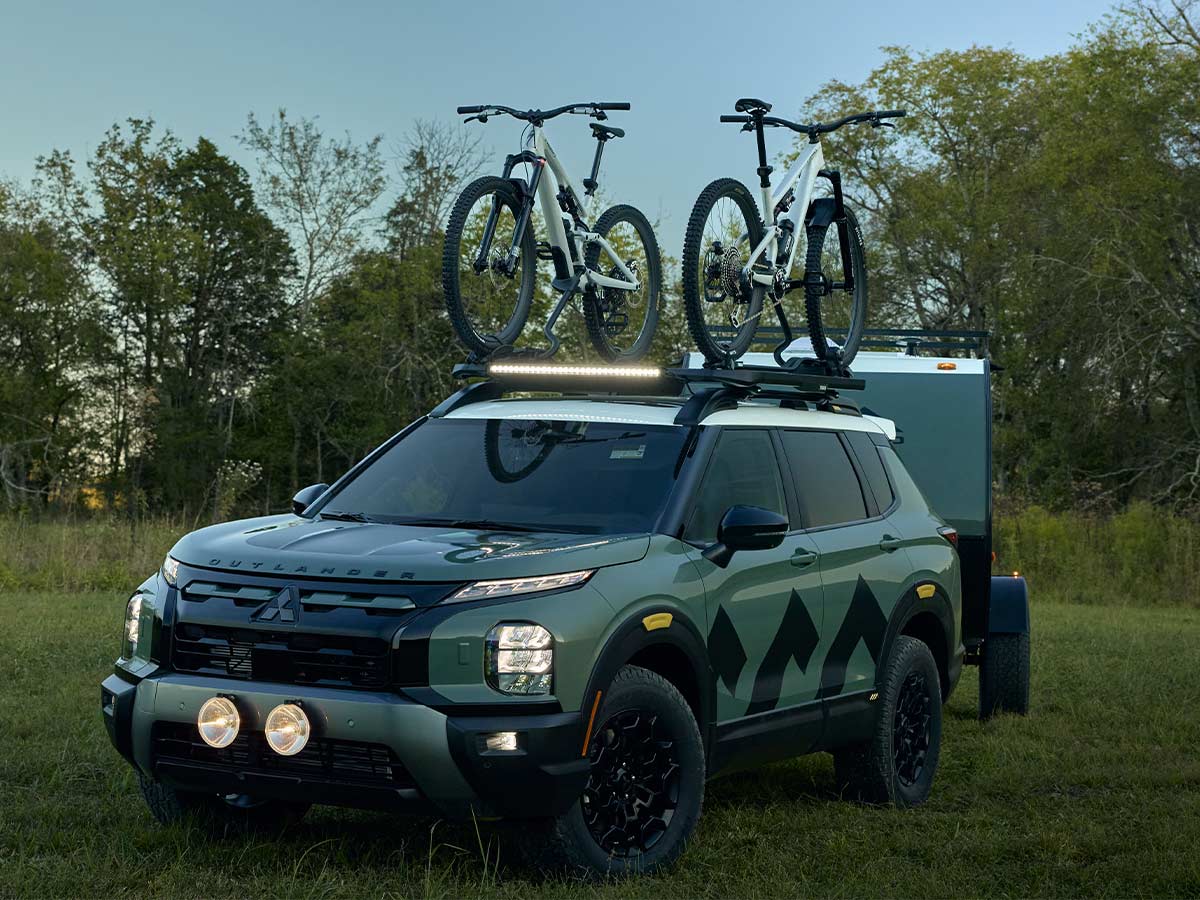
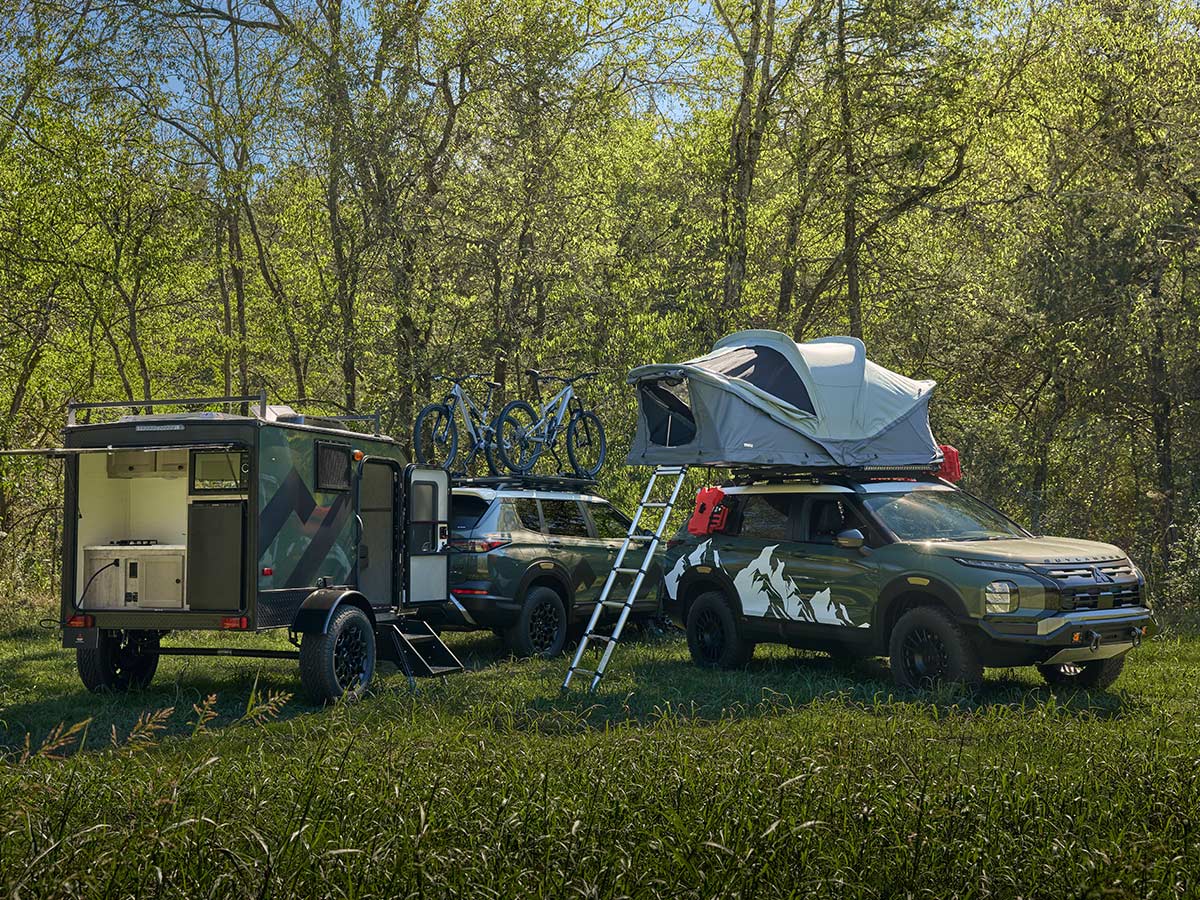
The second takes things further. It receives BFGoodrich Trail Terrain T/A tyres measuring 265/65-18, a Thule Caprock roof rack carrying two Specialized StumpJumper 15 mountain bikes, and a 1.5-inch lift from Anderson Design & Fabrication. Rough Country auxiliary lighting adds to the equipment list, while a GulfStream Trail Boss 1090K trailer, custom-painted to match the Outlander, completes the setup.
This is the version that paints the clearest picture of an active weekend lifestyle. Load the bikes, attach the trailer and head towards the trails. The Outlander becomes more than a means of getting somewhere; it becomes part of the equipment required for the experience.
Then there is the most extreme build.
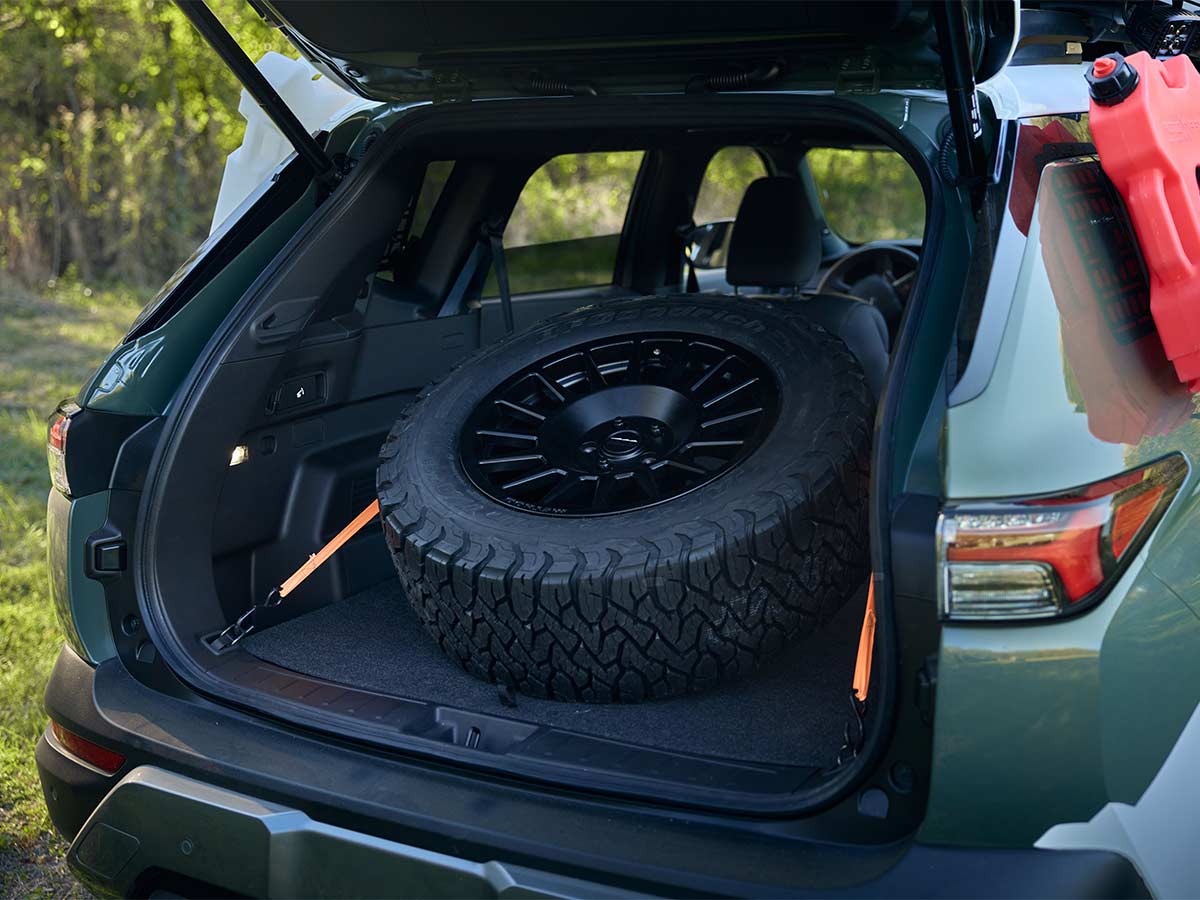
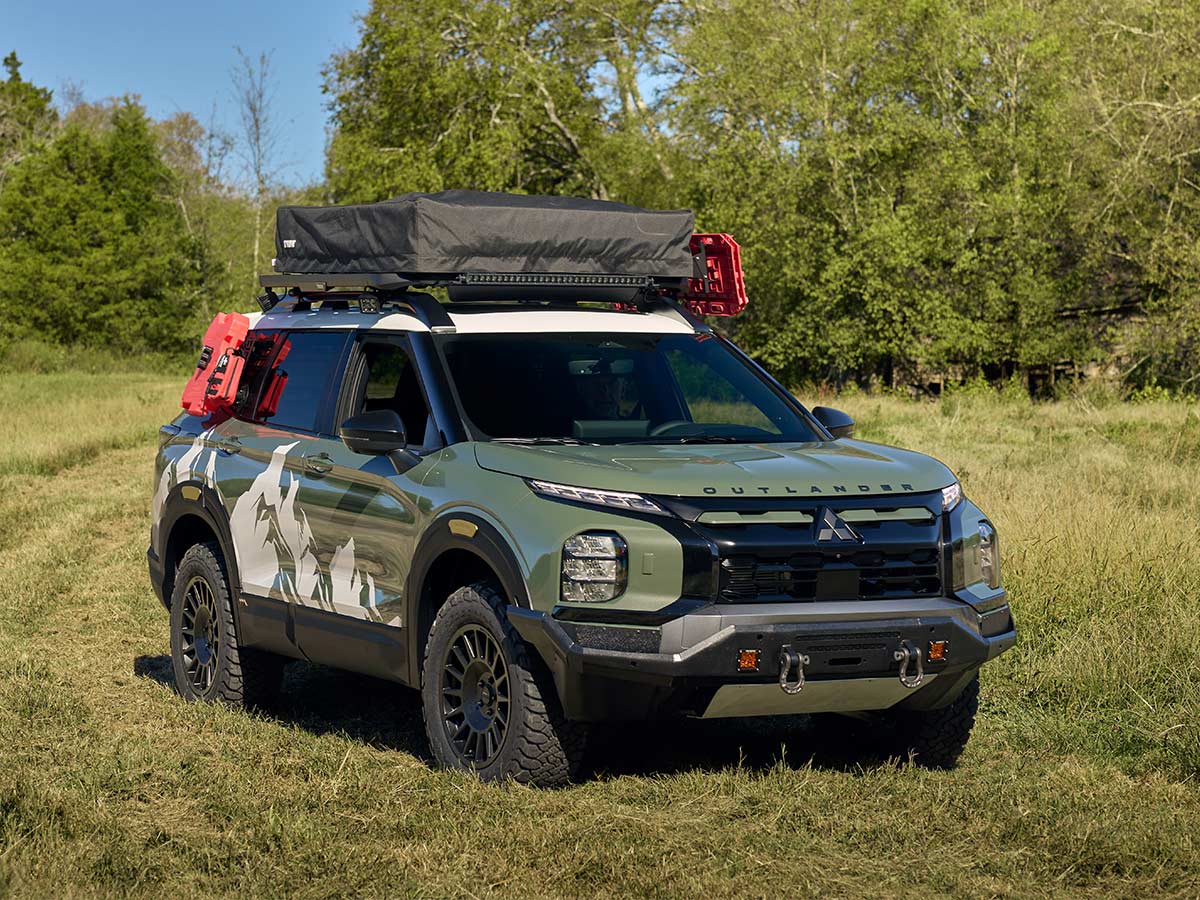
This example sits on 18×8.5-inch Method Race Wheels 707 wheels wrapped in 265/65-18 BFGoodrich All-Terrain T/A KO3 tyres. A 2.5-inch suspension lift, supplied through Flatout Suspension’s GR Lite strut kit with adjustable spring perches, gives it a more commanding stance.
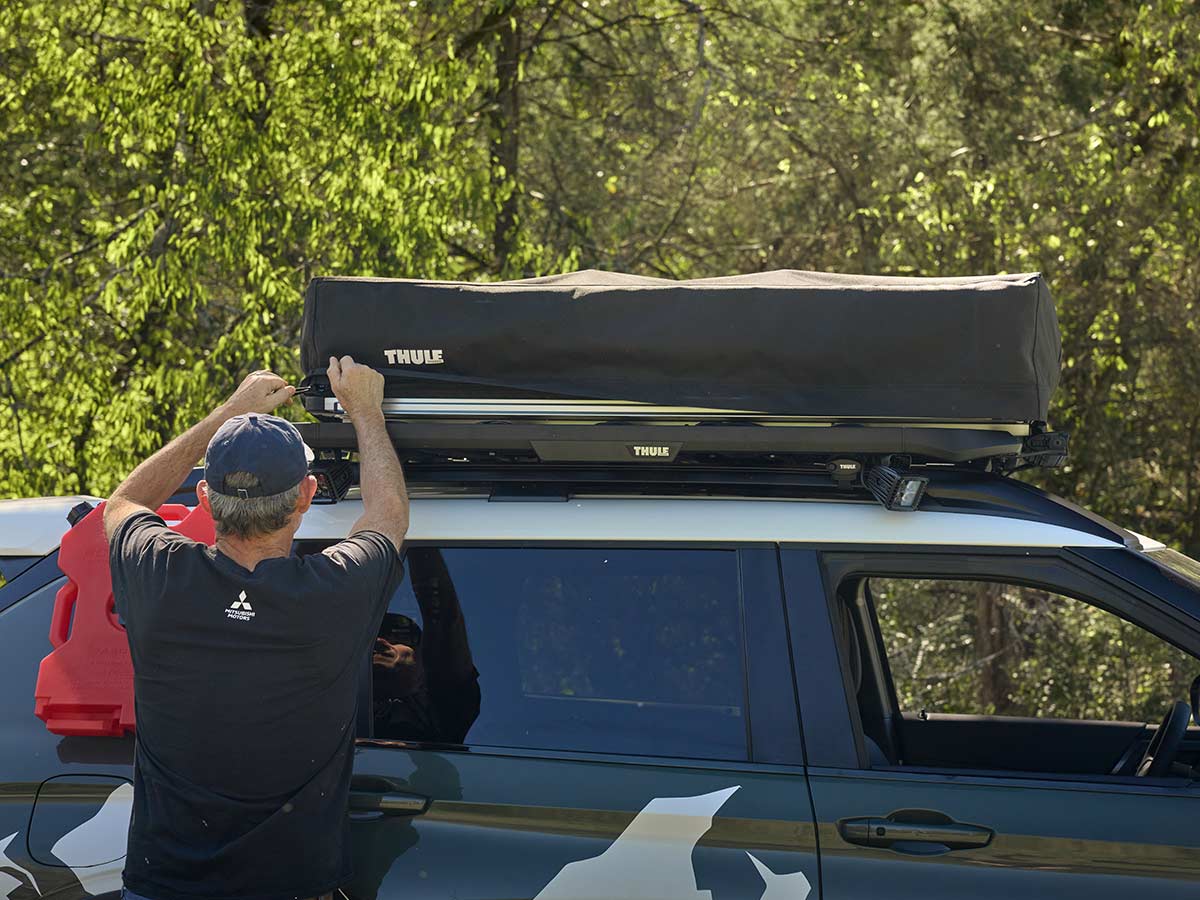
Up top, a Thule Caprock roof rack carries a Thule Approach 2M rooftop tent and Rough Country traction boards. A Rough Country light bar and auxiliary light pods complete the package.
It is a much more ambitious interpretation of the Diamond Trail, one that looks ready for longer excursions and more demanding environments.
The three builds also make an important point about the aftermarket community. Adventure vehicles are rarely defined by their factory specification alone. Owners personalise them according to how they travel, what they carry and where they want to go. Mitsubishi appears keen to make the Diamond Trail a platform for that kind of creativity.
The rest of the Mitsubishi stand deserves attention, too
The Outlander may be the main attraction, but Mitsubishi is using its SEMA return to put more of its adventure credentials on display.
Among the other vehicles is the AXCR Triton, the competition truck entered by Mitsubishi’s Ralliart division in the FIA-certified Asia Cross-Country Rally. Ralliart has won the event three times in five attempts, adding another motorsport connection to the company’s display.
There will also be a Delica D:5 Ultimate Gear, a modified Japanese-market van previously shown at the 2026 Tokyo Auto Salon. Its appearance marks the first official U.S. display of the current-generation Delica D:5, making it an interesting addition for enthusiasts familiar with Mitsubishi’s more unusual Japanese-market models.
Rounding out the display is the Outlander Sport Trail Edition. Equipped with Mitsubishi Genuine Accessories, it demonstrates how the company’s smaller SUV can be customised using accessories available through its dealership network, either when purchasing the vehicle or at a later stage.
Altogether, six vehicles will occupy Mitsubishi’s stand, offering a mix of factory-developed adventure models, aftermarket-inspired builds and motorsport machinery.
More than a comeback at SEMA
The timing of Mitsubishi’s return is worth considering.
The company’s Momentum 2030 business plan sets out an ambition to significantly expand and refresh its North American range, with one new or substantially updated model scheduled to arrive each year through 2030. The plan also calls for the product line-up to nearly double from its current four vehicles.
That is a considerable undertaking, and the Diamond Trail Edition offers a glimpse of the identity Mitsubishi wants to build around that expansion.
Adventure, capability and versatility are increasingly important themes in the SUV market. Buyers are no longer necessarily satisfied with vehicles that simply look rugged. They want practical features, useful technology and the confidence to take a different route when the opportunity presents itself.
The Diamond Trail Edition attempts to bring those expectations together in a familiar family SUV.
Of course, its appearance at SEMA is only the beginning of the story. Its real-world appeal will ultimately depend on how convincingly its added hardware and revised driving systems translate into everyday use and genuine off-road capability. Pricing, availability and full production-market details have not yet been announced in the information released by Mitsubishi.
But there is something encouraging about the direction of the project.
For a company with Mitsubishi’s rally and four-wheel-drive history, building a more adventurous Outlander feels less like chasing a trend and more like reconnecting with something that has always been part of its identity.
After 14 years away, Mitsubishi has chosen to return to SEMA with a vehicle that looks beyond the showroom floor. The 2028 Outlander Diamond Trail Edition may be designed for families, but its ambitions clearly extend a little further.
And that, perhaps, is the most interesting thing about it.
Source: Mitsubishi