








The electric vehicle market is no longer about simply offering zero-emission driving. Buyers today expect long range, fast charging, intuitive technology, and a driving experience that doesn’t feel like a compromise. That is exactly where the 2026 Renault Megane E-Tech Electric aims to make its mark.
Four years after the original model helped redefine Renault’s EV ambitions, the New Renault Megane E-Tech Electric arrives with meaningful upgrades across design, battery technology, charging performance, connectivity, and driver assistance systems. Rather than reinventing the formula, Renault has focused on improving the areas that matter most to everyday drivers.
The result is a more mature, more capable, and arguably more competitive electric hatchback in an increasingly crowded segment.
>>> Great Discounts on Car & Bike Accessories <<<
Renault Megane E-Tech Electric 2026: Key Highlights
- New 67kWh LFP battery pack
- Up to 500km WLTP driving range
- 220hp electric motor
- 300Nm of torque
- DC fast charging increased to 165kW
- 15%-80% charge in approximately 24 minutes
- Google built-in infotainment system
- Upcoming Google Gemini integration
- One-Pedal driving functionality
- Vehicle-to-Load (V2L) capability
- Available in Techno and Esprit Alpine trims
- Redesigned front-end styling and lighting signature
What’s New for the 2026 Renault Megane E-Tech?
The biggest story isn’t the updated styling. It’s what Renault has changed underneath.
While the exterior receives a more aggressive front-end design and a new lighting signature, the introduction of a new-generation 67kWh LFP battery represents the most significant upgrade.
This shift reflects a wider industry trend. More manufacturers are moving toward Lithium Iron Phosphate battery technology because it offers improved durability, lower production costs, and excellent charging characteristics. For owners planning to keep their vehicle for several years, this could prove more important than any cosmetic enhancement.
Alongside the new battery, Renault has also improved charging speeds, expanded connectivity features, refined the driving experience, and simplified the model range.
A Sharper Design With Greater Road Presence
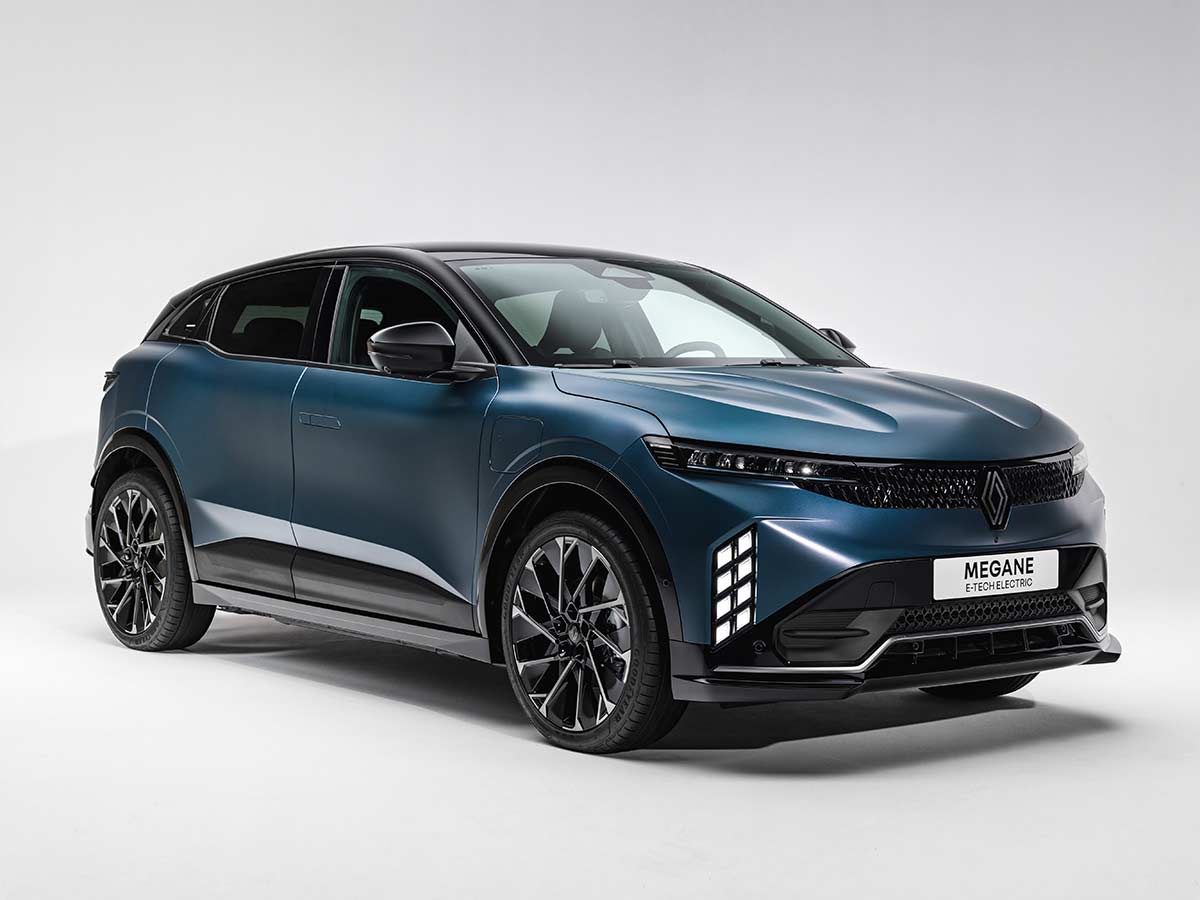
The New Megane E-Tech Electric looks noticeably more confident than its predecessor.
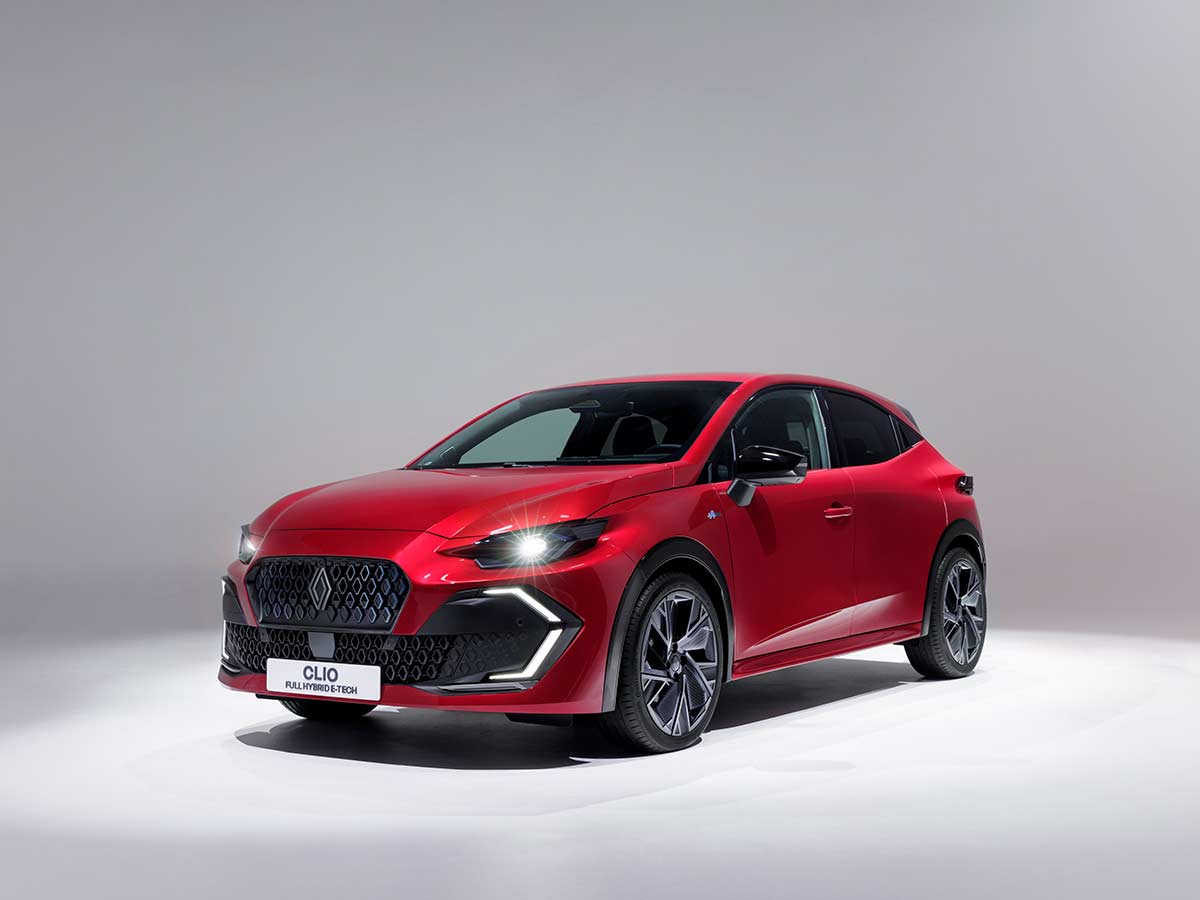
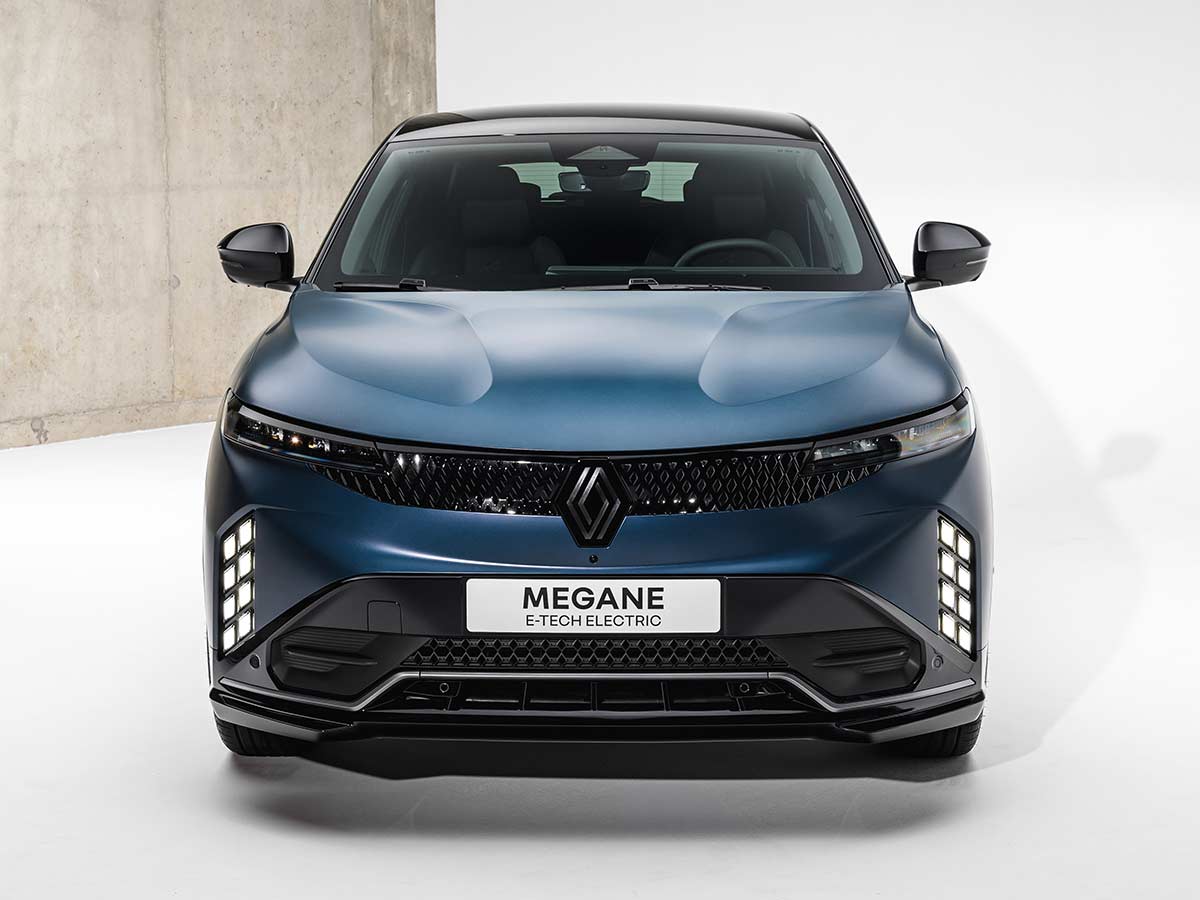
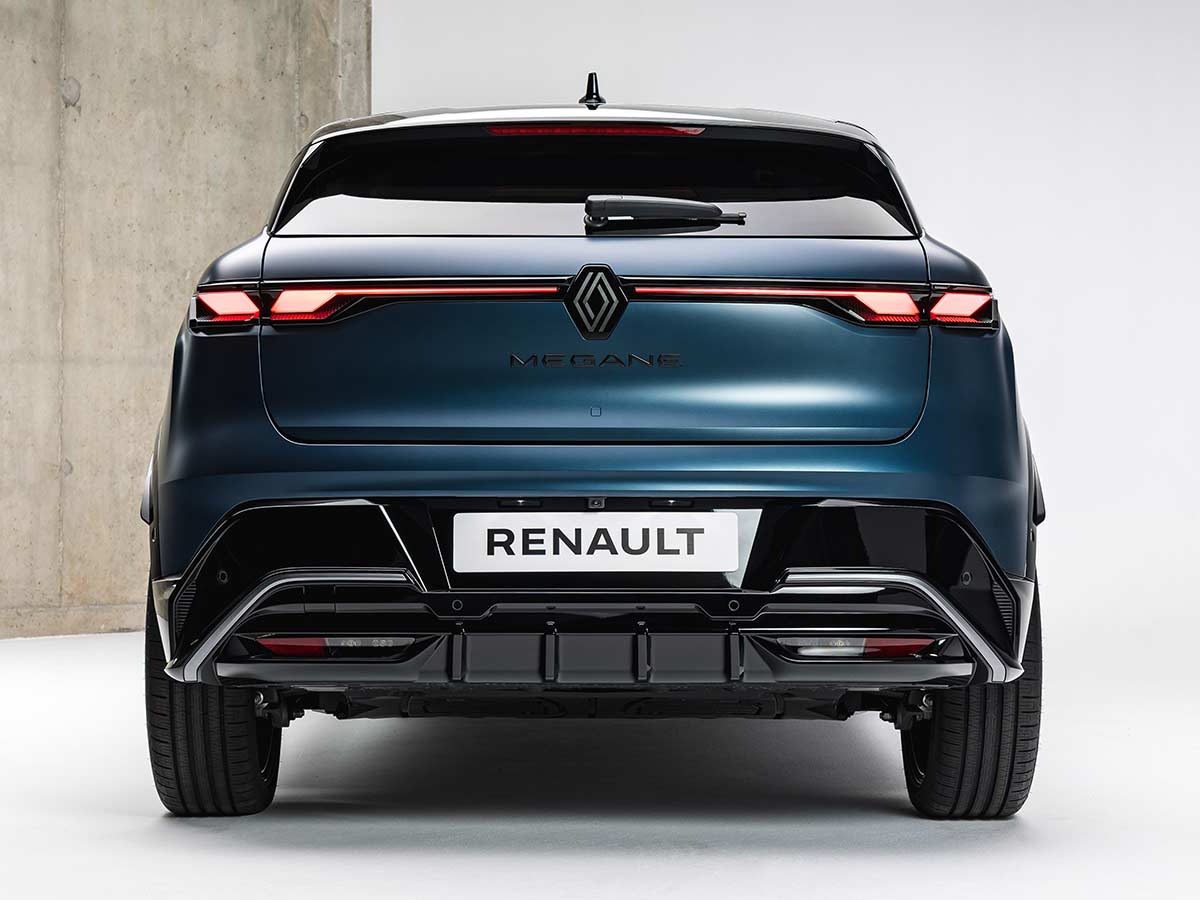
Renault has extensively redesigned the front end, introducing a new bumper, gloss-black grille, revised Renault badge positioning, and a distinctive diamond-pattern lighting signature. The new arrangement creates a wider visual stance and gives the vehicle a more planted appearance on the road.
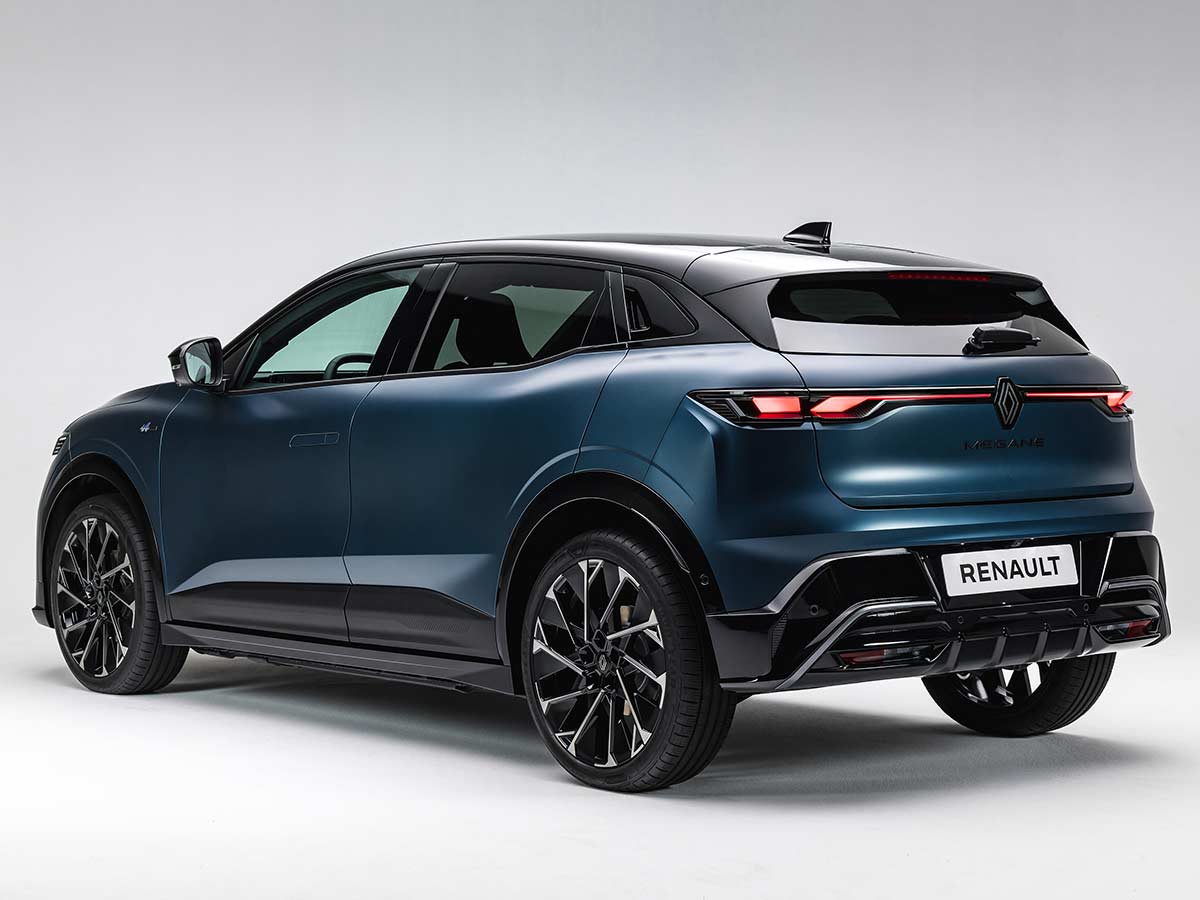
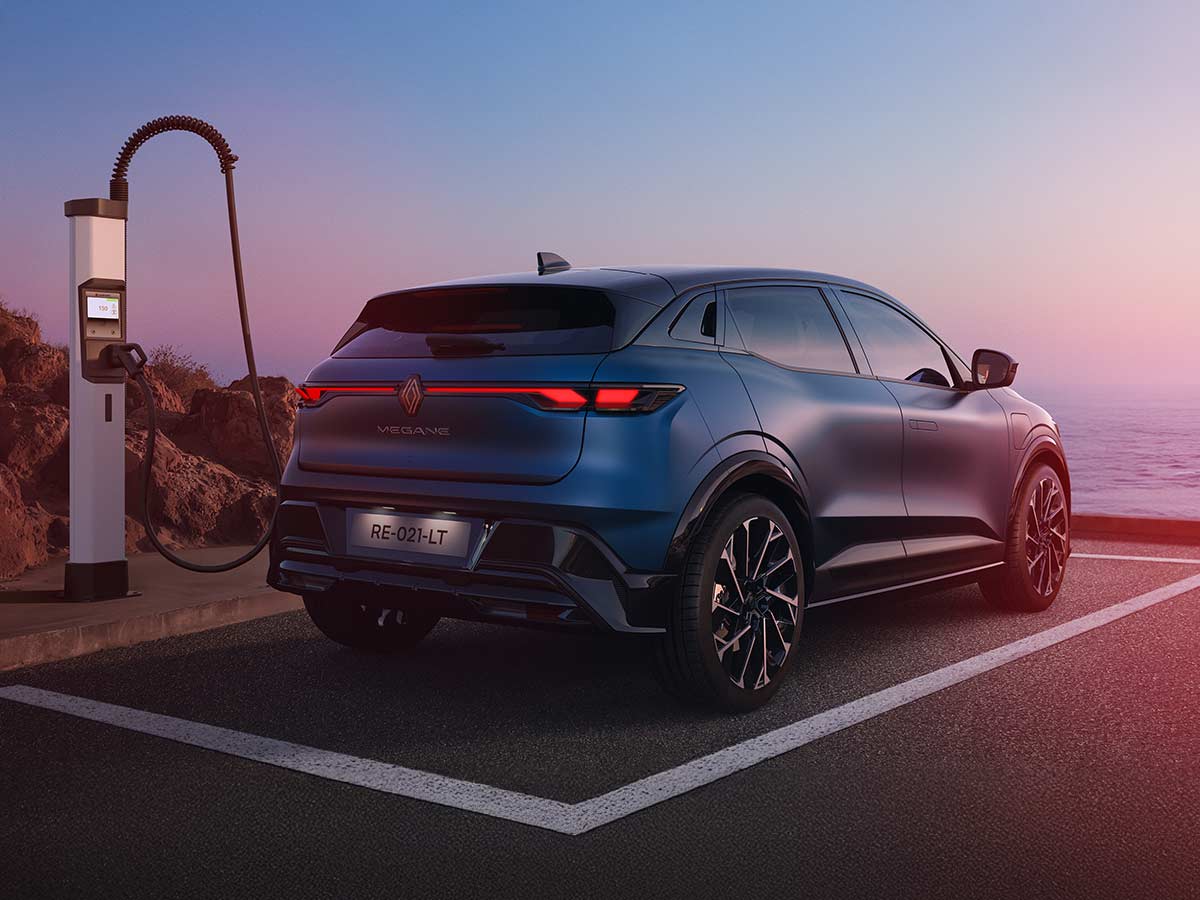
At the rear, redesigned three-dimensional taillights create a cleaner and more modern look while maintaining the full-width light signature that has become one of the Megane’s defining characteristics.
Key design features remain:
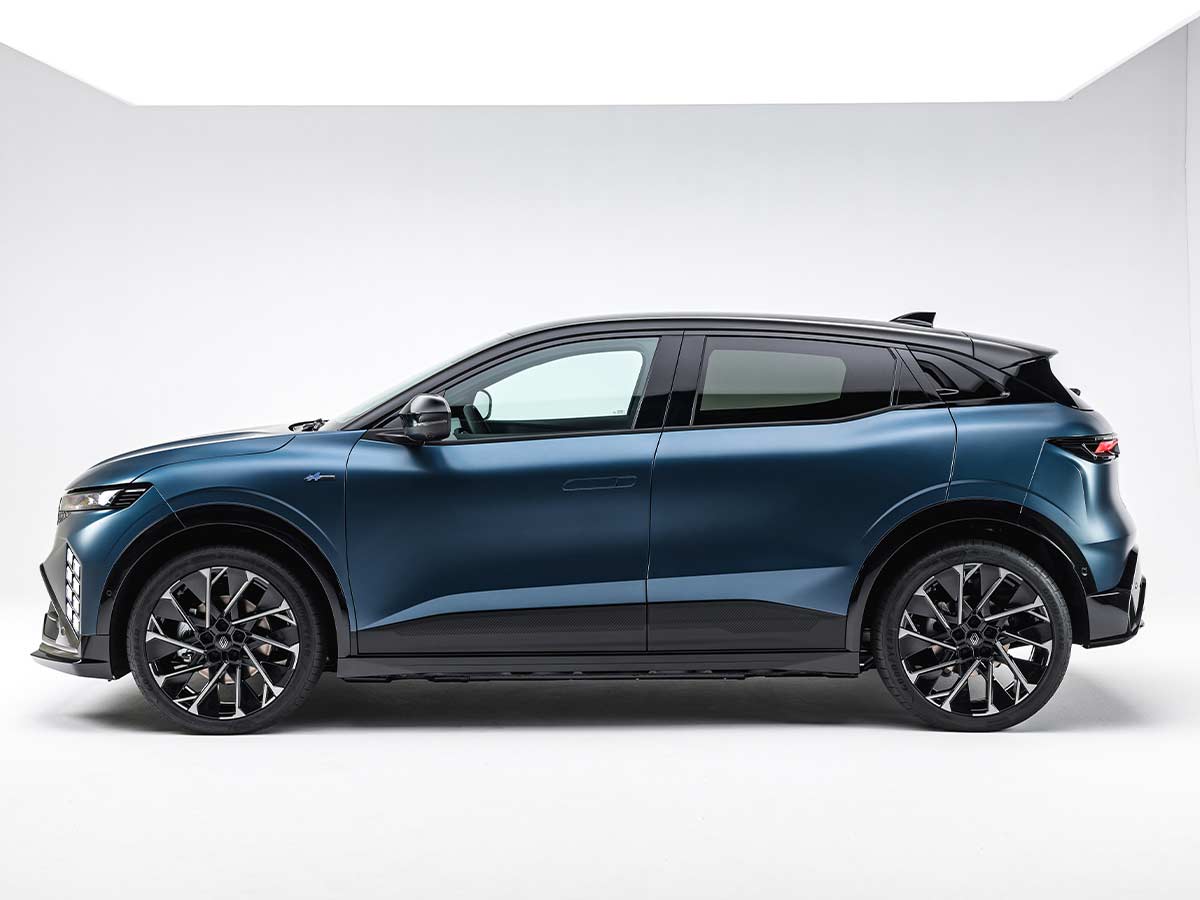
- Flush door handles
- Coupe-inspired roofline
- Large 19-inch and 20-inch wheel options
- Sculpted wheel arches
- Strong wheelbase-to-body proportions
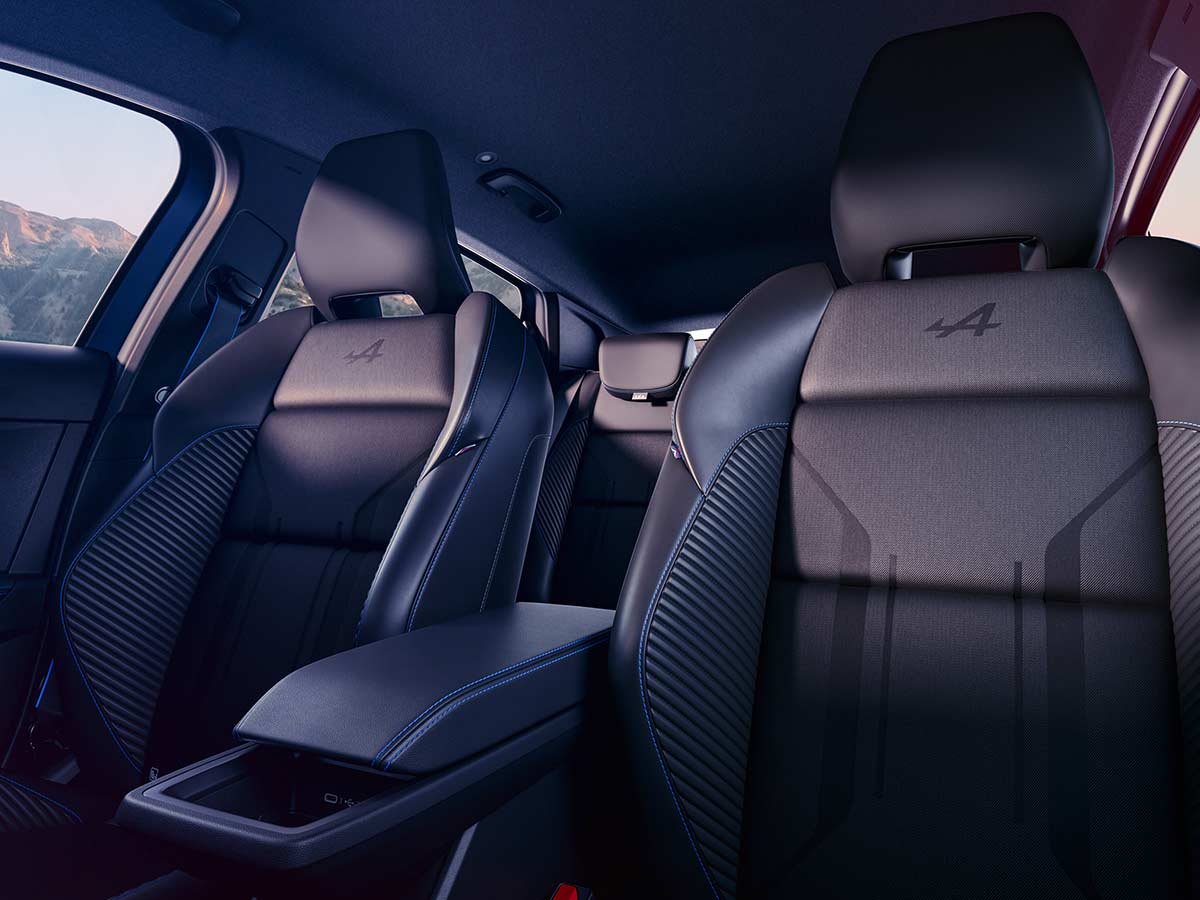
The result is a compact electric hatchback that feels more premium and more distinctive without losing its original identity.
Renault’s New LFP Battery Delivers Up to 500km of Range
Range remains one of the most important considerations for EV buyers.
The 2026 Renault Megane E-Tech Electric introduces a new 67kWh Lithium Iron Phosphate battery combined with an innovative cell-to-pack architecture designed to maximise energy density and usable capacity.
According to Renault, the vehicle can now travel up to 500km on the WLTP cycle, placing it among the stronger contenders in the compact electric car segment.
For commuters, families, and long-distance drivers alike, that level of range should comfortably cover most daily driving needs while significantly reducing charging anxiety during road trips.
Faster Charging Makes Long Journeys Easier
Charging infrastructure continues to improve across Europe, but charging speed remains a critical factor when choosing an EV.
Renault has increased DC charging capability from the previous generation to 165kW, allowing the battery to charge from 15% to 80% in around 24 minutes.
That improvement could make a meaningful difference during longer journeys.
The vehicle also supports:
- 11kW AC charging as standard
- Optional 22kW AC charging
- Bidirectional charging capability
- Vehicle-to-Load (V2L) functionality
- Vehicle-to-Grid (V2G) compatibility in selected markets
The V2L system allows owners to power external devices directly from the vehicle’s battery, adding another layer of practicality to everyday ownership.
Performance: Still Focused on Driving Enjoyment
Renault has built a strong reputation for creating cars that are enjoyable to drive, and the latest Megane E-Tech Electric continues that tradition.
The electric motor produces:
- 220hp (160kW)
- 300Nm torque
Performance figures include:
- 0-100km/h in 7.6 seconds
- 0-50km/h in 3.4 seconds
- Top speed of 160km/h
More importantly, Renault has retained the vehicle’s dynamic character.
The battery remains positioned beneath the floor, lowering the centre of gravity and improving weight distribution. Combined with multi-link rear suspension and revised steering calibration, the Megane delivers confident handling without sacrificing ride comfort.
On paper, these may seem like modest improvements, but they reinforce one of the Megane’s biggest strengths: balancing efficiency with genuine driver engagement.
Interior Technology Built Around Google’s Ecosystem
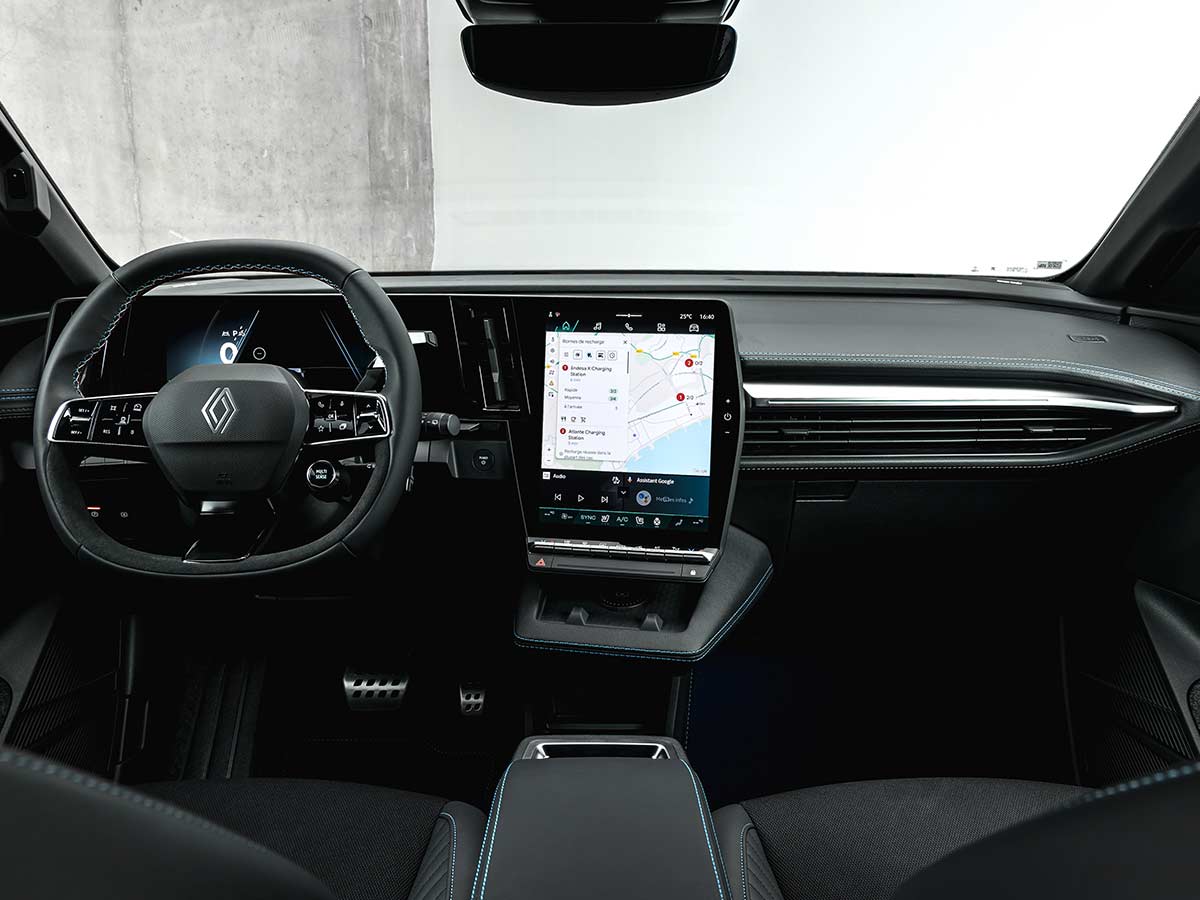
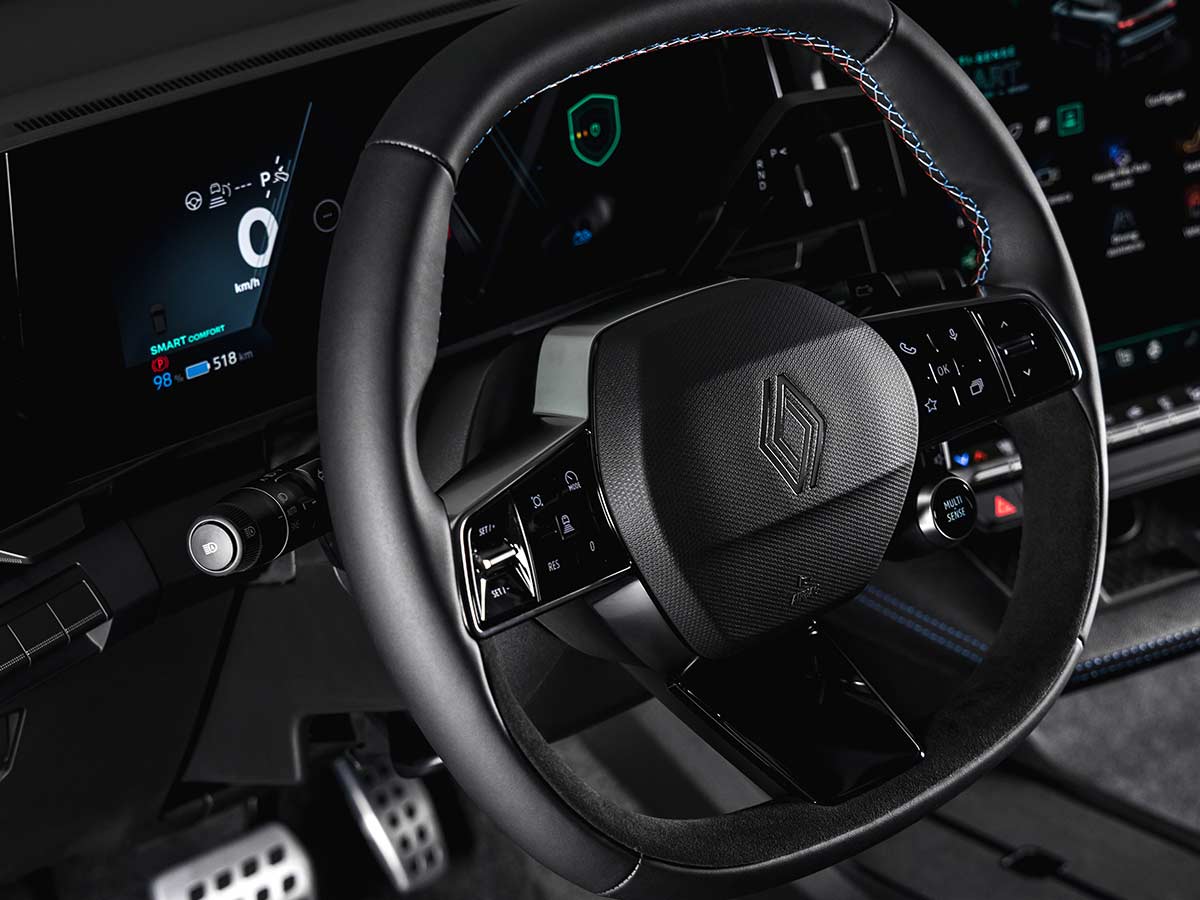
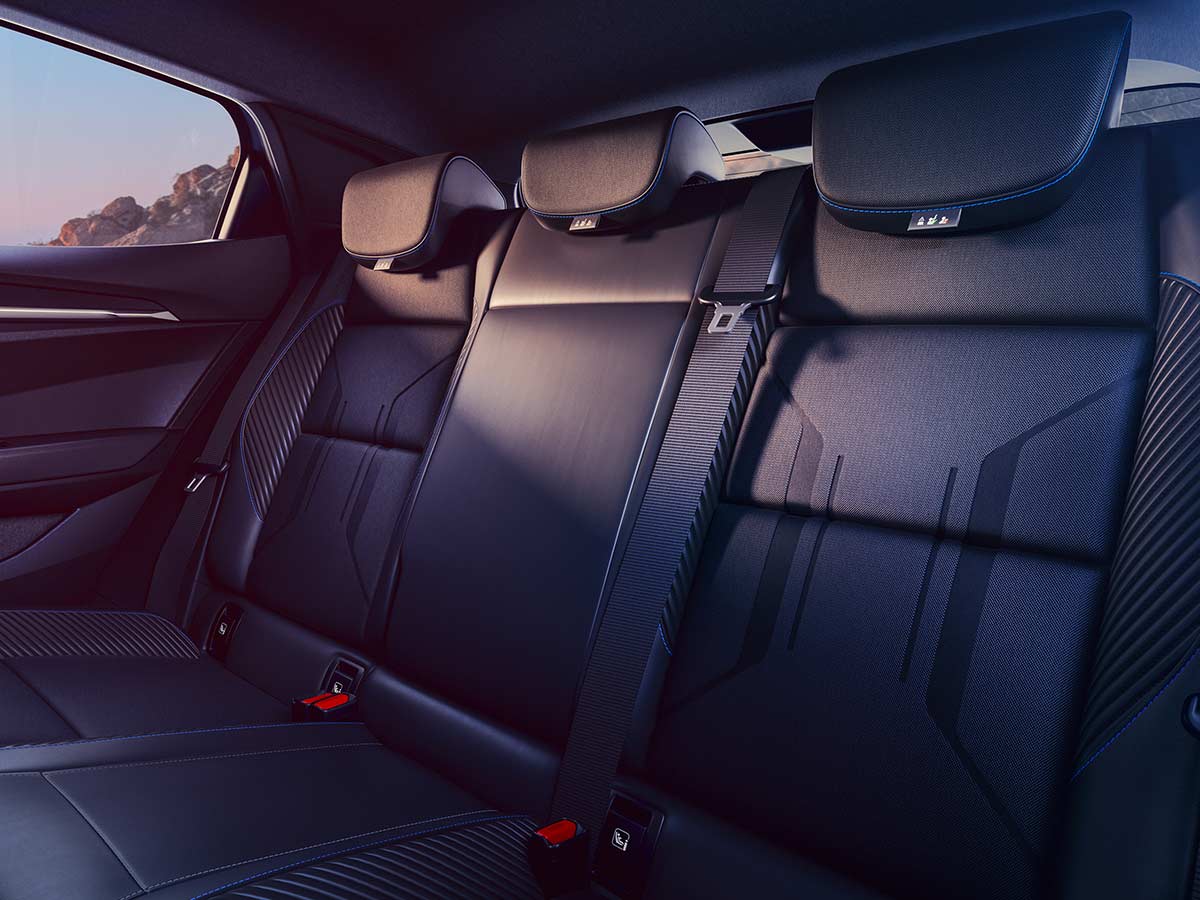
Inside, the Renault Megane E-Tech continues to stand out thanks to its OpenR digital cockpit.
The system combines:
- 12.3-inch digital driver display
- 12-inch infotainment touchscreen
- Google built-in functionality
Unlike many competitors that rely heavily on smartphone integration, Renault has fully embraced Google’s ecosystem.
Drivers gain access to:
- Google Maps
- Google Assistant
- Google Play Store
- Intelligent EV route planning
The navigation system automatically factors charging stops into longer journeys, helping optimise travel times and reduce range anxiety.
Google Gemini Could Be a Major Advantage
One of the most interesting future upgrades involves the introduction of Google Gemini.
Gemini is expected to replace Google Assistant and bring a more conversational approach to in-car voice controls.
Rather than memorising specific commands, drivers will be able to interact naturally with the system, making navigation, entertainment, and vehicle controls more intuitive.
As artificial intelligence becomes increasingly integrated into vehicles, this could become one of the Megane’s strongest selling points.
Everyday Features That Actually Matter
While many manufacturers focus on headline-grabbing technology, Renault has also introduced practical features designed to improve daily ownership.
Driver Recognition
A camera-based recognition system can automatically identify the driver and load personalised settings, including:
- Seating position
- Favourite media
- Navigation preferences
- Infotainment profiles
Smart Mode
The new Smart Mode automatically switches between Eco, Comfort, and Sport driving settings based on driving behaviour.
This helps maximise efficiency without requiring constant manual adjustments.
One-Pedal Driving
One-Pedal driving is now available, allowing drivers to accelerate and decelerate using a single pedal while maximising regenerative braking efficiency.
For urban driving, many EV owners quickly find this feature difficult to live without.
Renault Megane E-Tech Safety Features
The latest Renault EV includes more than 30 advanced driver assistance systems.
Highlights include:
- Intelligent Adaptive Cruise Control
- Emergency Stop Assist
- Driver Attention Monitoring
- Enhanced Lane Monitoring
- Predictive Eco Driving Advice
- Safety Score and Safety Coach
- Improved vehicle visualisation systems
Together, these systems aim to reduce driver fatigue while improving overall road safety.
Renault Megane E-Tech Specifications
| Specification | Renault Megane E-Tech Electric 2026 |
|---|---|
| Power | 220hp |
| Torque | 300Nm |
| Battery | 67kWh LFP |
| Range | Up to 500km WLTP |
| DC Charging | 165kW |
| AC Charging | 11kW standard / 22kW optional |
| 0-100km/h | 7.6 seconds |
| Top Speed | 160km/h |
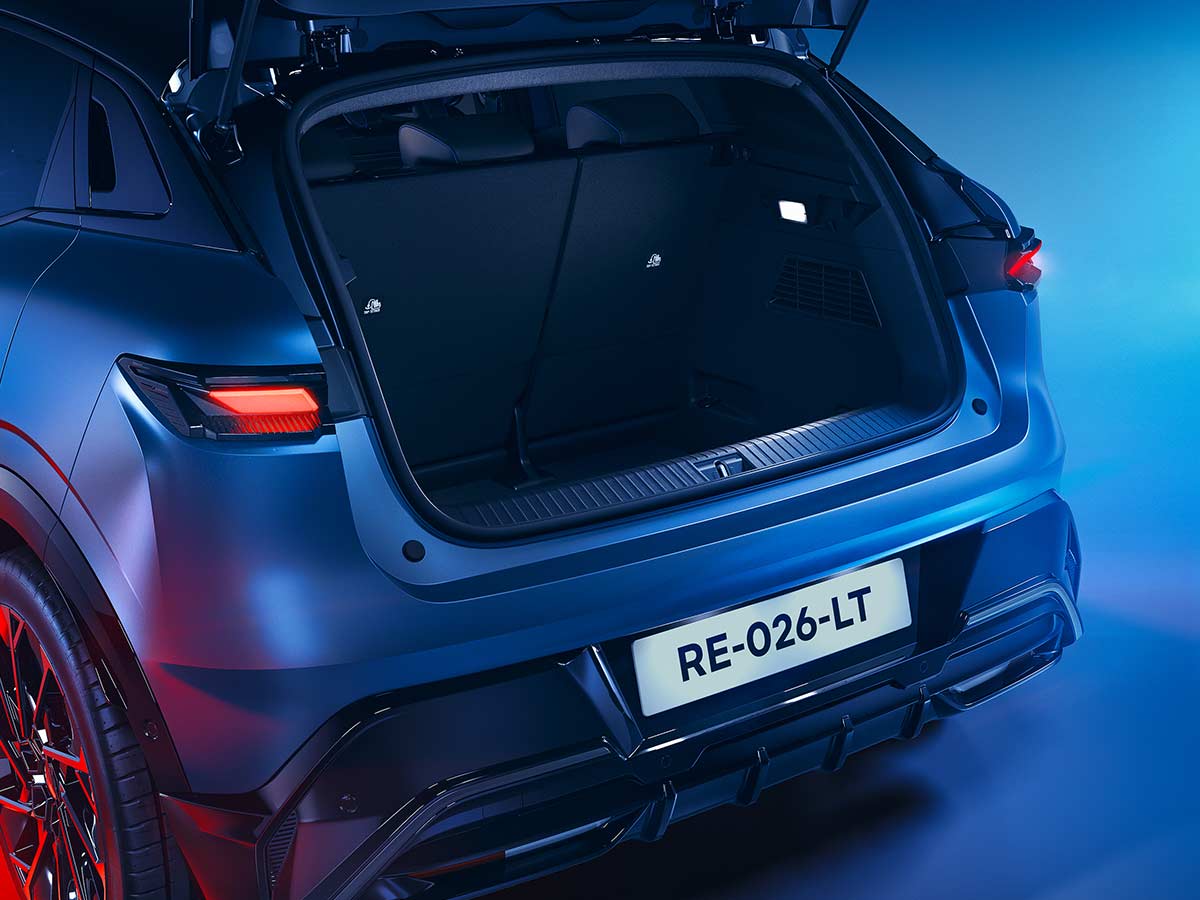
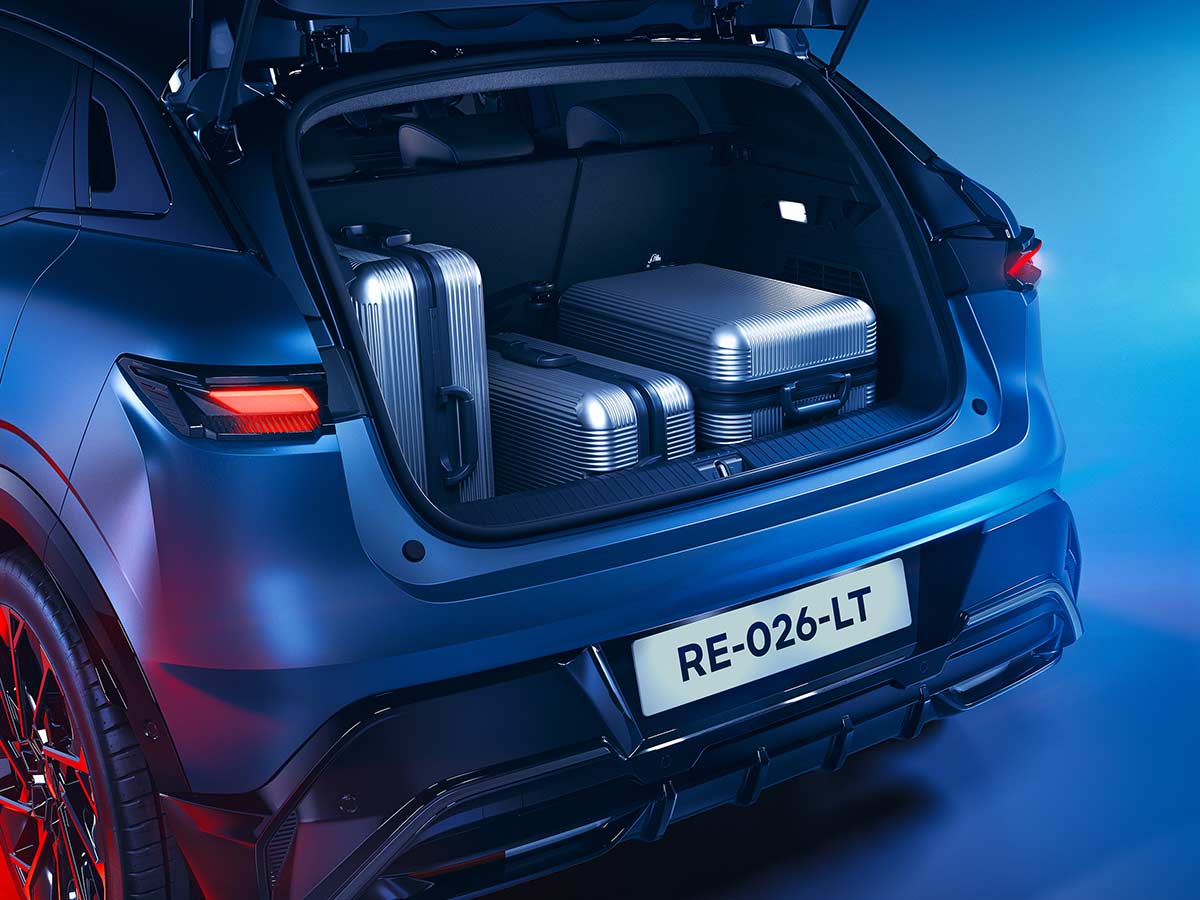
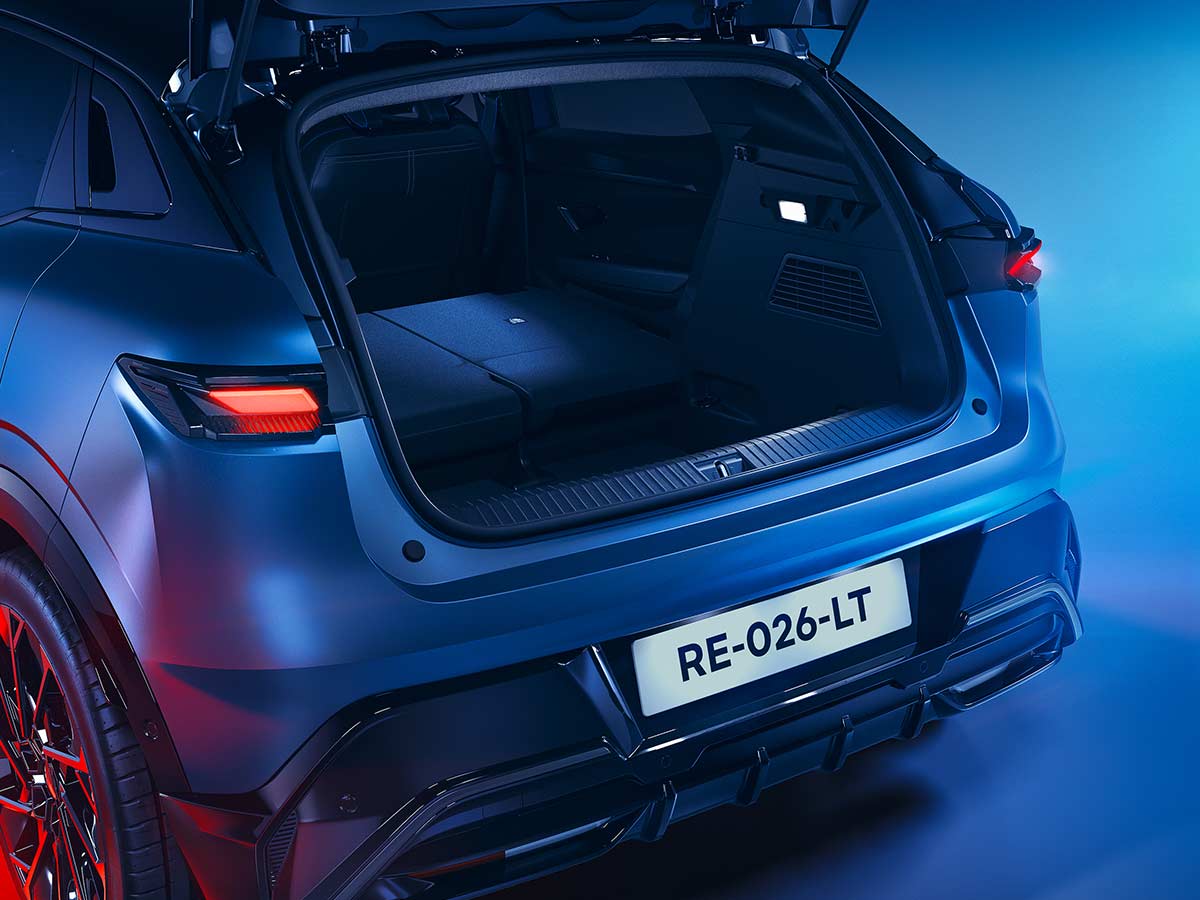
| Boot Capacity | 440 litres |
| Drive Type | Front-wheel drive |
Also Read: Renault R-Space Lab: Redefining the Cabin as a High-Tech Living Space
Renault Megane E-Tech vs Key Rivals
The compact EV segment has become increasingly competitive.
Renault Megane E-Tech vs Volkswagen ID.3
The Megane counters the ID.3 with a more premium-looking interior, Google-powered infotainment, and stronger design appeal. The latest battery and charging upgrades also help narrow performance gaps.
Renault Megane E-Tech vs Peugeot E-308
While both vehicles target similar buyers, the Renault offers a more advanced digital ecosystem and a stronger focus on connected services.
Renault Megane E-Tech vs Tesla Model 3
The Tesla remains the benchmark for charging infrastructure and software integration, but the Renault appeals to buyers seeking hatchback practicality, a more traditional interior layout, and European design flair.
Who Should Buy the Renault Megane E-Tech Electric?
The Renault Megane E-Tech is particularly well suited to:
- First-time EV buyers
- Urban commuters
- Small families
- Drivers covering long weekly distances
- Technology-focused buyers
- Owners seeking a practical electric hatchback
It may be less suitable for:
- Buyers needing SUV-level practicality
- Performance-focused EV enthusiasts
- Drivers requiring maximum cargo capacity
Verdict: One of the Most Complete Electric Hatchbacks Yet
The 2026 Renault Megane E-Tech Electric demonstrates how thoughtful evolution can be more valuable than radical change.
Rather than chasing headlines with dramatic redesigns, Renault has focused on areas that directly affect ownership: battery efficiency, charging speed, technology, usability, and driving experience.
The introduction of a new LFP battery, faster charging capability, Google-powered connectivity, One-Pedal driving, and enhanced safety systems transforms an already capable EV into an even stronger package.
For buyers searching for a practical, technology-rich electric hatchback with genuine long-distance capability, the New Renault Megane E-Tech Electric deserves a place near the top of the shortlist. In a market filled with increasingly similar electric cars, Renault has managed to make the Megane feel both familiar and refreshingly relevant.
Frequently Asked Questions
Q: What is the range of the Renault Megane E-Tech Electric?
A: The 2026 model offers up to 500km of WLTP driving range.
Q: How fast can the Renault Megane E-Tech charge?
A: The vehicle supports DC charging up to 165kW, allowing charging from 15% to 80% in approximately 24 minutes.
Q: Does the Renault Megane E-Tech use an LFP battery?
A: Yes. The latest model introduces a new 67kWh Lithium Iron Phosphate battery pack.
Q: Does the Renault Megane E-Tech support One-Pedal driving?
A: Yes. Renault now offers One-Pedal driving alongside multiple regenerative braking levels.
Q: Is Google built into the Renault Megane E-Tech?
A: Yes. The vehicle features Google Maps, Google Assistant, Google Play Store access, and future Google Gemini integration.
Source: Renault