








Renault is taking a different approach to the traditional pick-up truck with the new Niagara, a vehicle developed specifically for Latin American markets that combines the practicality of a pick-up with the cabin technology, comfort and road manners associated with a C-segment SUV.
The Niagara is the first vehicle to emerge from Renault’s futuREady international product offensive, which calls for 14 new models outside Europe by 2030. It will be built at Renault’s Santa Isabel plant in Córdoba, Argentina, and is aimed primarily at Brazil, Argentina and Colombia before expanding to other Latin American markets. Renault had previously announced that the model would reach Latin American markets toward the end of 2026.
The significance of the Niagara is not simply that Renault has added another pick-up to its range. The company is targeting a shift in how pick-ups are used in Latin America. Rather than serving primarily as commercial workhorses, modern pick-ups are increasingly expected to function as family vehicles, daily commuters and leisure machines while retaining useful load-carrying and off-road abilities.
That explains the Niagara’s unusual mix of priorities: a 1.3-litre turbocharged engine, available four-wheel drive, a multi-link rear suspension, more than 900 litres of cargo volume, extensive driver assistance technology and a cabin featuring Renault’s OpenR Link system with Google built-in and Google Gemini.
>>> Great Discounts on Car & Bike Accessories <<<
What is the Renault Niagara?
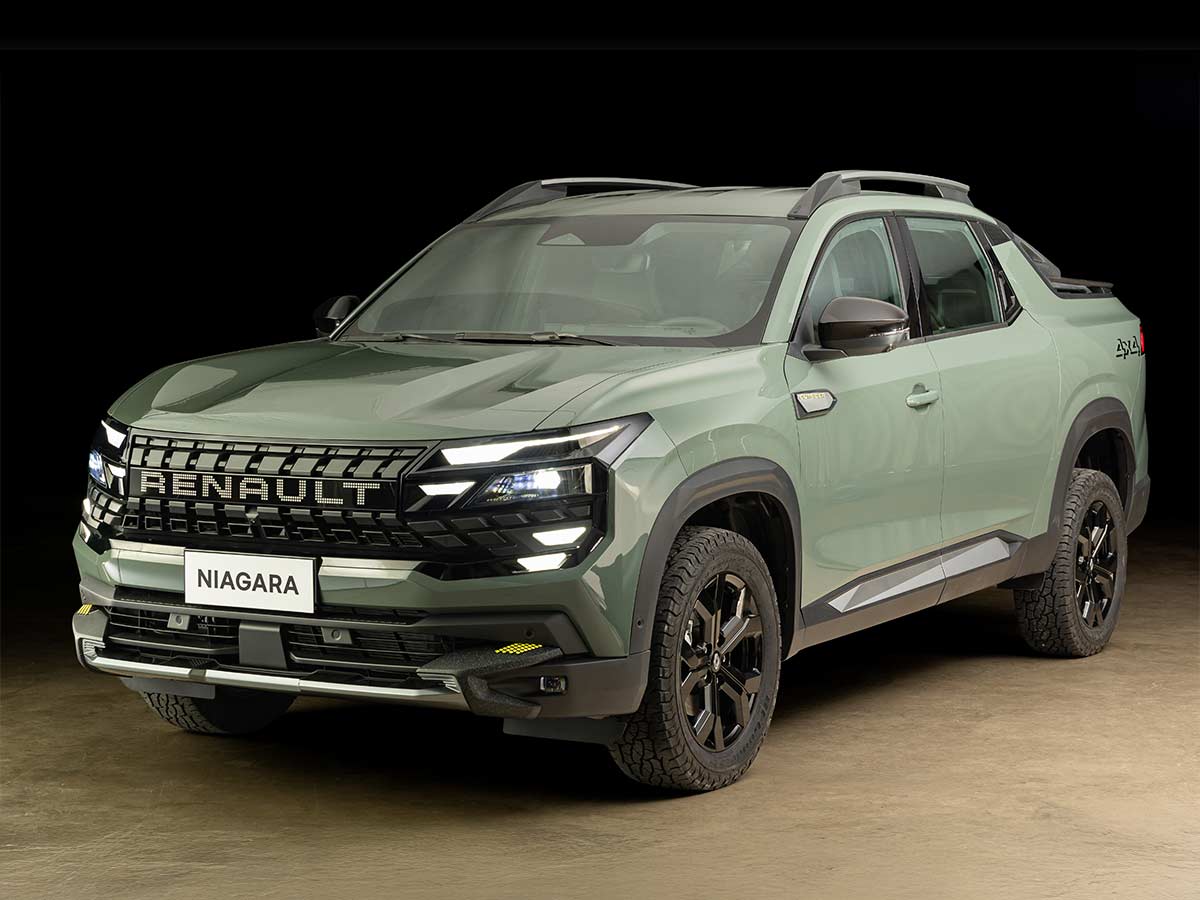
The Renault Niagara is a mid-size pick-up developed and engineered in Latin America for Latin American customers. It is based on Renault’s RGMP pick-up platform and is designed to bridge the gap between a conventional work-oriented pick-up and a C-segment SUV.
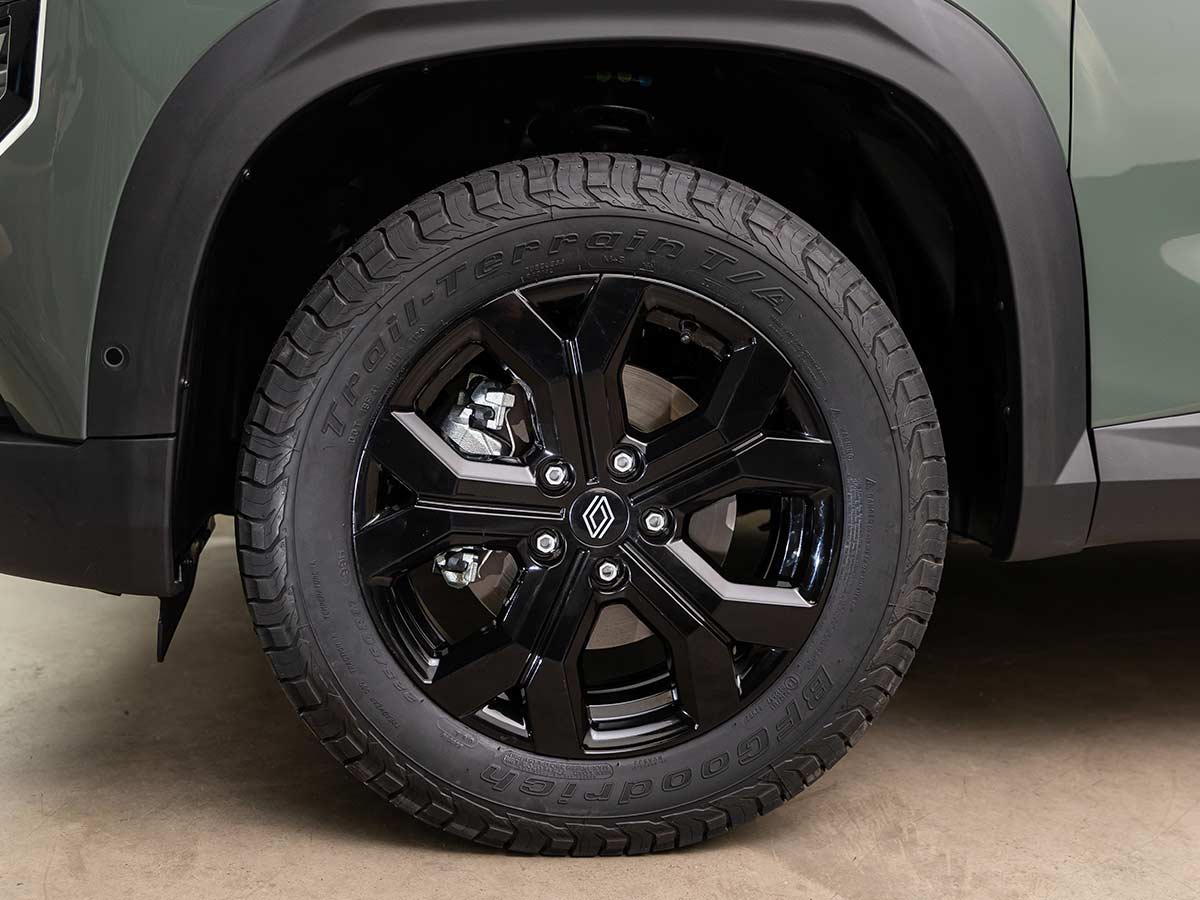
The vehicle measures 4.94 metres in length in four-wheel-drive form and 4.91 metres in the 4×2 configuration, while overall height is 1.72 metres. Depending on specification, it rides on 17- or 18-inch wheels.
Renault’s objective is evident in the packaging. The Niagara retains the upright front end, high bonnet, separate load bed and protective body elements associated with pick-ups, but its cabin is designed around comfort, storage and digital technology rather than purely commercial use.
The result is a vehicle intended to cover several roles at once:
- Daily urban transportation
- Family travel
- Business use
- Load carrying
- Leisure activities
- Light off-road driving
- Towing
This multi-purpose positioning is central to the model rather than a secondary feature.
Why the Niagara matters to Renault
The Niagara sits within a much larger international strategy.
Renault says the vehicle is the first model from its futuREady production offensive outside Europe. The company’s plan calls for 14 new models in international markets by 2030, with an objective of generating half of Renault’s sales outside Europe by that point. Renault also says it wants electrified powertrains to represent 50% of its international mix by 2030.
The RGMP pick-up platform is also significant because Renault says it can support a hybrid powertrain in the future. That makes the Niagara more than a single product programme: it forms part of the technical foundation for Renault’s broader international range.
Latin America has been selected as the initial focus because the region has a substantial pick-up market and a particularly wide variety of use cases. Renault identifies Brazil, Argentina and Colombia as the Niagara’s three principal target markets.
Design: a pick-up with SUV influences
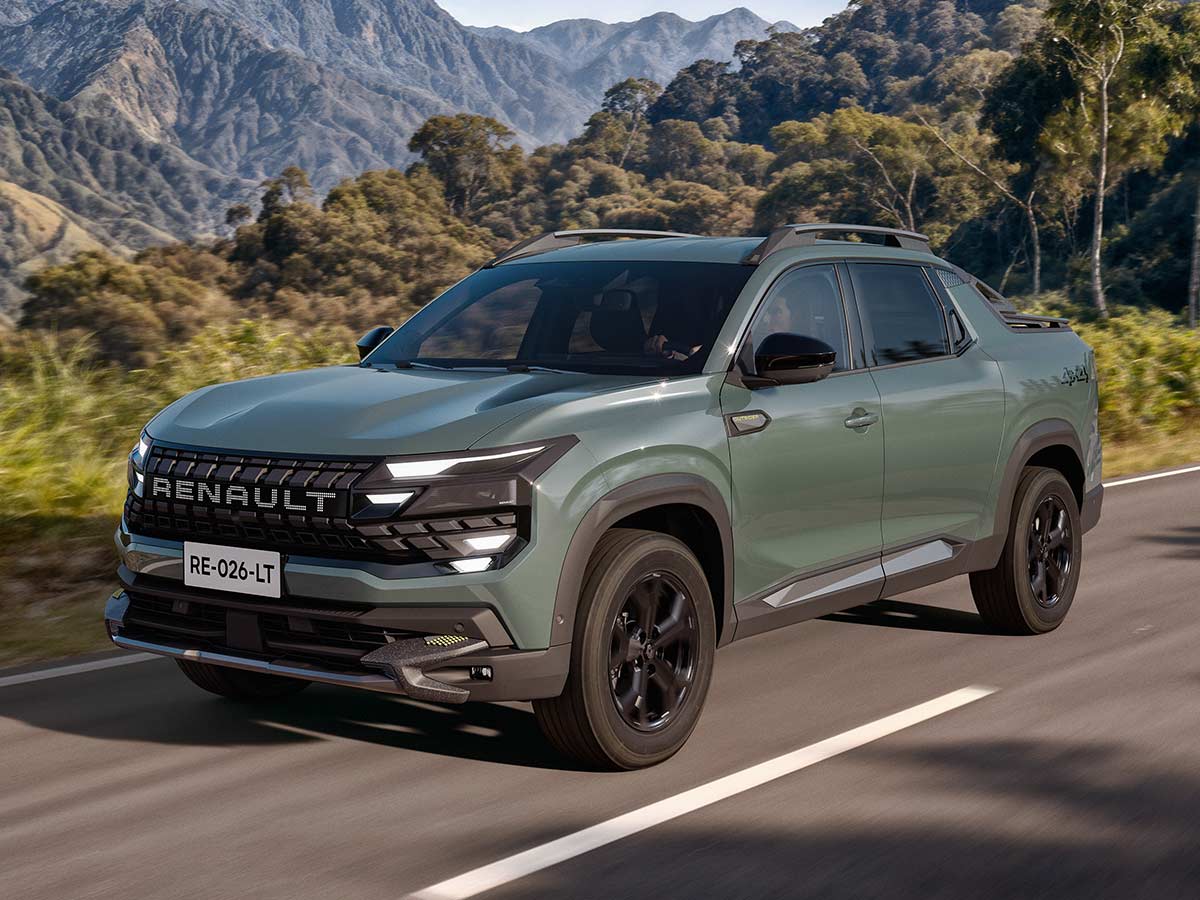
The Niagara’s exterior design deliberately avoids looking like a conventional utility vehicle.
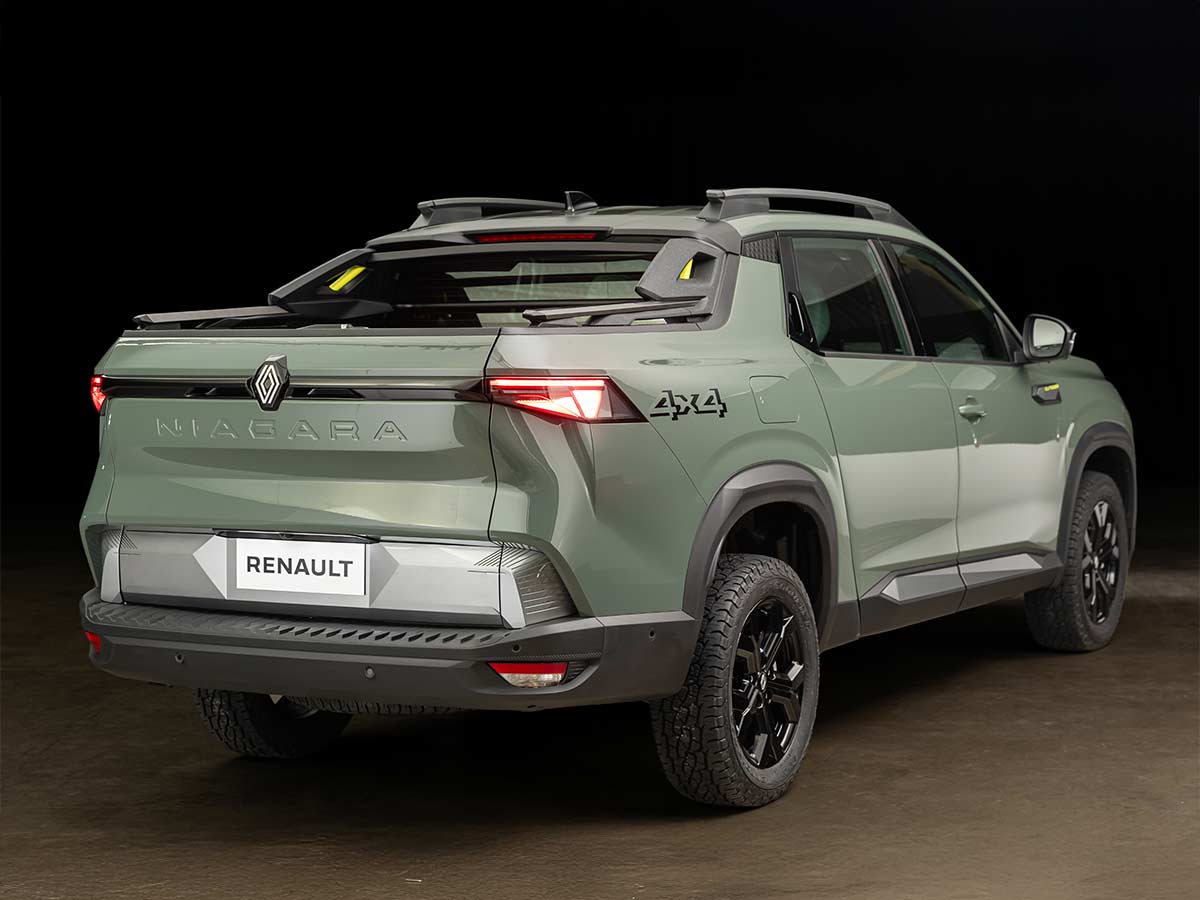
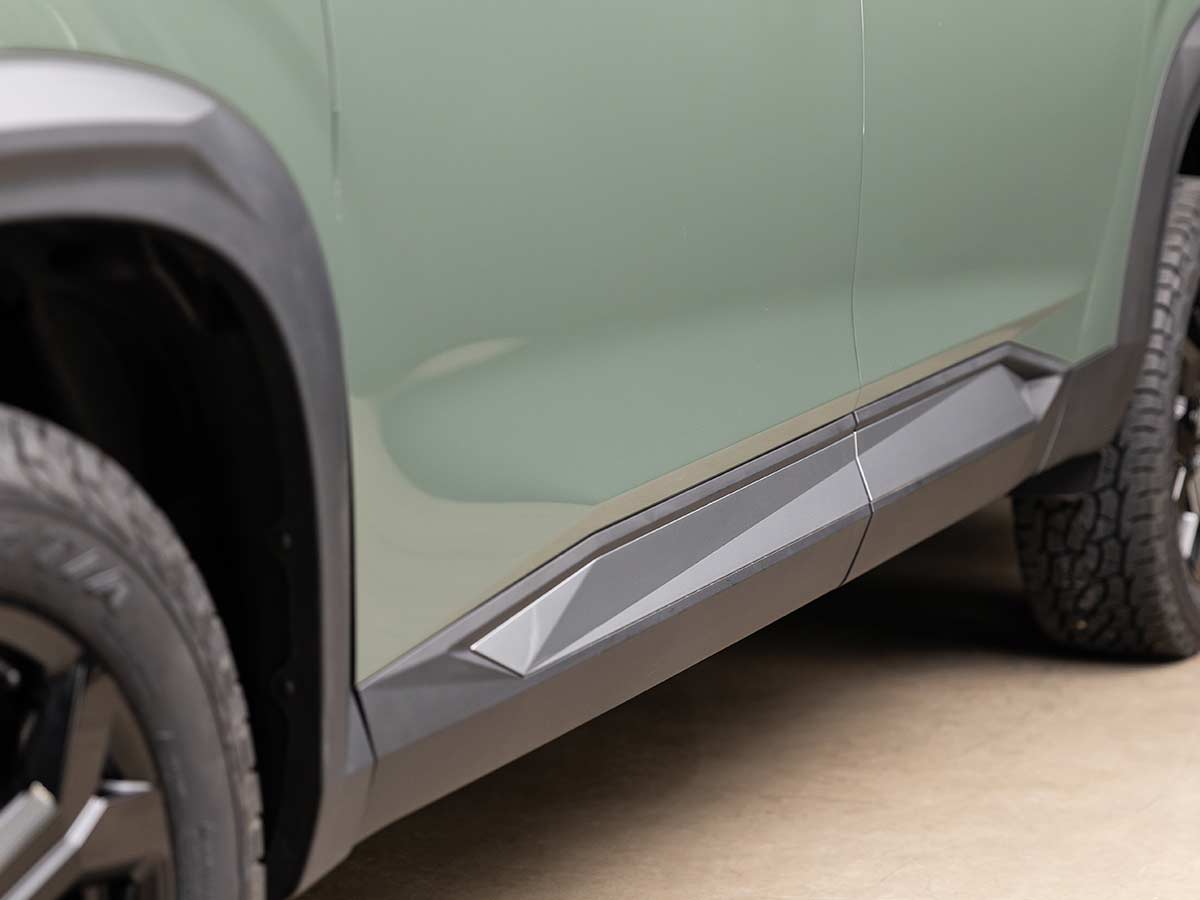
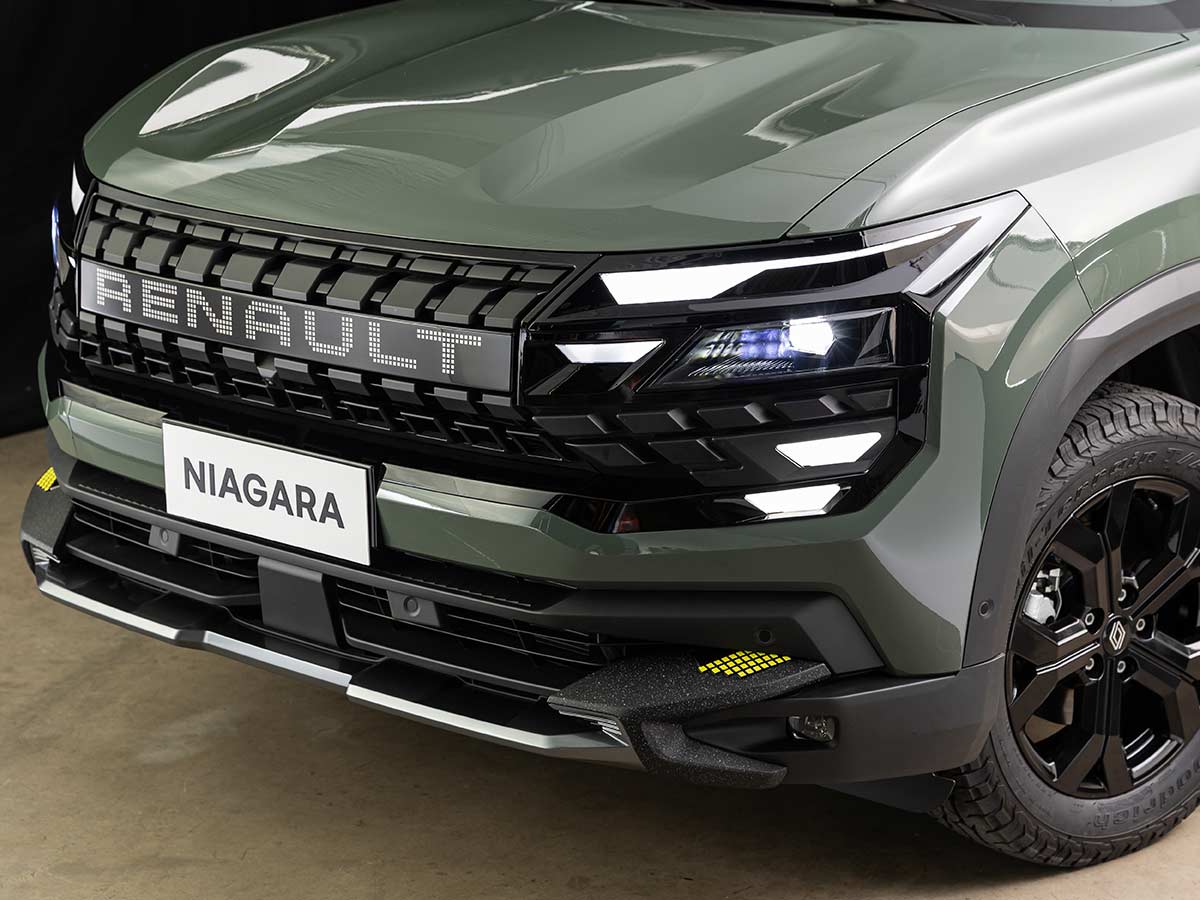
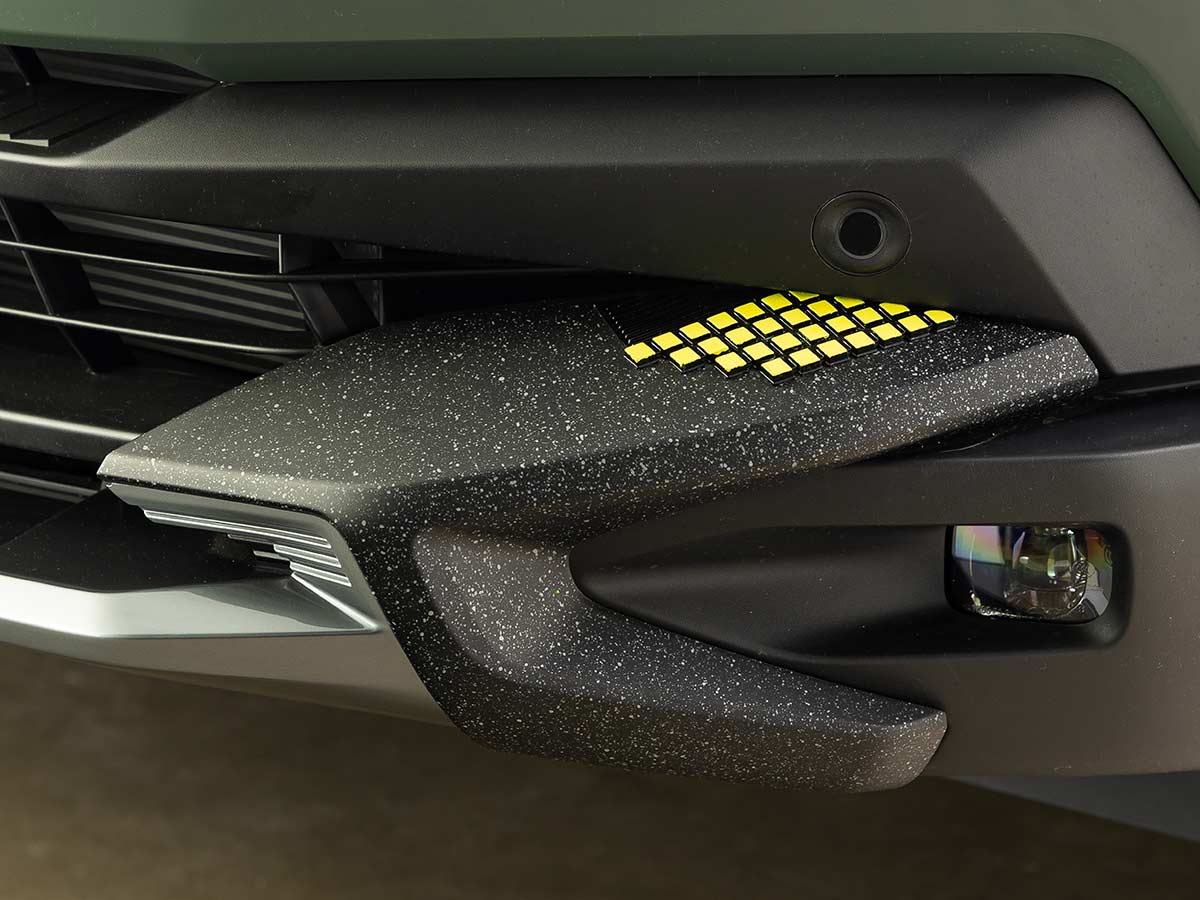
The front features an upright grille and a high bonnet with pronounced sculpting. Renault uses the large grille, full-LED headlamps, black lower body protection and a front skid plate to create the visual impression of a vehicle designed to operate away from paved roads.
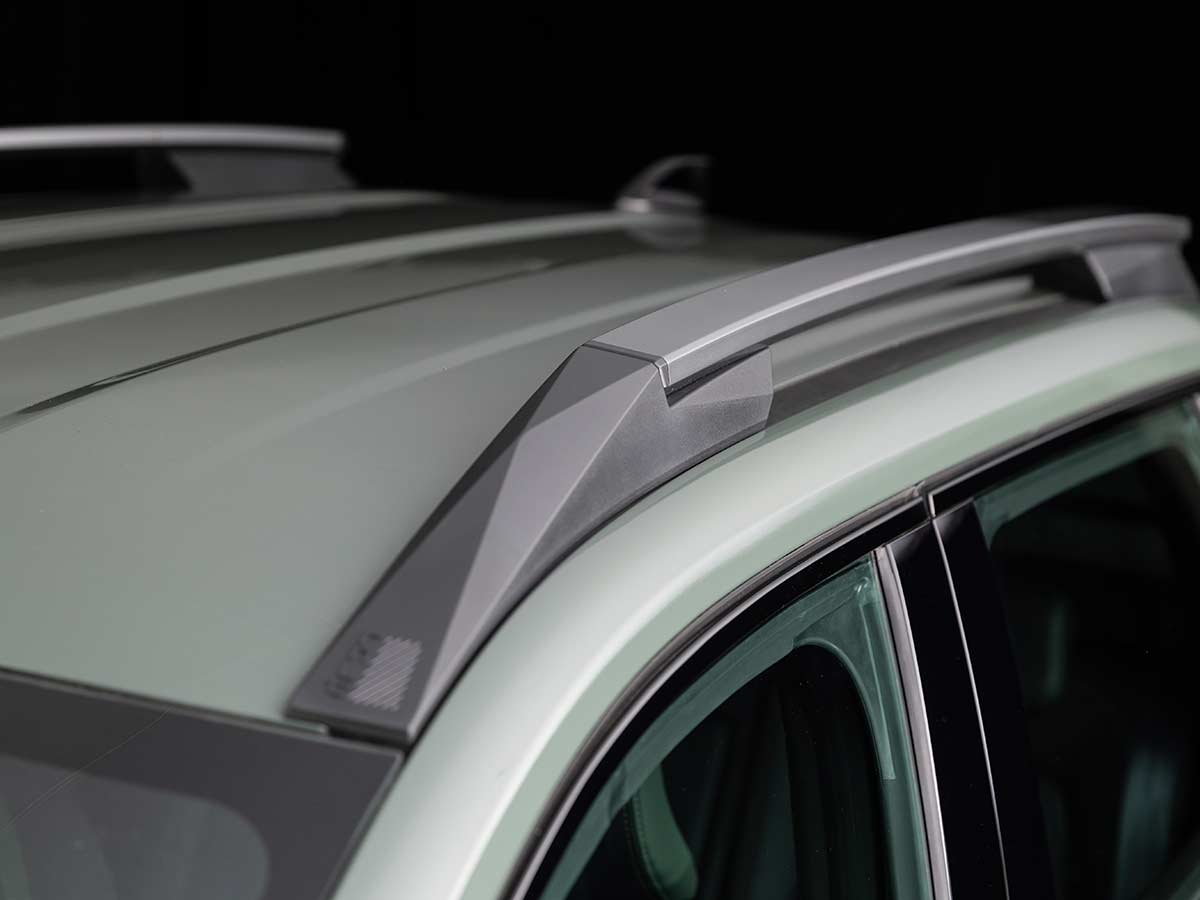
The proportions are equally important. Pronounced shoulders and wheel arches give the vehicle a broad stance, while the integration of the cab and load bed is intended to make the body look more cohesive than the traditional pick-up formula.
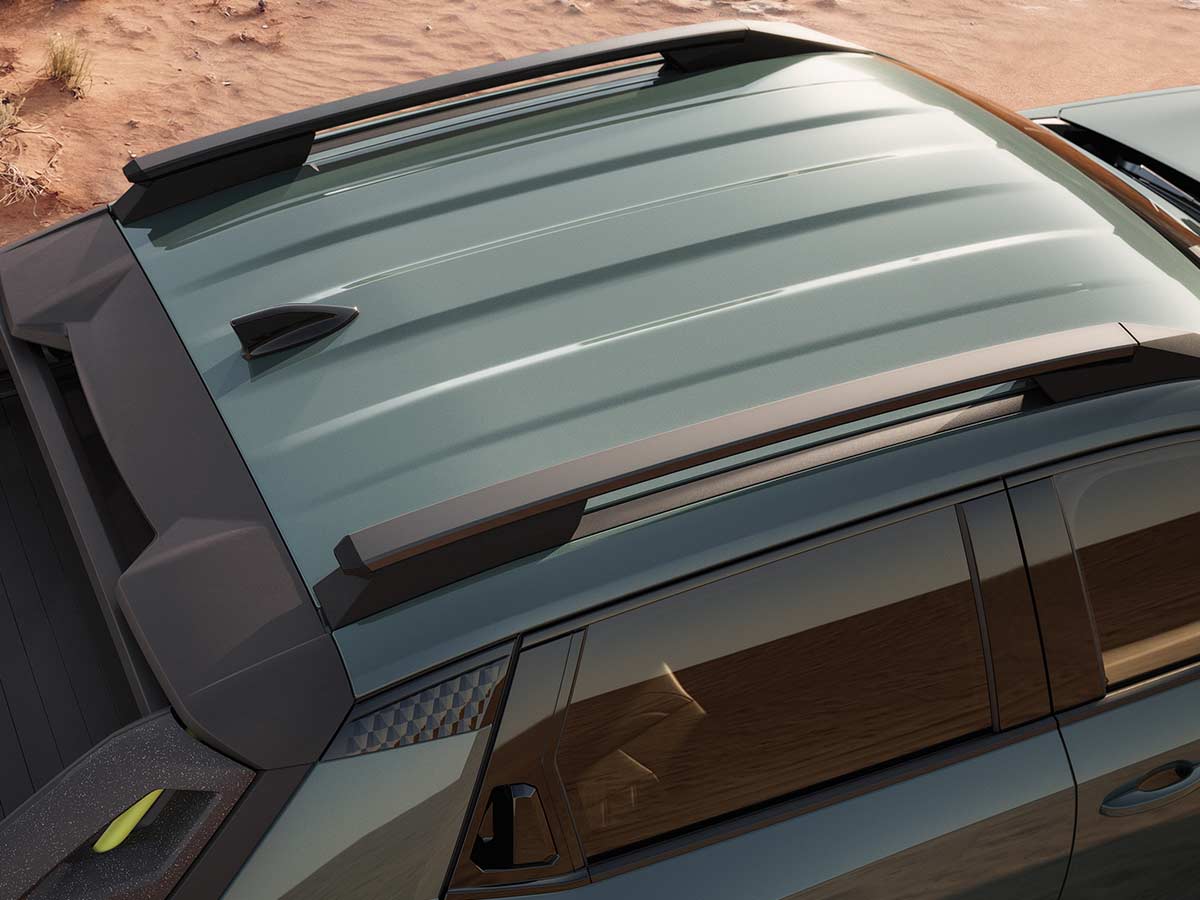
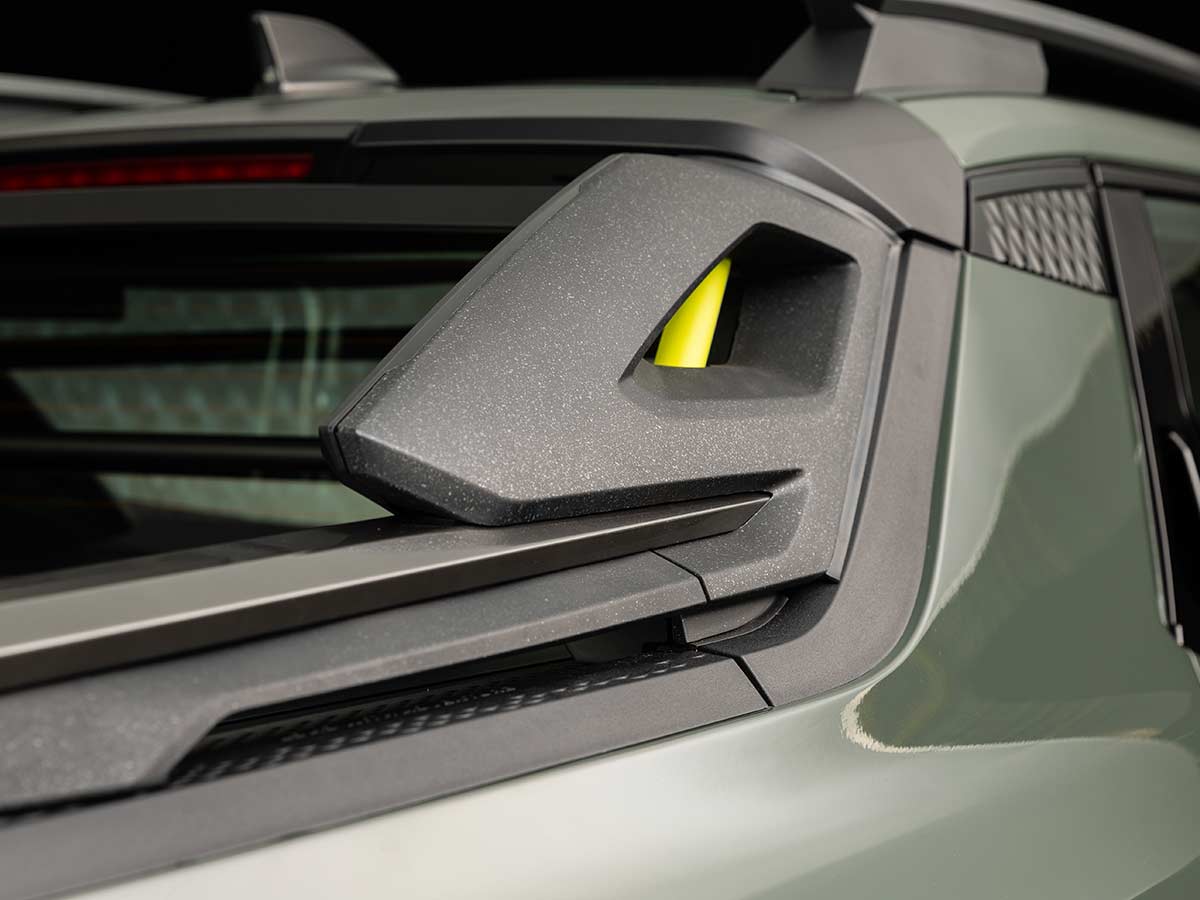
One particularly interesting design detail is the rear pillar. The rear door handles are integrated into the pillar, helping disguise the visual break between the passenger compartment and the rear section.
At the back, the tailgate carries the Niagara name directly in the metal. A horizontal black element visually connects the rear lamps and broadens the apparent width of the vehicle.
The styling therefore performs two jobs. It communicates durability, while also moving the vehicle closer to the lifestyle-oriented SUV market Renault is targeting.
The cabin is where the SUV influence becomes most obvious
The biggest departure from the traditional pick-up formula is inside.
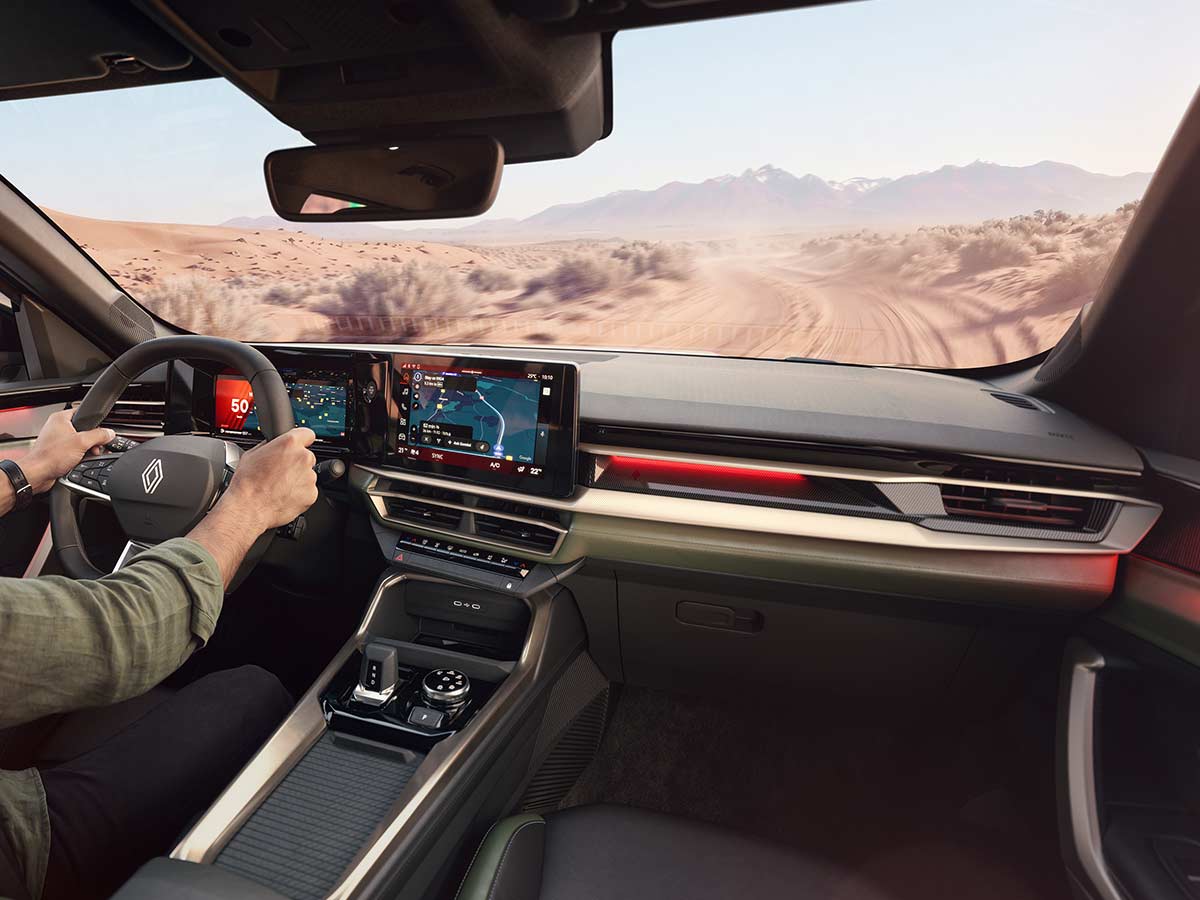
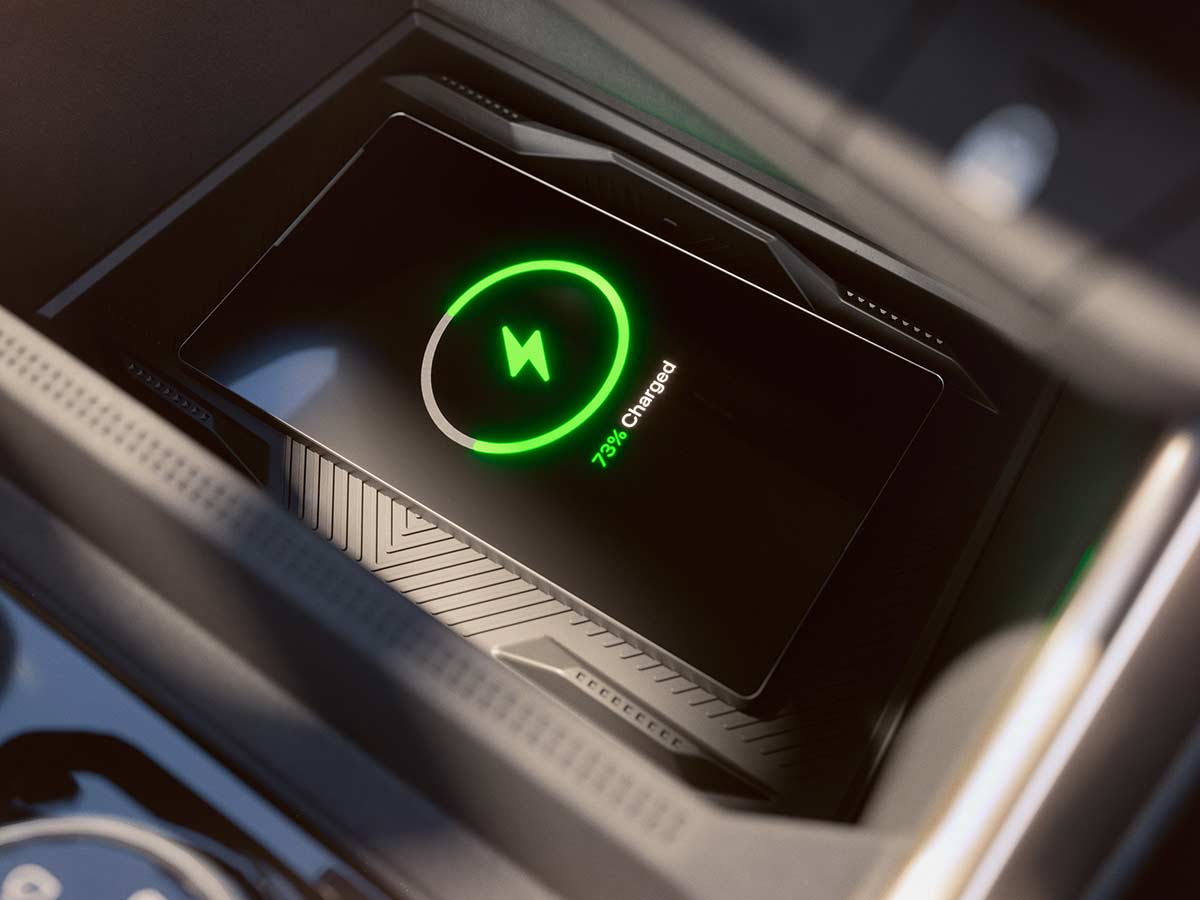
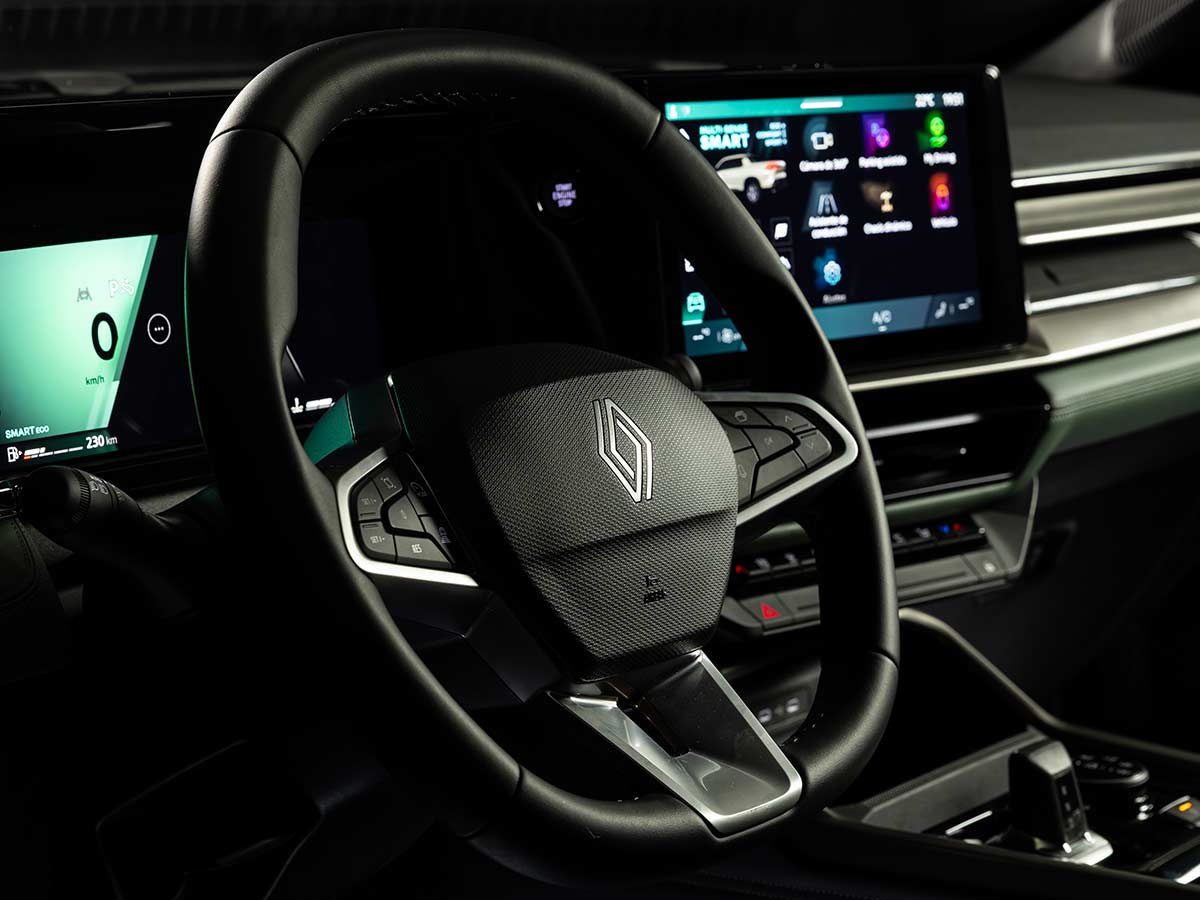
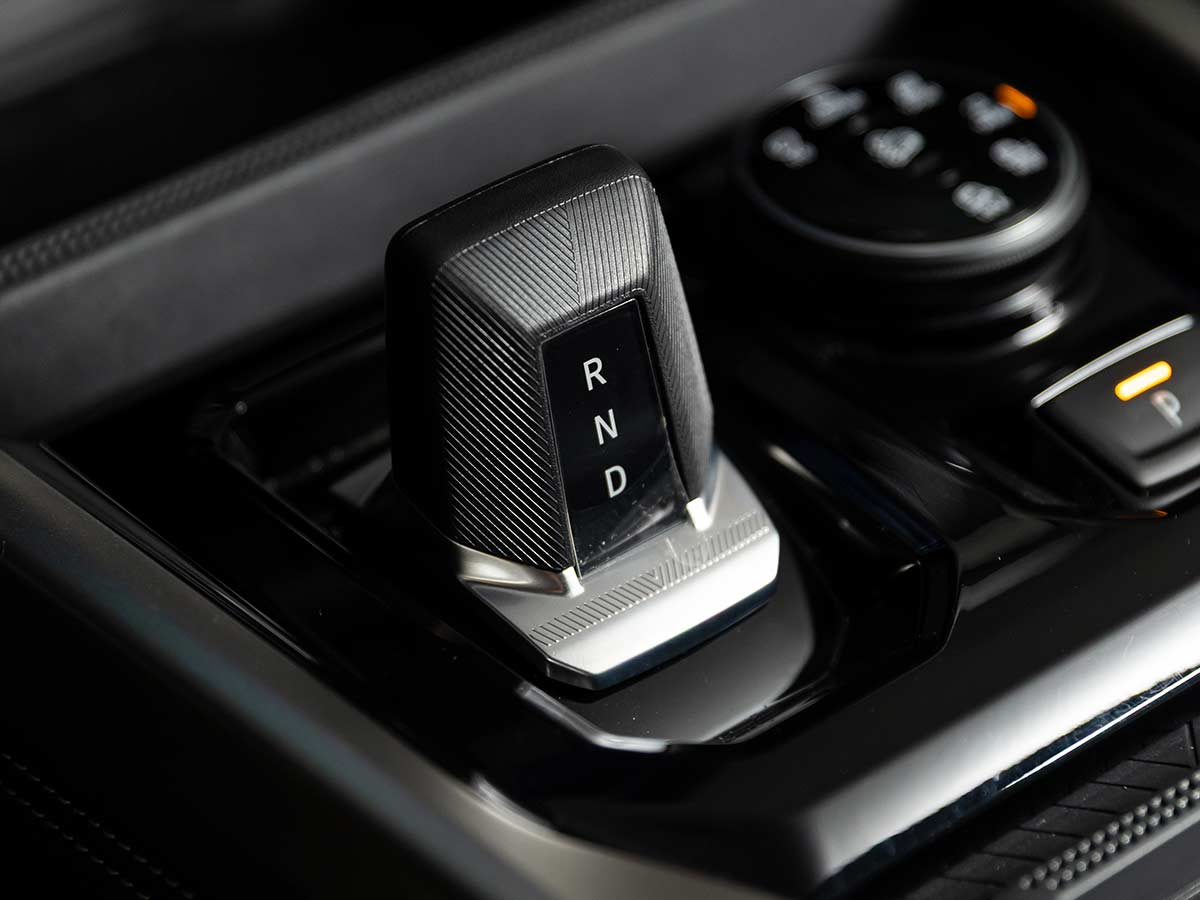
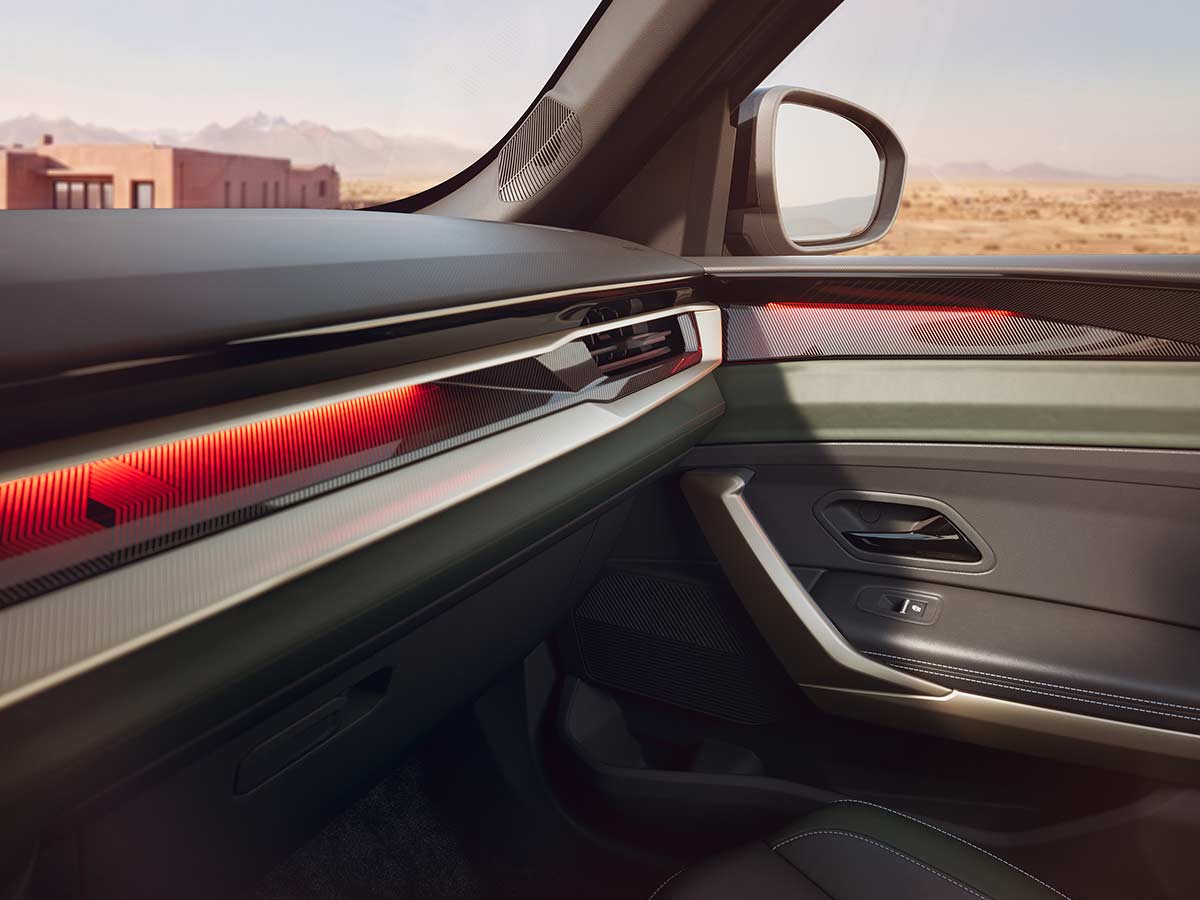
Renault designed the Niagara’s cabin around a horizontal dashboard, a 10.1-inch multimedia display and a 10.2-inch digital instrument cluster. An electronic gear selector frees additional space on the centre console, while a wireless smartphone charger is available.
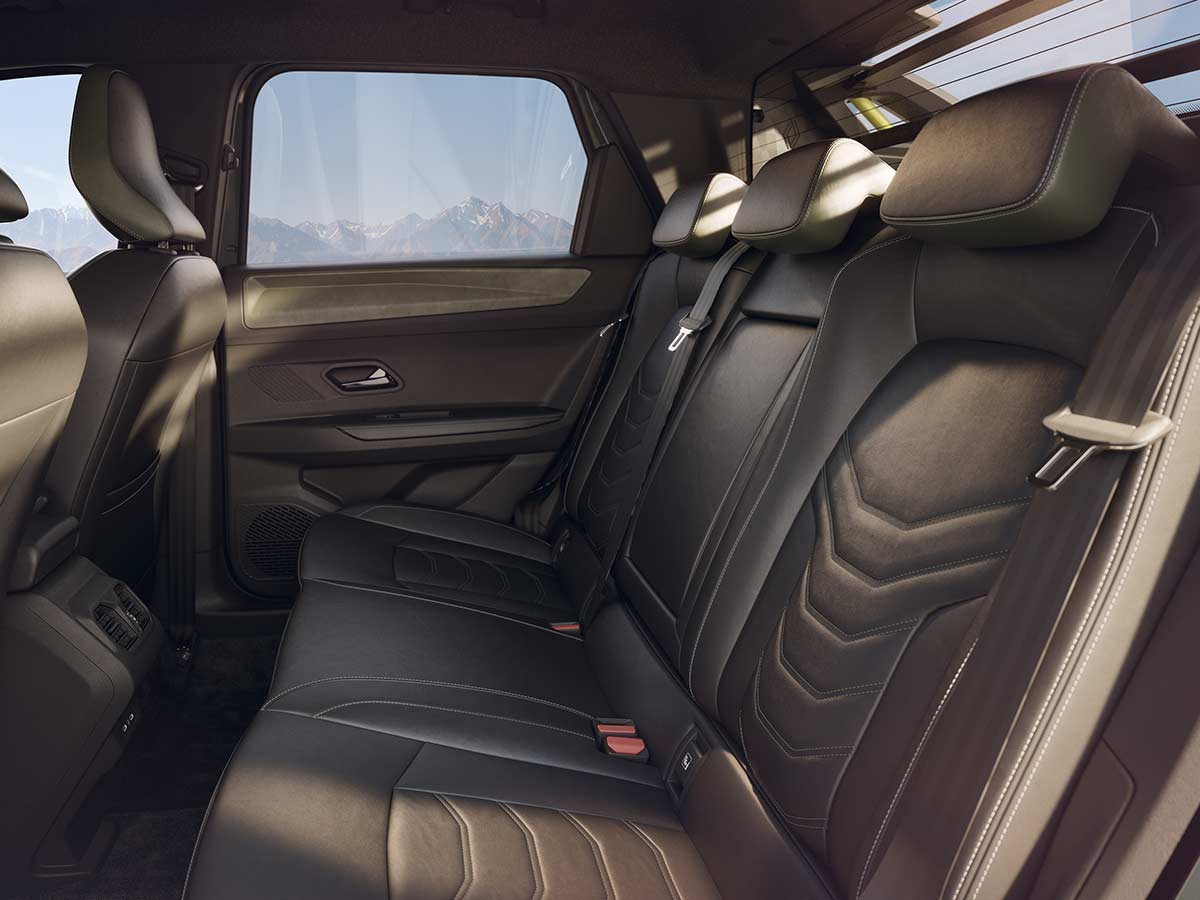
The rear accommodation is another area where Renault has concentrated on passenger comfort.
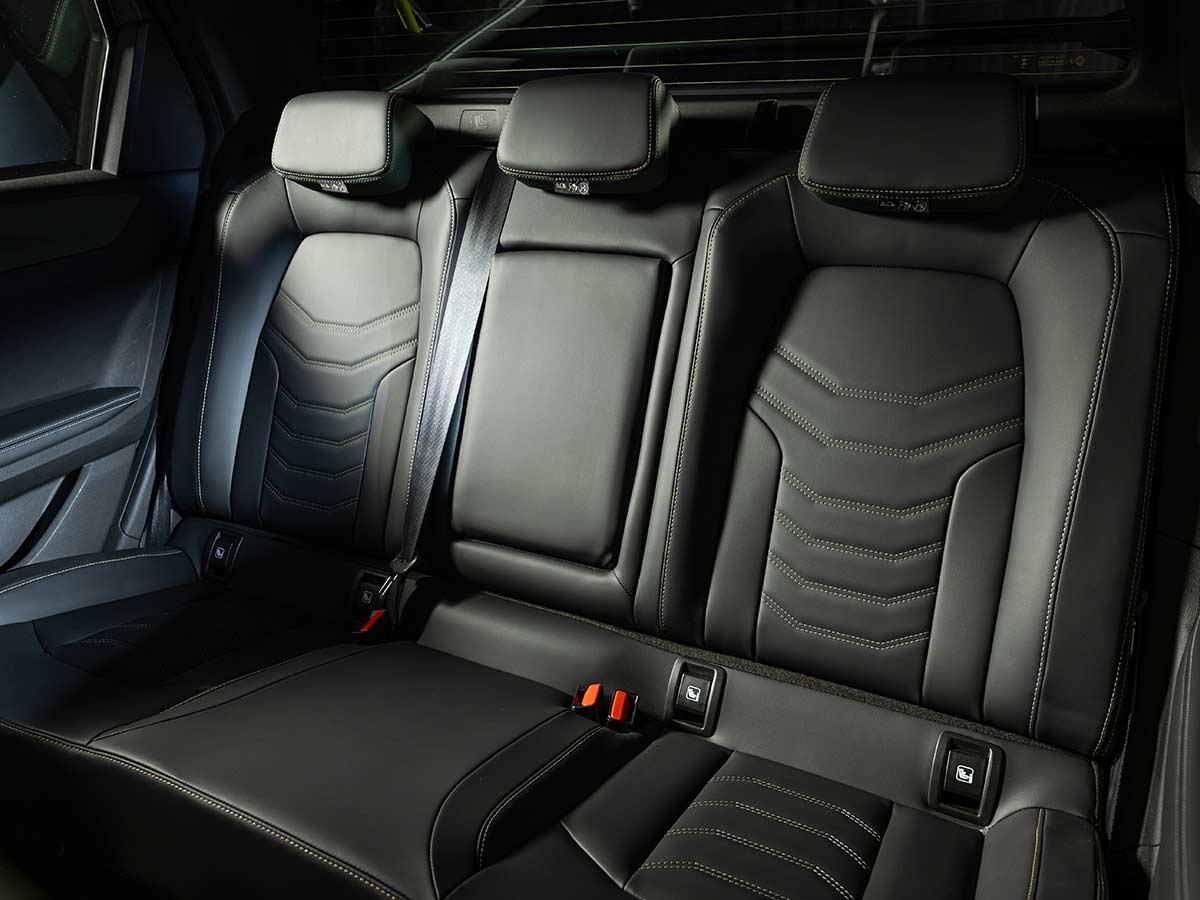
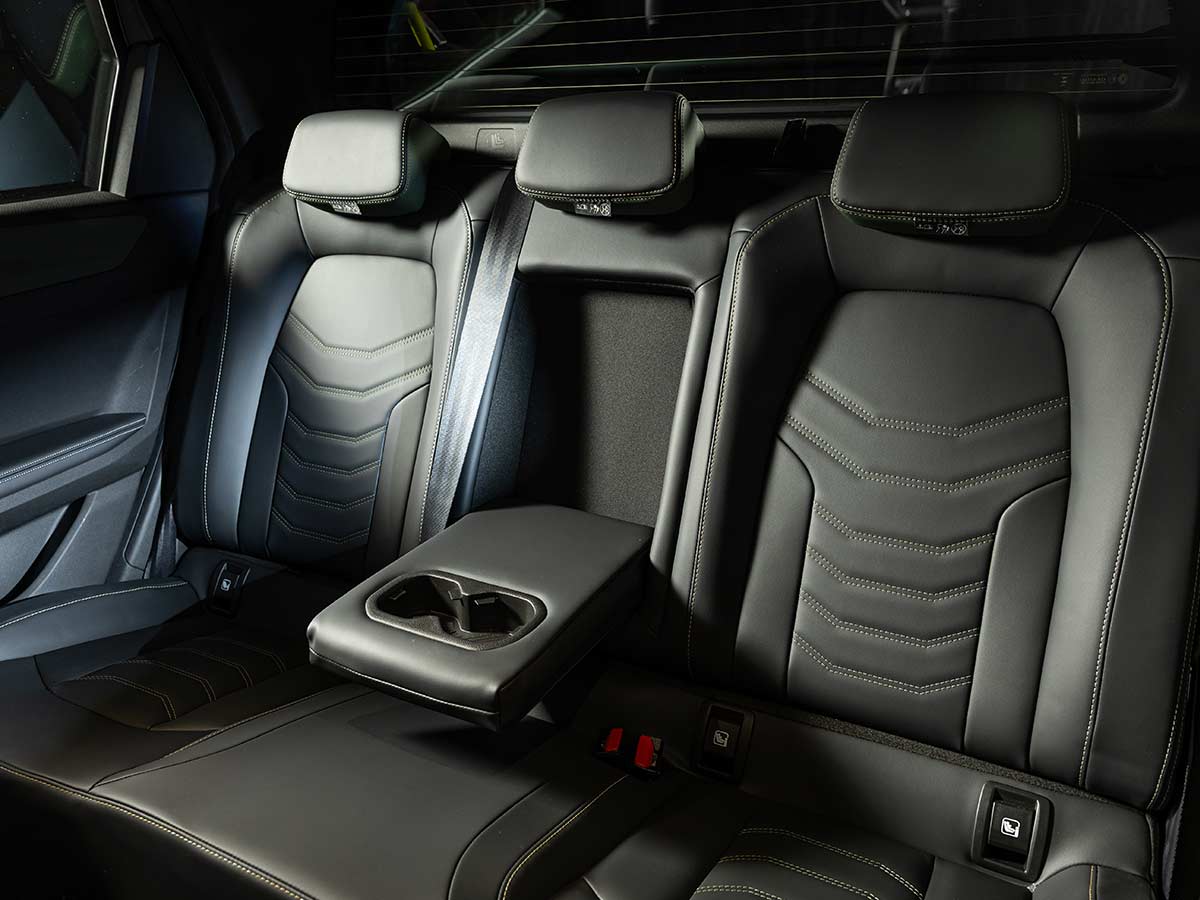
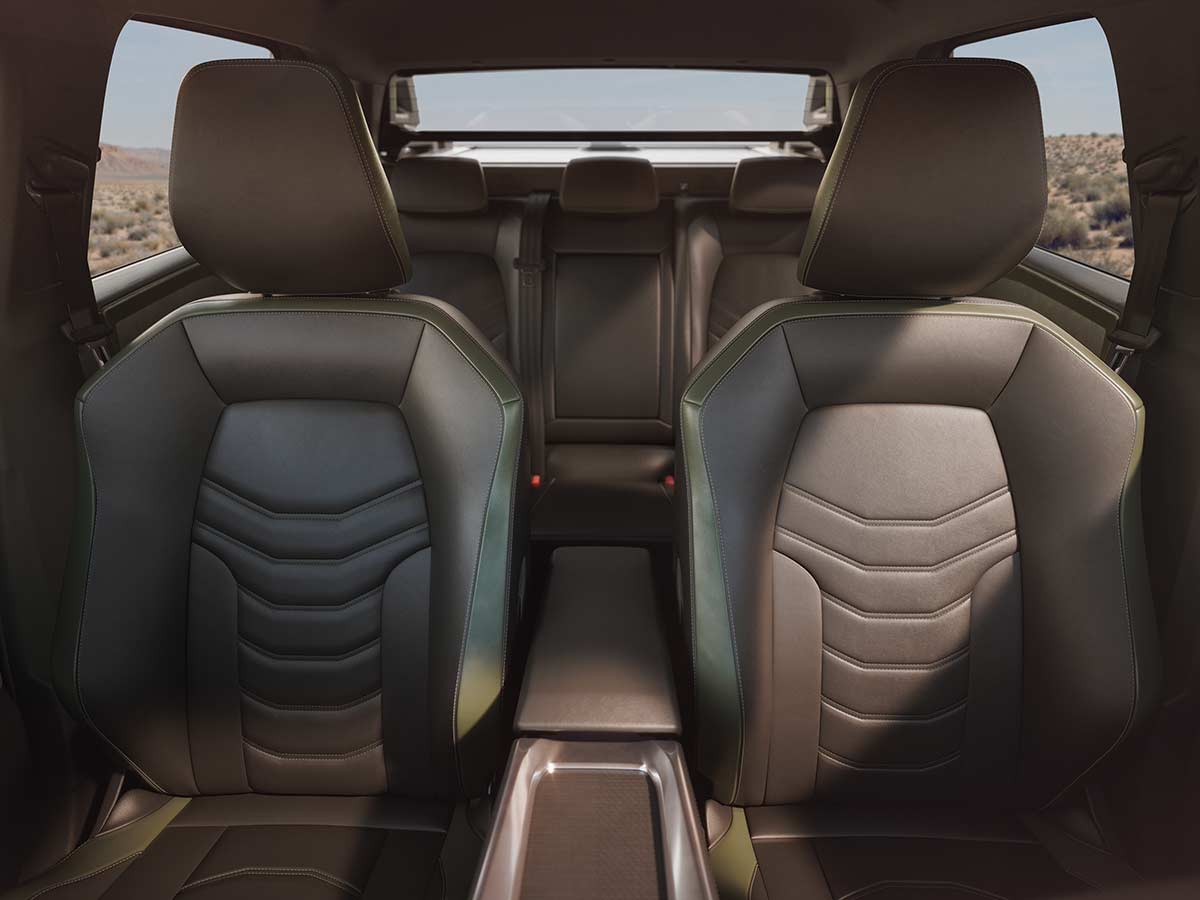
The rear bench can recline by 25 degrees, and Renault claims 200 mm of knee room, which it describes as best in class. A central armrest with cup holders is also provided.
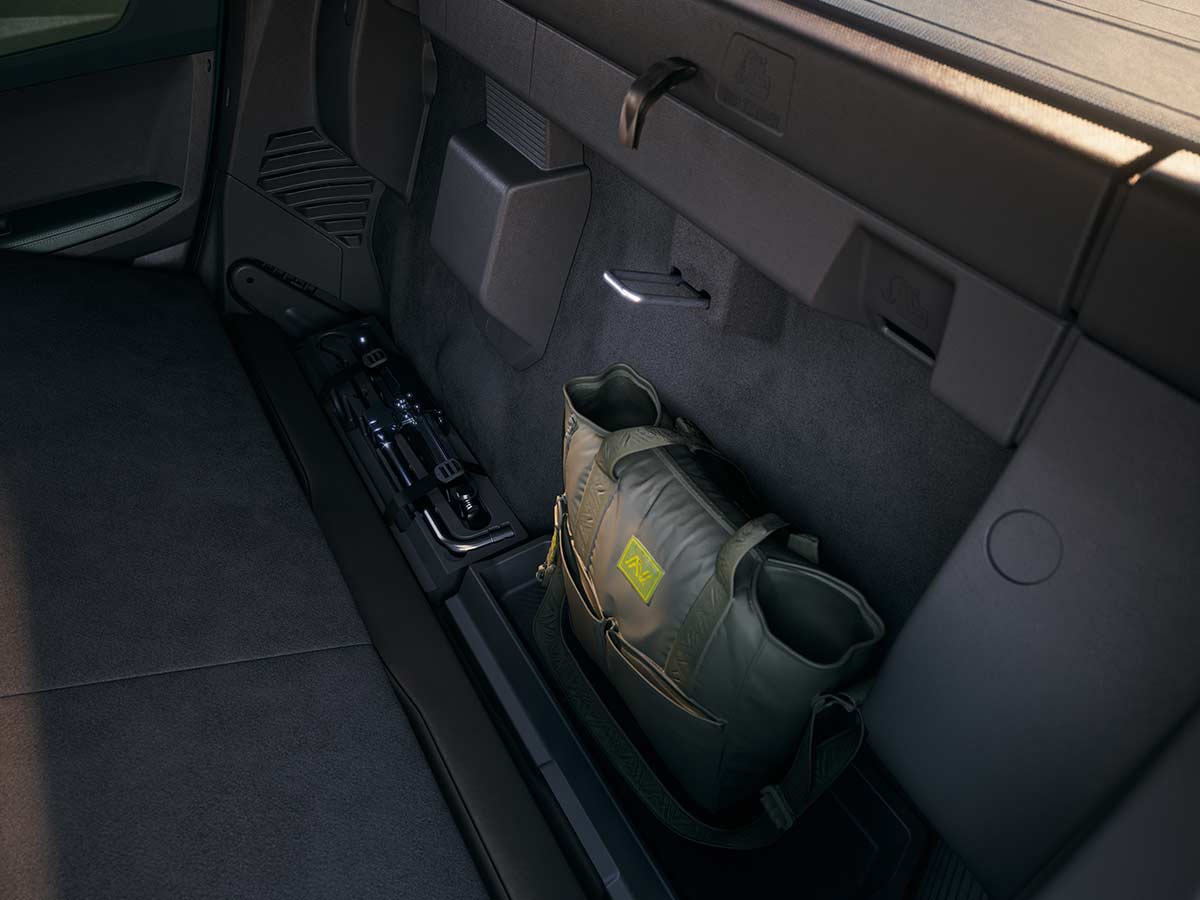
There is an unusual storage solution behind the rear seats as well. A 36-litre compartment can be accessed from the cabin when the rear bench is folded, providing a concealed area for smaller items that might otherwise have to occupy the load bed.
For a pick-up, this matters because the open cargo bed is not always the ideal place for personal belongings. A lockable or enclosed cabin storage area separates passenger-car practicality from the weather and security limitations of an exposed load area.
Renault also offers upmarket touches depending on specification, including powered front seats, different upholstery treatments and ambient lighting with up to 48 colours.
OpenR Link and Google Gemini bring a different kind of technology to the segment
The Niagara’s infotainment system is one of its more notable features.
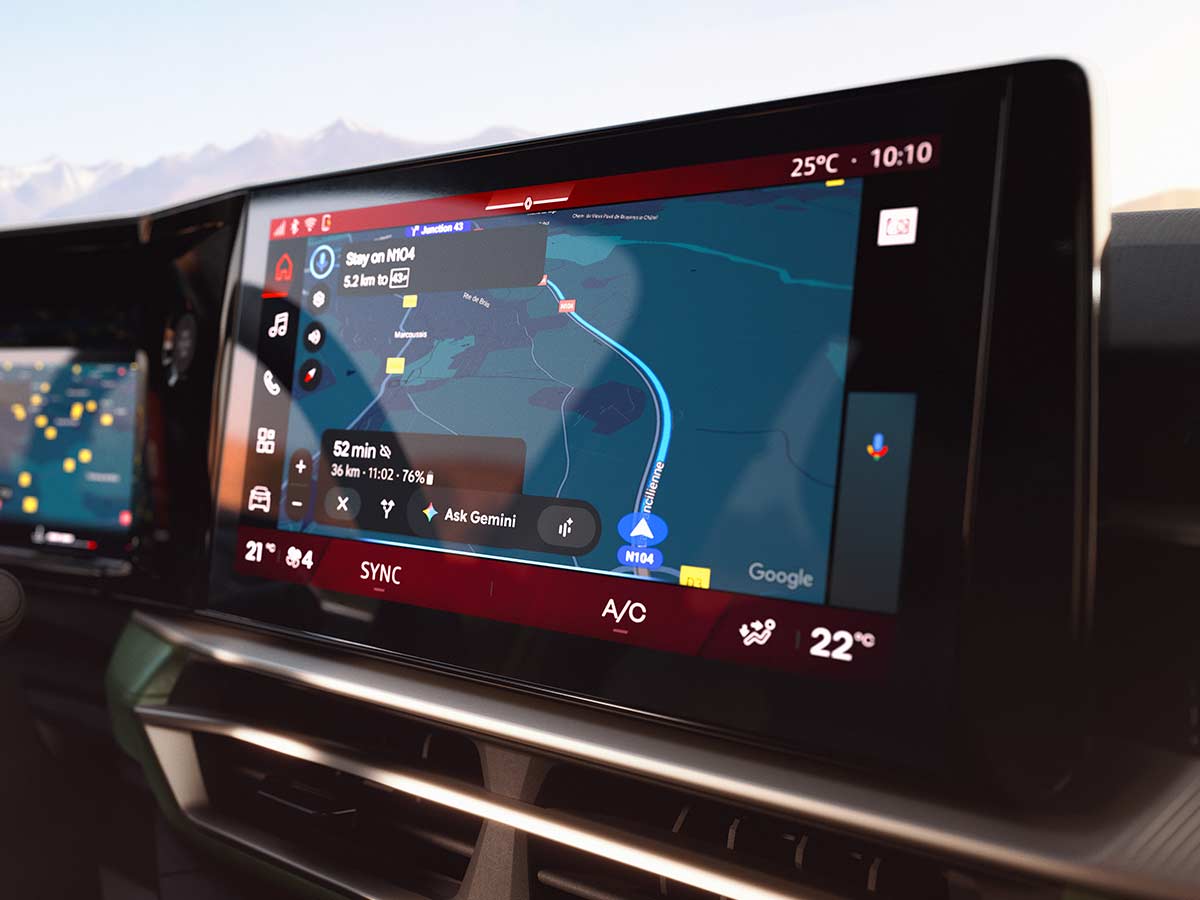
Renault says the vehicle is the first pick-up to receive its OpenR Link system with Google built-in. The system supports Google Maps, Google Assistant and applications available through Google Play, while Android Auto and Apple CarPlay are supported both wired and wirelessly.
The vehicle will also be equipped with Google Gemini.
This is worth separating from the usual smartphone-integration discussion. Gemini is positioned by Renault as a conversational AI assistant capable of handling more natural dialogue and more complex requests than a conventional voice-command system.
The usefulness of such technology ultimately depends on how it operates in the vehicle and what services are available in each market. The broader point is that Renault is treating connectivity as part of the Niagara’s fundamental product proposition rather than as an optional luxury.
Powertrain: 1.3-litre turbo with two- and four-wheel drive
The Niagara launches with a 1.3-litre turbocharged direct-injection petrol engine. Depending on market, the engine can also operate with Flex Fuel.
Output varies with drivetrain:
| Configuration | Power | Maximum torque |
|---|---|---|
| 4×2 | 115 kW / 156 hp | 270 Nm |
| 4×4 | 120 kW / 160 hp | 270 Nm |
The engine can be paired with either a six-speed manual transmission or a six-speed wet dual-clutch automatic gearbox.
The distinction between the 4×2 and 4×4 versions is therefore not limited to traction. Renault specifies a slightly higher output for the four-wheel-drive model.
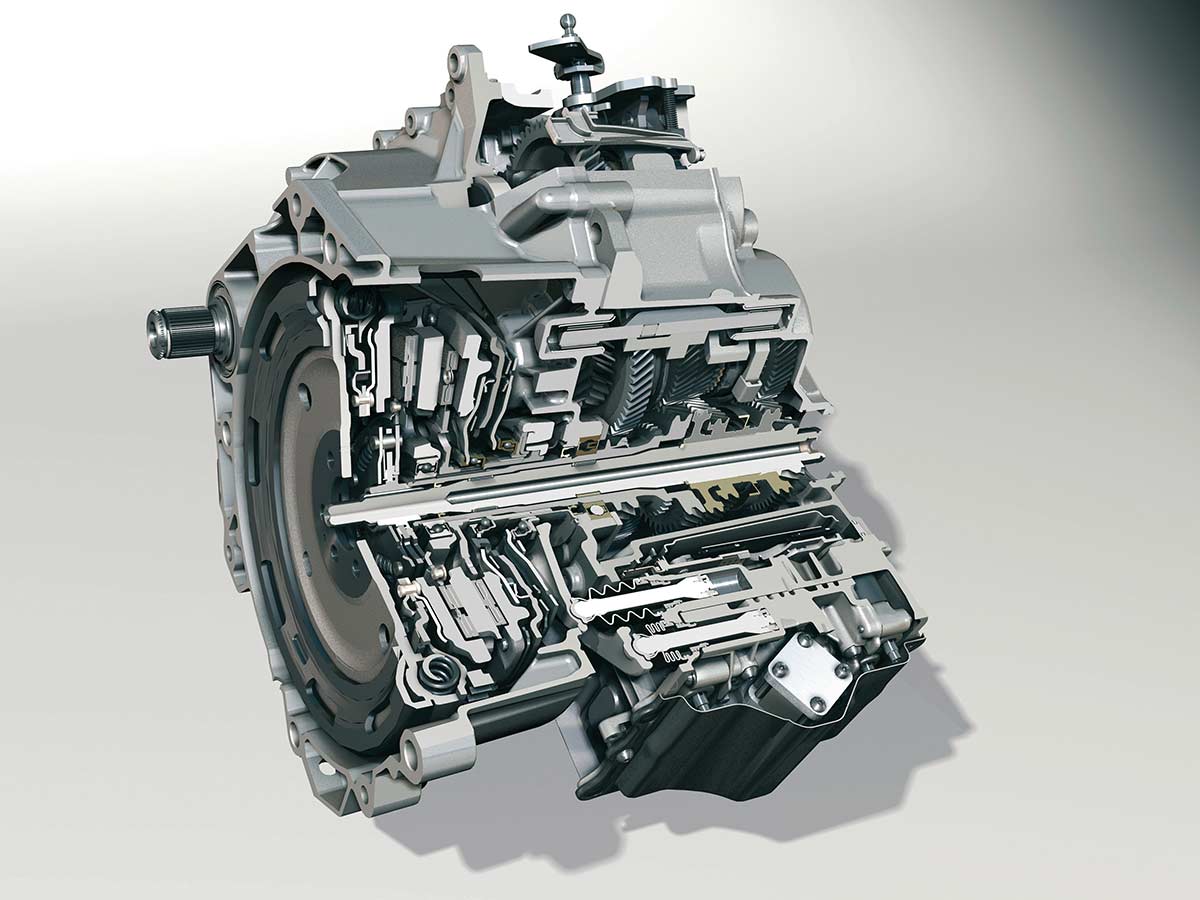
The automatic transmission uses an electronic gear selector and is based on Renault’s EDC dual-clutch technology. A wet dual-clutch transmission uses oil cooling and lubrication around its clutch assemblies, a configuration commonly used where thermal management and durability under demanding operating conditions are important.
Four-wheel drive is designed to react to available grip
The Niagara’s four-wheel-drive system is designed around automatic torque distribution.
Under normal conditions, Renault says the system sends drive exclusively to the front wheels. When front-wheel traction begins to deteriorate, torque can be transferred to the rear axle. In more demanding situations, torque can be distributed equally between the front and rear axles.
The system uses a rear transmission module and an electromagnetic multi-disc clutch to control the distribution.
That approach has a practical advantage for a vehicle intended to spend much of its time on normal roads. The front-driven operating mode can avoid continuously powering the rear axle when additional traction is unnecessary, while the system retains the ability to send torque rearward when conditions require it.
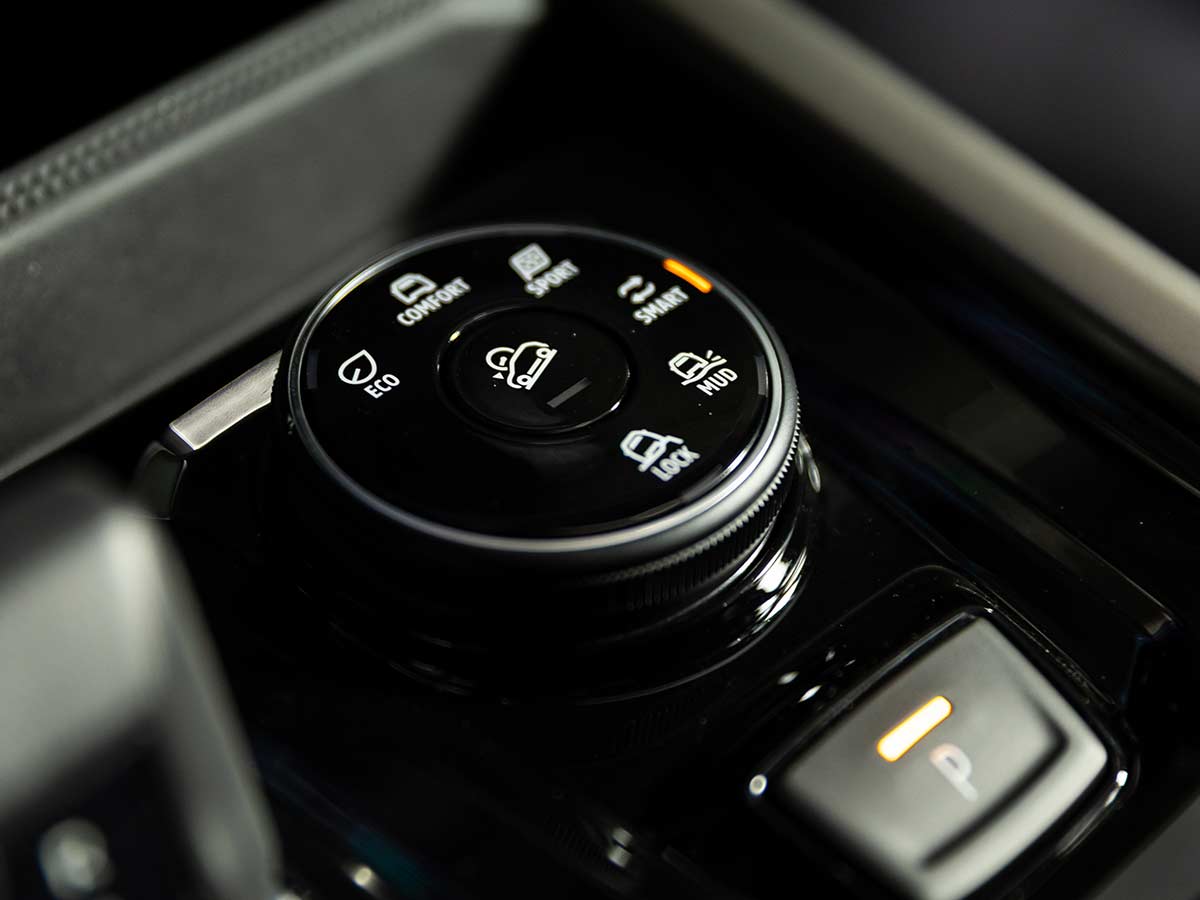
Drive modes further adapt the vehicle to different conditions. Depending on market or version, Renault lists modes including Eco, Comfort, Sport, Smart, Mud-Sand and Off-Road.
Suspension is a major part of the Niagara’s SUV strategy
One of the technically interesting aspects of the Niagara is its rear suspension.
Rather than relying on a conventional utility-focused rear arrangement, Renault has developed a multi-link rear suspension specifically for the vehicle. The system combines an exclusive rear axle with adapted springs, shock absorbers and revised geometry.
Renault says the revised chassis reduces the natural frequency of body movements by 30%, with the aim of improving ride comfort, reducing vibration and increasing stability on poor road surfaces.
The distinction matters because pick-ups traditionally face a difficult engineering compromise.
A suspension system must support a vehicle that can carry significant loads while also delivering acceptable comfort when the load bed is empty. A configuration optimised heavily for payload can become harsh over broken surfaces when there is little weight over the rear axle.
Renault’s multi-link approach is intended to address that compromise while preserving the structural and traction requirements of a pick-up.
The Niagara also uses four ventilated disc brakes. Renault says dedicated electronic braking functions, including hydraulic brake assistance, are intended to maintain braking performance during demanding conditions such as high-altitude driving and long descents.
Cargo capacity: the practical side of the equation
The Niagara would not be a convincing pick-up if its SUV-style cabin came at the expense of utility.
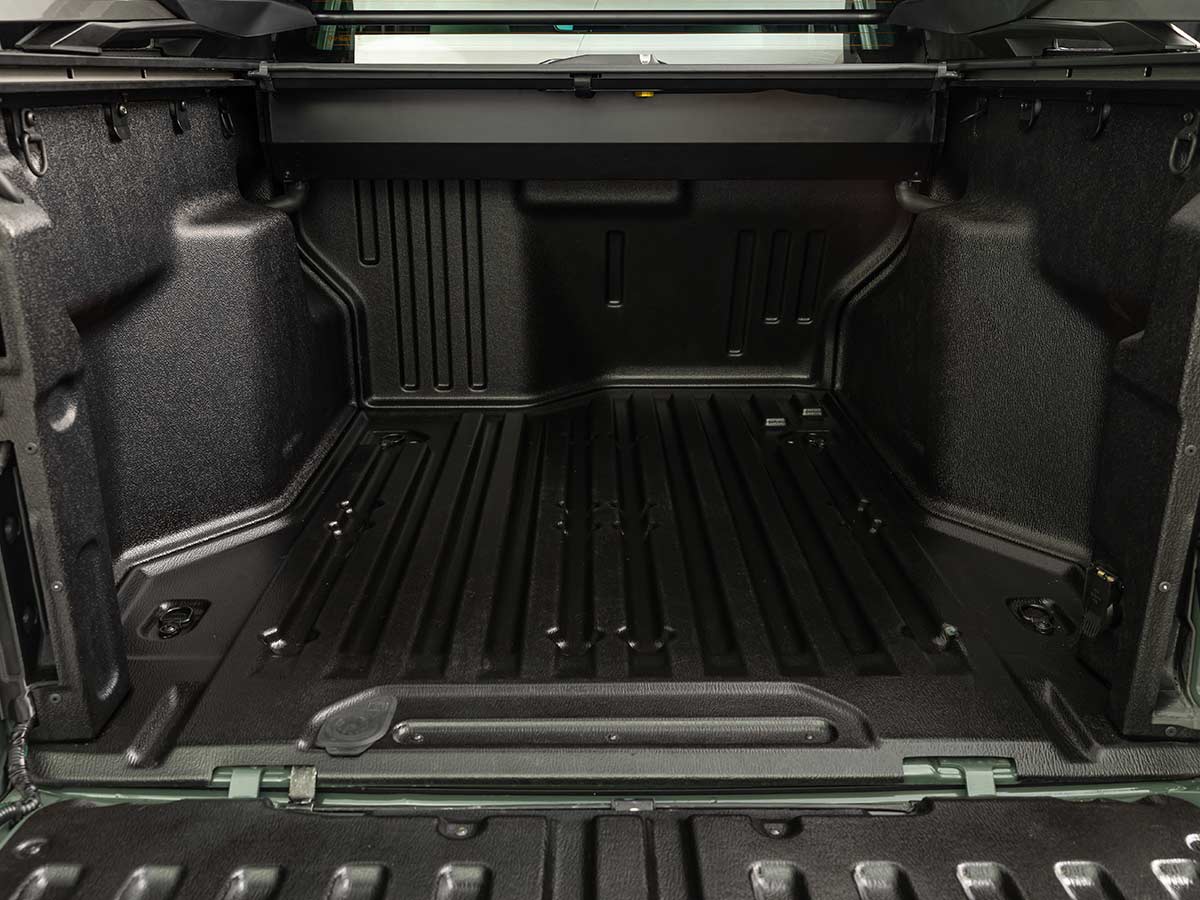
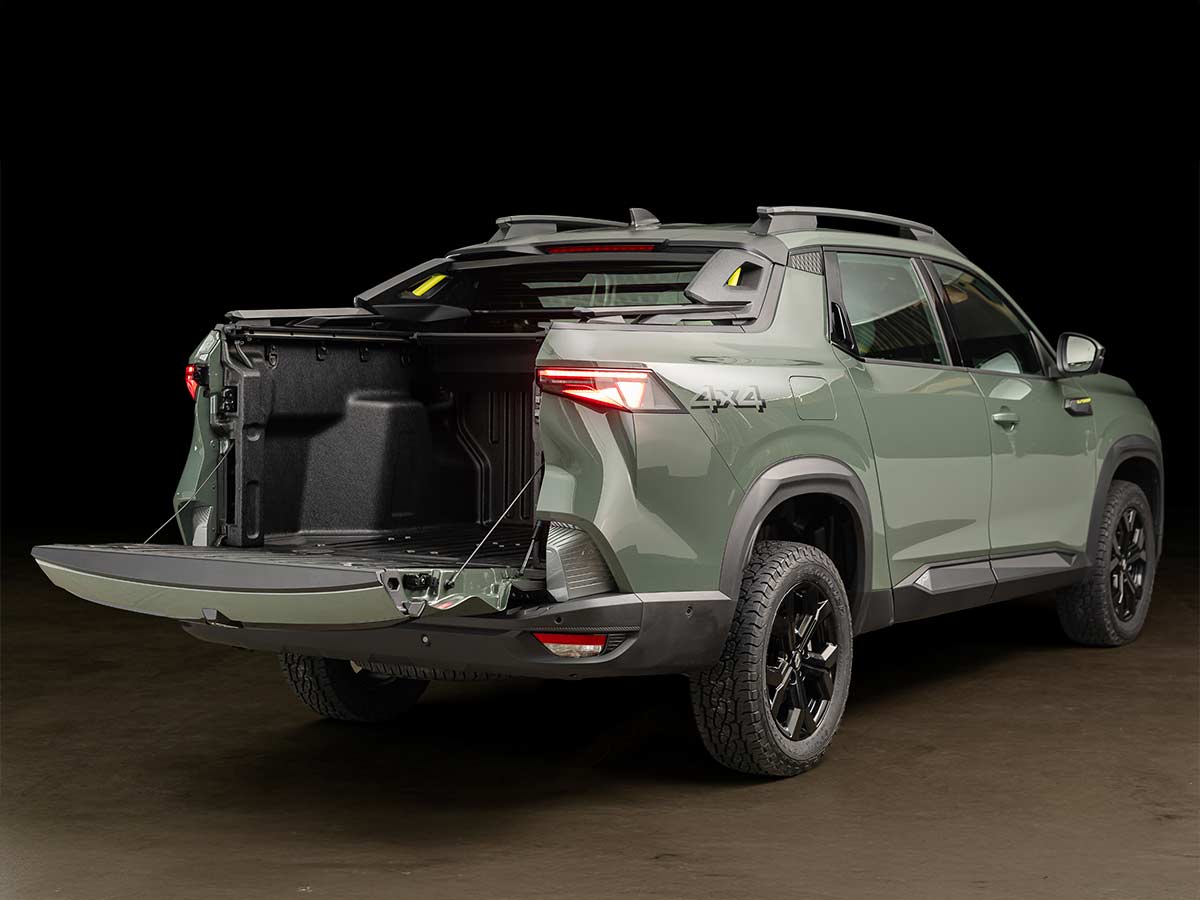
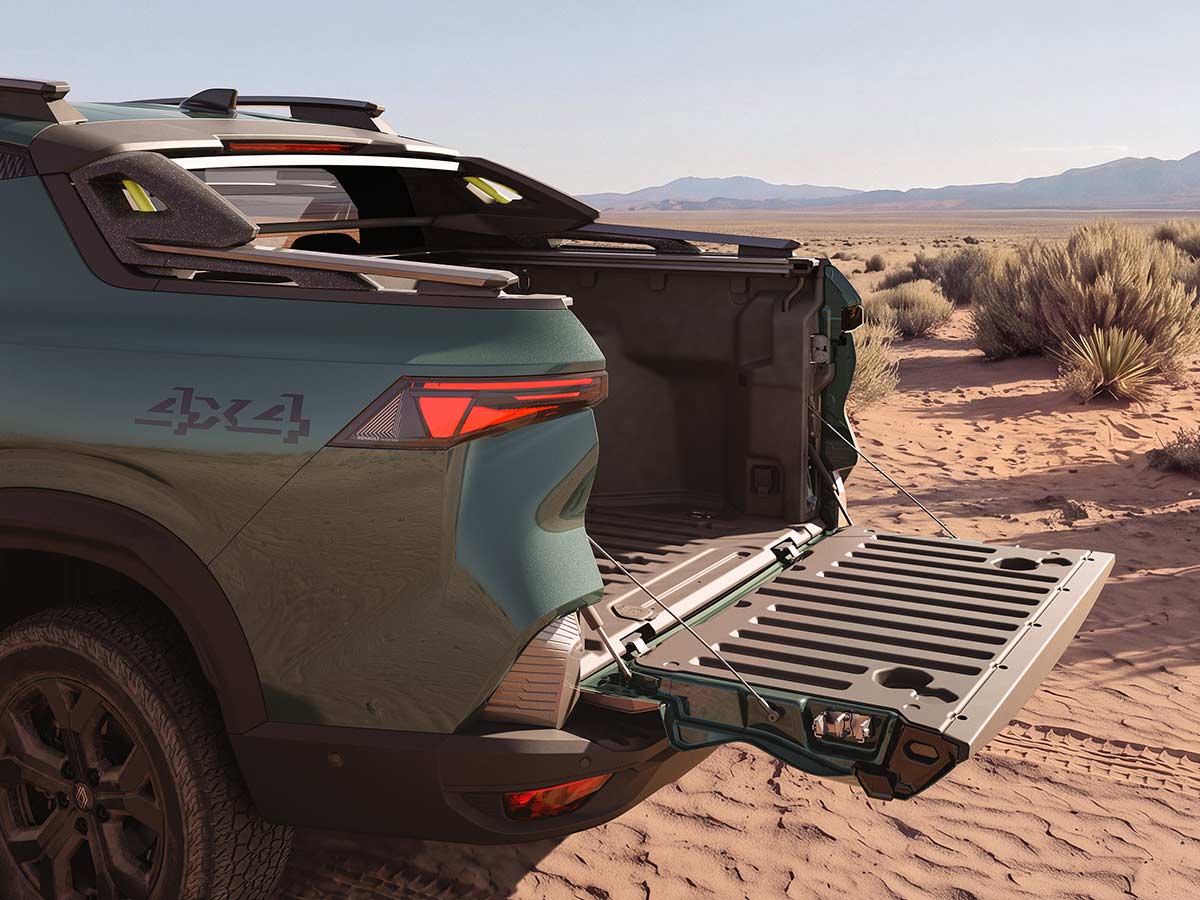
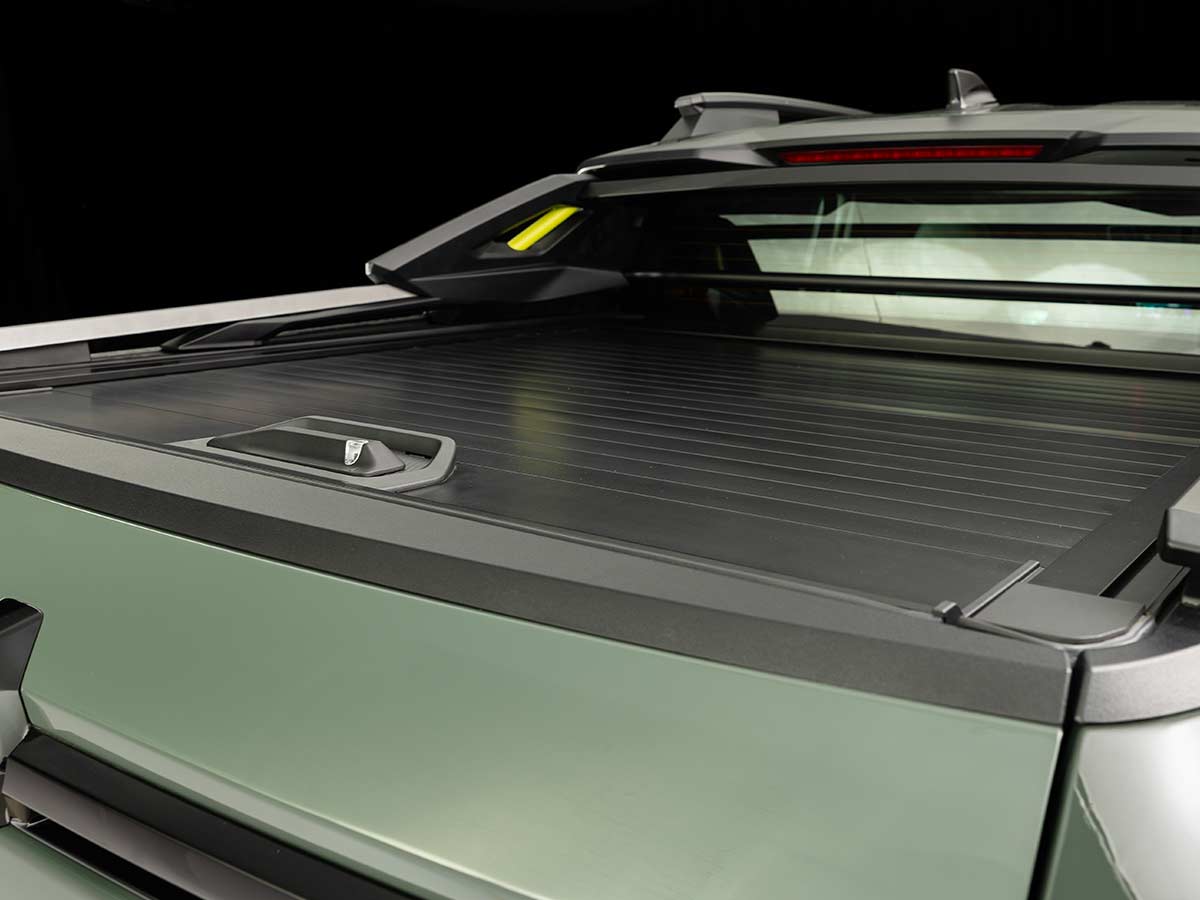
Renault quotes a 938-litre cargo-bed capacity and a maximum payload of 654 kg. The bed includes eight lashing rings, a 12-volt electrical socket and a protective coating designed for repeated loading and unloading.
The tailgate measures 1,030 mm wide and 615 mm high, according to Renault.
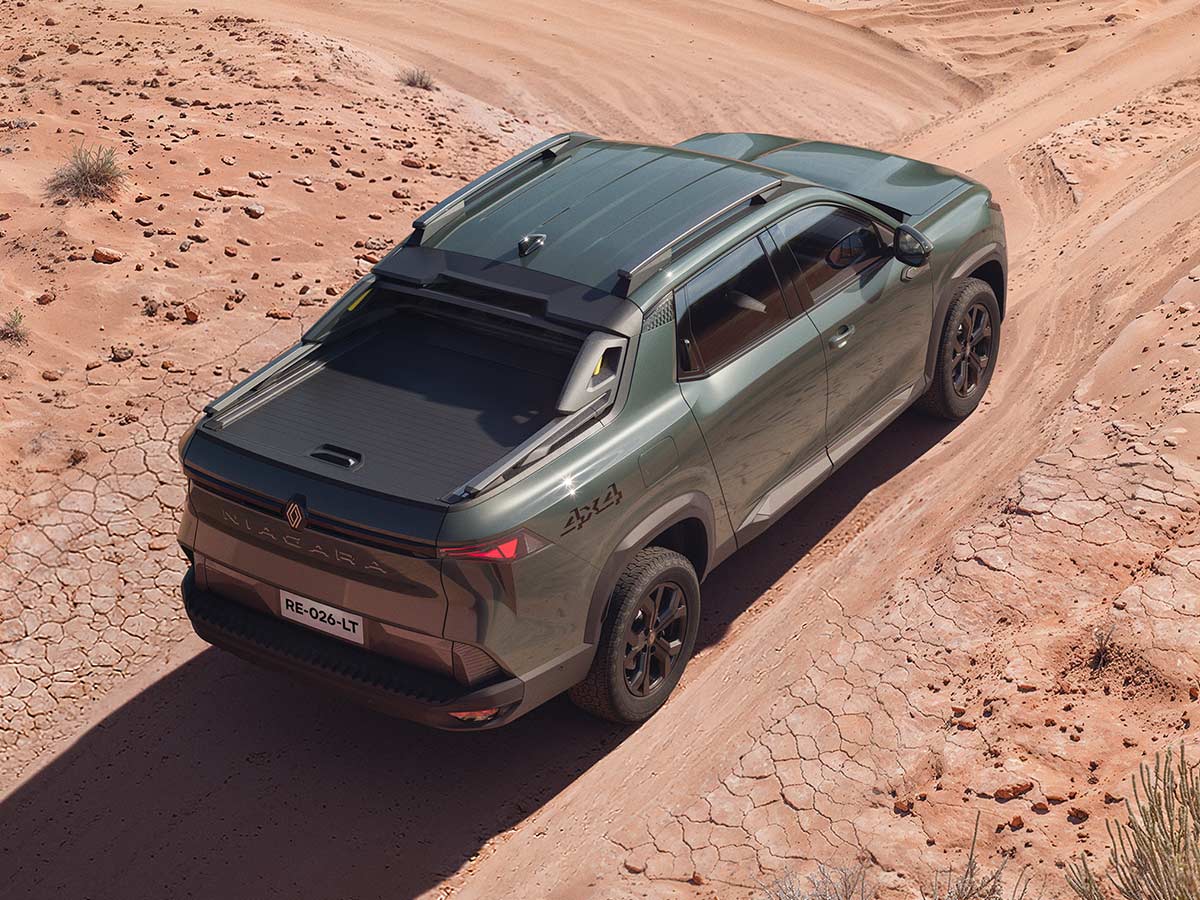
One of the more unusual features is the sliding roll-up cover. It is designed to protect cargo from rain and dust while still allowing relatively quick access to the load area.
Renault also claims a 710 kg towing capacity and describes this figure as best in class. That should be understood as a manufacturer claim based on the competitive definition used by Renault; independent comparison requires consistent market, specification and regulatory criteria.
The cargo figures illustrate the Niagara’s intended balance. It is not positioned as a stripped-down commercial tool. Instead, Renault is trying to preserve enough utility for work while making the vehicle practical as an everyday family vehicle.
Ground clearance and off-road hardware
The four-wheel-drive Niagara has 233 mm of ground clearance, while the two-wheel-drive version has 223 mm.
Renault lists approach and departure angles of 22.1 degrees for the 4×4 and 22.3 degrees for the 4×2.
Ground clearance is particularly useful on rough roads because it reduces the likelihood of the underbody contacting obstacles or uneven terrain. Approach and departure angles, meanwhile, determine how steep an obstacle can be approached or left without the front or rear of the vehicle contacting the ground.
These numbers do not by themselves establish a vehicle’s complete off-road capability. Tyres, suspension articulation, axle clearance, drivetrain calibration, vehicle weight and driver technique also matter. The Niagara’s specification nevertheless shows that Renault has designed the 4×4 model for substantially more than occasional use on unpaved roads.
Driver assistance is unusually extensive for a pick-up
The Niagara’s technology package extends beyond infotainment.
Renault lists adaptive cruise control with Stop & Go, which can maintain a set distance from the vehicle ahead and bring the vehicle to a stop in traffic.
Other active-safety systems include:
- Lane Departure Warning
- Lane Keeping Assist
- Traffic Sign Recognition
- Driver Drowsiness and Attention Warning
- Automatic Emergency Braking
- Blind Spot Warning
- Rear Cross-Traffic Alert
- Reverse automatic emergency braking
- Occupant Safe Exit Alert
The exact availability of individual features can vary by version and market, so equipment lists should be checked against local specifications rather than assumed to apply identically to every Niagara.
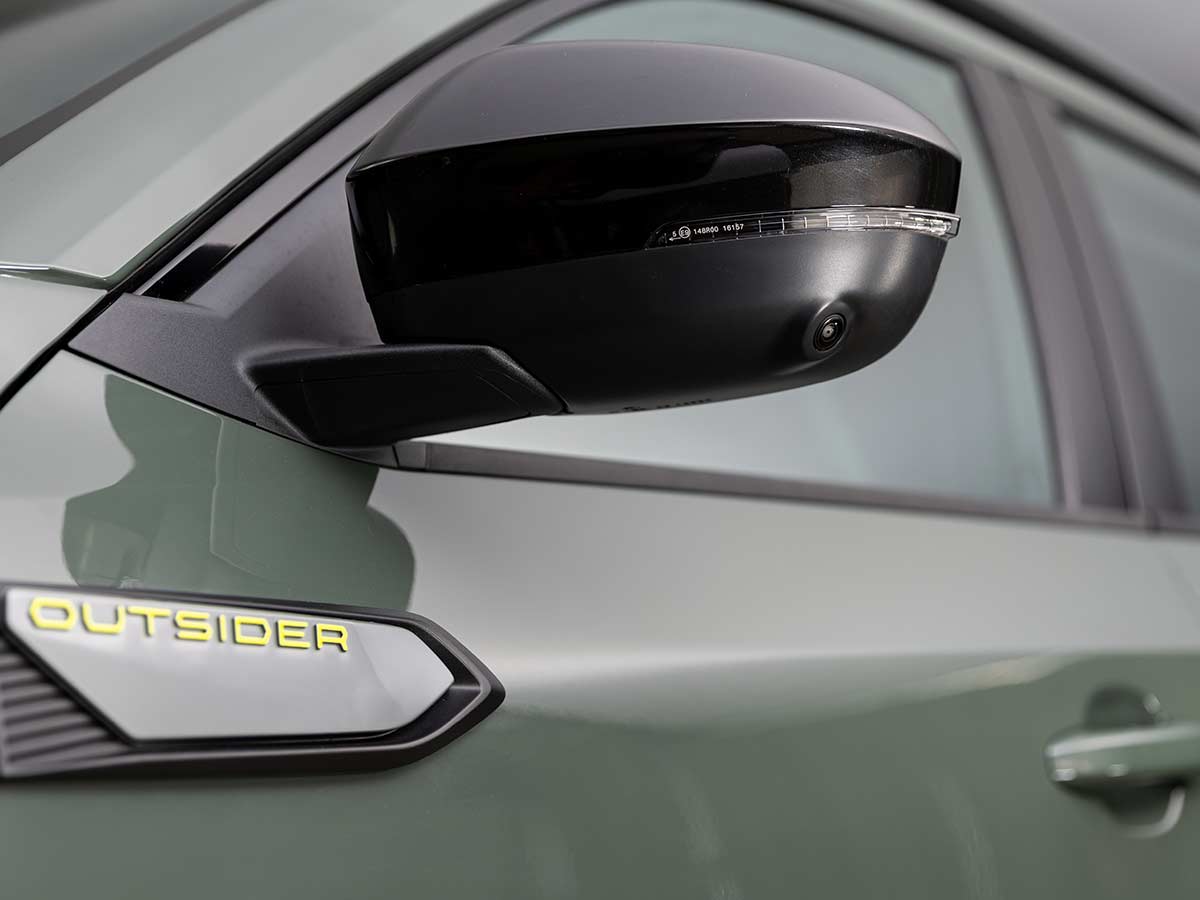
Parking assistance is another focus. Depending on specification, the vehicle can have front and rear sensors, side parking assistance, a reversing camera, a 360-degree panoramic camera and hands-free parking assistance. Renault describes the 360-degree system as a first for the segment.
This technology makes particular sense in a nearly five-metre-long vehicle. Pick-ups can be awkward to position in crowded urban environments, where their dimensions and rear visibility create challenges that are less pronounced in smaller passenger cars.
Built in Argentina, developed across Latin America
The Niagara is unusual not only in what it is, but also in where and how it was developed.
Renault says the vehicle was designed at its design centre in Brazil, developed jointly by engineering centres in Brazil and Argentina, and built at the Santa Isabel plant in Córdoba, Argentina.
The development programme was also extensive.
According to Renault, prototypes covered nearly 800,000 km during testing in Argentina, Brazil and Colombia, as well as at European Renault facilities. The programme included extreme heat, difficult roads, long-distance driving and demanding operating conditions.
These figures are manufacturer-reported validation data rather than independent durability testing, but they provide useful context for the regional engineering emphasis. Renault was not simply adapting a European passenger vehicle for Latin America; the Niagara was developed around conditions the company expects its customers to encounter in those markets.
The bigger shift: from workhorse to lifestyle pick-up
The most revealing aspect of the Niagara may be the reason Renault says it built the vehicle in the first place.
Latin American pick-up buyers have traditionally included businesses, tradespeople and customers requiring load-carrying ability. But Renault identifies a broader shift toward personal use, with customers seeking more comfort, technology and perceived quality without giving up the fundamental advantages of a pick-up.
The Niagara responds to that change in several ways.
Its suspension is tuned with passenger comfort in mind. Its rear seats receive additional attention. The cabin has digital displays and connected services. The vehicle offers extensive driver assistance and parking technology. At the same time, it retains a useful cargo bed, four-wheel drive on selected versions and meaningful ground clearance.
That combination explains why the Niagara sits somewhere between established categories. It is not an SUV with a cosmetic cargo box, nor is it a traditional work truck with a more luxurious interior.
Instead, Renault is treating the modern pick-up as a vehicle that needs to perform multiple jobs without forcing the owner to choose between utility and everyday comfort.
Renault Niagara: key specifications at a glance
| Specification | Renault Niagara |
|---|---|
| Vehicle type | Pick-up |
| Primary markets | Brazil, Argentina, Colombia and other Latin American markets |
| Platform | RGMP pick-up platform |
| Engine | 1.3-litre turbocharged direct-injection petrol/Flex Fuel, market dependent |
| 4×2 output | 115 kW / 156 hp |
| 4×4 output | 120 kW / 160 hp |
| Maximum torque | 270 Nm |
| Transmissions | Six-speed manual or six-speed wet dual-clutch automatic |
| Length | 4.94 m (4×4); 4.91 m (4×2) |
| Height | 1.72 m |
| Ground clearance | 233 mm (4×4); 223 mm (4×2) |
| Cargo-bed volume | 938 litres |
| Maximum payload | 654 kg |
| Towing capacity | 710 kg, Renault claim |
| Cargo-bed features | Roll-up cover, eight lashing rings, 12V socket |
| Rear suspension | Multi-link |
| Infotainment | 10.1-inch OpenR Link system |
| Digital instrument display | 10.2 inches |
| Connectivity | Google built-in, Android Auto and Apple CarPlay |
| AI assistant | Google Gemini |
| Production | Santa Isabel plant, Córdoba, Argentina |
Conclusion
The Renault Niagara represents a deliberate change in the way the company approaches the pick-up market.
Its technical specification is not built around a single purpose. The 1.3-litre turbo engine, available four-wheel drive and cargo capacity address traditional pick-up requirements, while the multi-link rear suspension, connected cabin, extensive driver assistance and rear-seat comfort target customers who expect their truck to function like a passenger vehicle during the rest of the week.
That positioning reflects Renault’s reading of the Latin American market, where pick-ups increasingly serve personal, family and leisure roles alongside business use.
The Niagara’s importance also extends beyond the vehicle itself. It is the first production model in Renault’s new futuREady international offensive and provides a Latin American-developed platform that the company says can eventually support hybrid powertrain technology.
For now, the key story is straightforward: Renault has designed a pick-up around the idea that utility and everyday comfort no longer need to be opposing priorities. The Niagara is the company’s attempt to put those requirements into one vehicle, with Latin American conditions shaping the engineering from the beginning.
Frequently asked questions
Q: Is the Renault Niagara coming to Europe?
A: The Niagara has been developed specifically for Latin American markets, and Renault’s published material identifies Brazil, Argentina and Colombia as its principal markets. The September 2026 announcement does not establish a European launch.
Q: How powerful is the Renault Niagara?
A: The 1.3-litre turbocharged engine produces 156 hp in the 4×2 version and 160 hp in the 4×4 version, with 270 Nm of maximum torque in both configurations.
Q: Does the Renault Niagara have four-wheel drive?
A:Yes. Four-wheel drive is available on selected versions. Renault describes a system that normally drives the front wheels and can automatically transfer torque to the rear axle when additional traction is required.
Q: How much can the Renault Niagara carry?
A:Renault quotes a maximum payload of 654 kg and a cargo-bed capacity of 938 litres.
Q: How much can the Renault Niagara tow?
A:Renault quotes a towing capacity of 710 kg and describes it as best in class. Local regulations and market-specific specifications should be checked before using the vehicle for towing.
Q: What is the ground clearance of the Renault Niagara?
A:The 4×4 version has 233 mm of ground clearance, while the 4×2 version has 223 mm.
Q: Does the Renault Niagara have an automatic transmission?
A: Yes. Renault offers a six-speed wet dual-clutch automatic transmission as well as a six-speed manual gearbox, depending on specification and market.
Q: What is Google Gemini doing in the Renault Niagara?
A: Renault says the Niagara’s OpenR Link system incorporates Google Gemini, an AI-powered conversational assistant designed to handle more natural dialogue and more complex requests than traditional voice-command systems.
Q: Where is the Renault Niagara built?
A: The Niagara is built at Renault’s Santa Isabel plant in Córdoba, Argentina. The vehicle was designed and engineered in Latin America, with Renault’s Brazilian and Argentine teams involved in the programme.