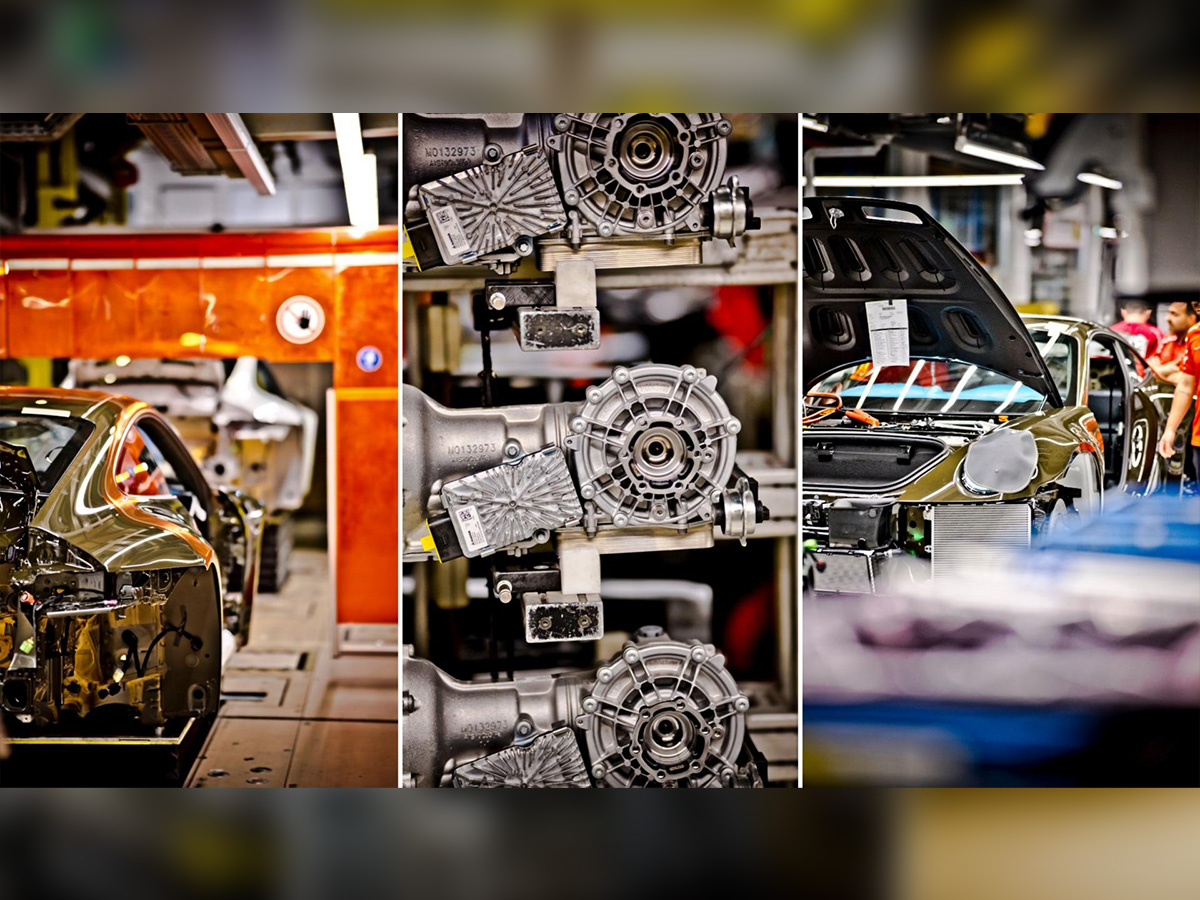


















A Porsche 911 GT3 Bergsport doesn’t simply roll off a production line.
It starts there, then gets a very different kind of attention.
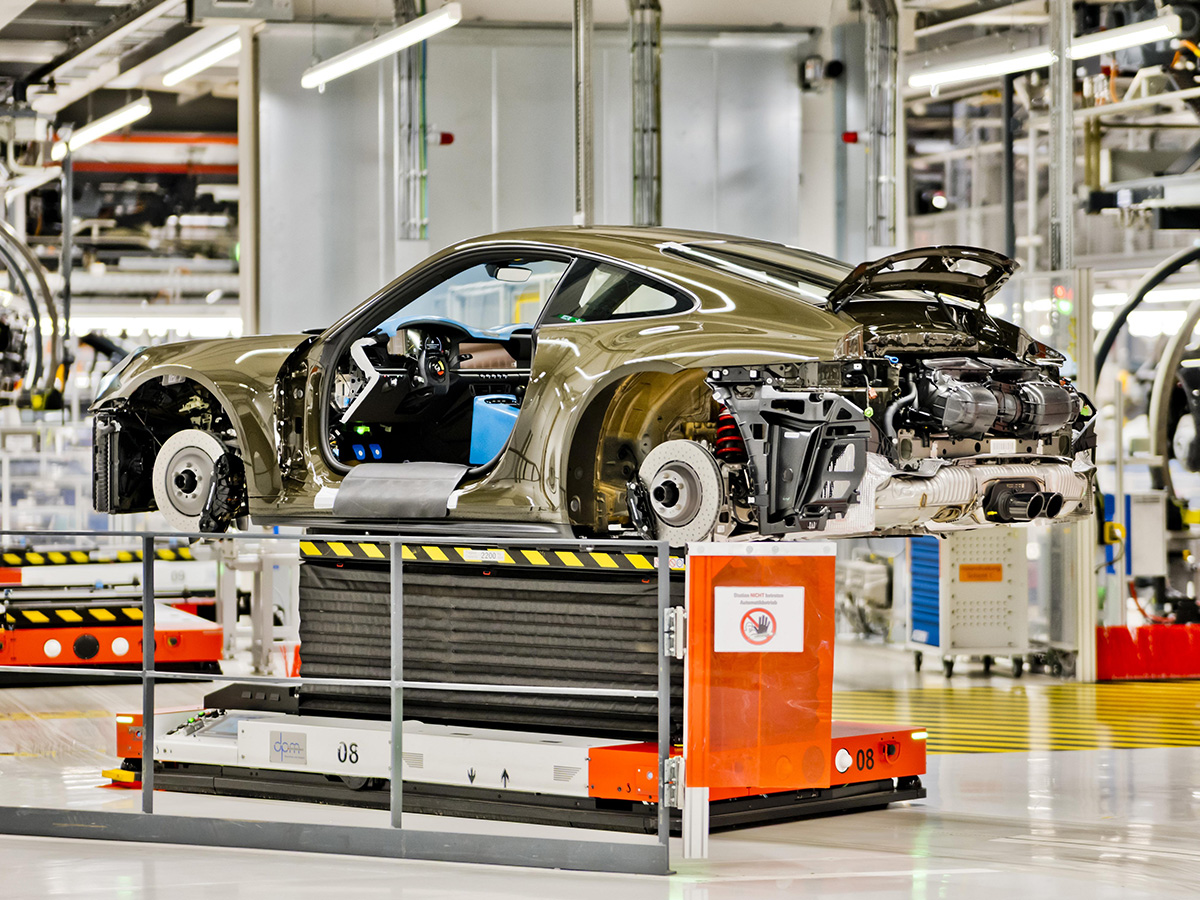
There is something fascinating about watching a performance car being built.
We usually see the finished product: the aggressive stance, the perfectly finished paint, the details inside the cabin and, eventually, the car disappearing into the distance on a mountain road.
But what happens before that?
For the Porsche 911 GT3 Bergsport, the story begins in Zuffenhausen, Germany, where modern production technology and old-fashioned craftsmanship come together to create something considerably more personal.
Photographer Stefan Bogner was given behind-the-scenes access to document the production of the GT3 Bergsport, revealing just how much work goes into turning a highly engineered 911 into a distinctive market edition.
>>> Great Discounts on Car & Bike Accessories <<<
It starts life like any other 911 GT3
Despite its exclusive character, the GT3 Bergsport doesn’t begin as a completely separate project.
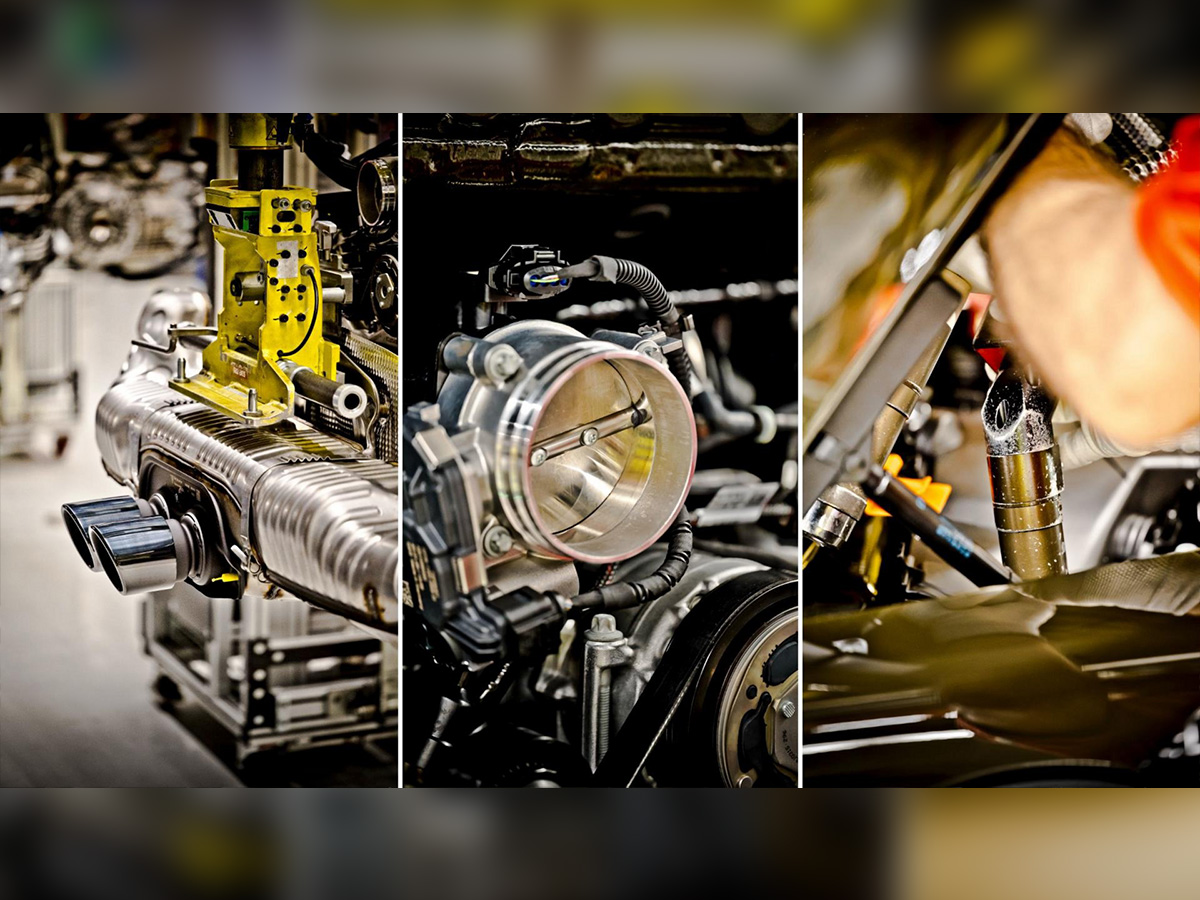
The car is based on the current Porsche 911 GT3 with Touring Package and initially follows the same highly precise manufacturing process as other 911 models.
That means the sophisticated machinery and production expertise of Zuffenhausen do the heavy lifting first.
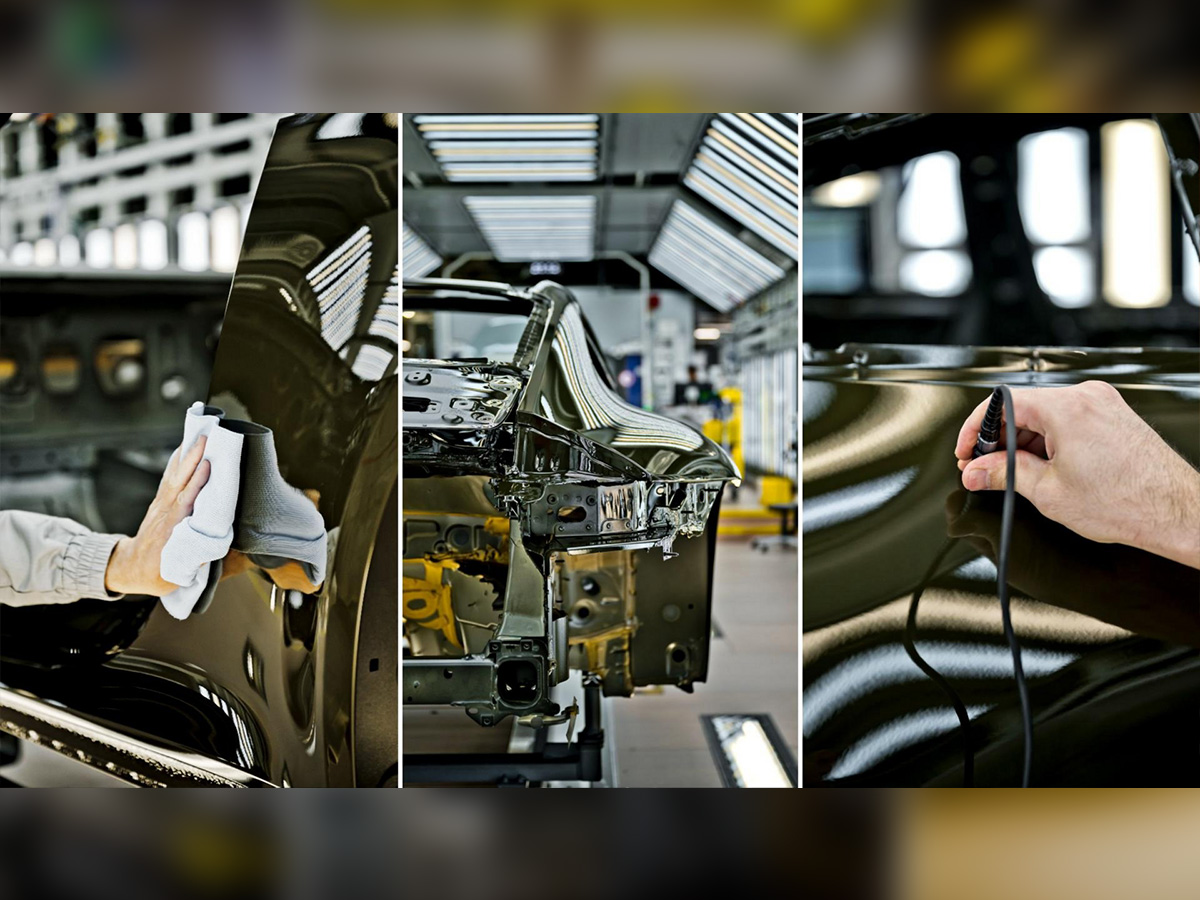
Body construction. Paint. Assembly.
Then comes the interesting part.
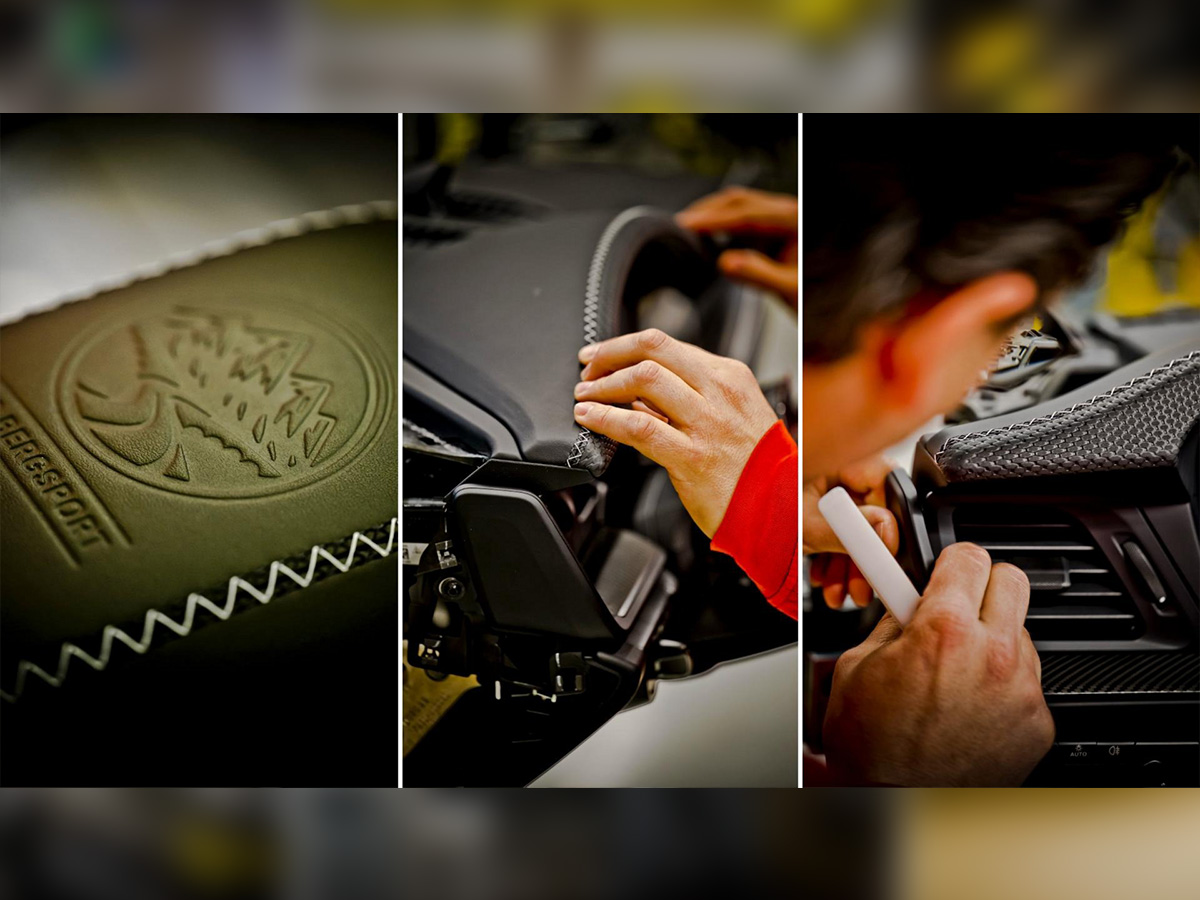
Once the standard production process is complete, Porsche Exclusive Manufaktur takes over and adds the details that give the Bergsport its personality.
In other words, the GT3 Bergsport is born twice: first on the production line, then through a carefully controlled process of hand finishing.
1,900 parts, one production line
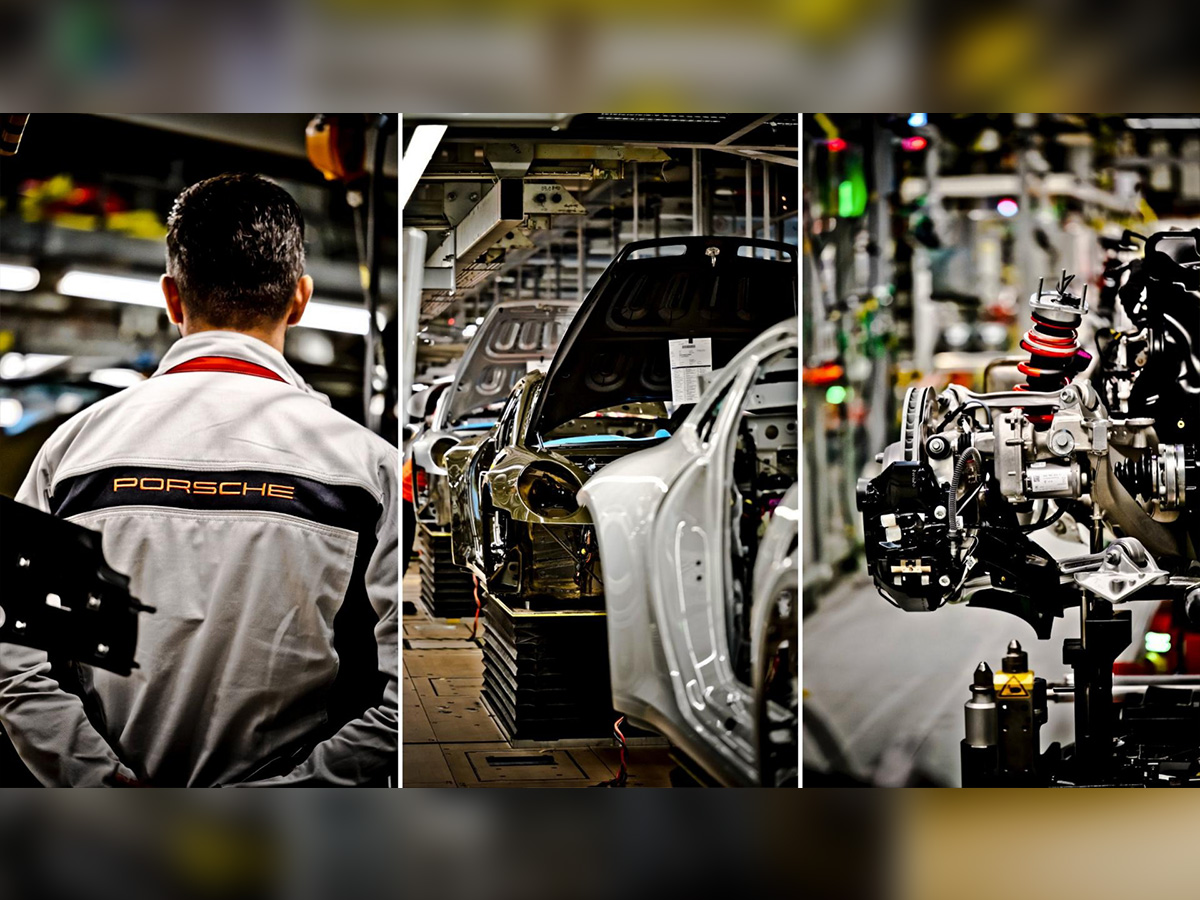
The Porsche 911 has been built at Zuffenhausen for more than six decades, and the factory’s flexibility is quite remarkable.
According to the supplied material, a modern 911 consists of around 1,900 components, while the Zuffenhausen production system accommodates around 25 different 911 variants.
And despite that variety, the cars are built on a single production line.
That is where Porsche’s production philosophy becomes particularly interesting.
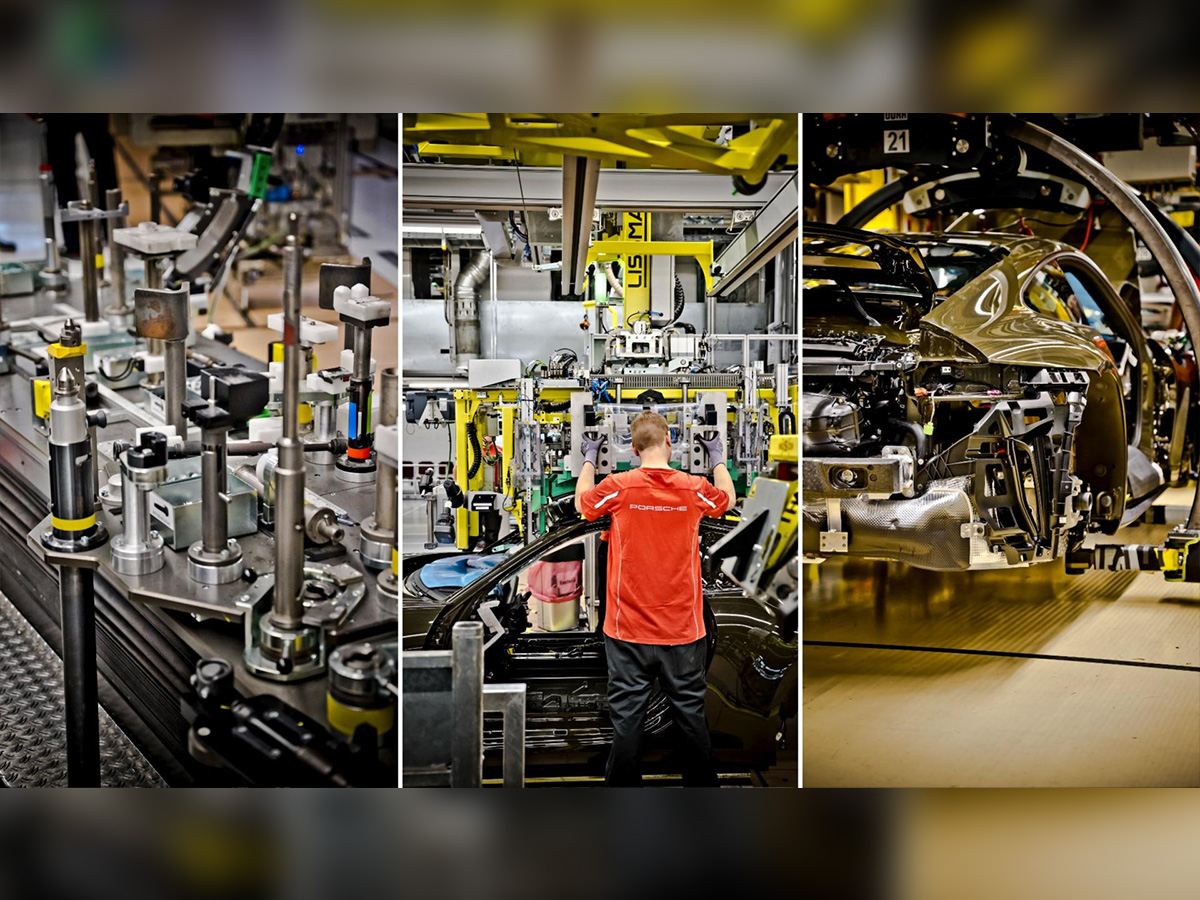
This isn’t a battle between humans and machines.
It is a partnership.
Robots handle tasks where precision, consistency and efficiency are critical. Human workers step in where experience, judgment and craftsmanship matter most.
The result is a manufacturing process that is highly industrial, but surprisingly human.
Four days to build a 911
From body construction and paintwork through final assembly, a 911 takes around four days to build.
That sounds quick for a car with this level of engineering, but the number doesn’t tell the whole story.
The real magic happens in how those four days are organized.
Machines provide repeatability. People provide the finishing judgment.
And for a car like the GT3 Bergsport, that human touch becomes even more important after series production is complete.
Then Porsche Exclusive Manufaktur gets involved
This is where the GT3 Bergsport starts to separate itself from the rest of the 911 family.
Porsche Exclusive Manufaktur adds bespoke elements, premium materials and exclusive details to the already completed car.
The list might sound small at first.
But look closer and you begin to understand the philosophy.
There is a circular GT3 Bergsport badge on the B-pillar, another badge on the rear-lid grille, embossing on the leather centre-console lid and distinctive orange, black and white stitching throughout the interior.
Even the accessories aren’t forgotten.
The key, leather key pouch and documentation wallet are customized to match the car’s colour scheme and branding.
These aren’t modifications designed simply to grab attention.
They are tiny details designed to make the entire ownership experience feel like it belongs to one car.
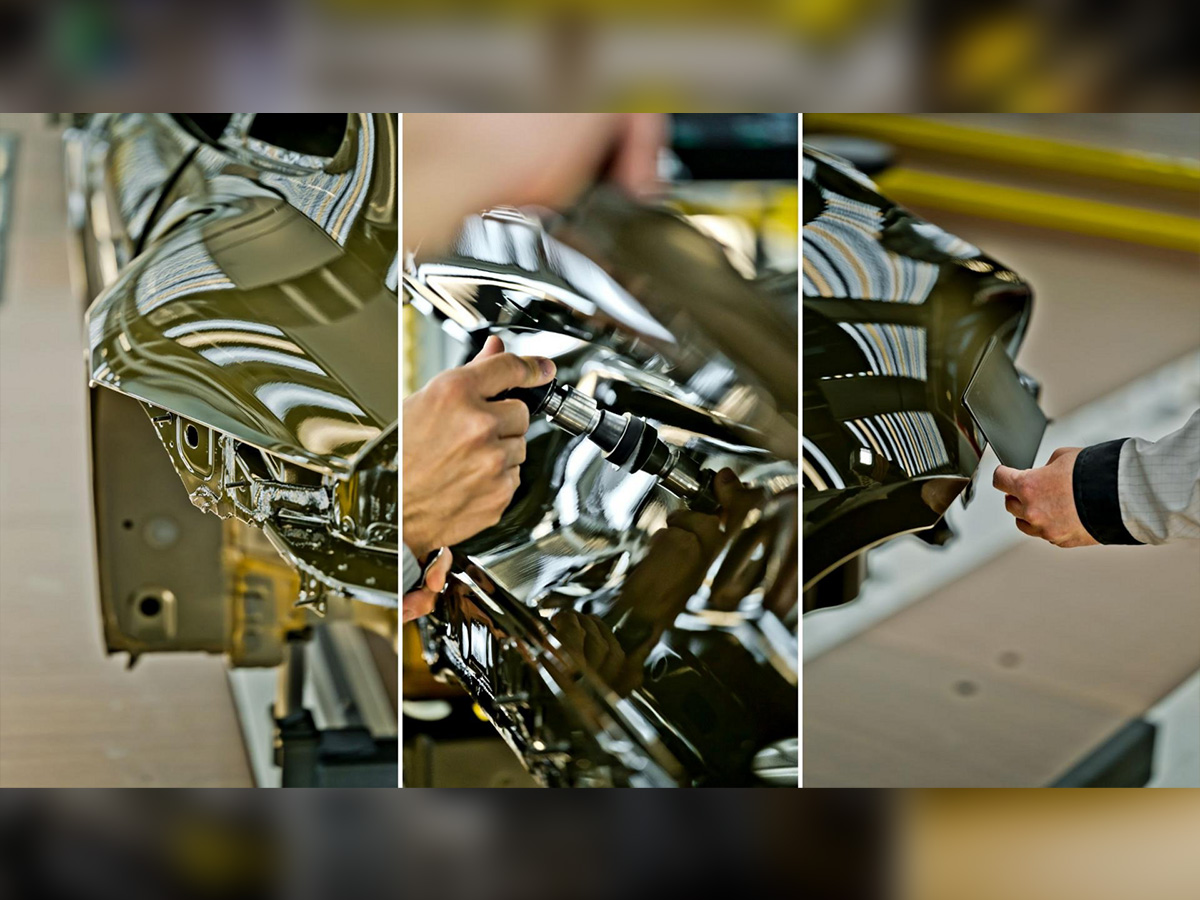
Valley Green, but with a story
The GT3 Bergsport’s bodywork follows the same production standards as other 911 models, but this particular car receives Valley green metallic paint.
And that colour is only the beginning.
Once the factory process is finished, the hand-crafted elements add another layer of identity to the car.
This is perhaps the most interesting thing about the Bergsport.
It isn’t trying to reject modern manufacturing.
Instead, it embraces it and then adds craftsmanship on top.
The human touch still matters
It is easy to imagine a modern sports-car factory as a place dominated by robots and automated machinery.
The GT3 Bergsport tells a different story.
As photographer Stefan Bogner observed while documenting the production process, visitors don’t simply encounter a cold automated assembly line. They encounter people.
That matters because a car like the GT3 Bergsport is ultimately about more than mechanical performance.
It is about character.
And character is difficult to manufacture entirely through automation.
A robot can repeat a task thousands of times with extraordinary precision. A skilled craftsperson brings something different: experience, judgment and an understanding of what “right” looks and feels like.
The finished GT3 Bergsport
By the time the process is complete, the GT3 Bergsport has become a combination of two worlds.
Modern manufacturing provides the foundation.
Hand craftsmanship provides the personality.
The result is still a Porsche 911 GT3, but one carrying a much more visible imprint of the people who created it.
And perhaps that is what makes the production story more interesting than the specification sheet.
The GT3 Bergsport isn’t special simply because of what it is.
It is special because of how it is finished.
From the precision of the Zuffenhausen production line to the final stitched detail inside the cabin, every stage contributes something different.
The next time you see a Porsche 911 disappear around a mountain hairpin, remember that its journey began long before the road.
It began with people, machines, precision and a remarkable amount of attention to detail in Zuffenhausen.
And for the GT3 Bergsport, the final touches are where the real personality begins.
Source: Porsche