

















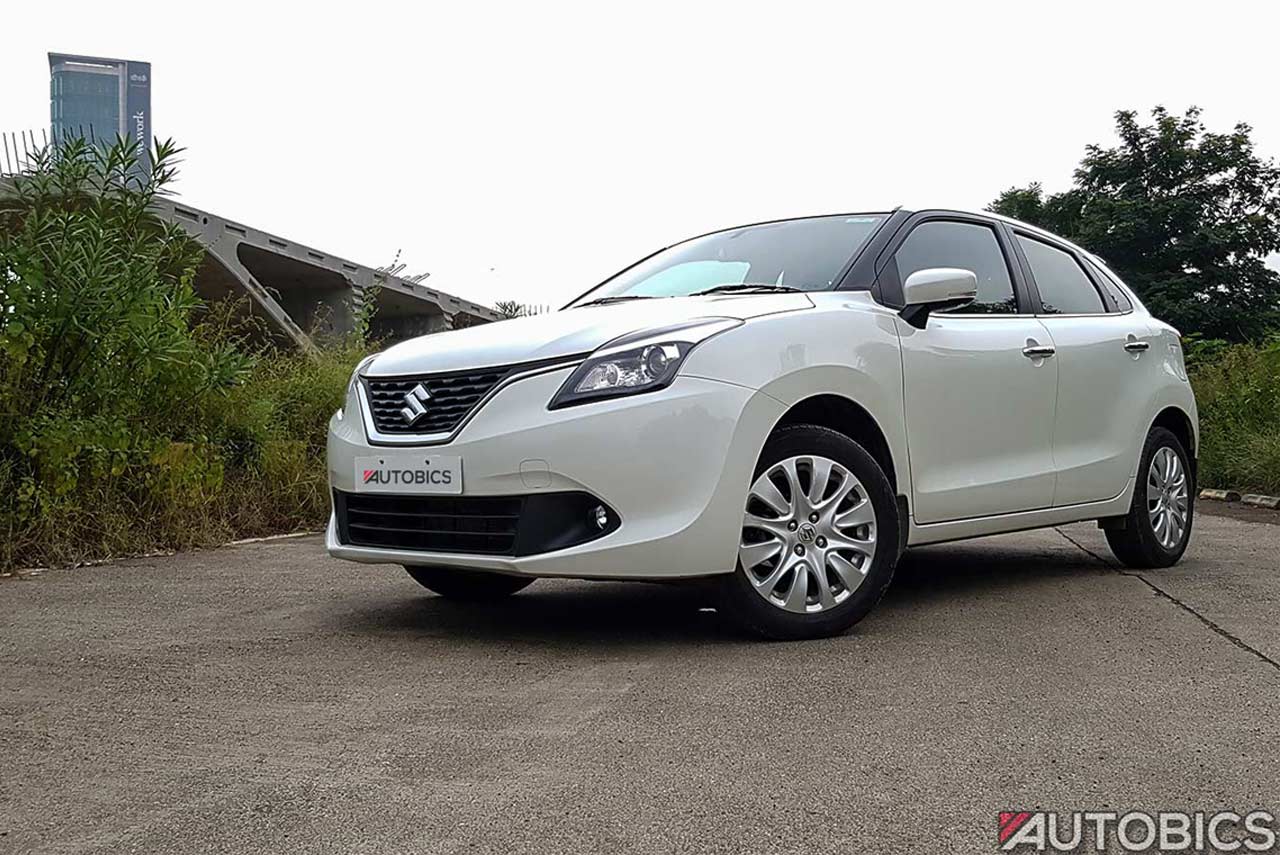

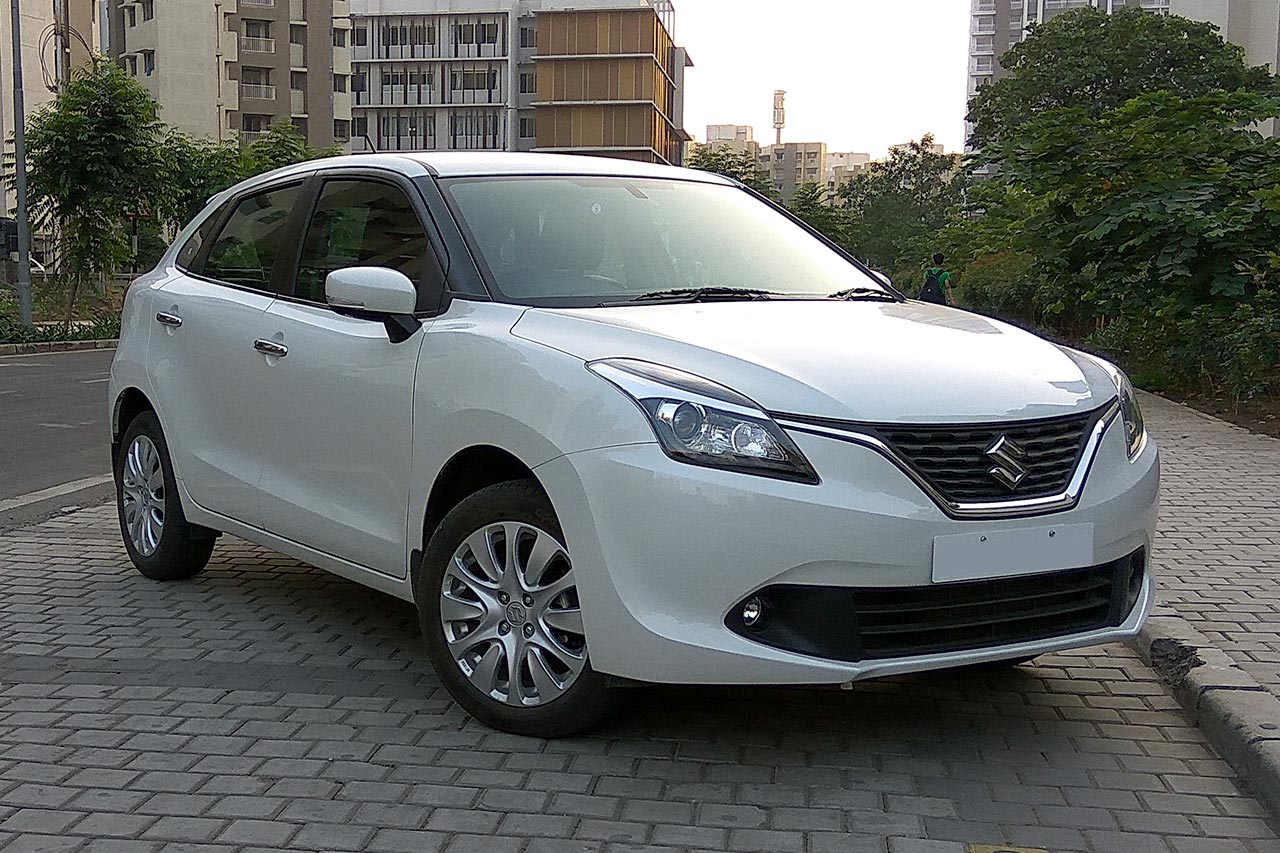
There is a particular moment when a car stops being merely transportation and starts behaving like an object of desire. The light catches a sharp crease, the grille fills the rear-view mirror, the cabin settles around you, and suddenly the morning commute feels a little less ordinary.
That is precisely the territory the Stunning New Maruti Suzuki Baleno is attempting to occupy. This is not a ground-up reinvention of the premium hatchback. Instead, it is a deliberate refinement of the Baleno formula, combining a more assertive exterior, a substantially richer technology suite and a new three-cylinder Z-Series petrol engine with the practicality that has always defined this class.
The headline technical story is the 1.2-litre Z12E Series petrol engine, a three-cylinder naturally aspirated unit producing 82.93 PS at 5,700 rpm and 112.4 Nm at 4,500 rpm. It is available with either a five-speed manual or five-speed AMT, while the S-CNG version uses the same 1,197cc architecture in a lower-output state, producing 69.75 PS and 101.8 Nm in CNG mode.
That makes the new Baleno an interesting proposition in India’s premium hatchback space. It is not chasing outright performance. Its engineering brief is more subtle: efficiency, accessible performance, low-speed usability and a noticeably more sophisticated ownership experience.
>>> Great Discounts on Car & Bike Accessories <<<
Key Takeaways
- Engine: 1,197cc three-cylinder Z12E Series petrol engine
- Petrol output: 82.93 PS and 112.4 Nm
- Transmission: 5-speed manual or 5-speed AMT
- CNG output: 69.75 PS and 101.8 Nm in CNG mode
- Claimed efficiency: 23.80 km/l MT, 24.77 km/l AMT; 33.61 km/kg for CNG MT
- Dimensions: 3,990mm long, 1,745mm wide, 1,530mm high
- Wheelbase: 2,520mm
- Boot capacity: 318 litres for petrol
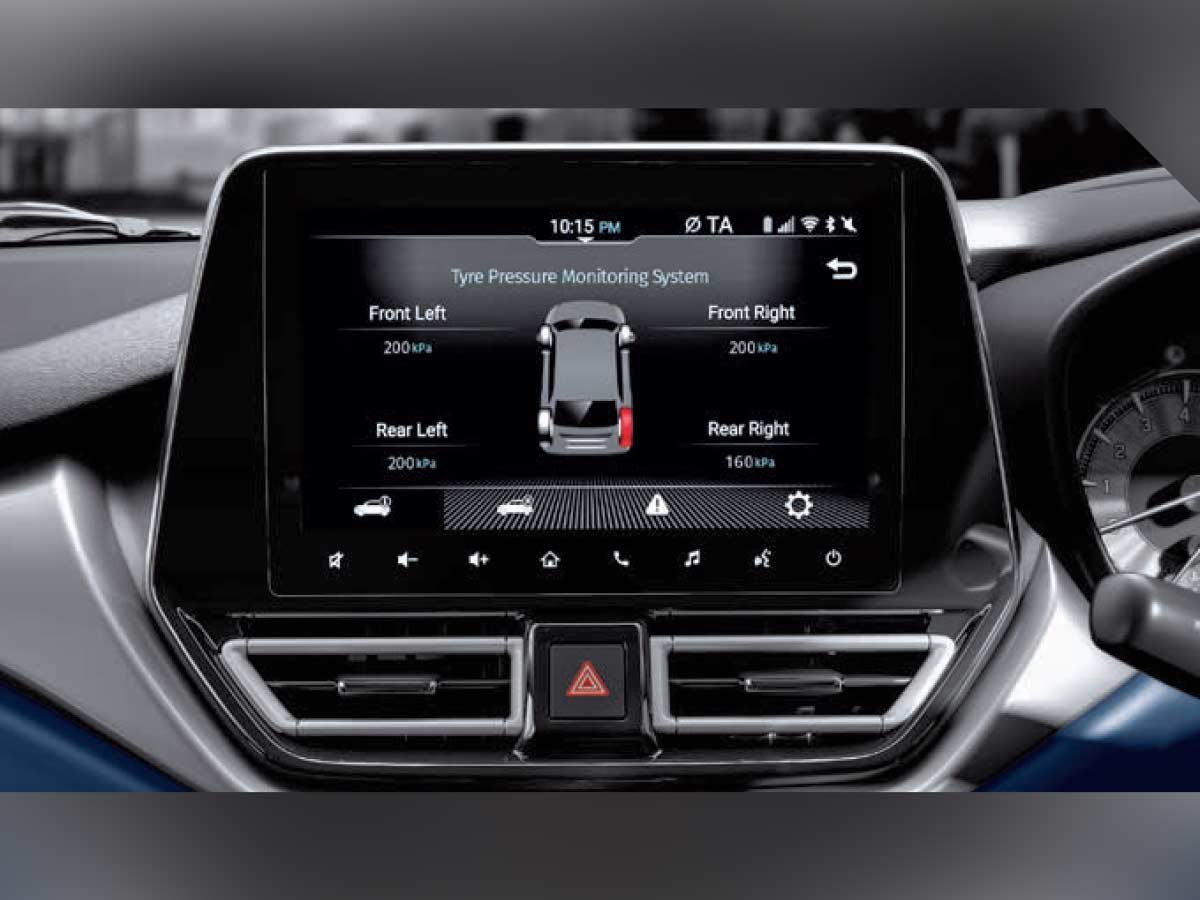
- Safety: Six airbags standard, ESP with Hill Hold, ABS with EBD and TPMS
- Advanced driver assistance: Level 2+ ADAS on the top specification
- Standout cabin technology: 22.86cm SmartPlay Pro+, HUD, 360-degree camera and wireless charging with active cooling
- Warranty: Three years or 100,000km, whichever comes first
What Is New About the Stunning New Baleno?
The Baleno’s visual refresh is immediately apparent at the nose.
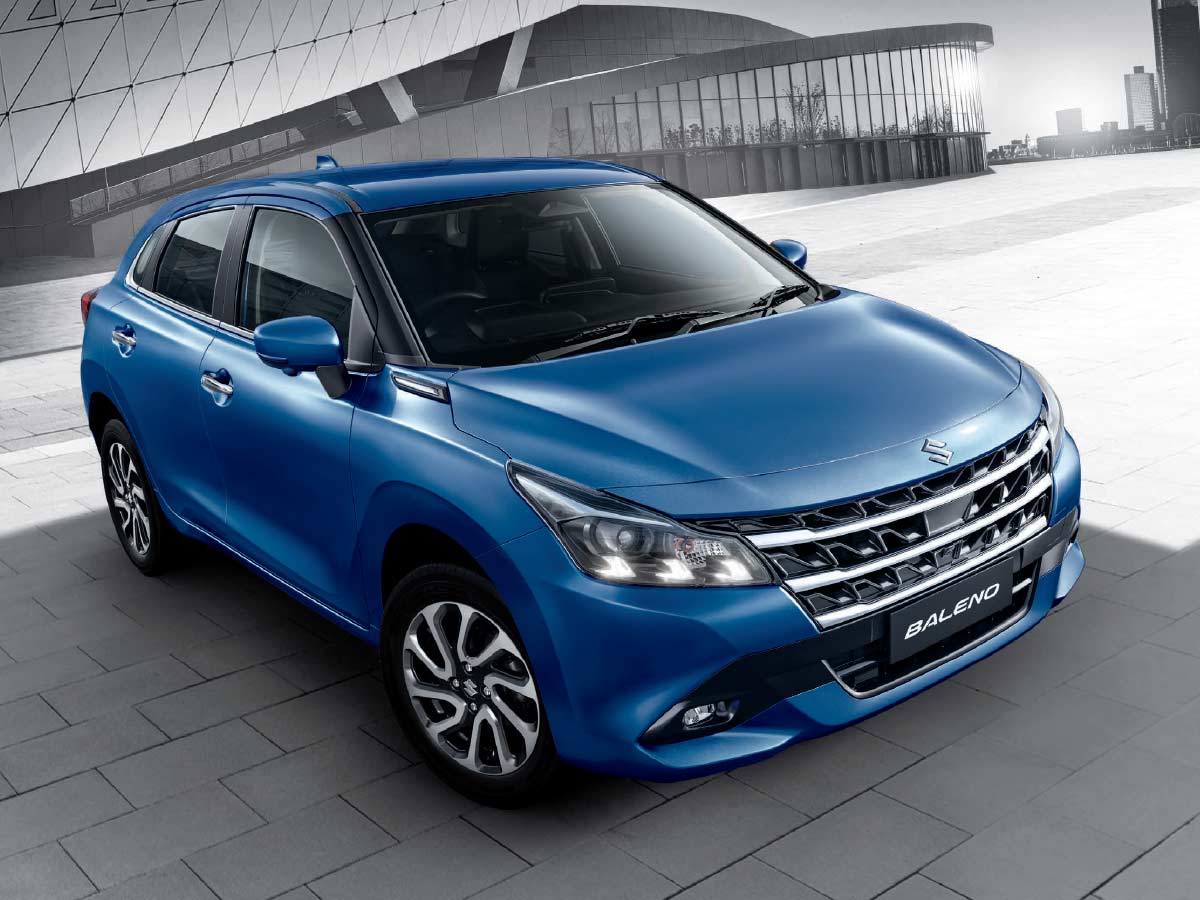
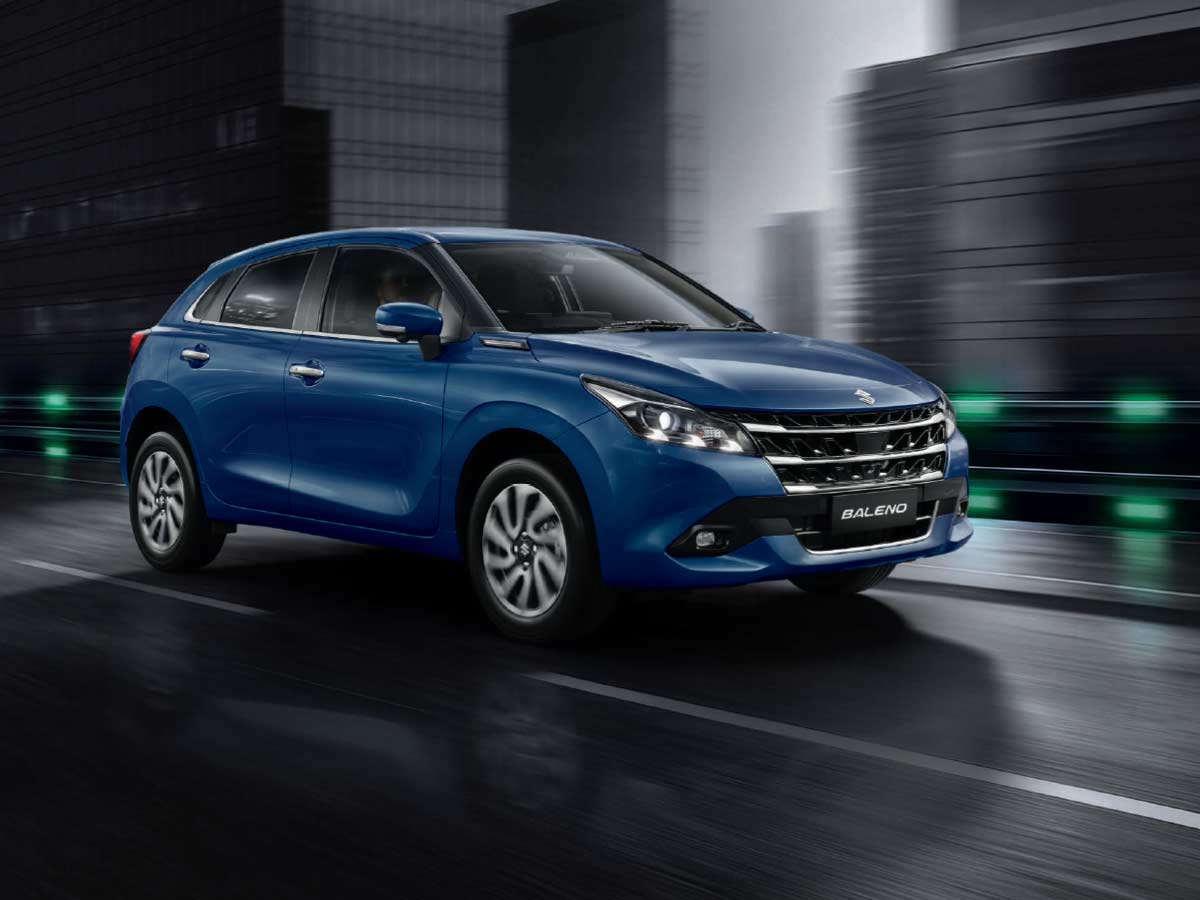
The Signature NEXWave Grille is wider and more assertive, its three-dimensional detailing giving the front end considerably more visual depth than a conventional chrome-heavy treatment. The grille sits between LED projector headlamps and NEXTré LED daytime running lamps, while the rear receives NEXA Signature LED tail lamps.
There is a useful aerodynamic touch hidden within the styling, too. The shark-fin antenna is designed not simply as a styling flourish but to reduce air drag and wind noise. The brochure also highlights a sculpted bumper and Fender Chrome Garnish as part of the car’s revised visual identity.
The effect is best understood as restraint with intent. The Baleno does not need the exaggerated aggression of a pseudo-performance hatchback. Its proportions remain compact, with a 3,990mm overall length and 2,520mm wheelbase, but the revised detailing gives it considerably more presence.
And then there is the new Enigmatic Teal Green paint. Alongside NEXA Blue, Opulent Red, Arctic White, Splendid Silver, Grandeur Grey and Bluish Black, it gives the Baleno a palette that feels more premium than purely utilitarian.
The Z12E Engine Takes a Different Approach to Performance

The most consequential change is beneath the bonnet.
The Z12E Series engine is a 1,197cc three-cylinder petrol engine. Its 82.93 PS arrives at 5,700 rpm, while peak torque of 112.4 Nm arrives at 4,500 rpm. The figures are modest by modern performance-hatch standards, but that is not really the point.
The engine is engineered around efficiency as much as performance. Maruti Suzuki describes advanced combustion, intelligent cooling and precise air-fuel management as key elements of the powertrain strategy. The intended result is a smoother, more responsive drive while reducing fuel consumption and emissions.
The official efficiency figures are compelling in isolation: 23.80 km/l for the manual and 24.77 km/l for the AMT. The CNG manual is rated at 33.61 km/kg. Those figures position the Baleno firmly toward the efficient end of the premium-hatchback equation.
The five-speed AMT is particularly significant because it gives buyers the convenience of two-pedal driving without abandoning the efficiency-focused architecture. The CNG derivative, meanwhile, retains a five-speed manual and offers 69.75 PS and 101.8 Nm in CNG operation.
There is no pretence here that the Baleno is a fire-breathing hot hatch. It is a car designed to make everyday distance feel effortless rather than dramatic.
The Cabin Is Where the Baleno Makes Its Strongest Premium Argument
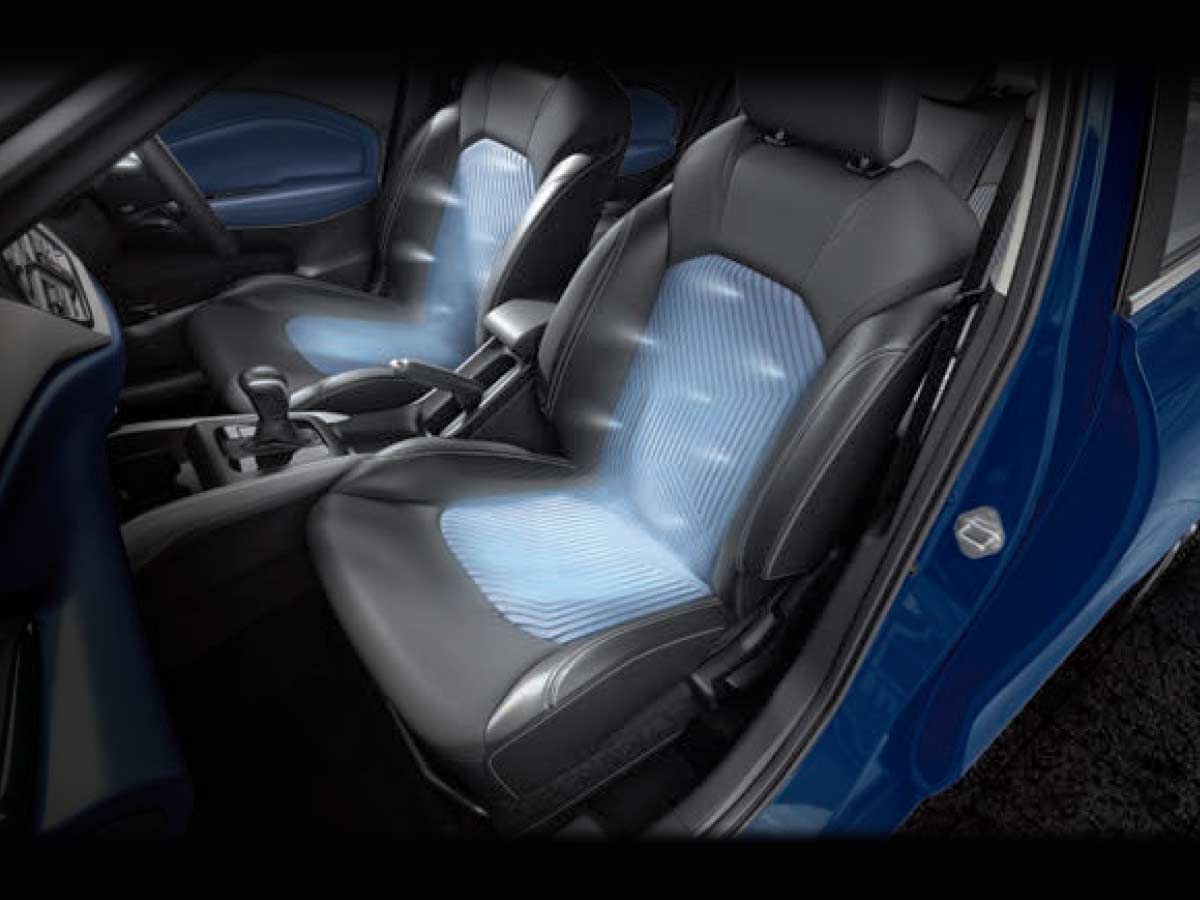
Open the door and the character changes.
The cabin is built around equipment that would have been considered distinctly upscale in a mainstream hatchback not long ago. Leatherette upholstery, front ventilated seats, a premium Clarion sound system and a generous cabin form the comfort-focused core.
Higher specifications add a 22.86cm SmartPlay Pro+ touchscreen, wireless Android Auto and Apple CarPlay, an onboard “Hi Suzuki” voice assistant and a wireless charging dock with active cooling. The top equipment also includes a head-up display and 360-degree camera.
That combination changes the character of the Baleno. The premium-hatchback battle is no longer fought purely through engine displacement or boot space. It is fought in the small details that you interact with every day: how easily the screen responds, whether your phone remains charged, whether the air-conditioning controls are intuitive, and whether the driver’s eyes can stay focused on the road.
The Baleno’s technology strategy understands that distinction.
The car is also genuinely practical by compact-car standards. It seats five, offers a 318-litre petrol boot and has a 4.85-metre minimum turning radius. A 60:40 split rear seat further extends its everyday versatility.
How Advanced Is the Baleno’s ADAS?
This is arguably the most consequential feature addition.
The top specification receives Level 2+ ADAS, combining a monocular camera and millimetre-wave radar to monitor the road ahead. The system includes Adaptive Cruise Control, Lane Keep Assist, Lane Departure Prevention, Lane Departure Warning, Advanced Emergency Braking, Forward Collision Warning, High Beam Assist and Vehicle Sway Warning.
That is a considerable technological step for a compact hatchback.
Adaptive Cruise Control is especially noteworthy because the system also incorporates curve-speed reduction. Meanwhile, the emergency braking system is designed to recognise preceding or stationary cars, motorcycles, pedestrians and bicycles.
But sophisticated assistance does not mean autonomous driving. The manufacturer’s own documentation explicitly states that ADAS is a driver-assistance system, that performance can vary with road and driving conditions, and that the driver remains responsible for attentive and safe driving.
That distinction matters. The best ADAS systems should reduce workload, not encourage complacency.
Safety Is No Longer an Afterthought
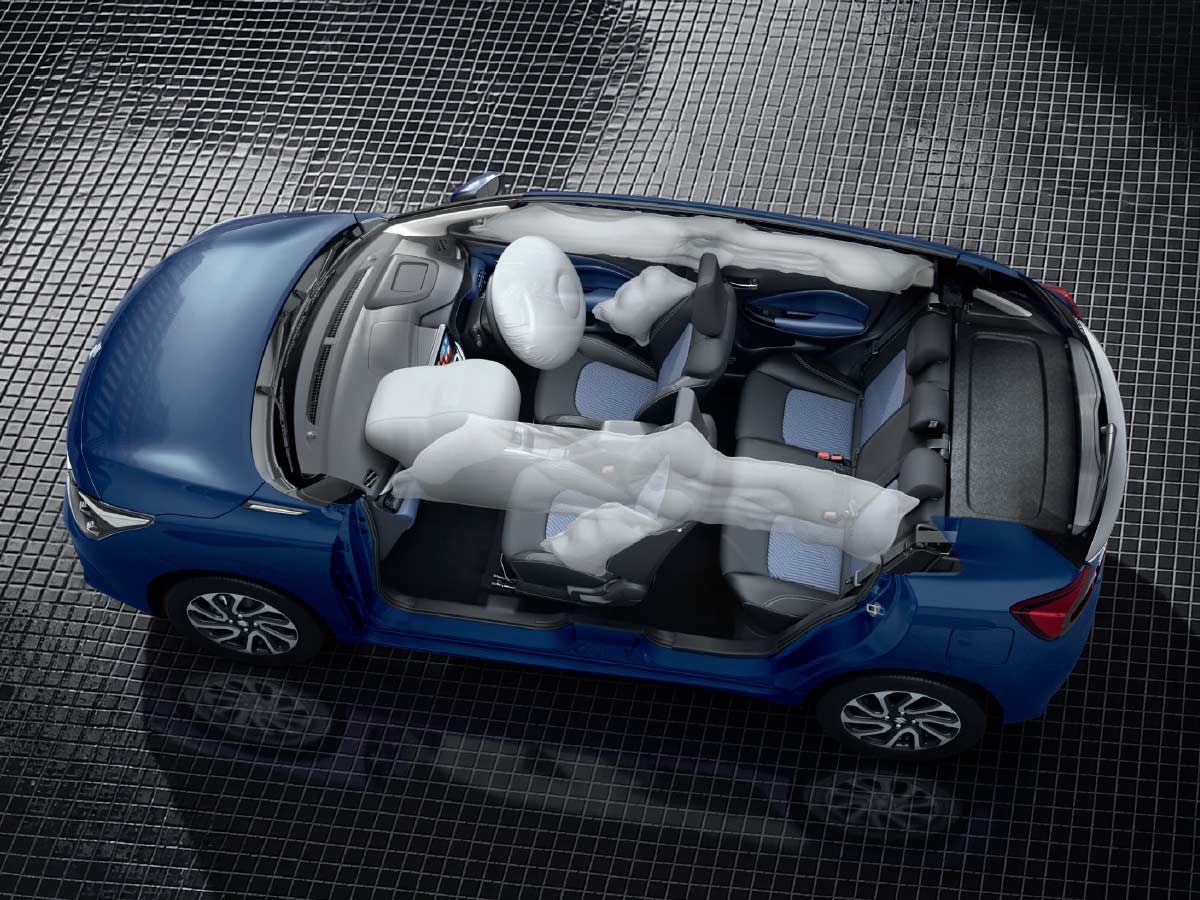
The safety specification is substantial.
Six airbags are standard across the range, joined by ESP with Hill Hold Assist, ABS with EBD, Brake Assist, three-point ELR seat belts for all occupants, seat-belt reminders, ISOFIX child-seat anchorages and Emergency Stop Signal. TPMS is also available across most specifications.
The brochure also lists full frontal-impact, frontal-offset-impact, side-impact and pedestrian compliance under its safety and security equipment information.
This matters because the modern premium hatchback is increasingly expected to deliver more than attractive sheet metal and a large touchscreen. Buyers now expect the electronic safety net to be comprehensive, and the Baleno’s specification reflects that shift.
Baleno Petrol vs S-CNG: Which Makes More Sense?
The choice is fundamentally about priorities.
The petrol Baleno is the more conventional proposition. With up to 82.93 PS, 112.4 Nm and either a five-speed manual or AMT, it provides the broader powertrain choice. Its 37-litre fuel tank and 318-litre boot also make it the straightforward choice for buyers who want maximum everyday flexibility.
The Baleno S-CNG is aimed squarely at running-cost consciousness. Its CNG calibration produces 69.75 PS and 101.8 Nm in CNG mode, while its certified efficiency figure is 33.61 km/kg. Its CNG tank has a 55-litre water-equivalent capacity.
There is, however, an important packaging trade-off: the brochure lists boot space for the petrol version at 318 litres but does not provide a boot-capacity figure for the CNG model.
For high-mileage urban drivers, the CNG version has an obvious logic. For buyers who value outright flexibility and the convenience of an AMT, the petrol car is the more versatile proposition.
Where the Baleno Sits Among Premium Hatchbacks
The natural competitive set includes cars such as the Hyundai i20 and Tata Altroz, both of which operate in the same broad premium-hatchback territory in India.
The Baleno’s response is not to win through one spectacular statistic. Instead, it builds a layered proposition around efficiency, packaging, technology and driver assistance.
Its dimensions remain compact enough for urban use, while the 2,520mm wheelbase provides a useful foundation for cabin space. The suspension layout is conventional and proven: MacPherson struts at the front and a torsion beam at the rear, with front disc and rear drum brakes. Higher trims ride on 195/55 R16 alloy wheels, while lower variants use 185/65 R15 tyres.
What cannot be established from the supplied brochure is how the revised Baleno compares dynamically with those rivals in ride quality, steering feel, braking performance or high-speed stability. Those are road-test questions, and they require instrumented testing or genuine seat time rather than brochure extrapolation.
That restraint is important. Numbers can tell you what a car is equipped to do. They cannot tell you what it feels like at 110 km/h on a broken section of highway, how naturally its steering weights up through a fast bend, or whether the AMT remains composed when the road turns demanding.
What Color Options Are Available on the New Baleno?
Color is often treated as the final box to tick on a configurator. On the new Baleno, it plays a more deliberate role in shaping the car’s character.
Maruti Suzuki offers the Stunning New Baleno in seven exterior colors: Enigmatic Teal Green, NEXA Blue, Opulent Red, Arctic White, Splendid Silver, Grandeur Grey, and Bluish Black. The standout addition is Enigmatic Teal Green, a richer and more distinctive shade designed to give the Baleno a stronger visual identity.
Among the palette, Enigmatic Teal Green is the most expressive choice. It works particularly well with the Baleno’s enlarged grille, chrome detailing and sculpted front-end surfacing, giving the hatchback a more upscale, contemporary presence.
NEXA Blue remains the recognisable brand-led option, while Opulent Red gives the design a livelier, more extroverted edge. Arctic White and Splendid Silver are the cleaner, more understated choices, while Grandeur Grey lends the Baleno a mature, restrained character.
At the darker end of the spectrum, Bluish Black suits buyers looking for a more formal, almost executive appearance. On a compact hatchback with chrome accents and LED lighting, the deeper paint also gives the exterior detailing stronger contrast.
The seven available Baleno color options are:
- Enigmatic Teal Green
- NEXA Blue
- Opulent Red
- Arctic White
- Splendid Silver
- Grandeur Grey
- Bluish Black
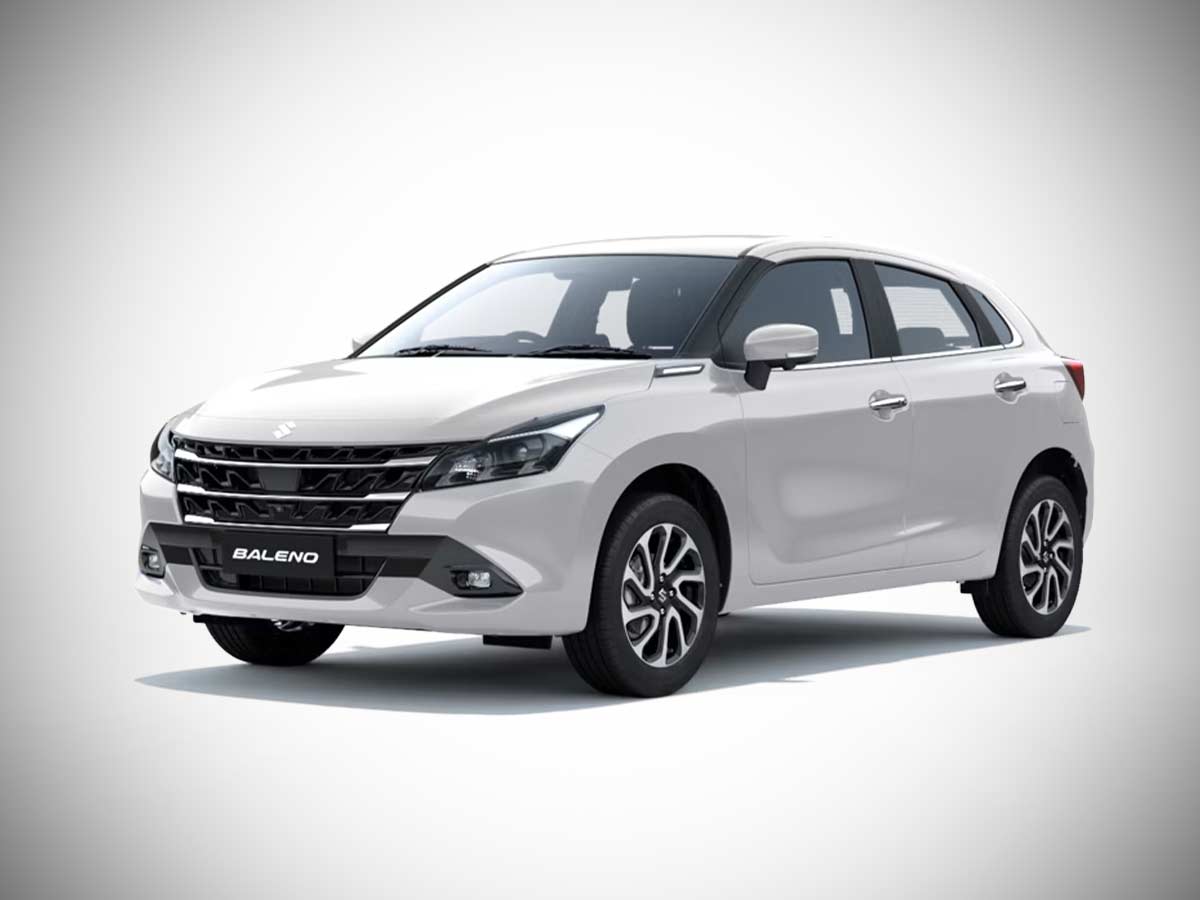
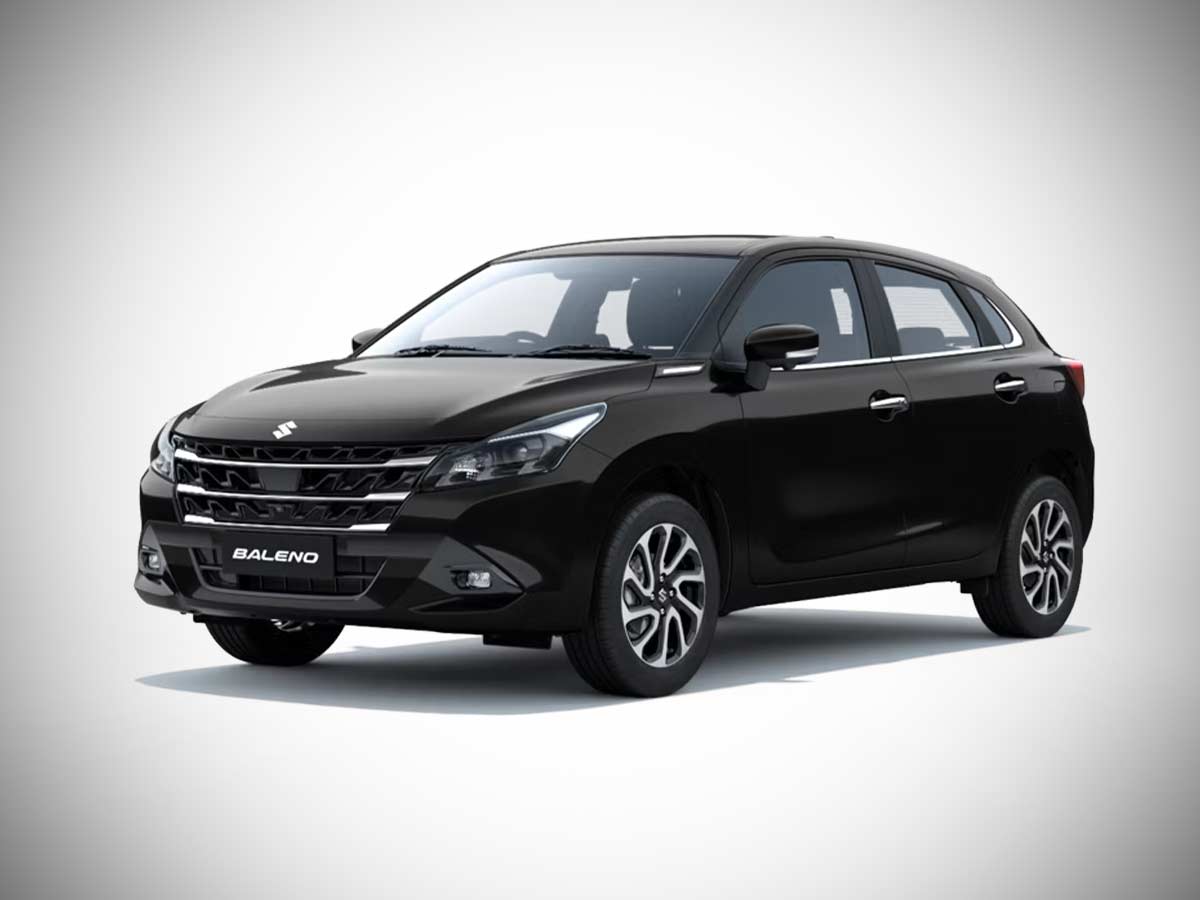
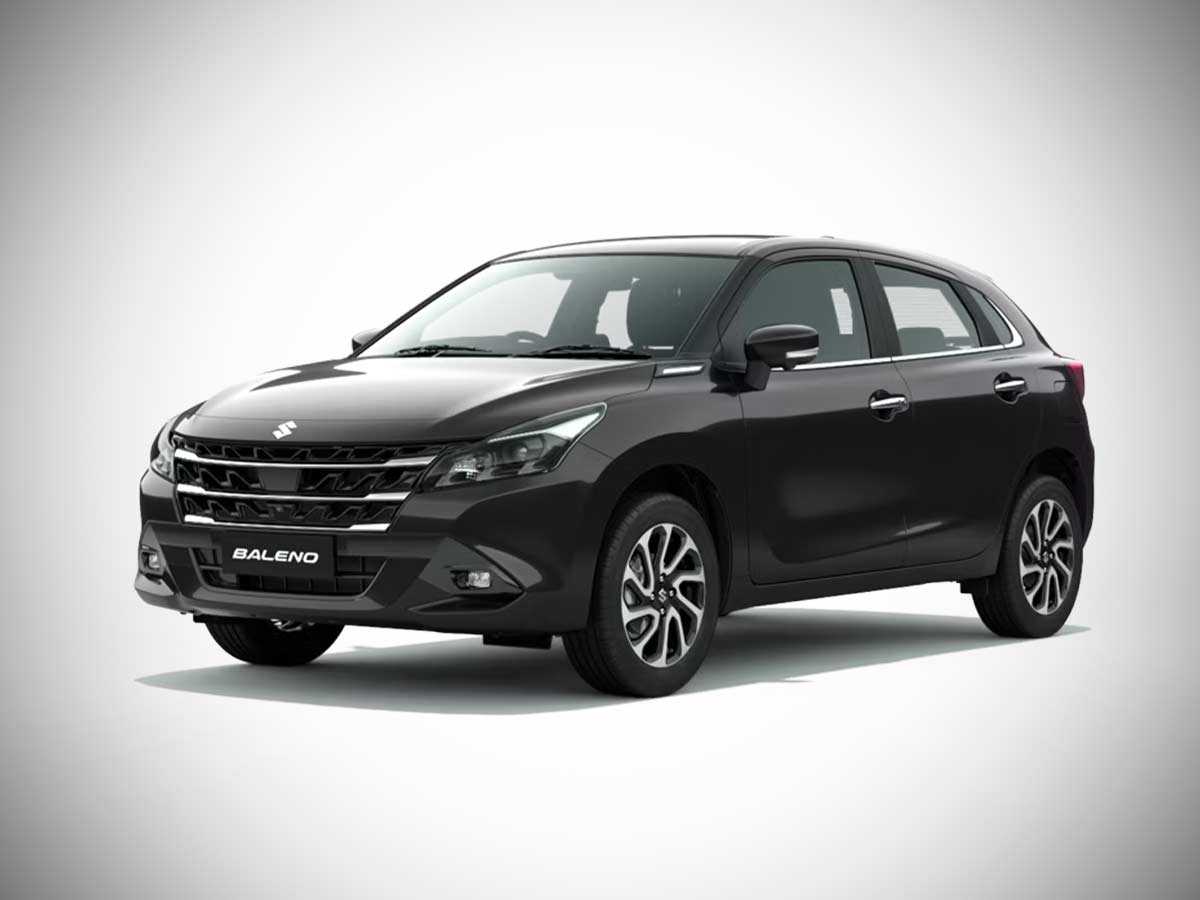
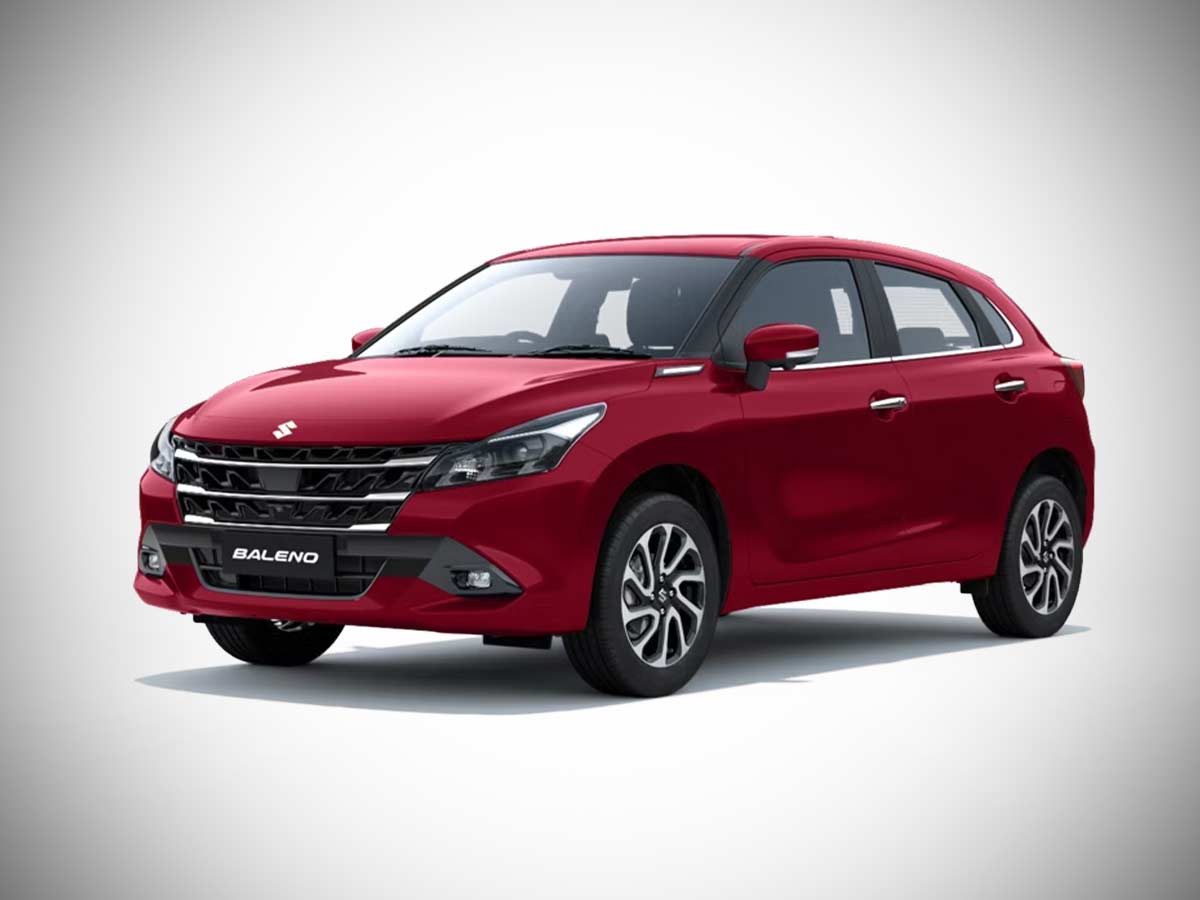
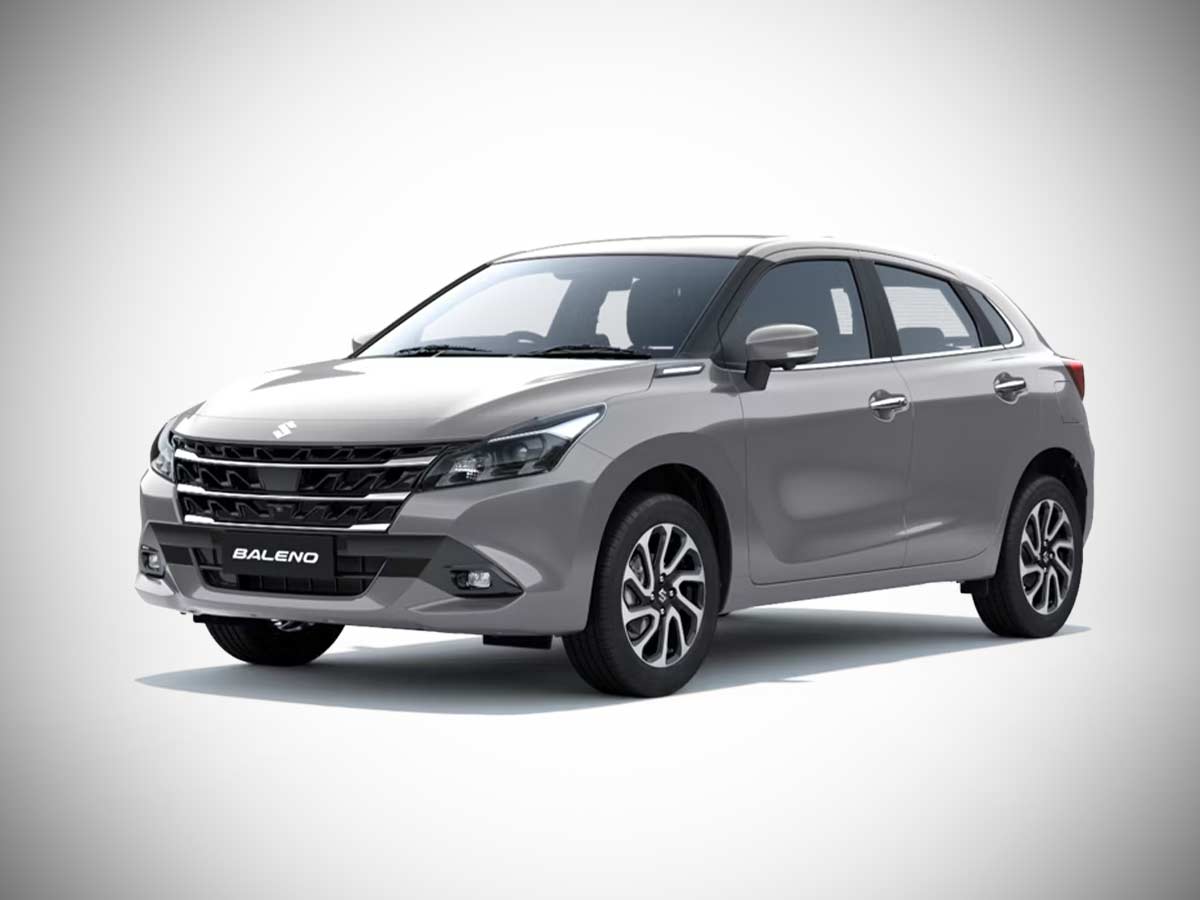
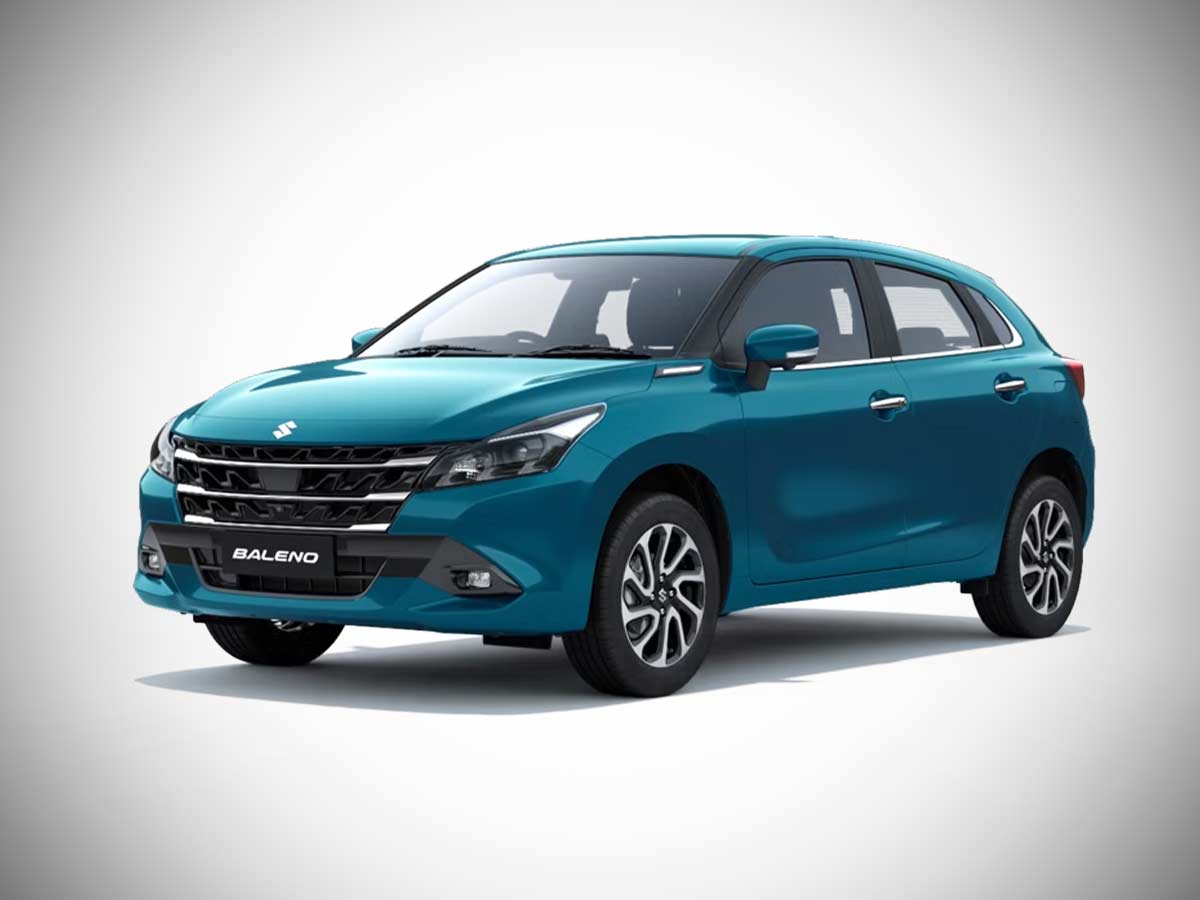
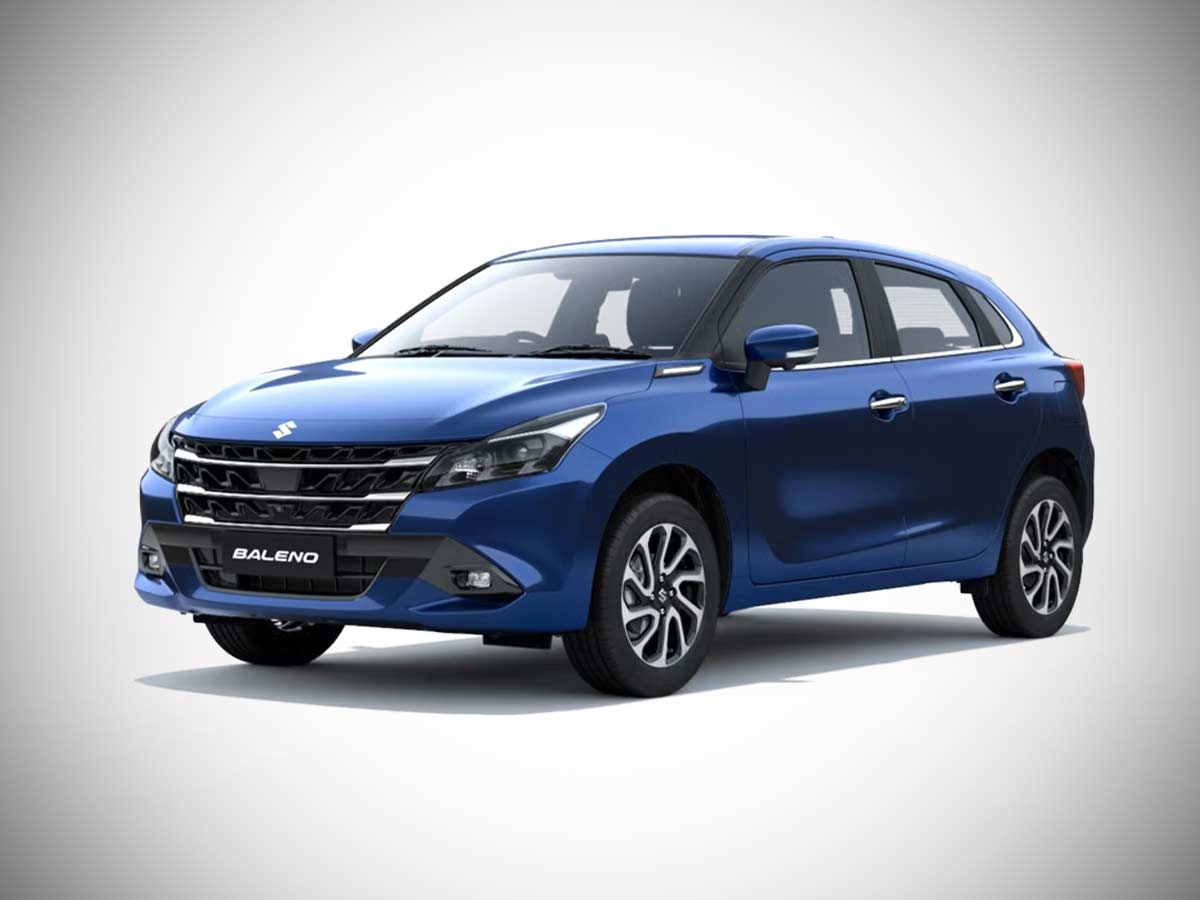
If the aim is to make the new Baleno look as distinctive as possible, Enigmatic Teal Green is the most visually interesting choice in the range. For a subtler ownership proposition, Grandeur Grey and Bluish Black give the car a more restrained premium character.
The Verdict: A Baleno That Has Grown Up
The new Baleno is interesting precisely because it does not try to reinvent the premium hatchback.
It polishes it.
The wider NEXWave grille gives the exterior greater authority. The Z12E engine shifts the powertrain philosophy toward efficiency and refinement. The cabin adds ventilated seats, leatherette trim and a premium Clarion audio system. The technology suite brings a head-up display, 360-degree camera and connected features into the everyday experience. And at the top of the range, Level 2+ ADAS gives the compact hatchback a technological dimension that would have seemed extravagant only a few years ago.
Yet the Baleno’s greatest strength may be its lack of unnecessary drama.
This is a car conceived around the idea that sophistication does not have to announce itself at every turn. It can exist in a cooled wireless charging dock, in a quieter aerodynamic detail, in a ventilated seat on a humid afternoon, or in the reassuring intervention of a driver-assistance system when traffic suddenly compresses ahead.
The Stunning New Baleno therefore makes its argument in layers. It is efficient without feeling austere, technologically ambitious without abandoning practicality, and visually expressive without resorting to excess.
For the modern premium hatchback, that may be the more meaningful definition of luxury: not arriving loudly, but arriving with everything exactly where it needs to be.