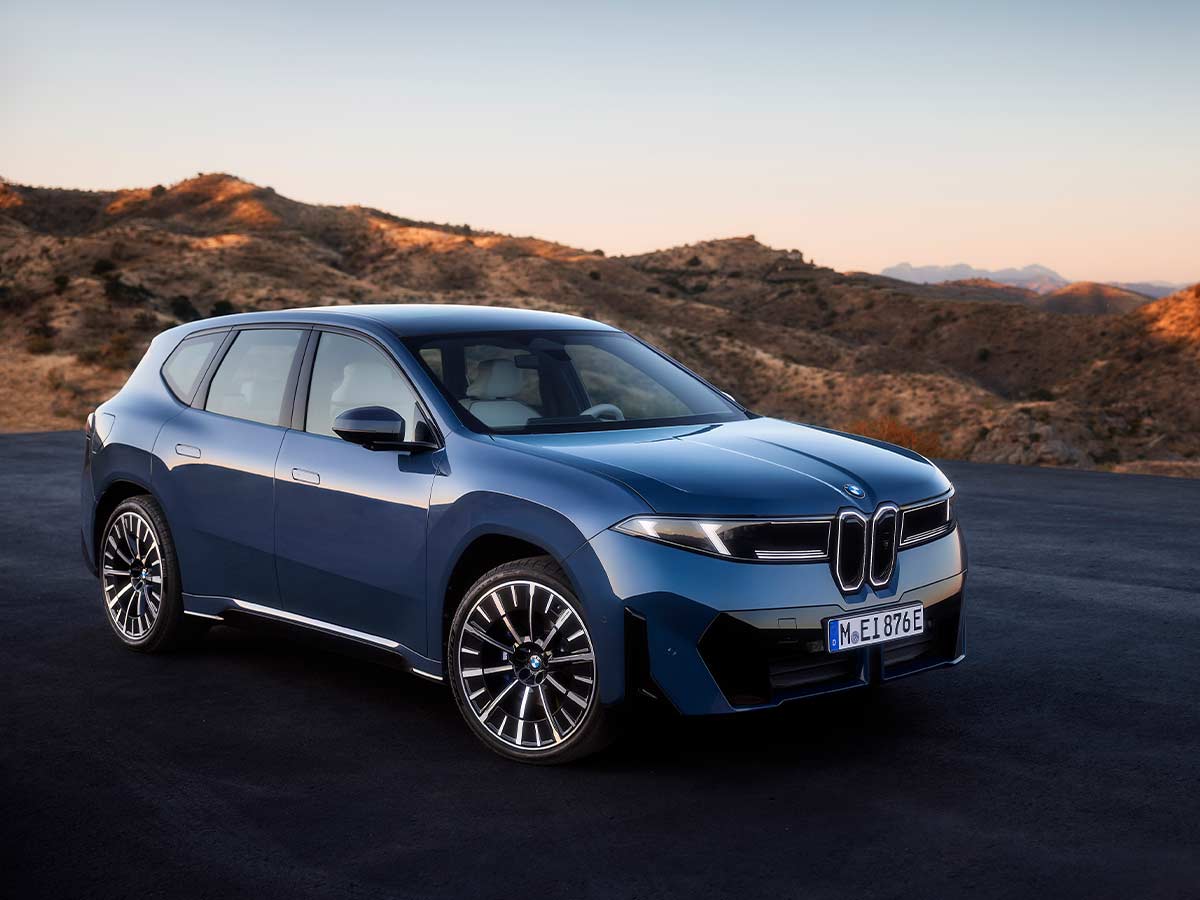







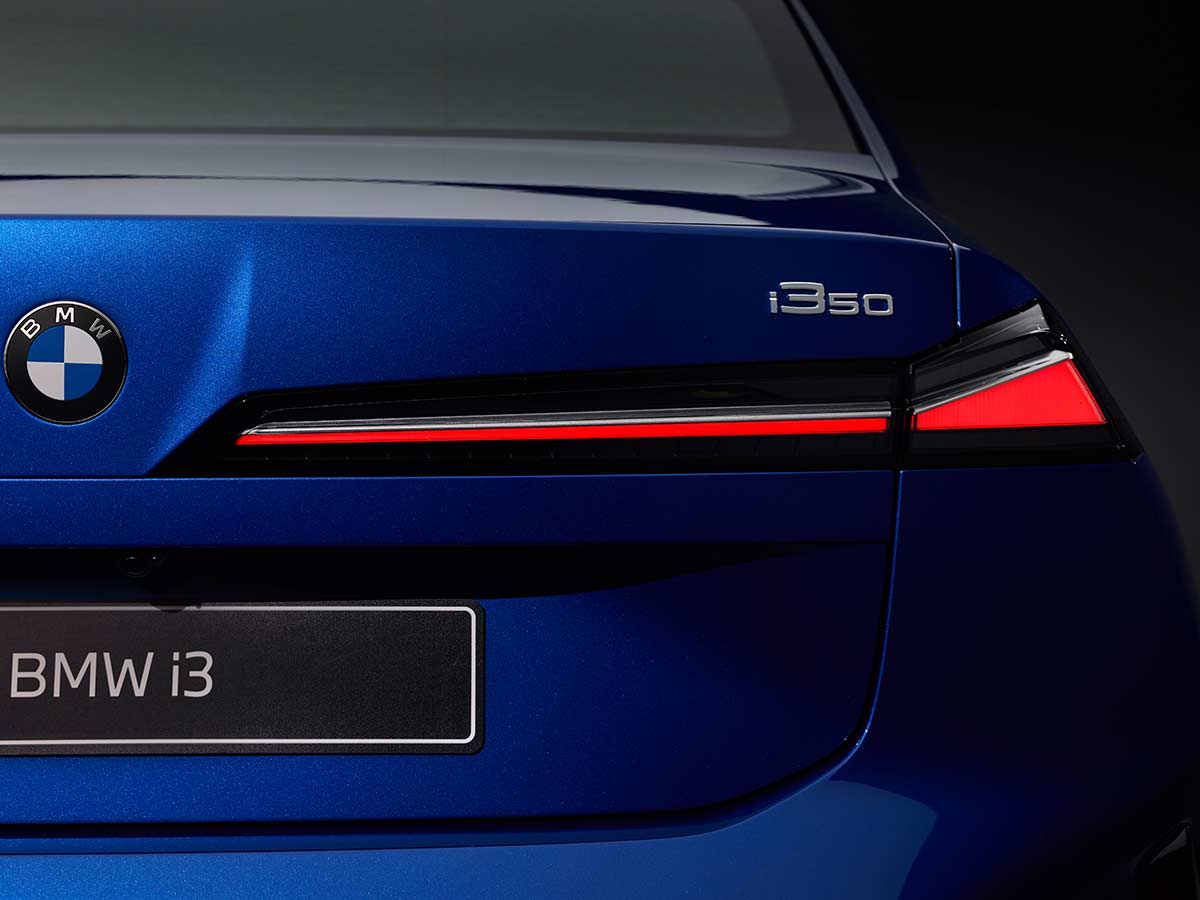
The new 2026 BMW i3 is the brand’s second “Neue Klasse” model, a fully electric sport sedan featuring a 900km WLTP range and a 345 kW (469 hp) dual-motor powertrain. Utilizing an 800-volt architecture, it sets a new industry benchmark by recouping 400km of range in just 10 minutes via 400kW DC fast charging.
The 2026 BMW i3: A Technical Deep Dive into the Future of the Neue Klasse
The automotive world is witnessing a “technological quantum leap.” With the official unveiling of the new BMW i3, the Munich-based automaker isn’t just releasing a new electric vehicle; they are redefining the core of the brand. As the second pillar of the Neue Klasse (following the iX3), the i3 represents a total departure from traditional combustion-engine architectures, focusing on three pillars: Digital, Circular, and Electric.
>>> Great Discounts on Car & Bike Accessories <<<
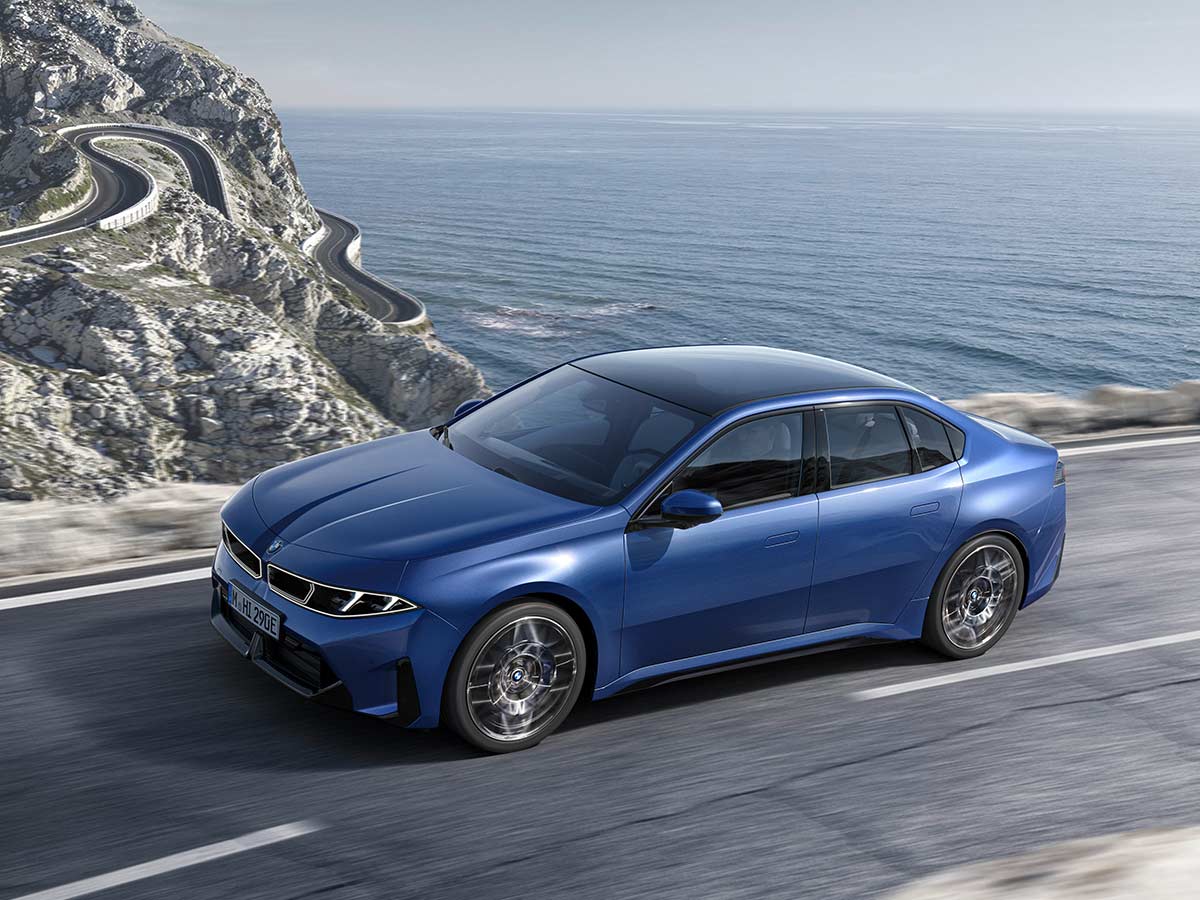
Performance: The “Heart of Joy” and 50 xDrive Dynamics
The launch flagship, the BMW i3 50 xDrive, introduces a level of computational power never before seen in a production sedan. Central to this is the “Heart of Joy”—a high-performance supercomputer that integrates the powertrain and driving dynamics into a single unit.
- Output: 345 kW / 469 hp
- Torque: 645 Nm of instantaneous torque.
- Processing Power: The new software architecture processes data 10 times faster than previous systems, allowing for millisecond-precise torque vectoring and a “Symbiotic Drive” experience that bridges the gap between driver intent and vehicle response.
eDrive Generation 6: 900km Range and 800V Charging
The most significant “Information Gain” for potential buyers lies in the move to round-cell battery technology. Departing from prismatic cells, the i3’s new battery design increases energy density by 20% and improves charging speed by 30%.
- The 900km Milestone: Through optimized aerodynamics and high-efficiency motors, the i3 achieves a range of up to 900 km (WLTP), effectively ending the era of range anxiety for the executive sedan segment.
- Ultrafast Charging: The 800-volt system supports 400kW DC charging. In real-world terms, this means adding 400km of range in the time it takes to grab a coffee (10 minutes).
- Bidirectional Capability: The i3 is “Circular-Ready,” featuring Vehicle-to-Home (V2H) and Vehicle-to-Grid (V2G) capabilities, allowing the car to power your home or stabilize the energy grid during peak hours.
Interior Revolution: BMW Panoramic Vision
BMW is moving beyond the traditional dashboard. The i3 introduces BMW Panoramic Vision, which projects vital information across the entire width of the lower windshield.
- 3D Head-Up Display: This system uses spatial animations to overlay navigation cues directly onto the road.
- BMW Operating System X: Controlled via a 17.9-inch Free-Cut Central Display, the UI is powered by Generative AI and a Large Language Model (LLM), enabling a natural, dialogue-based “Intelligent Personal Assistant.”
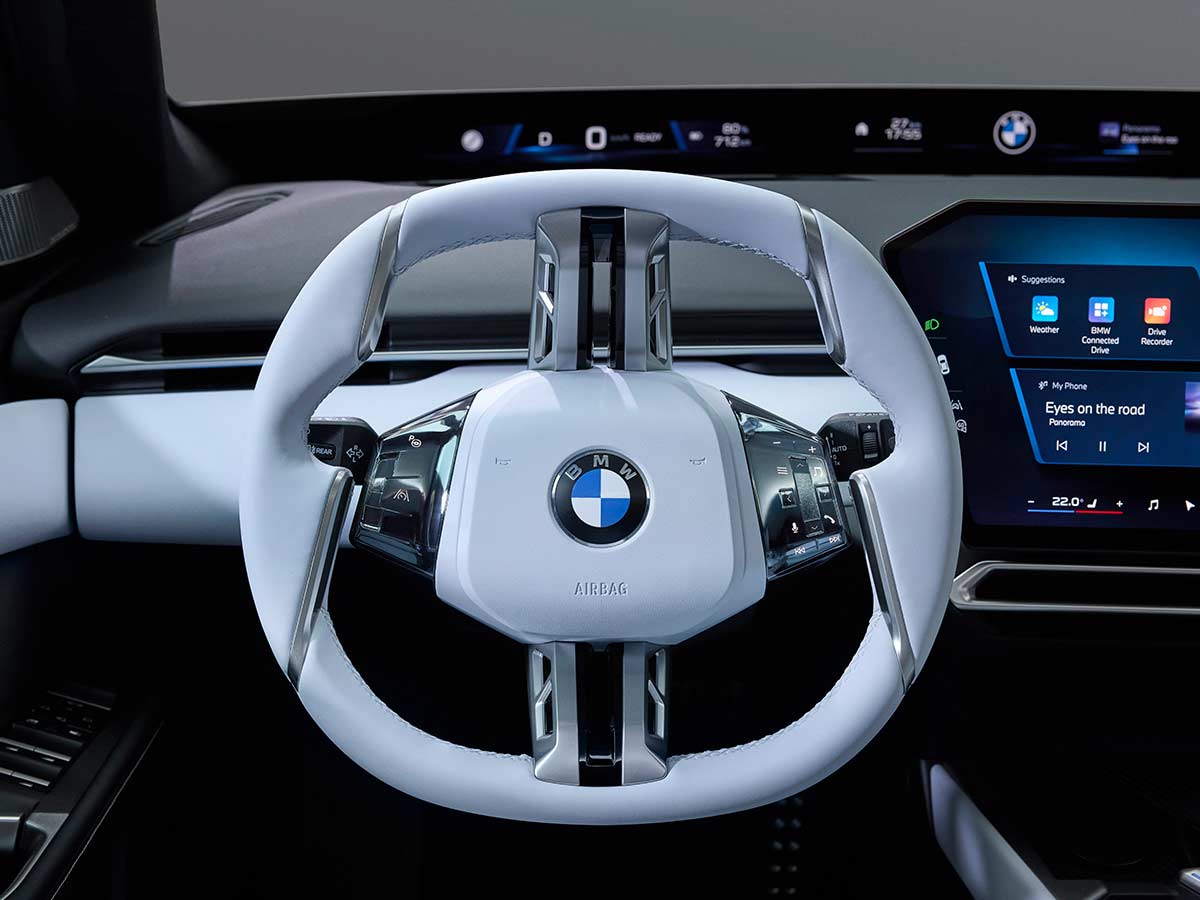
- Haptic Interaction: The steering wheel features “Active Haptics,” allowing the driver to control the Panoramic Vision without taking their eyes off the road.
Sustainability: The 1-2 Year CO2e Break-even
For the first time, BMW has provided a transparent Product Carbon Footprint. The new i3 is designed for a circular economy, using “Secondary First” principles.
- Rapid Decarbonization: Depending on the energy source, the i3 50 xDrive achieves a CO2e advantage over a comparable internal combustion engine (ICE) model after only 1 to 2 years of use.
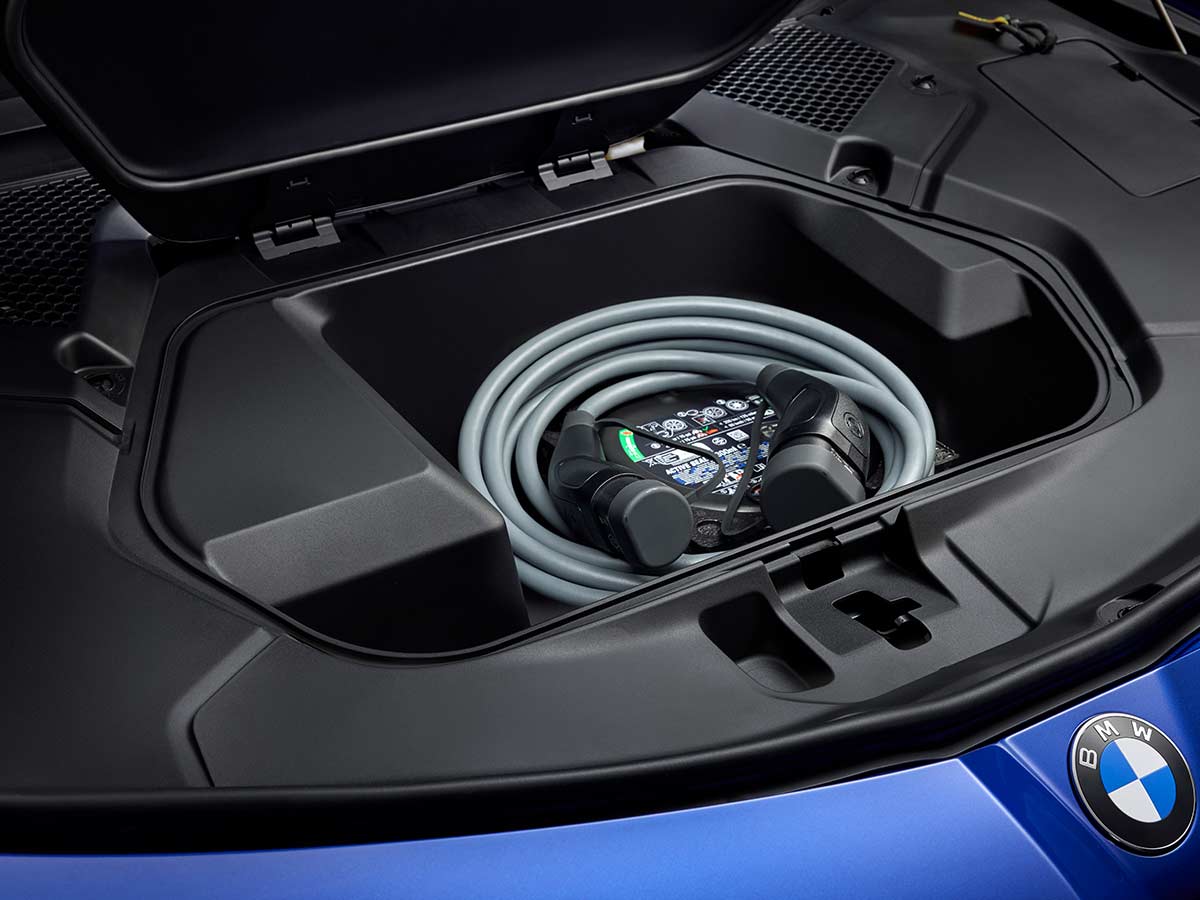
- Recycled Materials: The vehicle utilizes 80% secondary aluminum for swivel bearings and wheel carriers, and 30% recycled maritime plastics for engine covers and storage compartments.
- Green Production: Starting in 2027, the BMW Group Plant Munich will transition to an exclusively all-electric production portfolio, powered by 100% renewable energy.
Market Availability
Production of the new BMW i3 is set to commence in August 2026 at the Munich plant. As the spiritual and technological successor to the 3 Series, it is positioned to be the most important vehicle in BMW’s modern history.
Exterior Design & Technical Dimensions
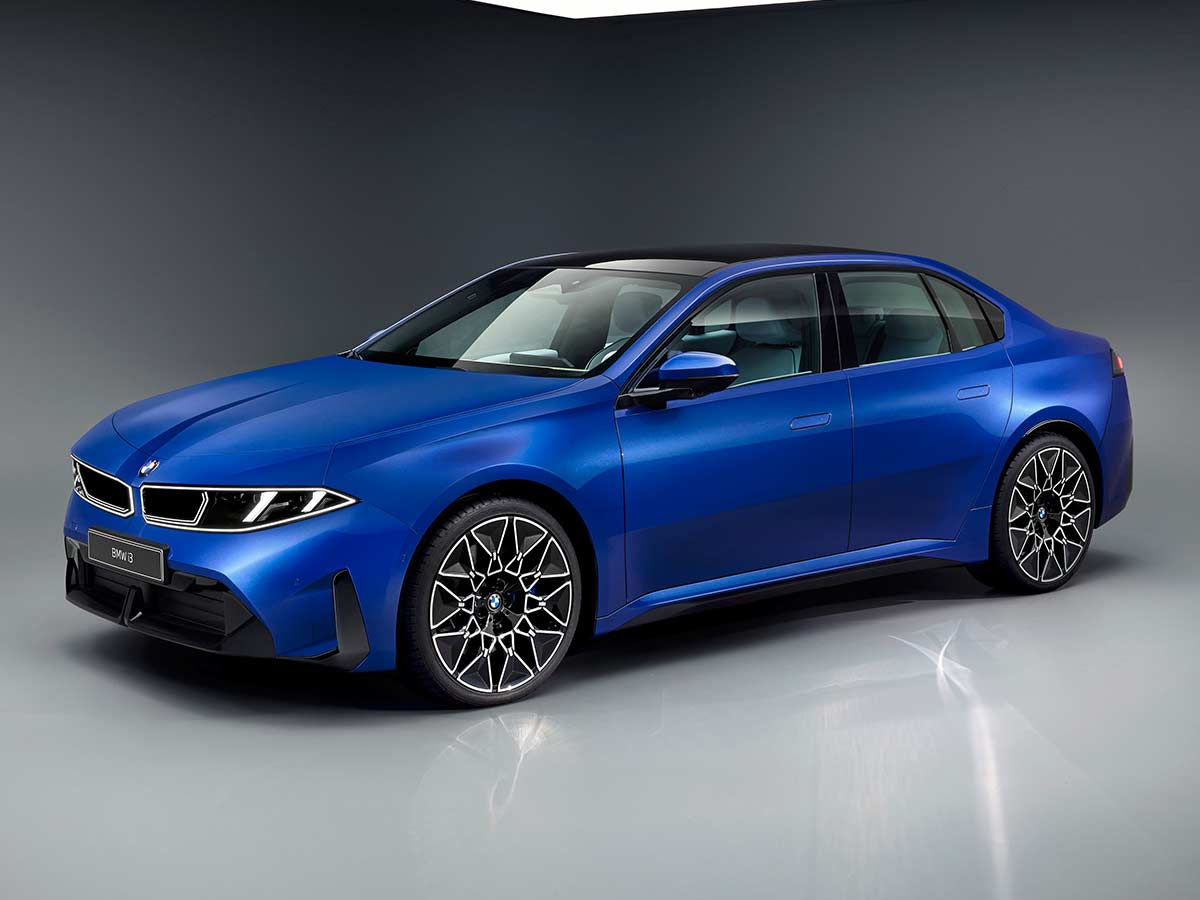
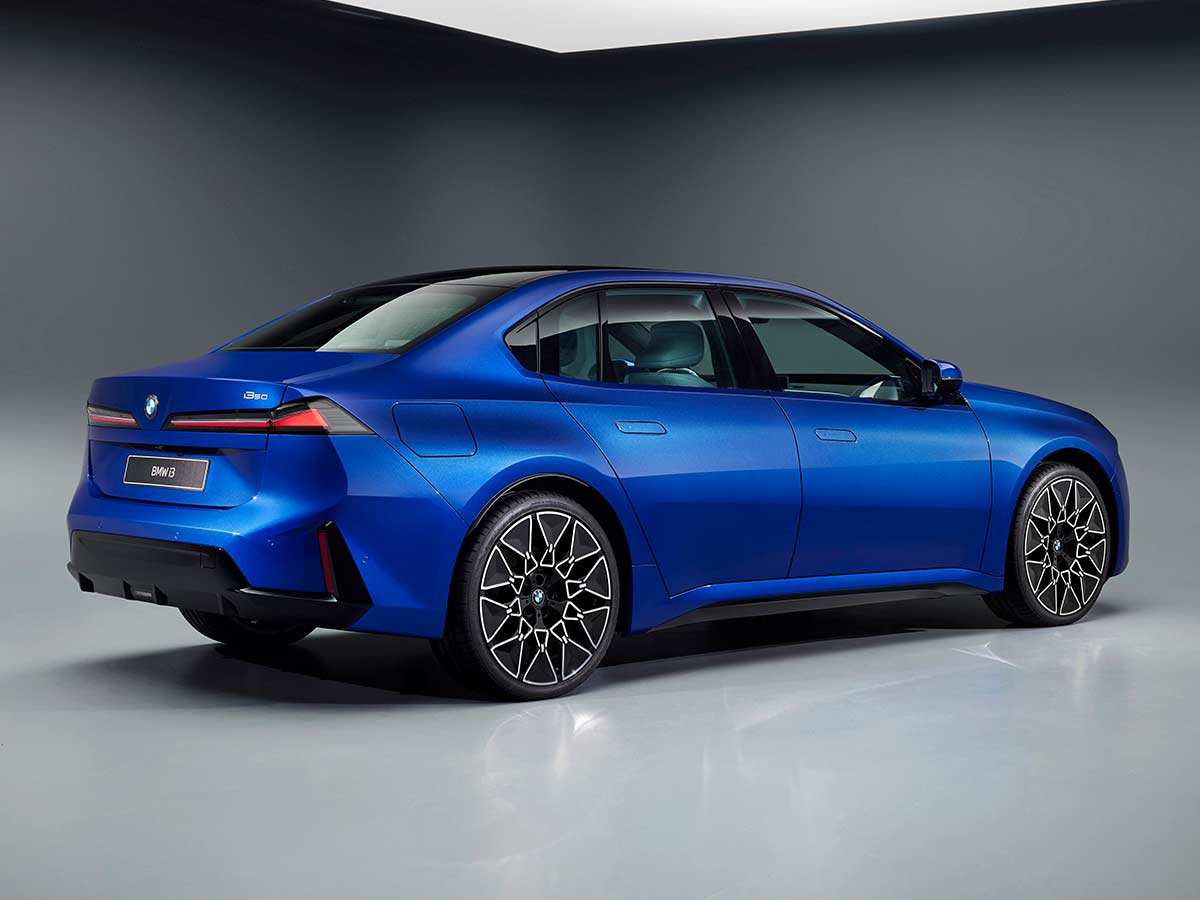
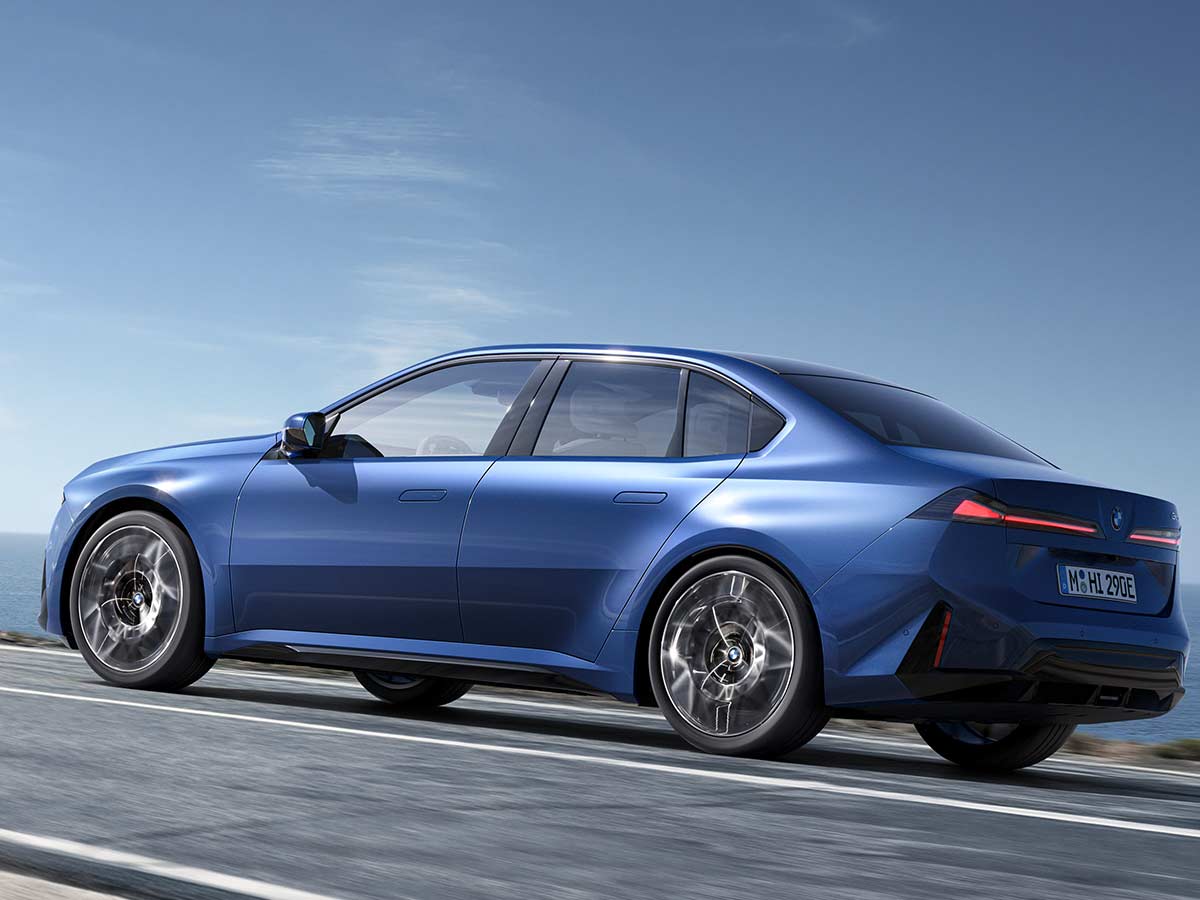
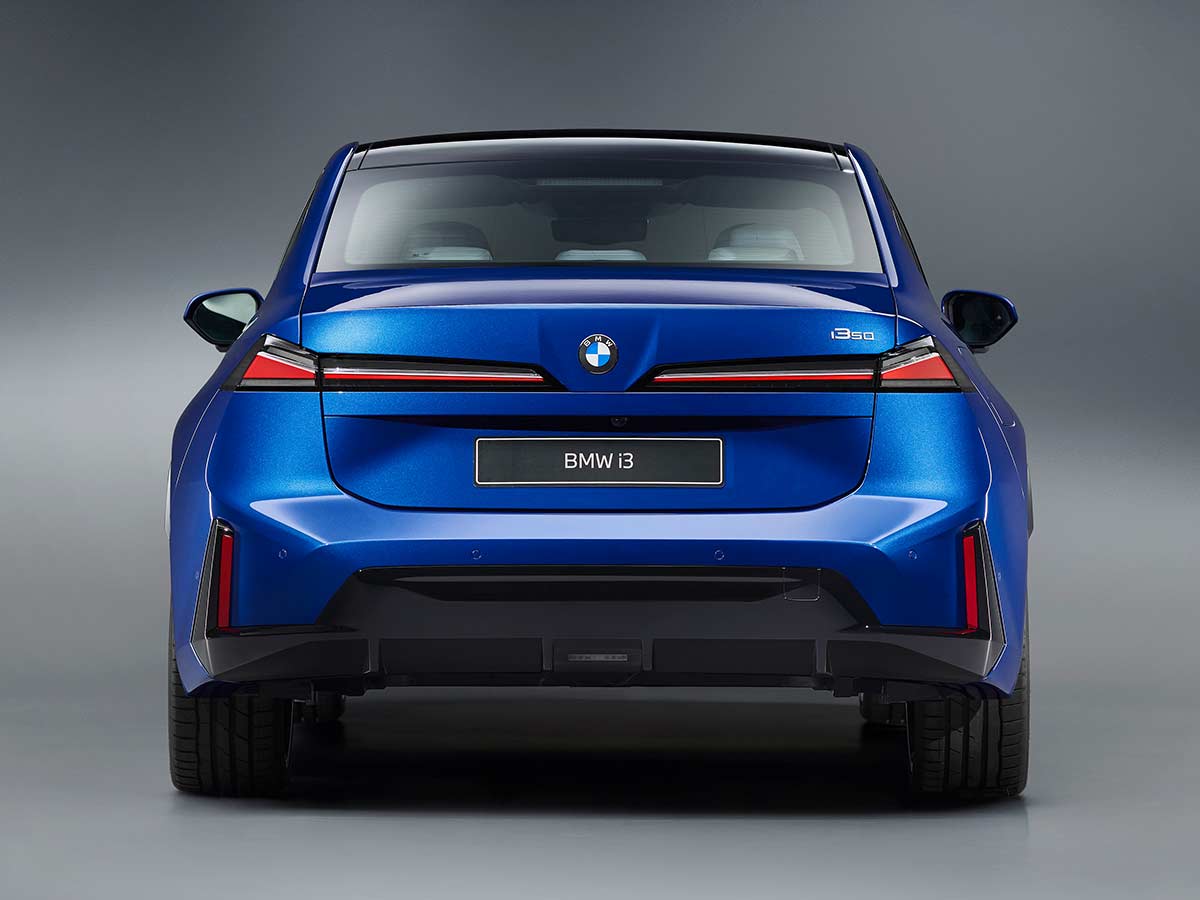
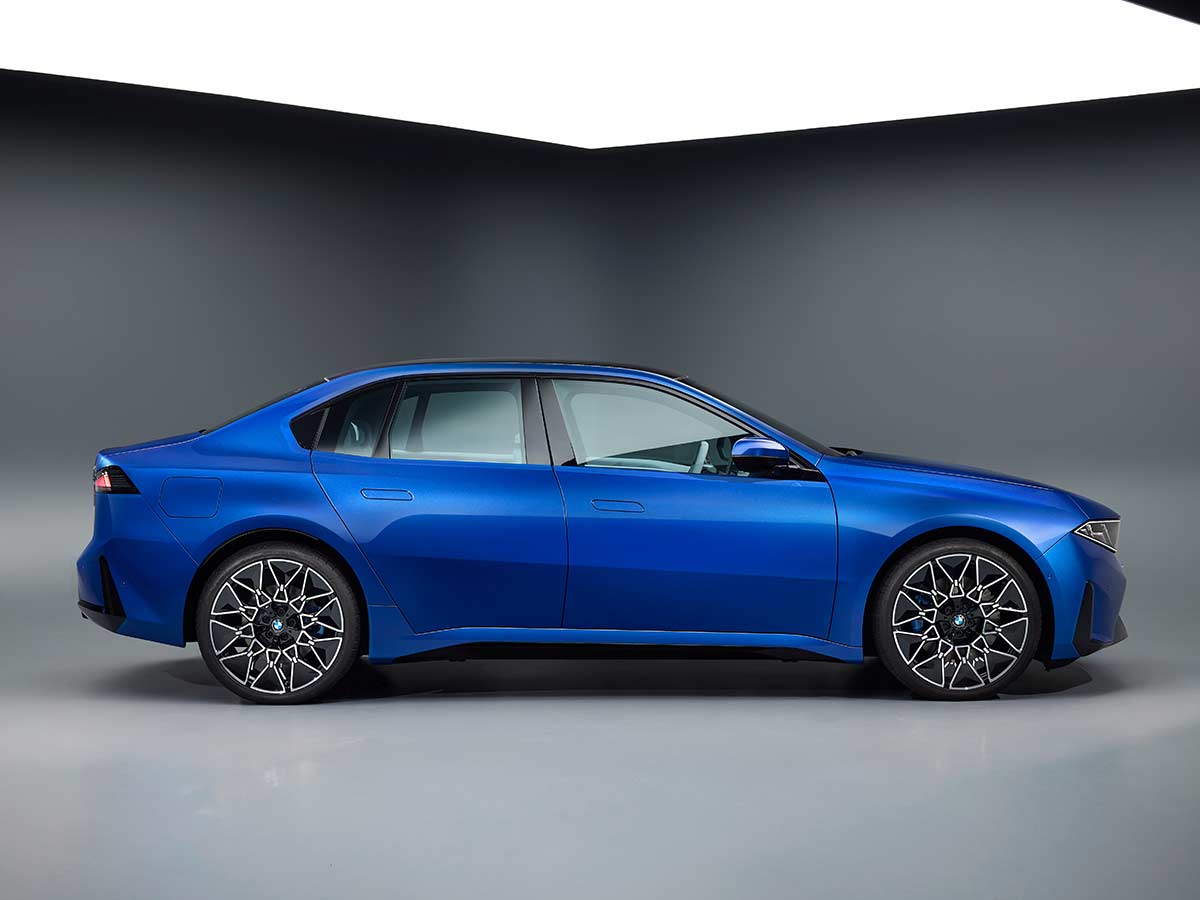
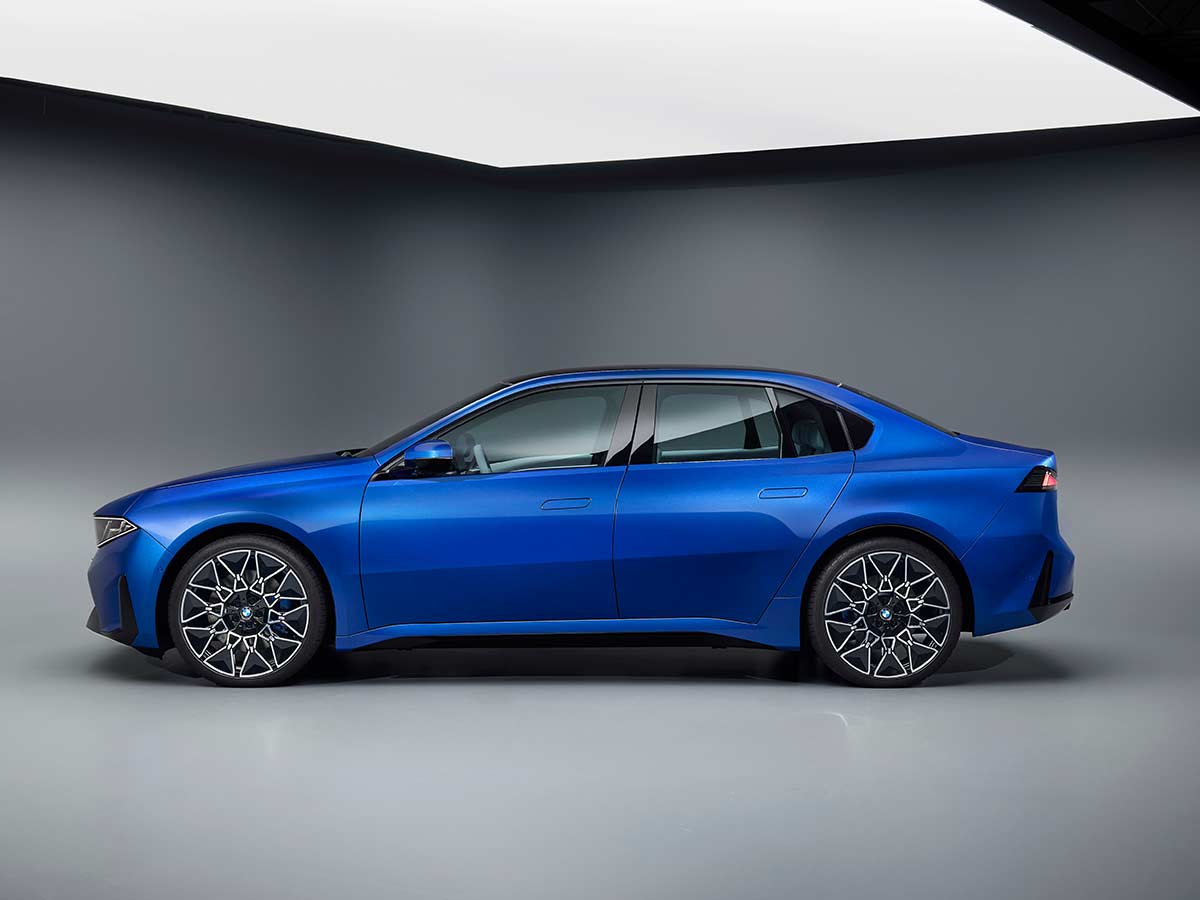
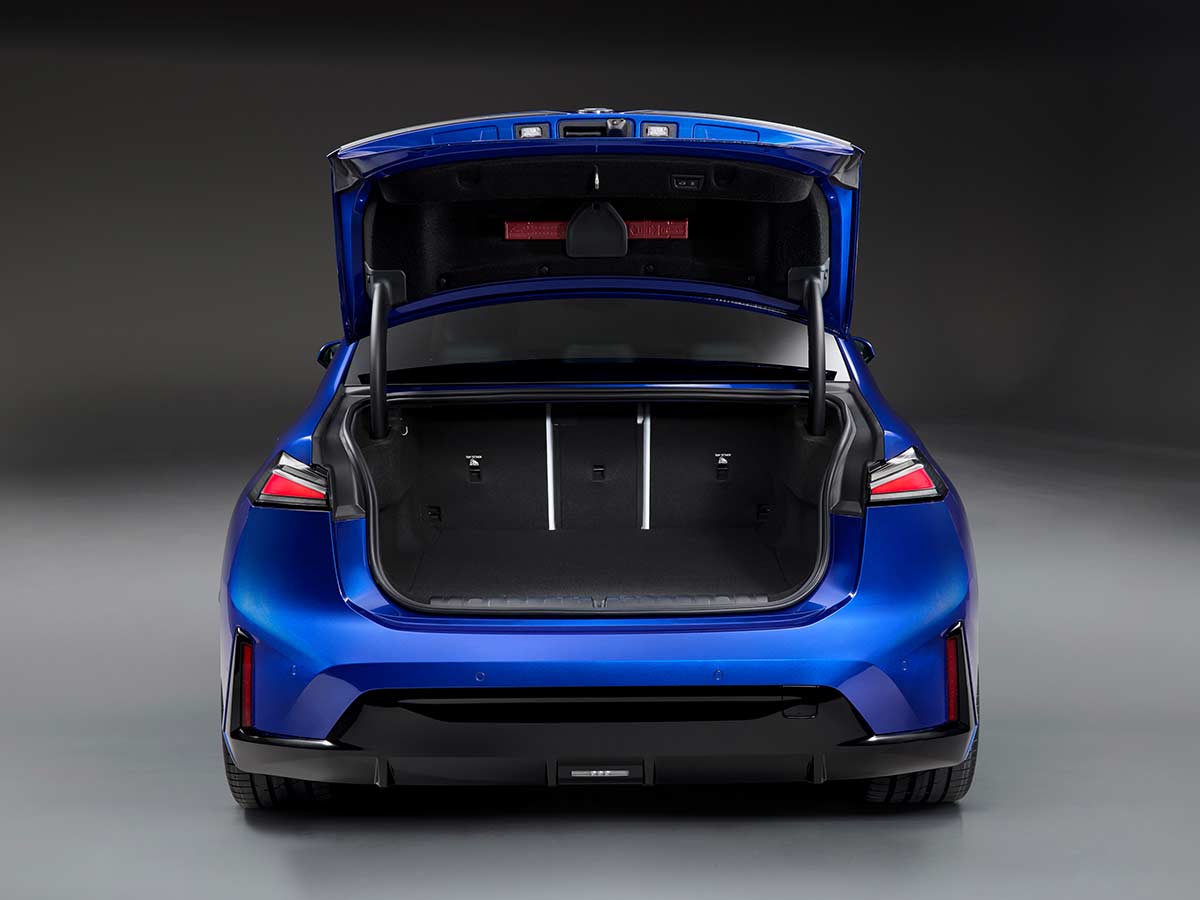
The new i3 departs from the traditional three-box sedan profile in favor of what BMW calls a “2.5-box design.” This silhouette maintains the classic sporty proportions—characterized by a long 2,897 mm wheelbase and short overhangs—while optimizing aerodynamic efficiency.
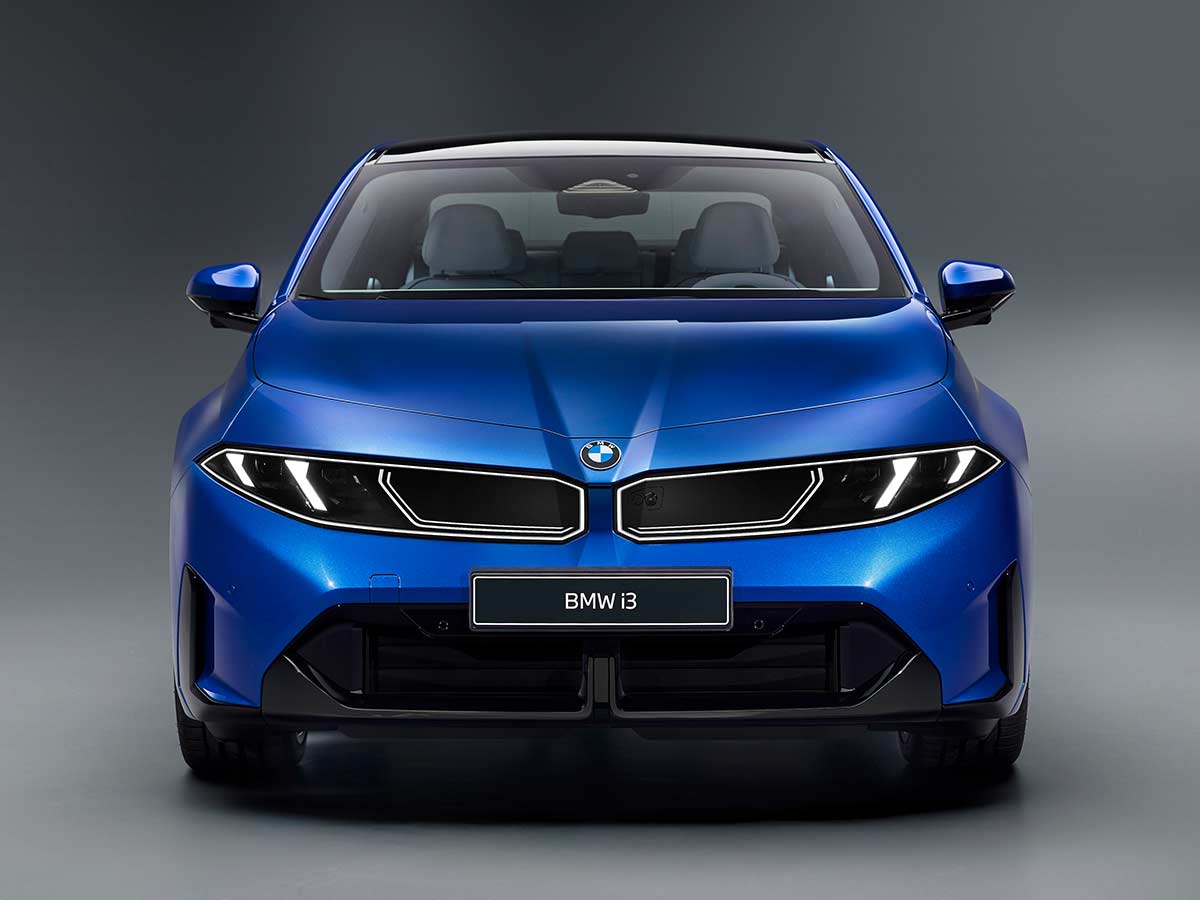
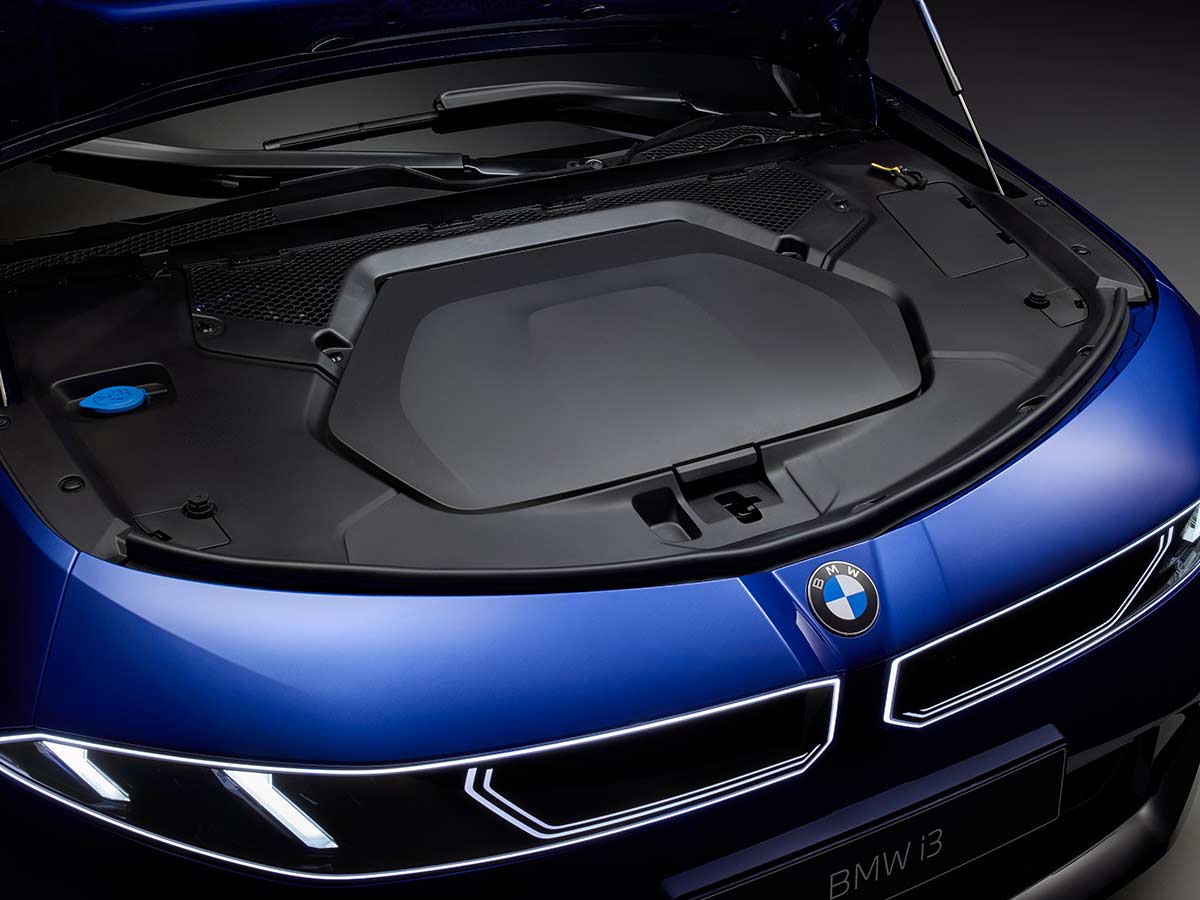
The “Shark-Nose” Front End: The front end is dynamically inclined toward the road, pulling visual focus to a reimagined horizontal kidney grille. This digital fascia integrates the twin headlights and sensors into a single, unified light signature that spans nearly the entire width of the car.
A-Pillar to C-Pillar: The greenhouse is set back from the main structure, creating athletic “shoulder surfaces” that emphasize its wide stance. Notable details include the signature Hofmeister kink and retractable flush door handles that extend automatically via the BMW Digital Key Plus.
Dimensions: At 4,760 mm long and 1,865 mm wide, the i3 is slightly larger than the current G20 3 Series, with wheels pushed right out to the corners to maximize interior volume.
| Feature | Specification |
| Length | 4,760 mm |
| Width | 1,865 mm |
| Height | 1,480 mm |
| Wheelbase | 2,897 mm |
| Front/Rear Track | 1,606 mm / 1,614 mm |
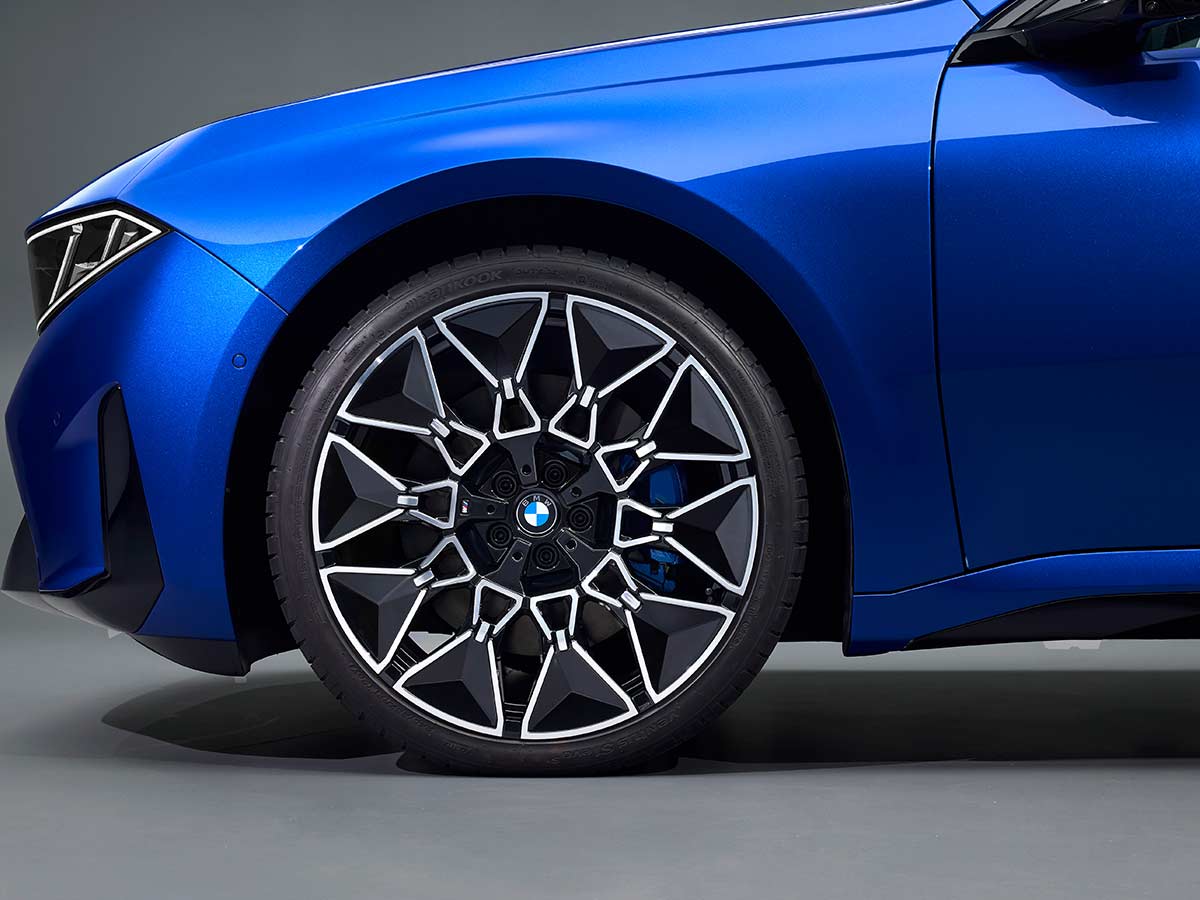
| Wheels | 21-inch M 1067 M Aerodynamic |
| Exclusive Color | M Le Castellet Blue metallic |
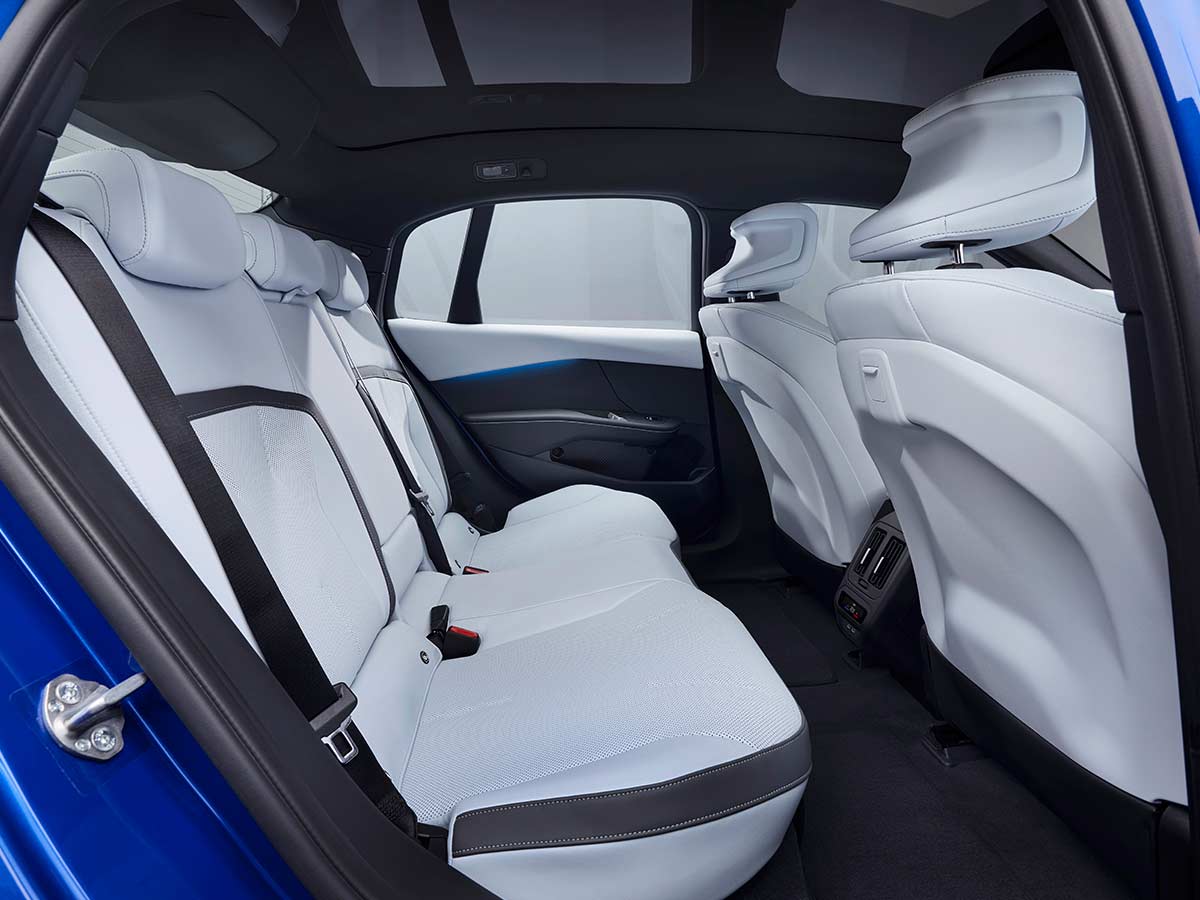
Interior Design: The End of the Instrument Cluster
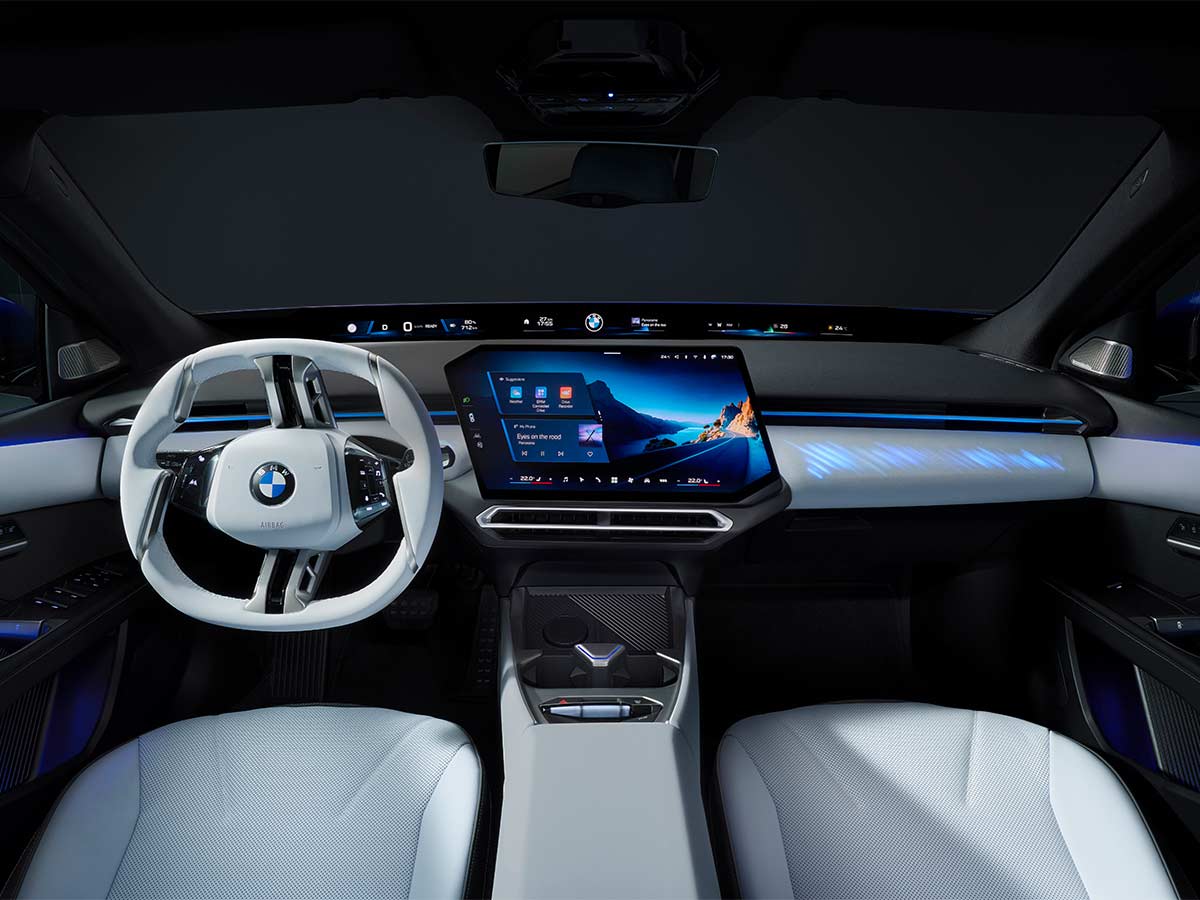
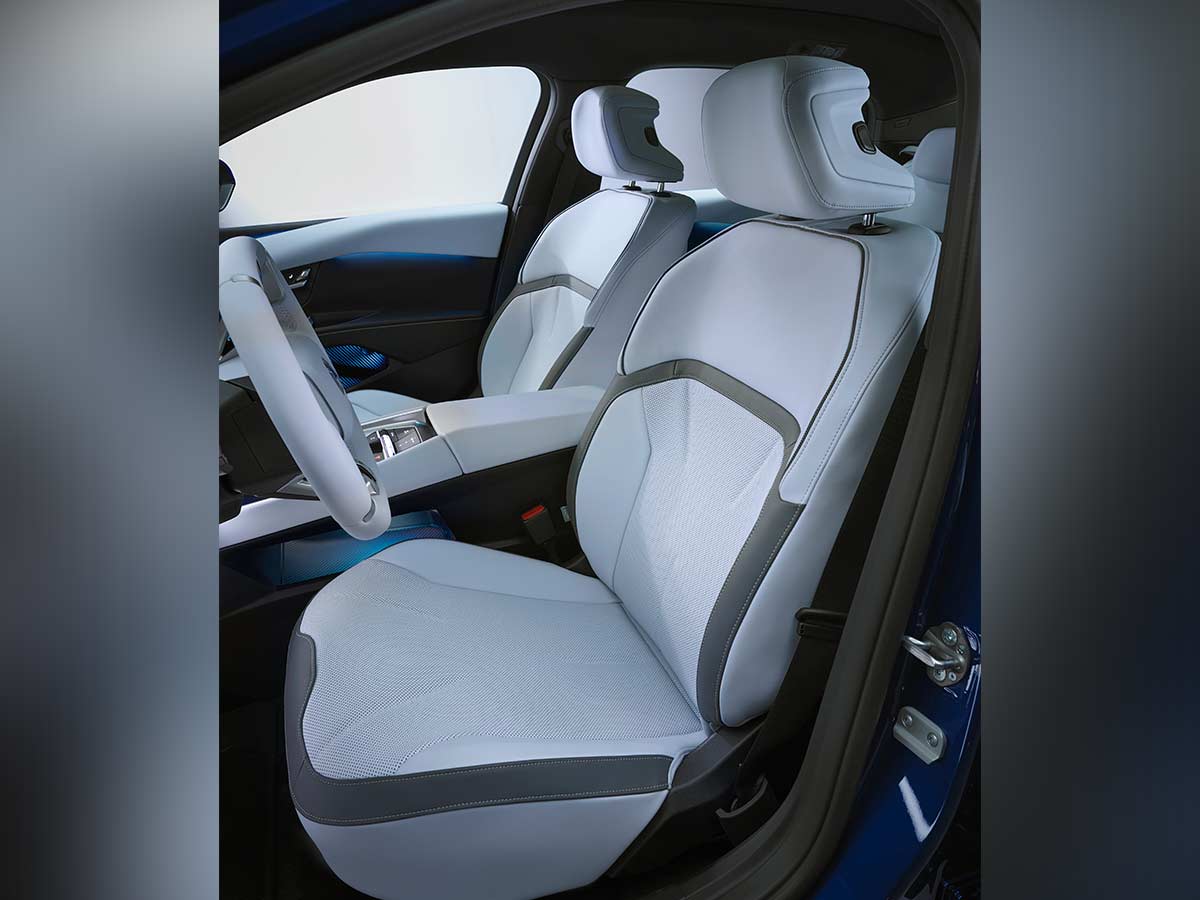
Step inside the i3, and the traditional dashboard is gone. BMW has replaced it with a driver-focused “experience space” that merges virtual and real worlds.
- BMW Panoramic Vision: This pillar-to-pillar display projects critical information across the entire lower section of the windshield. It ensures the driver’s eyes remain on the road while data is accessible in their direct line of sight.
- 17.9-inch Free-Cut Display: A high-resolution, rhomboidal central touchscreen is angled 3 degrees toward the driver. It runs BMW Operating System X, which features a Generative AI assistant powered by Large Language Model (LLM) technology.
- Shy Tech Steering Wheel: The new steering wheel features vertical twin spokes and “Shy Tech” buttons that only illuminate when their functions are available, providing active haptic feedback.
Source: BMW