







Nine years is an eternity in the automotive world. It is long enough for entire platform cycles to begin and end, for technology to rewrite the rules of propulsion, and for early depositors to look at their original receipts with a mixture of nostalgia and deep cynicism. Yet on October 15, 2026, at a SpaceX rocket facility in McGregor, Texas, Elon Musk finally pulled the covers off the production-spec, second-generation Tesla Roadster.
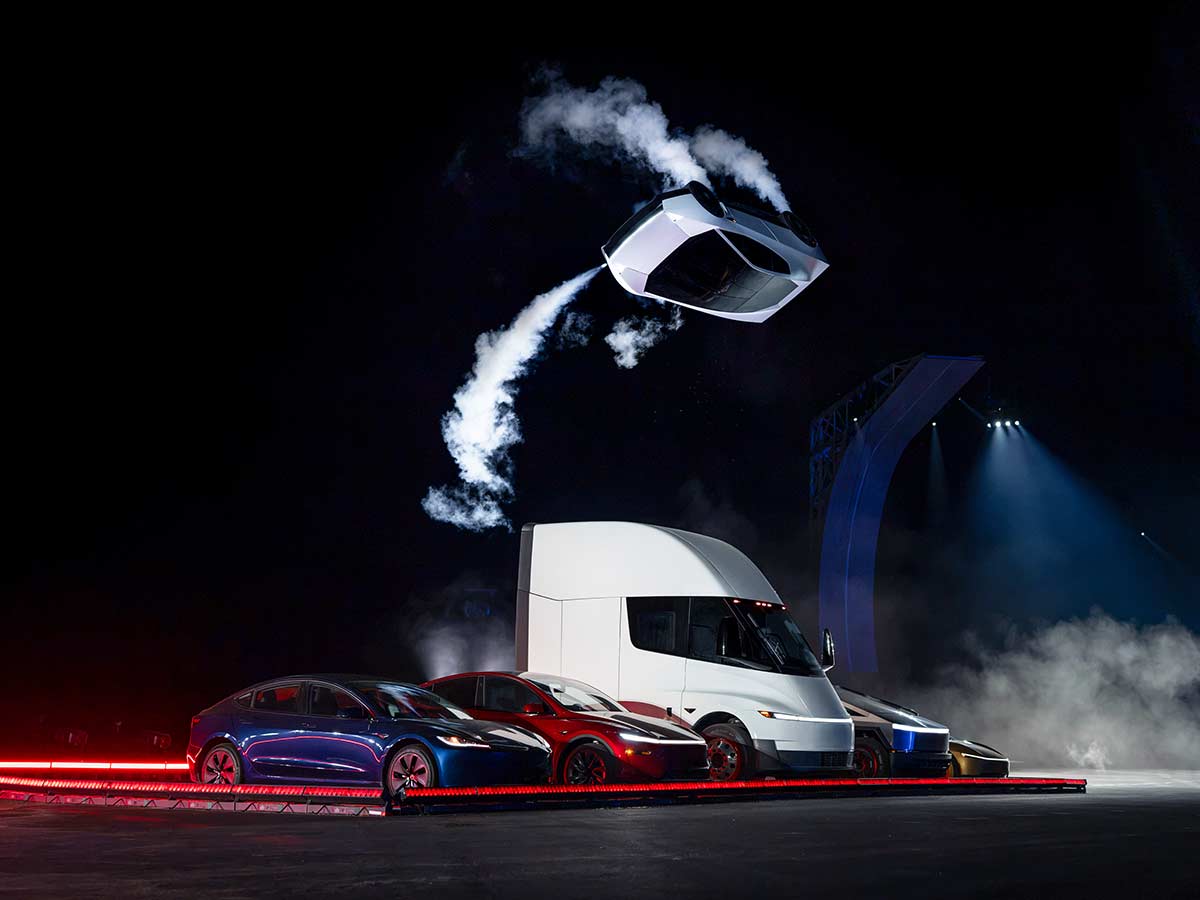
And true to form, it didn’t just roll onto the stage. The unmanned vehicle drove up an inverted ramp, held its footing upside down via a ground-effect suction system, and used rocket thrusters to twist through the air, briefly taking flight and jumping over a line of parked cars including a Cybertruck and a Semi.
Whether this represents the absolute peak of electric vehicle engineering or the ultimate marketing distraction for a brand aggressively pivoting toward autonomous Cybercabs and Optimus robots remains the defining automotive debate of the decade. Musk himself noted that the Roadster is likely “the best of the last of the human-driven cars,” signaling a definitive end to manual control in Tesla’s future lineup.
>>> Great Discounts on Car & Bike Accessories <<<
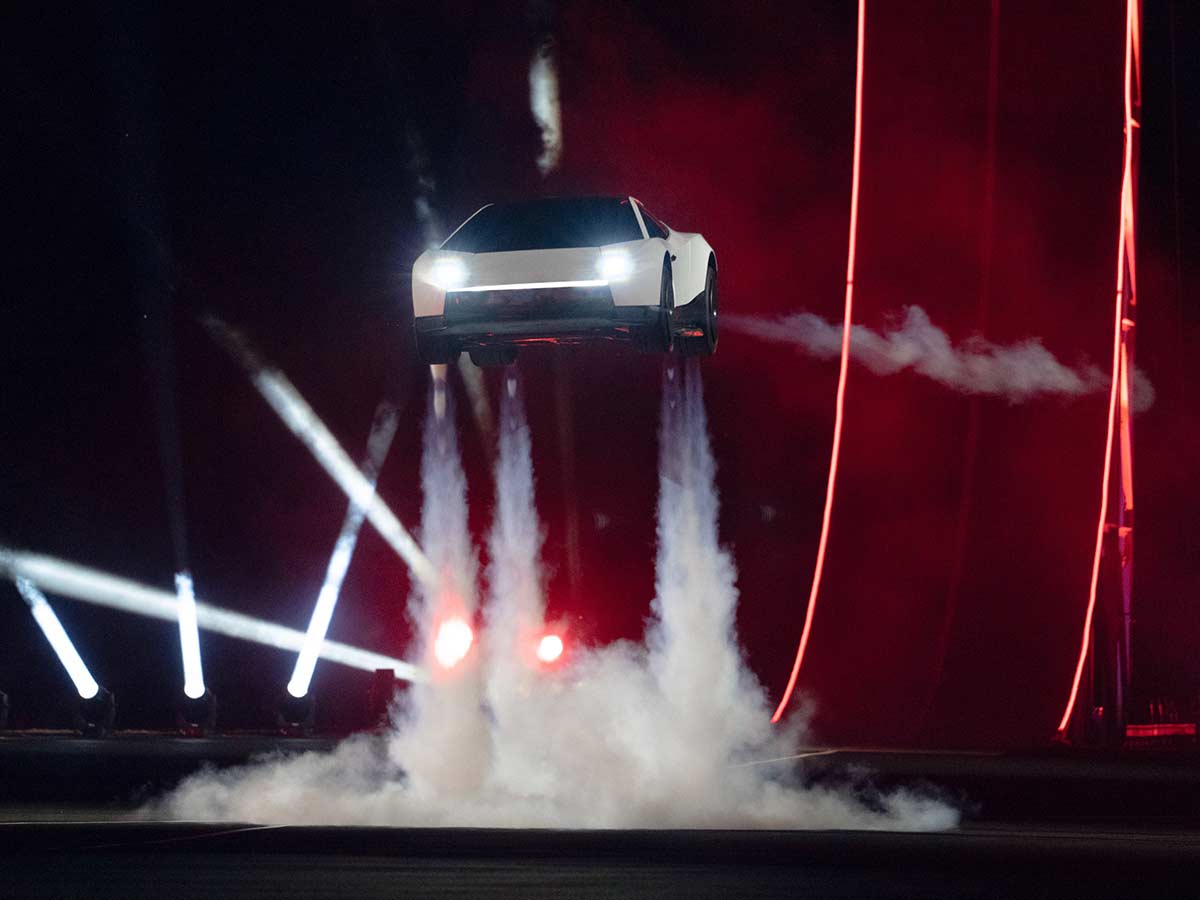
The Stunt That Defied Gravity & The Physics of Flight
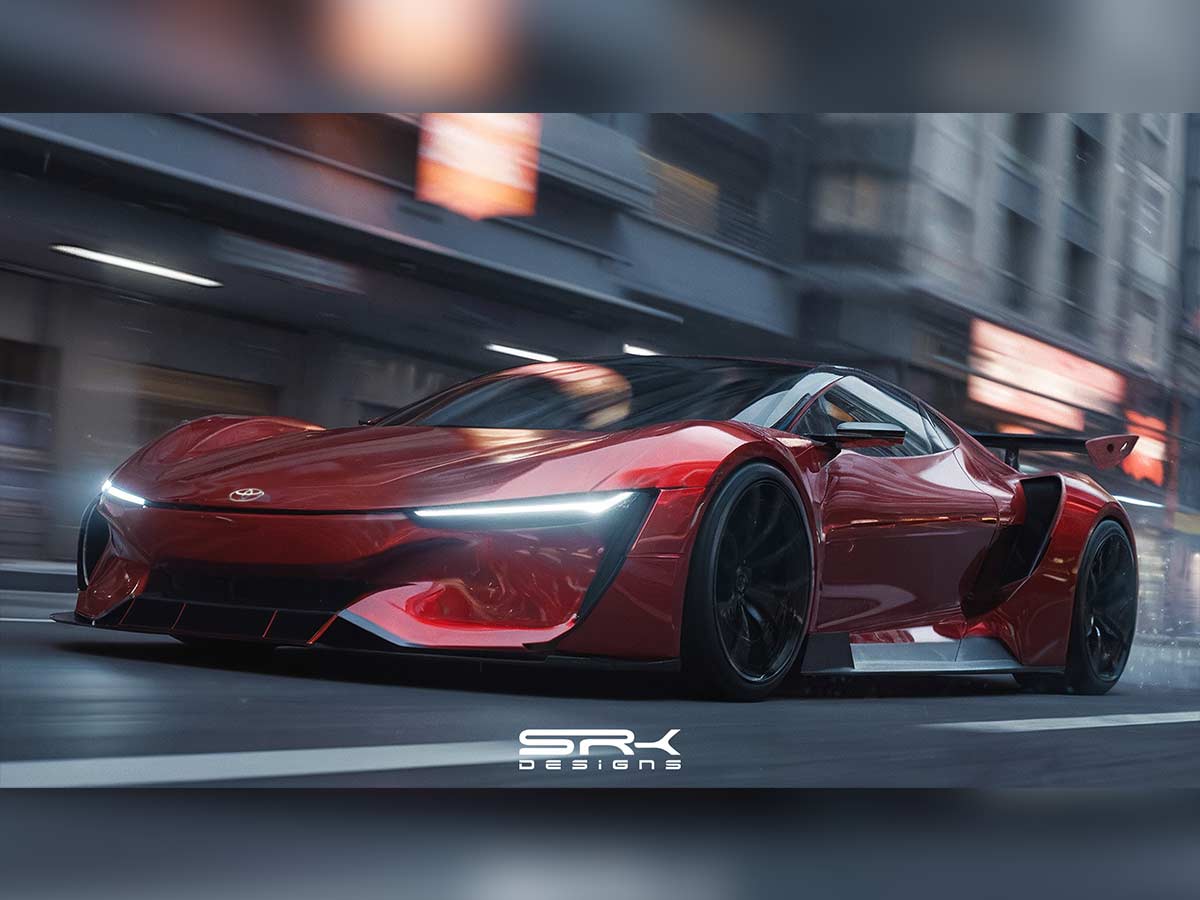
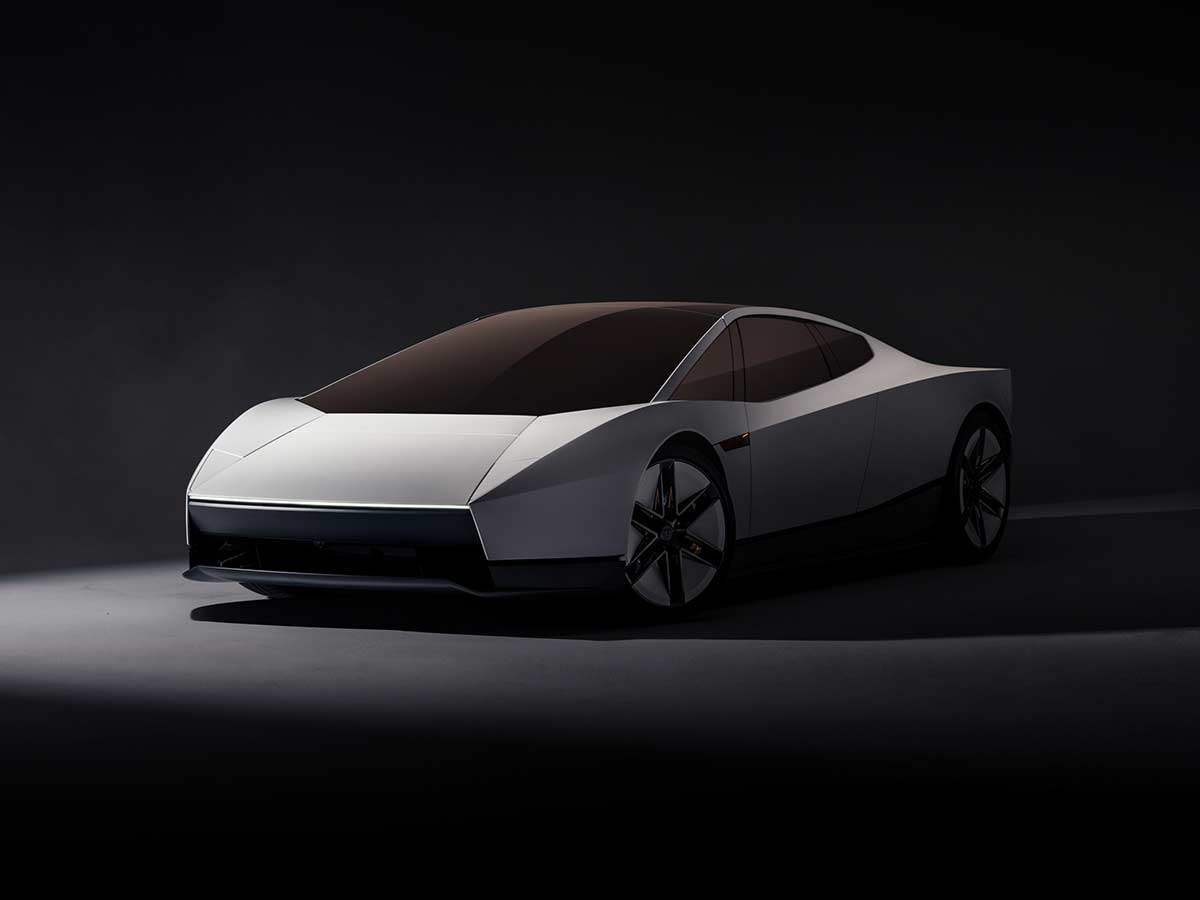
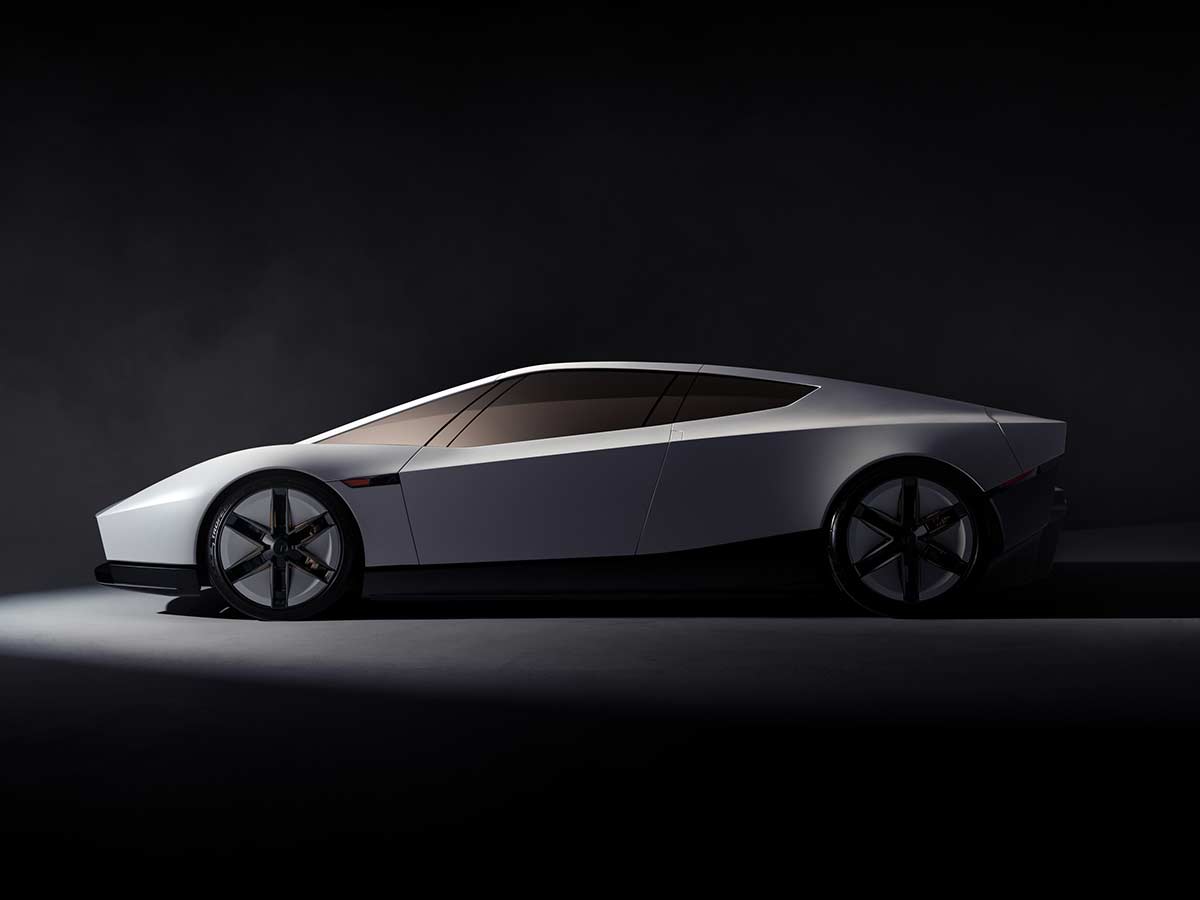
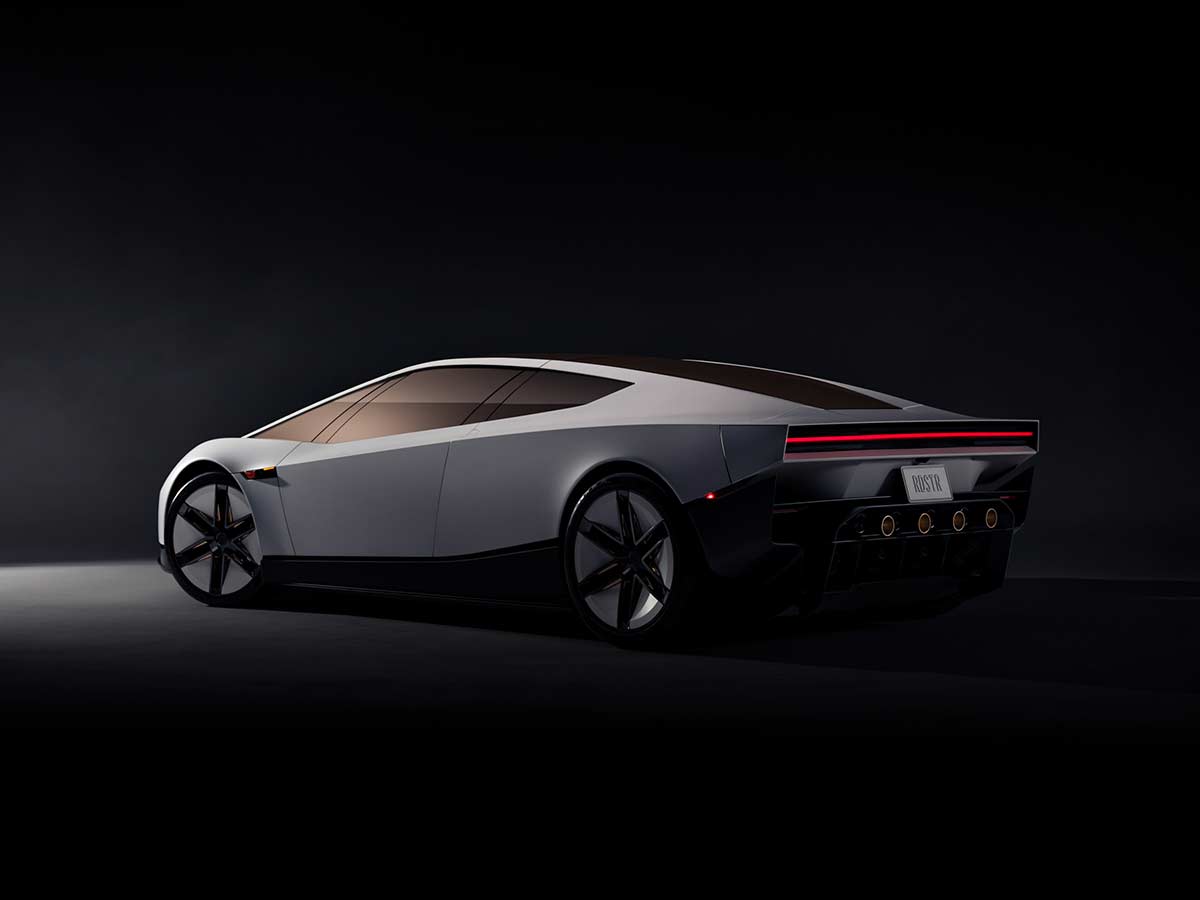
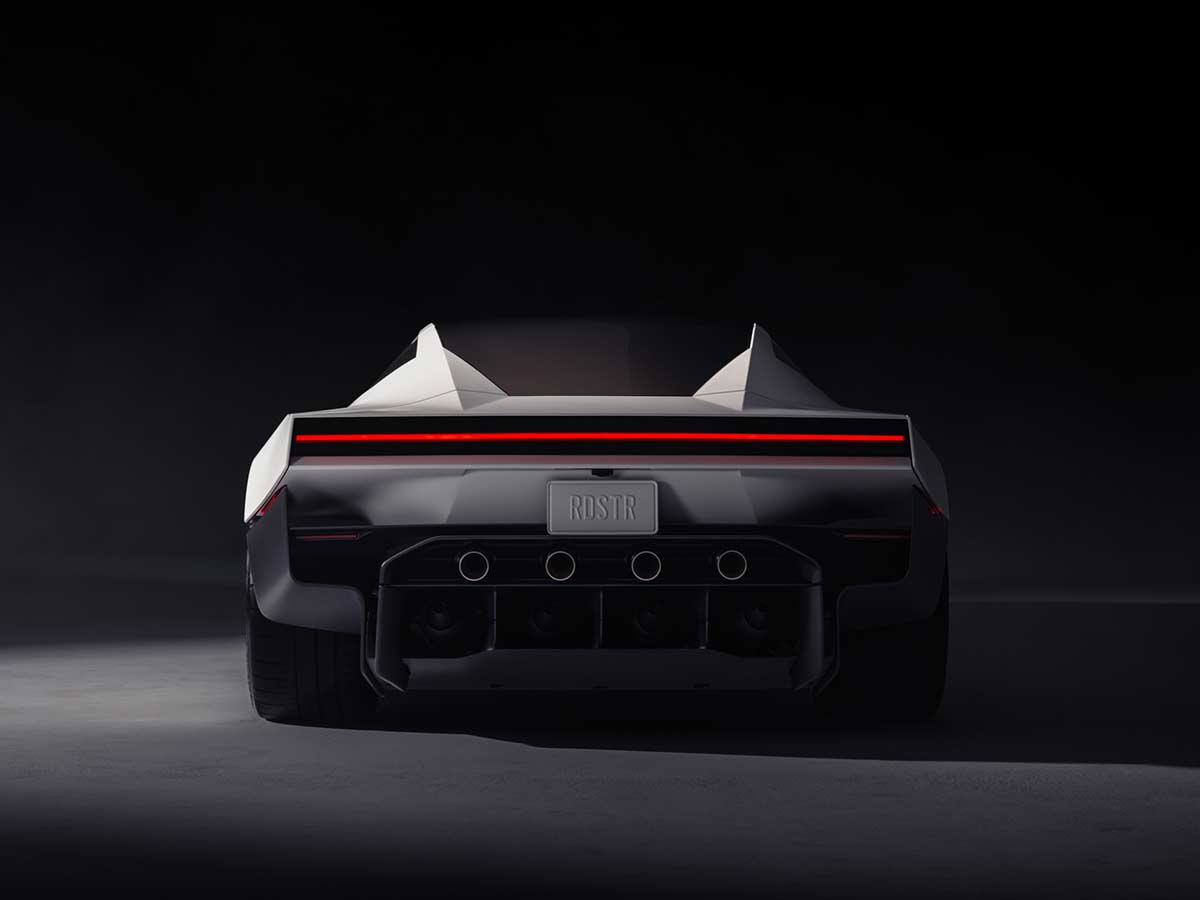
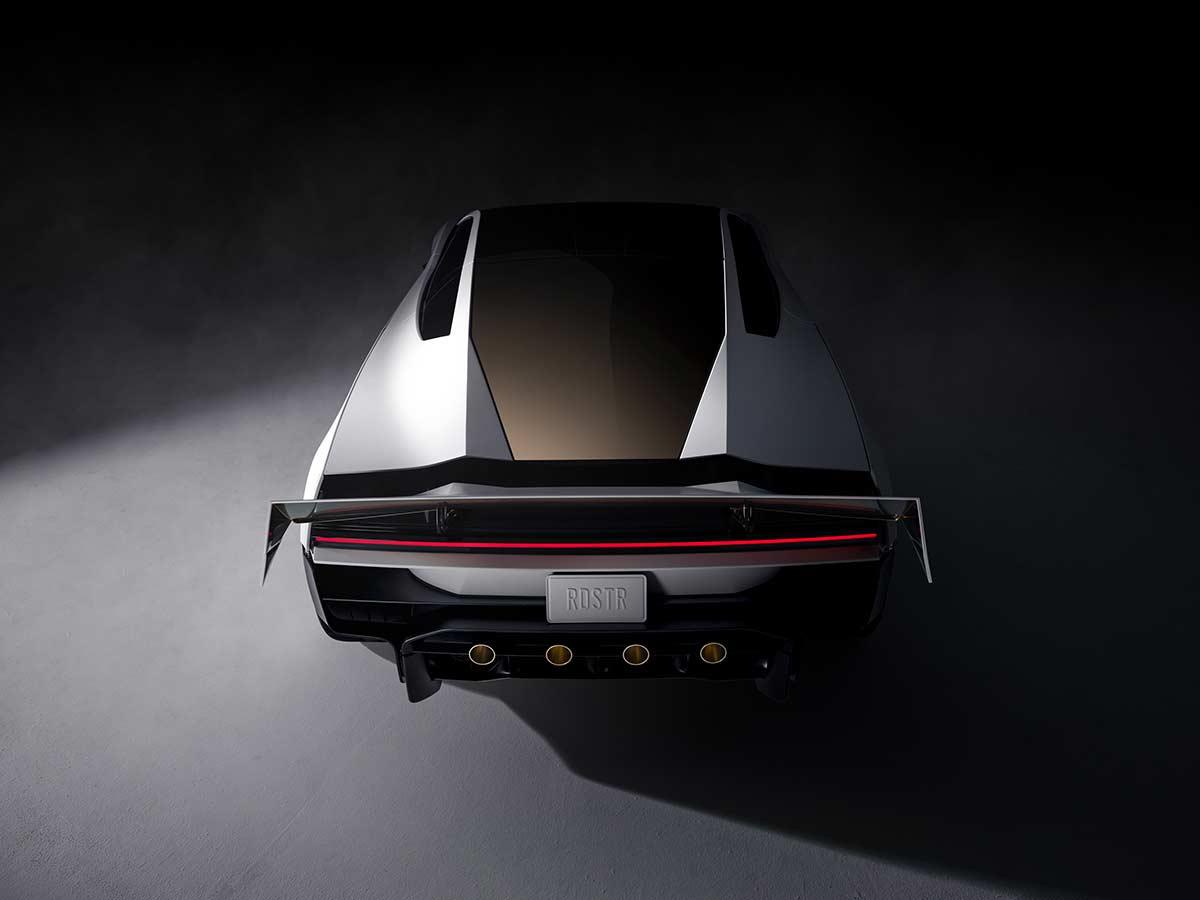
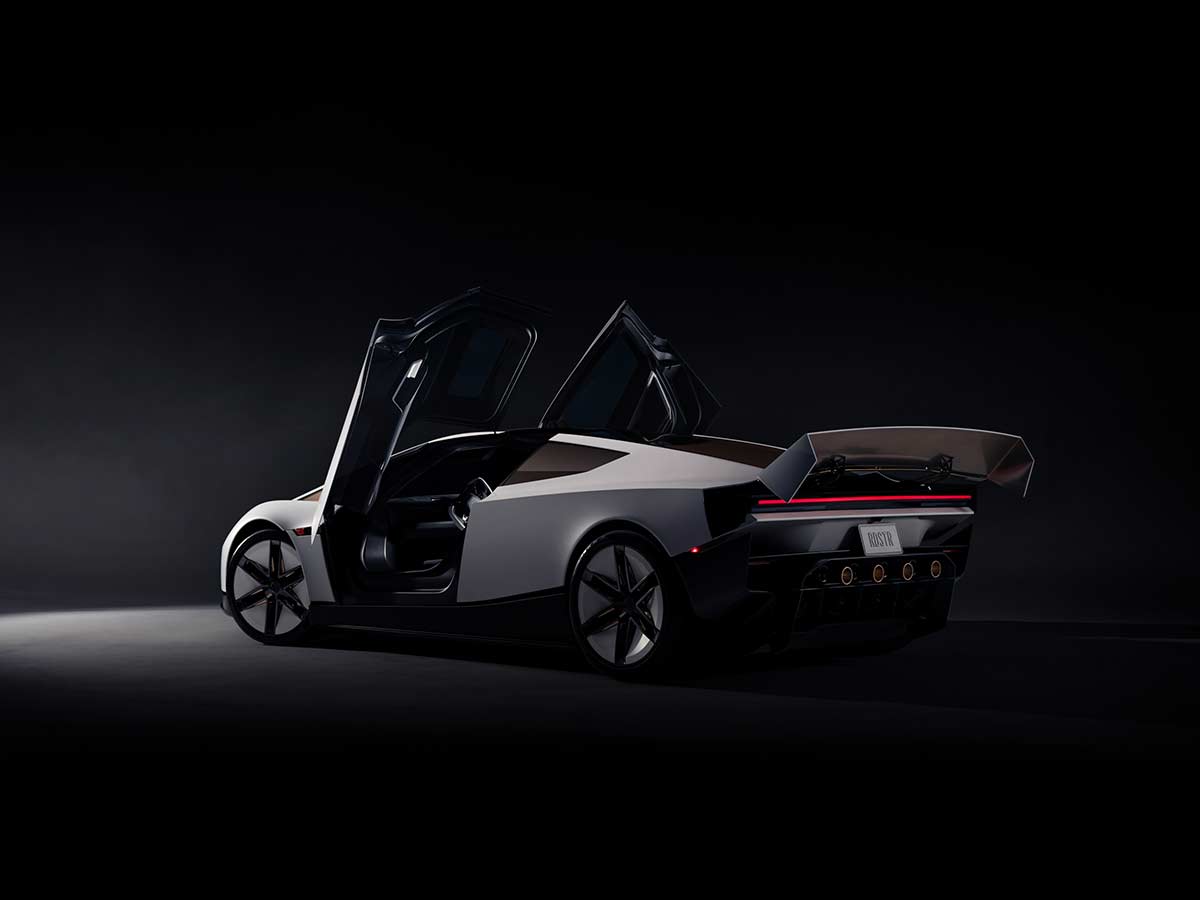
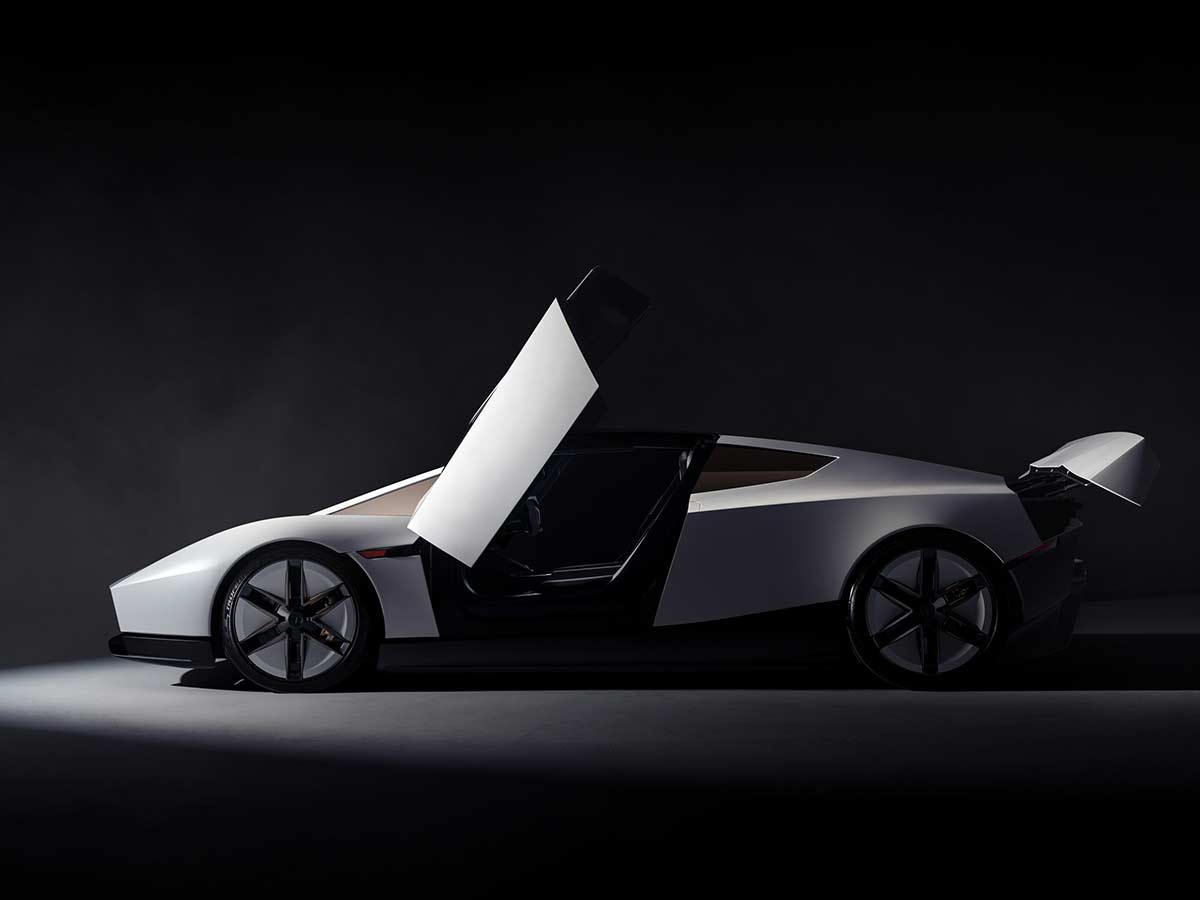
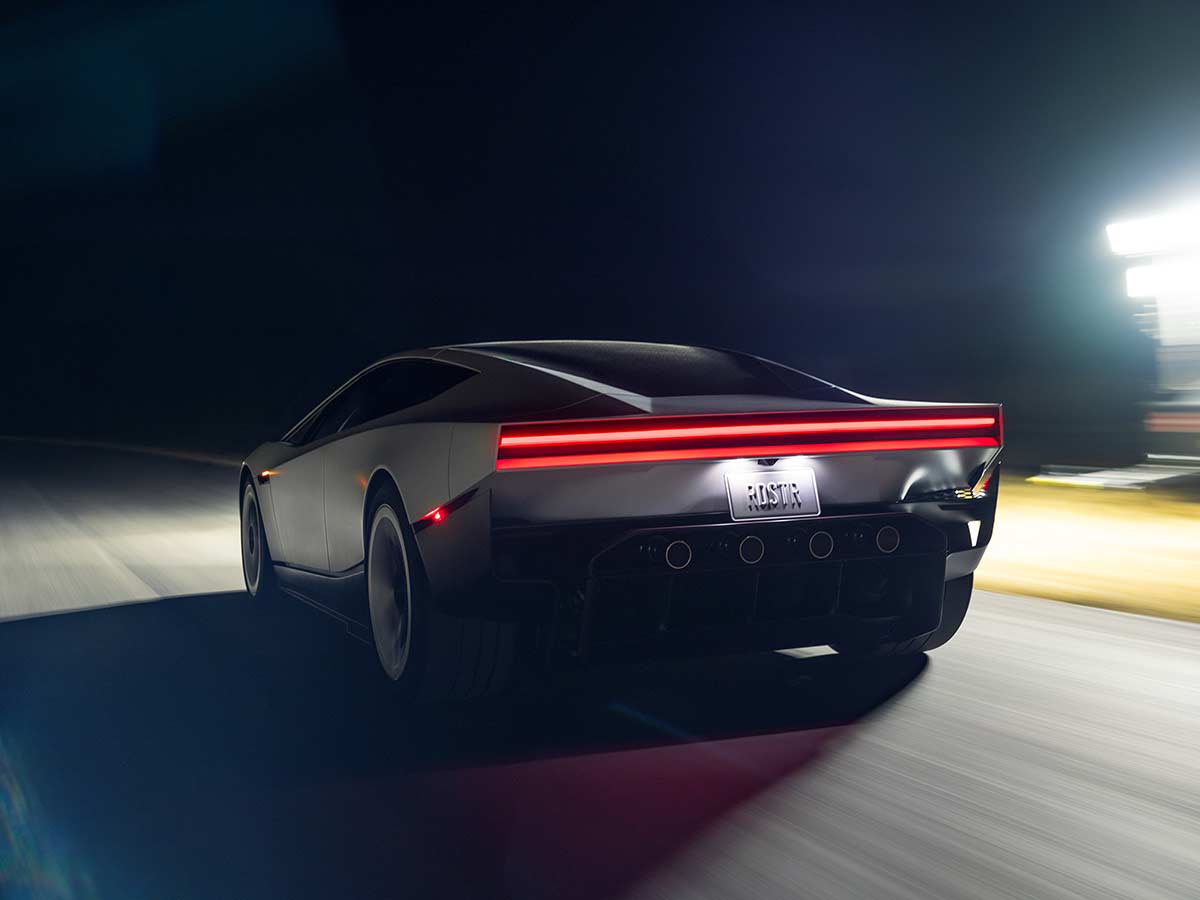
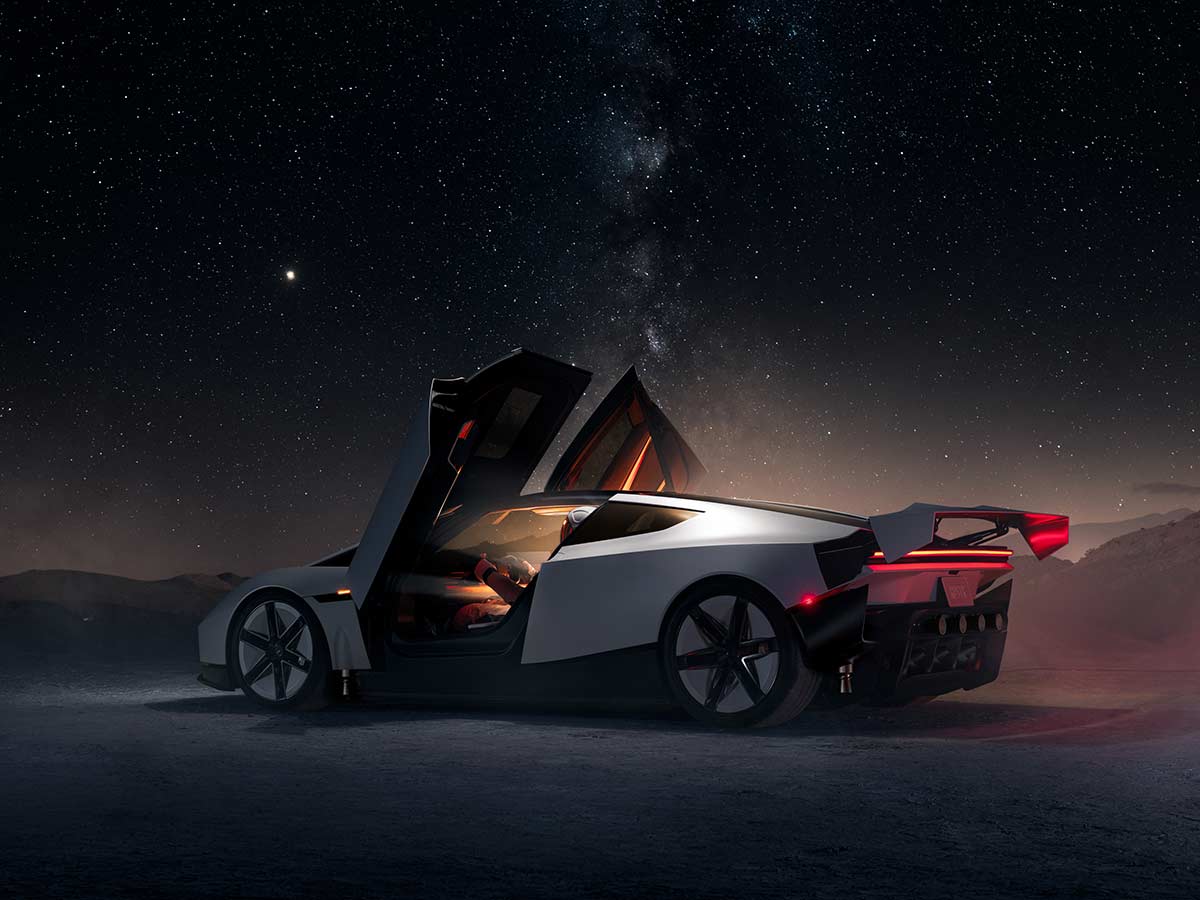
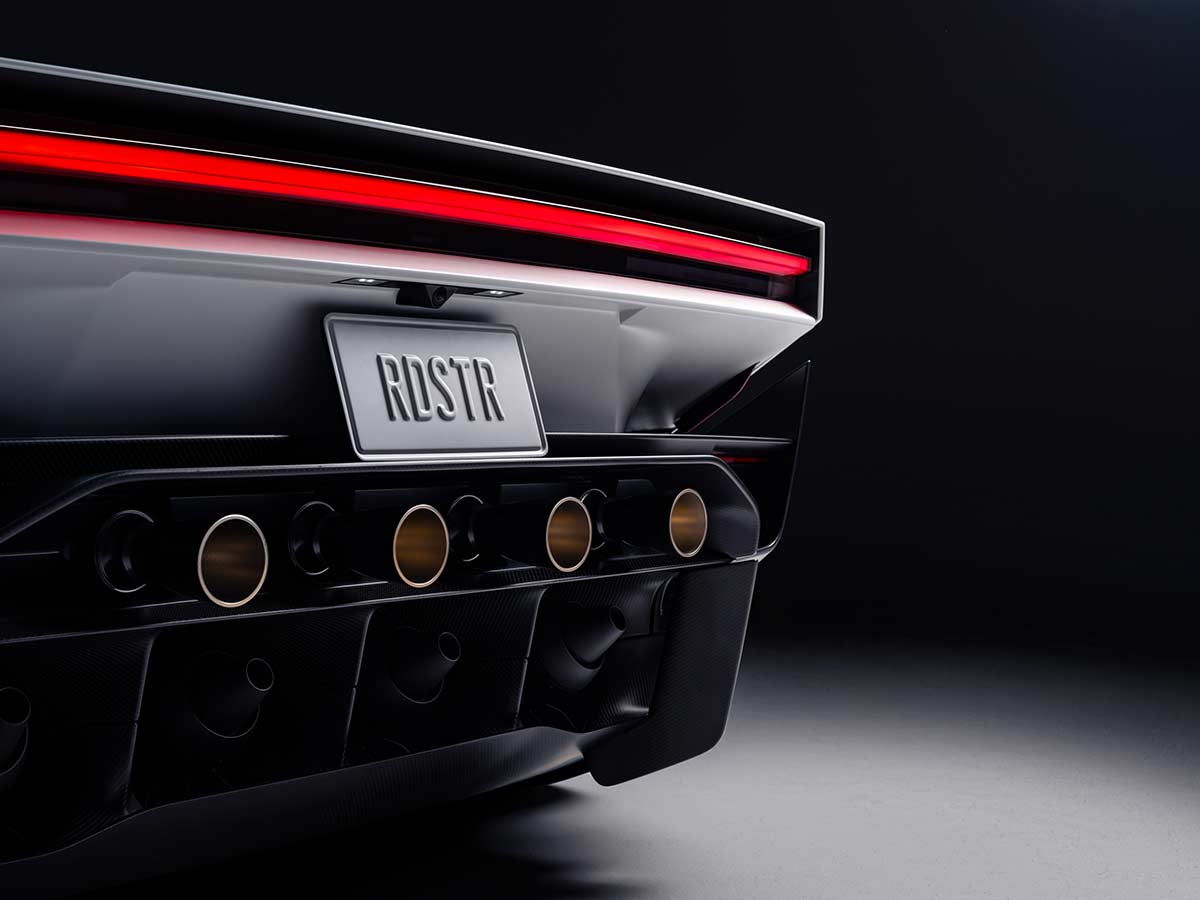
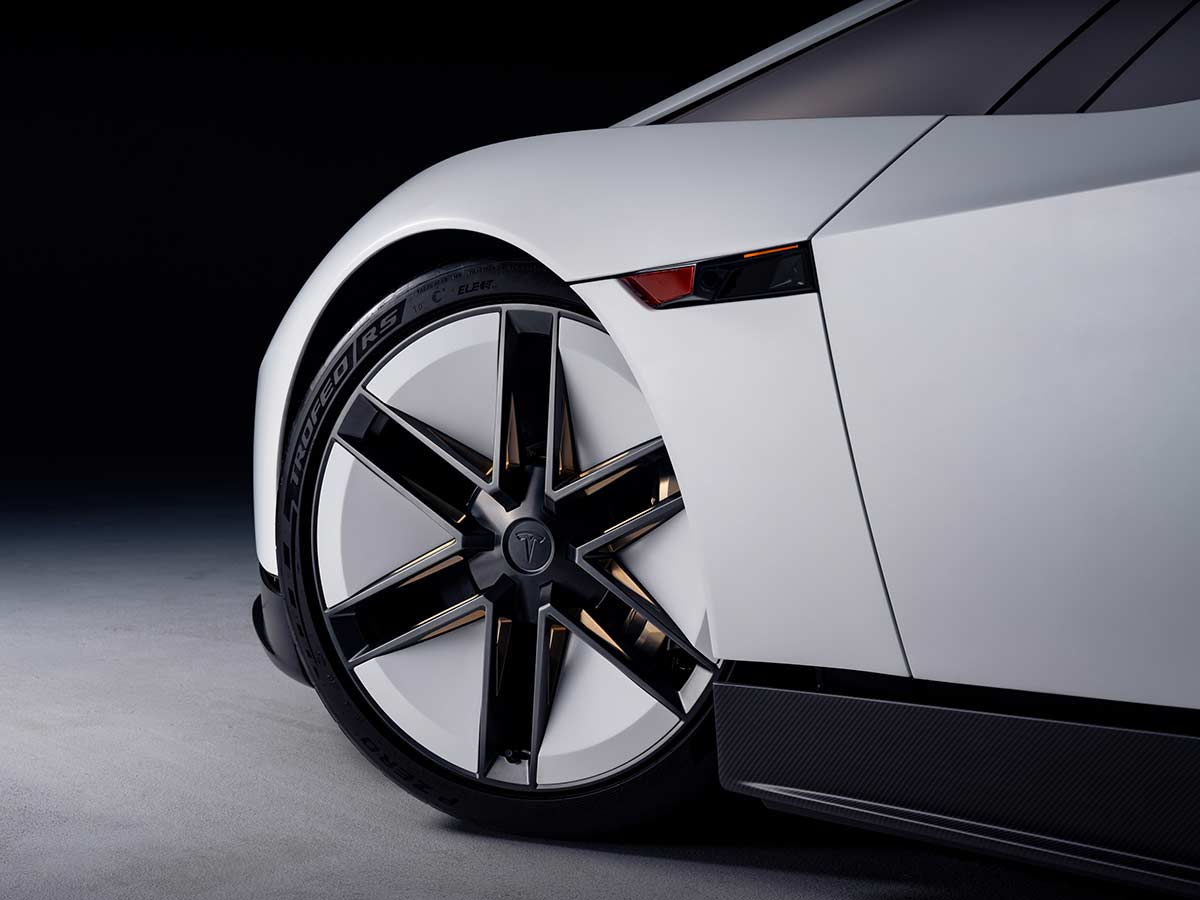
The vehicle showcased in Texas was not a traditional grand tourer. Painted in an aggressive, sharp “Iconic Ultrawhite” that looks more like a military fighter jet crossed with a Lamborghini than the curvy red prototype shown back in 2017, the pre-production Roadster is a pure, unadulterated halo car.
To understand how a 1,700-kilogram electric vehicle can perform mid-air barrel rolls, traditional automotive dynamics must be replaced with aerospace engineering:
[ 600L Carbon-Fibre Storage Tank ] ───► Stores Compressed Air at 350 Bar
│
▼
[ Composite Gas Manifolds ] ──────────► Computes Real-Time Pitch/Yaw Commands
│
▼
[ 10 Cold-Gas Rocket Thrusters ] ─────► Releases High-Velocity Kinetic Blasts
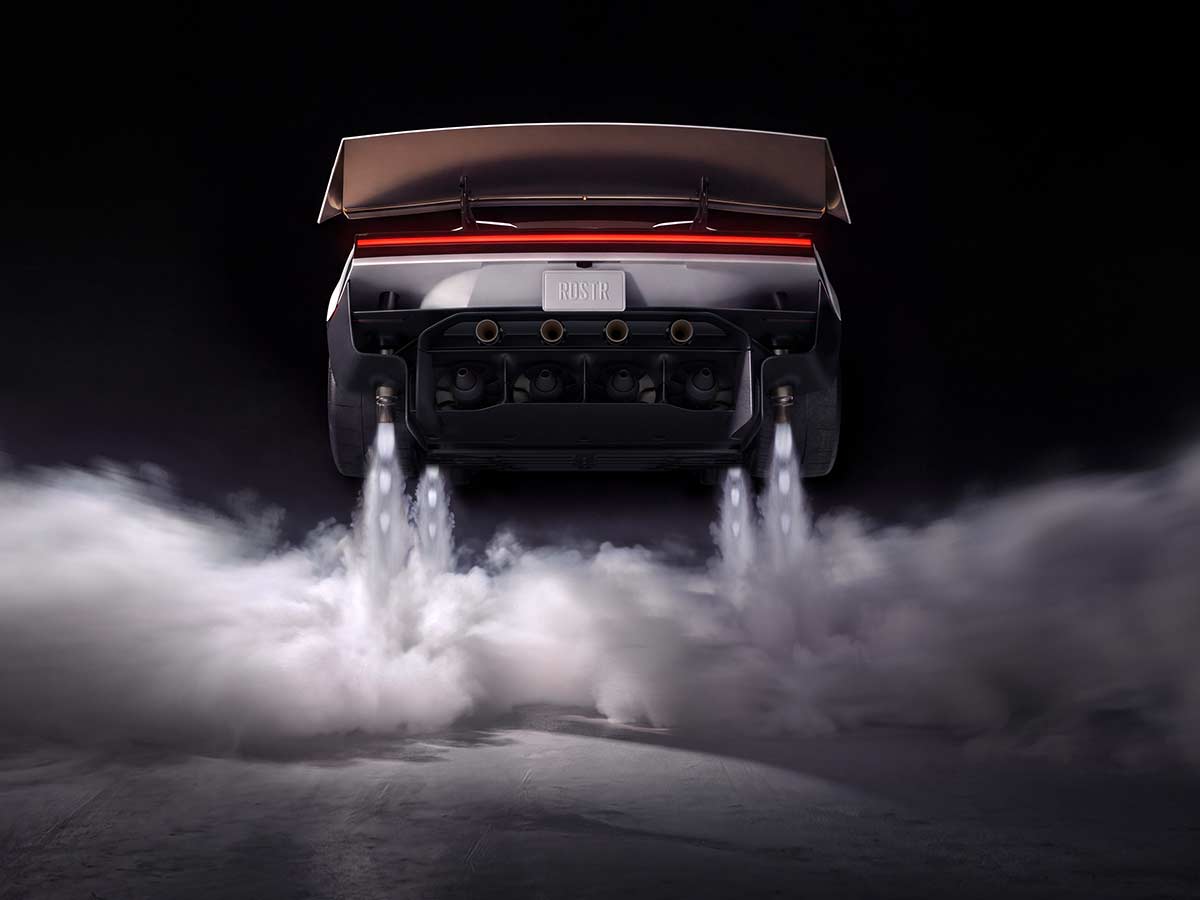
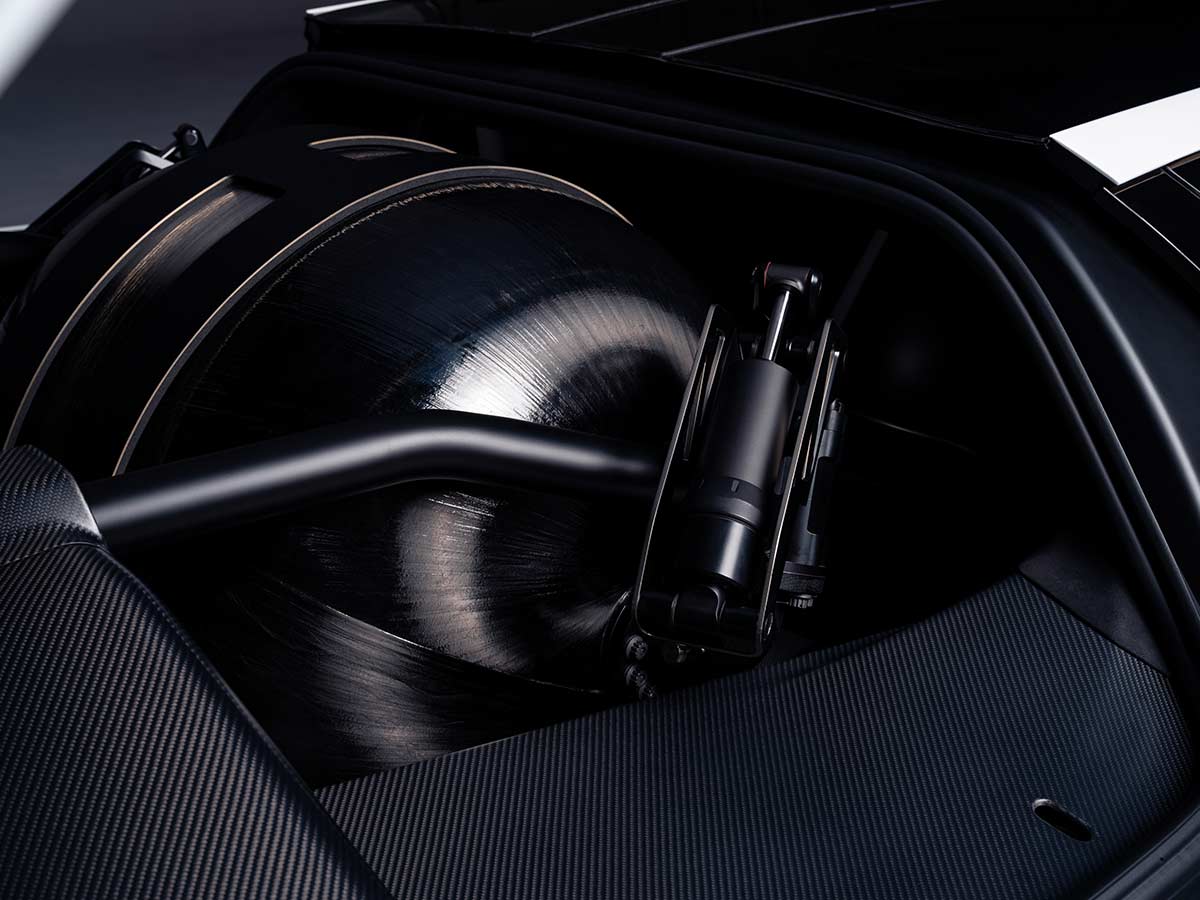
The “SpaceX Package” completely bypasses standard combustion. It relies on a central, ultra-high-strength 600-litre carbon-fibre overwrapped pressure vessel (COPV) tucked where the rear seats used to be. This tank stores compressed air at a staggering 350 bar (approx. 5,076 psi)—nearly ten times the pressure of a commercial scuba tank. Digitally controlled composite manifolds trigger the release of air through 10 strategically placed perimeter cold-gas thrusters at supersonic speeds, generating instantaneous, multi-directional kinetic force.
The Math Behind a Sub-0.8-Second 0–60 mph Sprint
Standard high-performance rubber tyres peak at a coefficient of friction (μ) around 1.5 to 1.7, which mechanically limits pure wheel-driven acceleration to roughly 1 G (a 0–60 mph time of ~2.0 seconds). Tesla breaks this friction circle in two ways:
- Underbody Suction System: Ground-effect suction fans actively vacuum the car to the tarmac, generating artificial downforce without a massive drag-inducing rear wing. This system even allows the vehicle to vacuum itself to vertical or inverted surfaces.
- Horizontal Vectoring: Rear cold-gas thrusters fire straight backward, introducing pure, non-wheel-reliant propulsion. Stacking rocket force directly on top of maximum mechanical tyre traction breaks the traditional physics barrier, delivering acceleration previously reserved for NHRA Top Fuel dragsters.
Trims & Specifications: Three Flavours of Insanity
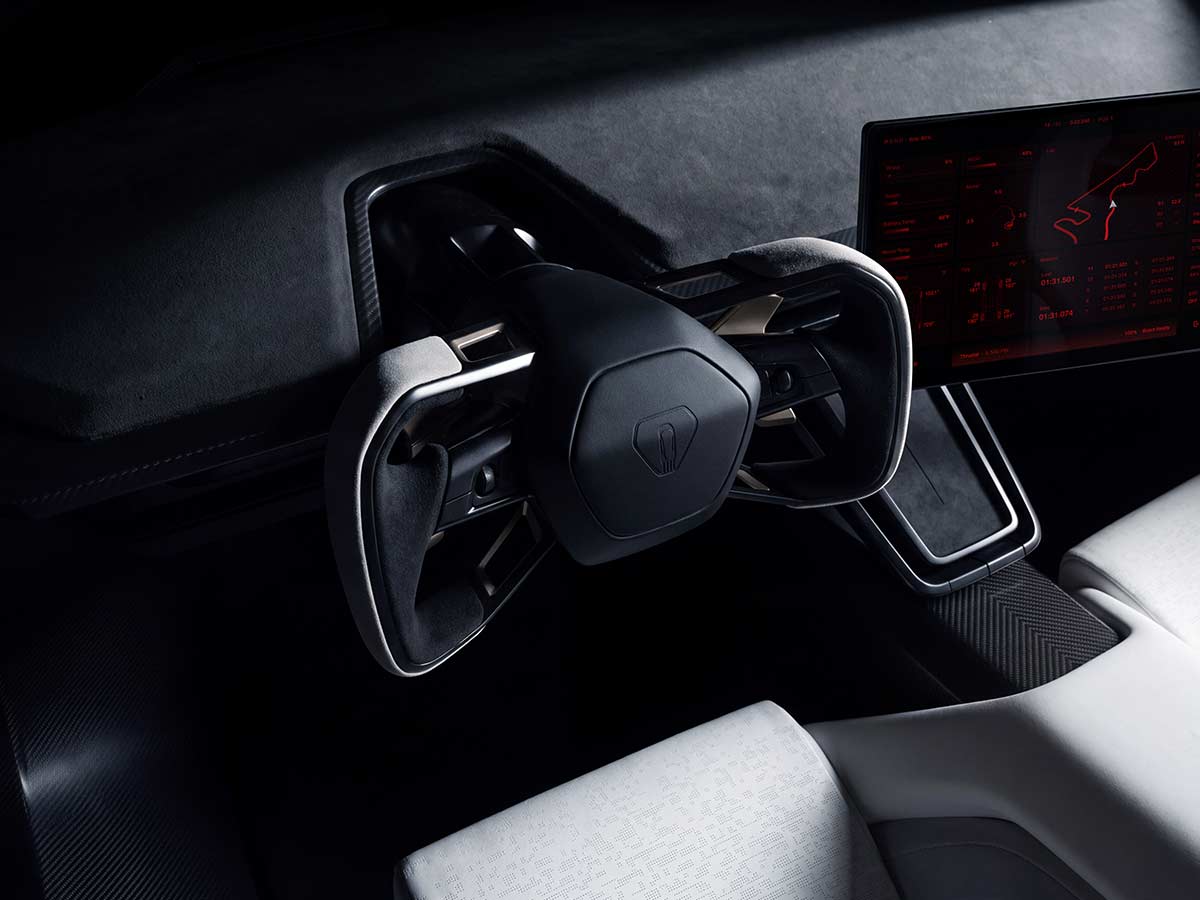
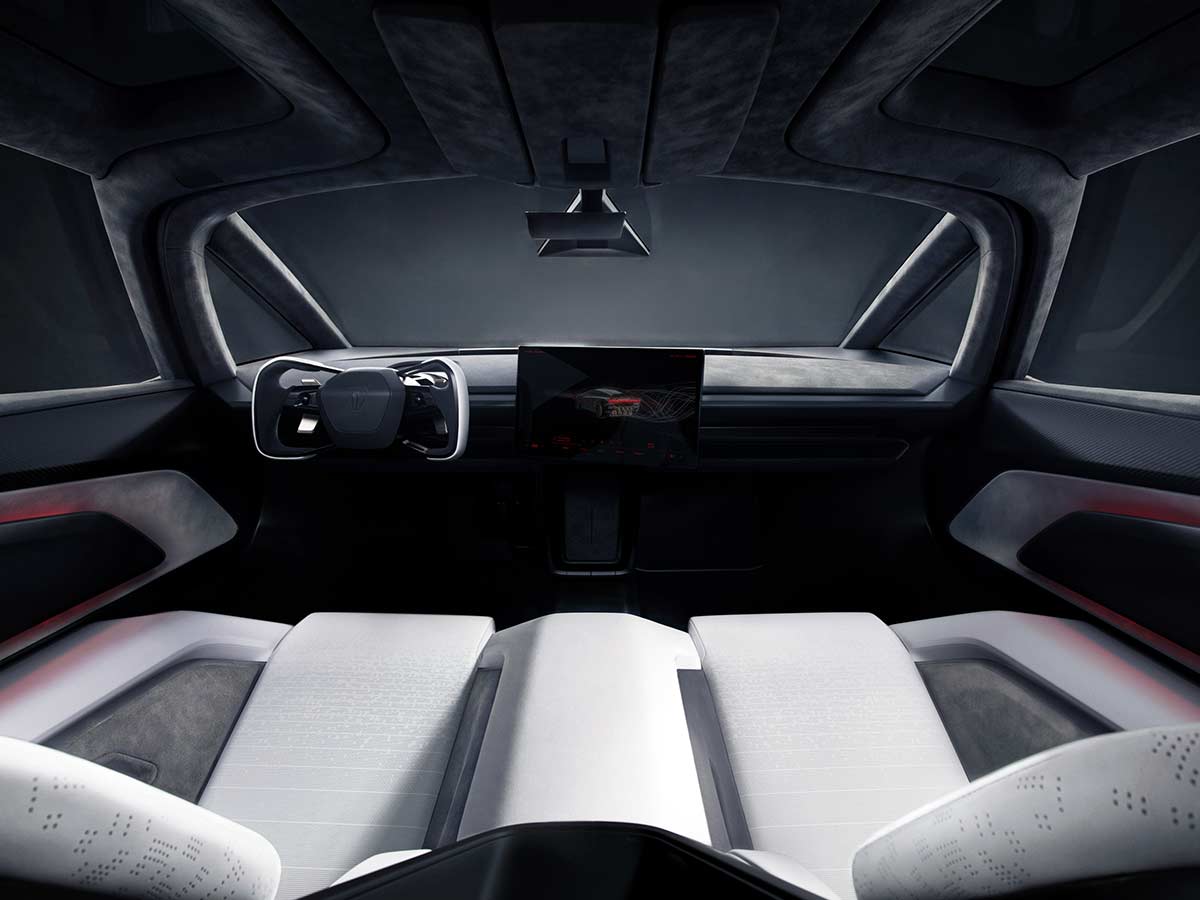
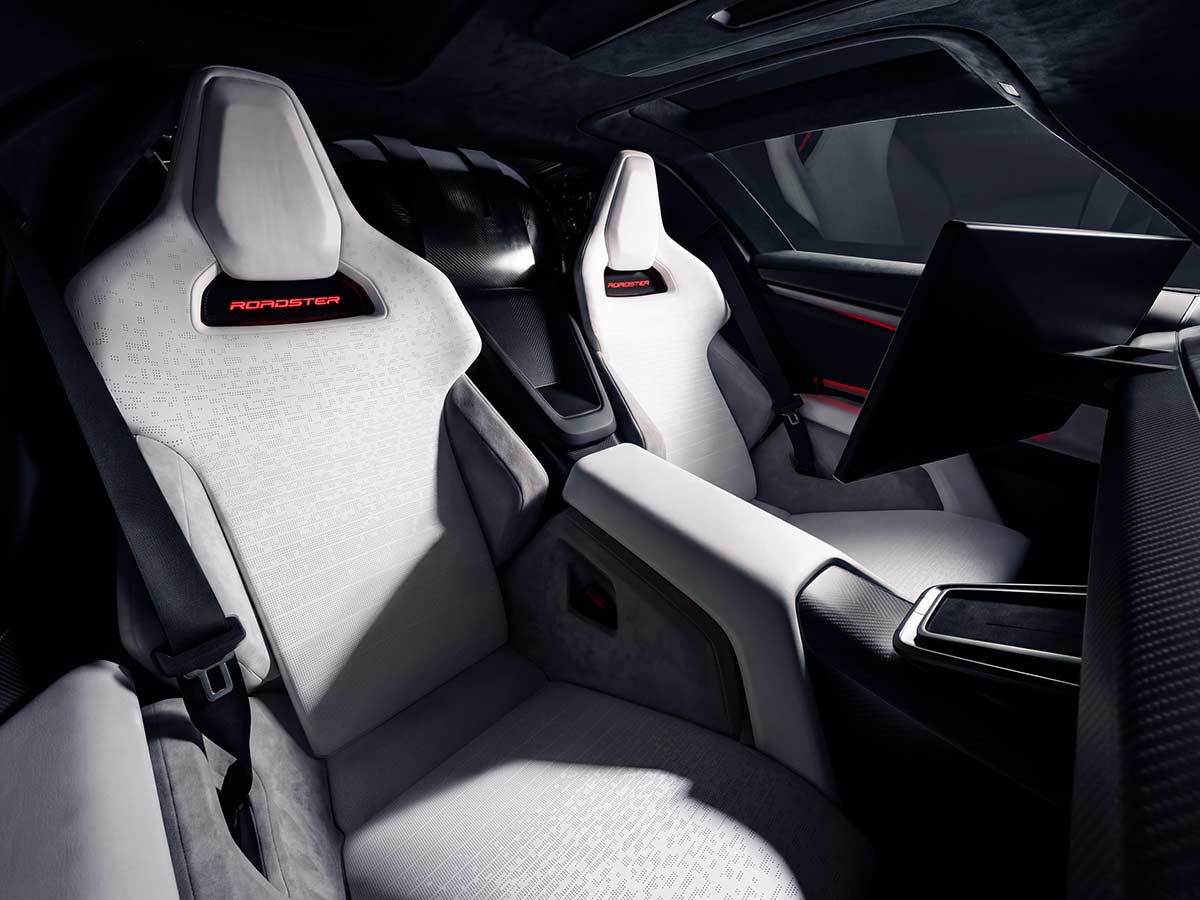
Tesla has officially ditched the original 2+2 targa layout for a strict, performance-focused two-seat configuration (or a single seat in its extreme trim). The interior is a stark, microsuede-lined shell featuring a digital yoke steering wheel, a 48-volt electrical architecture, and a megawatt-class high-voltage powertrain.
| Trim Level | Seating | Key Propulsion & Tech | Acceleration (0–60 mph) | Public Road Legality |
| Performance | 2 Seats | Active Aero, Ground-Effect Suction Fans | ~1.6 seconds (~0–100 km/h) | Street Legal (Planned) |
| Thrust | 2 Seats | Rear Cold-Gas Thrusters + Suction | Under 1.0 second | Street Legal (Planned) |
| Rocket | 1 Seat | 10 Perimeter Thrusters, Aerial Control | Sub-0.8 seconds | Not Approved for Public Roads |
Underlying Engineering
- Control Systems: Digital by-wire braking, steer-by-wire, and digital throttle control.
- Handling: Individual corner actuation via carbon-ceramic brakes combined with sophisticated torque vectoring.
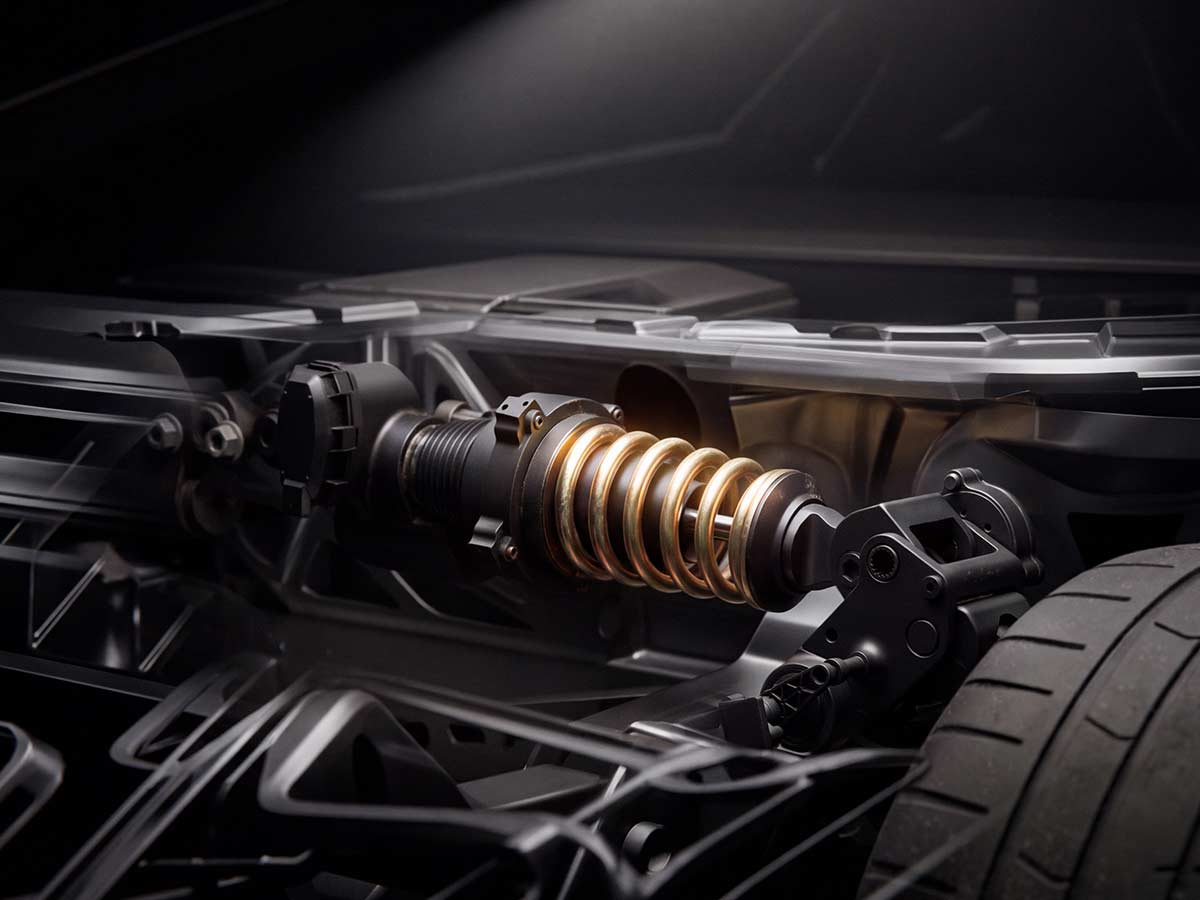
- Suspension: Height-adjustable spool-valve dampers capable of dropping the car up to 40mm in Track Mode while tripling suspension stiffness to handle extreme G-forces.
- Charging & Range: Estimated range over 300 miles (480+ km), backed by a cell architecture capable of charging 10–80% in 10–12 minutes on ultra-fast chargers.
The Regulatory Reality Check
Despite the spectacle of a car jumping over traffic, real-world execution faces severe legal and regulatory barriers:
- FAA vs. NHTSA Dilemma: Vehicles leaving the ground cross the line between NHTSA crash-test mandates and FAA airworthiness directives.
- Public Safety Restrictions: Pedestrian safety laws and noise ordinances do not easily permit 350-bar cold-gas thrusters firing at street level.
- Road Approval: The single-seat Rocket trim (which deletes the passenger seat to fit gas manifolds and high-pressure valves) is explicitly designated as an invite-only model not approved for public roads. Commercial buyers will likely receive street-legal Performance or Thrust variants that use downforce technology to lock onto the tarmac rather than take flight.
Verdict: A Halo Car in an Autonomous Era
The new Roadster is a dazzling display of engineering showmanship and a reminder that Tesla can build visceral, driver-centric machines even as its core business shifts toward driverless robotaxis.
With customer production officially pushed out to 2028, early deposit holders face a wait to see if these physics claims reach production. Reservations are open globally via the Tesla portal (with standard regional pricing structures, such as a $50,000 reservation fee in the US market), offering buyers a ticket to the most ambitious, legally grey automotive project of the decade.
Ambitious, legally grey, and absurd, the second-generation Roadster rewrites what is expected from a modern concept reveal.
Source: Tesla