

















GM’s latest HUMMER concept isn’t just another design study. It’s a glimpse into the future of electric off-roading, modular vehicle architecture, sustainable manufacturing, and connected outdoor exploration.
The automotive industry has no shortage of concept vehicles. Every year, manufacturers unveil futuristic machines filled with ambitious ideas that rarely survive the transition from auto show stage to production line. Yet every so often, a concept arrives that feels different – not because it previews a specific vehicle, but because it previews an entirely new way of thinking.
That is exactly what General Motors has attempted with the GMC HUMMER X.
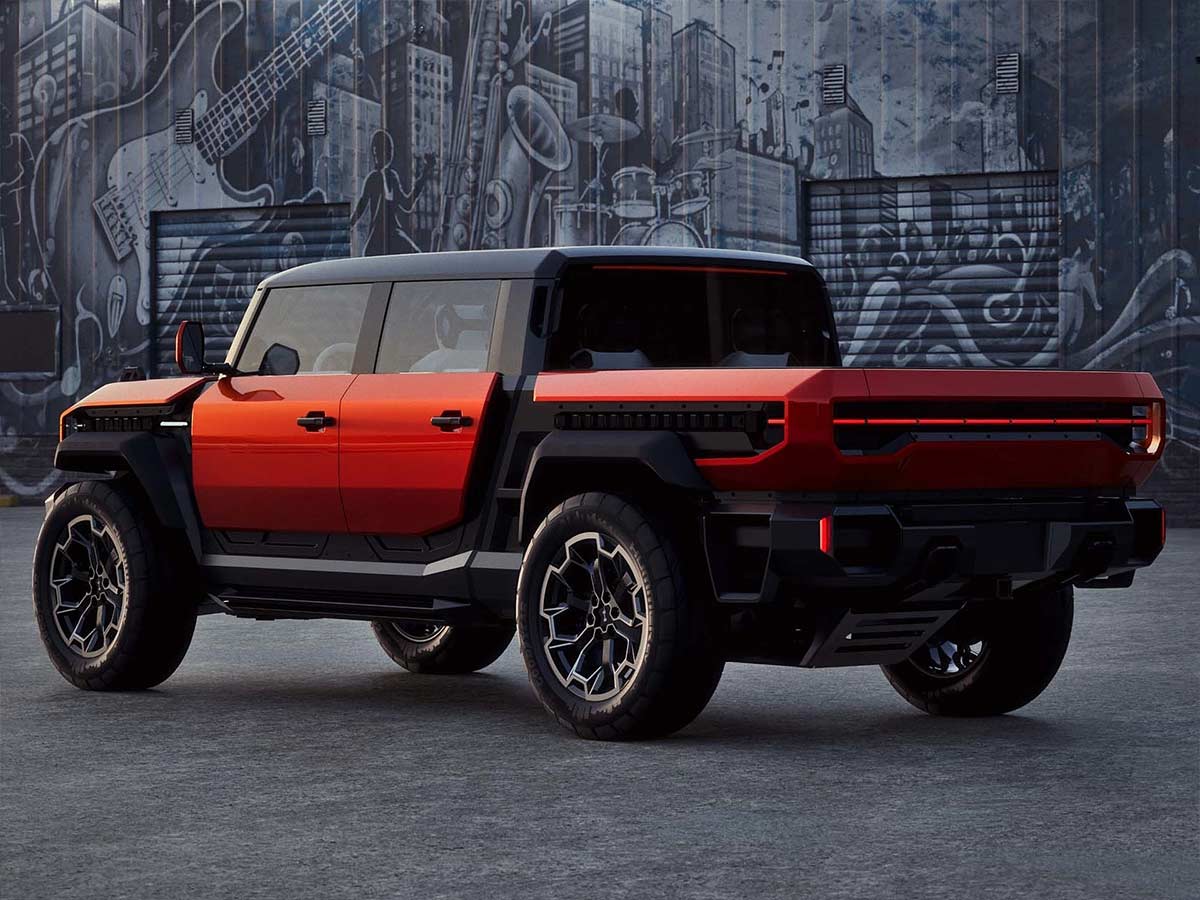
Unveiled alongside the opening of GM’s new Advanced Design Pasadena facility in California, the HUMMER X pickup and SUV concepts are far more than styling exercises. They represent a bold exploration of what future electric adventure vehicles could become when technology, sustainability, modularity, and community-driven experiences are developed as a single ecosystem rather than separate features.
>>> Great Discounts on Car & Bike Accessories <<<
A Smaller HUMMER With Bigger Ideas
The first surprise about the HUMMER X is its size.
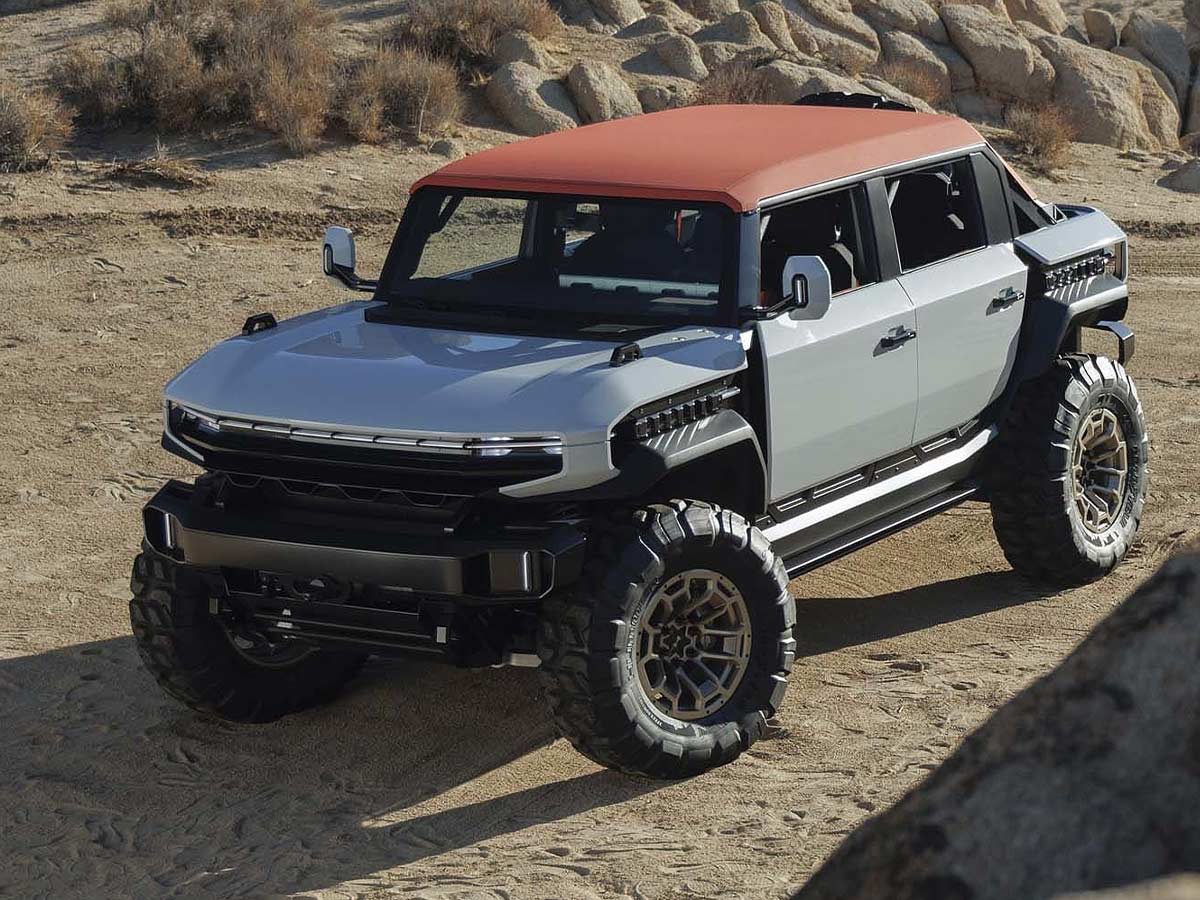
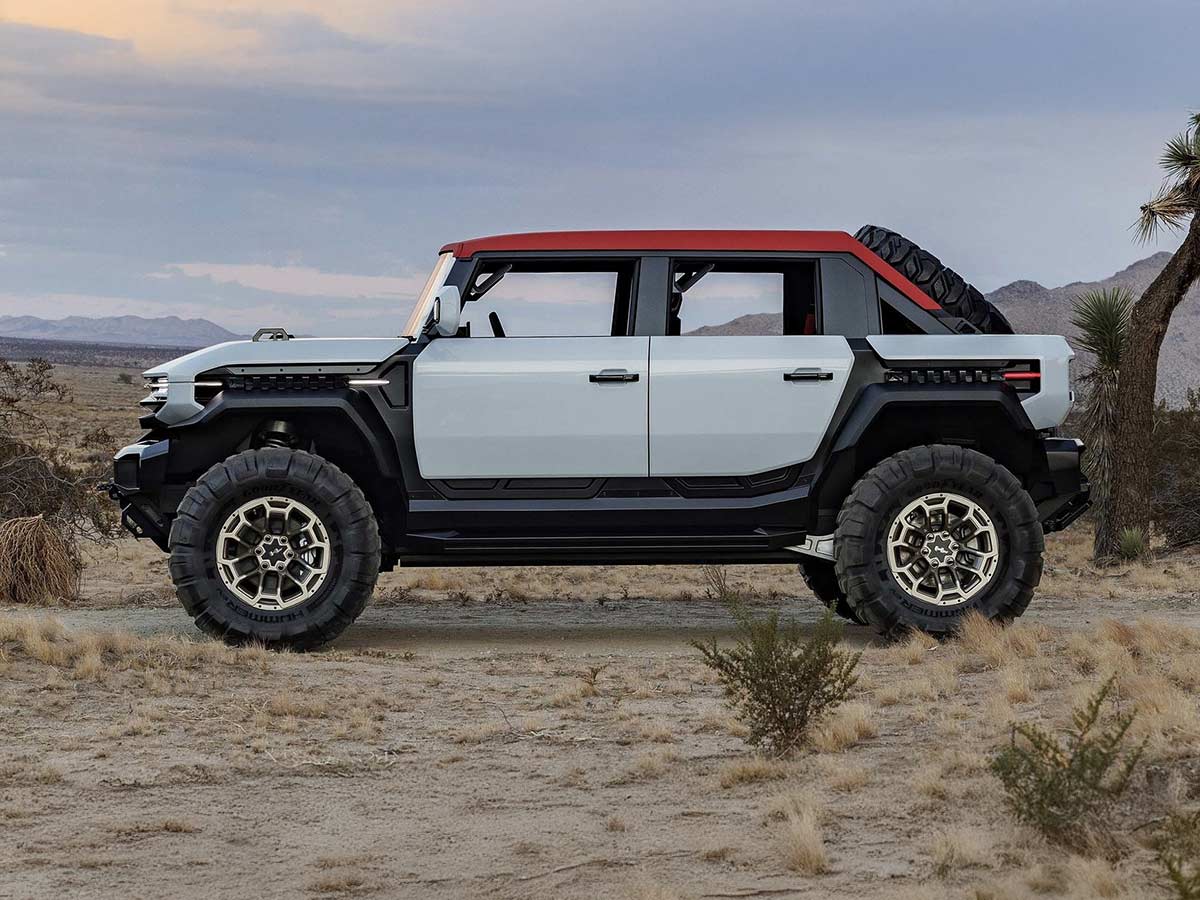
Unlike today’s massive GMC HUMMER EV, the HUMMER X adopts a midsize footprint that immediately feels more practical for real-world exploration. The SUV rides on a 116-inch wheelbase and stretches approximately 188 inches long, while the truck extends to just over 207 inches with a 130.7-inch wheelbase.
This reduction in size is significant.
For years, off-road enthusiasts have debated whether modern trucks have become too large for many trails and outdoor destinations. The HUMMER X appears to answer that criticism directly, combining a more manageable footprint with the kind of hardcore capability traditionally associated with purpose-built rock crawlers.
The result is a vehicle that feels simultaneously futuristic and refreshingly focused.
Rather than chasing luxury or excess, the HUMMER X appears designed around one core mission: helping drivers explore places beyond the pavement.
Built Around Four Core Principles
According to GM’s design team, the HUMMER X was developed around four foundational pillars:
- Reconfigurability
- Capability
- Community
- Sustainability
These pillars are not marketing buzzwords. They influence virtually every aspect of the concept’s architecture and user experience.
The most important of these may be reconfigurability.
Modern vehicles are largely fixed products. Owners can personalize them with accessories, but the fundamental structure remains unchanged throughout their lifespan.
The HUMMER X challenges that assumption.
GM envisions a vehicle platform that can continuously evolve, allowing owners to modify, adapt, and reconfigure their vehicles as needs change. This philosophy aligns closely with enthusiast culture, where personalization and customization have long been central parts of the ownership experience.
FLEX FAB Could Revolutionize Vehicle Manufacturing
Perhaps the most groundbreaking aspect of the HUMMER X has nothing to do with batteries, motors, or off-road hardware.
Instead, it is a manufacturing process called FLEX FAB.
GM describes FLEX FAB as a production method that functions similarly to 3D printing for metal components. Unlike traditional manufacturing, which depends on expensive stamping tools and lengthy development cycles, FLEX FAB enables rapid, small-batch, on-demand production while allowing multiple designs to be created using the same equipment. Approximately 57 percent of the HUMMER X concept incorporates this manufacturing approach.
The implications are enormous.
For decades, vehicle design has been constrained by manufacturing economics. If a part could not be produced efficiently at scale, it rarely made it beyond the concept stage.
FLEX FAB could fundamentally change that equation.
Smaller production runs, specialized configurations, and continuously evolving vehicle designs could become economically viable. Manufacturers could respond faster to customer demands, while owners might gain access to unprecedented levels of customization.
The visual impact of FLEX FAB is equally important.
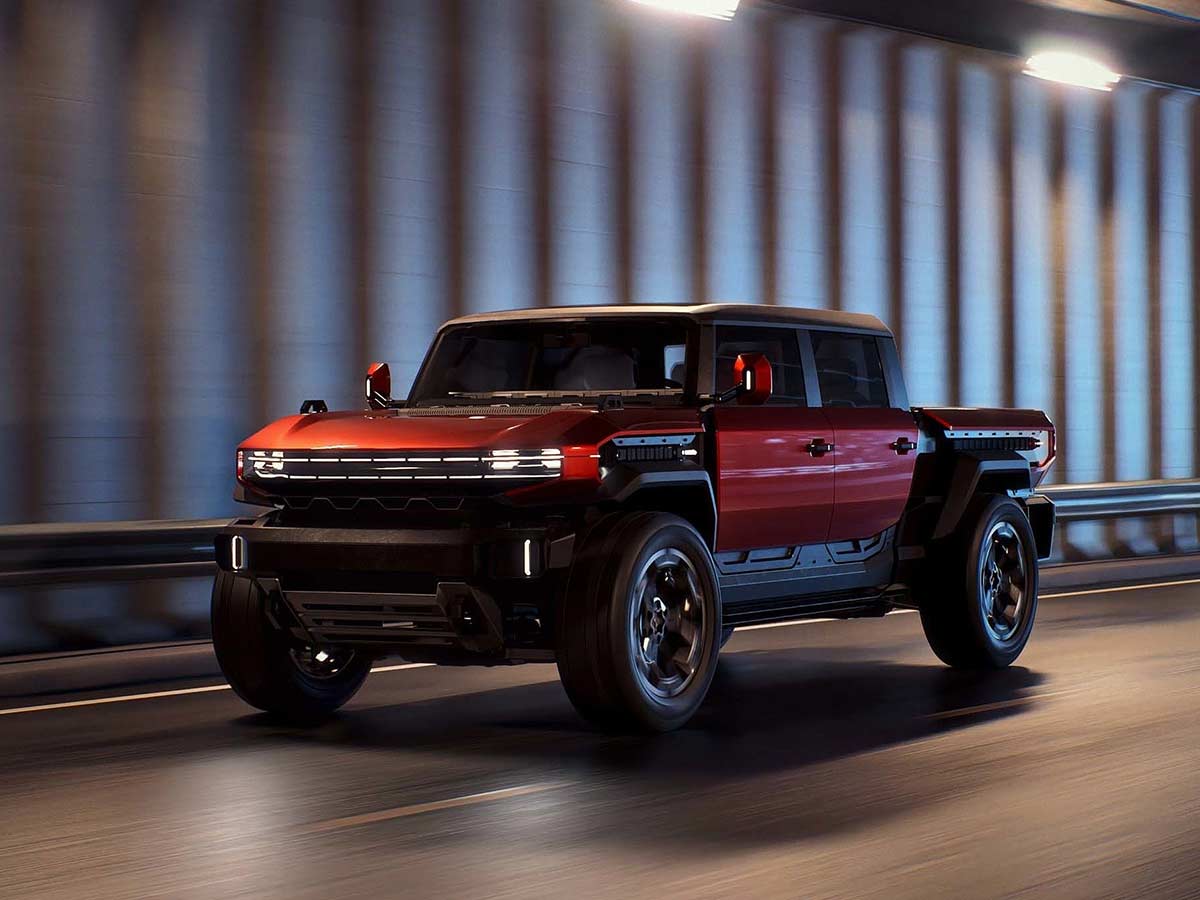
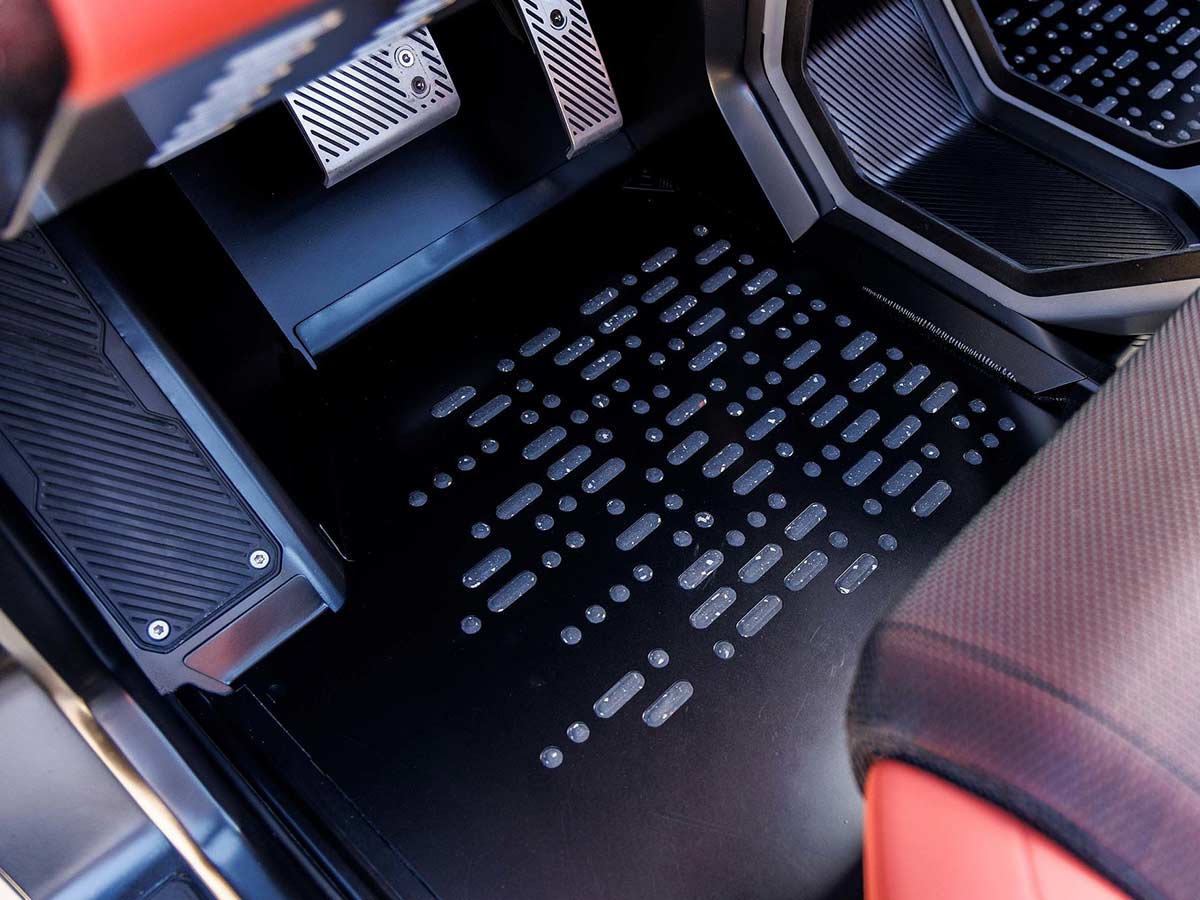
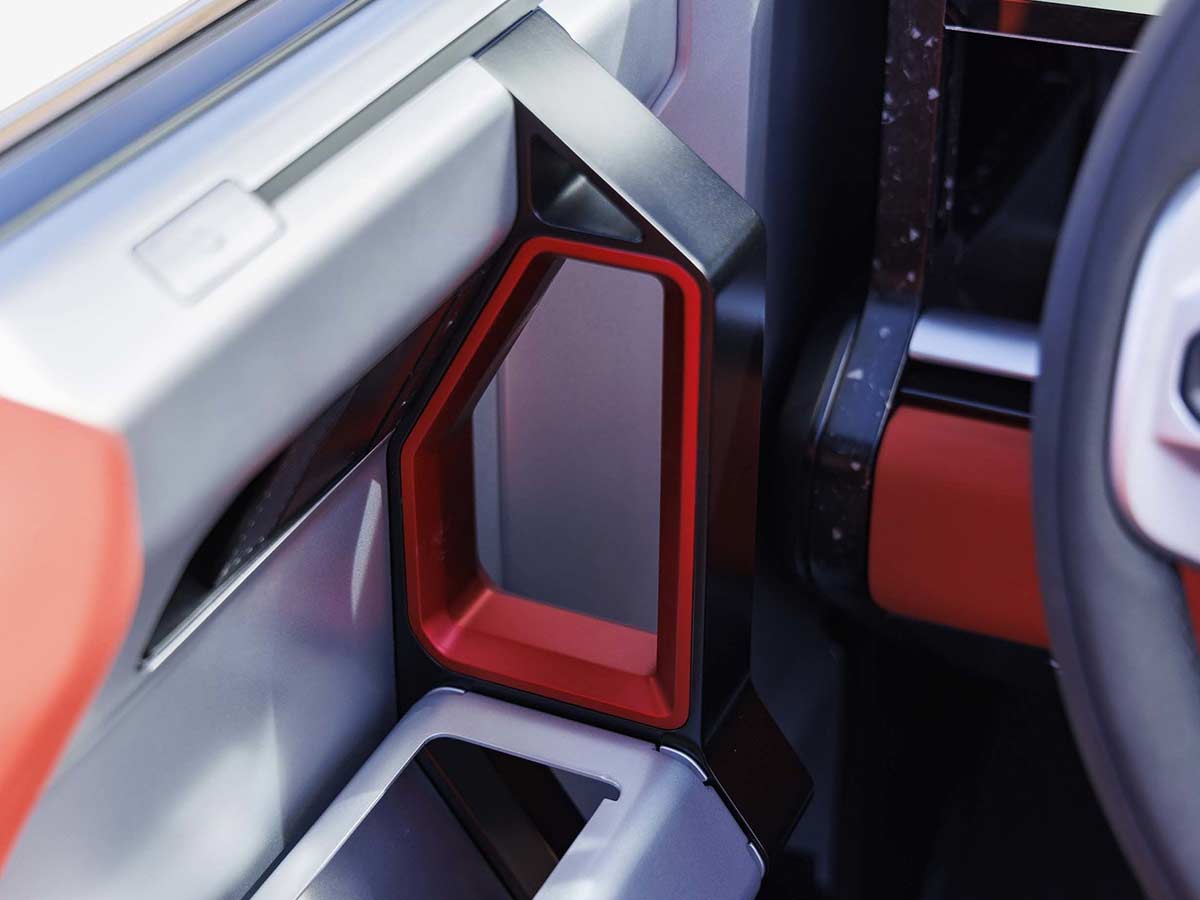
It enables the HUMMER X’s distinctive appearance, characterized by clean surfaces, exposed precision fasteners, laser-welded seams, and a rugged industrial aesthetic that feels honest rather than ornamental.
Serious Off-Road Hardware
Beneath the futuristic design language lies a vehicle engineered for genuine off-road performance.
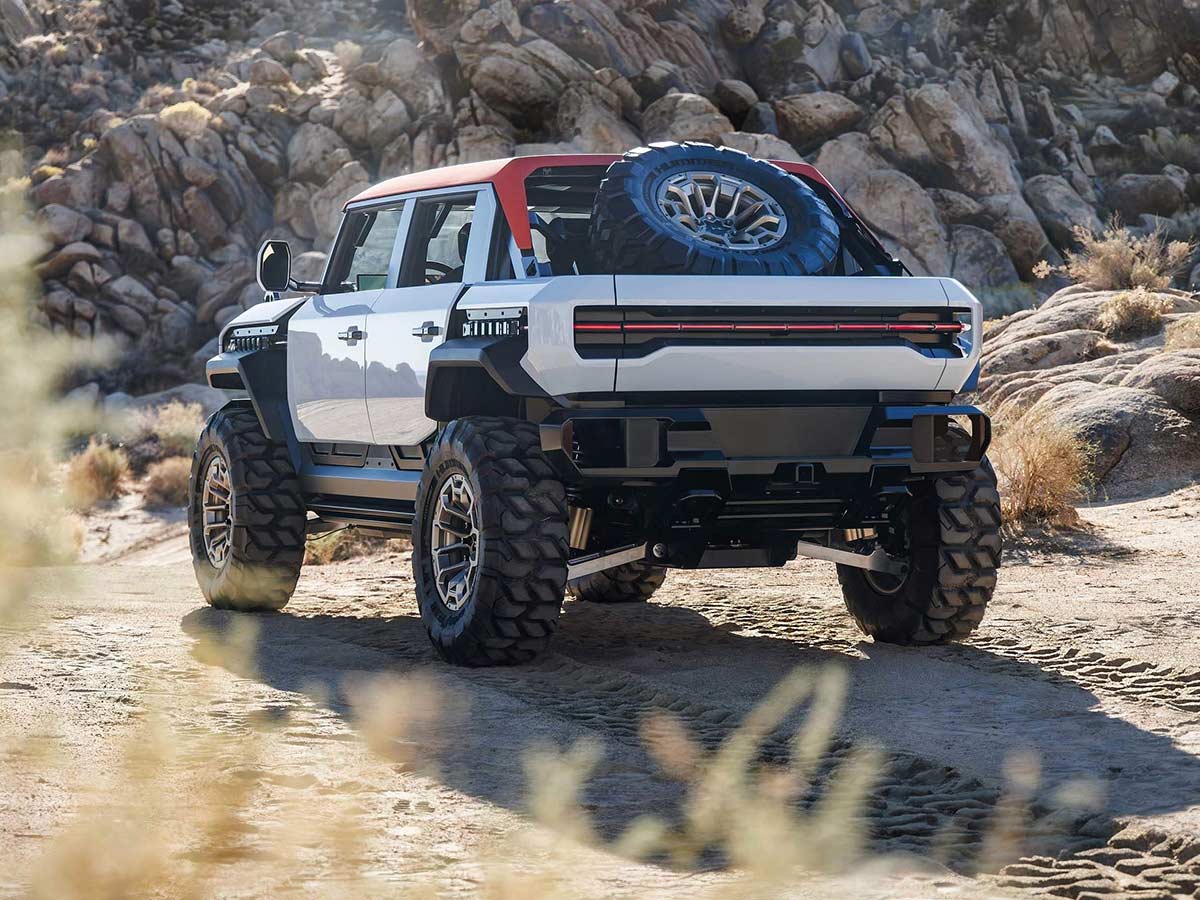
GM describes the HUMMER X as a capable rock crawler, and the specifications support that claim.
The SUV concept boasts:
- 13.2 inches of ground clearance
- 44-degree approach angle
- 46-degree departure angle
- 30.9-degree breakover angle
- 37-inch off-road tires
The truck version delivers:
- 12.5 inches of ground clearance
- 41.5-degree approach angle
- 29.7-degree departure angle
- 24.9-degree breakover angle
- 35-inch tires
Both concepts feature beadlock wheels, removable fender flares, advanced suspension components from Multimatic, and extensive underbody protection.
Combined with the inherent advantages of electric propulsion, including instantaneous torque delivery and a low center of gravity, the HUMMER X presents a compelling vision of the future electric trail vehicle.
Rather than mimicking traditional off-roaders, it reimagines them.
The Rise of the Connected Adventure Vehicle
One of the most fascinating aspects of the HUMMER X is how it expands the definition of what an off-road vehicle can be.
Historically, capability was measured by mechanical specifications alone.
- Ground clearance.
- Suspension travel.
- Locking differentials.
- Tire size.
The HUMMER X introduces a new dimension: digital exploration.
At the center of this vision is the HUMMER HUB, a connected ecosystem designed to enhance the adventure experience before, during, and after every journey. The system is envisioned as a suite of applications that link drivers, vehicles, routes, and communities into a single platform.
The standout feature is a trail-scouting drone.
According to GM’s concept, the drone can fly ahead of the vehicle, analyze terrain conditions, transmit real-time data back to the driver, and autonomously return to its docking station when its mission is complete.
While clearly futuristic, the idea addresses a genuine challenge faced by off-road enthusiasts: uncertainty.
Knowing what lies beyond the next obstacle could improve safety, route planning, and confidence in remote environments.
Sustainability Without Compromise
Unlike many sustainability initiatives that focus solely on powertrains, the HUMMER X examines the entire vehicle lifecycle.
Every material choice appears intended to support circular manufacturing principles.
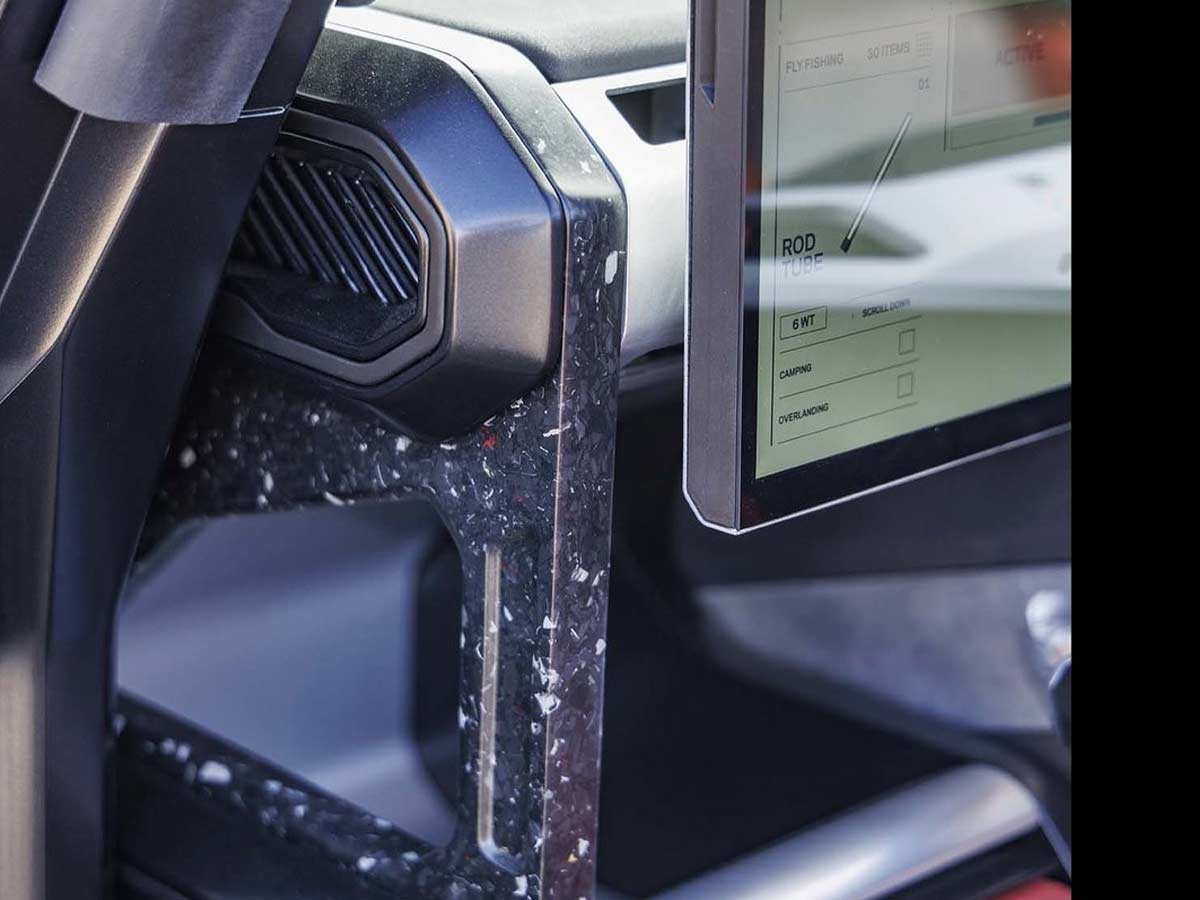
The concept explores mono-material construction, replacing traditional adhesives with mechanical fasteners and snap-fit connections wherever possible. Components are designed for easier disassembly, repair, replacement, and eventual recycling. Seatbacks, headrest structures, and portions of the instrument panel are created using recycled automotive materials.
This approach reflects a growing shift within the automotive industry.
Future sustainability may depend as much on how vehicles are built and recycled as on how they are powered.
The HUMMER X suggests that environmentally conscious design does not require sacrificing capability, durability, or visual appeal.
A Digital Cockpit Designed Around the Driver
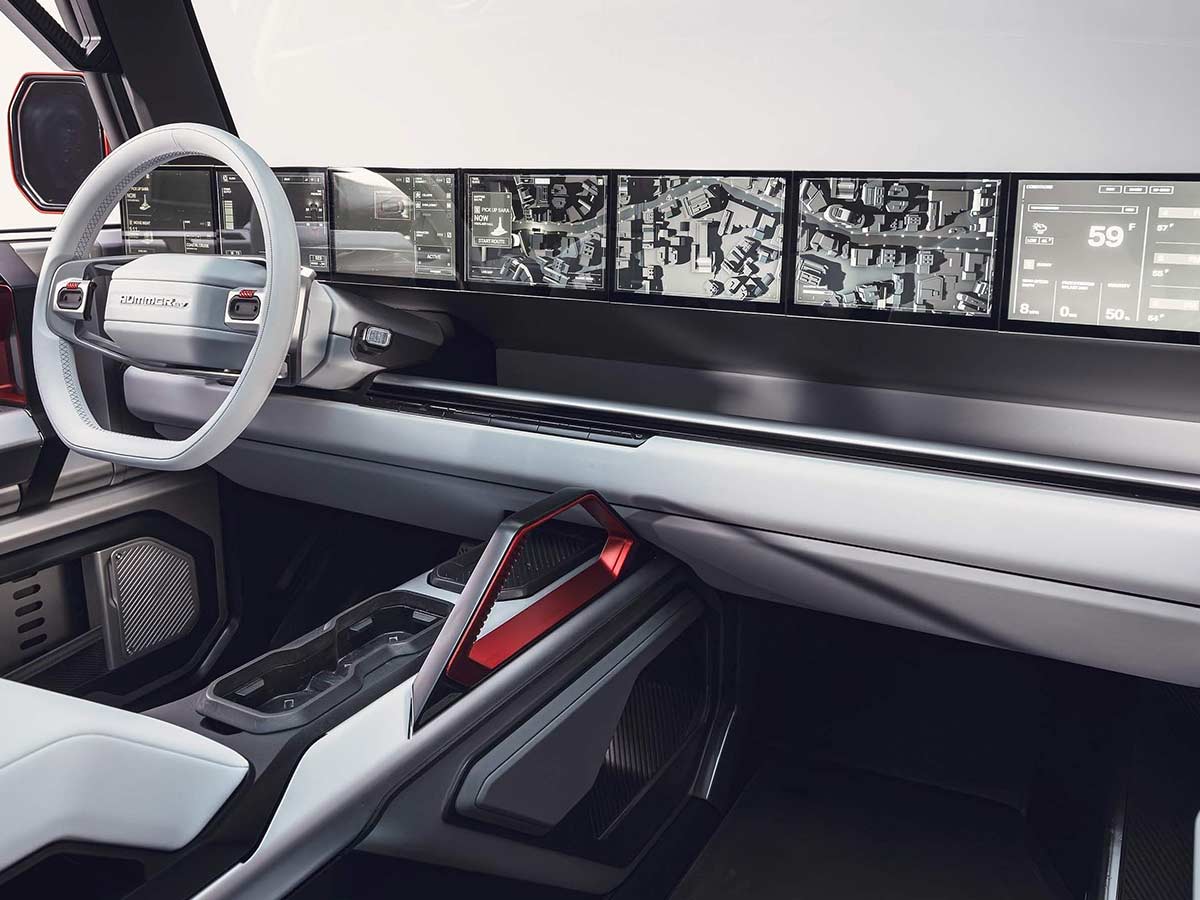
Inside, the HUMMER X continues its theme of adaptability.
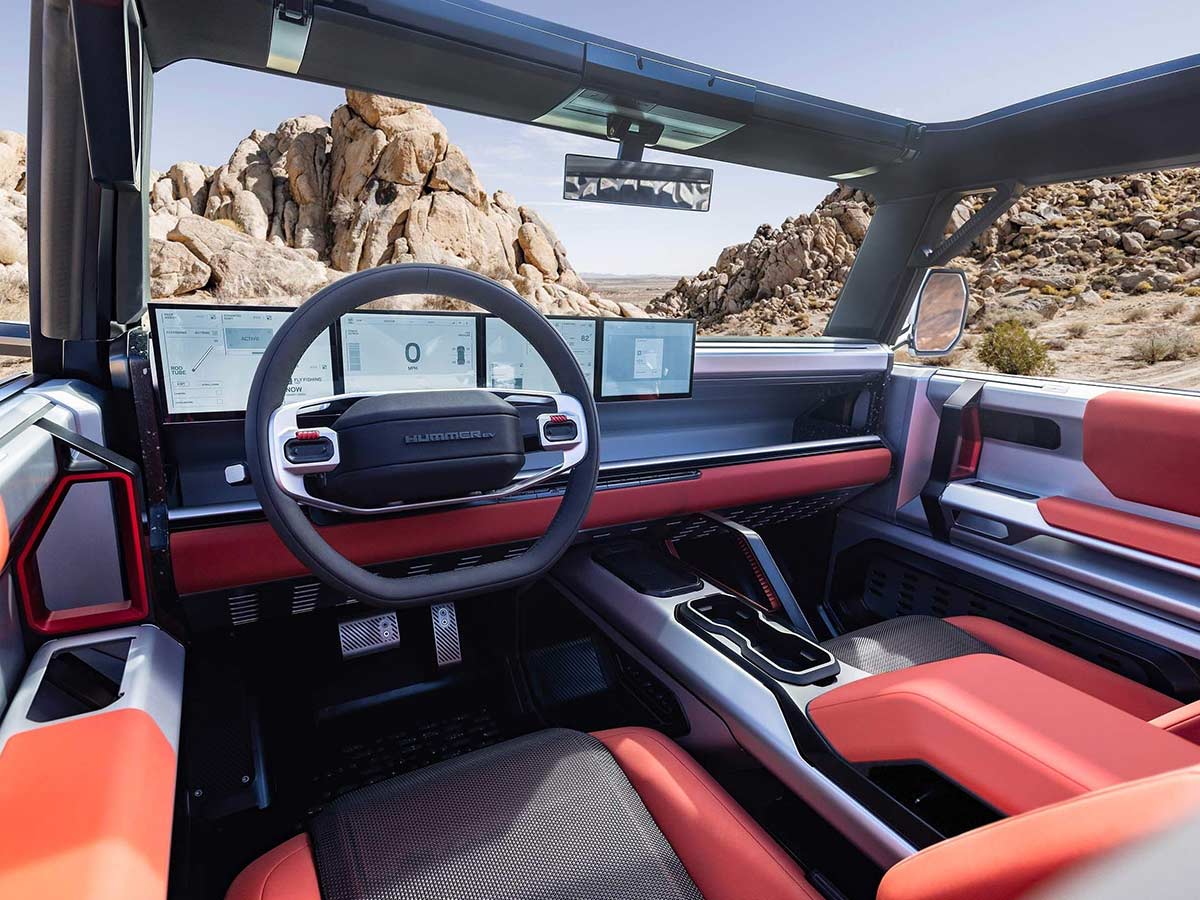
Rather than locking drivers into a single interface, the concept features stackable digital displays that can be configured based on specific driving scenarios. Whether navigating technical rock trails, exploring backcountry routes, or commuting on highways, the information architecture can evolve to match the task at hand.
This flexible approach mirrors broader trends in consumer technology, where personalization increasingly defines user experience.
The vehicle becomes less of a static product and more of a platform.
Why the HUMMER X Matters
The most important question surrounding any concept vehicle is simple:
What does it tell us about the future?
In the case of the HUMMER X, the answer is surprisingly clear.
It points toward a future where electric off-road vehicles are smaller, more capable, more sustainable, and significantly more customizable than today’s offerings.
It suggests manufacturing systems that can evolve faster than traditional production methods.
It imagines vehicles connected not only to the internet but also to communities, ecosystems, and real-world exploration experiences.
And perhaps most importantly, it demonstrates that adventure remains a powerful force in automotive design.
While GM has stated that the HUMMER X is not intended for production, concept vehicles often serve as laboratories for future technologies. Features such as flexible manufacturing, modular construction, advanced sustainability practices, connected exploration tools, and adaptive user interfaces could eventually influence vehicles across GMC and the broader General Motors portfolio.
Also Read: GMC Hummer EV EarthCruiser will take you anywhere
The Pasadena Connection
The HUMMER X was revealed alongside the opening of General Motors’ new Advanced Design Pasadena campus, a 148,000-square-foot facility housing approximately 100 designers, fabricators, sculptors, and creative specialists. The studio will focus on conceptual design work intended to explore long-term mobility ideas and future customer experiences.
Yet the real story is not the building itself.
The real story is what emerged from it.
If the HUMMER X is any indication, GM’s California design team is focused on asking bigger questions than what the next vehicle should look like.
They are asking what vehicles should become.
And in an era defined by electrification, digital connectivity, and changing consumer expectations, that may be the most important question in the automotive industry today.
Source: GMC