







There are SUVs that follow trends, and there are SUVs that set them. The Mercedes-Benz GLE has always belonged firmly in the second camp — after all, its predecessor, the M-Class, more or less defined the premium SUV segment when it launched back in 1997. Nearly three decades later, Mercedes-Benz has overhauled the GLE from the ground up, and the result is one of the most comprehensively updated versions of this iconic nameplate in recent memory.
With roughly 3,000 new or revised components, a completely fresh engine lineup, a supercomputer running on artificial intelligence, and a suspension system that reads the road before you even reach it, the new GLE is a serious statement. This guide walks through every major update, from the redesigned front end to the plug-in hybrid powertrain and beyond — so you can decide whether this is the SUV worth waiting for in 2026.
>>> Great Discounts on Car & Bike Accessories <<<
What’s New on the Outside: Design Updates That Actually Matter
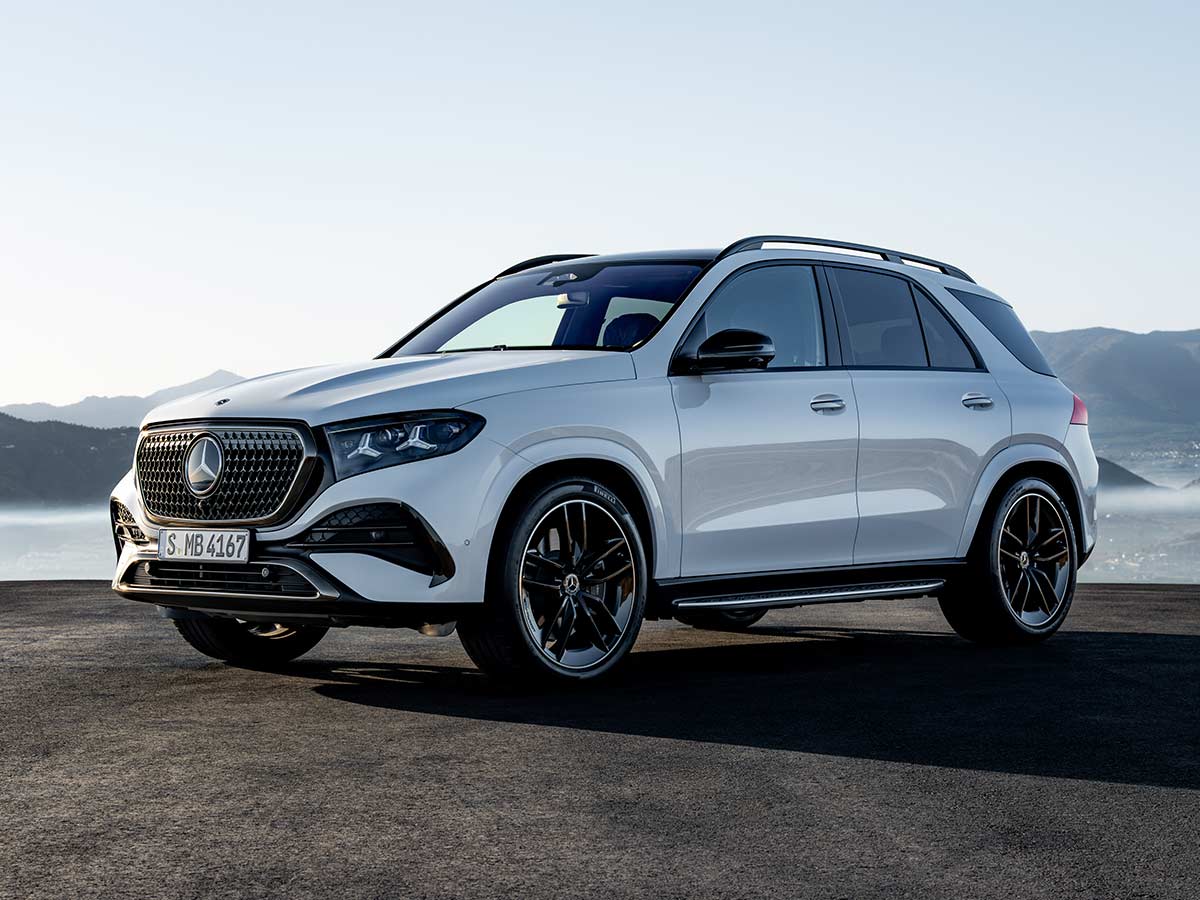
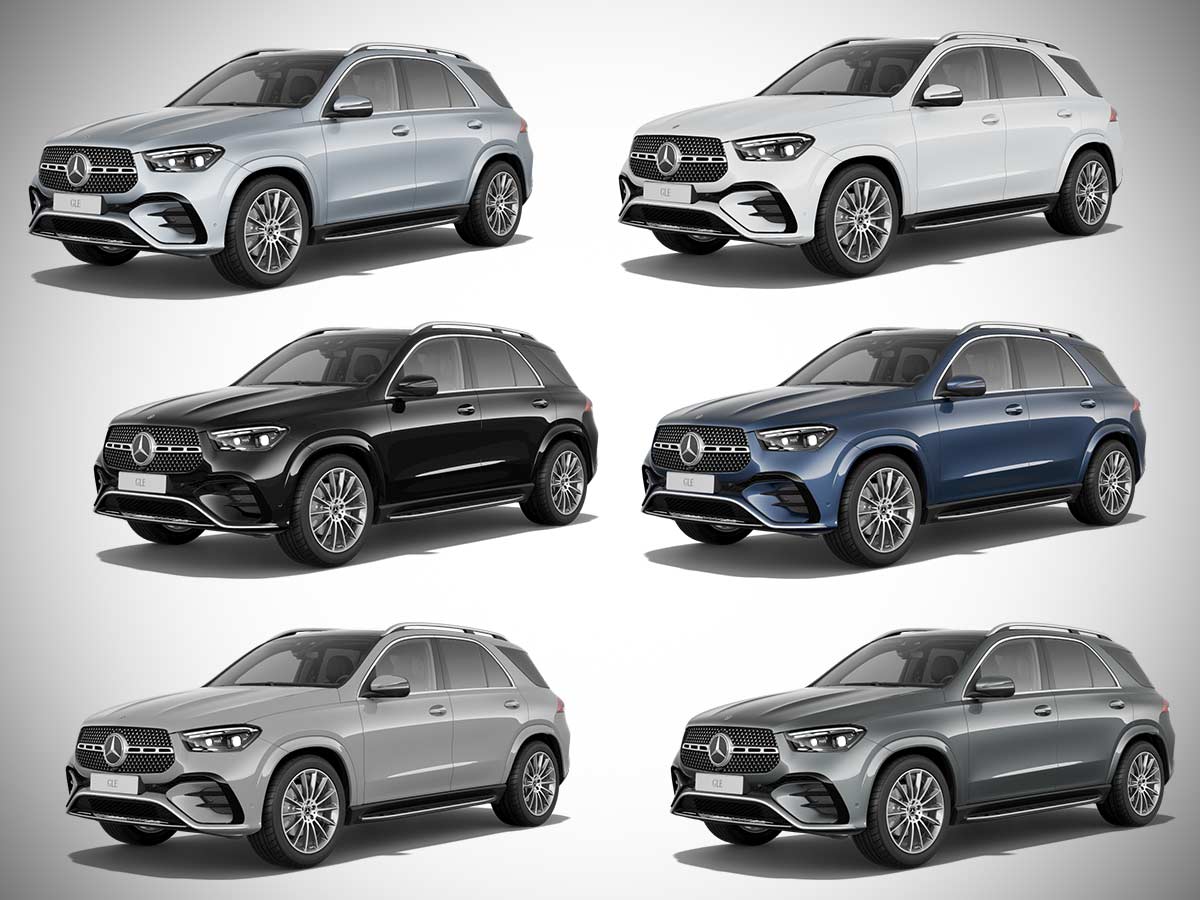
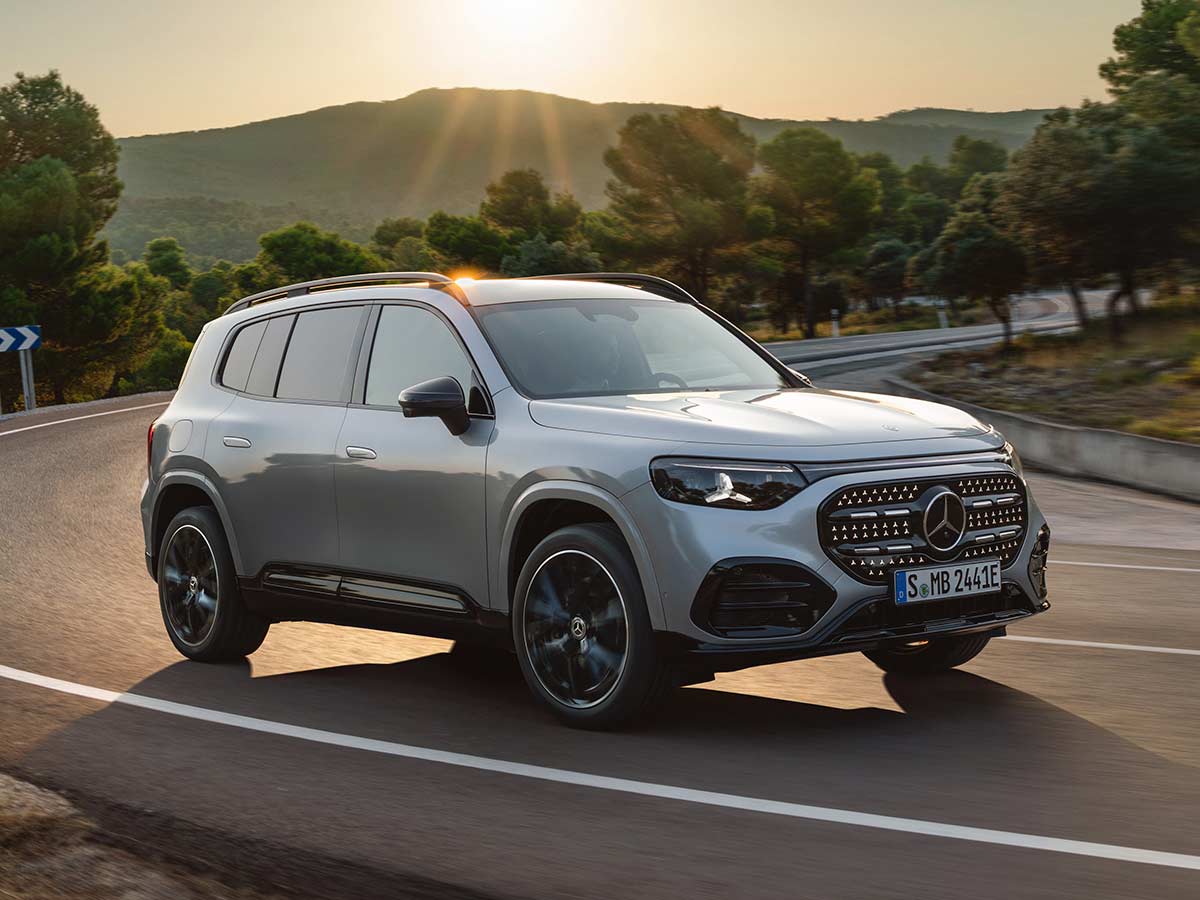
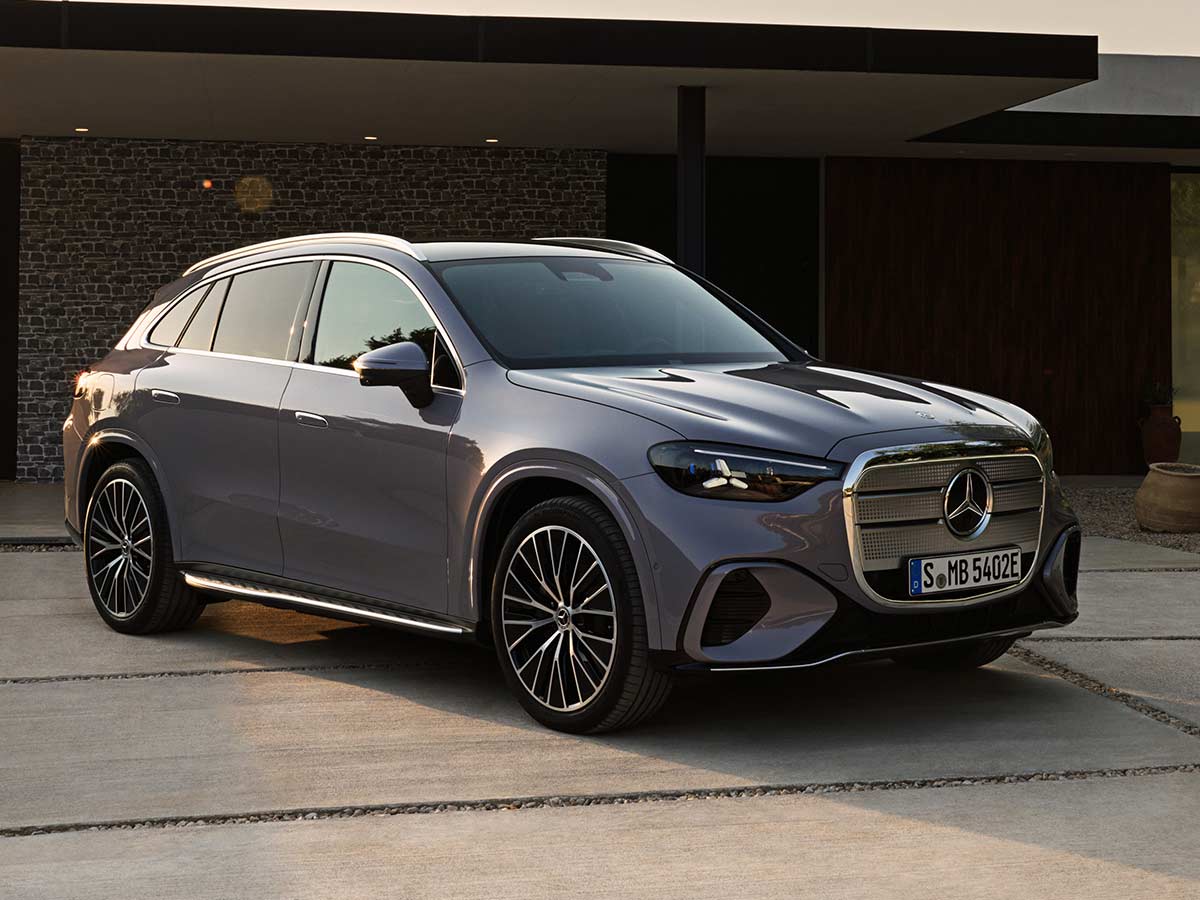
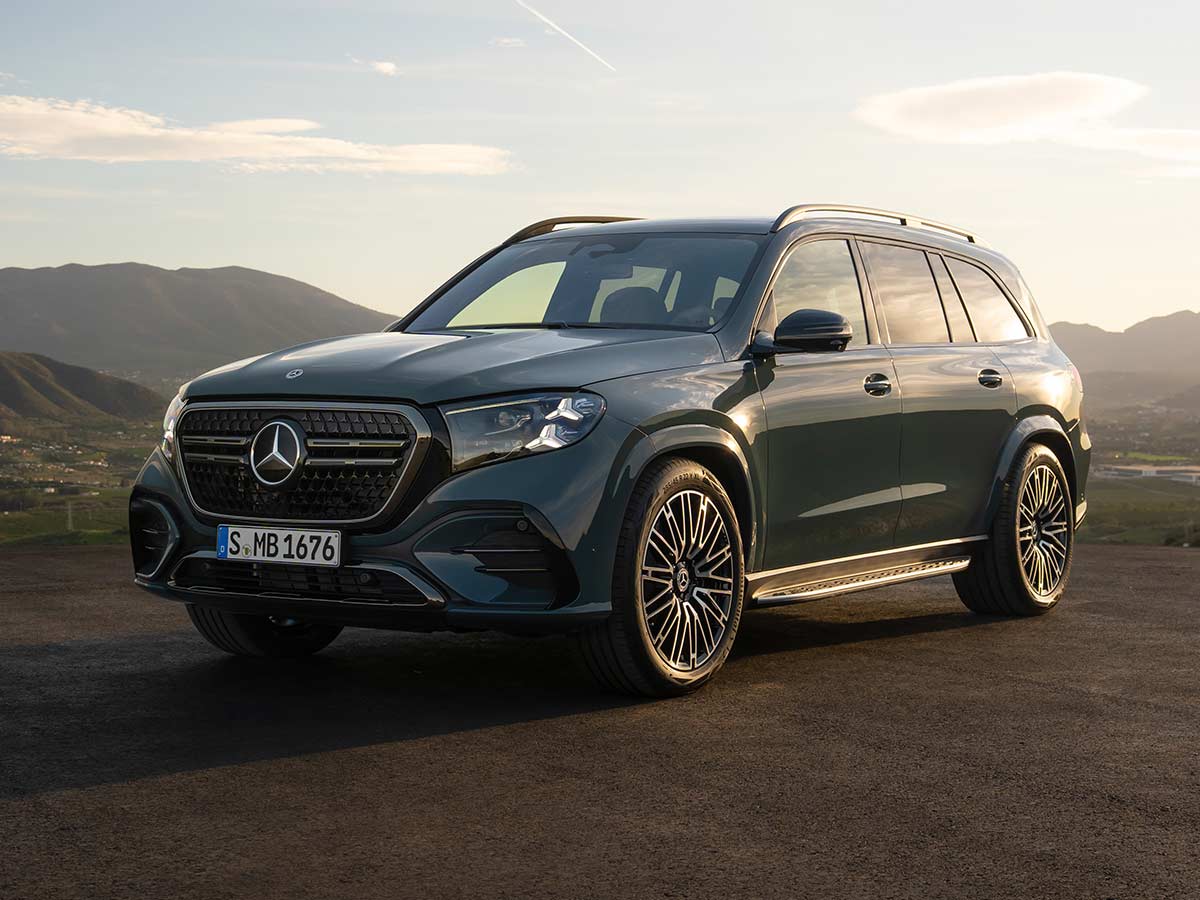
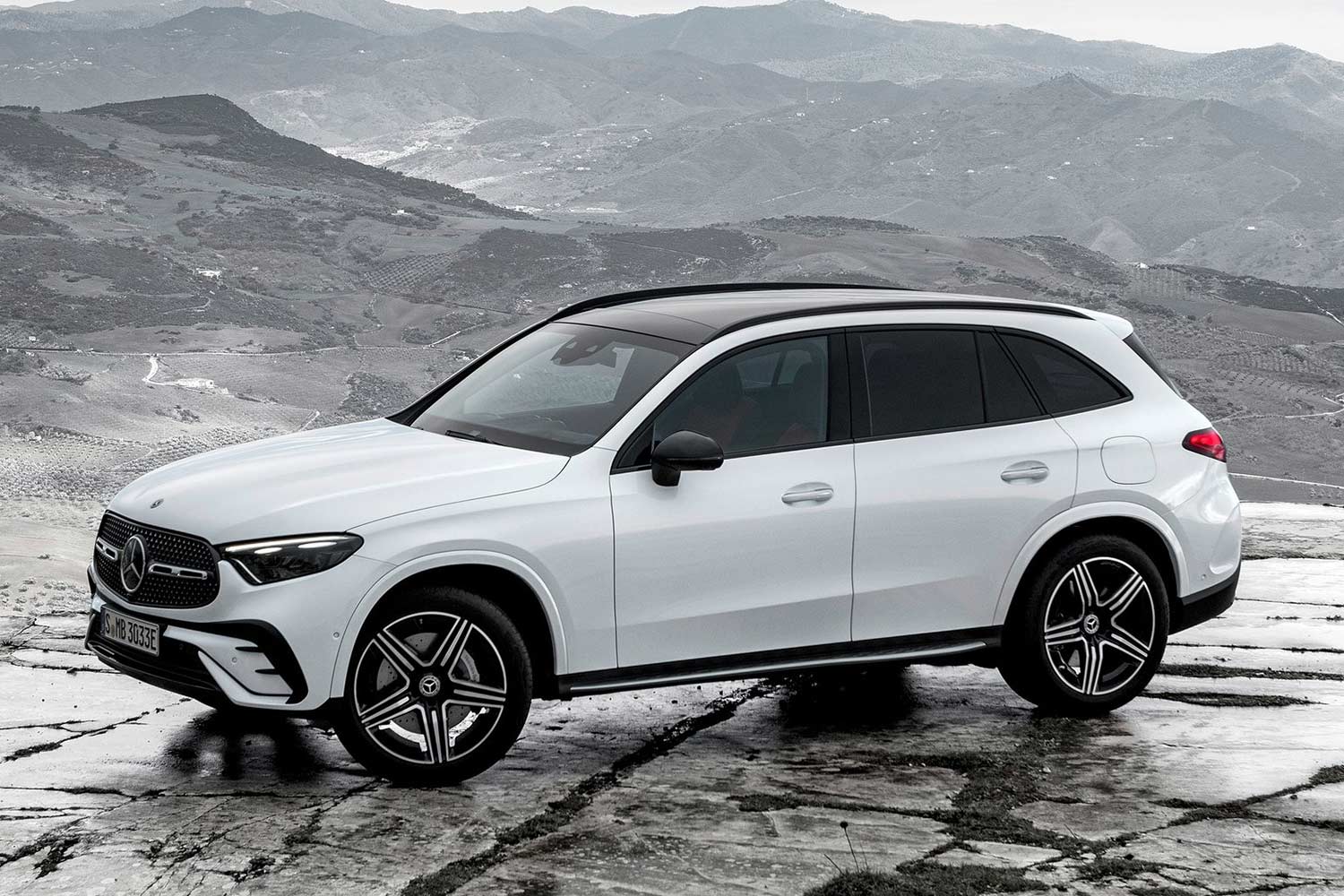
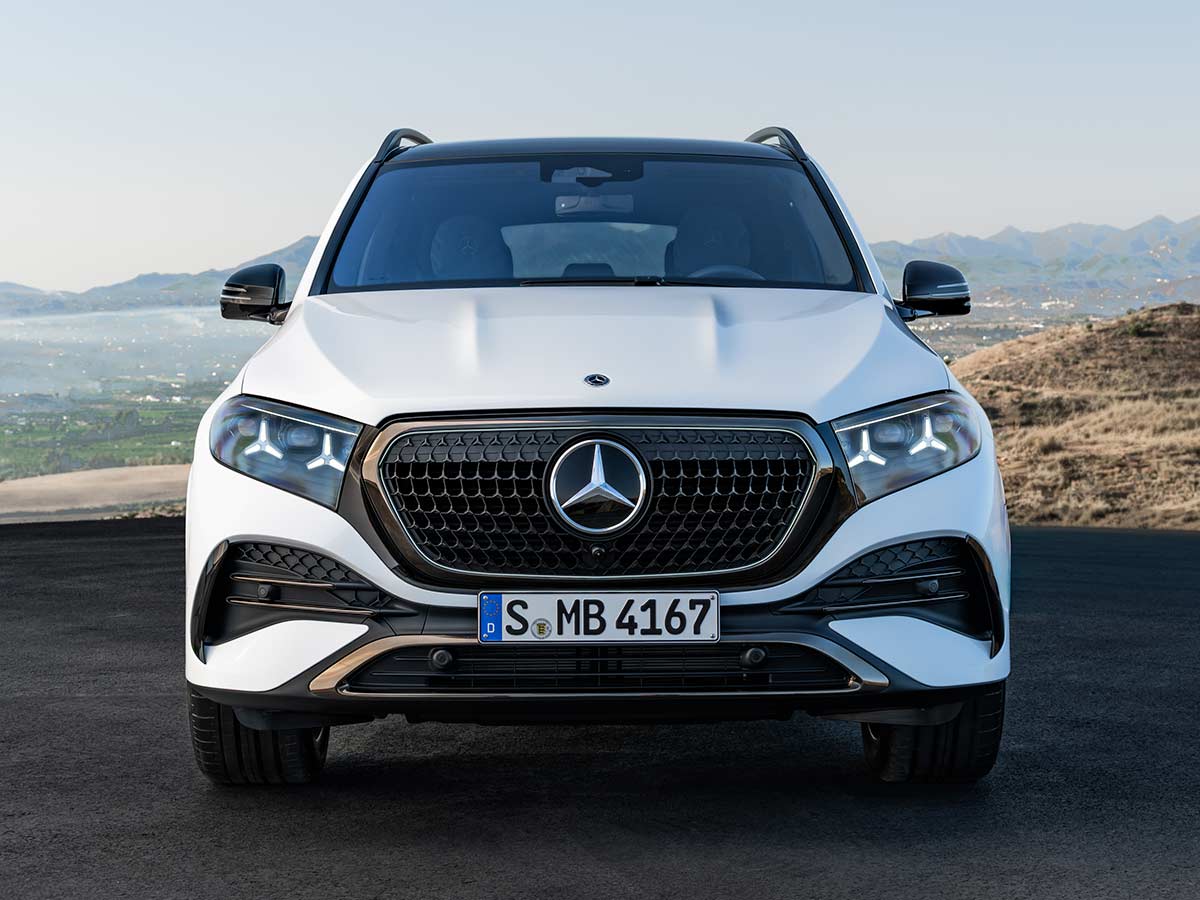
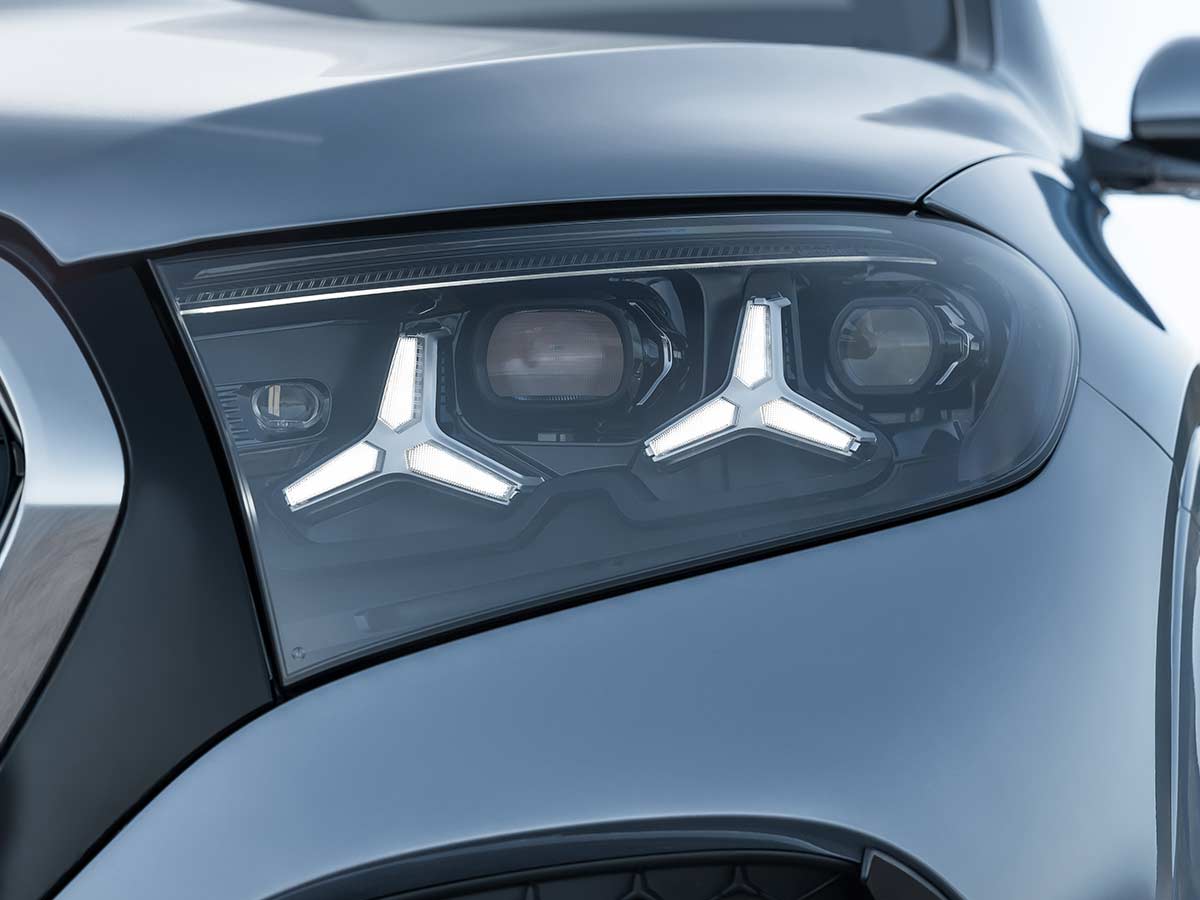
Evolutionary is the word Mercedes-Benz uses when refreshing a successful vehicle, but the new GLE’s front end is more assertive than that word implies. The redesigned bumper pushes the car’s road presence forward both literally and visually, and the new headlamp design is genuinely distinctive.
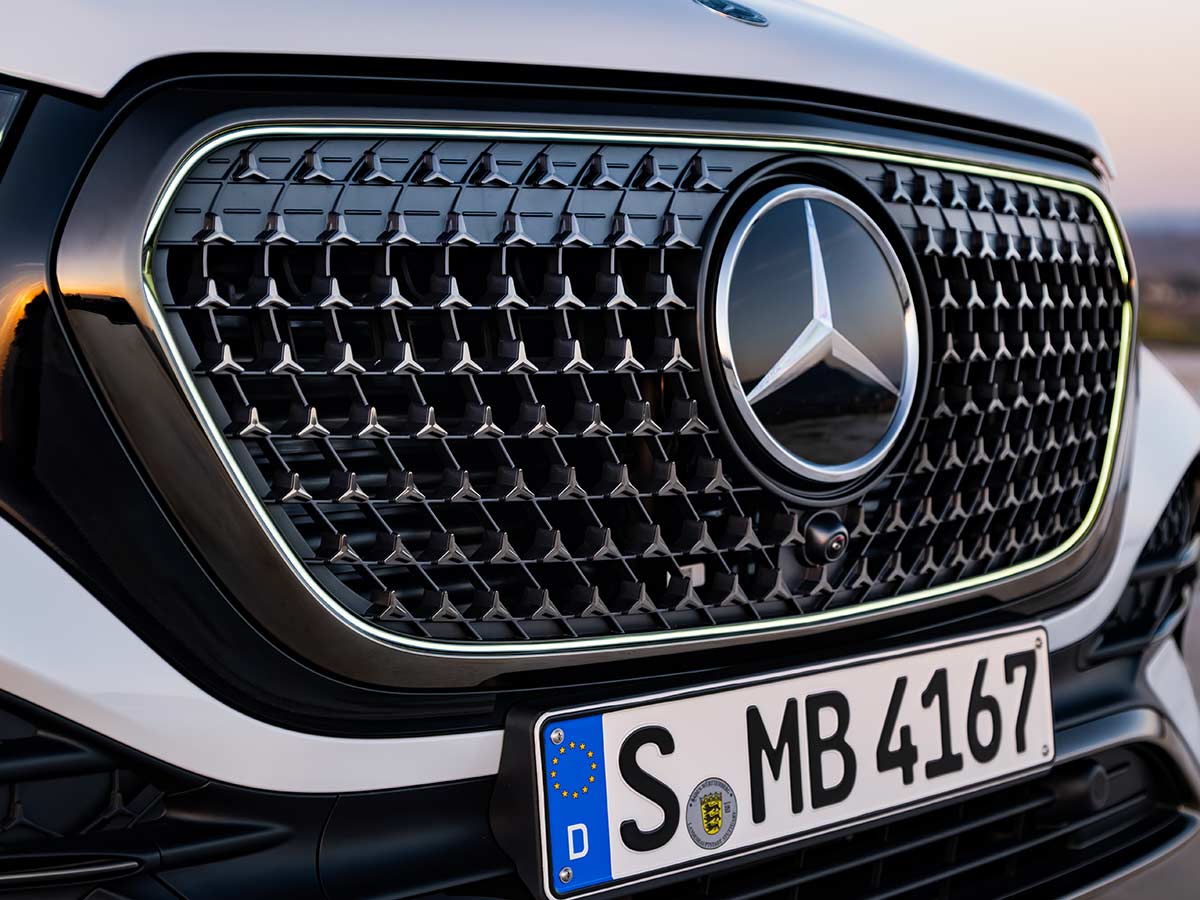
Inside each headlamp, two horizontally arranged star motifs create a light signature that’s immediately recognisable — both in daylight and when the lamps are illuminated. A redesigned radiator grille sits below, now wider and unified with the headlamp clusters by a black panel that runs cleanly across the front. At the centre, the iconic three-pointed star sits in an optionally illuminated chrome frame, surrounded by the classic Mercedes diamond pattern. When market regulations allow, contour lighting traces the grille’s perimeter for an almost jewellery-like presence at night.
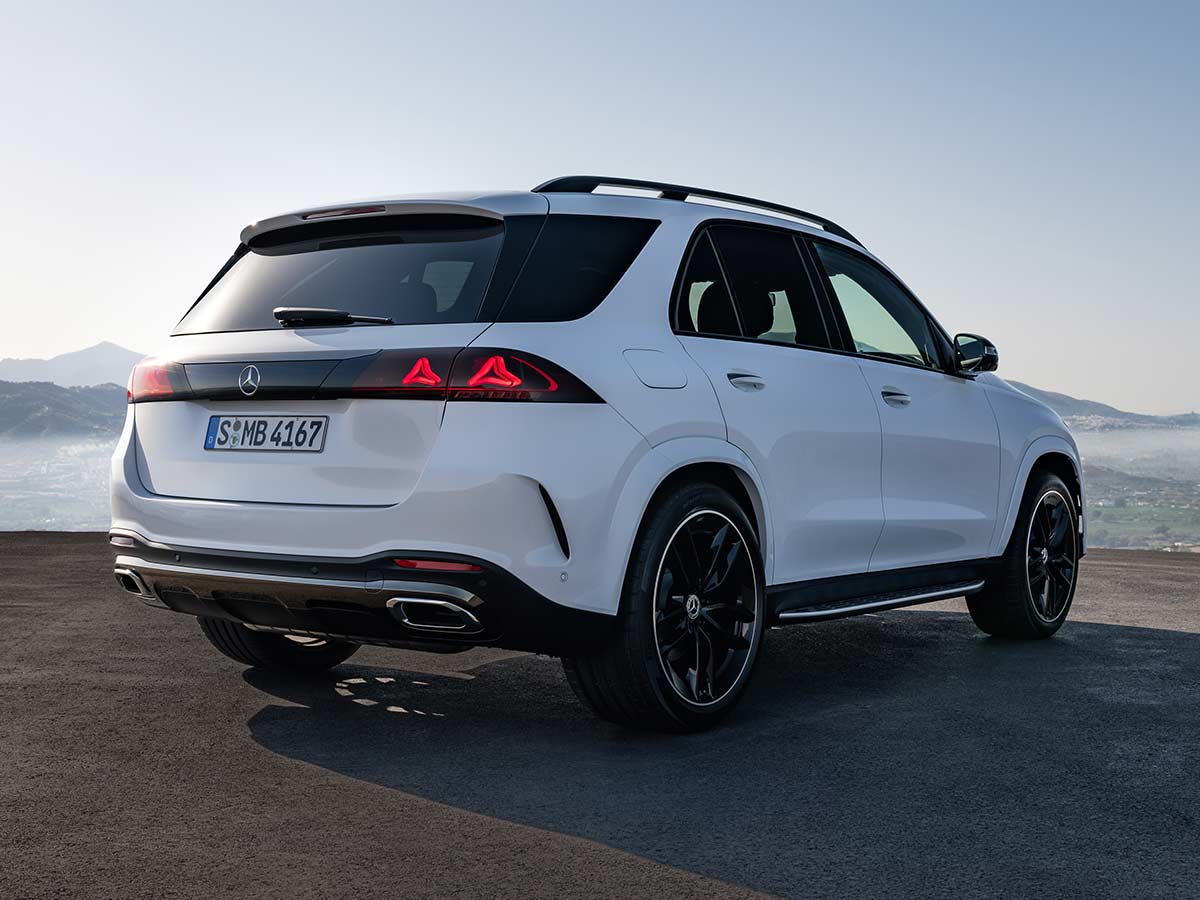
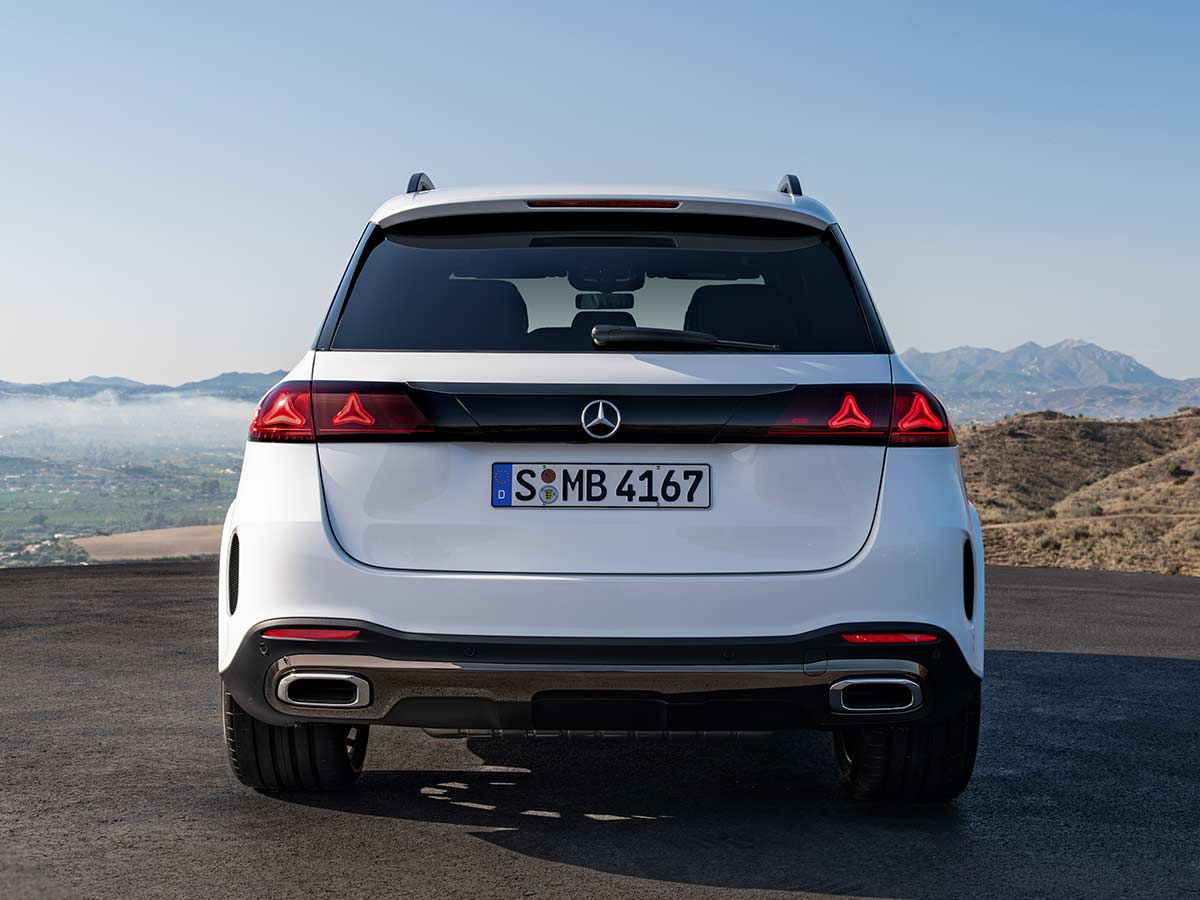
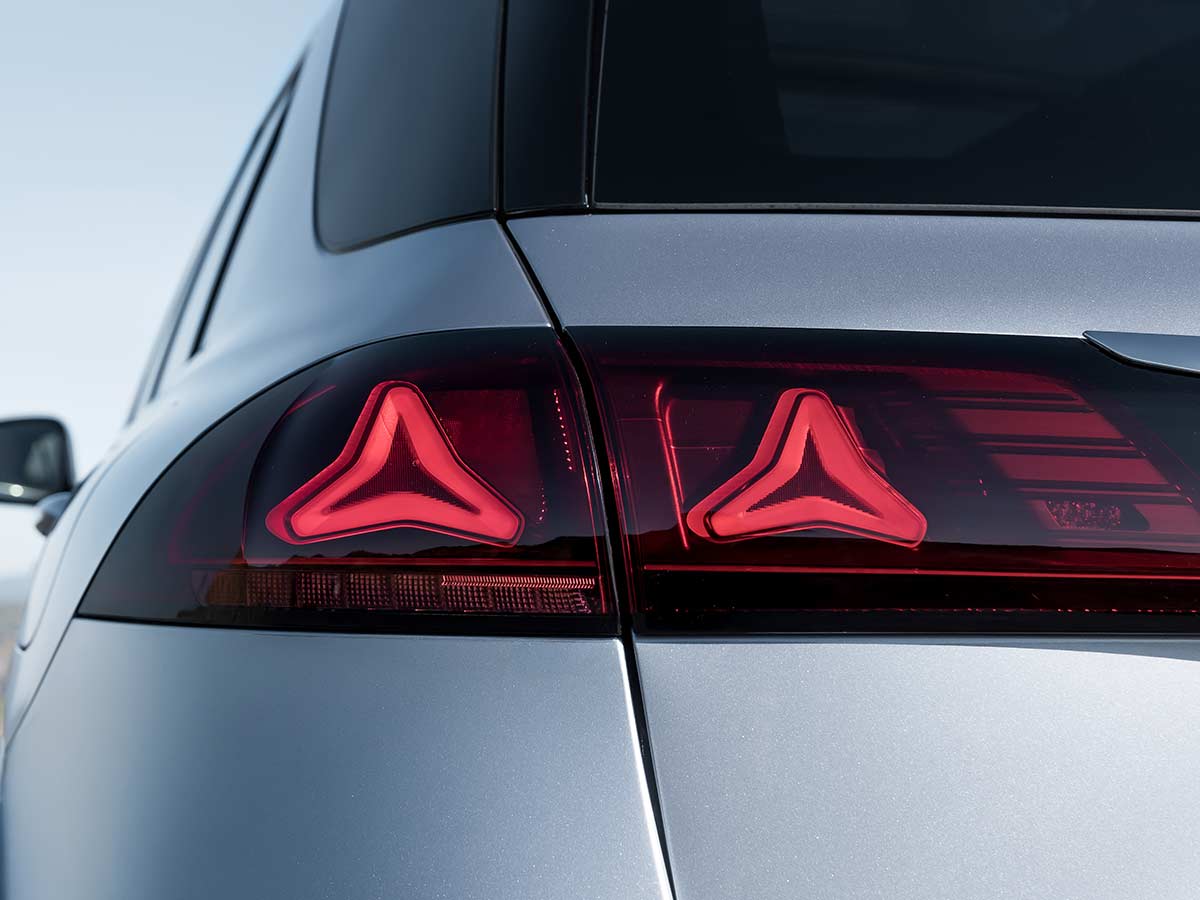
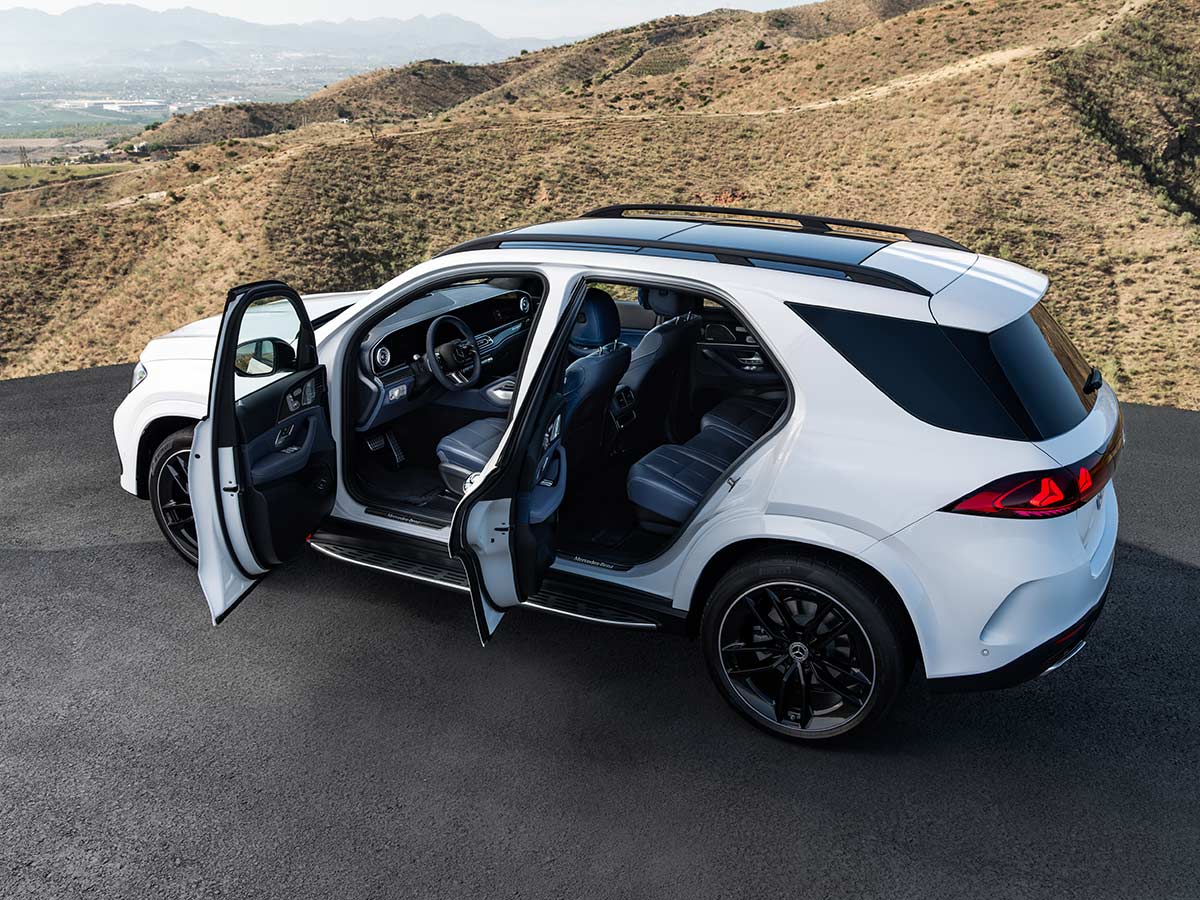
The rear is updated too. Both tail-light clusters now carry three-dimensional star emblems framed in chrome, and a horizontal design trim across the tailgate visually stretches the car’s width. It’s a subtle but effective evolution of the GLE’s wide-hipped stance.
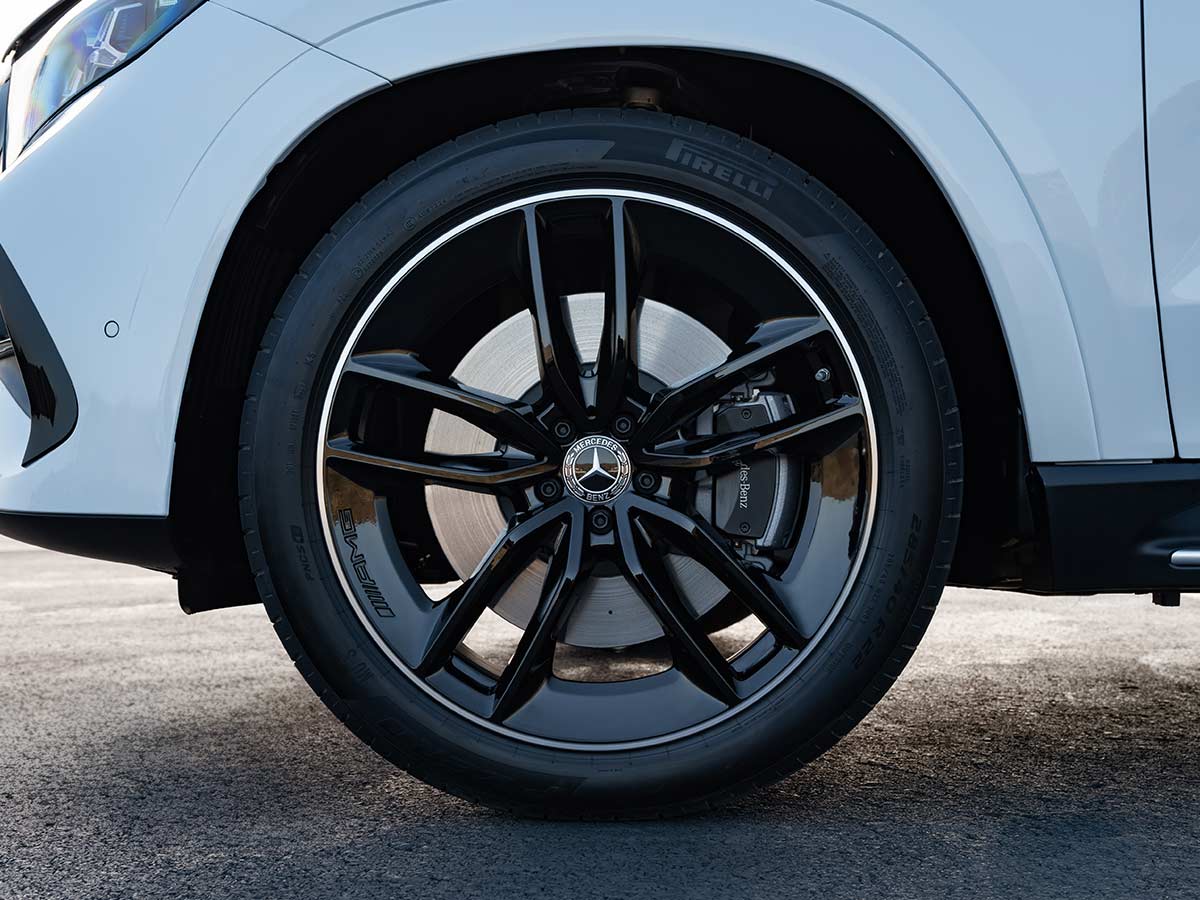
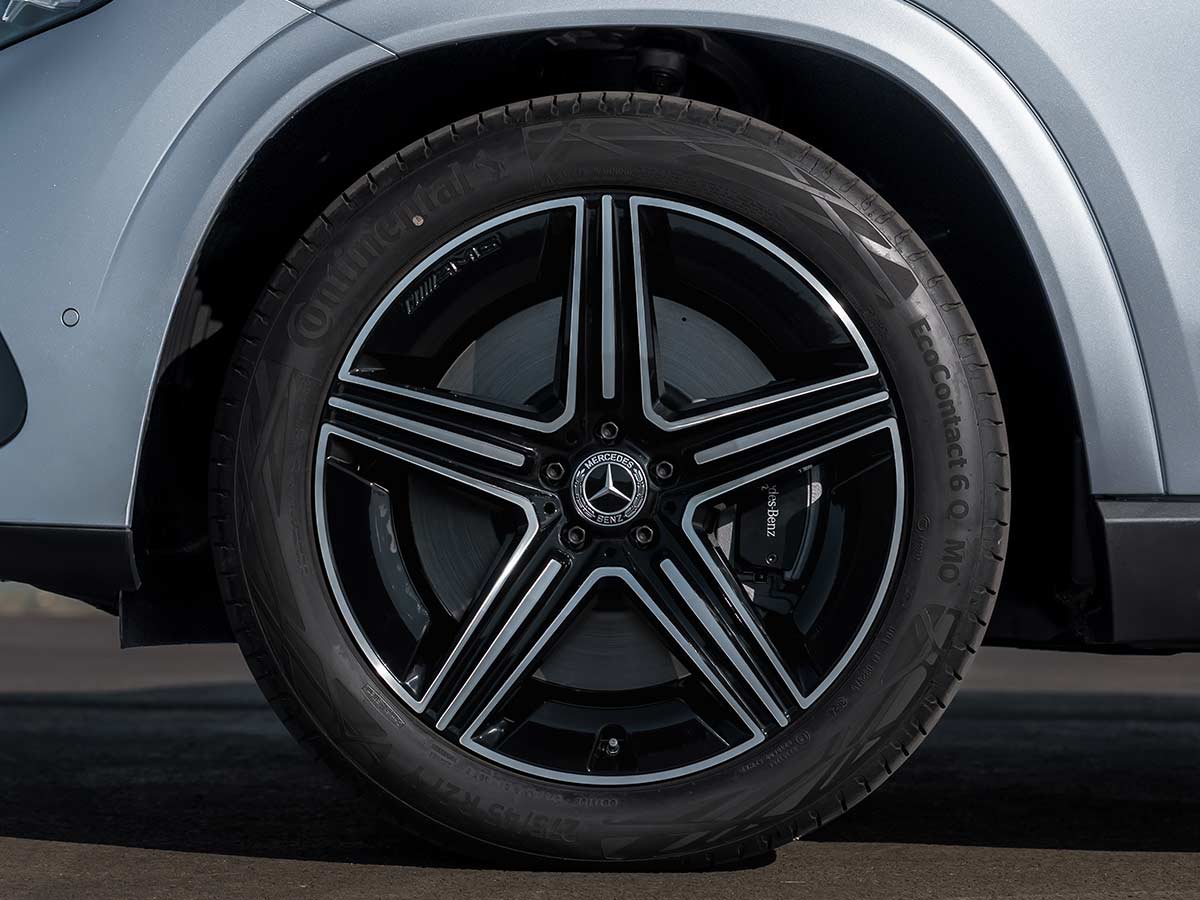
New colour options include Dark Petrol uni and MANUFAKTUR Patagonia Red Metallic — two additions that sit at opposite ends of the mood spectrum and give buyers genuinely interesting alternatives to the usual silver-or-white SUV palette. Three new 20-inch alloy wheel designs round out the exterior refresh.
DIGITAL LIGHT: More Brightness, Less Energy
Mercedes-Benz’s DIGITAL LIGHT system — available as an option on the new GLE — has received a significant upgrade. The latest generation uses micro-LED, or “pixelated LED,” technology paired with a more powerful processing chip. The practical result is a high-resolution light field that’s approximately 40 percent larger than before, while the light module itself consumes up to 50 percent less energy than its predecessor.
The dynamic high beam, branded ULTRA RANGE, now reaches up to 600 metres ahead — roughly the length of six football pitches — and has gained the ability to swivel for improved illumination through corners. A partial high-beam function improves detection of poorly lit pedestrians and cyclists without dazzling oncoming traffic. These aren’t headline-grabbing numbers, but they matter enormously on unlit country roads at night.
The headlamp units themselves are more than 25 percent lighter than the previous generation, thanks to the compact micro-LED design and a single consolidated control unit. All software components are integrated into MB.OS, Mercedes-Benz’s new vehicle operating system — which brings us to the most significant change on this car.
MB.OS: The Supercomputer at the Heart of the New GLE
The new GLE is the first GLE to run the Mercedes-Benz Operating System — MB.OS — and this isn’t a mere software update. MB.OS is described by Mercedes-Benz as a supercomputer that uses artificial intelligence, high-performance chips, and a permanent connection to the Mercedes-Benz Intelligent Cloud. In practice, that means the car can receive over-the-air updates that genuinely improve its capabilities after you’ve driven it off the forecourt.
Think of it as the difference between a phone that was finished when you bought it and one that gets meaningfully better over time. The GLE’s driver assistance functions, navigation intelligence, display behaviour and even some performance parameters can be updated remotely. Features that don’t exist yet — or aren’t yet approved by local regulators — can be pushed to the car once they’re ready.
This has real implications for long-term ownership value. A car that improves over time rather than immediately beginning to feel dated is a fundamentally different proposition, and it’s one that Mercedes-Benz is now offering across the GLE range.
Digital Extras and the MB Store
MB.OS also powers an expanding ecosystem of Digital Extras — purchasable functions and services available through the in-car Mercedes-Benz Store and the MB.APP. These range from navigation upgrades and driver assistance features to entertainment subscriptions, on-demand performance enhancements, and remote access functions. The reversing assistant, for example — which allows the GLE to automatically retrace a portion of its recent route — is available as a Digital Extra shortly after market launch.
Mercedes pay+, the brand’s biometric payment system, handles in-car transactions without requiring a separate PIN or phone authentication. It uses the multipurpose interior camera for biometric two-factor identification, and transaction data is protected by cryptographic tokens unique to each purchase.
Inside the New GLE: The MBUX Superscreen Is Now Standard
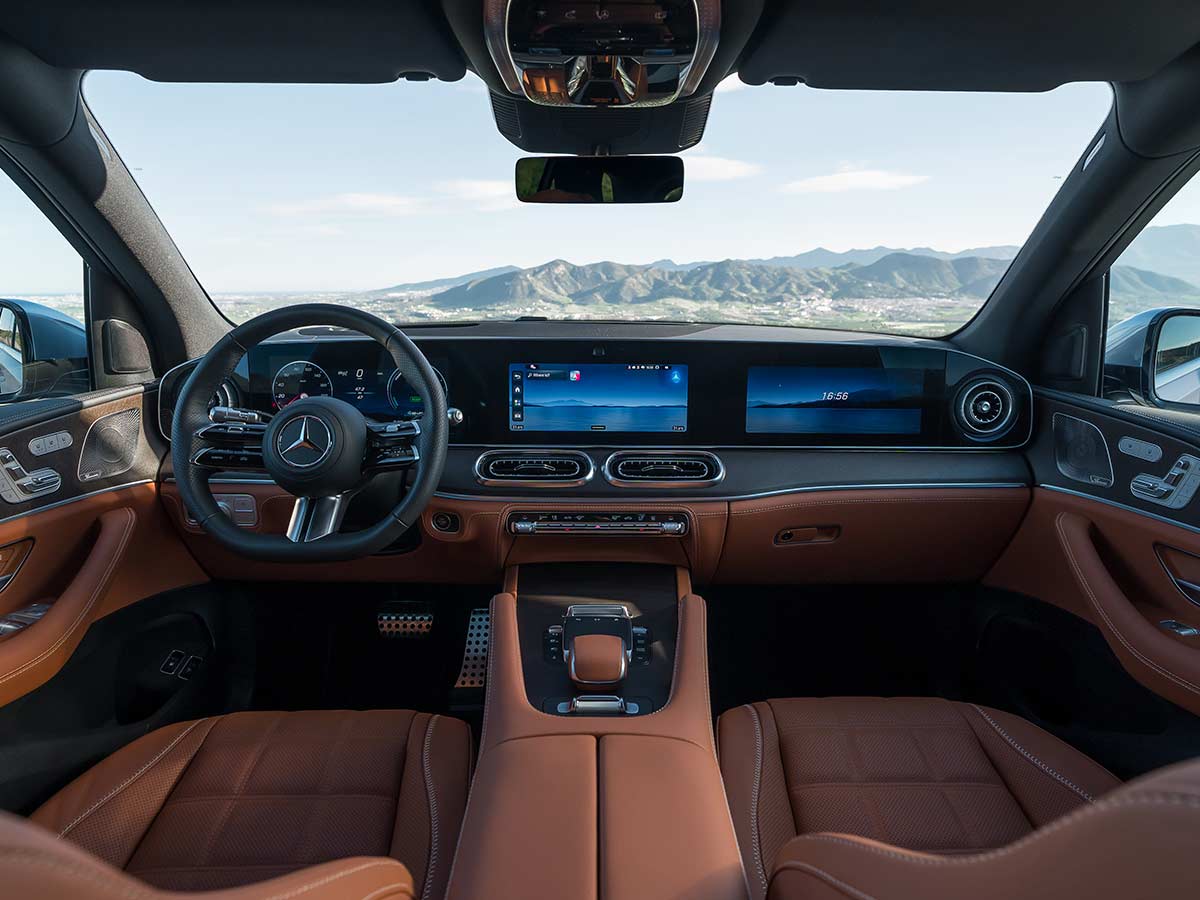
Previous GLE generations offered the MBUX Superscreen as an option. The new model makes it standard equipment across the range — a decision that transforms the interior’s ambiance from the moment you sit down.
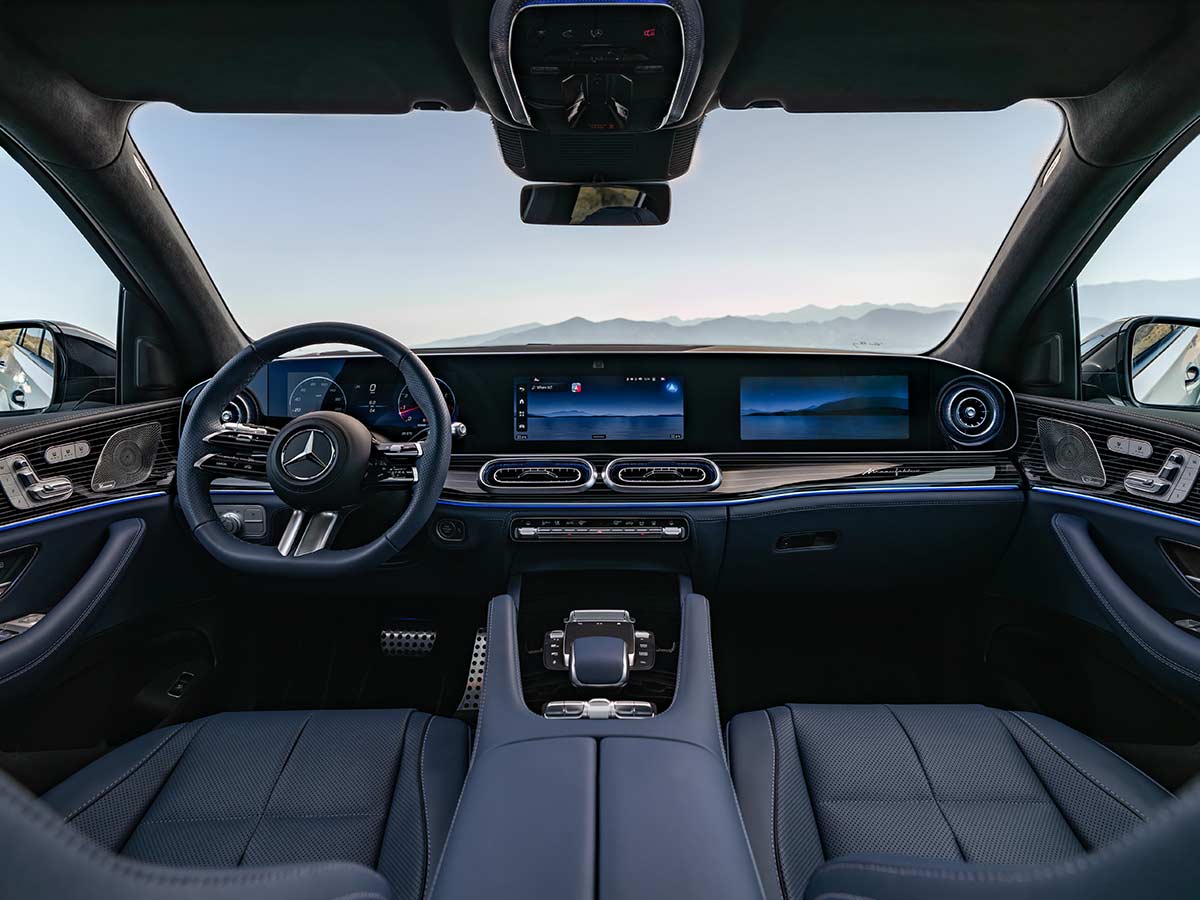
Three 12.3-inch displays sit beneath a single, uninterrupted glass surface that stretches across the dashboard. The layout is logical: driver display, central touchscreen, and a front passenger screen, all unified visually. The MBUX Zero Layer sits at the base of the interface, surfacing the most relevant information without requiring menu navigation. Users can arrange apps freely and group them into custom, self-named folders — a personalisation detail that sounds small but makes daily use noticeably more intuitive.
Over 40 apps are currently available, covering audio, video, gaming, navigation and productivity. The passenger display — already standard in many markets — allows front-seat passengers to watch streaming content from services including Disney+, YouTube and RIDEVU while the car is in motion. A camera-based system monitors whether the driver is looking at the road; if distraction is detected, the passenger display dims automatically.
A head-up display with augmented reality content is available as an option for the first time on the GLE. It projects information into the field of view with an 18-inch diagonal, appearing to float approximately three metres ahead of the driver. Navigation arrows, speed data and assistance warnings appear overlaid on the real driving environment — significantly reducing the need to glance away from the road.
Ambient Styles and Interior Personalisation
A new app allows customers to choose from a range of ambient styles — high-resolution background motifs that transform the Superscreen into what Mercedes-Benz describes as a living visual canvas. These aren’t stock wallpapers; they’re purpose-designed animations created by Mercedes-Benz’s UI team, ranging in mood from cool and technical to warm and organic. The colour schemes of the ambient lighting strips and instrument cluster are synchronised to match each style.
New interior trim elements include open-pore dark brown birch wood, brown open-pore walnut wood, and a new aluminium trim with flowing linear detailing. The outer air vents for front-seat occupants have moved from a square to an oval format and are now integrated into the ambient lighting strip, which frames the Superscreen on both sides and creates a more cohesive visual arc across the dashboard.
A new “Beech Brown” interior colour — paired with black — joins the existing palette of Black, Macchiato Beige and Bahía Brown. The AMG Line adds a Classic Red/Black two-tone option and Nappa Leather trim. Comfort seats come standard with electric adjustment of the headrests, steering wheel and seat cushion depth.
The Steering Wheel and MBUX Virtual Assistant
The steering wheel adopts Mercedes-Benz’s “rocker-and-roller” control concept — a tactile, analogue interface where functions are accessed via physical rockers and a galvanised-metal scroll wheel. In an era when every brand is moving toward touch-sensitive surfaces, this is a genuinely welcome decision. Physical controls provide haptic feedback without requiring eyes-on interaction, which is both safer and more satisfying to use.
The MBUX Virtual Assistant now integrates AI from Microsoft, Google and ChatGPT simultaneously — drawing on all three to handle complex, multi-part dialogue. The assistant appears as an avatar on the central display: blue by default, silver on AMG Line models. Two additional avatar designs are available — a humanoid figure emerging from a constellation of stars, and a more playful, expressive character with animated personality. Navigation now runs on Google Maps technology while retaining the familiar MBUX interface and Mercedes-specific services.
The Engine Range: More Power, Less Noise, Future-Ready Emissions
Five powertrain options will be offered across the new GLE range in Europe. Every variant uses a 48-volt mild hybrid system with an integrated starter generator (ISG), and all come paired with the 4MATIC all-wheel-drive system. Here’s a breakdown of the full lineup:
- GLE 350d 4MATIC — 2,989cc inline-six diesel, 210 kW / 286 hp, 650 Nm, 0–100 km/h in 6.2 seconds
- GLE 450d 4MATIC — 2,989cc inline-six diesel, 270 kW / 367 hp, 750 Nm, 0–100 km/h in 5.5 seconds
- GLE 450 4MATIC — 2,999cc inline-six petrol, 280 kW / 381 hp, 560 Nm, 0–100 km/h in 5.3 seconds
- GLE 450e 4MATIC — 2,999cc inline-six petrol plug-in hybrid, 240 kW / 326 hp system output, up to 106 km electric range (WLTP)
- GLE 580 4MATIC — 3,982cc V8 petrol, 395 kW / 537 hp, 750 Nm, 0–100 km/h in 4.5 seconds
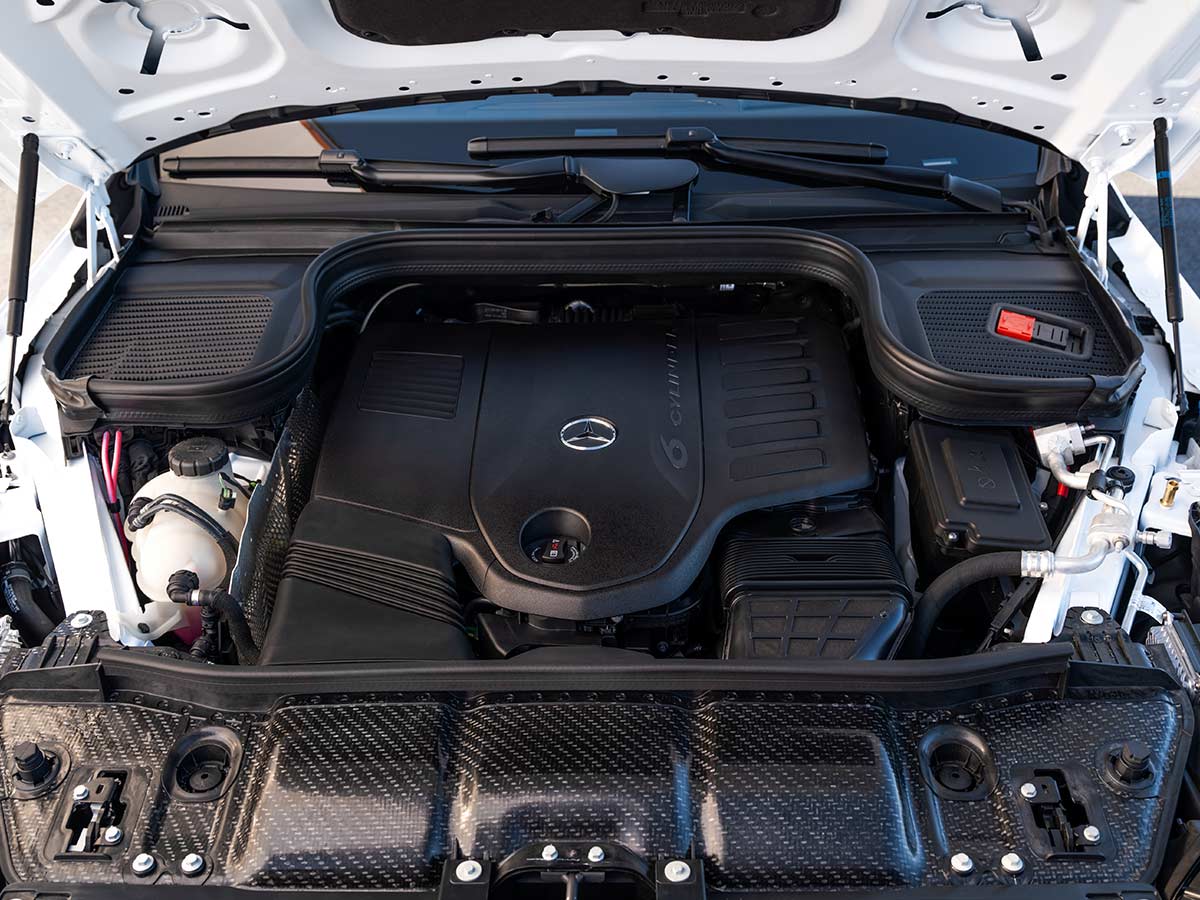
The Updated V8: GLE 580 4MATIC
The top-of-range V8 has been significantly reworked for this generation. Rated power rises from 380 kW to 395 kW, and torque increases from 730 Nm to 750 Nm — available across a wide band from 2,500 to 4,500 rpm. The 0–100 km/h sprint takes 4.5 seconds, which is comfortably quick for a full-size luxury SUV.
The more consequential engineering change is the switch from a crossplane crankshaft to a flatplane configuration. This changes the ignition sequence so that it alternates between both cylinder banks, reducing internal vibration without the need for additional balancing hardware. Two Lanchester balance shafts further smooth the engine’s character. The injection system, intake and exhaust ports, intake camshaft and the exhaust gas turbocharger’s compressor wheel and housing have all been redesigned — making this a substantially different engine underneath its familiar displacement figure.
The Inline-Six Petrol: GLE 450 4MATIC
The six-cylinder petrol sees its rated torque jump to 560 Nm — a 12 percent increase over the previous figure. This extra pulling power is most noticeable in the partial throttle range, where everyday driving actually lives. A new, more powerful electric auxiliary compressor (working alongside the conventional turbocharger), a revised cylinder head and a modified intake camshaft are the key hardware changes. Combustion efficiency and exhaust aftertreatment have also been improved.
The Plug-In Hybrid: GLE 450e 4MATIC
The 450e is based on the same updated inline-six petrol engine and gains 55 kW in system power output compared to its predecessor. The pure electric range is quoted at 106 kilometres under WLTP — a figure that makes genuine all-electric daily commuting realistic for most European drivers. Petrol particulate filters and pressure tanks are now standard worldwide, not optional extras.
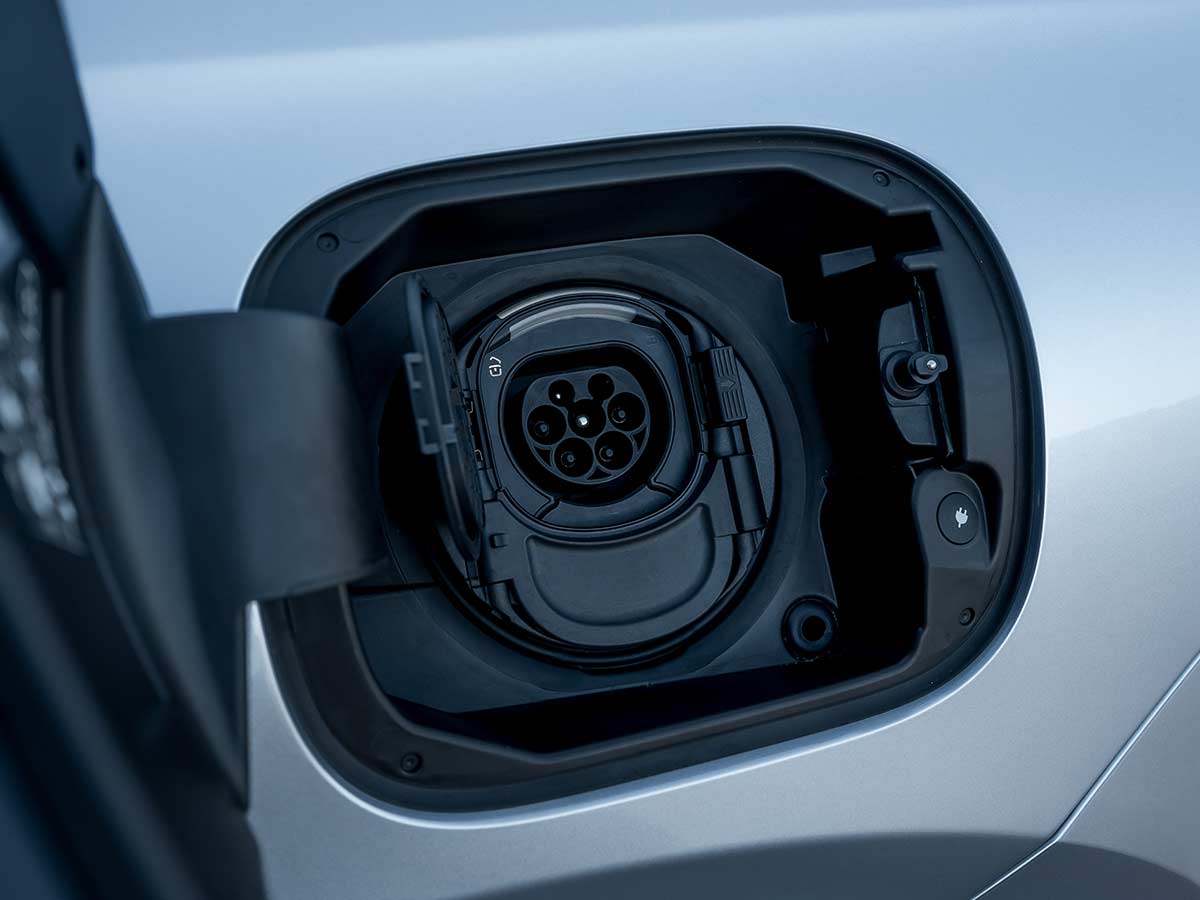
A redesigned MBUX charging menu simplifies the daily routine: setting departure times, pre-conditioning the cabin before journeys and managing charging preferences are all more logically laid out than before. The combined weighted CO₂ figure of 91–72 g/km and a CO₂ class rating of B make the 450e the efficiency standout of the range.
The Diesel Pair: GLE 350d and GLE 450d
Both six-cylinder diesel models receive a meaningful engineering update in the form of an electric heating catalyst — a first for this engine family in the GLE. The catalyst brings the exhaust system to its optimal temperature faster at startup, keeping emissions low throughout the driving cycle rather than only after warm-up. Aluminium construction for the engine block and cylinder head reduces front axle weight, improving handling balance. NANOSLIDE® cylinder liners — a technology developed through Mercedes-Benz’s Formula 1 programme — and high-tech steel pistons with “shaker” cooling reduce internal friction and improve thermal efficiency across the rev range.
The 4MATIC All-Wheel-Drive System: 120 Years of Engineering on Demand
All European GLE models use a fully variable all-wheel-drive system operating on the “Torque on Demand” principle. Power distribution between the front and rear axles is continuously variable from 0 to 100 percent in either direction, managed in real time by an electronic multi-plate clutch in the transfer case. On clean, dry tarmac the system can send most torque to the rear for a more driver-focused feel; when grip is compromised, it instantly redistributes to wherever it’s needed.
The transfer case includes a low-range reduction gear with a ratio of 1:2.93, allowing extremely precise power delivery at crawling speeds — valuable on rocky terrain or steep off-road ascents. The new transfer case architecture also improves on-road longitudinal dynamics, because engine torque no longer needs to be reduced to manage load reversal through the drivetrain.
Mercedes-Benz has been refining 4MATIC since 1985, but the system in this GLE is its most sophisticated iteration yet.
The Suspension: Cloud-Based Damper Control and E-ACTIVE BODY CONTROL
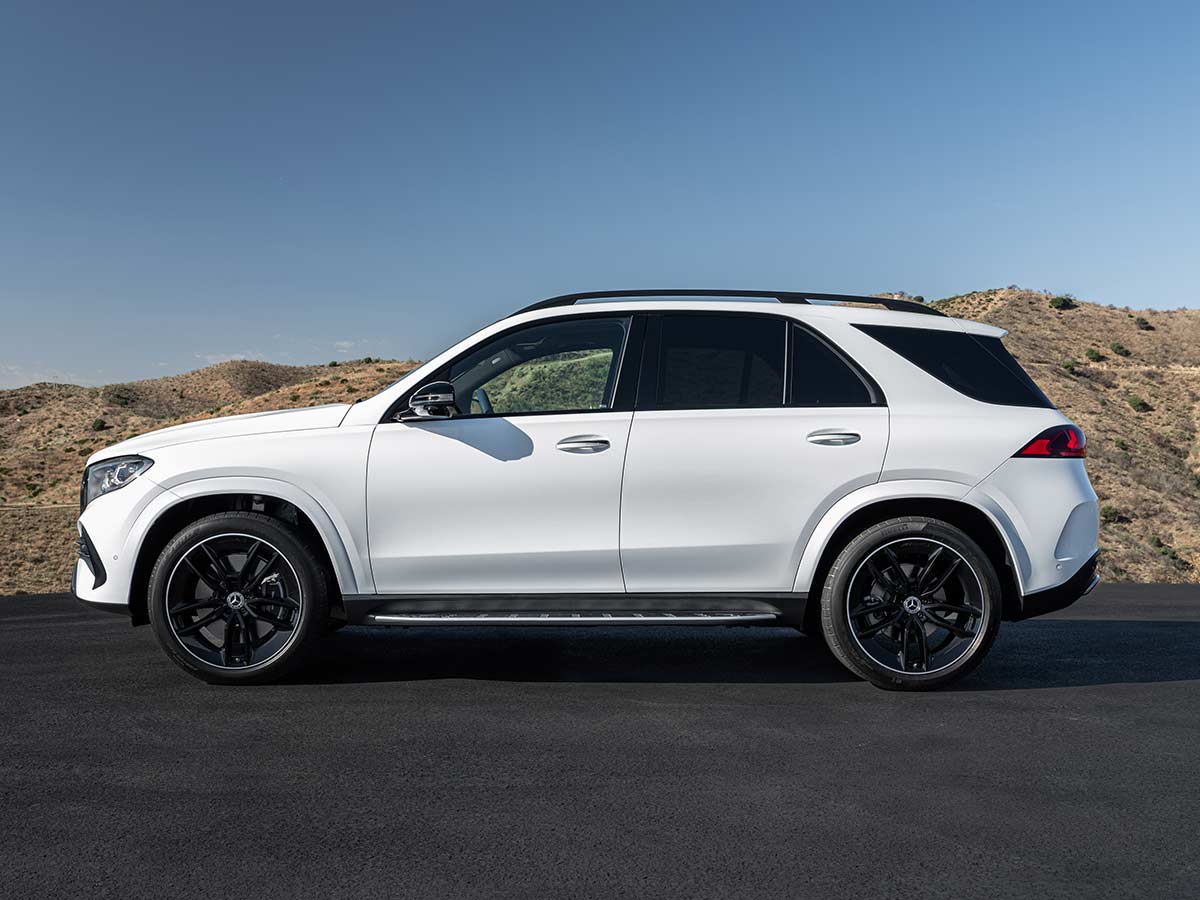
If there is one area where the new GLE’s engineering ambition is most tangible, it is the suspension. Three systems are available — standard suspension, AIRMATIC air suspension, and the optional E-ACTIVE BODY CONTROL — each more sophisticated than the last.
Cloud-Based Damper Control with AIRMATIC
The headline innovation for this GLE generation is cloud-based damper regulation. When activated, the system uses Car-to-X data — real-time hazard and road condition information transmitted anonymously between Mercedes-Benz vehicles via the mobile network — to identify speed bumps ahead of your vehicle. The damping is then electronically adjusted just before the car reaches the bump, so the suspension is already in the optimal configuration when you hit it.
This is meaningfully different from reactive damping, which responds to disturbances after they’ve already begun. Predictive adjustment means the car can absorb longer, more gradual bumps (common in southern Europe in particular) almost seamlessly, with the improvement especially noticeable for rear-seat passengers. Mercedes-Benz developed this function internally and has filed for a patent. The feature works with both AIRMATIC and E-ACTIVE BODY CONTROL.
E-ACTIVE BODY CONTROL: The Floating SUV
E-ACTIVE BODY CONTROL is the GLE’s most advanced suspension option, available on six-cylinder and V8 variants. It operates at 48 volts and uses motor-pump units on all four wheels, coordinated by a central control unit, to individually control spring and damper forces at each corner. Control units analyse the driving situation 1,000 times per second and adjust accordingly.
The practical effects are remarkable. Because the system can address each wheel independently, it counteracts roll during cornering, pitch under braking and acceleration, and lift during hard driving — all simultaneously. The car genuinely doesn’t dip its nose under braking. On rough surfaces, the system can recuperate electrical energy from suspension movement, making it more efficient than passive alternatives. E-ACTIVE BODY CONTROL also offers a free-wheel mode for off-road situations where the GLE has become stuck — automatically raising and lowering the ride height in cycles to rock the vehicle free from sand or mud.
Five multi-core processors and more than 20 sensors manage E-ACTIVE BODY CONTROL’s continuous operation. The driving mode selector spans the full range from luxury-saloon softness to sporty-SUV firmness, and the system delivers both ends of that spectrum convincingly.
Driver Assistance: MB.DRIVE and the Next Generation of Safety Technology
Every new GLE comes equipped with a water-cooled supercomputer processor specifically for driver assistance functions — with substantial processing reserves for future capability upgrades pushed via over-the-air updates. The sensor suite is extensive: ten exterior cameras, up to five radar sensors and 12 ultrasonic sensors feed data into a central MB.OS control unit, where artificial intelligence processes the information and assesses the traffic environment in real time.
In Europe, MB.DRIVE Standard is fitted as standard, including DISTRONIC adaptive cruise control. MB.DRIVE ASSIST and MB.DRIVE ASSIST PLUS add extended active assistance functions depending on market. MB.DRIVE ASSIST PRO — launching first in China and later in the USA — enables point-to-point driving assistance even in dense urban traffic. European availability is subject to regulatory approval.
Smarter Parking, Reversing and Manoeuvring
MB.DRIVE PARKING ASSIST has been substantially upgraded. It detects parking spaces on both sides of the vehicle earlier than before and can now identify spaces without painted white-line markings. Crucially, it can also assist with exiting a parking space — even if the vehicle was originally parked manually, not by the system. Parking manoeuvres are carried out at up to 5 km/h automatically, making the process around 60 percent faster than the previous generation.
The reversing assistant (a Digital Extra available shortly after launch) enables the GLE to automatically retrace part of its recent route in reverse, with camera imagery and a route graphic displayed on the central screen. This is particularly useful in narrow lanes and situations where turning isn’t possible. MB.DRIVE PARKING ASSIST 360 adds a redesigned 360-degree surround view with improved image quality and a cleaner interface. A wheel rim protection warning overlay, available as a Digital Extra, displays proximity alerts in a top-down view during manoeuvres.
Comfort Features Worth Knowing About
A Panoramic Roof as Standard
All GLE models now come with a panoramic sliding sunroof as standard equipment. With over one square metre of glazing, it ranks among the largest factory-fitted roofs in a production SUV. One section raises electrically and slides rearward over a fixed rear glass panel. Full-length electric roller blinds provide shade when needed, and the glass is tinted single-pane safety glazing throughout for thermal insulation. Occupants in all three rows — including the optional third row — get an unobstructed view of the sky.
Interior Air Quality: The Electric Cabin Filter
ENERGIZING AIR CONTROL now uses an advanced multi-stage electric filtration system that renews the cabin air approximately every 90 seconds. A pre-filter captures larger particles first; an electric ionisation filter then charges fine dust particles so they bind effectively to the main interior filter. Fine dust, NOx and CO levels in the outside air are monitored continuously by dedicated sensors, and the system switches automatically between fresh-air and recirculation modes when external air quality deteriorates. For urban driving through tunnels or heavy traffic, this is a genuinely meaningful comfort and health feature.
Towing Capacity and Third-Row Seating
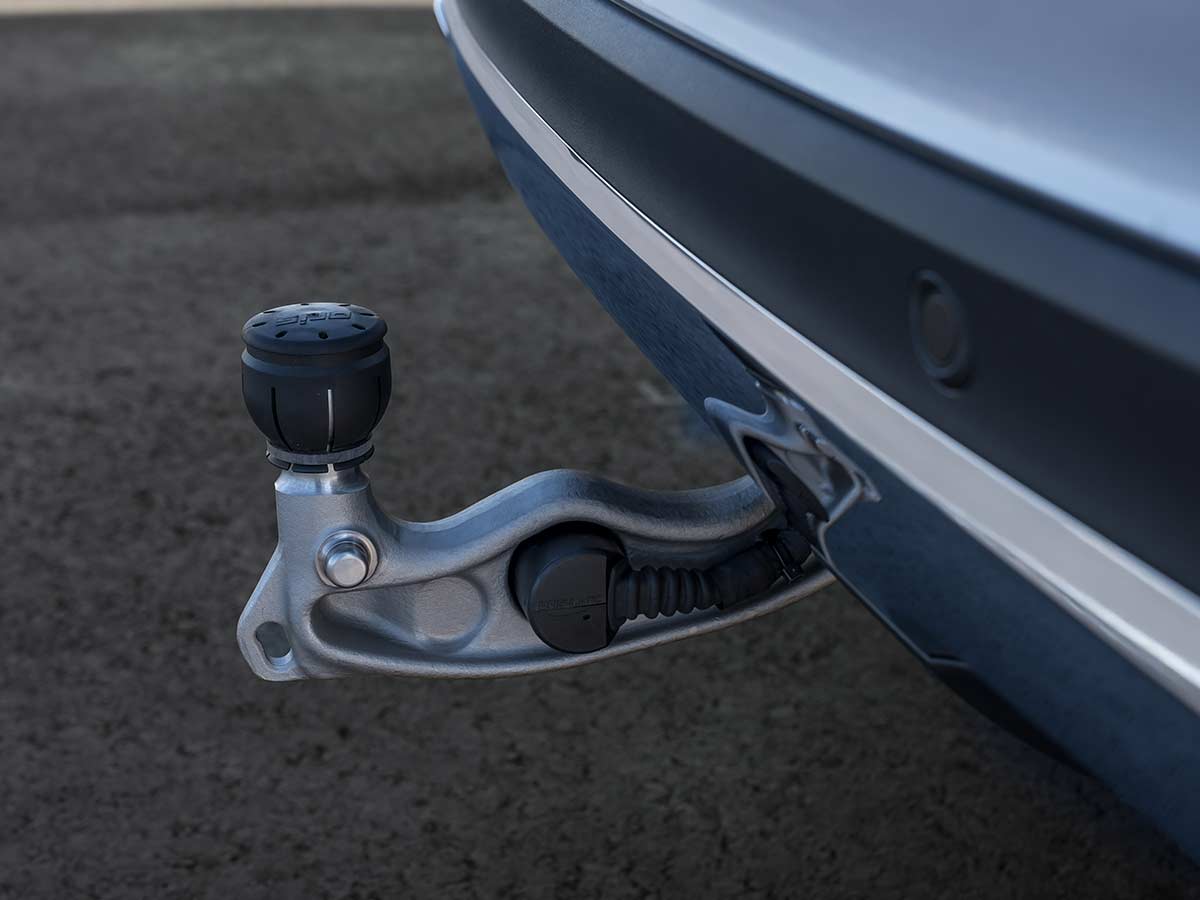
The new GLE can tow up to 3.5 tonnes when equipped with AIRMATIC air suspension — a figure that covers most boats, large caravans and horse trailers. ESP trailer stabilisation monitors for trailer sway and applies targeted braking to correct it; AIRMATIC and E-ACTIVE BODY CONTROL both automatically adjust ride height and damping when a trailer is connected.
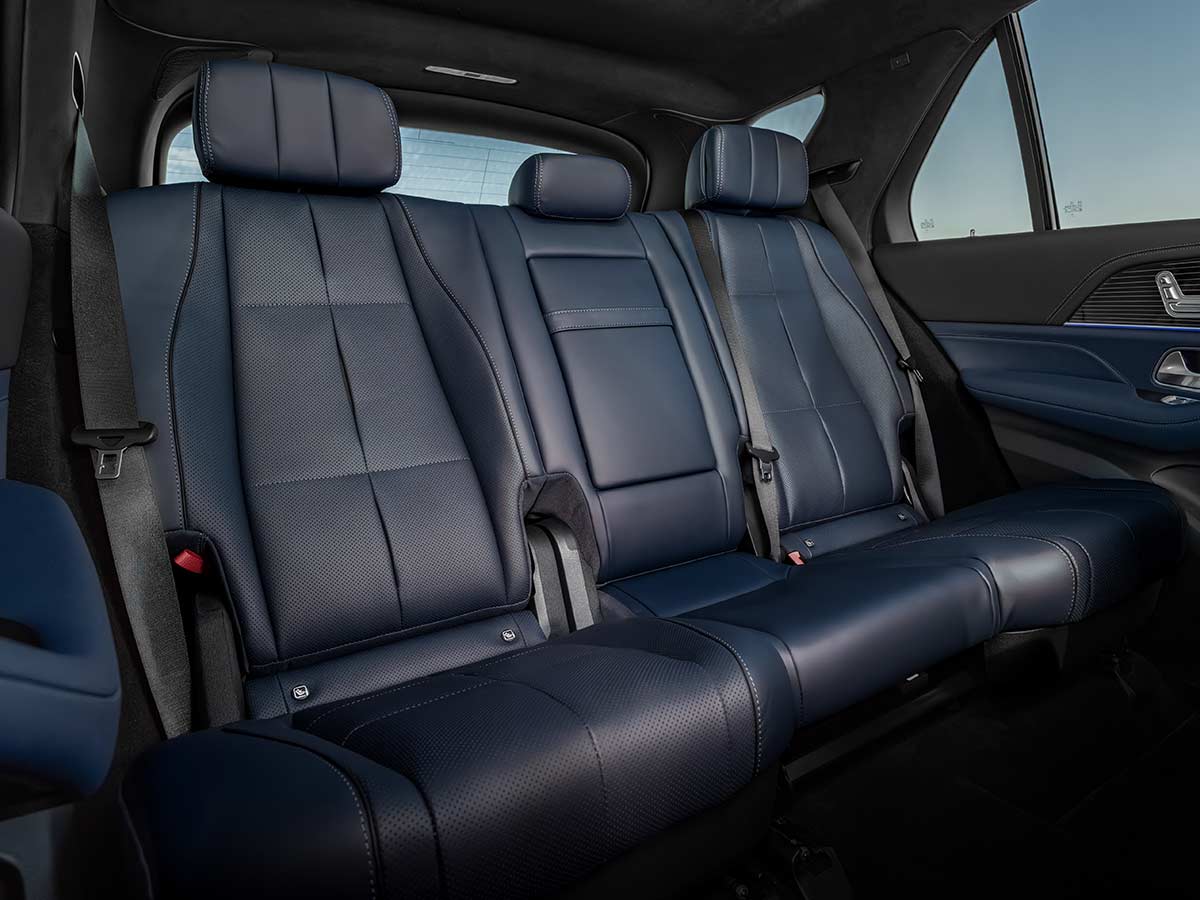
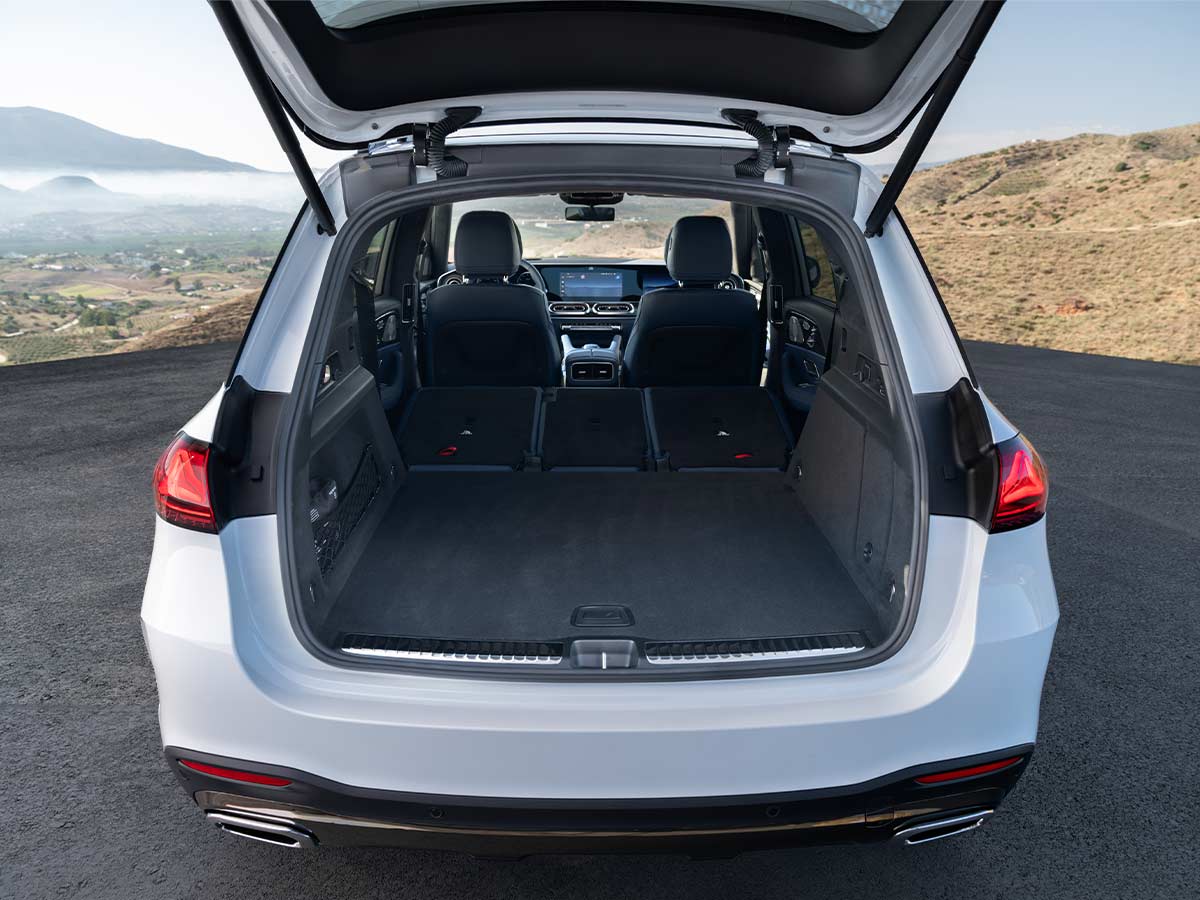
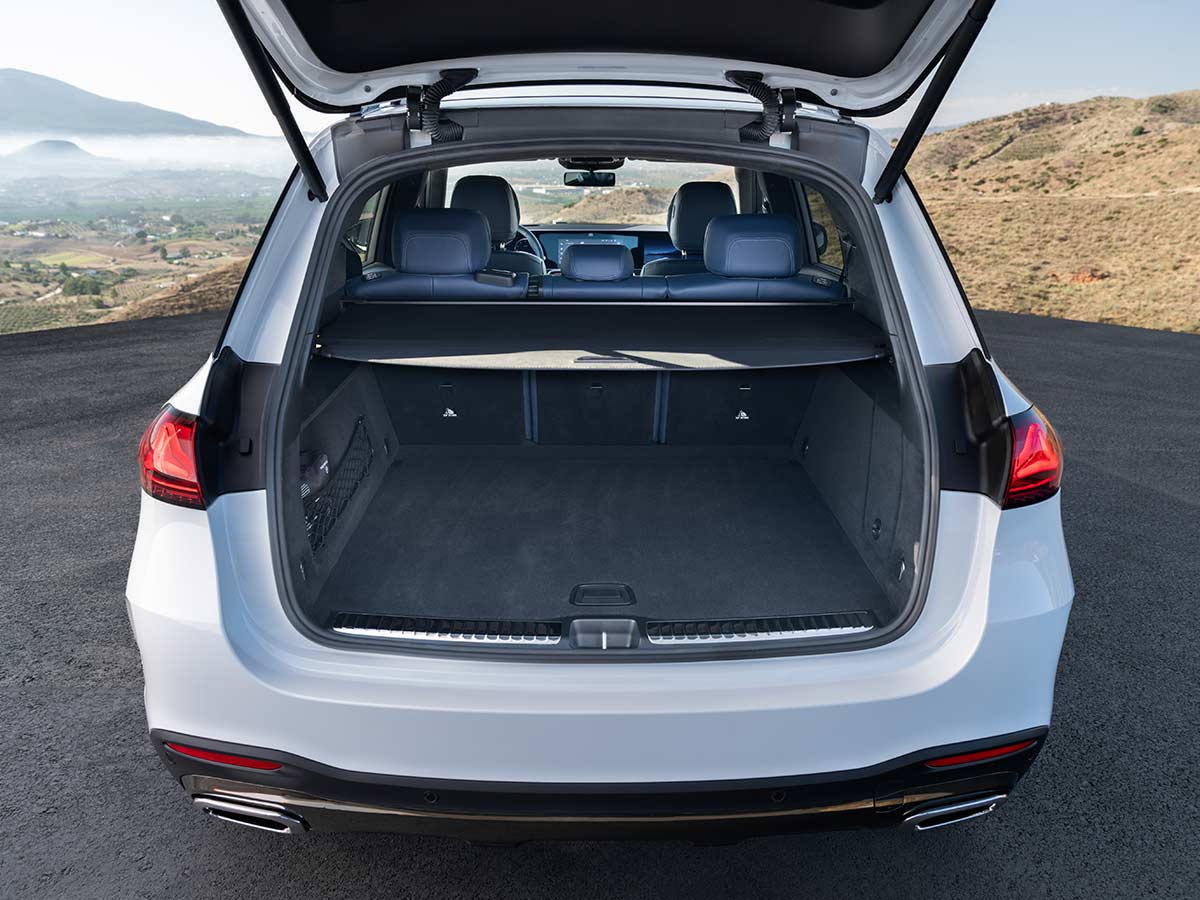
Luggage capacity runs from 630 litres behind standard rear seats to 825 litres with the adjustable rear seat option, and 2,055 litres with the second row folded flat. A third row of seats is available on request, accessed via an electric easy-entry function. The second row’s backrests can be folded completely flat using a switch in the luggage compartment.
The Burmester Sound System
An upgraded Burmester 3D surround sound system is optionally available, now outputting 710 watts through 15 speakers — up from 590 watts previously. Two new 3D speakers sit in the roof control unit. Dolby Atmos support is included, and a “Personalised Sound” setup wizard asks six questions about your listening preferences to algorithmically generate an optimal equaliser profile. Even the standard sound system now uses an external amplifier delivering 150 watts, a significant improvement over the passive setups common in base audio configurations.
Full Specifications: 2026 Mercedes-Benz GLE Model Range at a Glance
All five European GLE variants are compared below across every key technical metric — engine layout, power output, torque, performance figures and emissions data. All fuel consumption and CO₂ figures are preliminary WLTP estimates.
| Specification | GLE 350d 4MATIC (Diesel) | GLE 450d 4MATIC (Diesel) | GLE 450 4MATIC (Petrol) | GLE 450e 4MATIC (Plug-in Hybrid) | GLE 580 4MATIC (V8 Petrol) |
|---|---|---|---|---|---|
| Engine & Layout | |||||
| Engine type | Inline-6 diesel | Inline-6 diesel | Inline-6 petrol | Inline-6 petrol + electric motor | V8 petrol |
| Displacement | 2,989 cc | 2,989 cc | 2,999 cc | 2,999 cc | 3,982 cc |
| Power output | 210 kW / 286 hp | 270 kW / 367 hp | 280 kW / 381 hp | 240 kW / 326 hp | 395 kW / 537 hp |
| Peak power (rpm) | 3,200–4,800 | 4,000 | 5,000–6,100 | 2,200–4,250 | 5,500–6,000 |
| Max torque | 650 Nm | 750 Nm | 560 Nm | 540 Nm | 750 Nm |
| Torque (rpm) | 1,200–3,000 | 1,350–2,800 | 2,000–4,500 | 4,250–6,100 | 2,500–4,500 |
| Electric motor peak power | 17 kW / 205 Nm | 17 kW / 205 Nm | 17 kW / 205 Nm | 135 kW / 480 Nm | 17 kW / 205 Nm |
| Performance | |||||
| 0–100 km/h | 6.2 s | 5.5 s | 5.3 s | 5.6 s | 4.5 s |
| Top speed | 235 km/h | 250 km/h | 250 km/h | 240 km/h | 250 km/h |
| Pure EV range (WLTP) | — | — | — | 106 km | — |
| Fuel Consumption & Emissions (preliminary WLTP) | |||||
| Fuel consumption | 7.4–8.2 l/100km | 7.4–8.2 l/100km | 9.5–10.6 l/100km | 3.2–4.0 l/100km + 22–23 kWh/100km | 12.2–13.2 l/100km |
| CO₂ combined | 195–215 g/km | 195–216 g/km | 216–240 g/km | 72–91 g/km | 278–300 g/km |
| CO₂ class | G | G | G | B (weighted) | G |
Note: The GLE 580 4MATIC V8 is available a few months after initial market launch. All fuel consumption and CO₂ figures are preliminary WLTP estimates from Mercedes-Benz; final certified values may differ. All models include 4MATIC all-wheel drive and a 48-volt integrated starter-generator mild hybrid system as standard.
GLE vs The Competition: Where It Stands in 2026
The premium large SUV segment is more competitive today than at any point in its history. The BMW X5, Porsche Cayenne, Audi Q7 and Range Rover Sport all offer compelling cases. Where the new GLE differentiates itself most clearly is in three areas: the depth and sophistication of its digital architecture (MB.OS is more integrated and forward-looking than any comparable platform in this segment), the sheer span of its suspension capability (the cloud-based predictive damping is a genuine engineering first), and the breadth of its powertrain range — from an efficient plug-in hybrid to a 537 hp V8.
The plug-in hybrid’s 106 km WLTP electric range is among the strongest figures in this class. For European buyers facing increasing urban access restrictions and rising fuel costs, that range makes the 450e meaningfully practical, not just a tax optimisation exercise.
Frequently Asked Questions About the New Mercedes-Benz GLE
What engines are available in the new Mercedes-Benz GLE?
The new GLE is offered in five variants for the European market: GLE 350d 4MATIC and GLE 450d 4MATIC (inline-six diesel), GLE 450 4MATIC (inline-six petrol), GLE 450e 4MATIC (plug-in hybrid with 106 km WLTP electric range), and GLE 580 4MATIC (V8 petrol with 395 kW and 750 Nm). All models include a 48-volt mild hybrid system and 4MATIC all-wheel drive.
What is MB.OS in the new GLE?
MB.OS (Mercedes-Benz Operating System) is an integrated vehicle supercomputer that uses AI, high-performance chips and a permanent cloud connection to manage all vehicle functions. It enables over-the-air updates that can improve the car’s capabilities — including driver assistance features and digital services — after purchase.
Does the new GLE have a panoramic sunroof?
Yes. A panoramic sliding sunroof with over one square metre of glazed area is now standard on all GLE models. It is one of the largest factory-fitted panoramic roofs in a production SUV.
What is the new GLE’s towing capacity?
The new GLE can tow up to 3.5 tonnes when equipped with AIRMATIC air suspension, making it suitable for large caravans, boats and horse trailers. ESP trailer stabilisation is included as standard.
What is E-ACTIVE BODY CONTROL on the GLE?
E-ACTIVE BODY CONTROL is Mercedes-Benz’s most advanced active suspension system, available optionally on GLE models with six or more cylinders. It uses 48-volt motor-pump units at each wheel, controlled 1,000 times per second, to independently manage spring and damper forces — eliminating body roll, pitch and lift while also being able to recuperate energy from suspension movement on rough roads.
What is the electric range of the GLE 450e plug-in hybrid?
The GLE 450e 4MATIC has a pure electric range of 106 kilometres according to the WLTP test cycle. Combined weighted CO₂ emissions are 91–72 g/km, putting it in CO₂ class B.
Does the new GLE have augmented reality navigation?
Yes. MBUX Augmented Reality overlays navigation arrows and traffic information onto live camera footage of the road ahead, displayed on the central screen. An optional head-up display with augmented reality content is also available for the first time on the GLE, projecting information into the field of view at a virtual distance of approximately three metres.
When does the new Mercedes-Benz GLE go on sale?
The new GLE was officially revealed on 31 March 2026. The GLE 580 4MATIC V8 will be available a few months after the initial market launch. Check with your local Mercedes-Benz dealer for specific on-sale dates in your market.
Final Thoughts: Is the New GLE Worth the Wait?
The new Mercedes-Benz GLE is not a car that needed a ground-up reinvention — it needed a comprehensive and credible evolution, and that’s precisely what it has received. The shift to MB.OS, with its AI backbone and over-the-air update architecture, is arguably the most significant single change: it transforms the GLE from a vehicle that depreciates the moment it leaves the factory into one that can genuinely improve over time.
The cloud-based predictive damping is a preview of where luxury motoring is heading — towards vehicles that “know” the road ahead before they reach it. The plug-in hybrid’s 106 km electric range makes it a genuinely practical alternative to a full BEV for drivers who cover varied distances. And the revised V8, with its flatplane crankshaft and reworked turbocharger, remains one of the most refined performance engines in this segment.
For anyone considering a premium large SUV in 2026, the new GLE belongs at the top of the shortlist.
Source: Mercedes-Benz