











The floor of MWC Barcelona usually features a sea of smartphones, wearables, and telecom infrastructure. However, in 2026, crowds gathered around something entirely different: a hypercar.
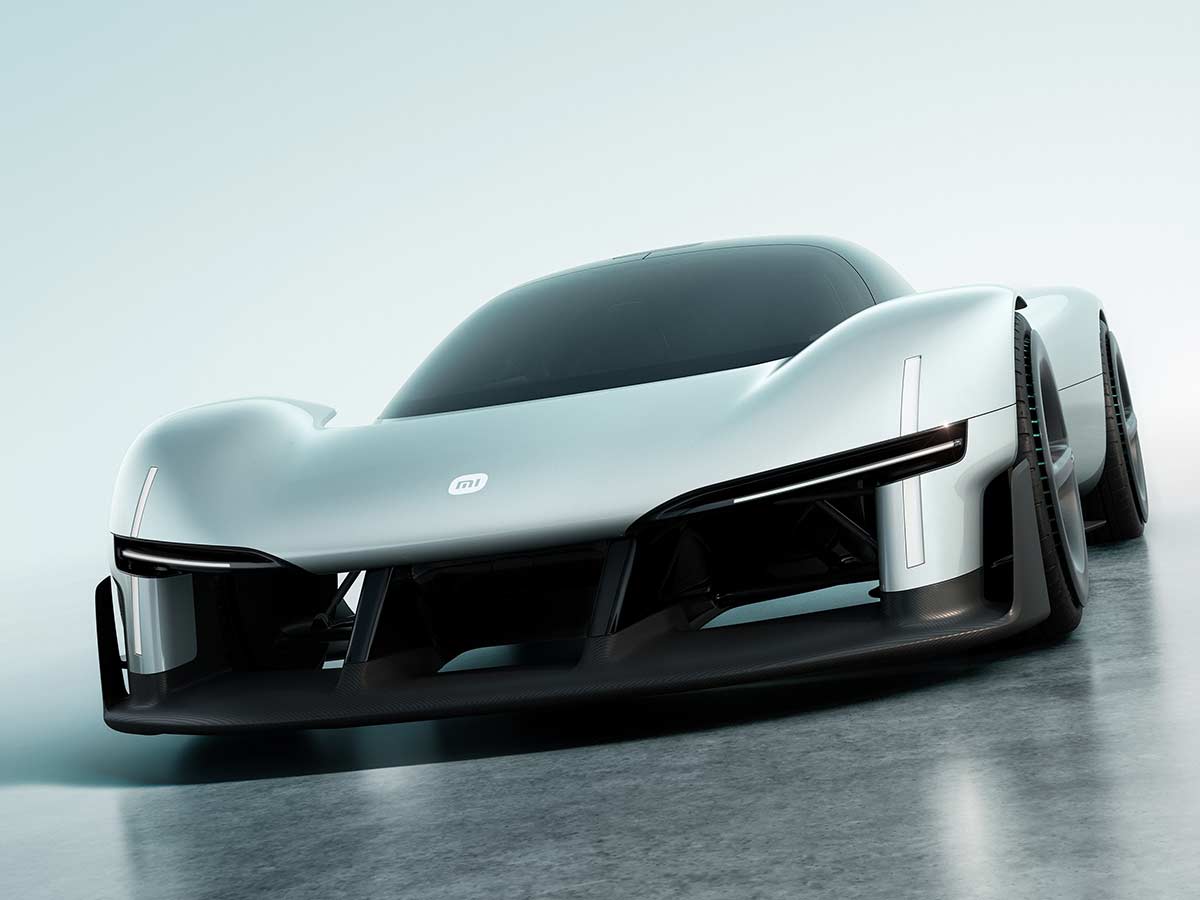
With the global debut of the Xiaomi Vision Gran Turismo, Xiaomi officially blurred the line separating consumer technology giants from elite automotive engineers. In fact, they completely erased it. Xiaomi recently became the first technology company invited to join the legendary Gran Turismo project. As a result, they built more than just a digital car. Ultimately, they constructed a bridge between real-world AI, cutting-edge aerodynamics, and virtual racing.
>>> Great Discounts on Car & Bike Accessories <<<
An Invitation to Dream Without Limits
The journey began a year earlier at the GT World Series in London. Specifically, Kazunori Yamauchi, the visionary producer behind the Gran Turismo franchise, extended a rare, personal invitation to Xiaomi’s EV design team. This prompt offered every designer’s dream. They could finally create the ultimate driving experience, entirely free from the usual manufacturing constraints of the real world.
For Xiaomi’s global teams across Munich, Beijing, and Shanghai, this presented more than a simple design exercise. Instead, it provided a chance to approach hypercar creation through the lens of a technology company. Therefore, they set out to answer a question that plagues automotive engineers today. How do you achieve blistering straight-line speed without sacrificing the downforce needed to conquer corners?
Sculpted by the Wind: Mastering Aerodynamic Balance
In the high-stakes world of electric hypercars, designers usually must choose between extreme low drag or maximum downforce. Nevertheless, Xiaomi rejected this compromise entirely.
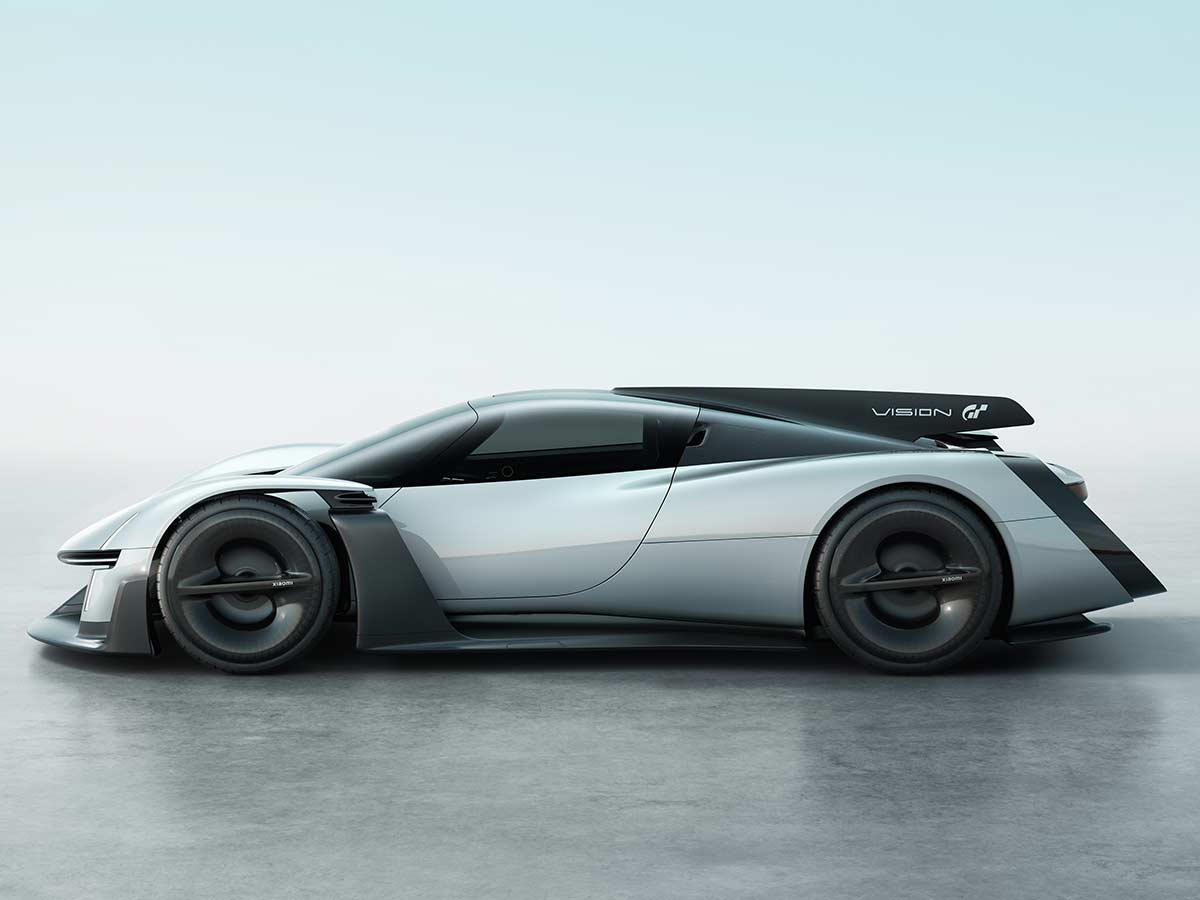
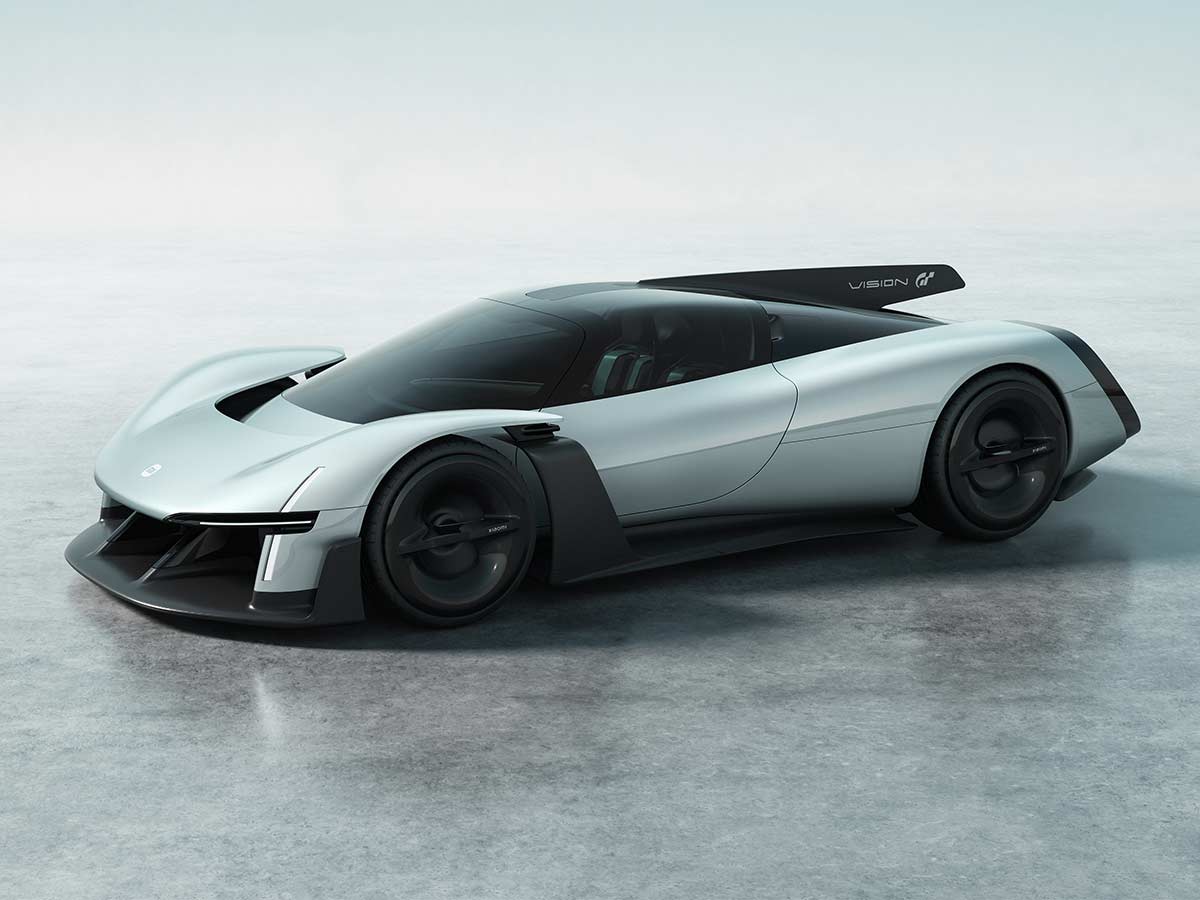
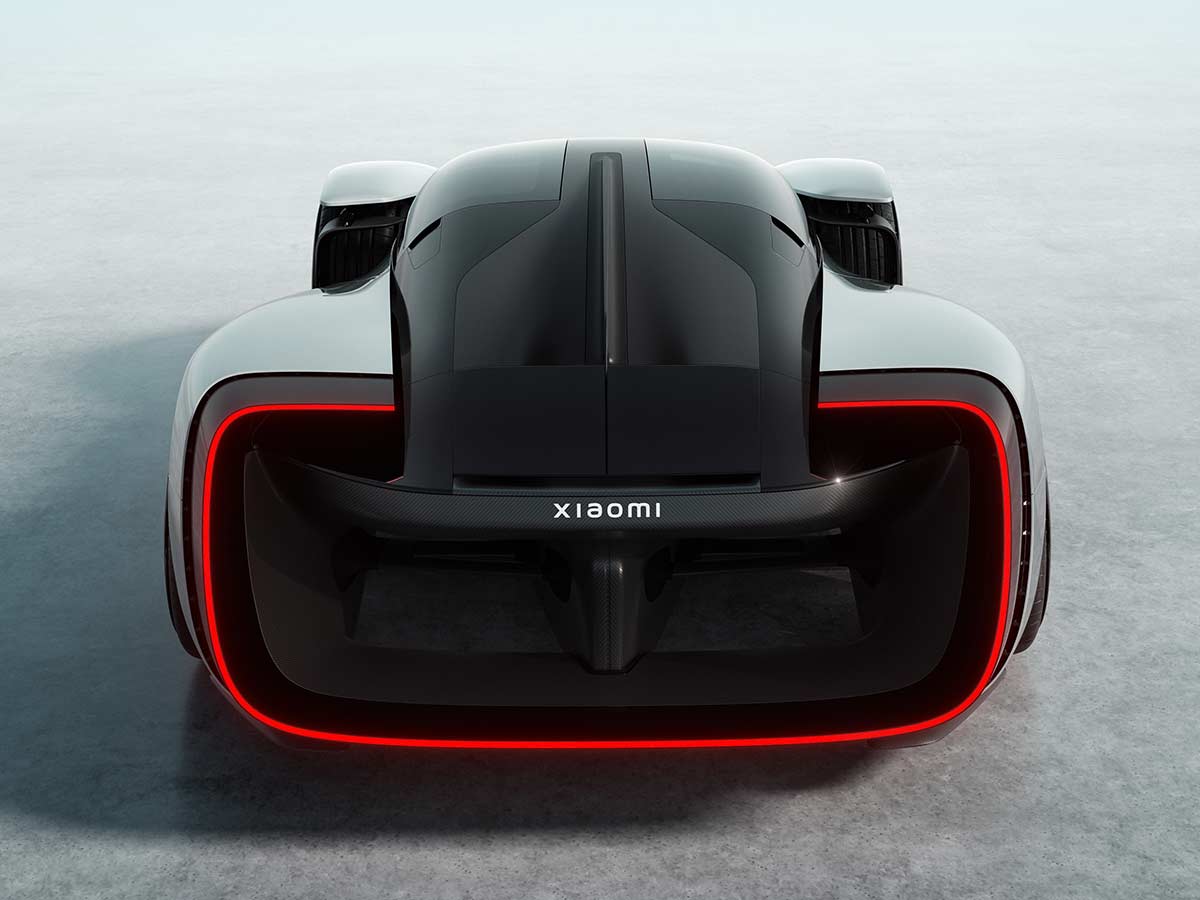
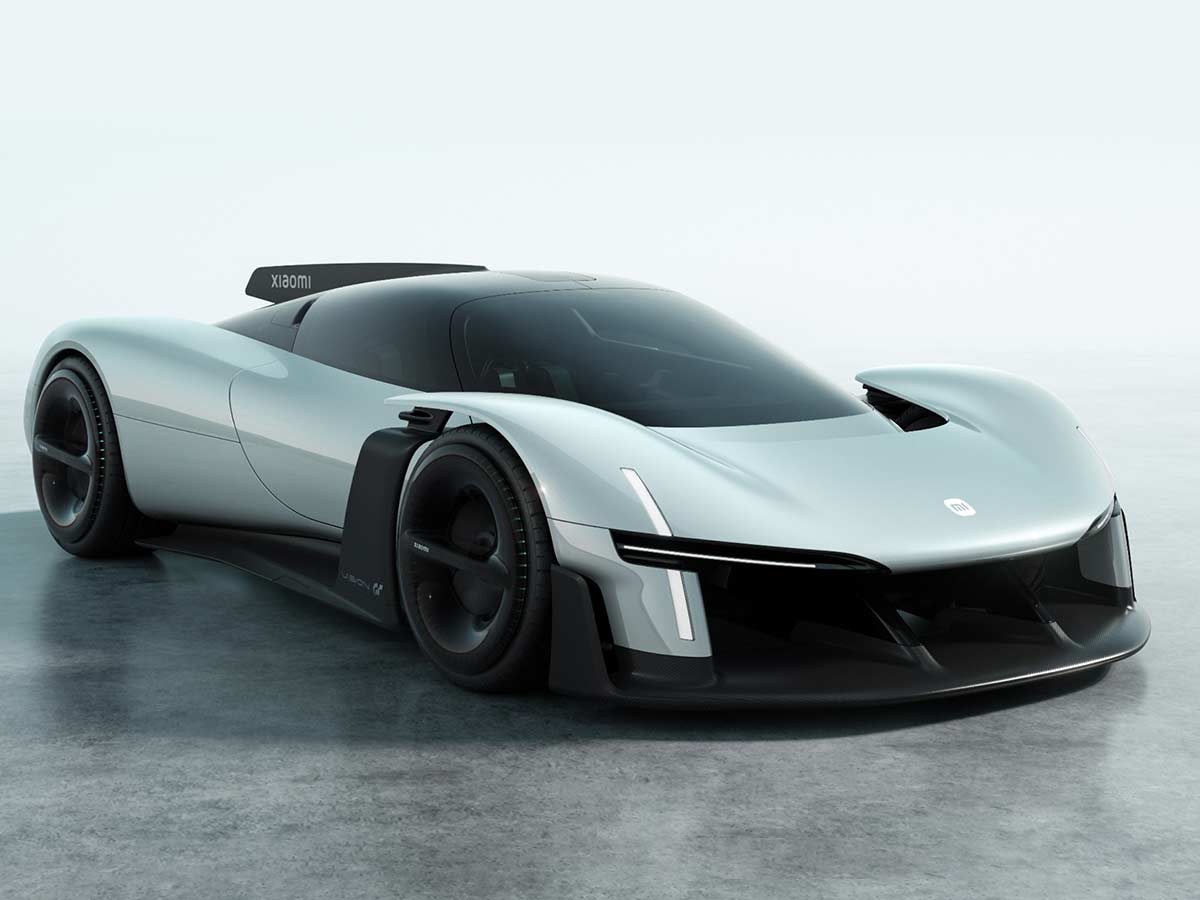
By adopting a philosophy they call “Sculpted by the Wind,” the design team crafted a vehicle that mimics nature. Consequently, it looks less like a machine and more like a water droplet. The larger aerodynamic architecture seamlessly embeds the teardrop-shaped cockpit. Furthermore, instead of slapping on bulky, drag-inducing spoilers, Xiaomi designed the car’s very body to channel the wind. Air enters the front, flows through meticulously sculpted internal passages, and cleanly exits the rear.
Every aesthetic choice serves a distinct, functional purpose:
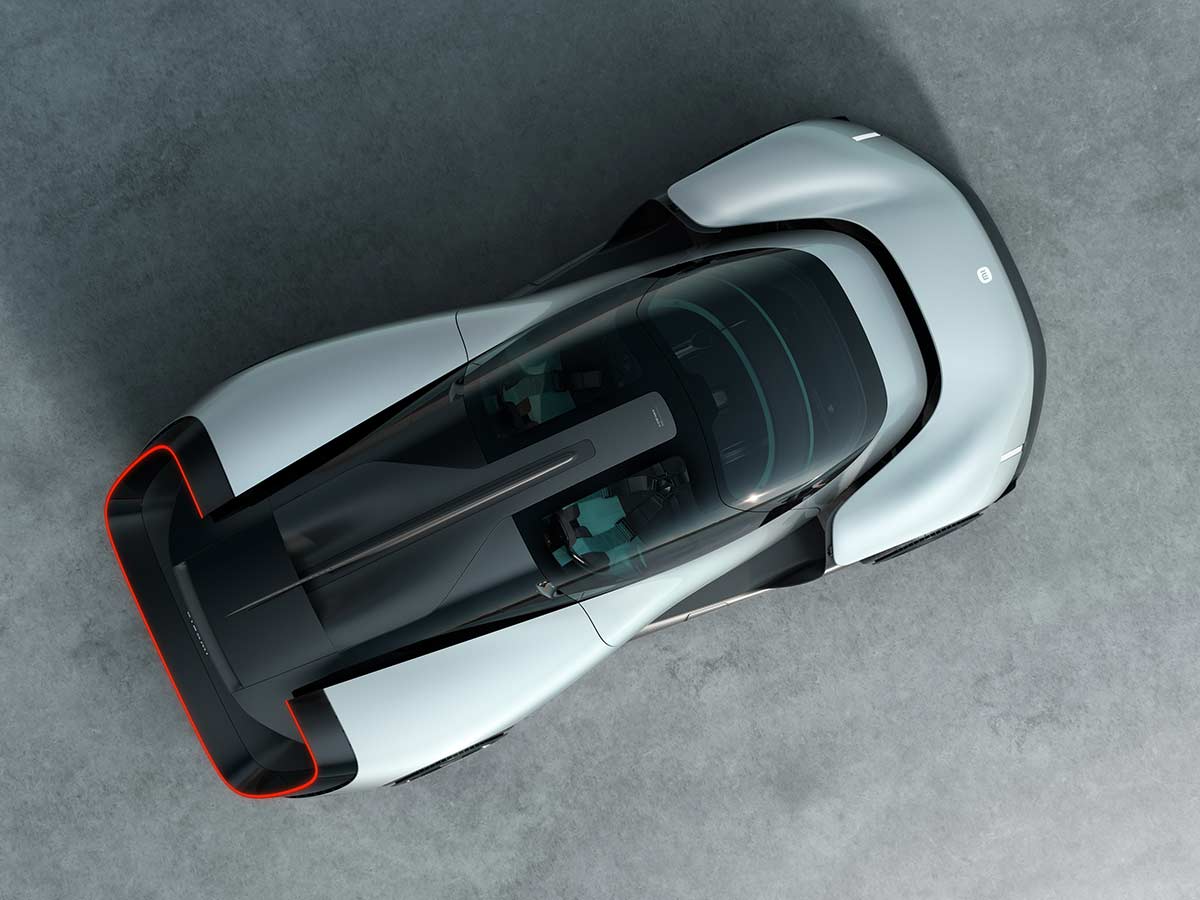
- The Active Wake Control System: Look closely at the rear halo taillight to find a matrix of micro-perforations. Acting as an “invisible hand,” this system uses real-time data to generate air actively. As a result, it pushes turbulent airflow away from the car and keeps the surfaces brilliantly smooth.
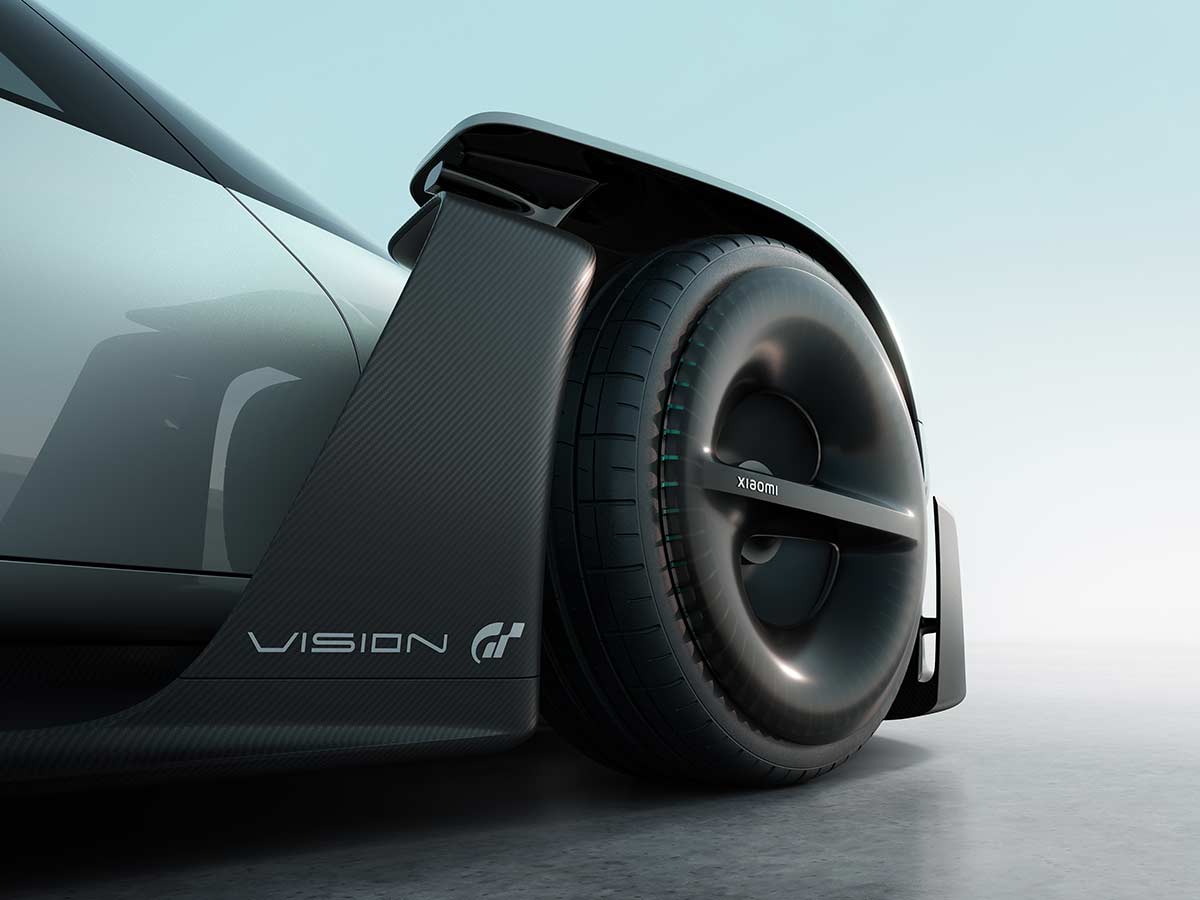
- Accretion Rims: These represent perhaps the most striking visual trick on the car. Internal turbine fins actively pull air in to cool the brakes. Meanwhile, the outer vortex-shaped wheel covers use a magnetic system to remain perfectly stationary while driving. Ultimately, this drastically reduces drag and creates a futuristic, “floating” wheel effect.
- Integrated Lighting: Cross-shaped headlights and a rear halo taillight serve as both striking family design signatures and functional aerodynamic air outlet components.
The numbers behind this “less is more” approach speak for themselves. Moreover, they prove a rare harmony of speed and grip:
| Aerodynamic Metric | Specification |
| Drag Coefficient | 0.29 |
| Downforce | -1.2 |
| Aero Efficiency Rating | 4.1 |
The “Sofa Racer”: : Redefining the Hypercar Cockpit
Slide into the cabin of most hypercars, and you usually find rigid, claustrophobic carbon-fiber bucket seats. However, Xiaomi saw an opportunity to completely flip the script.
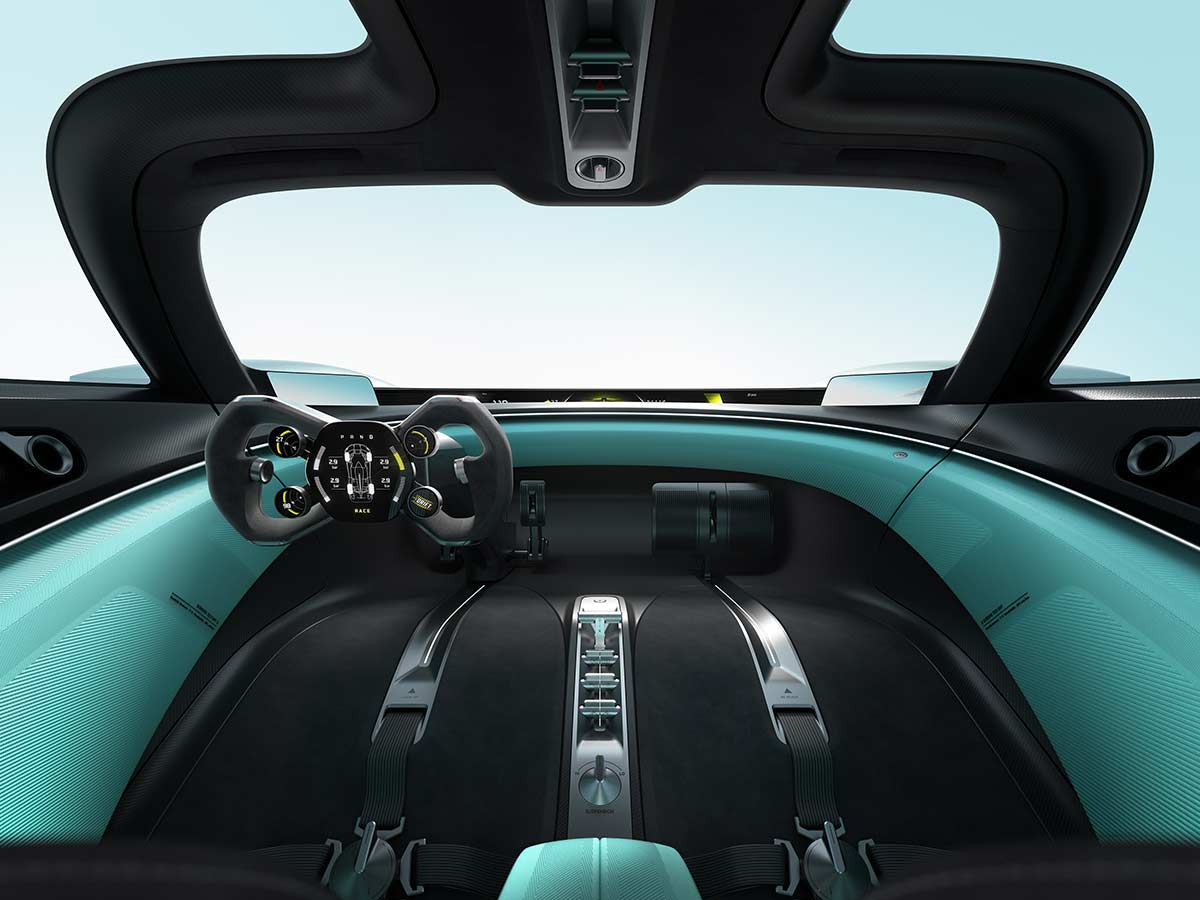
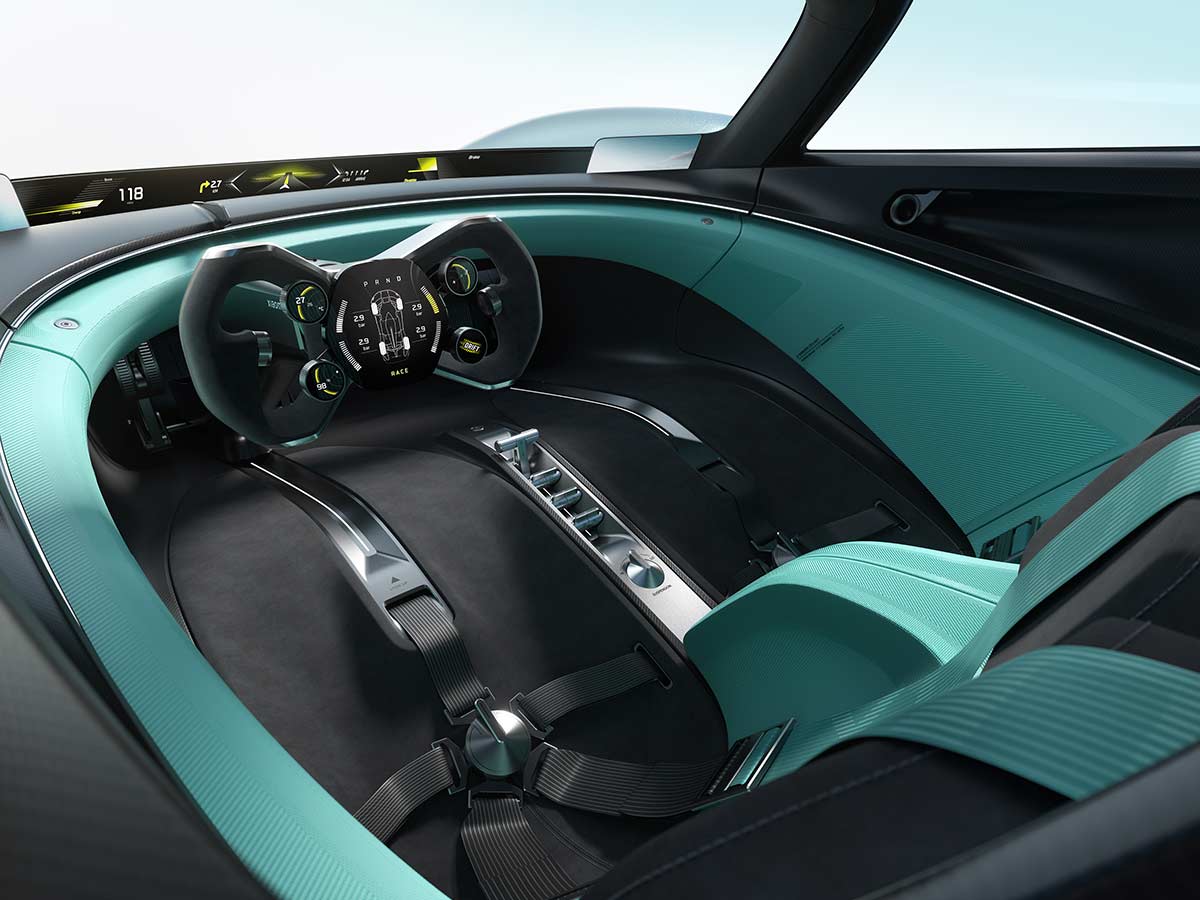
Welcome to the “Sofa Racer.” Instead of a cramped cockpit, the interior features a continuous, ring-shaped architecture that gently envelops the driver. A high-end sports fashion technique inspired the seats. Consequently, designers crafted them from breathable, 3D-knitted natural fabric. This unique choice offers the duality of intense track support and genuine, relaxing comfort.
But the real magic happens when you power the car on. The “Human x Car x Home” ecosystem breathes life into the vehicle.
- Xiaomi Pulse: A 360-degree intelligent assistant built into the dash reads your state and the environment. Subsequently, it communicates intuitively through ambient light and sound.
- Xiaomi HyperVision: The displays dynamically adapt to your driving mode. Therefore, they serve up minimalist track telemetry when you race, or immersive navigation when you cruise.
- Tactile Precision: The infinite-shaped, steer-by-wire wheel integrates physical controls. Furthermore, these controls deliver the premium, satisfying click of a flagship smartphone.
The “Human x Car x Home” Ecosystem
True to its roots, Xiaomi has ensured this hypercar isn’t just a vehicle; it’s an extension of your smart ecosystem. Powered by the XiaoAi AI Assistant and the Xiaomi MiMo foundational model, the car acts as an intuitive companion rather than a cold machine. It connects seamlessly with personal devices and even senses the driver’s mood.
Xiaomi’s vision extends beyond the car itself. As part of this concept, they envisioned a beautifully designed home driving simulator. Importantly, it doubles as elegant living room furniture. As a result, the driver-machine connection continues long after the virtual engine turns off.
As the 36th brand to join the Vision Gran Turismo project, Xiaomi’s creation left a lasting impression on the automotive and gaming worlds alike.
“The overall design maintains its simplicity while revealing an indescribably sleek and incredibly sexy curved aesthetic,” said Gran Turismo Producer Kazunori Yamauchi. “What impressed me most was how Xiaomi resolved the contradiction between low drag and high downforce… I believe this car will become a role model for this era.”
Ultimately, the Xiaomi Vision Gran Turismo is more than a 3D model; it is a statement. It proves that the future of the hypercar isn’t just about raw horsepower. Instead, it prioritizes intelligence, seamless ecosystems, and perfectly balanced design.
Racing enthusiasts won’t have to wait long to experience the thrill for themselves. In fact, the car will officially arrive in Gran Turismo 7 in the near future.