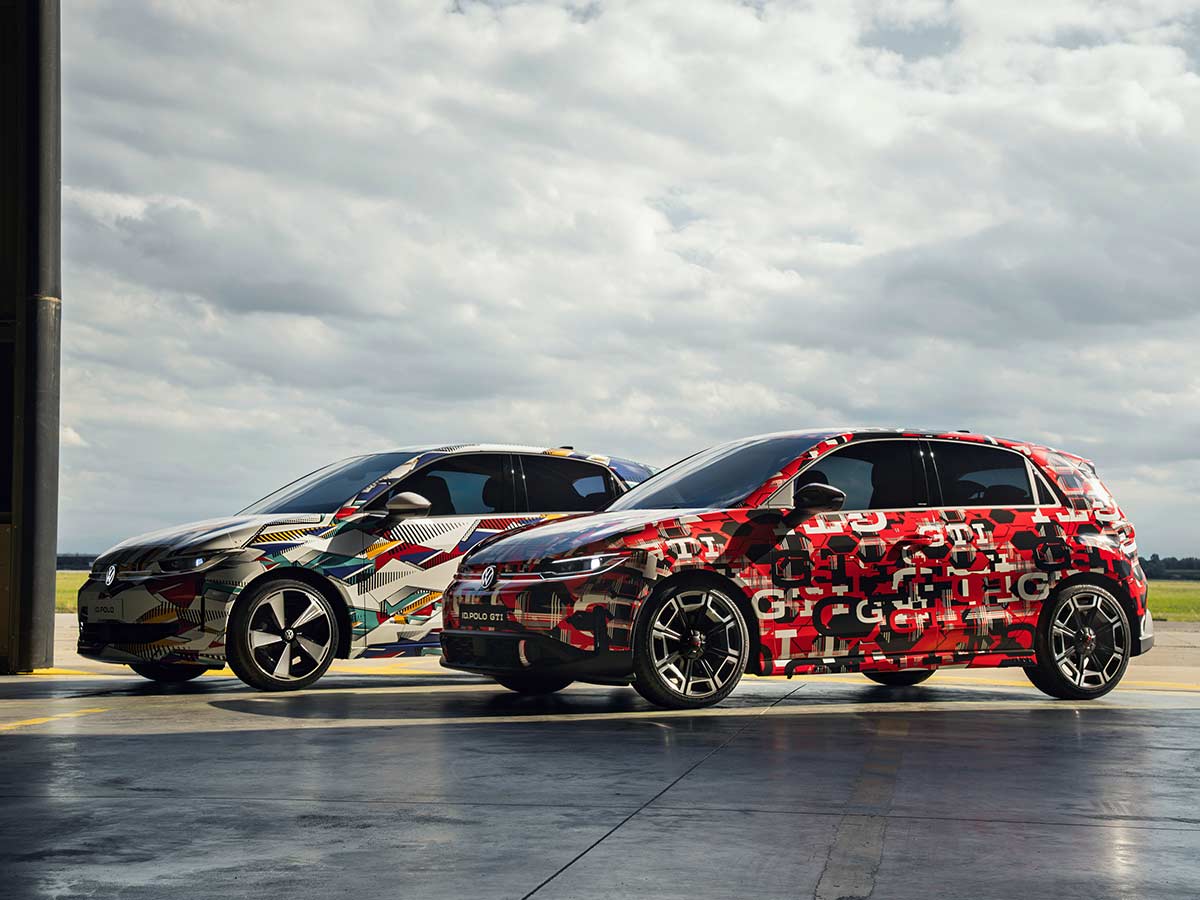









In the rapidly evolving world of electric mobility, manufacturers often race toward the future so quickly that they leave the comfort of the driver behind. However, with the reveal of the all-new ID. Polo in Wolfsburg, Volkswagen has signaled a significant philosophical pivot. This isn’t just the debut of a new electric compact car; it is the premiere of a completely redesigned cockpit generation that prioritizes a “people-first” approach over pure digitalization.
Volkswagen’s latest announcement for the 2026 model year represents a direct response to customer feedback, blending modern software with the return of beloved physical controls.
>>> Great Discounts on Car & Bike Accessories <<<
The “Pure Positive” Design Philosophy
Volkswagen describes the aesthetic of the ID. Polo as “Pure Positive”. This design language is intended to create a vehicle that feels less like a machine and more like an “affordable friend” for daily life.
According to Volkswagen Chief Designer Andreas Mindt, the goal was to craft an interior that builds trust immediately. “Clear physical buttons provide stability and trust, warm materials make it appealing,” Mindt explains. This marks a departure from the stark, sometimes sterile, minimalism seen in earlier EVs, moving toward a “big heart” aesthetic that emphasizes warmth and approachability.
Elevating the Compact Class
Historically, small cars often suffered from budget-grade interiors. Volkswagen is aiming to break this trend by delivering quality standards in the ID. Polo that align with higher vehicle classes.
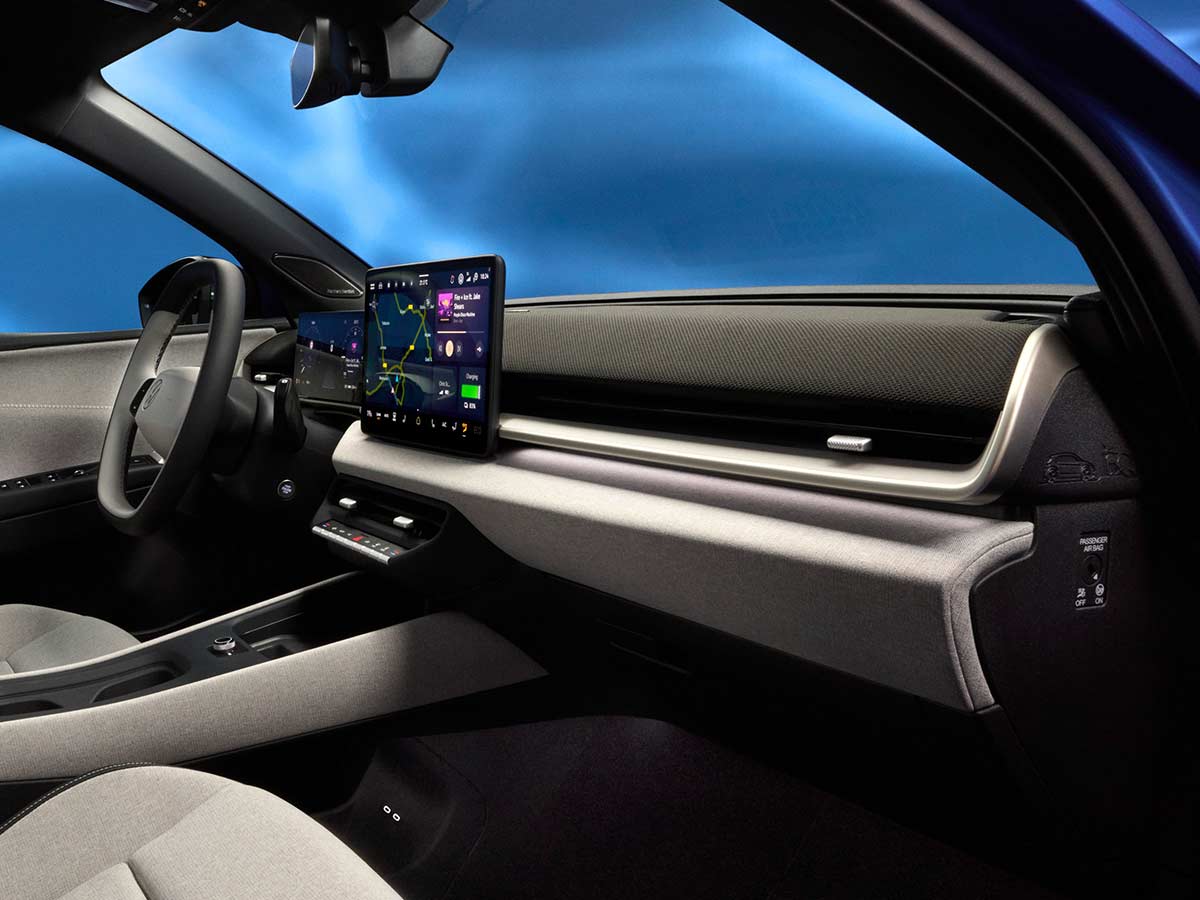
- Materials: The dashboard and door inserts feature fabric-covered surfaces, contributing to a “cross-class impression” of higher quality.
- Sustainability: The interior utilizes high-quality materials with recycled content, aligning with the brand’s sustainable mobility goals.
- Atmosphere: The tactile feel of surfaces, handles, and controls has been engineered to create an inviting atmosphere.
The Cockpit: A Return to Usability
The most significant news regarding the ID. Polo is the complete overhaul of the control concept. For years, drivers have lamented the loss of buttons in favor of touch sliders. Volkswagen has listened. The new cockpit is “systematically optimised based on customer feedback”.
The Horizontal Architecture
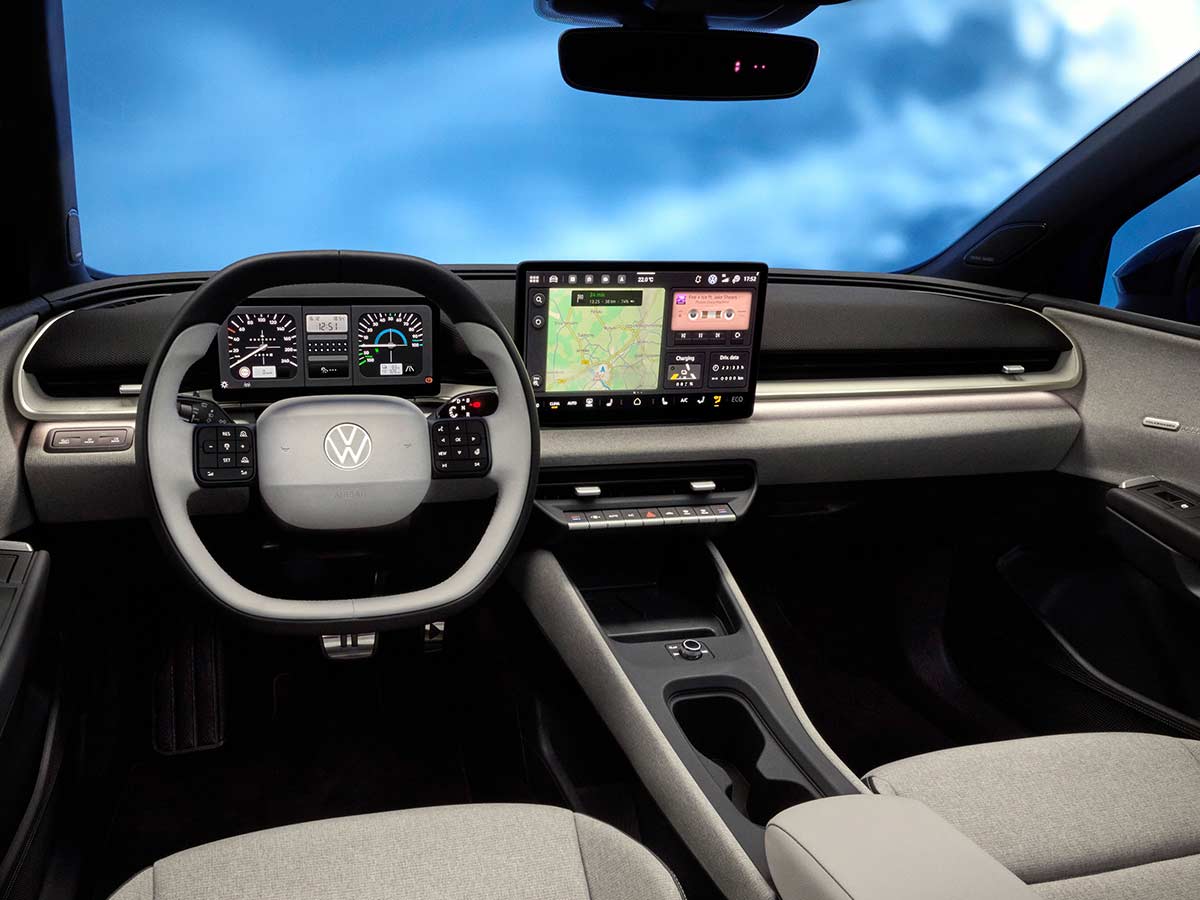
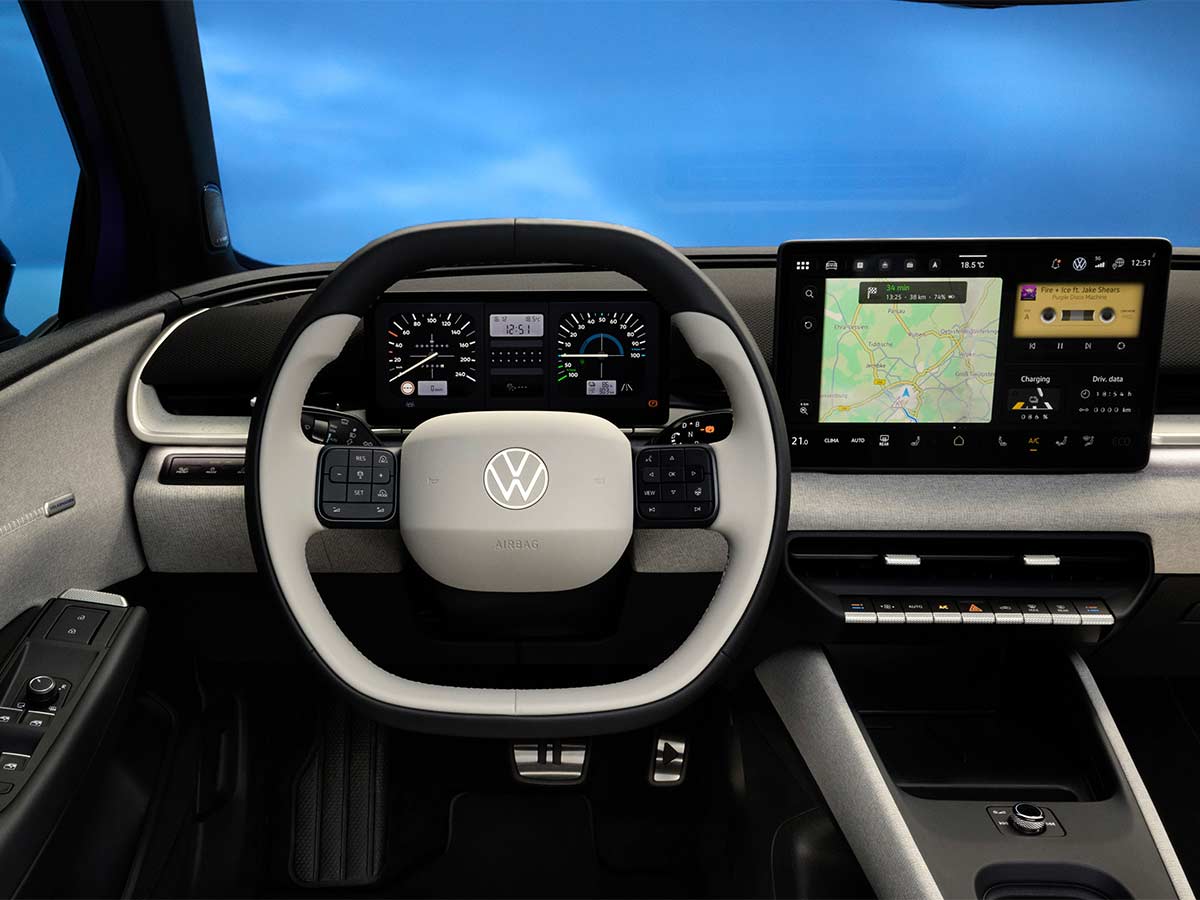
The dashboard follows a clear, horizontal orientation, dominated by two large displays arranged along a single line of sight. This layout reduces the time a driver’s eyes are off the road.
- Digital Cockpit: Situated behind the steering wheel is a 26.0 cm (10.25-inch) screen serving as the instrument cluster.
- Infotainment Hub: A massive 33-cm (almost 13-inch) touchscreen anchors the center. This size is notable for the compact segment, offering high-resolution graphics and easy accessibility for both the driver and the front passenger.
The Return of Physical Buttons (The “Tactile Fix”)
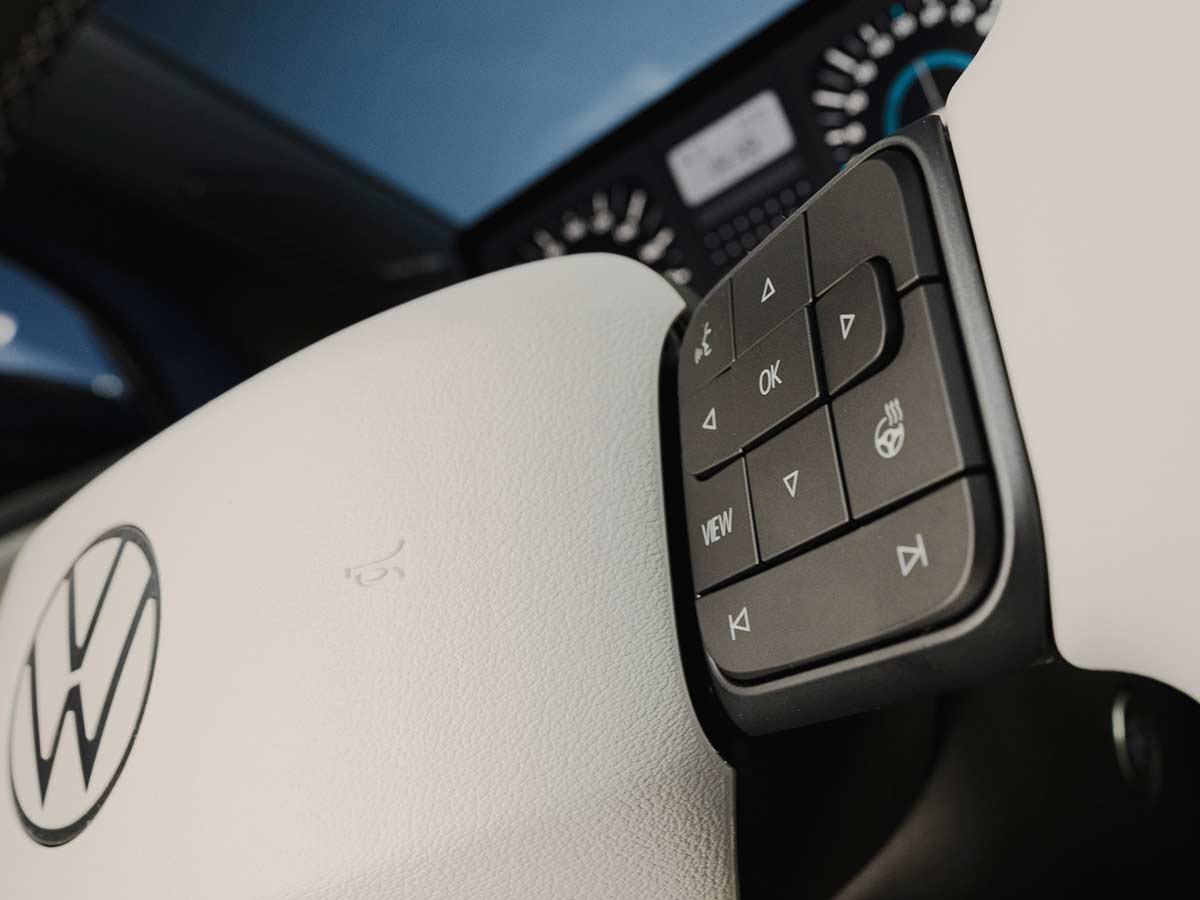
Perhaps the most celebrated feature for automotive traditionalists is the reintroduction of physical buttons. Kai Grünitz, Brand Board Member for Technical Development, emphasizes that this environment includes “physical buttons and newly structured screens”.
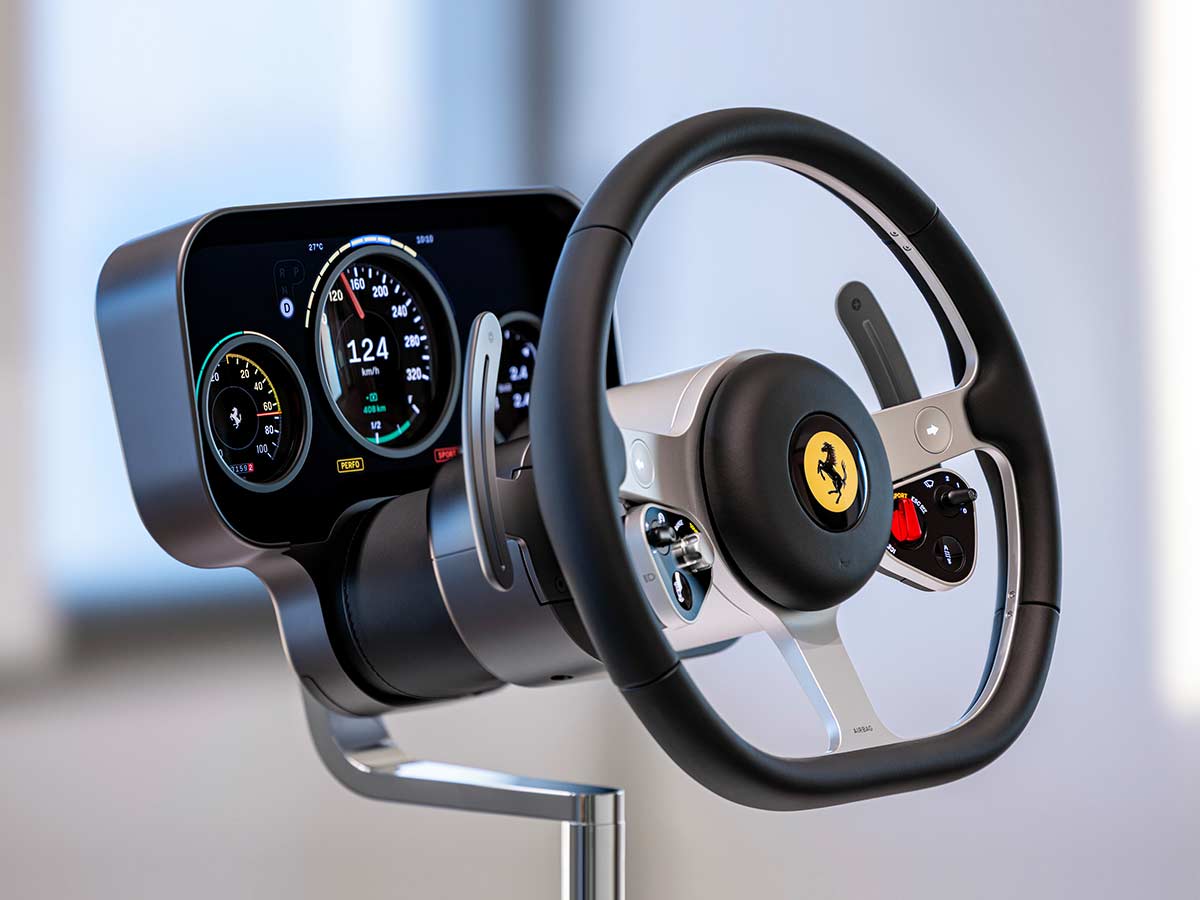
- Steering Wheel: The ID. Polo features a completely new multi-function steering wheel with clearly structured, physical button fields rather than capacitive touch surfaces.
- Climate Controls: A dedicated strip of separate buttons for climate functions and hazard warning lights is now integrated below the infotainment screen. This allows for muscle-memory operation without digging into sub-menus.
- The Rotary Controller: In a significant win for ergonomics, a rotary controller for audio operation has been positioned between the smartphone tray and cup holders. This allows the driver or passenger to adjust volume or select tracks/stations blindly, without looking at a screen.
The “Secret Sauce”: Emotional Technology
While usability creates trust, details create love. Volkswagen’s design team refers to these unexpected emotional connections as the “Secret Sauce”.
The Retro Display
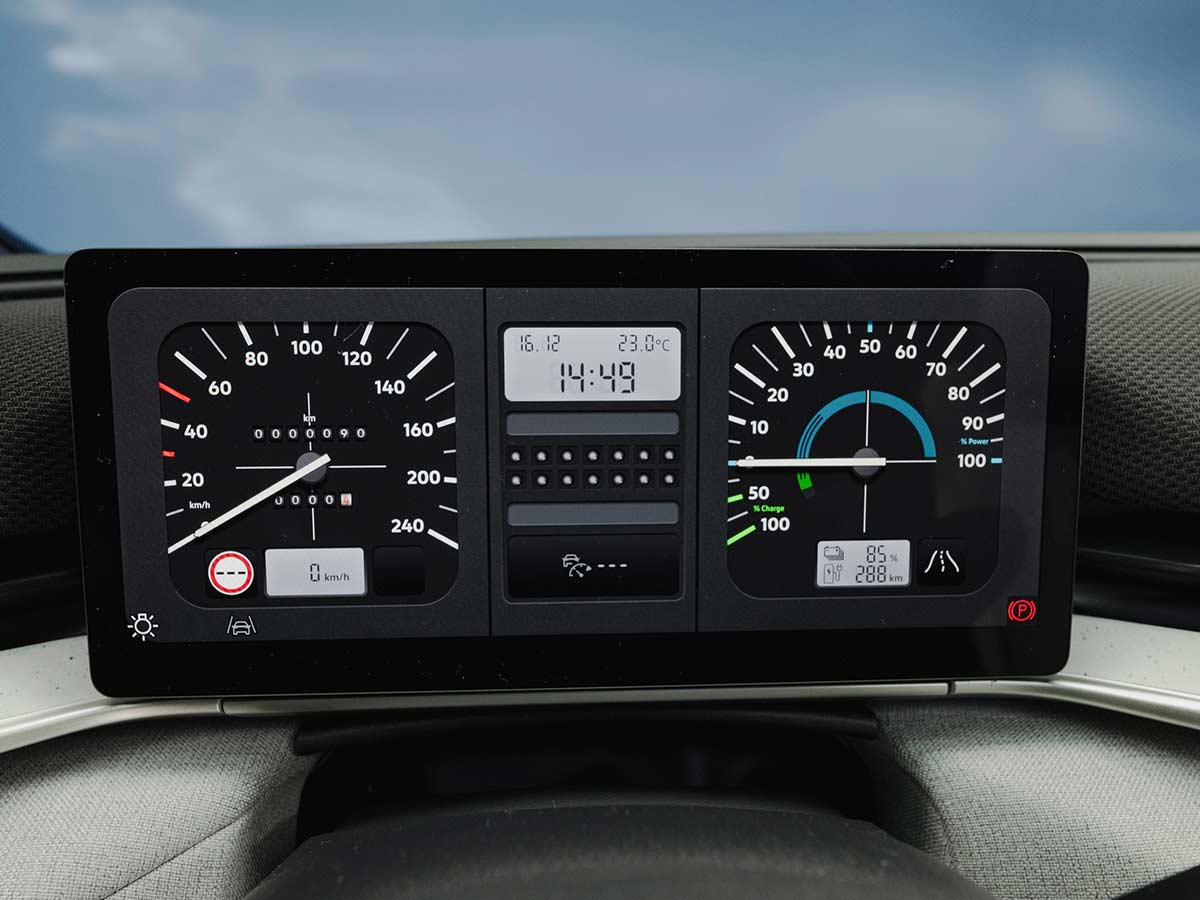
In a nod to its heritage, the ID. Polo features a “retro display” mode. With a single press of a button, the high-tech digital instrument cluster travels back in time, transforming into the classic screen views of the first Golf from the 1980s.
This isn’t functional necessity; it is digital charm. It connects the futuristic electric platform with the nostalgia of the brand’s history, providing what Designer Andreas Mindt calls “the typical Volkswagen wink”.
Enhanced ID.Light
The ID.Light – an interactive light strip at the base of the windscreen, has been a staple of the ID. family. In the ID. Polo, this system has been significantly developed. For the first time, the light strip extends beyond the instrument panel and into the front doors, creating a more immersive communication loop between the car’s assistance systems and the driver.
Software and Performance: Under the Hood
The ID. Polo is not just a styling exercise; it introduces a new software generation that brings flagship-level features to the compact segment.
Advanced Driving Assistants
The vehicle utilizes the third generation of “Travel Assist.” This system has evolved to provide:
- Traffic Recognition: The ability to recognize red traffic lights and stop signs.
- One-Pedal Driving: A highly requested feature for EV drivers, this software update allows for comfortable one-pedal driving, where the regenerative braking is strong enough to slow the car to a stop without using the brake pedal in most scenarios.
Intuitive Menus
Complementing the physical buttons is a tidier menu structure within the infotainment system. The goal was to adopt familiar VW operating patterns and develop them further, ensuring that long-time VW owners feel at home immediately.
The “Affordable Friend”
The ID. Polo is positioned as a near-production concept car, serving as a preview of what is to come. Volkswagen currently operates a “BOOST 2030” strategy, aiming to become the most desirable brand for sustainable mobility.
In 2024 alone, Volkswagen delivered approximately 394,000 all-electric vehicles worldwide. The ID. Polo is vital to expanding this number. By combining the footprint of a compact car with the interior space of a larger vehicle—and crucially, fixing the ergonomic complaints of the previous generation—Volkswagen is positioning the ID. Polo as a high-volume “bestseller” alongside legends like the Golf and Tiguan.
A Course Correction for the Better
The unveil of the ID. Polo represents more than just a new car; it is an admission that the future of driving requires a balance of innovation and tradition. By reintegrating physical buttons, simplifying menus, and adding high-quality tactile materials, Volkswagen is acknowledging that “new” isn’t always “better” unless it actually helps the driver.
With the ID. Polo, Volkswagen seems to have found the sweet spot: a car that looks to the future with its electric powertrain and software, but respects the past with its intuitive controls and retro charm.