

















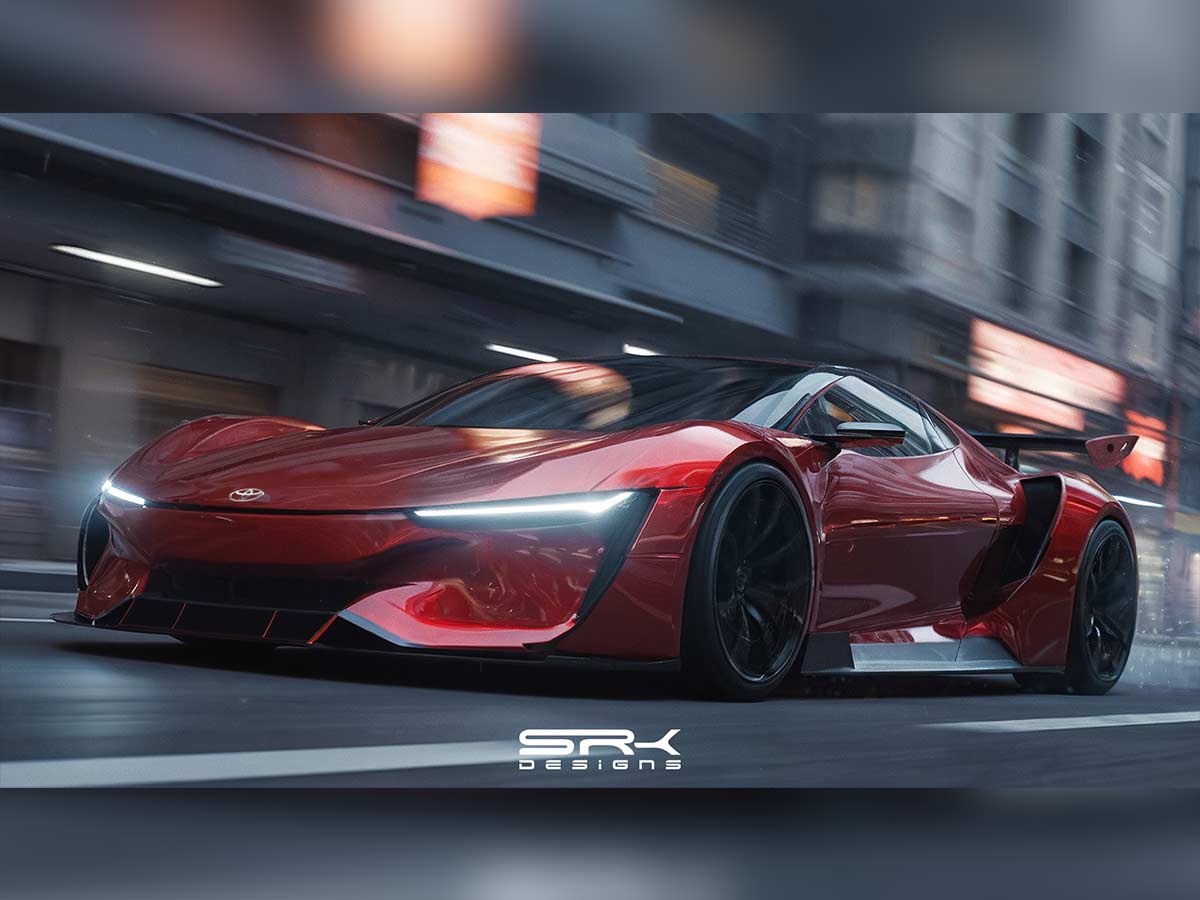






After years of building some of the world’s most reliable everyday cars, and a handful of genuine performance legends, TOYOTA GAZOO Racing (TGR) has just unleashed its next flagship: the GR GT. Unveiled alongside its track-only twin, the GR GT3, this new coupe is a road-legal race car that promises to be the purest expression yet of the brand’s “Driver-First” philosophy.
It is not just a new model; it is a spiritual successor to the iconic Toyota 2000GT and the beloved, high-revving Lexus LFA, bringing Toyota back into the exclusive high-performance supercar club.
>>> Great Discounts on Car & Bike Accessories <<<

Key Takeaways (The Quick-Shift Summary):
This is the fastest way to understand the reveal of Toyota’s new flagship sports car:
- Engine: Newly developed 4.0-liter, Twin-Turbo V8 paired with a hybrid electric system.
- Performance Target: Maximum system output of 650 DIN hp (or greater) and 850 Nm (or greater) of torque.
- Core Philosophy: Developed as a “road-legal race car” using a “Driver-First” approach, involving Master Driver Morizo (Akio Toyoda) and professional racers.
- Construction Firsts: Uses Toyota’s first-ever all-aluminum body frame for low weight and high rigidity.
- Launch Window: The GR GT is expected to debut globally for customers in 2027.
Introduction: Why This Supercar Matters
For decades, the Toyota brand has been synonymous with bulletproof reliability. But for the true enthusiast, the name carries a deeper history—a lineage of boundary-pushing performance stretching from the gorgeous 2000GT of the 1960s to the glorious V10-powered Lexus LFA.
The announcement of the GR GT signals the return of a true, dedicated flagship performance machine for the Toyota marque. This isn’t just a powerful coupe; it’s a homologation special in spirit—a road car required to underpin the new GR GT3 race car, which will compete in the top tier of customer motorsports. This motorsport DNA is baked into every component, ensuring that the GR GT is a machine dedicated to the pure, uncompromised joy of driving.
Design & Aerodynamics: Form Follows Race Function
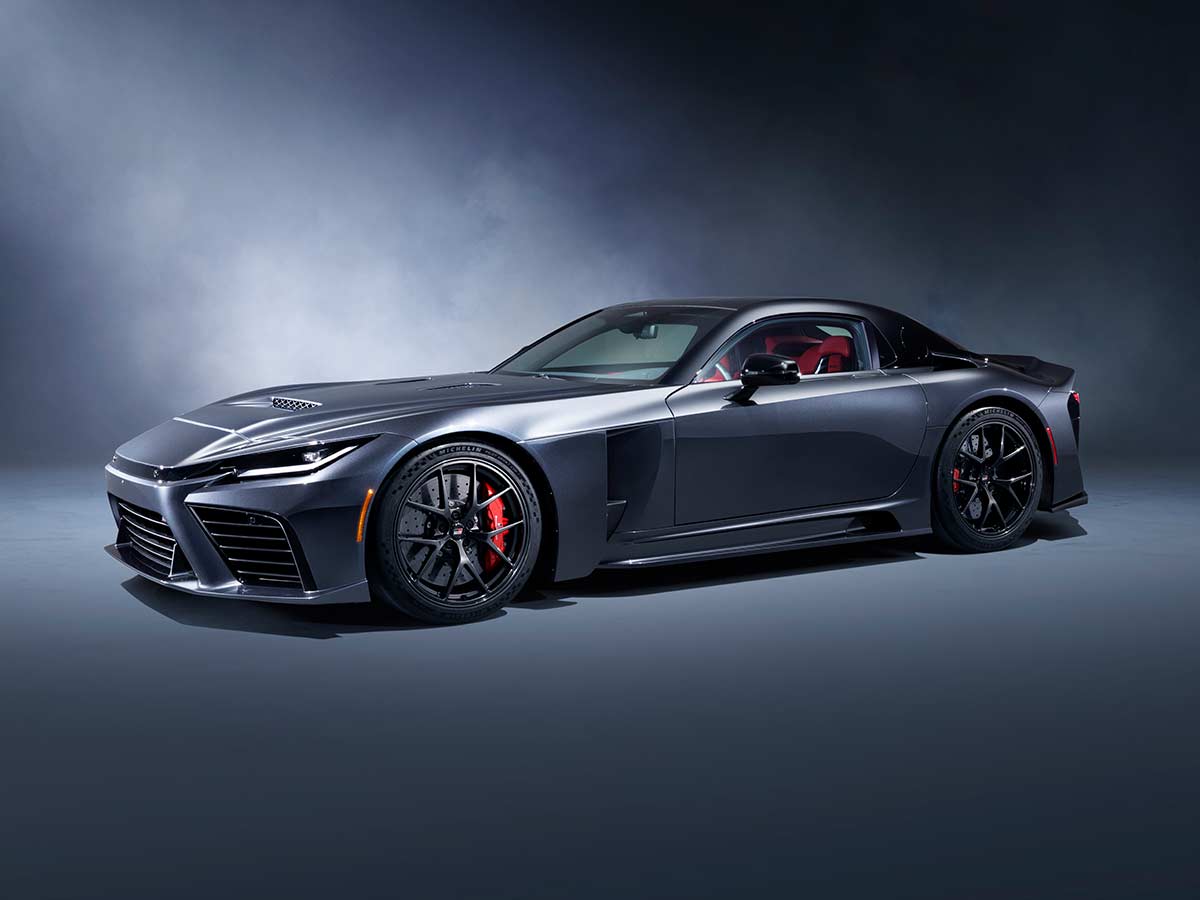
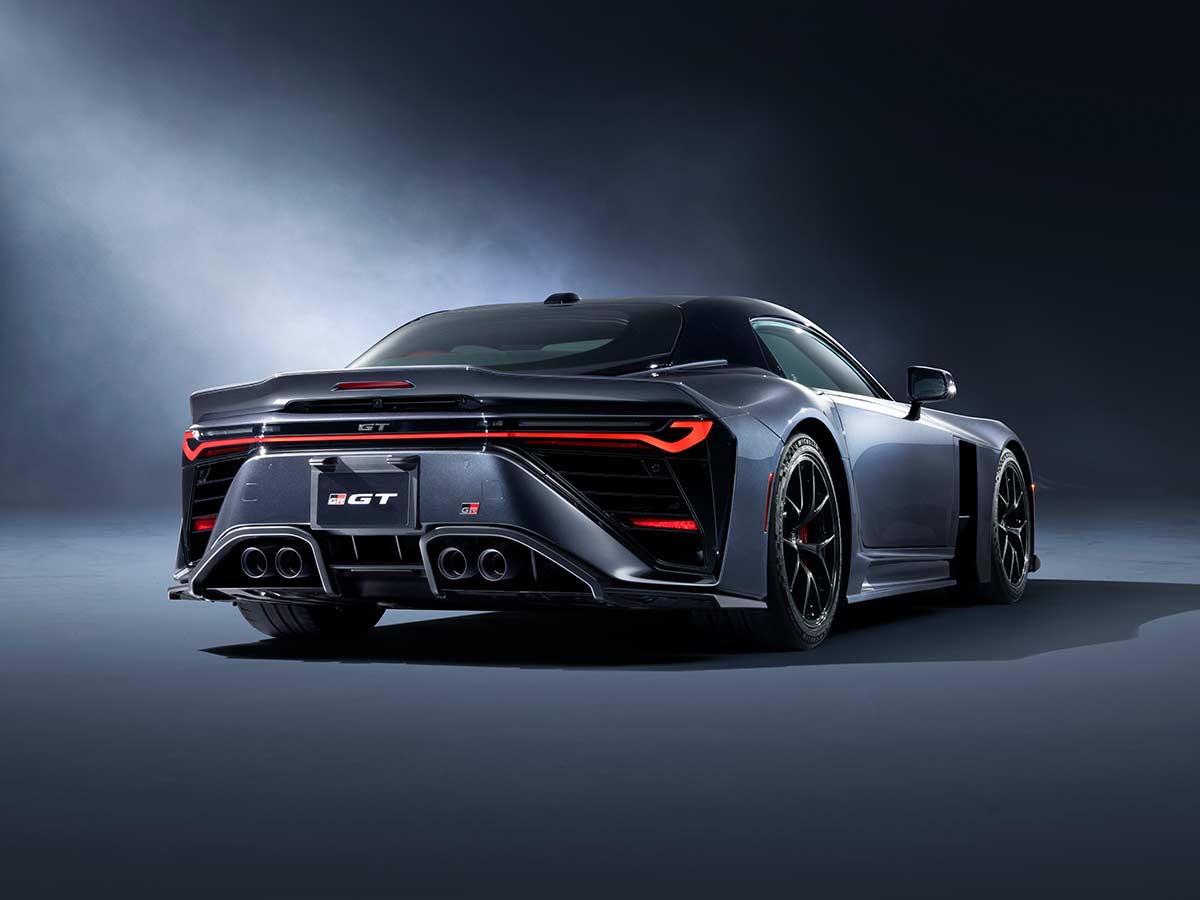
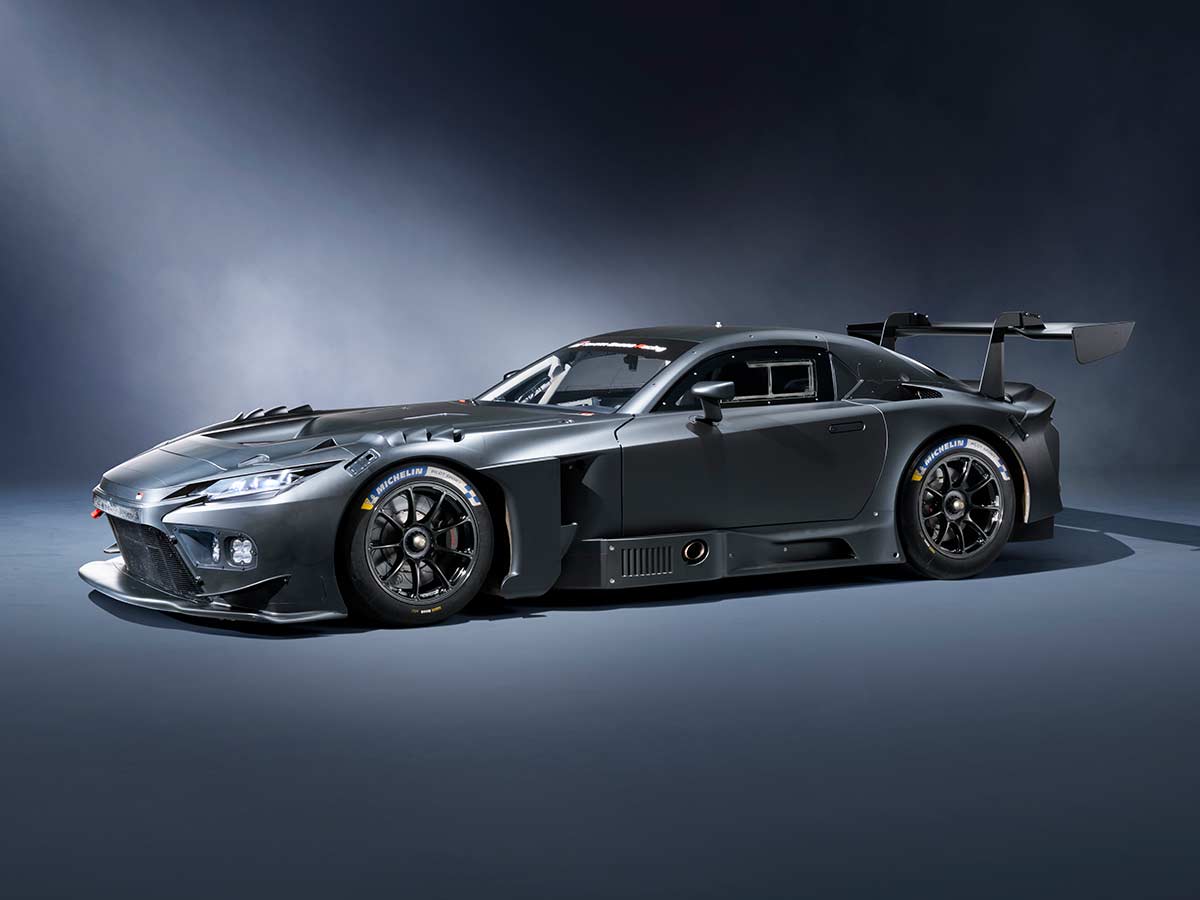
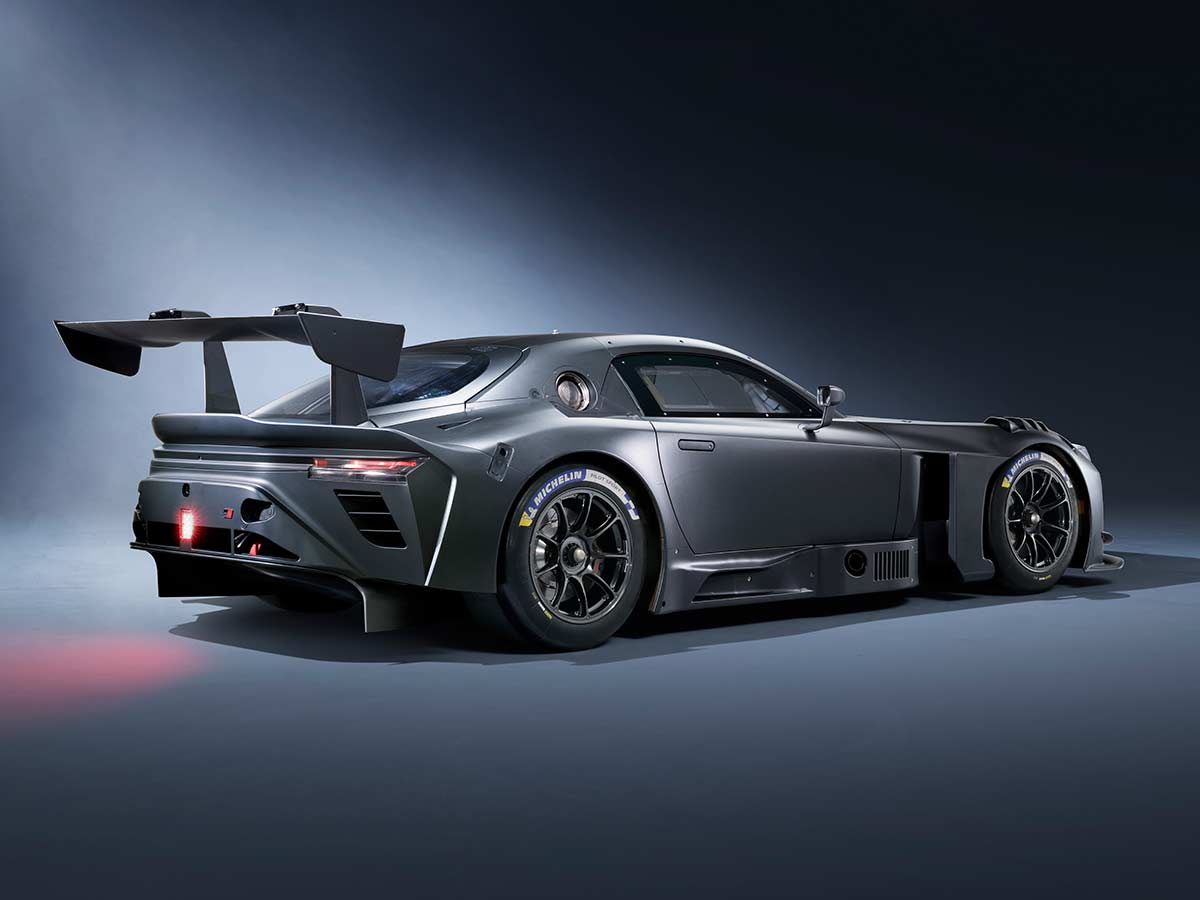
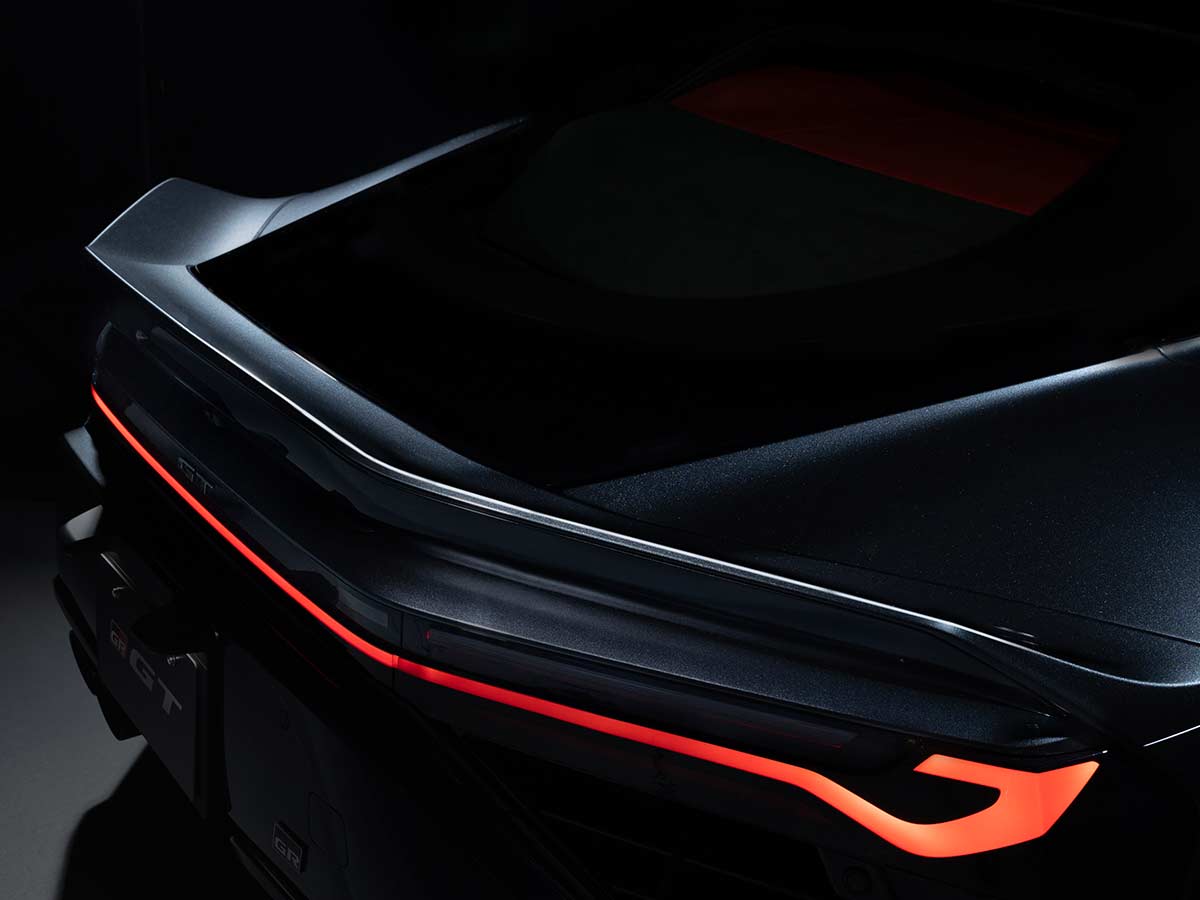
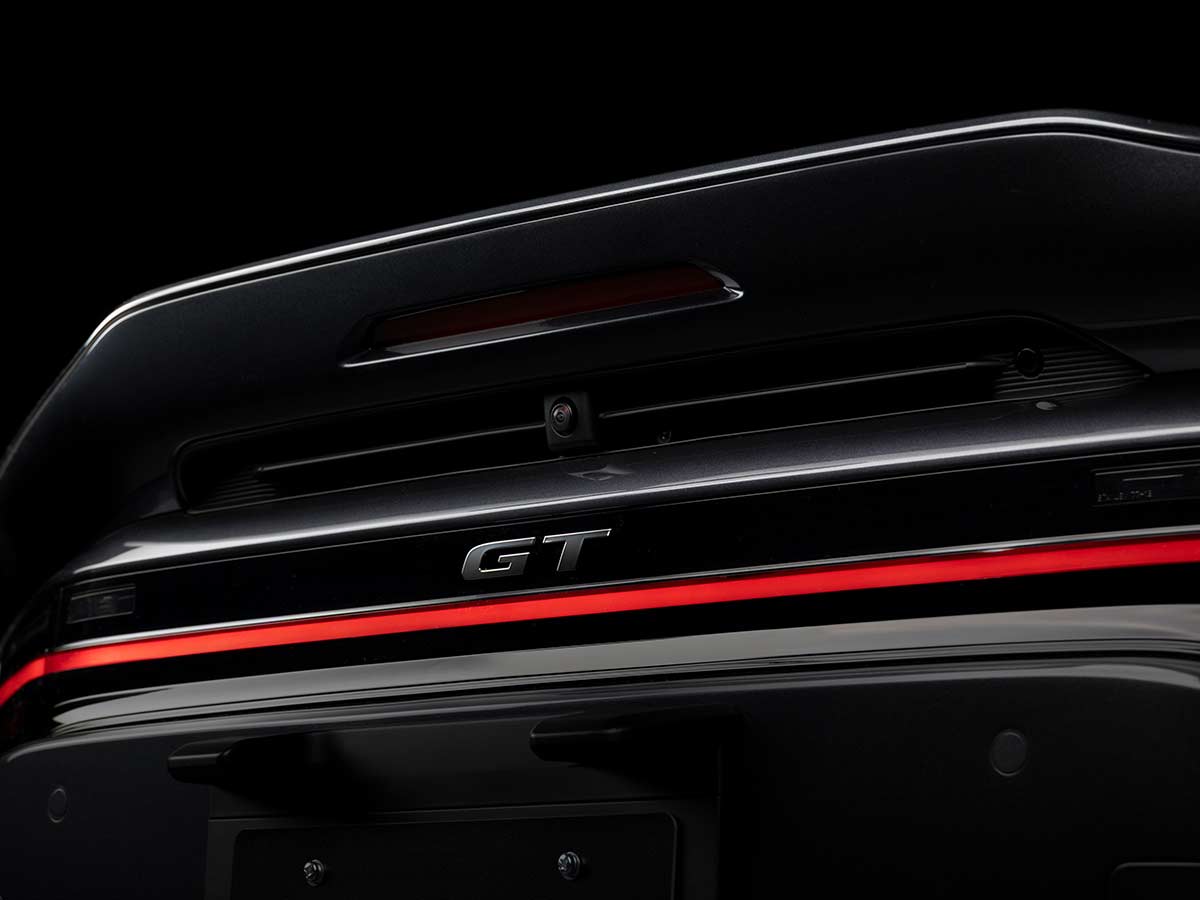
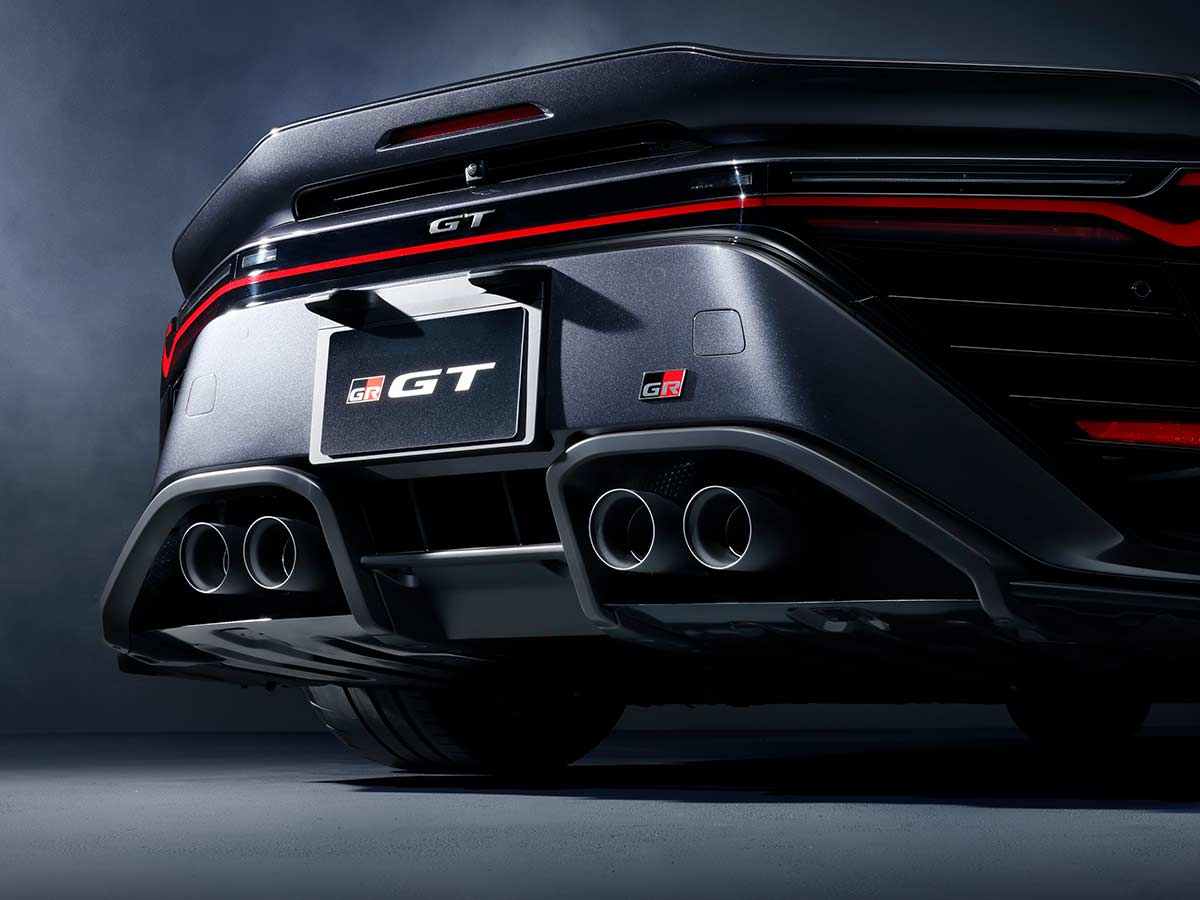
The GR GT boasts the classic, sweeping proportions of a grand-touring supercar: a long bonnet, a short rear deck, and a cab-rear layout. It is striking, low-slung, and wide, with a total height under 1,200 mm, giving it an intensely aggressive stance.
Aerodynamics First
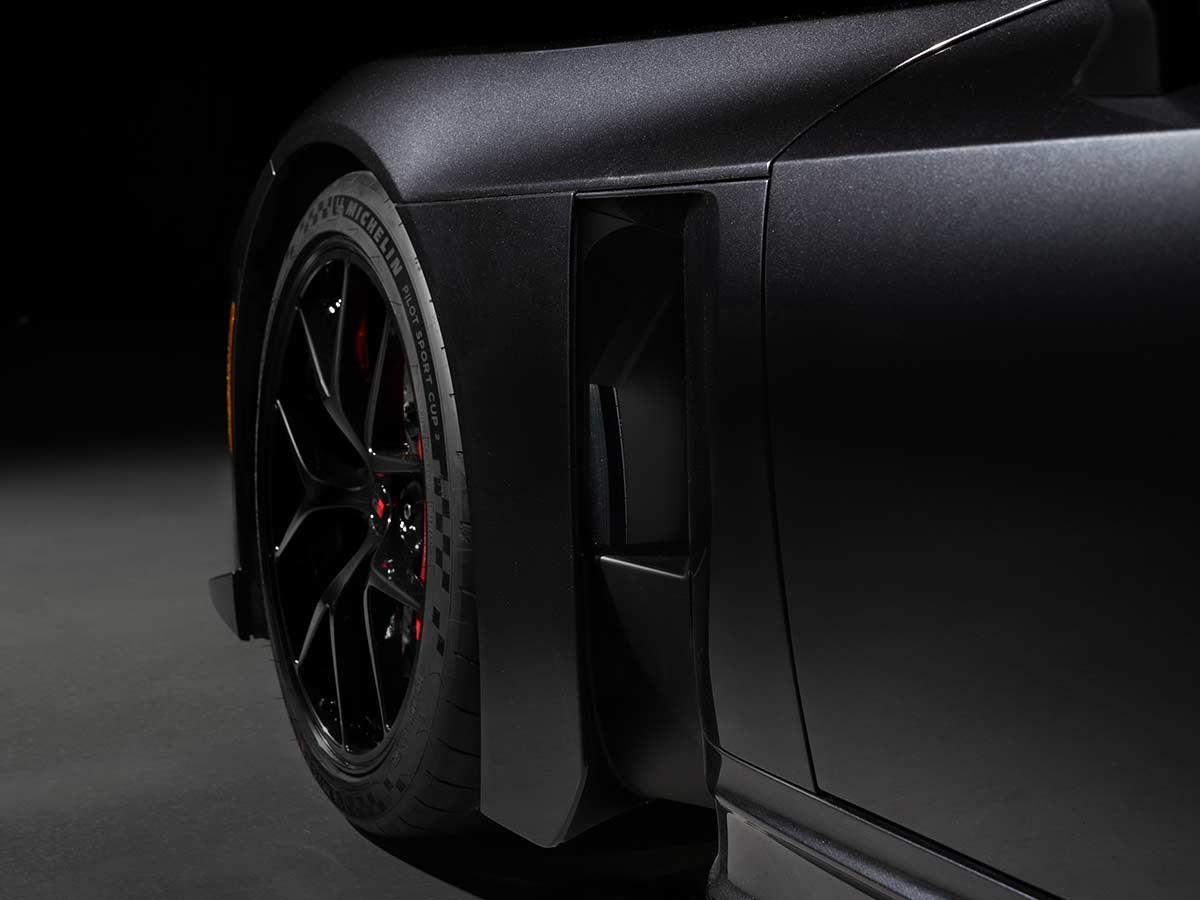
In a bold reversal of typical car design, TGR’s engineers and designers first established the ideal aerodynamic performance required for the car before the exterior styling was finalized. This means every curve and vent you see is there to manage airflow, cool the brakes, or generate downforce—making the styling not just beautiful, but perfectly functional.
Low Weight with High Rigidity
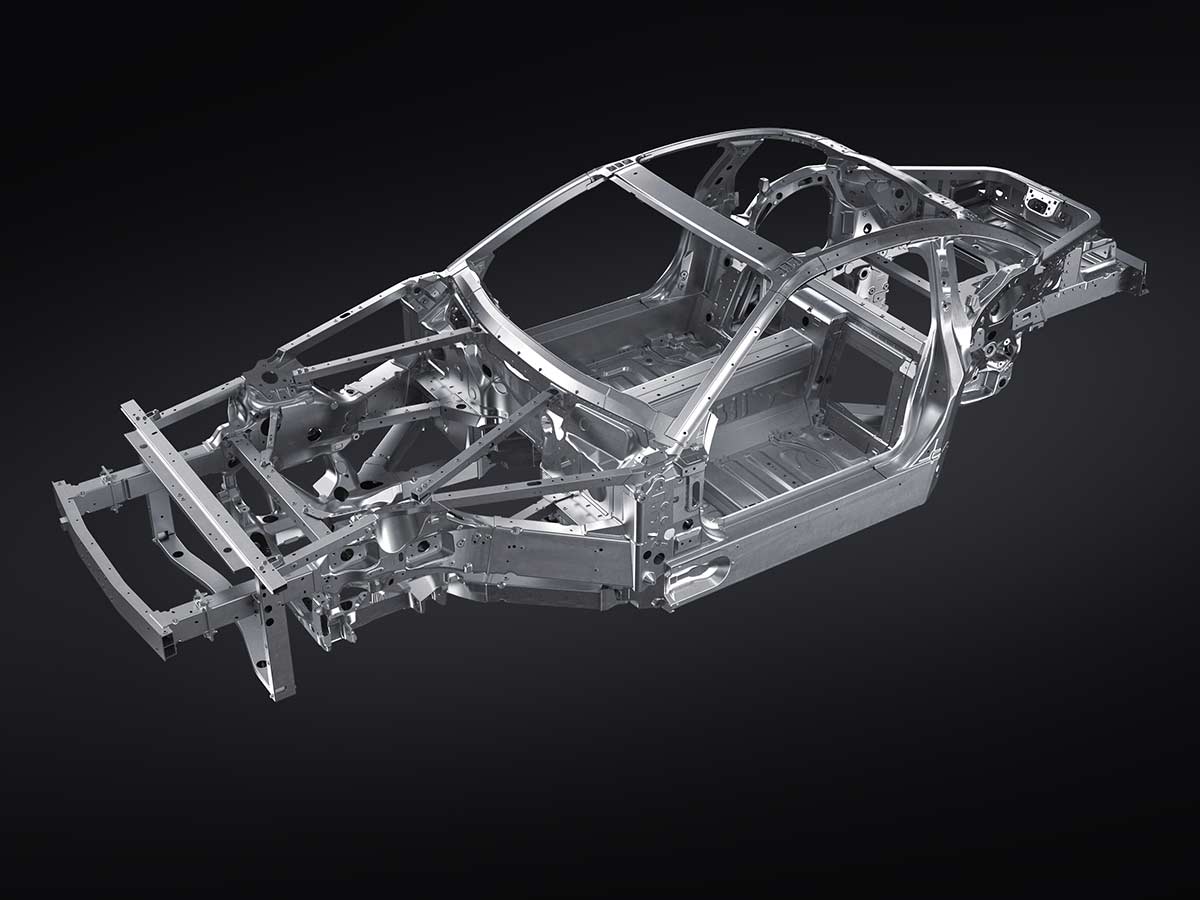
To achieve its goal of low weight and high rigidity, the GR GT adopts Toyota’s first-ever all-aluminum body frame. The panels utilize materials like Carbon Fiber Reinforced Plastic (CFRP), ensuring a lightweight yet incredibly strong body shell that can handle the extreme forces of high-speed driving.
Performance & The Driver-First Connection
The GR GT’s development was fundamentally centered on the person behind the wheel—a “driver-first approach” that involved professional racers and in-house evaluation drivers like Chairman Akio Toyoda, also known as “Master Driver Morizo”.
The New Twin-Turbo V8 Hybrid Heart
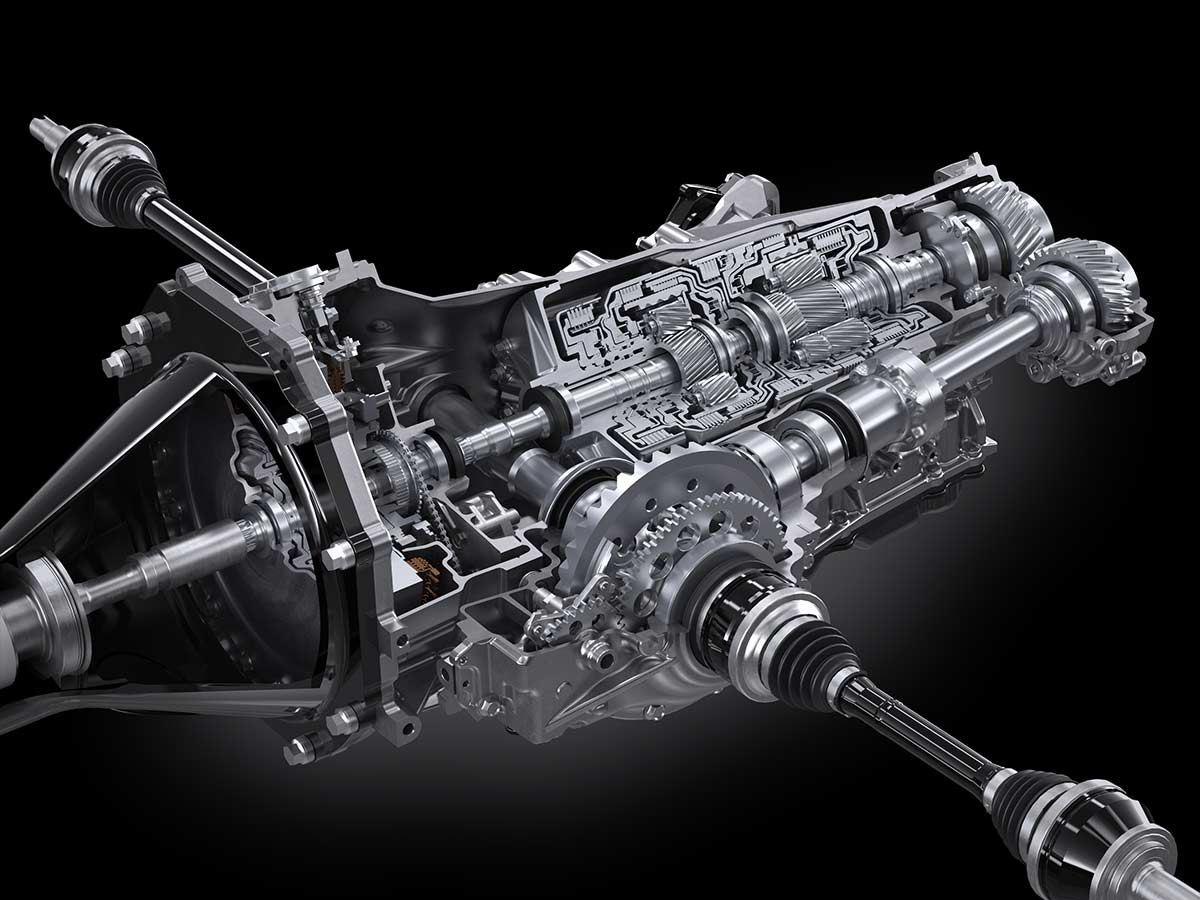
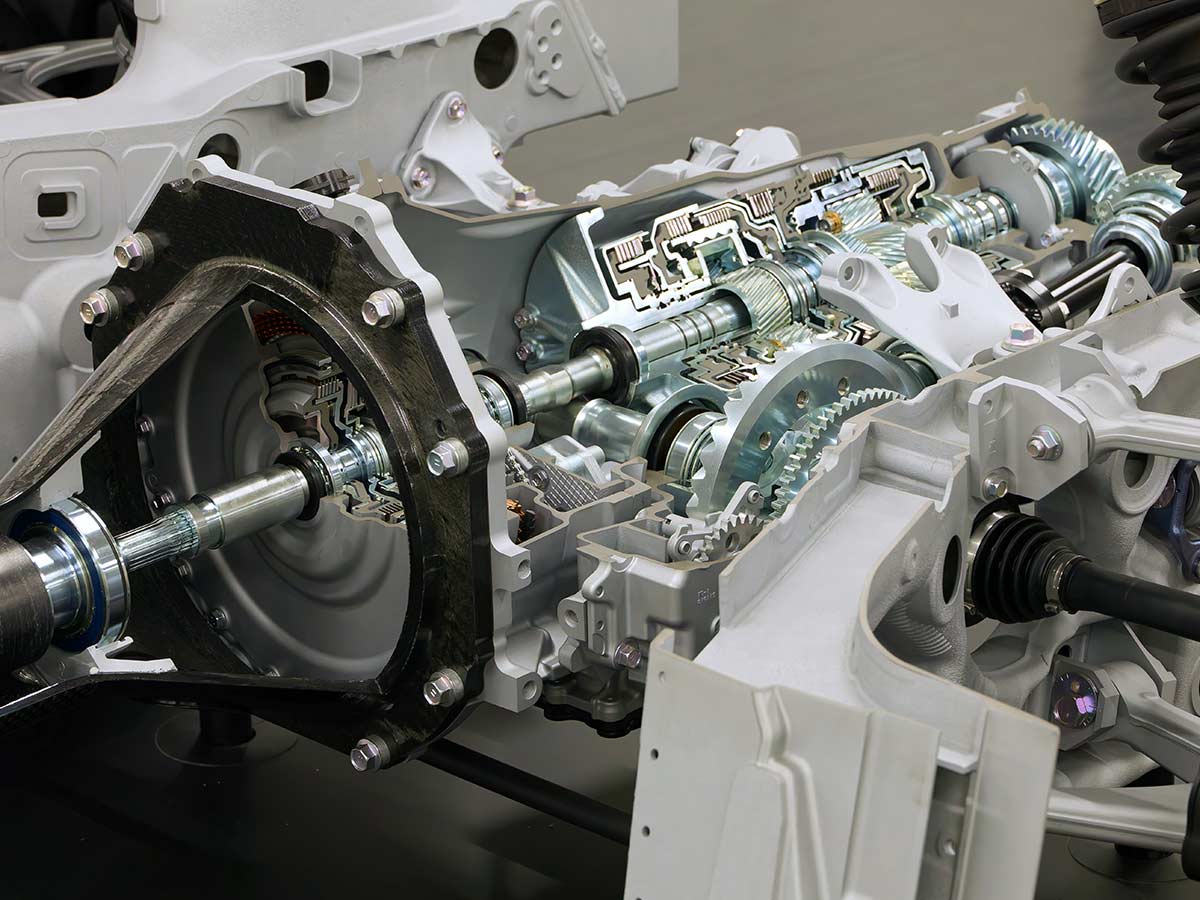
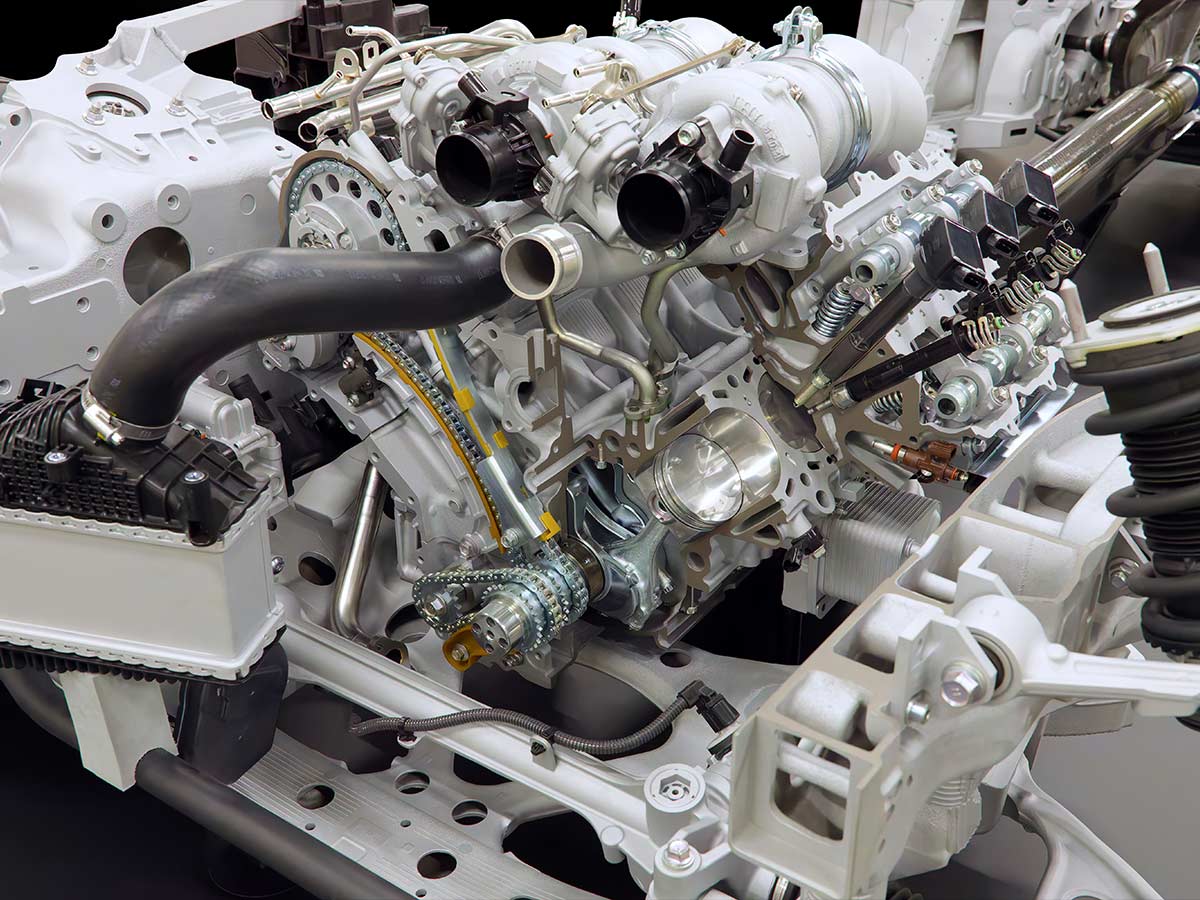
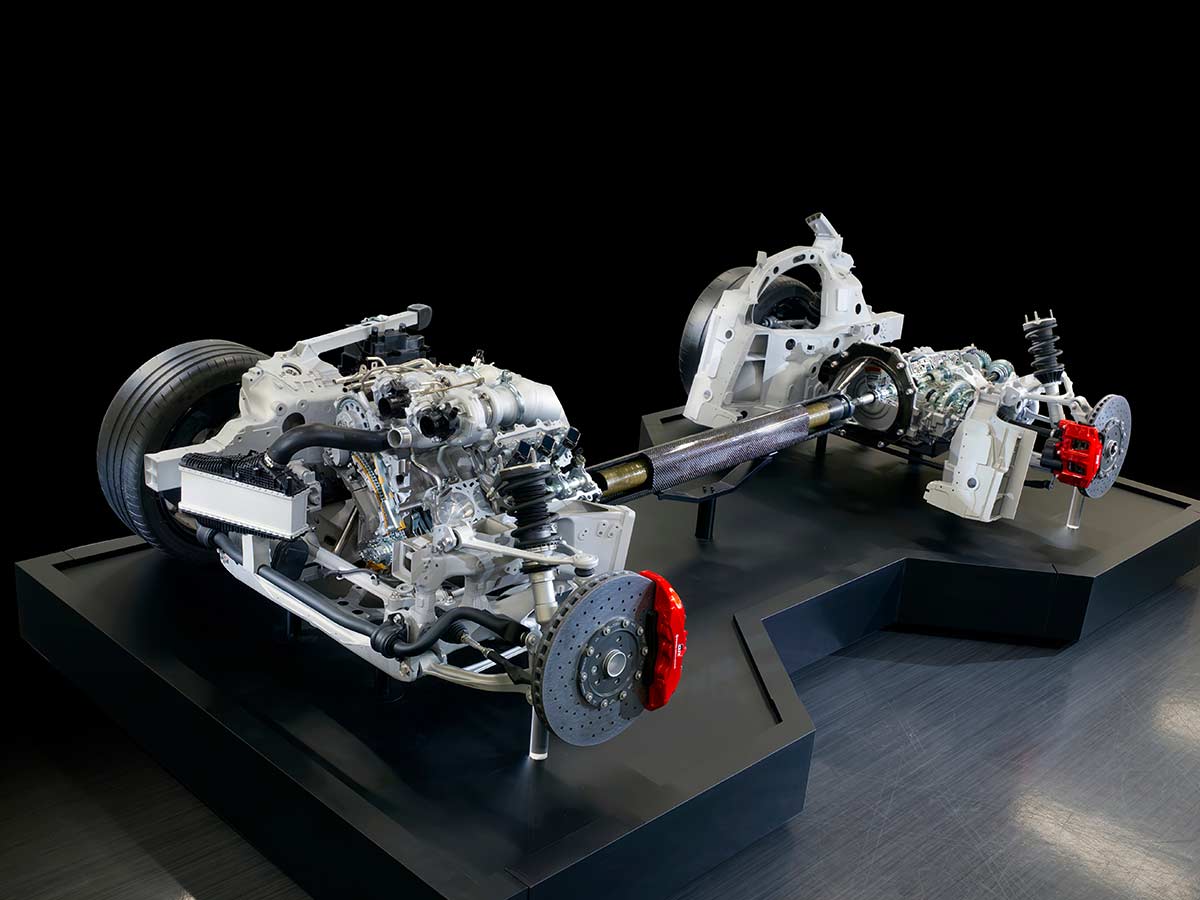
Powering the GR GT is a newly developed 4.0-liter, V8 twin-turbo engine that uses a racing-style dry-sump lubrication system. Critically, this engine is paired with a mild-hybrid electric system. The single electric motor, which is built into the rear transaxle, is designed to instantly fill any torque gaps during hard acceleration or gearshifts, ensuring power delivery is seamless and responsive.
With a targeted maximum system output of 650 DIN hp and 850 Nm of torque (or greater), the GR GT is expected to hit 62 mph (100 km/h) in under four seconds and achieve a top speed exceeding 320 km/h (199 mph).

Engineered for Ultimate Unity
The engineering team went to extreme lengths to create a deep connection between the driver and the car.
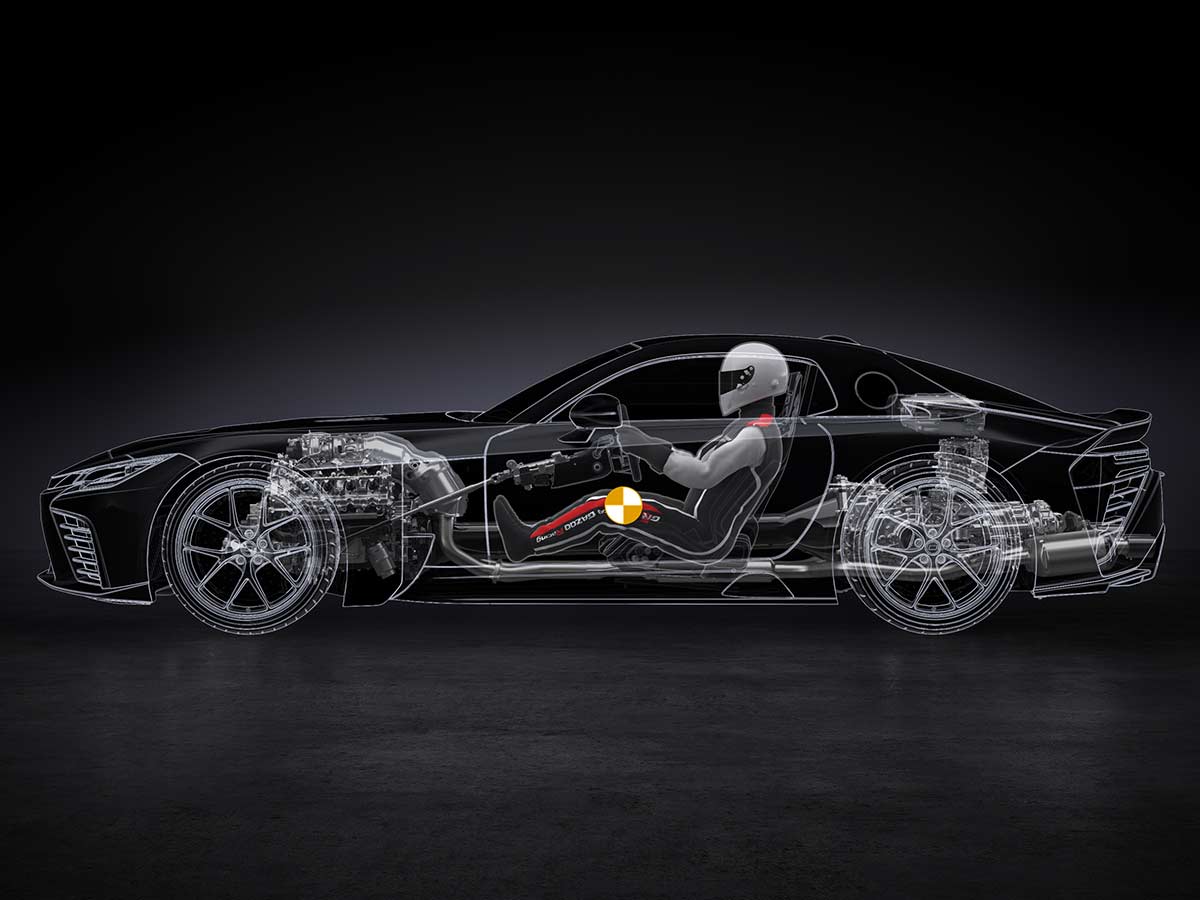
- Optimal Balance: The front-engine, rear-wheel-drive (FR) layout has been configured for outstanding dynamics, resulting in an almost perfectly balanced 45:55 front-rear weight distribution.
- Low Center of Gravity: The engine is pushed far back toward the cabin, and heavy components like the transaxle and dry-sump system are positioned as low as possible. Engineers even worked to ensure the driver’s center of gravity is roughly identical to the car’s, enhancing the sense of car-driver unity and handling ease.
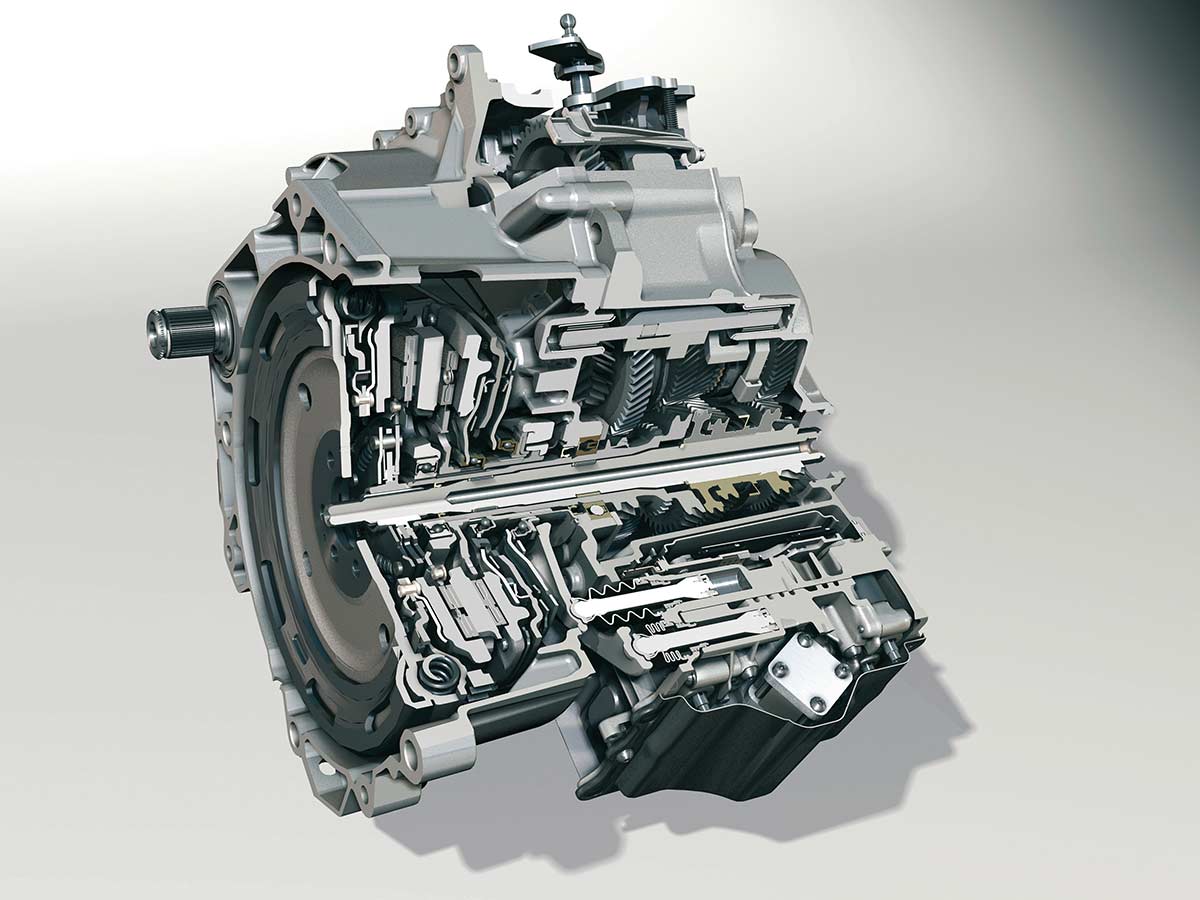
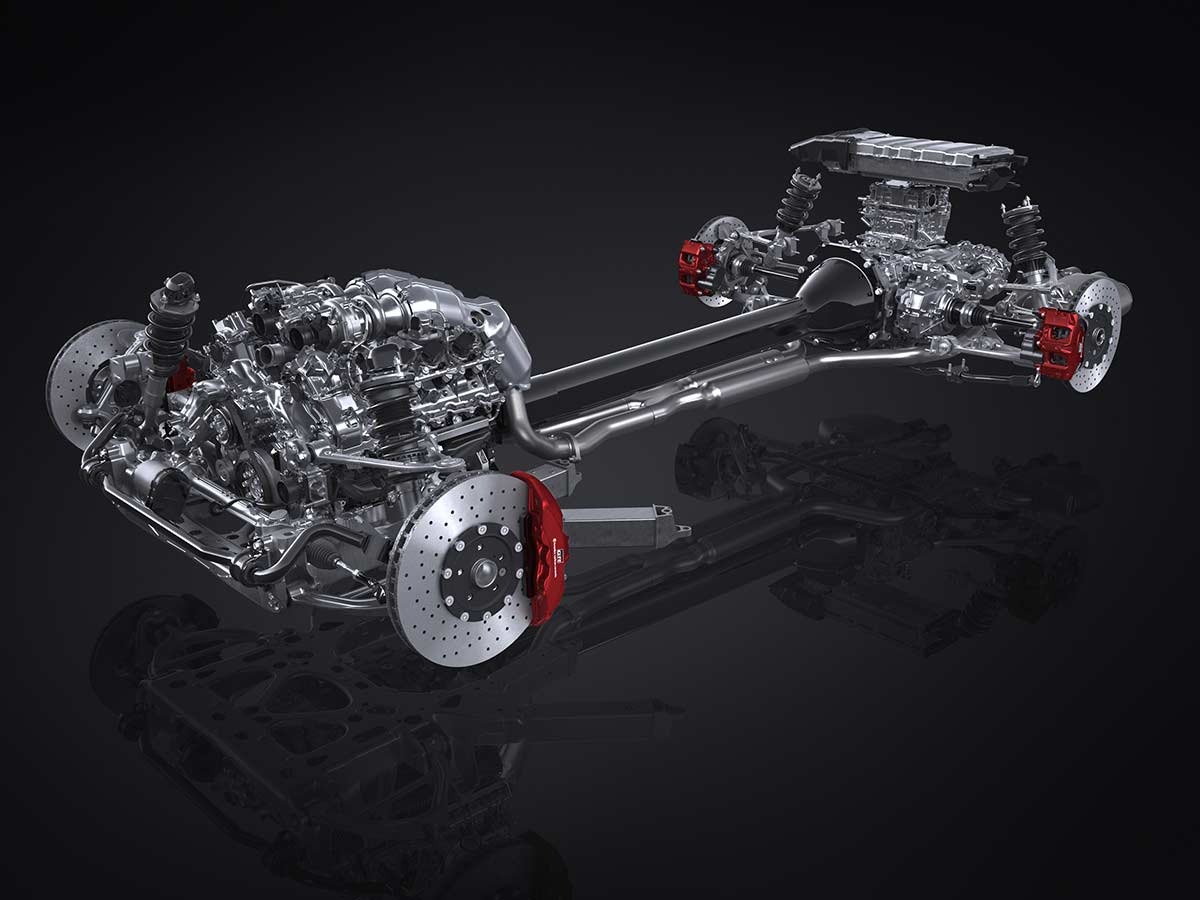
- Race-Bred Hardware: The power flows through a carbon-fiber torque tube to a rear-mounted transaxle containing an 8-speed automatic transmission and a mechanical limited-slip differential (LSD). This hardware is race-proven, ensuring the power is precisely managed.
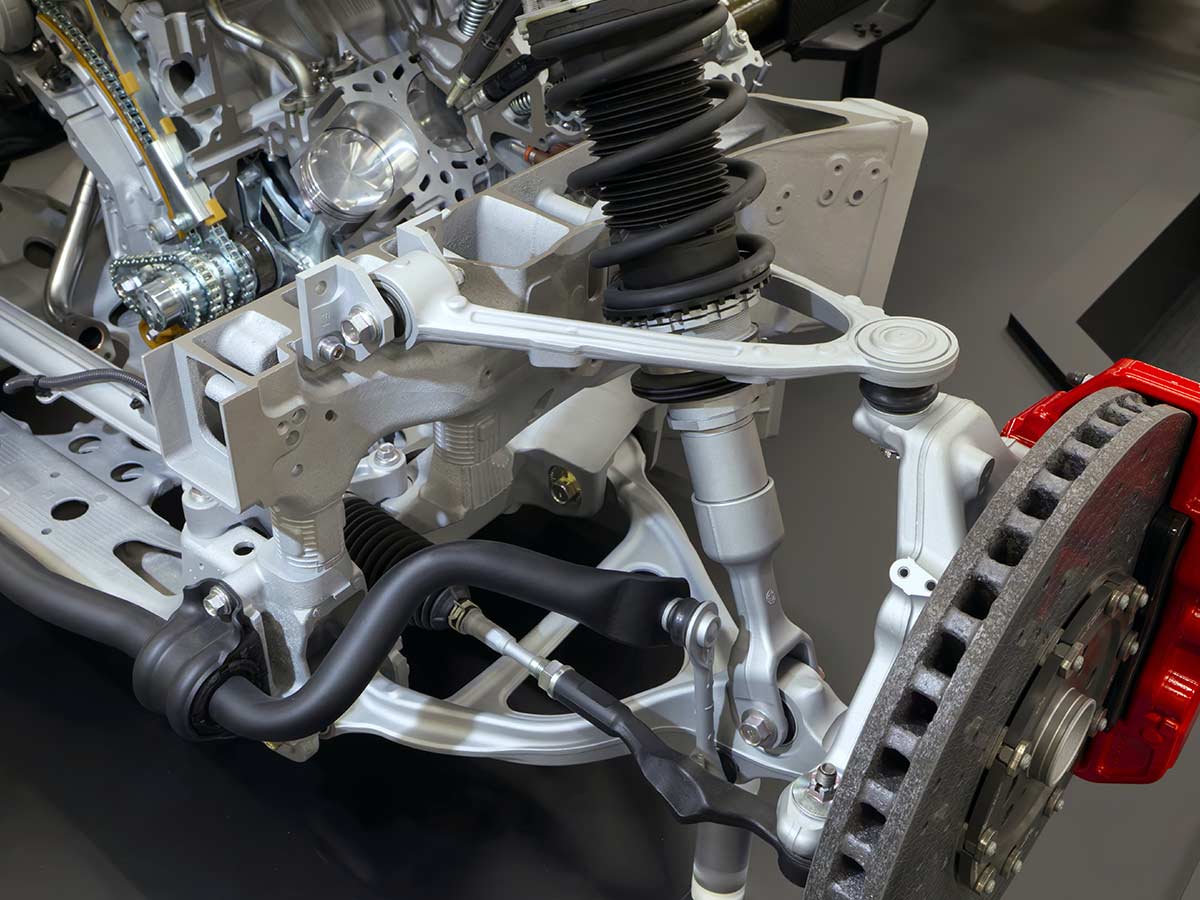
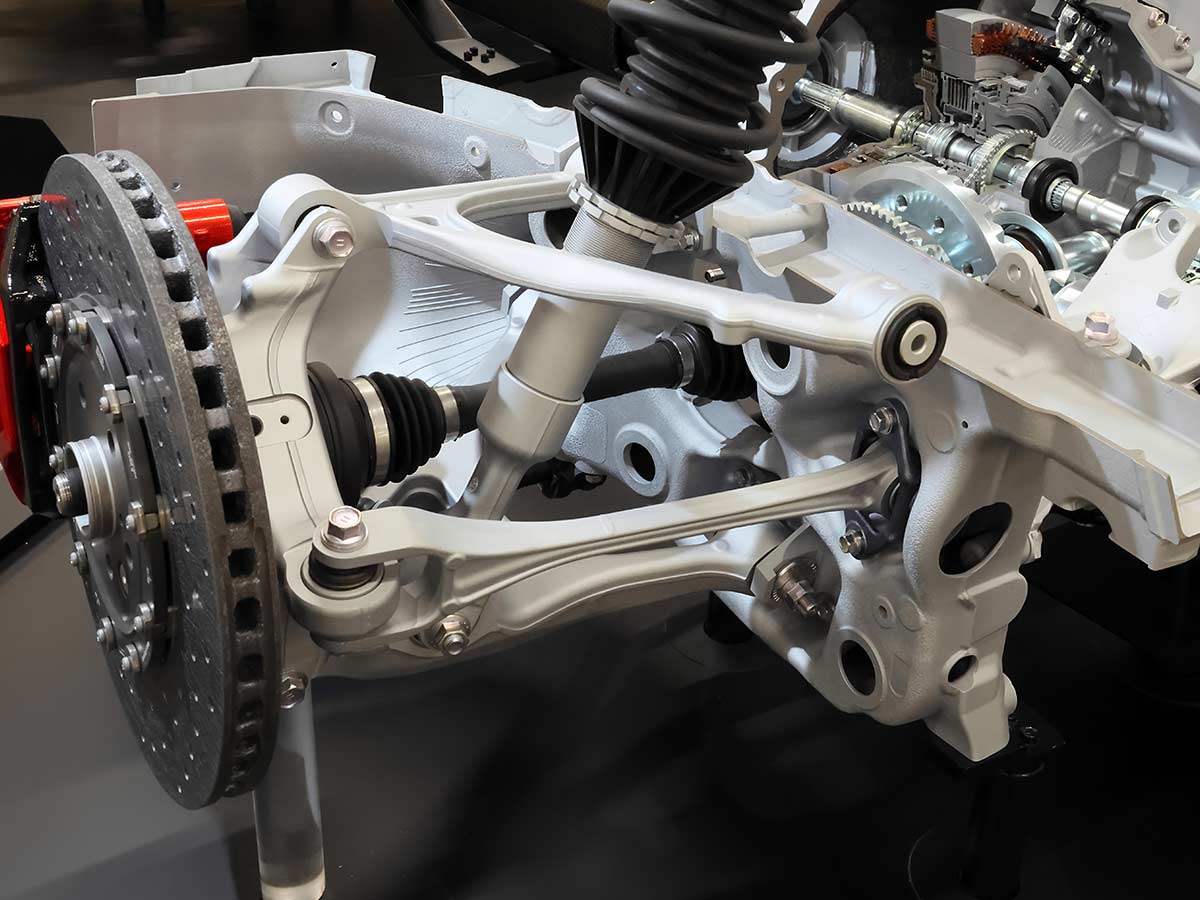
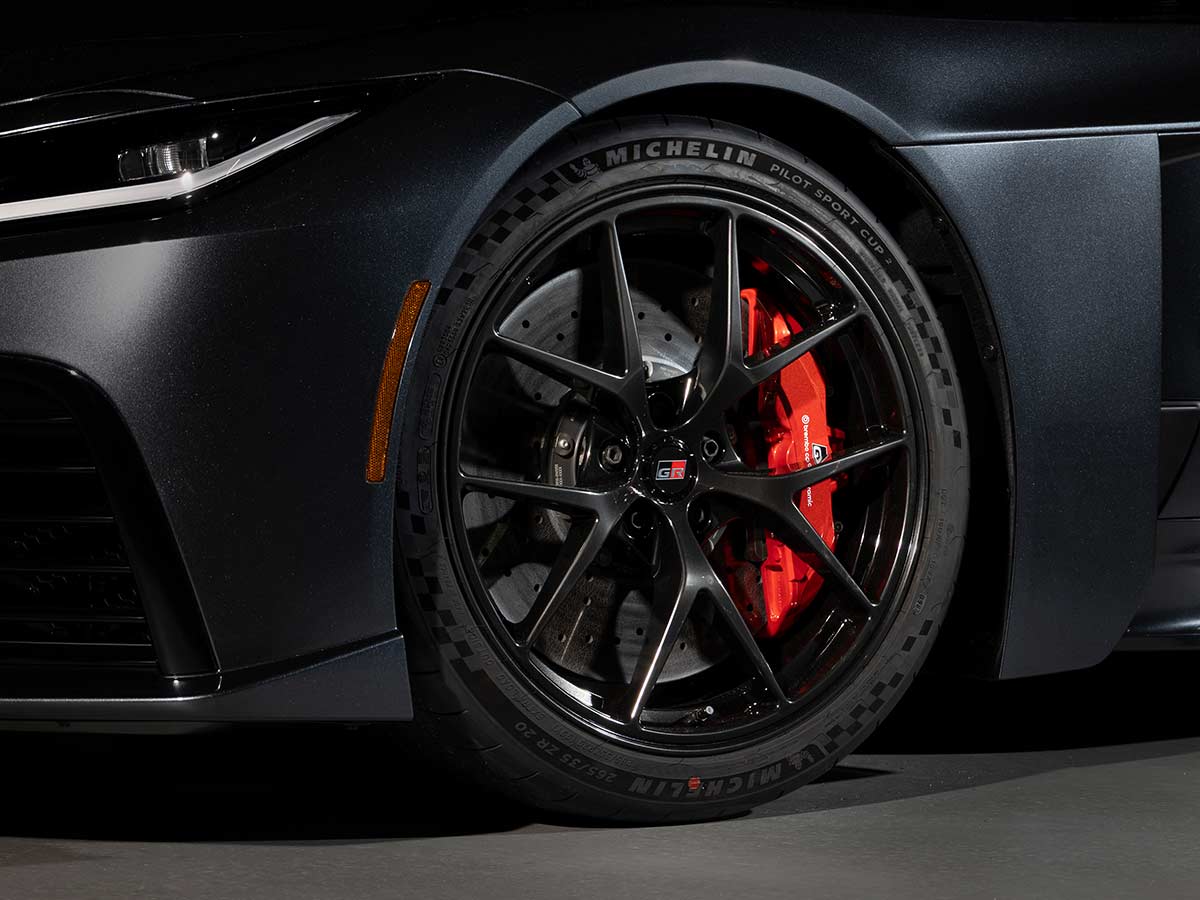
- Stopping Power: The car rides on a low-mount double wishbone suspension system and stops with high-performance Brembo carbon-ceramic brakes. It grips the pavement with Michelin Pilot Sport Cup 2 tires (265/35ZR20 front; 325/30ZR20 rear).
Tech, Safety, and the Motorsport Link
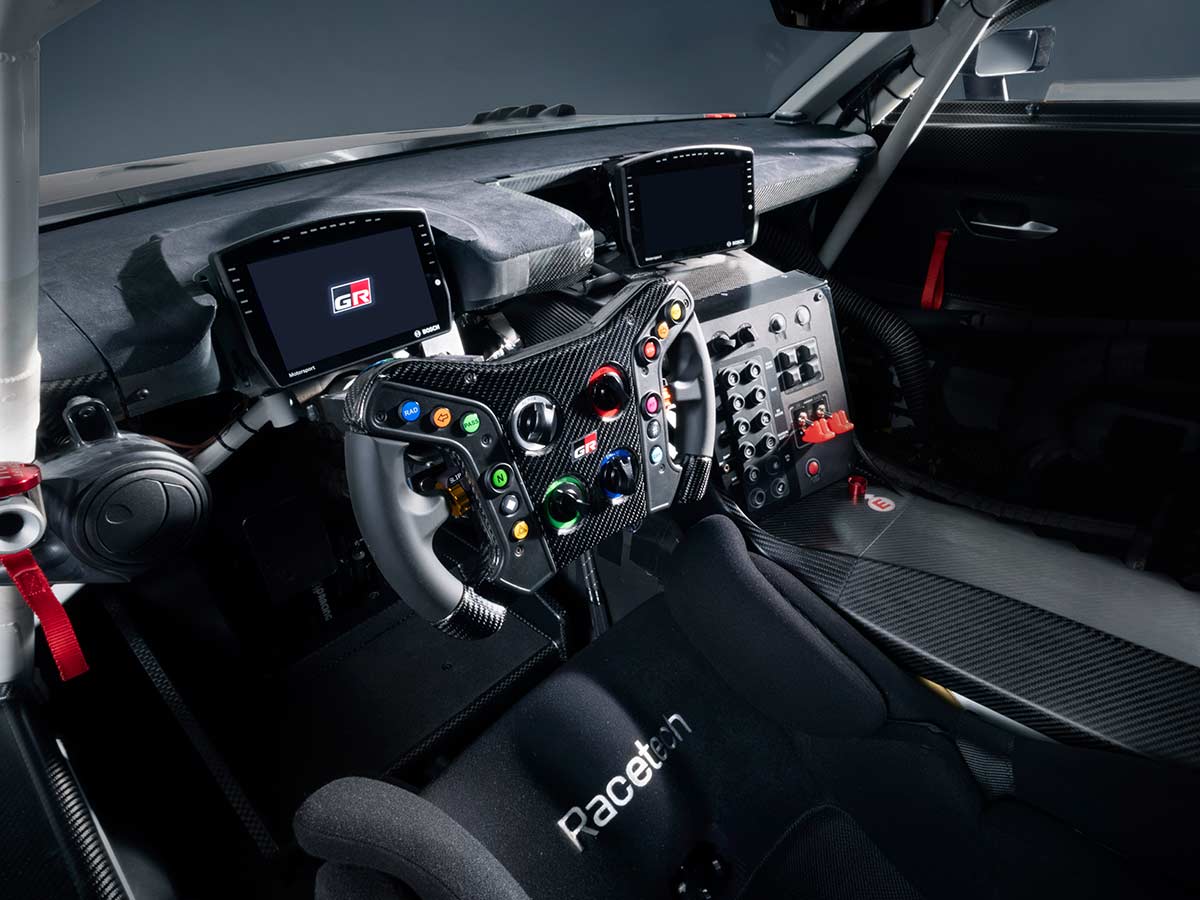
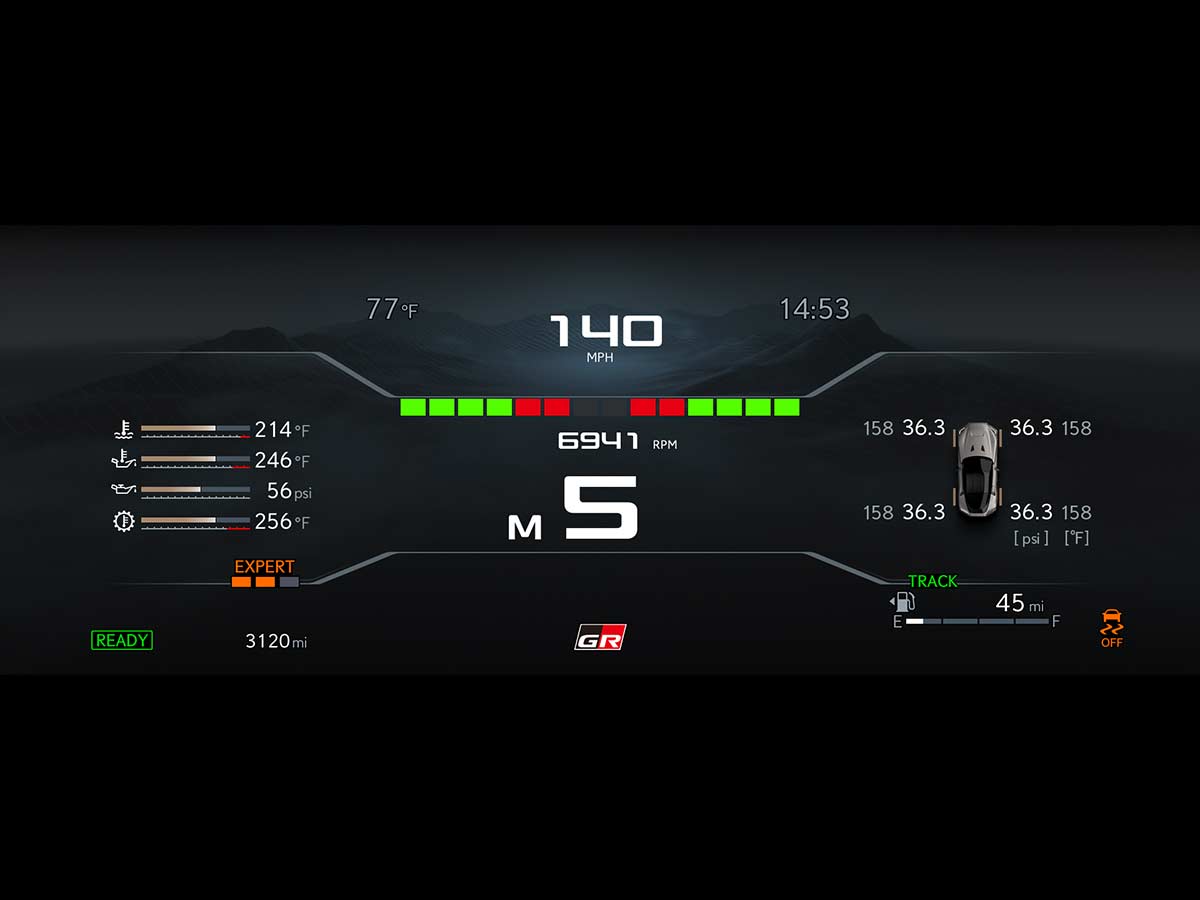
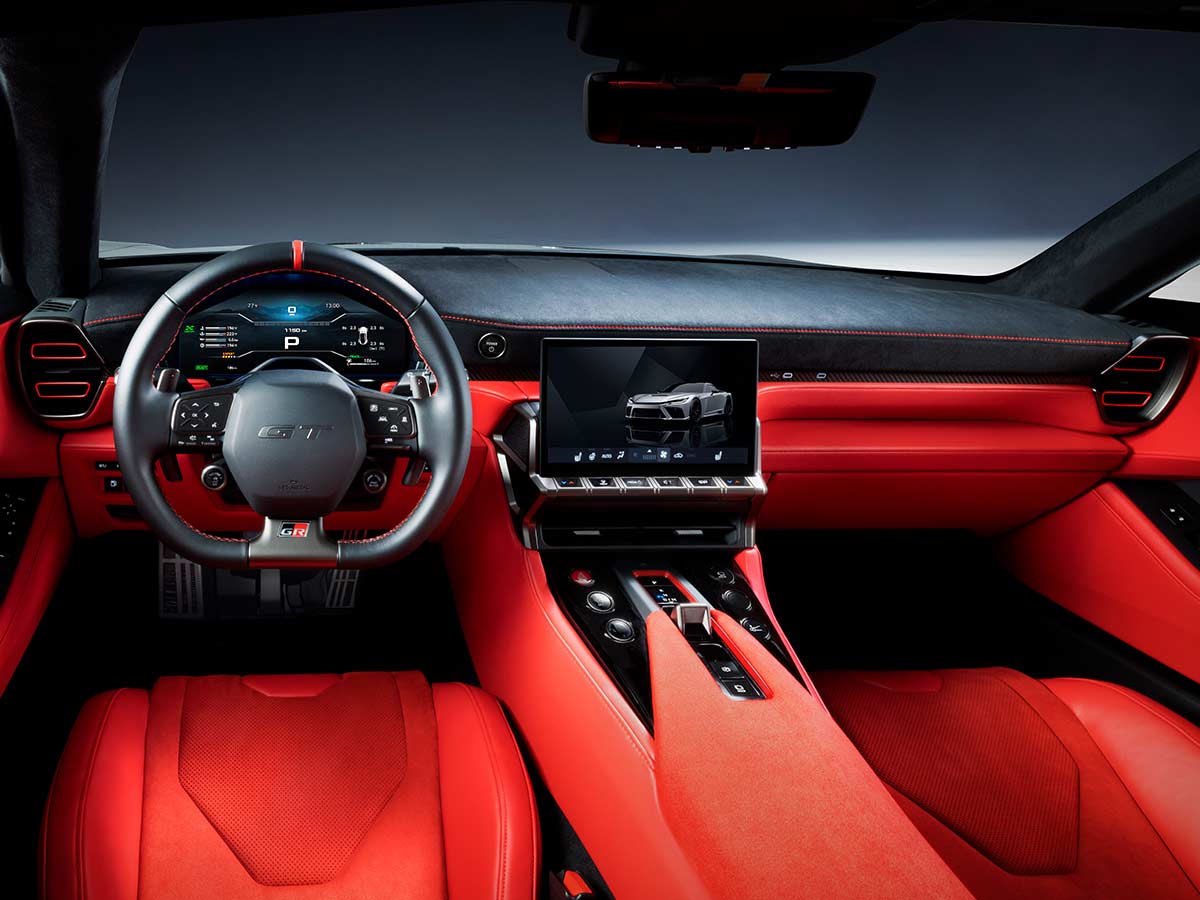
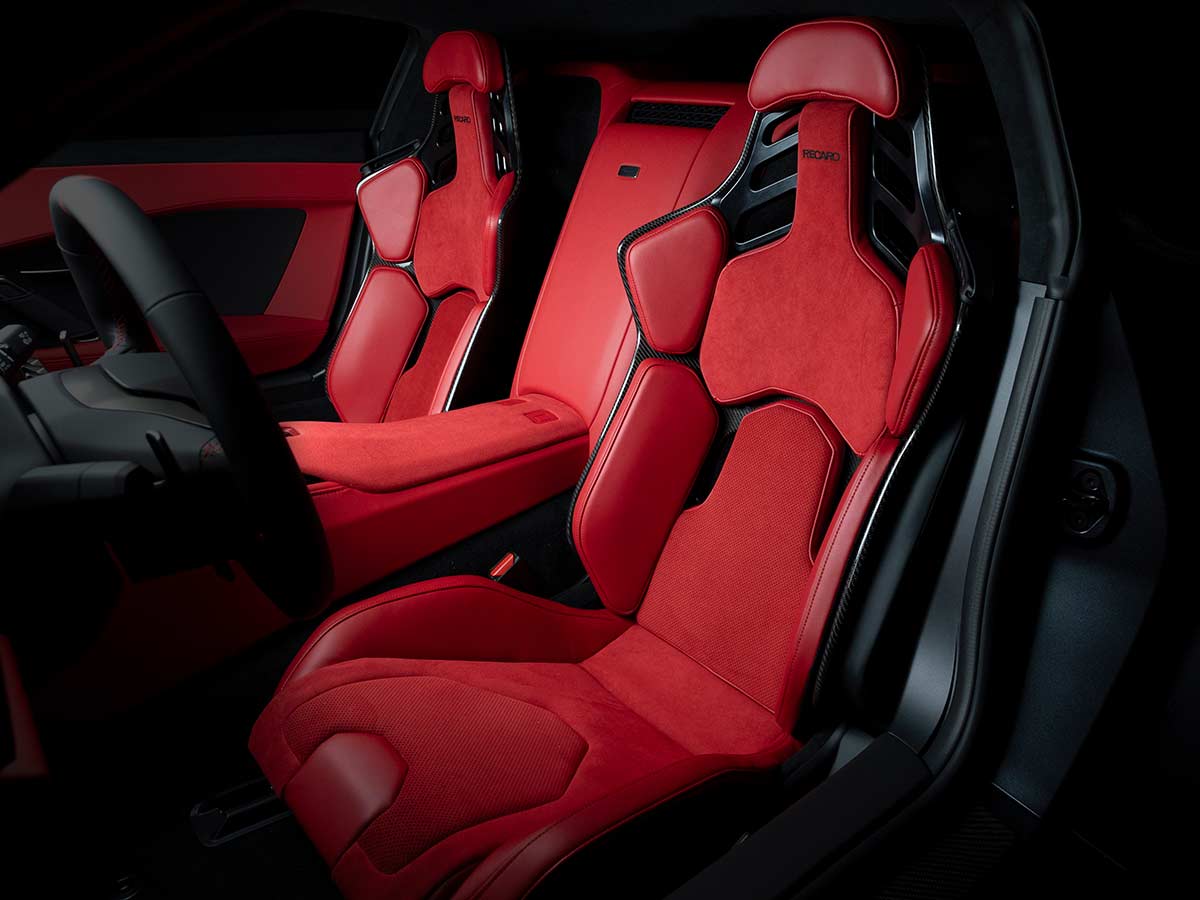
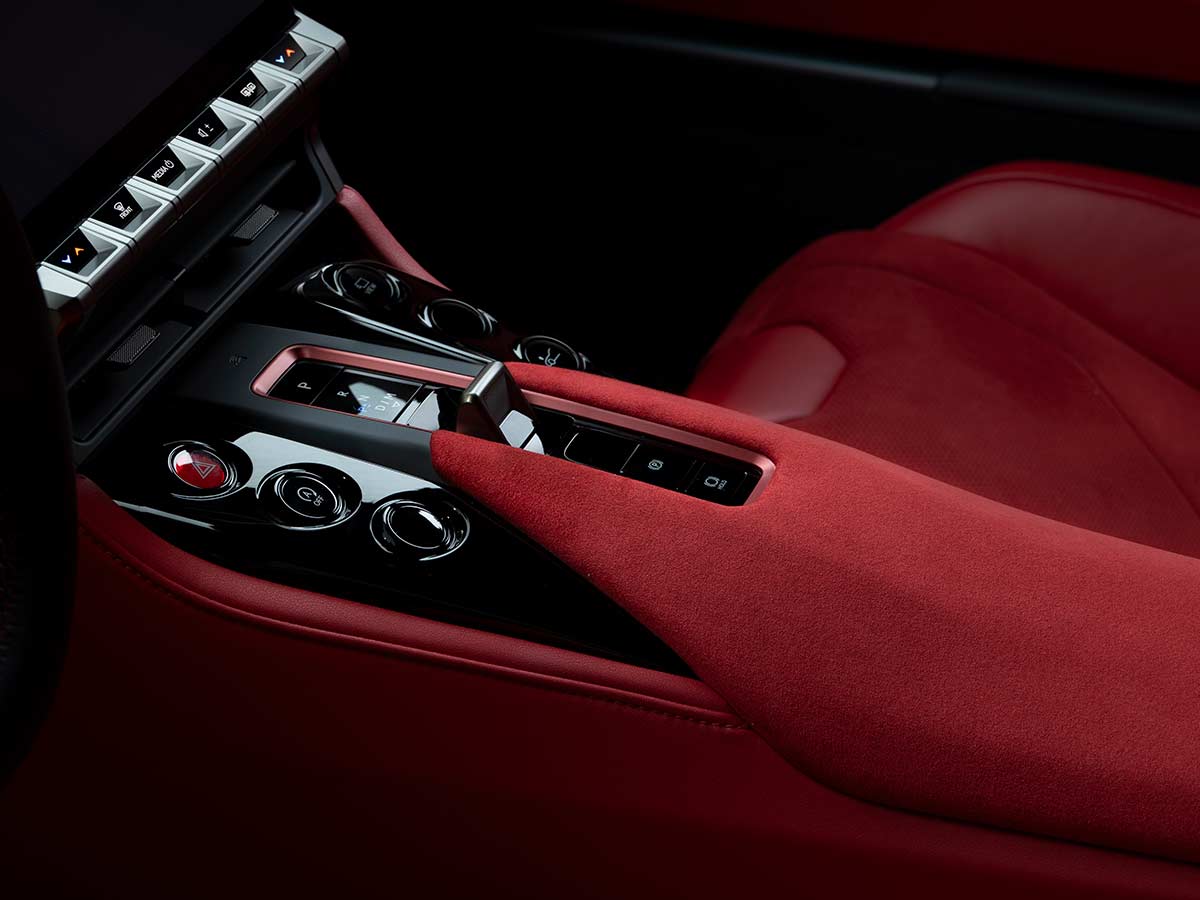
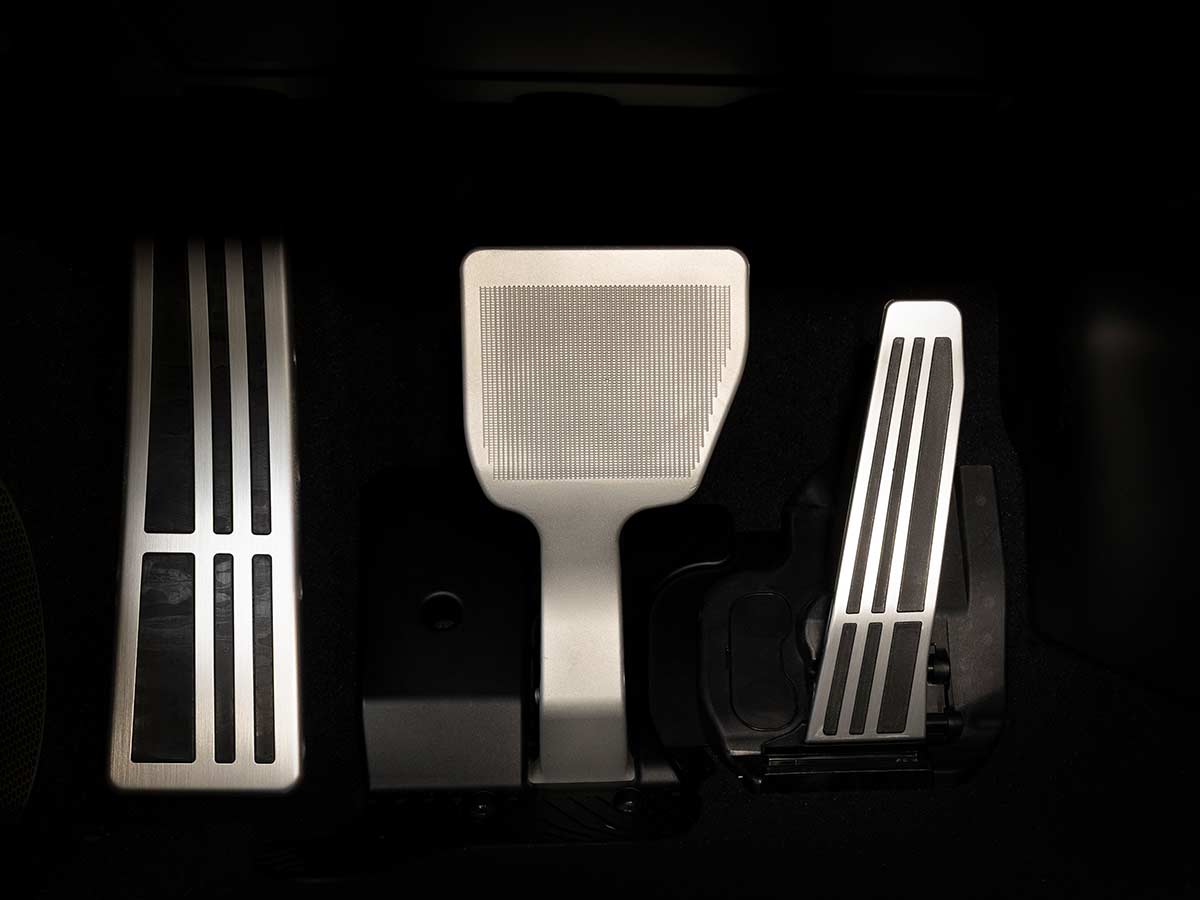
Inside the cabin, the focus remains uncompromisingly on the driver. The interior styling prioritizes an optimal driving position and the visibility needed for “at-the-limit” driving, though TGR assures it is suitable for everyday use as well.
Track-to-Street Technology
A standout feature is the Vehicle Stability Control (VSC) system. This is not just a standard safety feature; it is technology honed through racing in the grueling Nürburgring 24-hour endurance race. The VSC allows for multi-stage adjustment of the driving force and braking control, letting the driver select a vehicle control difficulty level based on their skill and current weather conditions for a secure, yet highly enjoyable, experience.
Birth of a Race Monster: The GR GT3
The GR GT’s street-legal development directly benefits its pure race-car sibling, the GR GT3.
The GR GT3 is engineered to comply with FIA GT3 regulations—the premier class for production-based customer motorsports. While based on the GR GT, the race version adopts a far more aggressive, aero-driven body, a massive rear wing, and is a pure V8 machine, doing away with the road car’s hybrid electric motor. TGR’s goal is to create a car that is competitive for professionals but also easy to drive for gentleman racers who want to win.
GR GT Technical Specifications (Development Targets)
| Feature | Specification |
| Engine | 4.0-liter, V8 Twin-Turbo with Dry-Sump Lubrication |
| System Output (Target) | 650 DIN hp or greater |
| System Torque (Target) | 850 Nm or greater |
| Layout | Front-Engine, Rear-Wheel-Drive (FR) Hybrid |
| Transmission | 8-speed Automatic (Rear-mounted Transaxle) with Single Electric Motor |
| Weight Distribution | 45:55 (Front:Rear) |
| Overall Length | 4,820 mm |
| Overall Width | 2,000 mm |
| Overall Height | 1,195 mm |
| Wheelbase | 2,725 mm |
Competitor Comparison: Standing Against the Titans
The Toyota GR GT is clearly positioned to challenge the established leaders in the high-end Grand Tourer and Supercar segment. Its twin-turbo V8 hybrid powertrain and front-engine layout place it in direct competition with rivals that blend supreme performance with daily usability, such as the Mercedes-AMG GT, the Aston Martin DB12, and the Ferrari Roma.
With its targeted performance figures (650+ hp) and its uncompromising focus on a race-derived, low-center-of-gravity chassis, the GR GT is also setting its sights on the performance benchmark set by cars like the Porsche 911 Turbo S. The GR GT’s unique advantage lies in its pure motorsport pedigree, allowing TGR to introduce race-honed features like the multi-stage VSC and “aerodynamics first” philosophy, which few rivals can match at this price point (estimated to range from £105k to £180k).
The Verdict
The GR GT is more than just a performance car; it is a declaration of intent from TOYOTA GAZOO Racing. It embodies TGR’s commitment to preserving and passing on “the secret sauce of car-making” to the next generation, a concept sometimes referred to internally as “Toyota’s Shikinen Sengu”. This flagship model appeals to the dedicated enthusiast who demands a genuine connection with the road and values race-proven engineering above all else. If you are a driver who prioritizes interaction, precision, and the legacy of true motorsport heritage, the GR GT—with its V8 heart, hybrid punch, and aluminum chassis—is the new Japanese supercar you’ve been waiting for.

Frequently Asked Questions (FAQ)
Q:What is the engine and horsepower of the new Toyota GR GT?
A: The GR GT uses a newly developed 4.0-liter, twin-turbo V8 engine paired with a hybrid electric system. The targeted maximum system output is 650 DIN hp (or greater), with over 850 Nm of torque.
Q:What is the expected release date for the Toyota GR GT?
A: The Toyota GR GT world premiered in December 2025. The global market launch for customer delivery is currently expected to take place in 2027.
Q: Is the Toyota GR GT based on a race car?
A: Yes. The GR GT was developed as a “road-legal race car” and is the basis for the track-only GR GT3 model, which is engineered to meet FIA GT3 specifications for customer motorsports.
Q:Does the GR GT have a manual transmission?
A: No. The Toyota GR GT uses a rear-mounted transaxle that incorporates an 8-speed automatic transmission with a wet-start clutch.
Q: What chassis technologies are new for the GR GT?
A: The GR GT uses Toyota’s first-ever all-aluminum body frame for optimal strength and lightness. It also features a dry-sump lubrication V8 and a rear-mounted transaxle to achieve an exceptionally low center of gravity.