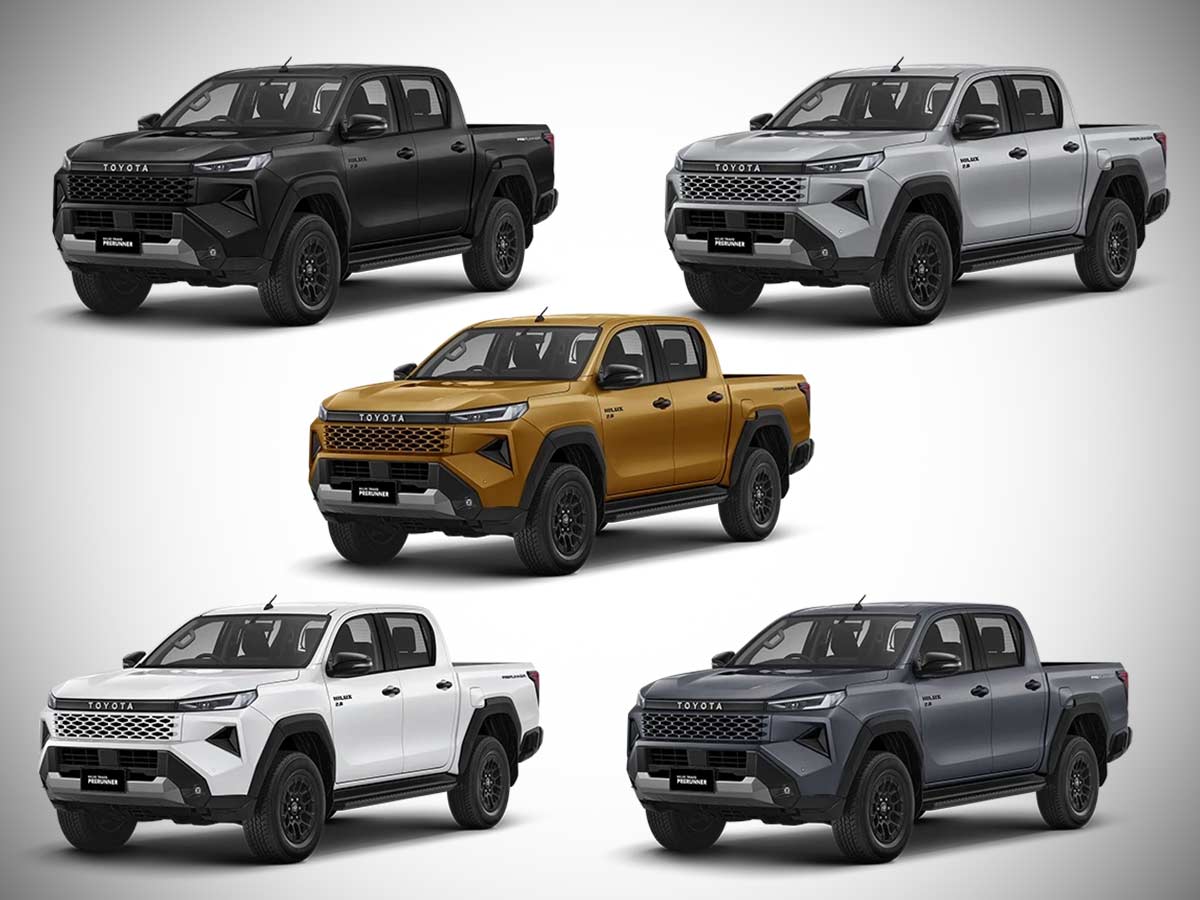






As the global debut of the ninth-generation Toyota Hilux shakes the automotive world, many eyes have turned to what this could mean for the next-generation Fortuner. Given that Toyota appears to be building the Hilux on a significantly upgraded architecture – and rolling out a battery-electric powertrain for the first time in the Hilux lineage – there’s every reason to expect that the Toyota Fortuner of the near future may lean heavily on this foundation.
>>> Great Discounts on Car & Bike Accessories <<<
about:blank
Platform & Design: Why Fortuner Could Get a Major Upgrade
Shared Under-pinnings
- The new Hilux rides on Toyota’s advanced “TNGA-F” ladder-frame platform – the same architecture that underpins global SUVs like the Land Cruiser 300.
- Multiple sources suggest the next Fortuner will adopt that same TNGA-F chassis.
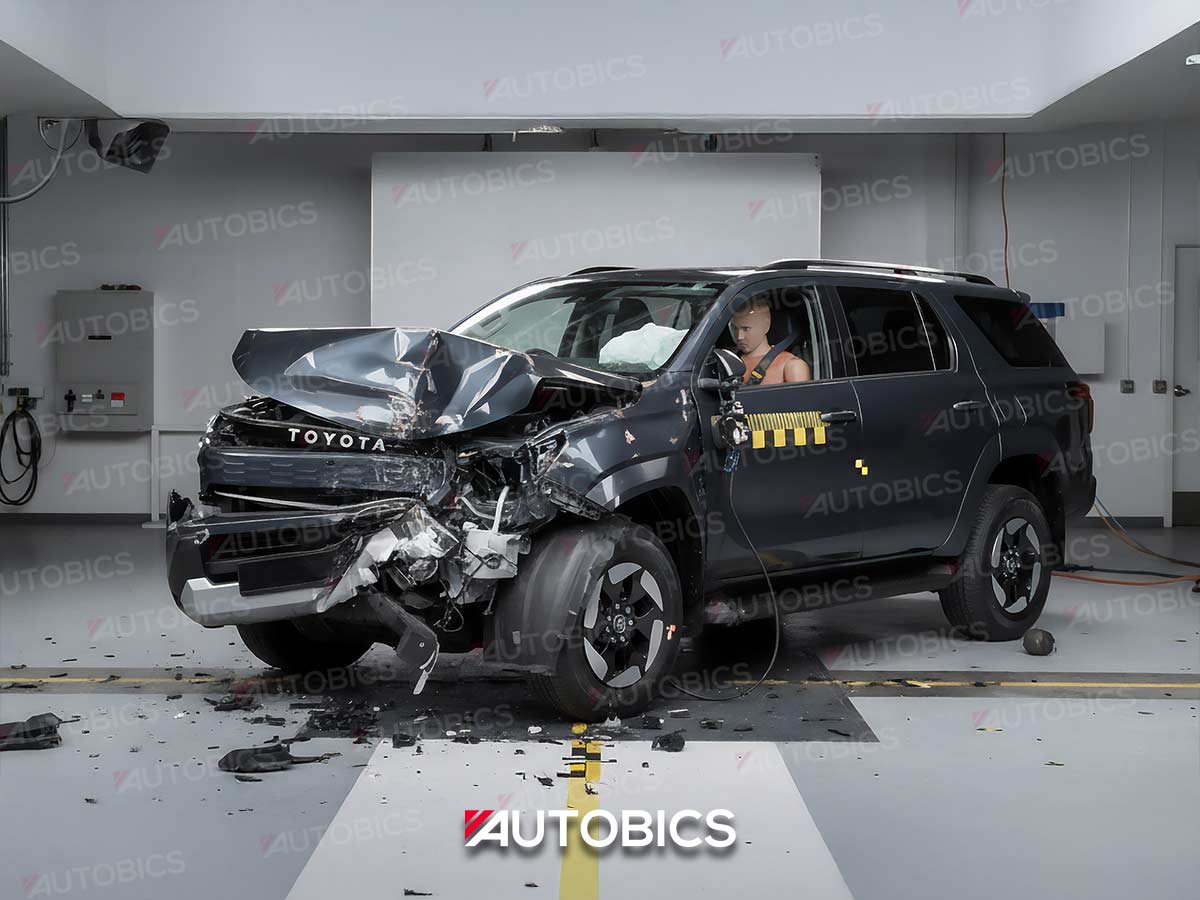
- The result: much greater structural rigidity, improved crash safety, NVH (noise/vibration/harshness) and a chassis capable of handling newer powertrains including hybrid or even electric setups.
Exterior Styling: Rugged Meets Modern
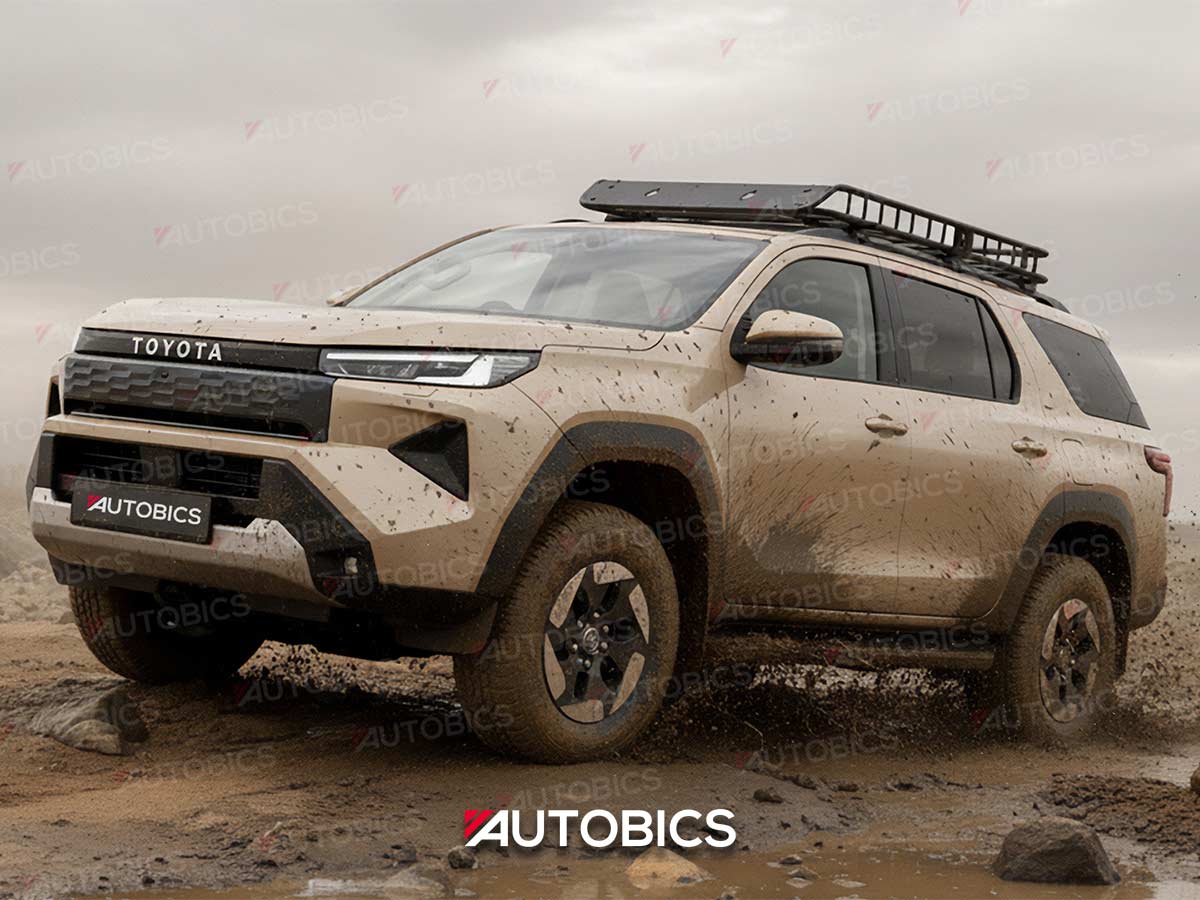
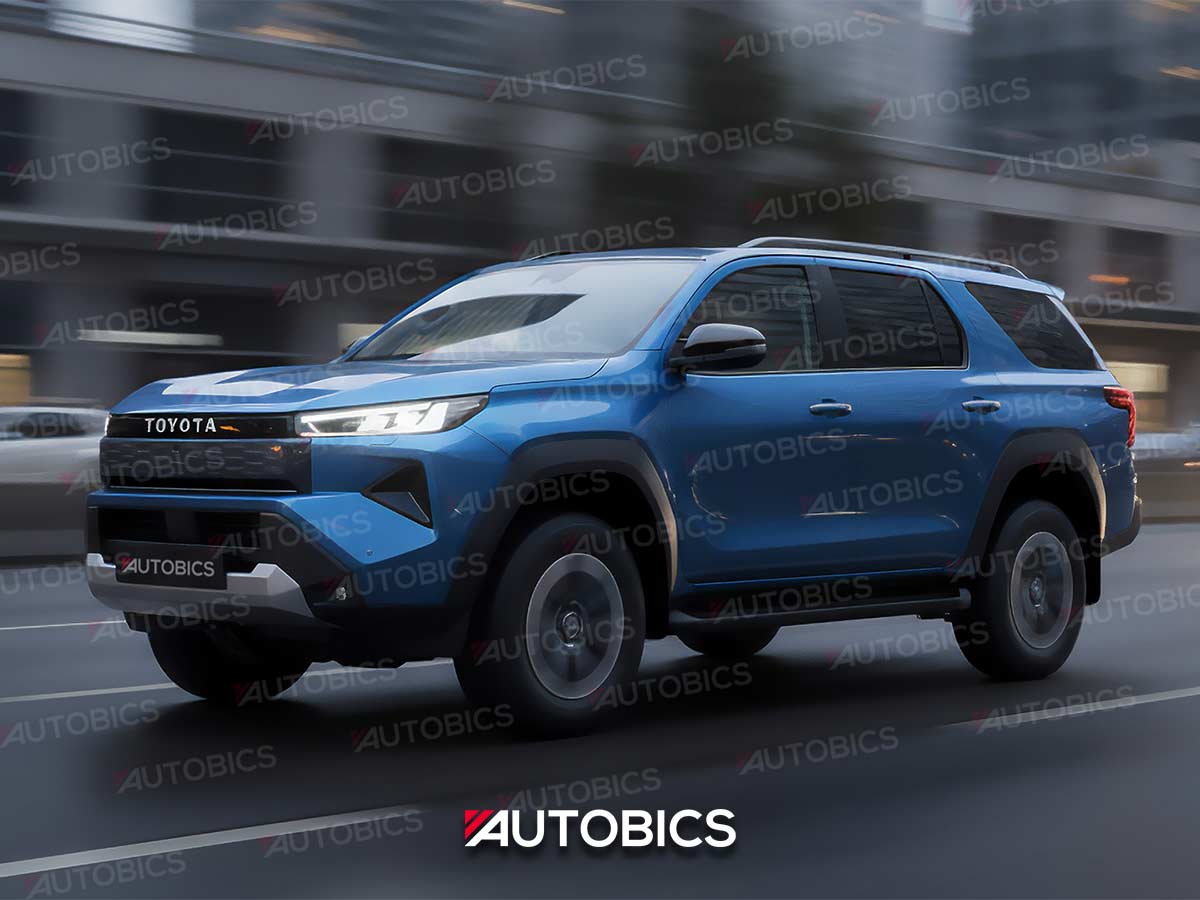
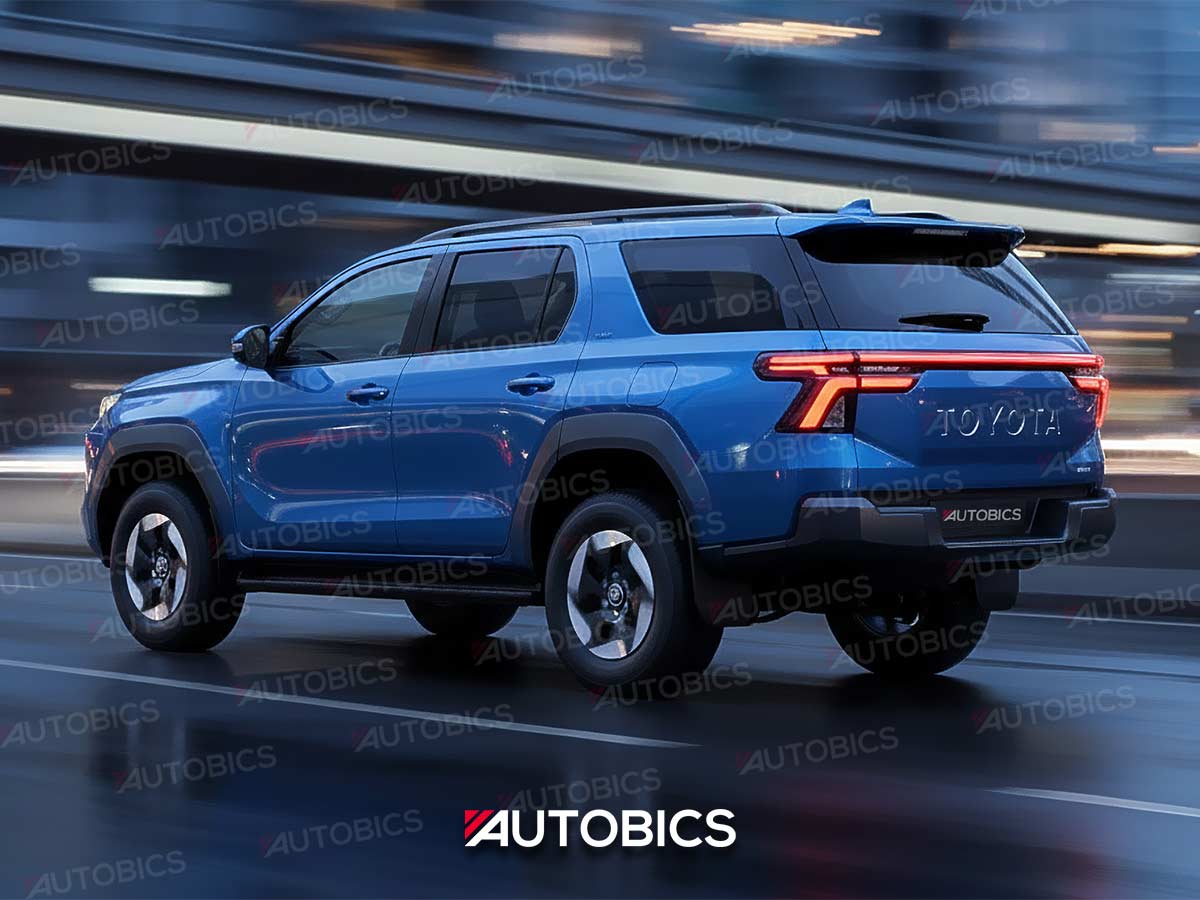
While the Fortuner will retain its SUV identity, expect visual cues heavily inspired by the new Hilux pickup – but adapted for urban and family-friendly use:
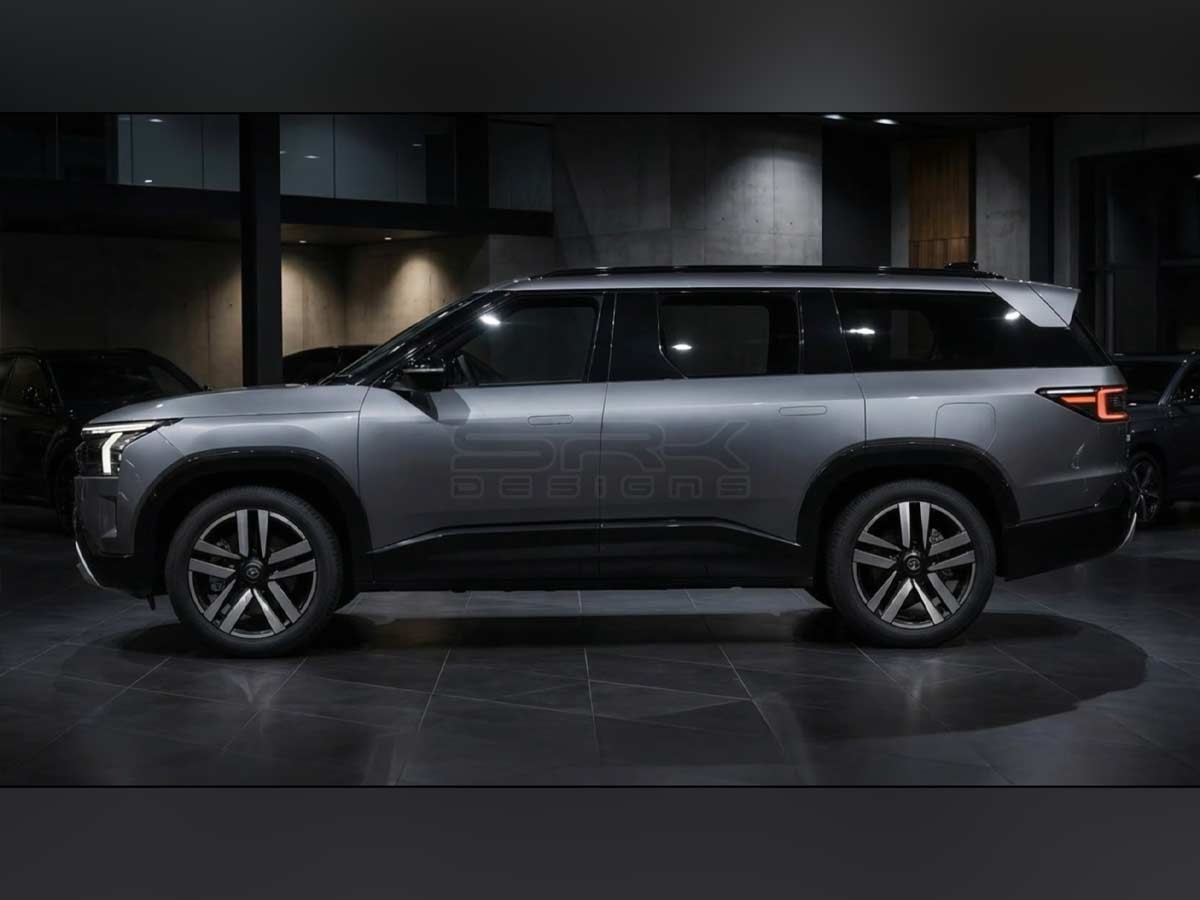
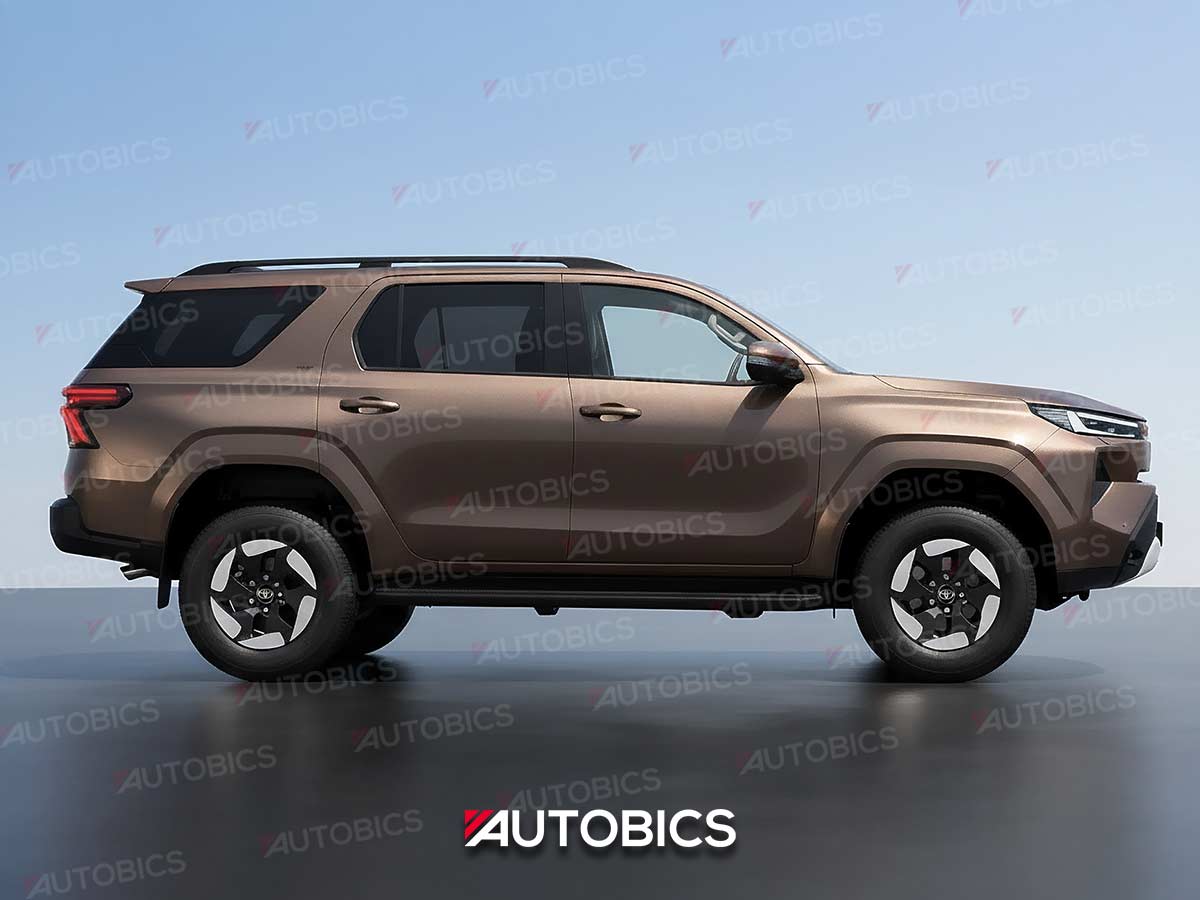
- The redesign emphasises a “Tough and Agile” exterior theme – squared stance, more precise lines, and updated ergonomics. If Fortuner follows suit, expect cleaner proportions and a more modern SUV silhouette than the current generation.
- Slim LED headlamps with a sharper, modern signature.
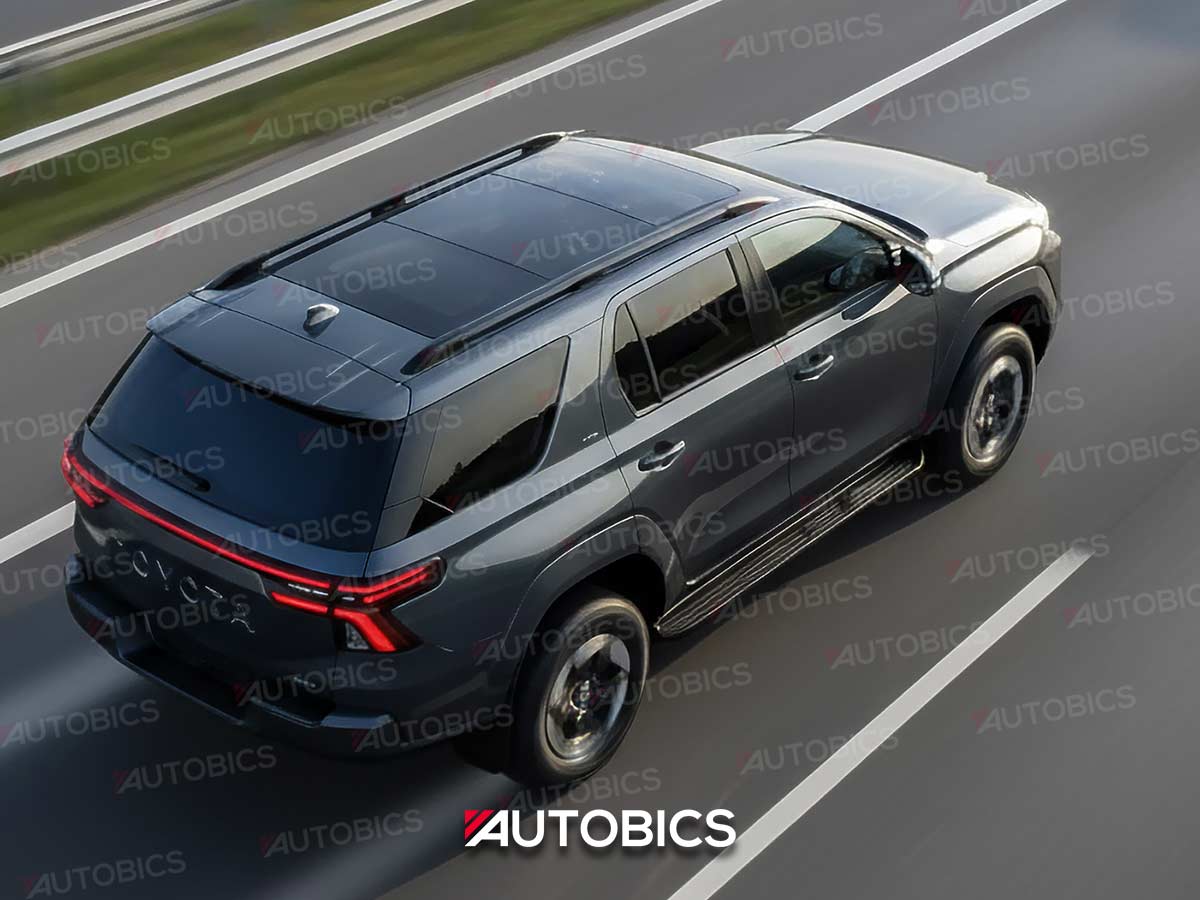
- A bolder and more muscular stance: squared wheel arches, sculpted bumpers, larger alloy wheels and a possibly more aerodynamic silhouette.
- A dual-tone paint scheme or “floating roof” look (rumoured) for a premium yet off-road ready vibe.
In short: Fortuner could evolve from a traditional body-on-frame SUV to one with a more contemporary, urban-adventure appeal – commanding presence yet refined.
Interior & Tech: A Quantum Leap Over the Present
Inside, the changes promise to be dramatic. Drawing from the design cues of the new Hilux and even the brand’s flagship SUVs, the next Fortuner cabin looks set to be far more premium than ever before. Imagine a Fortuner cabin that rivals even luxury-SUVs – modern instrument cluster, large central display, smartphone-style convenience, and a safety/ADAS suite that brings it up to global contemporary standards. For many buyers, this could shift the perception of Fortuner from “a rugged off-roader/mid-size SUV” to “a premium, tech-savvy lifestyle SUV.”
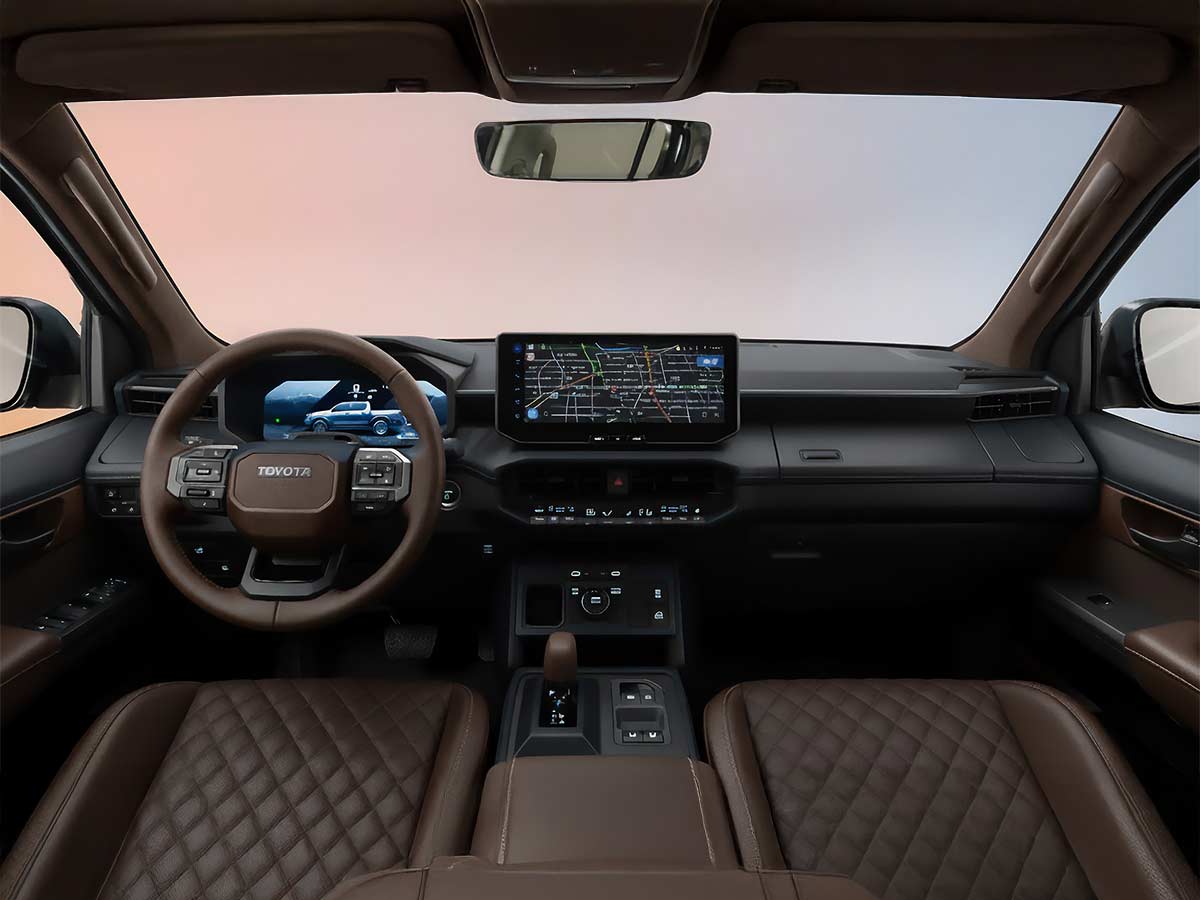
Key Features we can expect on the new Fortuner:
- Dual-screen setup: a fully digital instrument cluster plus a large 12.3-inch touchscreen infotainment display.
- Connectivity & convenience: wireless Apple CarPlay / Android Auto, wireless charging pad, multiple USB ports, rear seat charging, ambient lighting.
- Comfort & ergonomics: ventilated & powered front seats, multi-zone climate control, improved seat materials (softer surfaces, dual-tone interiors), more refined cabin insulation, modern 3-spoke steering wheel, shift-by-wire or modern gear selector designs, updated HVAC / control layout.
- Premium touches: possibly an electronic parking brake, modern shift-by-wire or rotary gear selector, redesigned multifunction steering wheel.
- Off-road & utility comfort: selectable drive and terrain modes (like what Hilux now offers), 360° camera, perhaps even enhanced visibility functions — blending urban usability with rugged DNA.
- Digital services: equipped with connected-car capabilities managed via the MyToyota app – enabling remote status checks (fuel/battery, charge, journey logs), which is especially useful for fleets or users on the move.
Moreover, Toyota’s ADAS and safety technologies, long available in global models are expected to find their way into the next-gen Fortuner, bringing driver assistance, better crash protection, and modern convenience together. Safety & driver-assist: The updated safety/driver-assist package (Toyota T‑Mate) includes features such as Proactive Driving Assist, Low-Speed Acceleration Suppression, Emergency Driving Stop System, Blind Spot Monitoring, Safe Exit Assist, driver-monitor camera, and supports over-the-air (OTA) software updates.
Powertrain & Performance: What Might Power It
What really pulls all this together is the powertrain story. Based on what we know of the new Hilux and industry rumour mills:
- The popular 2.8-litre turbo-diesel (with 204 PS / ~500 Nm torque) is expected to return; but now paired with a 48V mild-hybrid system. This will make the engine more efficient while preserving Fortuner’s off-road and towing capabilities.
- Transmission options will likely include both 6-speed manual and 6-speed automatic (at least on higher trims), and 4×4 drive will remain for premium variants.
- The new platform also keeps the door open for more advanced drivetrain alternatives – hybrid or plug-in hybrid; though Toyota hasn’t confirmed these yet for Fortuner.
- Expected to become the “volume seller” (especially in markets favouring diesel) – improves refinement at low speeds, assists acceleration, and helps with fuel efficiency.
All this means better fuel efficiency, smoother low-speed drivability, and possibly lower emissions — a welcome upgrade from the older Fortuner’s relatively straightforward diesel setup.
What About Electrification – Could We Have a Fortuner BEV Variant?
This is where it gets really interesting. The new Hilux doesn’t just bring mild-hybrid or ICE updates – it arrives with a full BEV variant:
- The Toyota Hilux BEV uses a 59.2 kWh lithium-ion battery, with dual e-axles for permanent all-wheel drive.
- According to official specs, it offers a WLTP-rated driving range of around 240–300 km.
- Despite being electric, Hilux BEV retains its body-on-frame construction, rugged suspension and off-road capability, including a “Multi-Terrain Select” system and serious wading depth – ensuring it doesn’t compromise its tough DNA.
Given that the Fortuner will share more than 60 % of its core mechanical architecture with Hilux, many experts believe that a Fortuner BEV or hybrid isn’t off the table.
If Toyota indeed decides to launch a Fortuner BEV or hybrid, the payoff could be huge; combining Fortuner’s SUV appeal (space, seating, comfort) with modern emissions-friendly and future-ready powertrain technology. In markets like India, this could give Fortuner a serious edge among premium 7-seaters as environmental and regulatory pressures grow.
What It Means for Buyers
- The next-gen Fortuner could morph from a rugged, utilitarian SUV into a more refined, comfortable, tech-laden SUV – appealing equally to families, urban users, and adventure seekers.
- The mild-hybrid diesel option may offer better fuel economy and smoother driving, lowering overall running costs without sacrificing Fortuner’s off-road or towing strengths.
- If an electrified Fortuner arrives, it could finally offer a “future-proof” full-size SUV: great for long drives, off-road trips, and city commutes – all while being greener.
- The update could also help maintain strong resale value, thanks to modern features, updated chassis, and global-level safety and comfort features.
- The 48 V diesel-hybrid aside, even a “classic” ICE Fortuner on the new platform would deliver noticeable improvements in comfort, refinement, efficiency and usability – meaning customers aren’t forced to go electric to get a better SUV.
Of course, some uncertainty remains: Toyota hasn’t formally confirmed all variants (especially BEV or hybrid) for the Fortuner yet; price, features and launch timeline are all subject to change, especially for markets like India where fuel infrastructure, cost, and regulations differ.
What Remains Unknown – And Where Speculation Begins
Because the new Hilux is a pickup, and Fortuner is an SUV, there are some grey areas regarding what will transfer directly vs what Toyota will modify:
- Body proportions & interior packaging – A Fortuner will likely have a full cabin + three rows, unlike Hilux’s pickup bed; this will impact floor layout, battery placement (for BEV), weight distribution, ride quality.
- Battery capacity & range for SUV version – If Fortuner-BEV gets the same 59.2 kWh pack underfloor, range and payload might shift due to larger cabin and more weight. Toyota may choose a larger battery for a heavier SUV, which could affect cost and handling.
- Suspension tuning, ride comfort vs off-road balance – While Hilux is tuned for rugged terrain, a Fortuner will need more refinement for urban use; this balance could lead to compromises.
- Pricing & market-specific variants – Costs for a BEV or hybrid offering SUV-class comfort under a body-on-frame SUV may push price higher; market strategies will vary regionally depending on regulations, taxes, and demand.
- Launch timing / availability – Hilux BEV rollout begins December 2025 globally, and diesel/hybrid variants follow in 2026. There is no official confirmation yet for a Fortuner built on this generation, nor a global reveal date.
Hence, while the Hilux data provides a very solid foundation to project a next-gen Fortuner, many details remain speculative until Toyota confirms Fortuner’s next generation.
Fortuner 2.0 – Old Soul, New Spirit
The arrival of the ninth-gen Hilux marks a turning point for Toyota’s SUV and pickup lineup. For the next-gen Fortuner, this could be the moment where it evolves from a purely rugged “SUV for adventures” to a more holistic “SUV for life” – one that offers ruggedness when you need it, comfort when you don’t, and tech that matches modern expectations.
If the rumours hold true and Toyota introduces hybrid or even electric versions, Fortuner might redefine what a full-size SUV should be in a world ready for electrification — all without losing the DNA that made it a legend.
As we wait for official confirmation and spec-sheets, one thing is clear: Fortuner’s future looks more exciting (and modern) than ever.
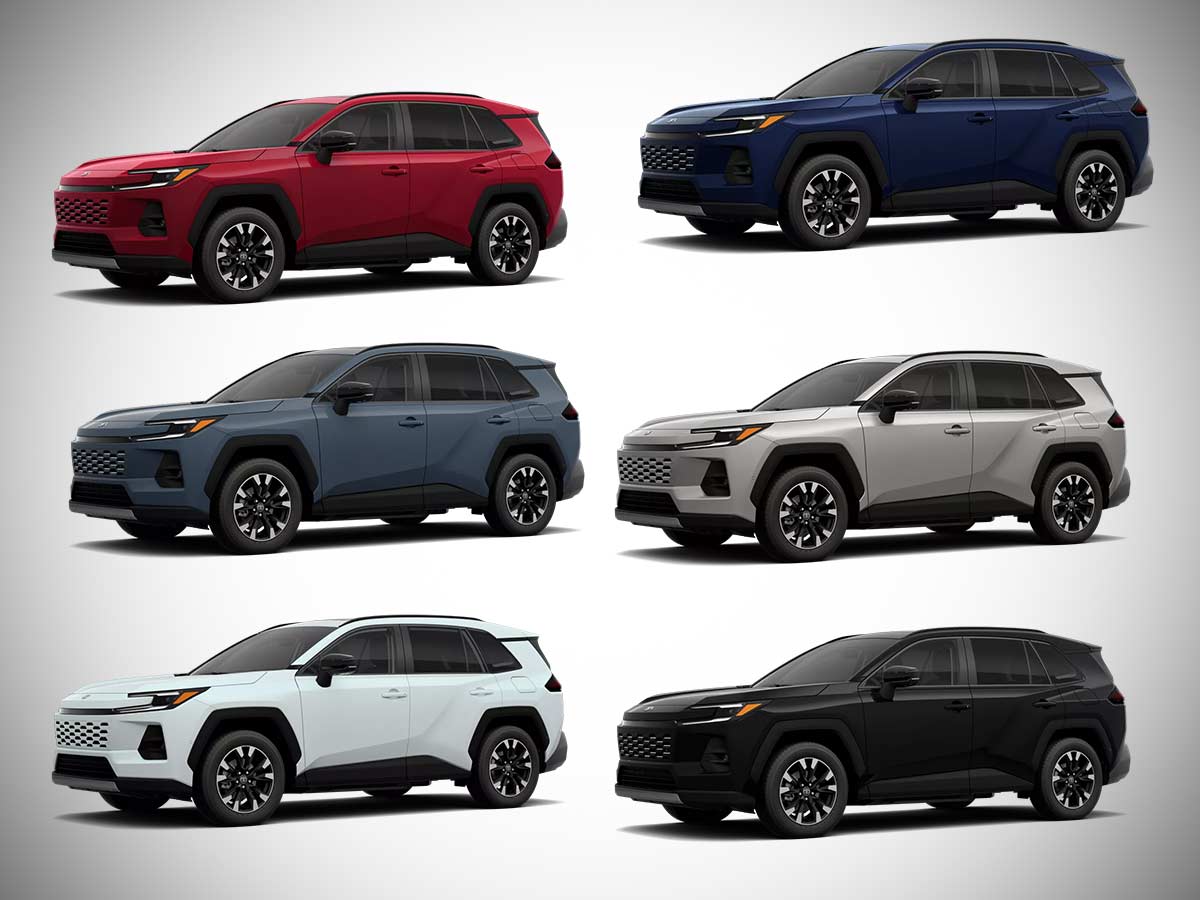
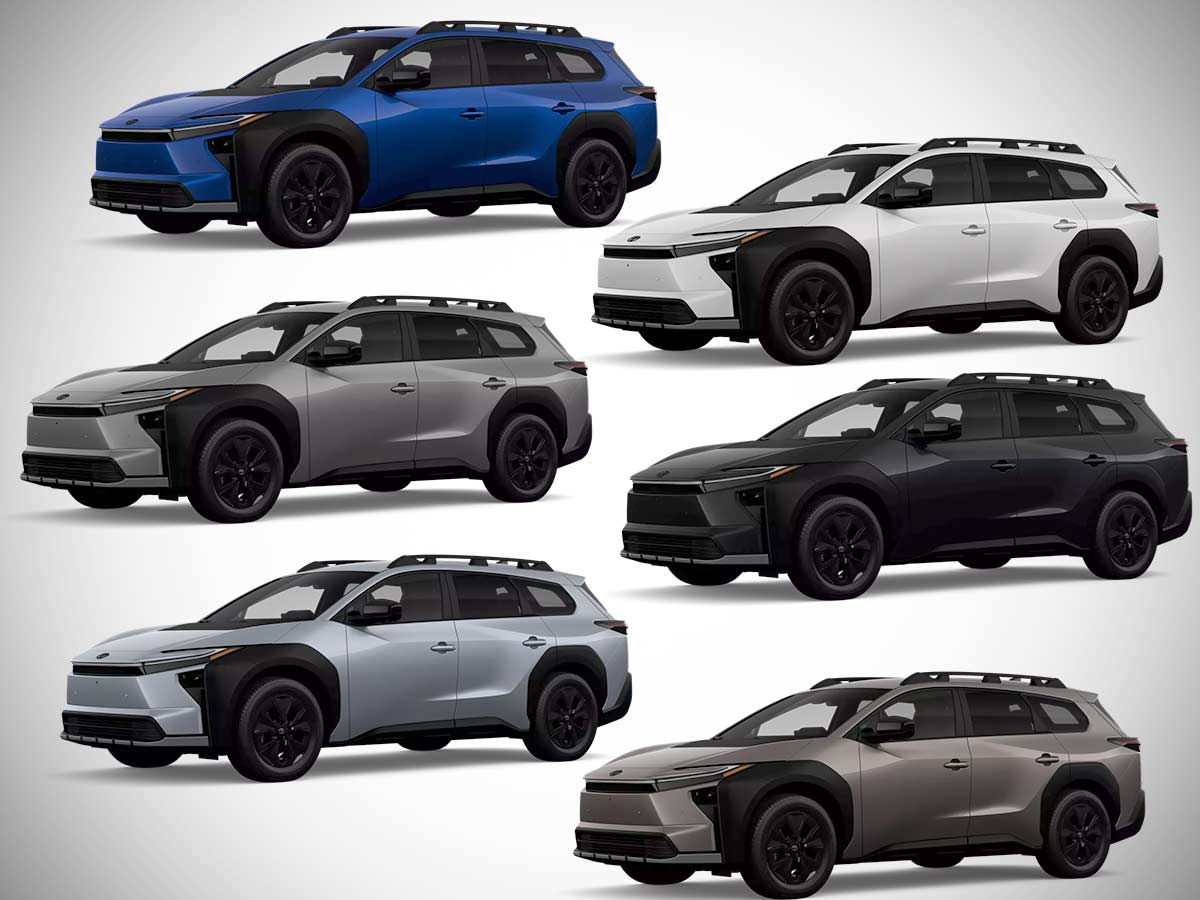
This information is speculative, as Toyota has not released any official details about the next-generation Fortuner Hybrid or the Fortuner BEV, and the AI generated car images are not official designs.