








For 36 years, the Lexus LS has been the automotive world’s benchmark for quiet confidence. It was the “Luxury Sedan” that fired the opening shot against the German titans in 1989 and, for decades, has served as a rolling testament to Omotenashi – the Japanese art of selfless hospitality. It was, and still is, a magnificent car.
And at the 2025 Japan Mobility Show, Lexus essentially killed it. Or, to be more precise, they liberated it. On a dazzling Tokyo stage, Lexus didn’t just unveil a concept car; it unveiled a new philosophy. In a move of staggering audacity, the brand declared that “LS” no longer stands for “Luxury Sedan.”
>>> Great Discounts on Car & Bike Accessories <<<
It now stands for “Luxury Space.”
This wasn’t just a clever marketing tagline. It was a paradigm shift, a public admission of a truth every automaker knows: the traditional three-box executive sedan is, in the words of Lexus Chief Branding Officer Simon Humphries, “fighting a losing battle with SUVs.” People’s aspirations have changed. The ultimate luxuries in our frenetic, hyper-connected world are no longer just leather and wood; they are time, privacy, and personal space.
So, rather than introduce another beautiful, predictable sedan, Lexus tore up the rulebook and presented a multi-faceted vision of its future flagship. The centerpiece? A vehicle so challenging, so futuristic, and so utterly unexpected that it dominated the show: a six-wheeled, lounge-like MPV.
The Show-Stopper: The Six-Wheeled “Luxury Space”
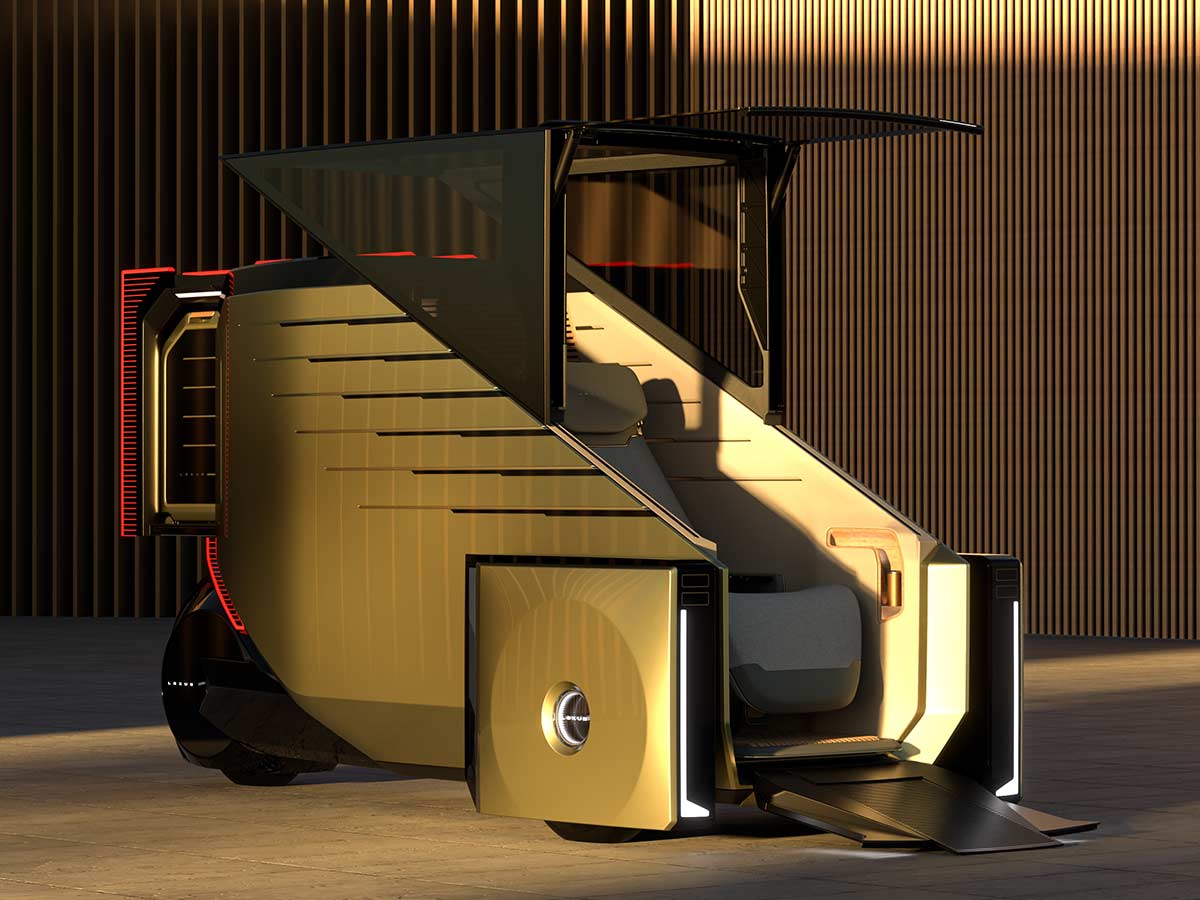
Let’s be clear: this is not your local taxi van. The primary Lexus LS Concept – the one that drew gasps – is a radical reimagining of the chauffeur-driven vehicle. It is part spaceship, part private jet, and part serene sanctuary.
An Exterior from Science Fiction
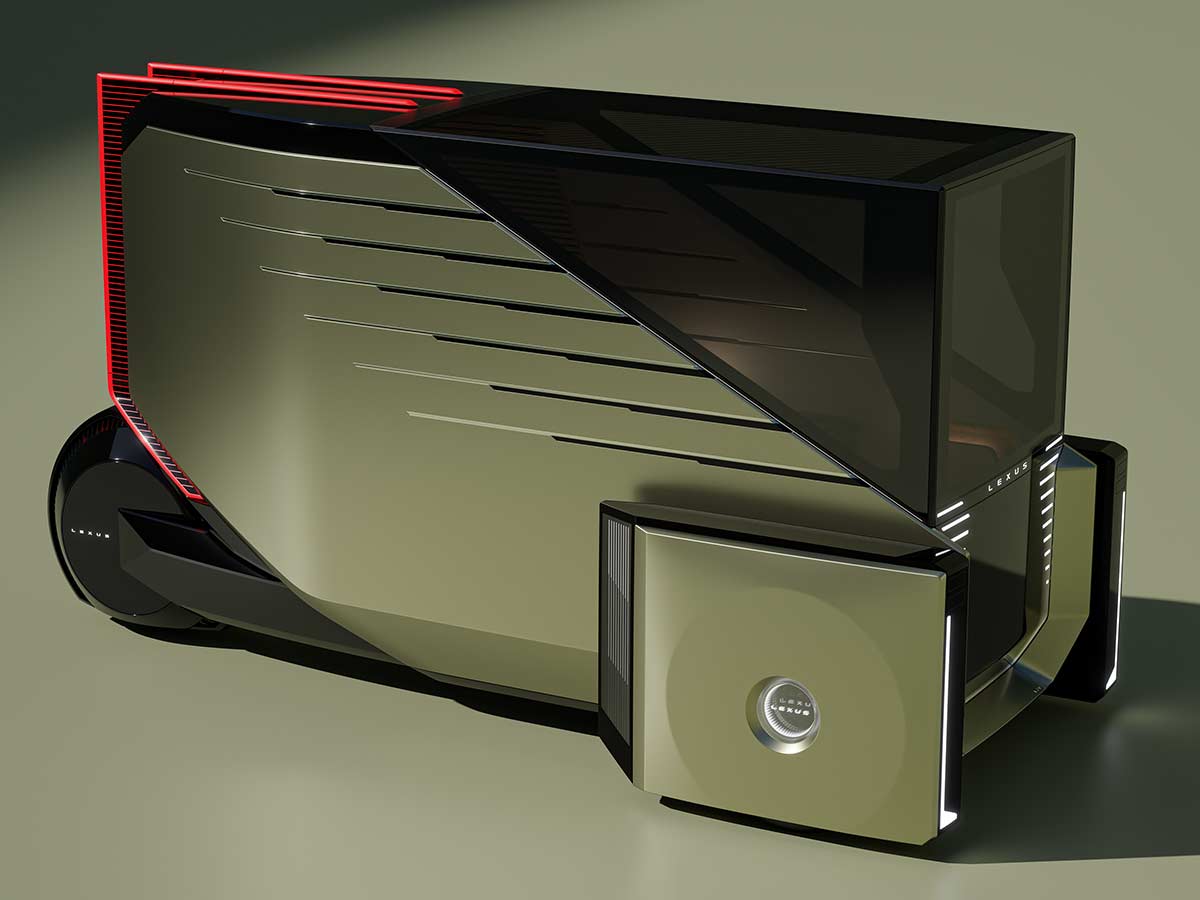
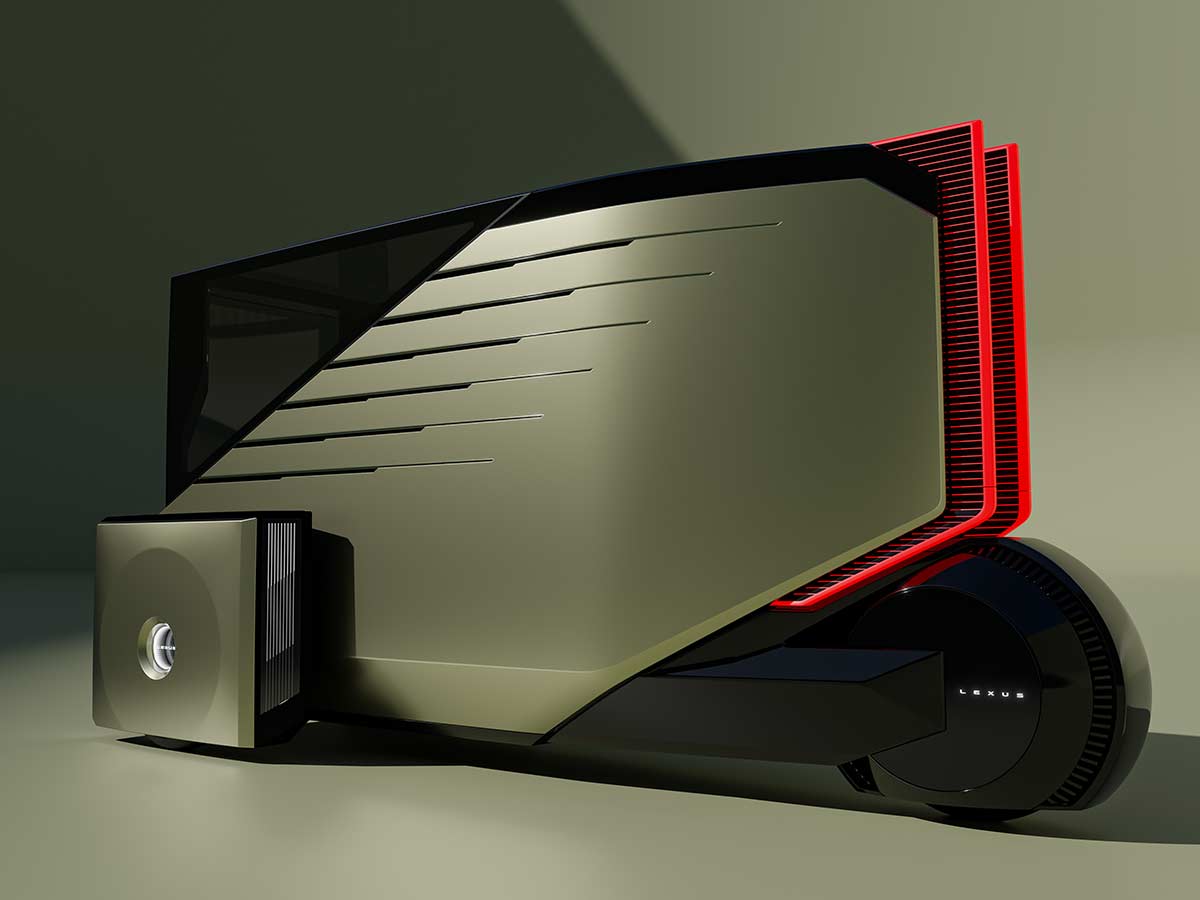
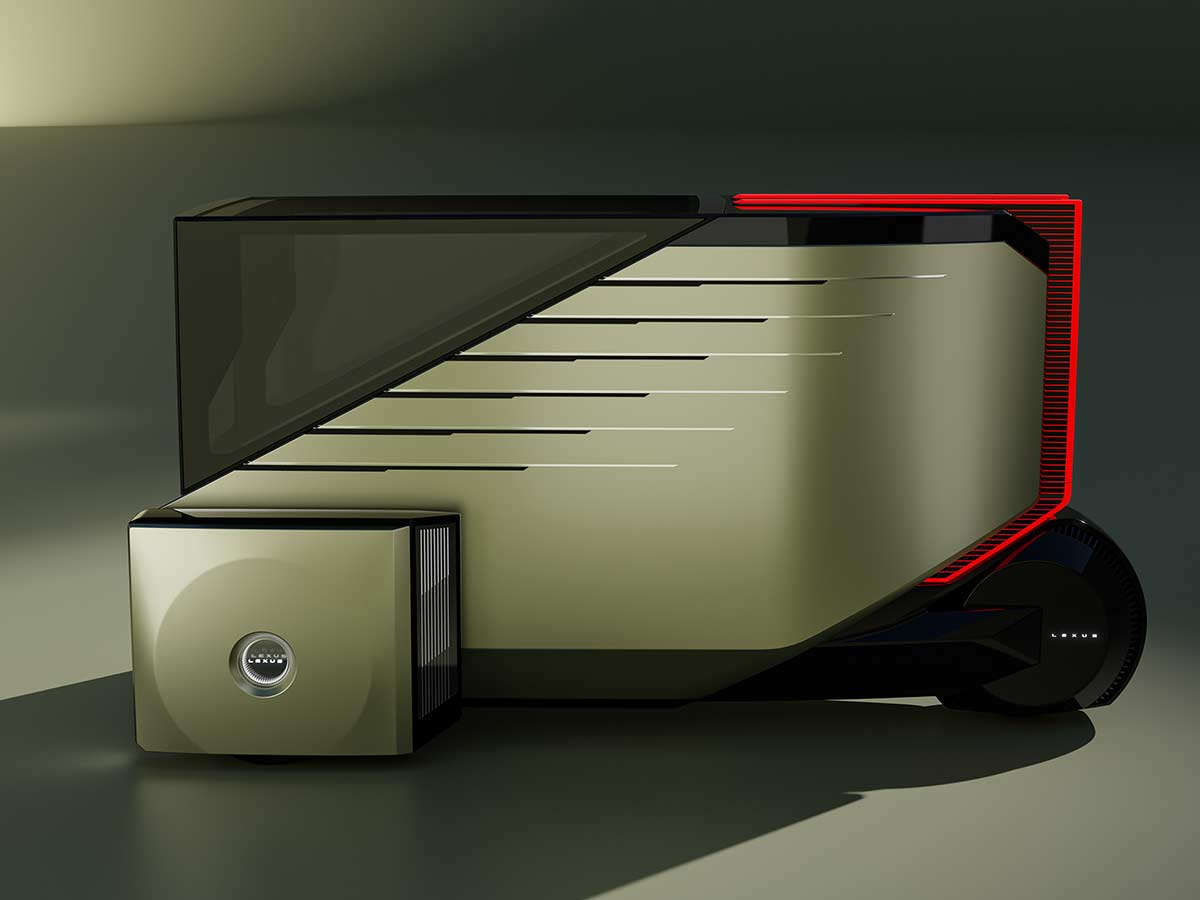
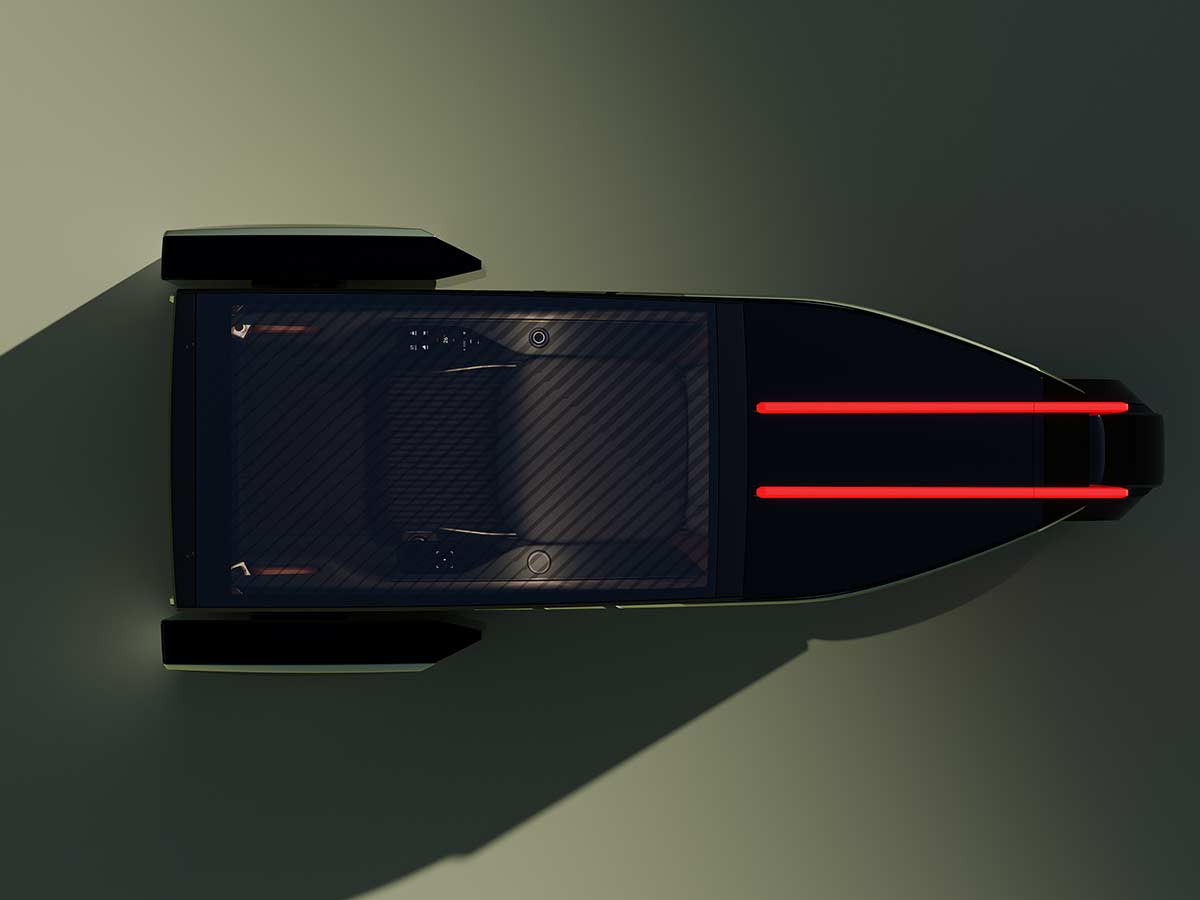
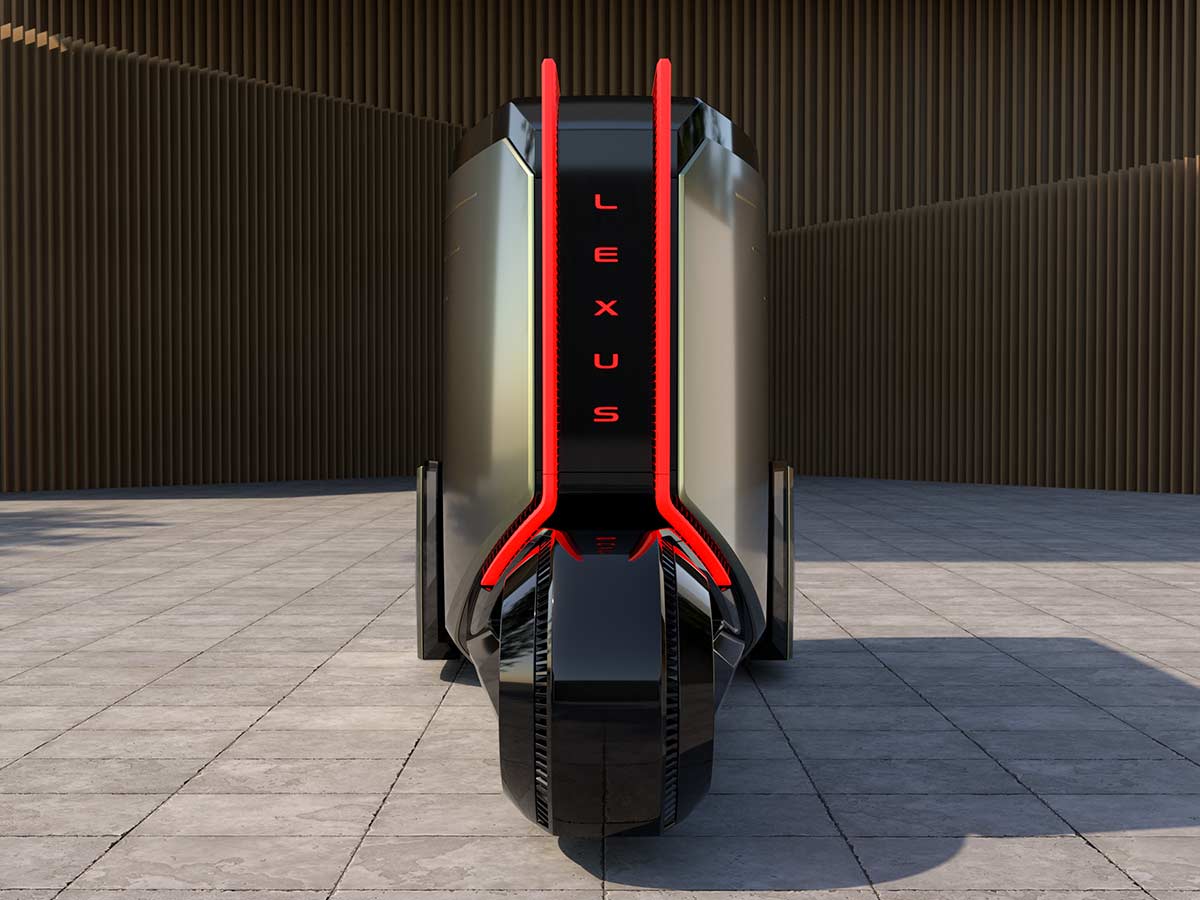
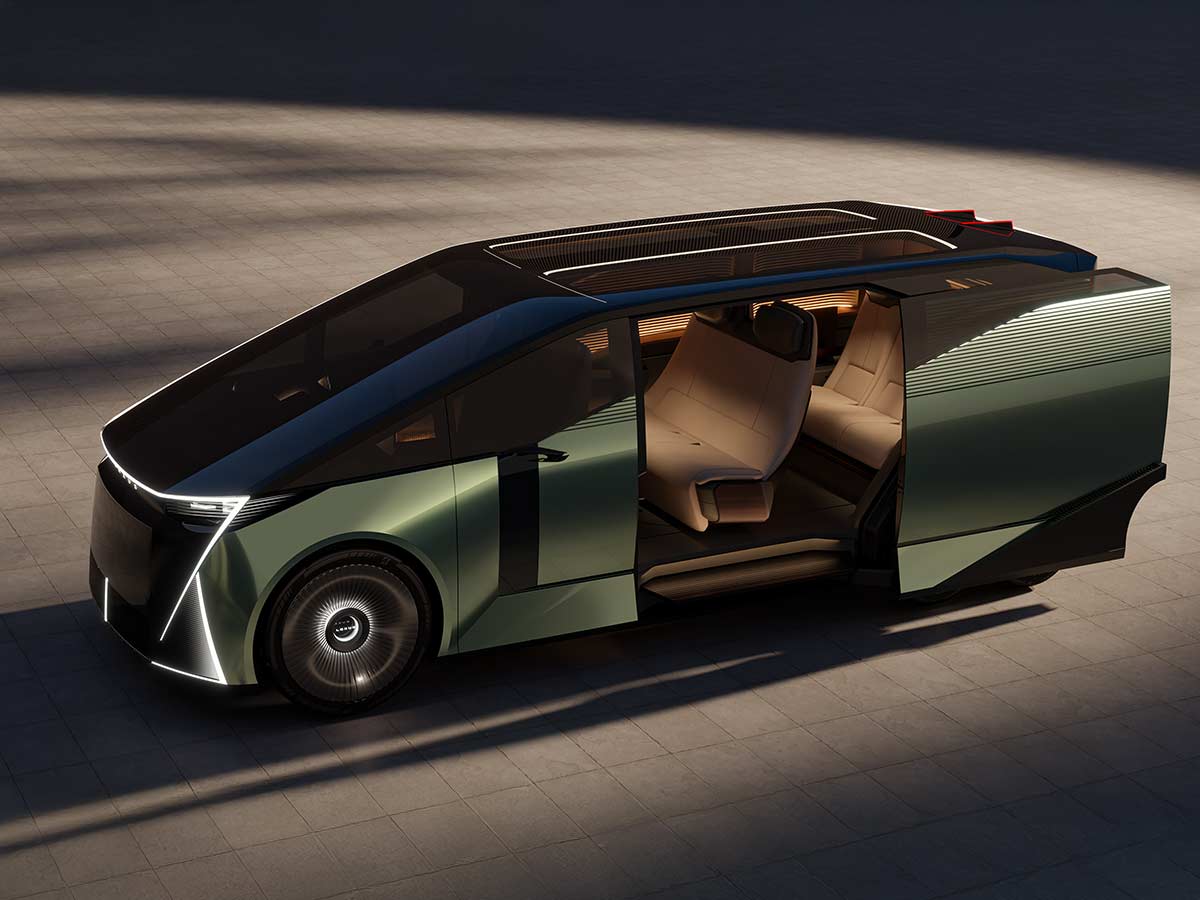
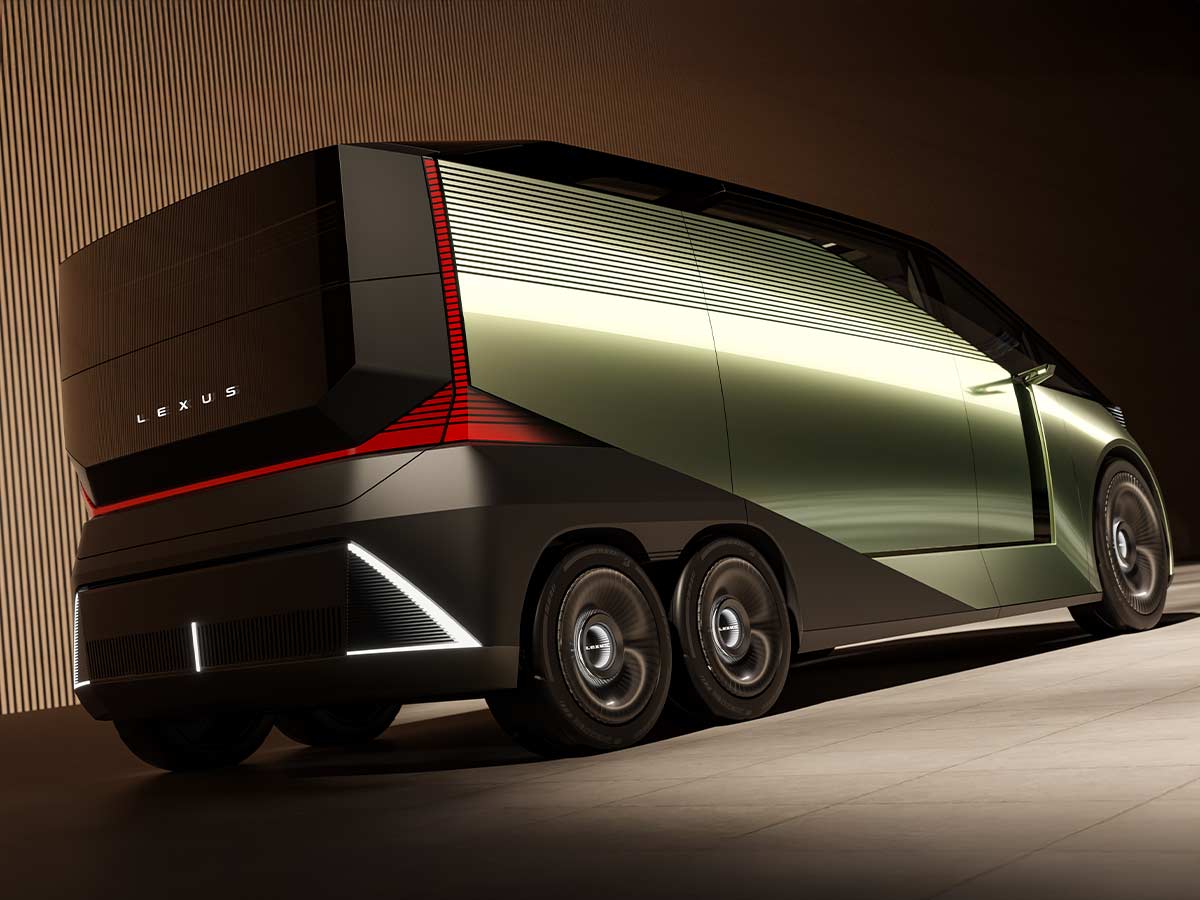
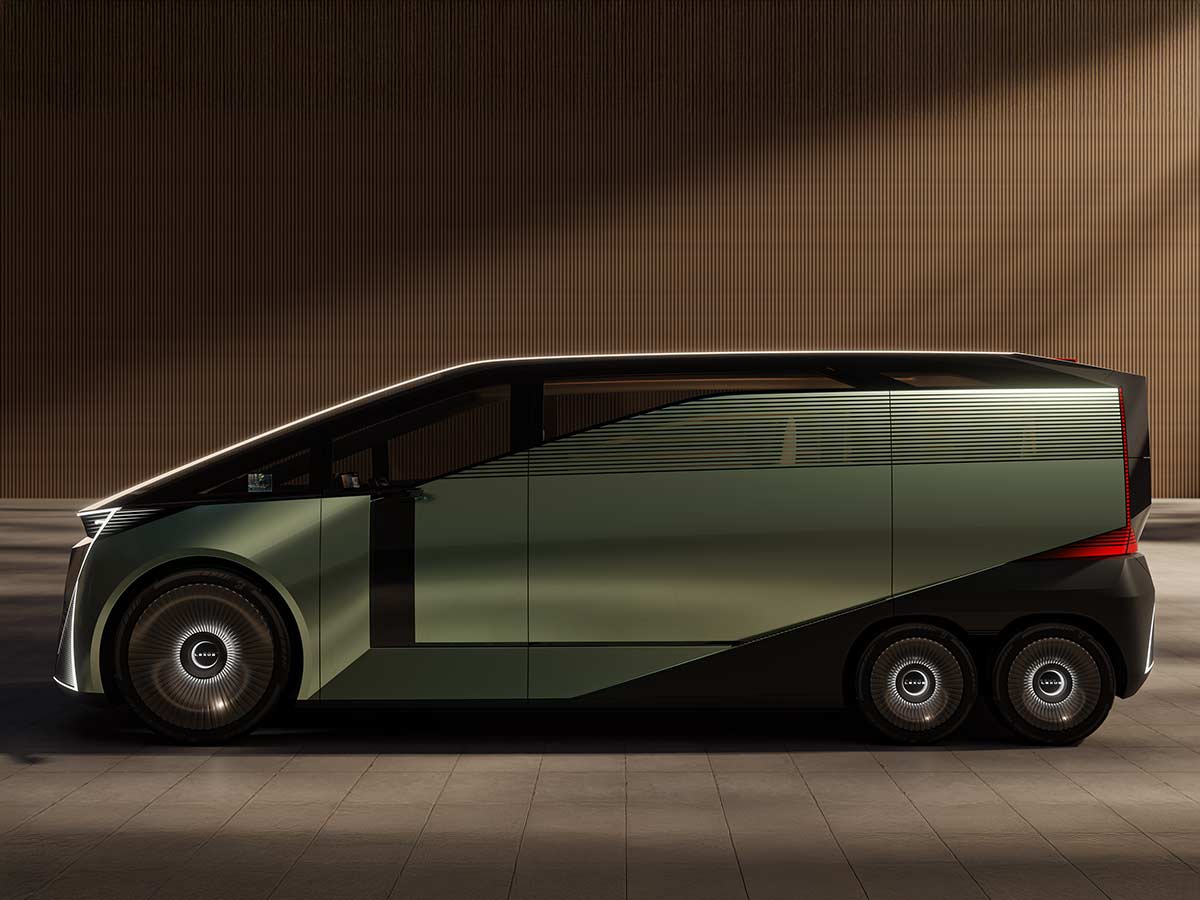
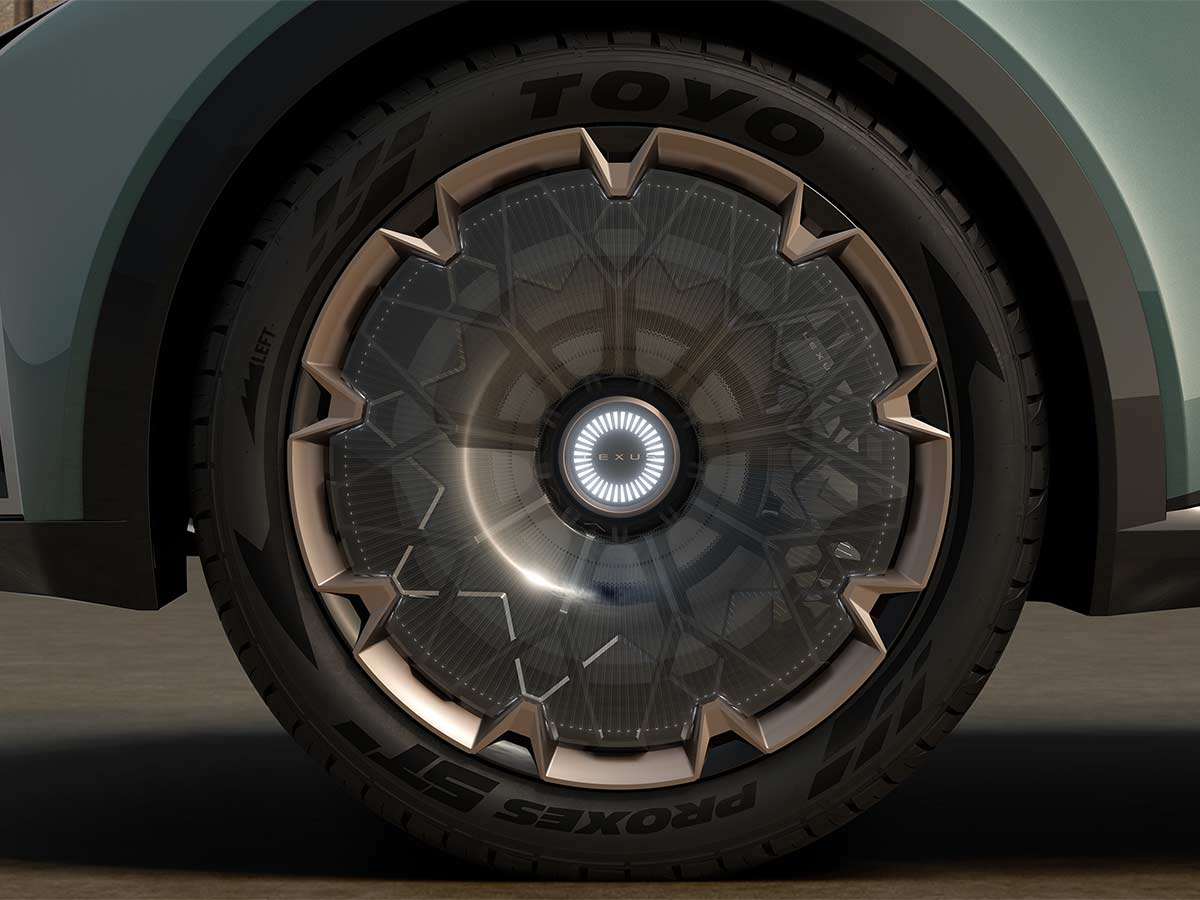
The first thing you notice is, of course, the wheel configuration. It features two massive, illuminated wheels at the front and four smaller wheels at the rear. Lexus claims this radical layout is engineered to revolutionize packaging, maximizing the interior floor space while delivering unparalleled smoothness and stability. It’s a vehicle designed to glide, isolating its occupants from the imperfect world outside.
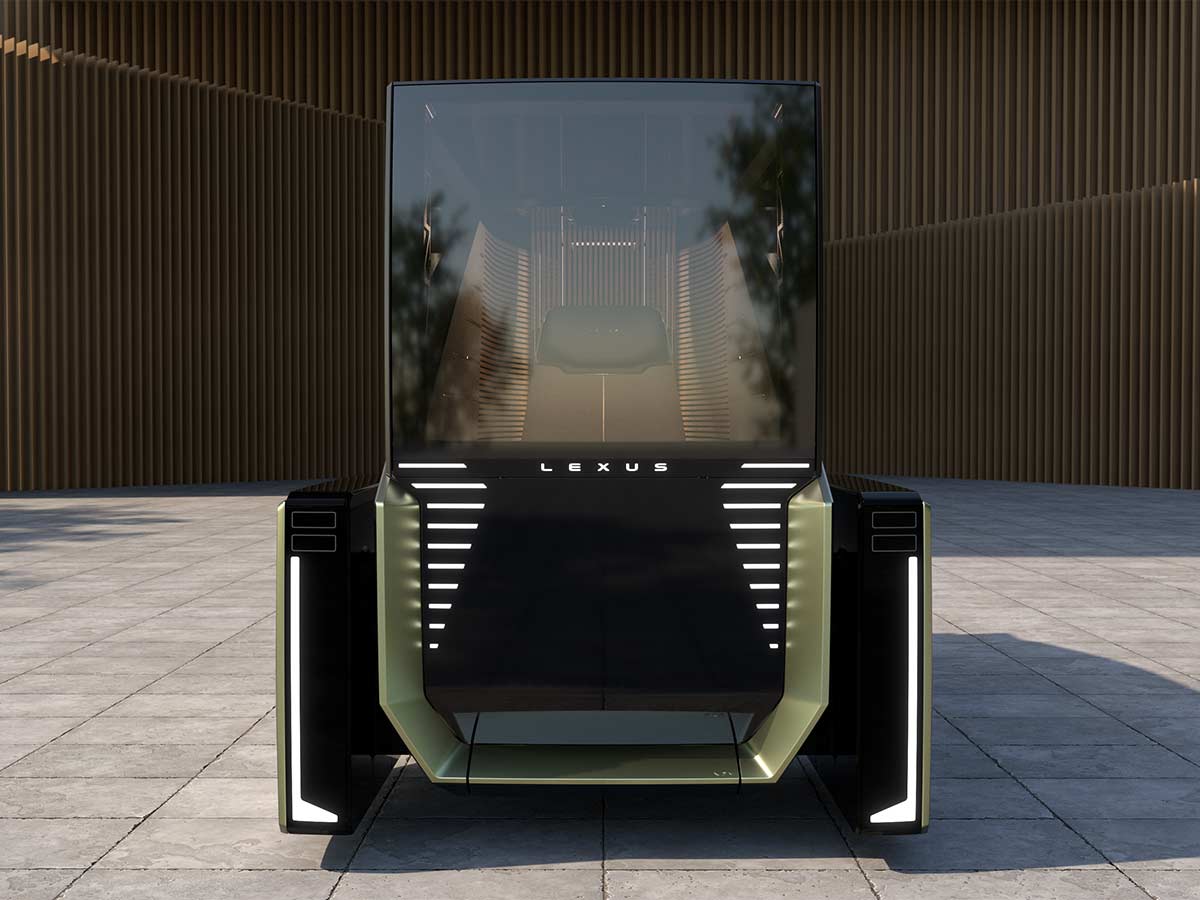
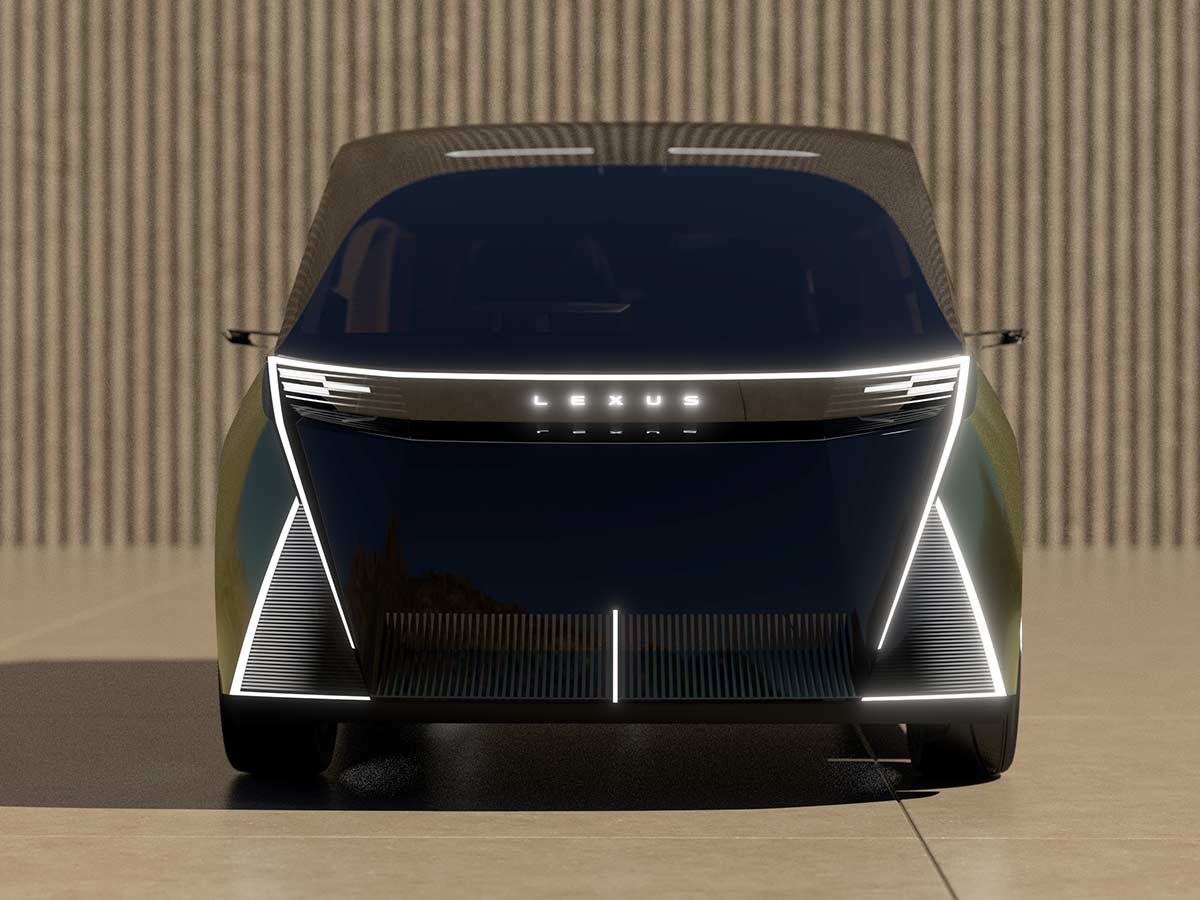
The design is monolithic. There is no traditional bonnet because there is no (presumed) internal combustion engine. The windshield flows in a seamless, aerodynamic sweep all the way down to the front bumper. The signature Lexus spindle grille has been completely replaced by a dazzling, full-width LED light bar that forms an angular, futuristic face.
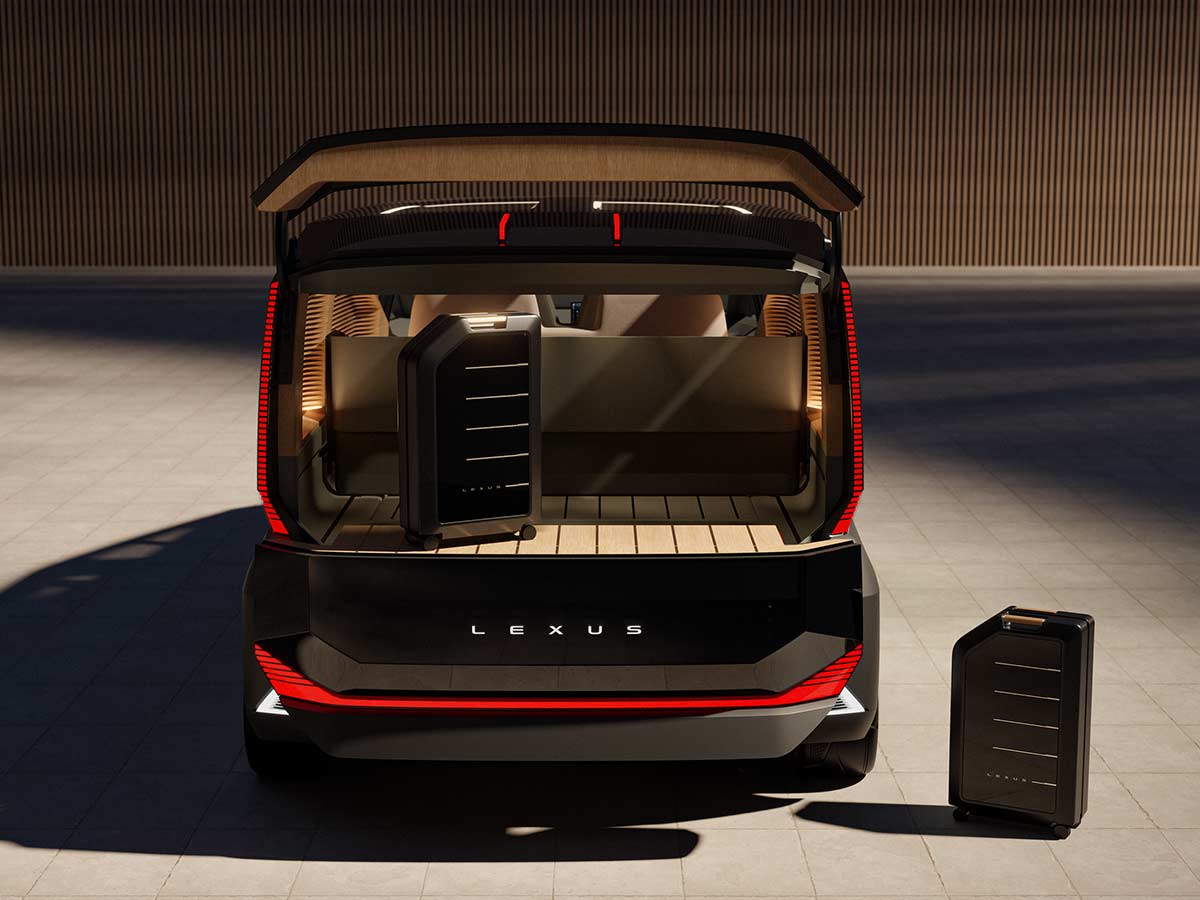
In profile, the LS Concept is impossibly long – likely over six meters – and clean. The sides are dominated by massive sliding doors, but where you’d expect glass, you find slatted privacy panels, reinforcing the “private sanctuary” brief. This isn’t a car for being seen in; it’s a space for not being seen. At the rear, wraparound LEDs and illuminated “LEXUS” lettering complete the light show.
A Rolling Sanctuary
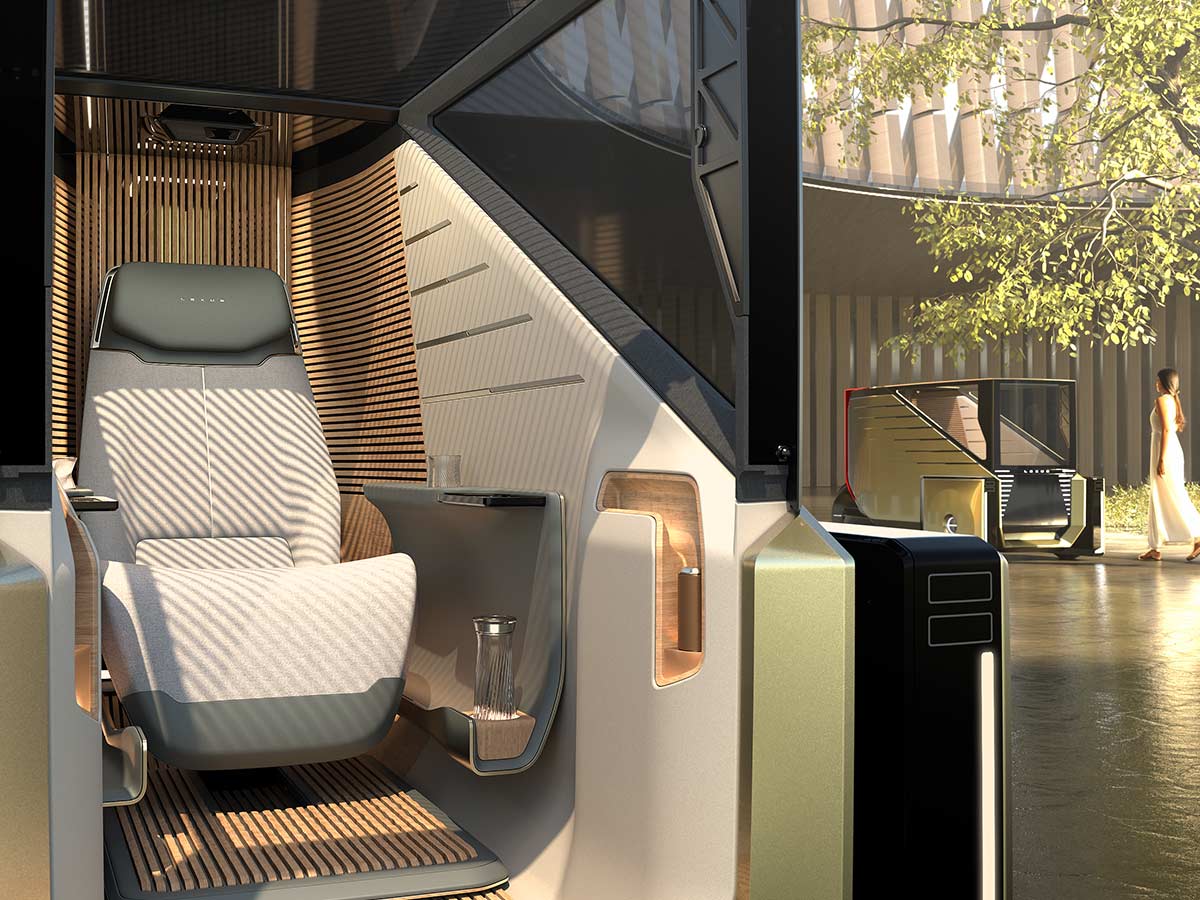
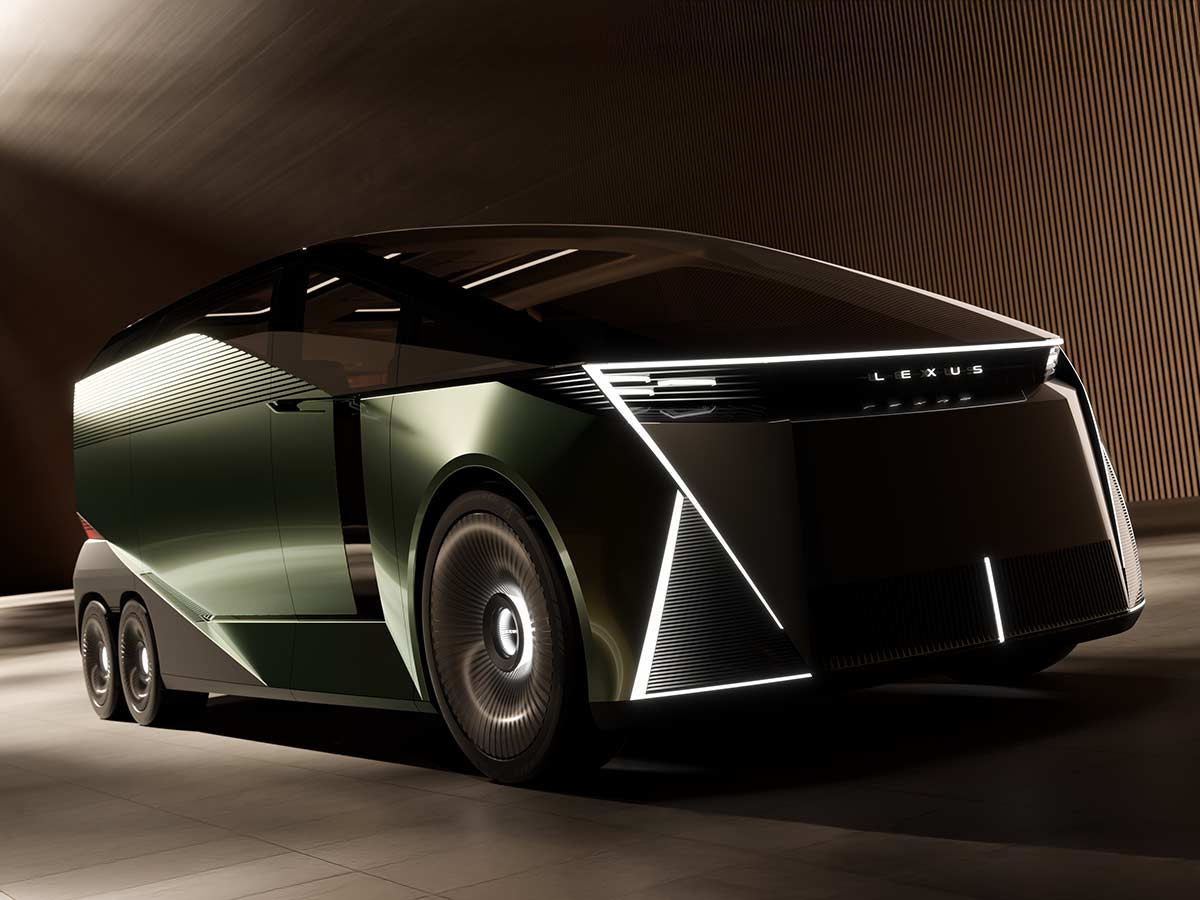
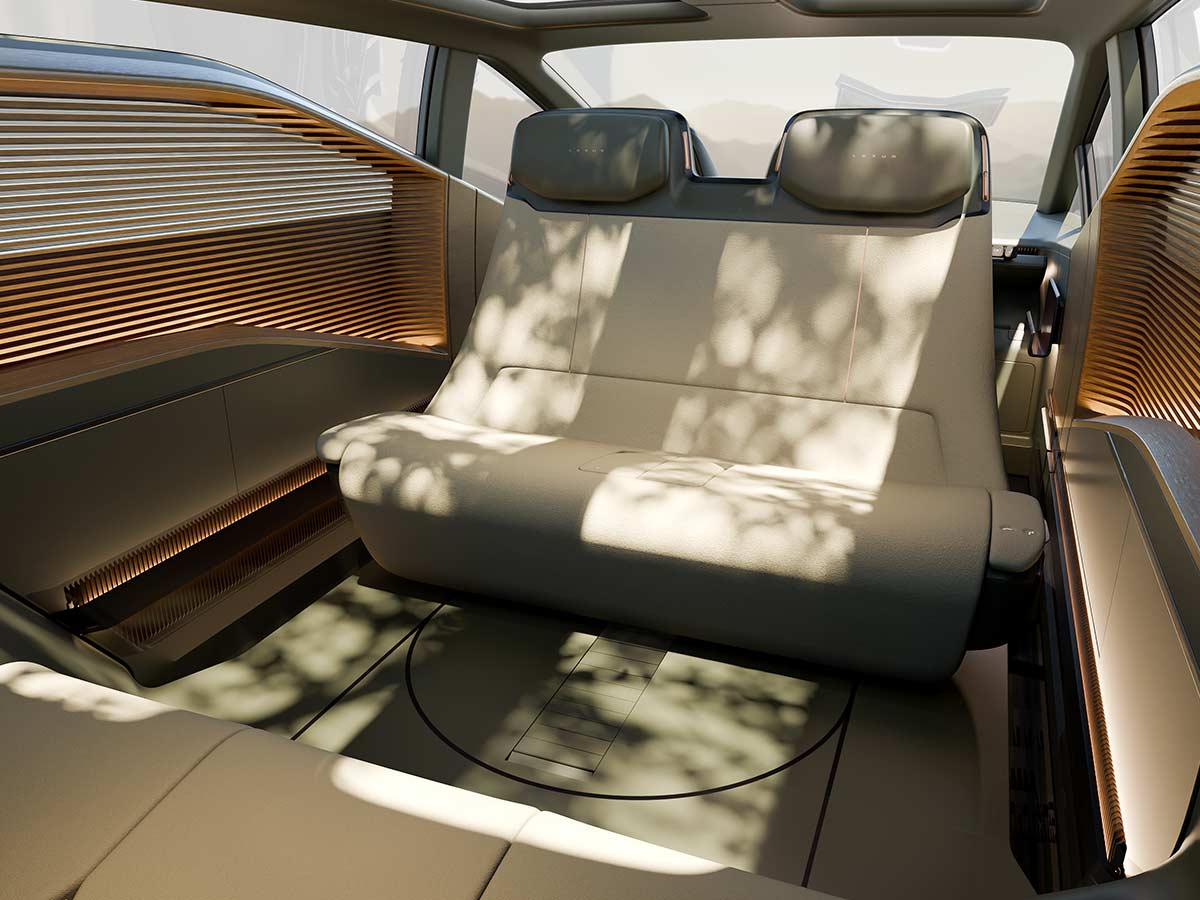
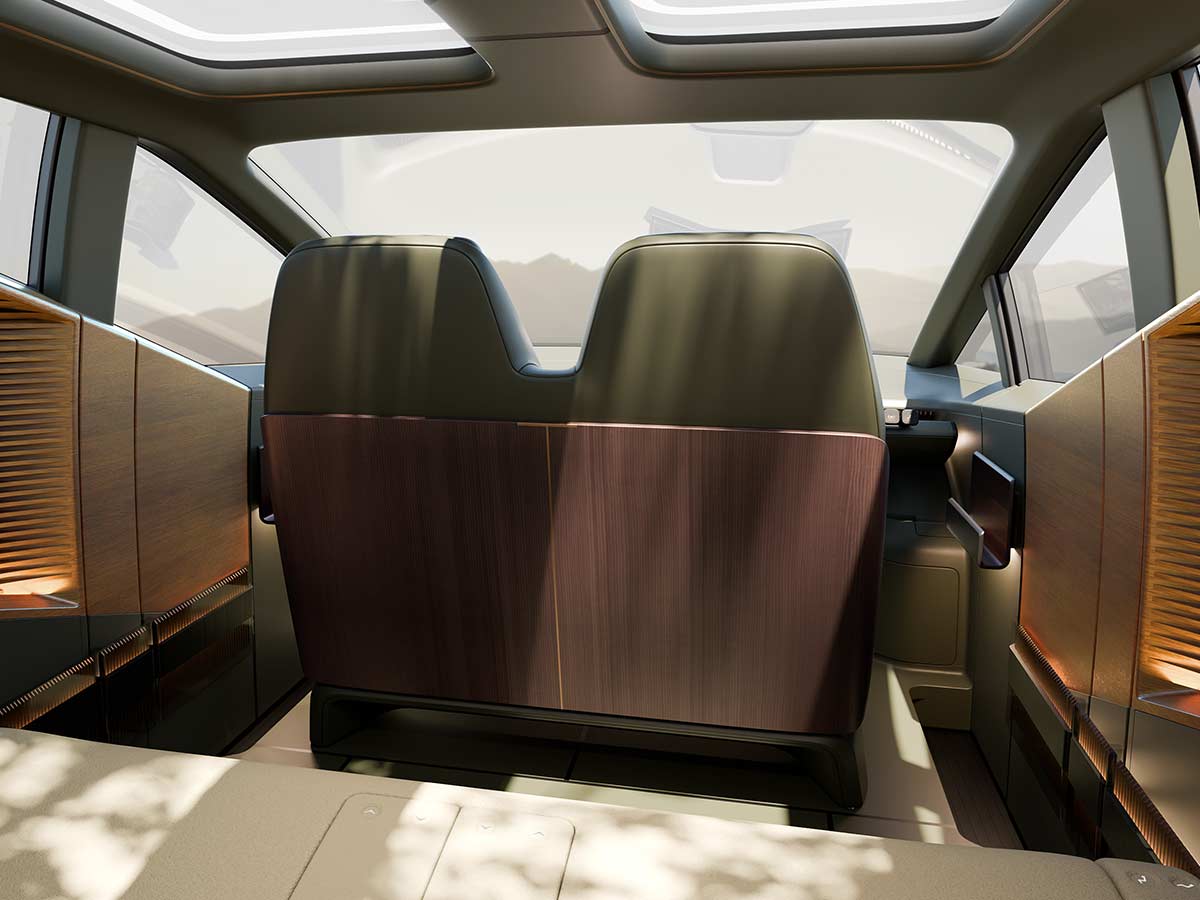
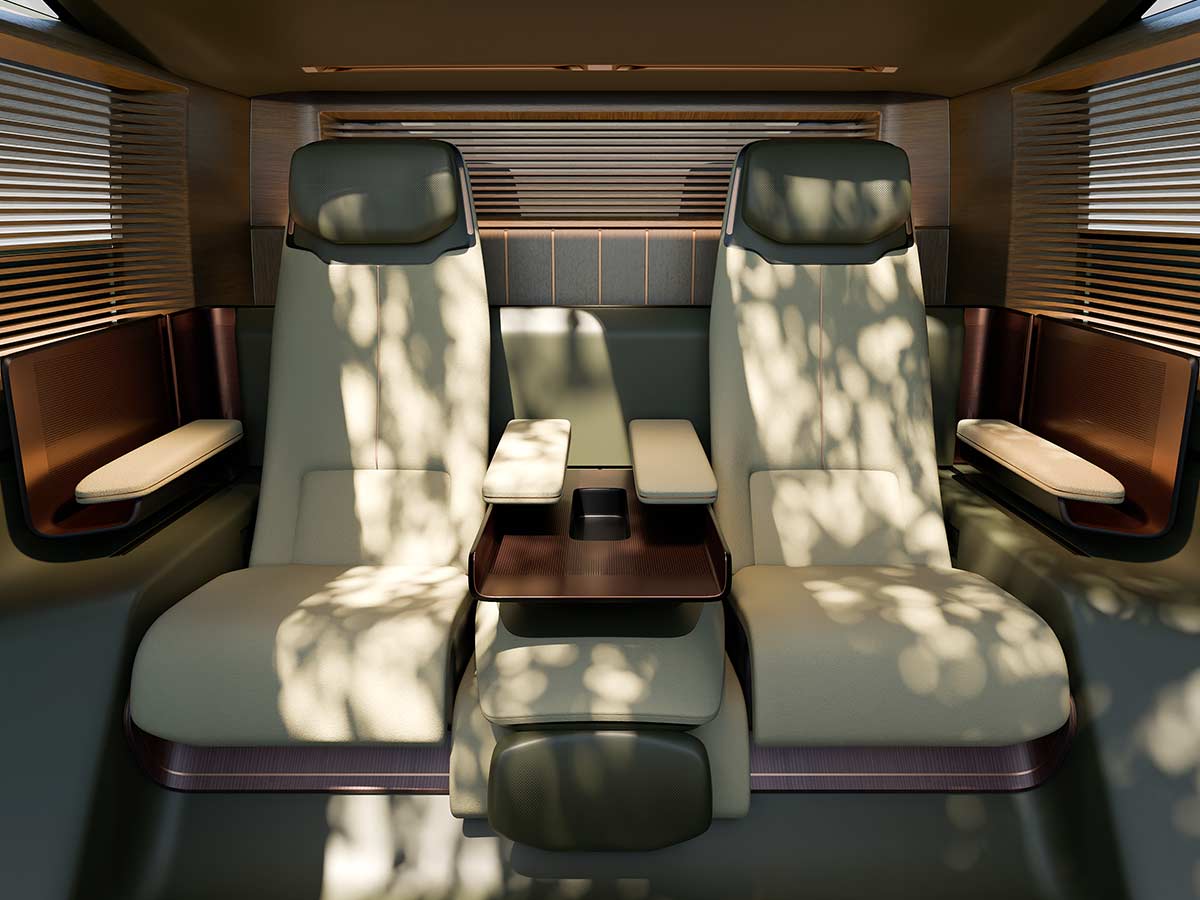
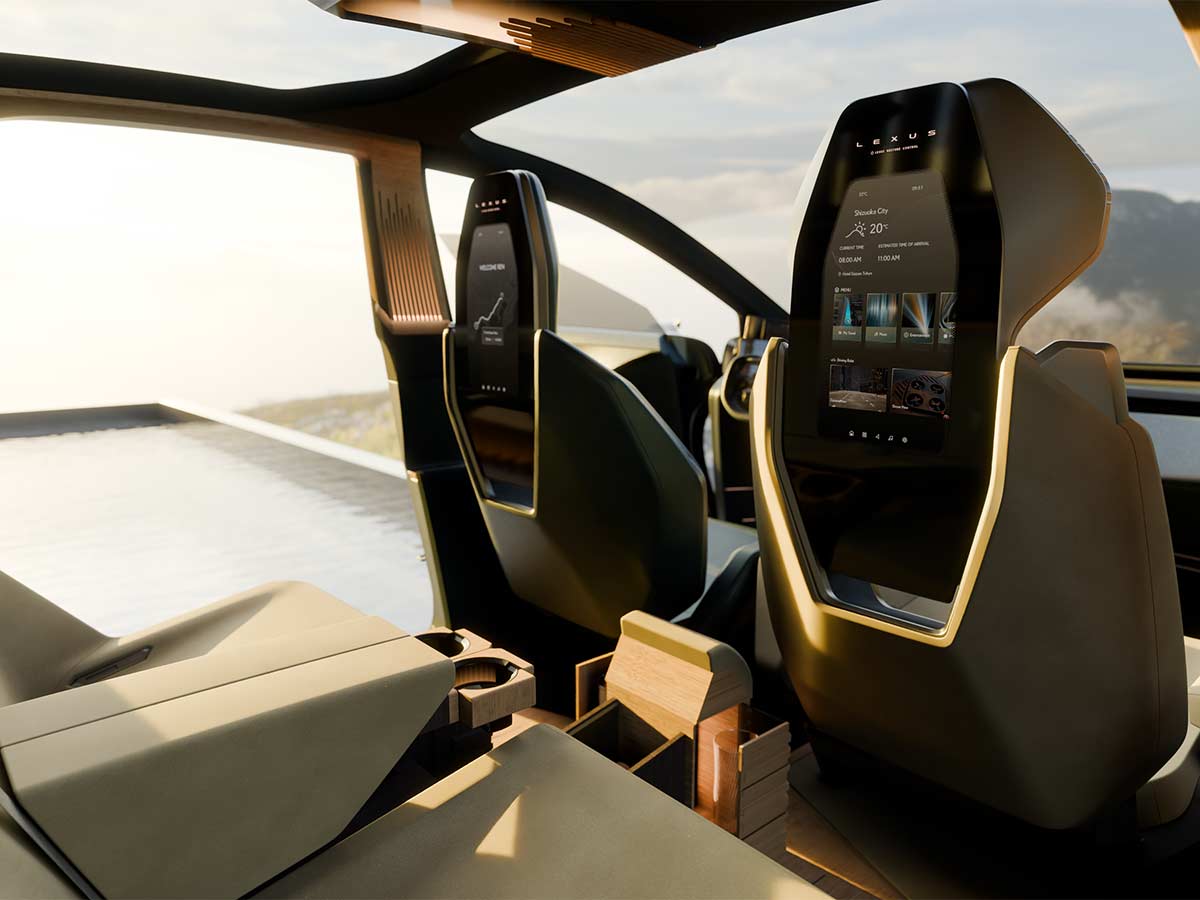
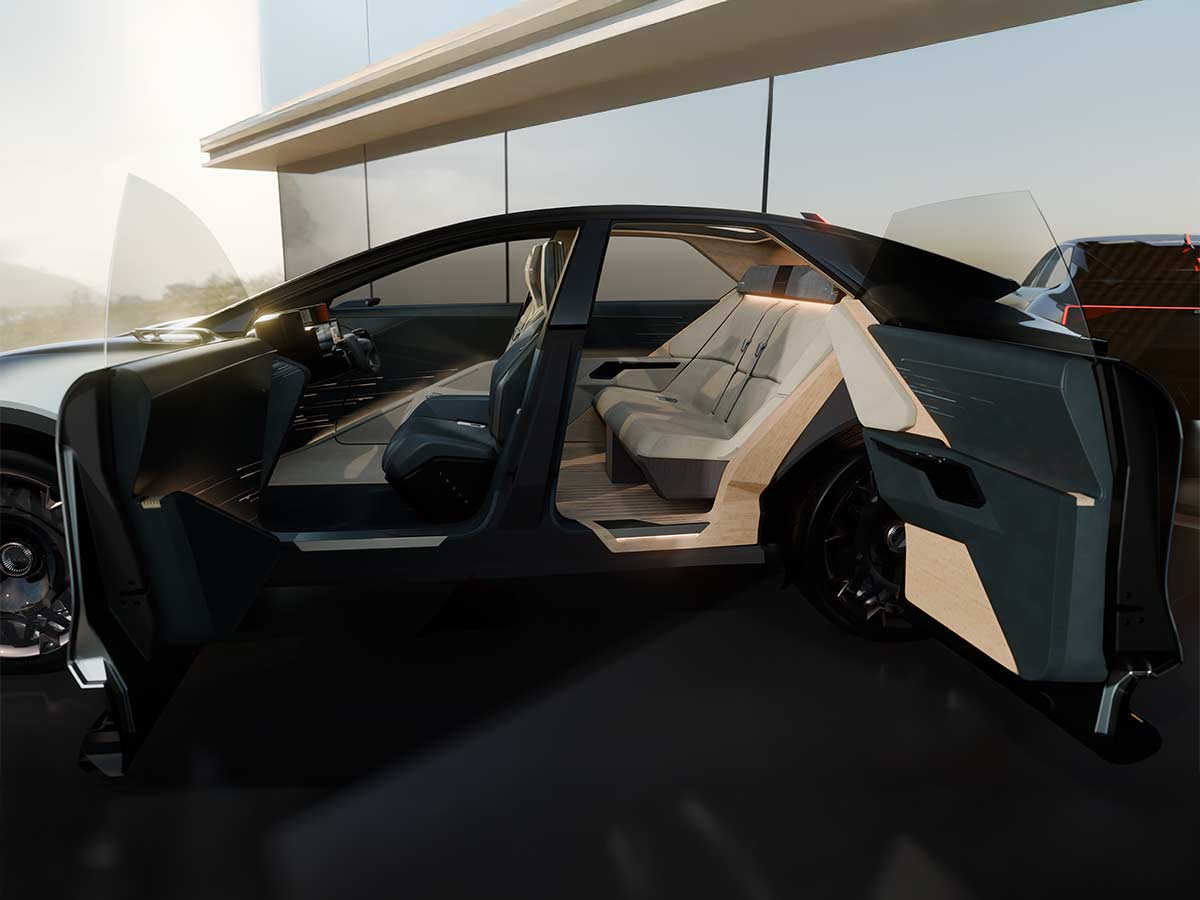
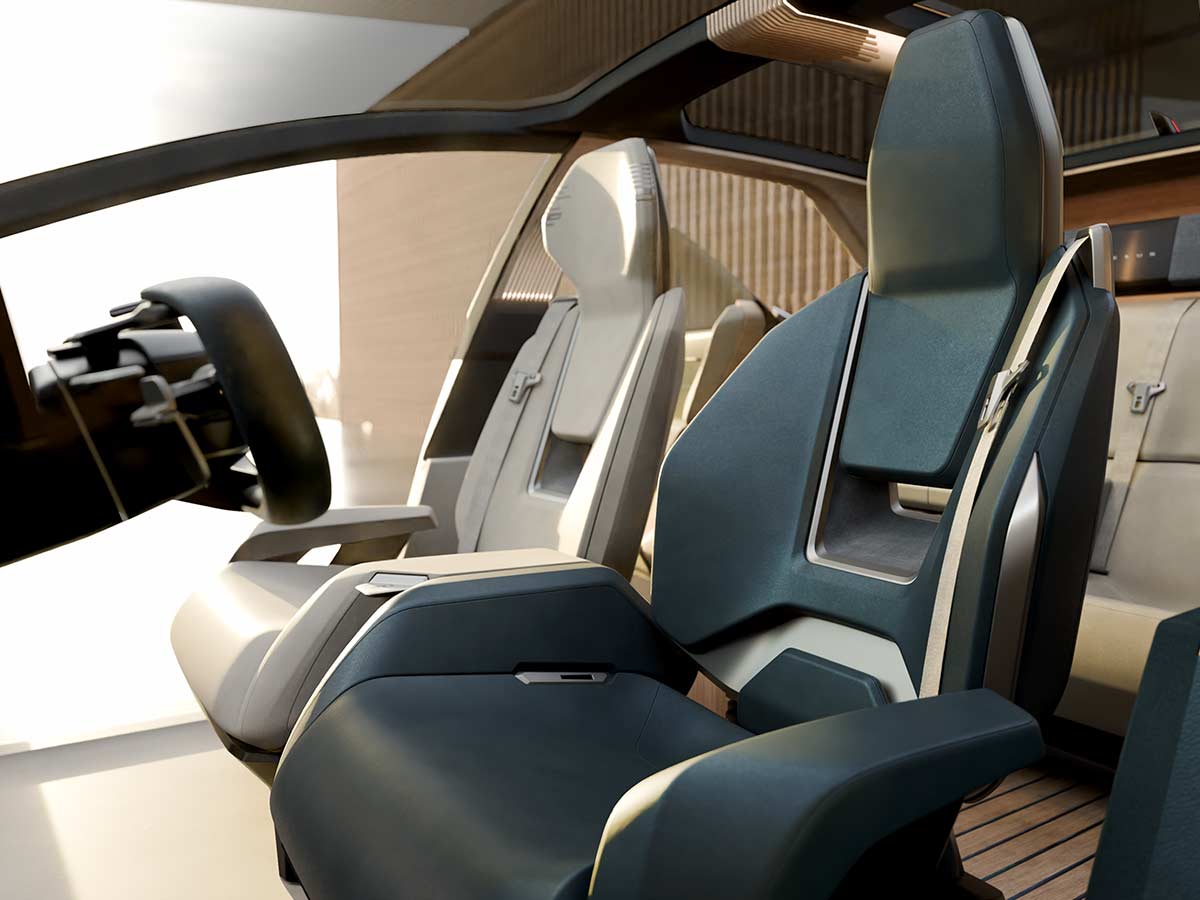
If the exterior is a challenge, the interior is the reward. The cabin abandons all automotive conventions and fully embraces its role as a “moving lounge.” Designed with the “VIP-centred” passenger in mind, the second row features not just captain’s chairs but full-size lounge recliners that look plucked from an Eames catalog. Thanks to the six-wheel layout, the floor is vast and flat, offering limousine-trumping legroom for all three rows.
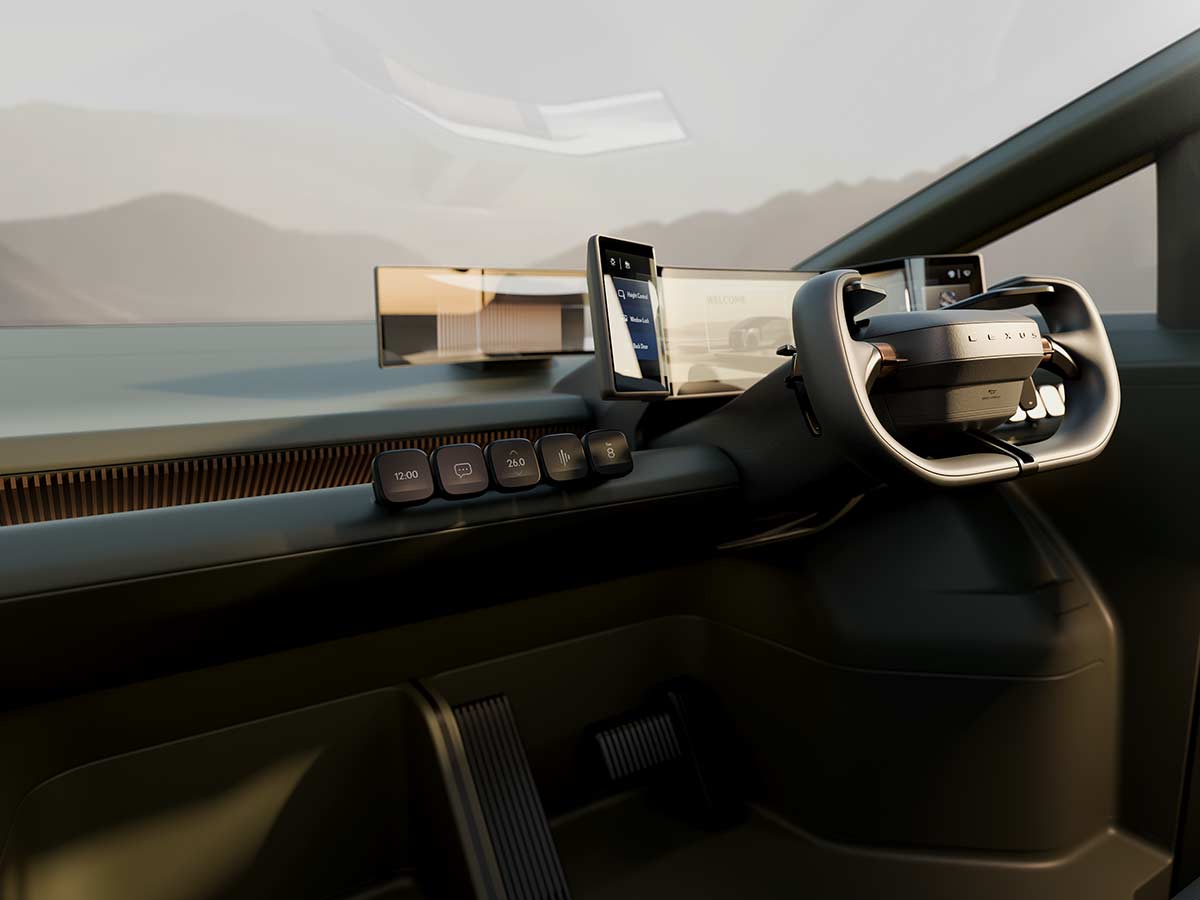
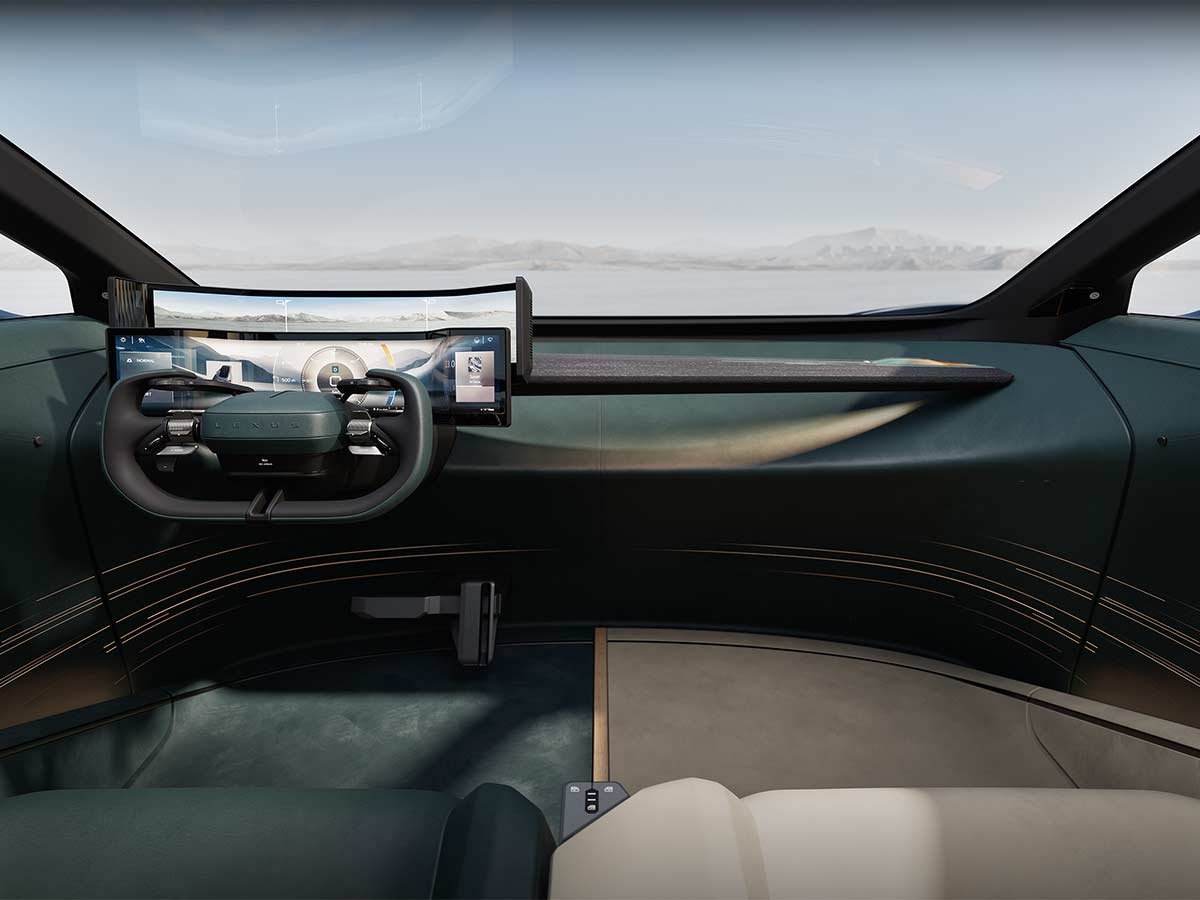
For the rare occasion the owner decides to drive, the cockpit is a minimalist tech haven. A yoke-style steering controller is fronted by three nested digital displays. Another widescreen display stretches across the dashboard, likely projecting feeds from the digital side-view cameras.
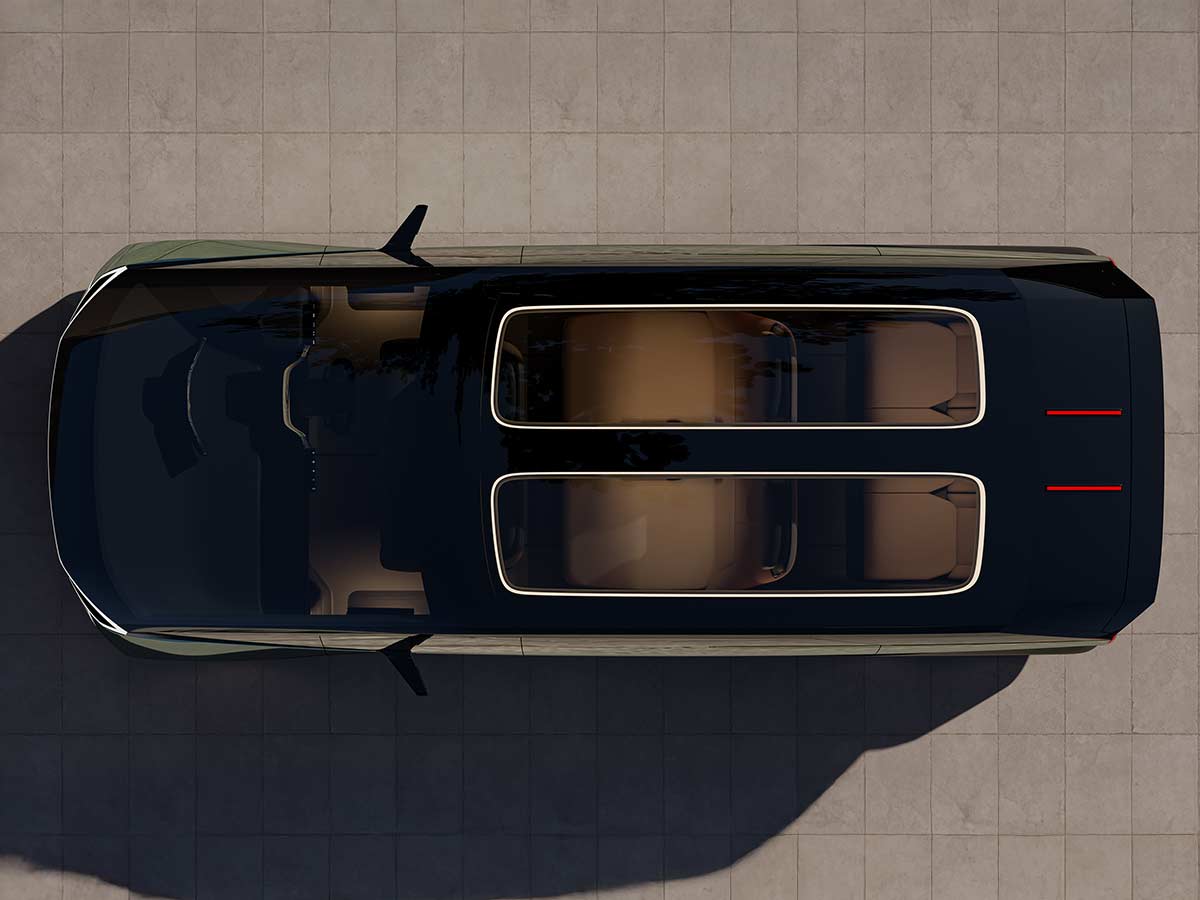
The entire space is a masterclass in modern Takumi craftsmanship. The materials are a serene blend of bamboo, sustainable woods, and soft, warm ambient lighting. A dual panoramic glass roof floods the cabin with light, but one gets the sense that with a simple command, it could tint to total opacity, returning the occupants to their private bubble.
The Grounded Contender: The LS Coupe Concept
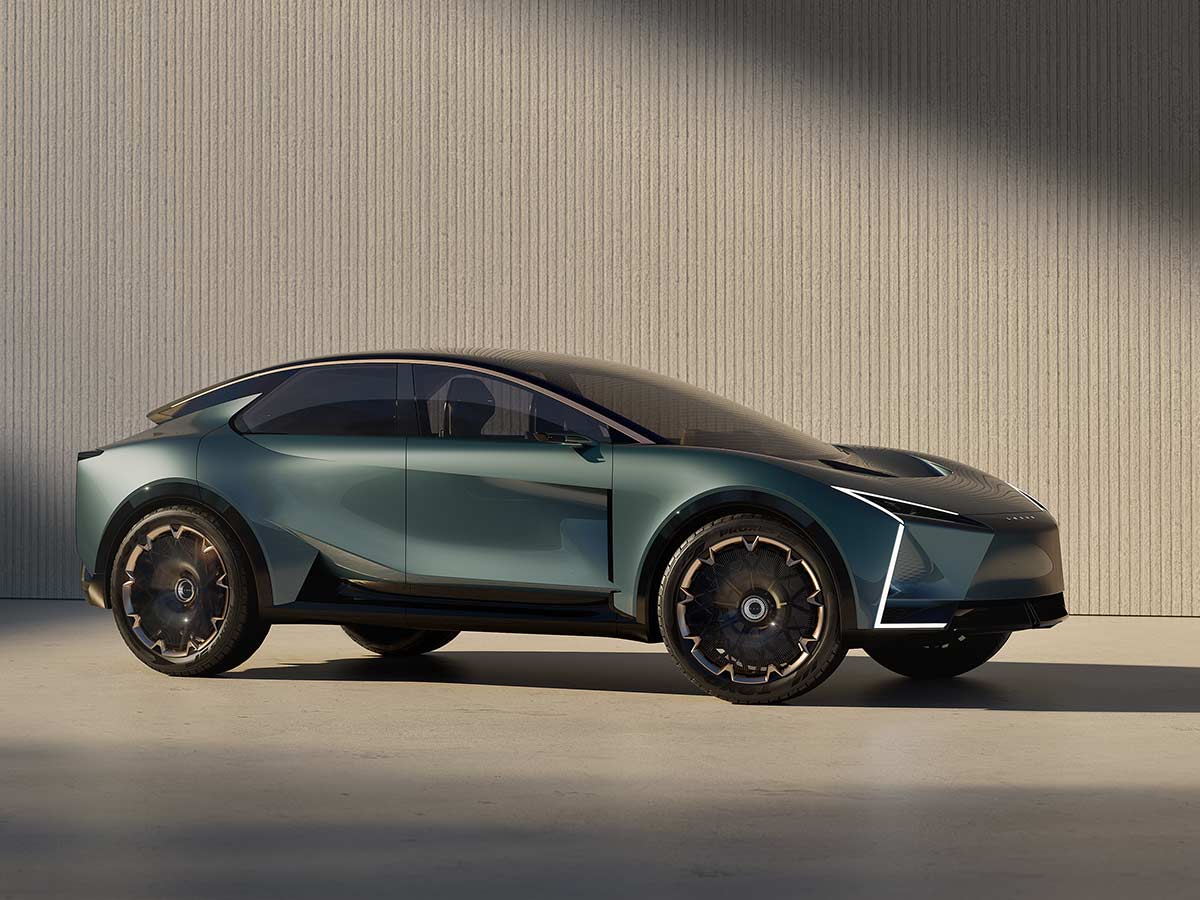
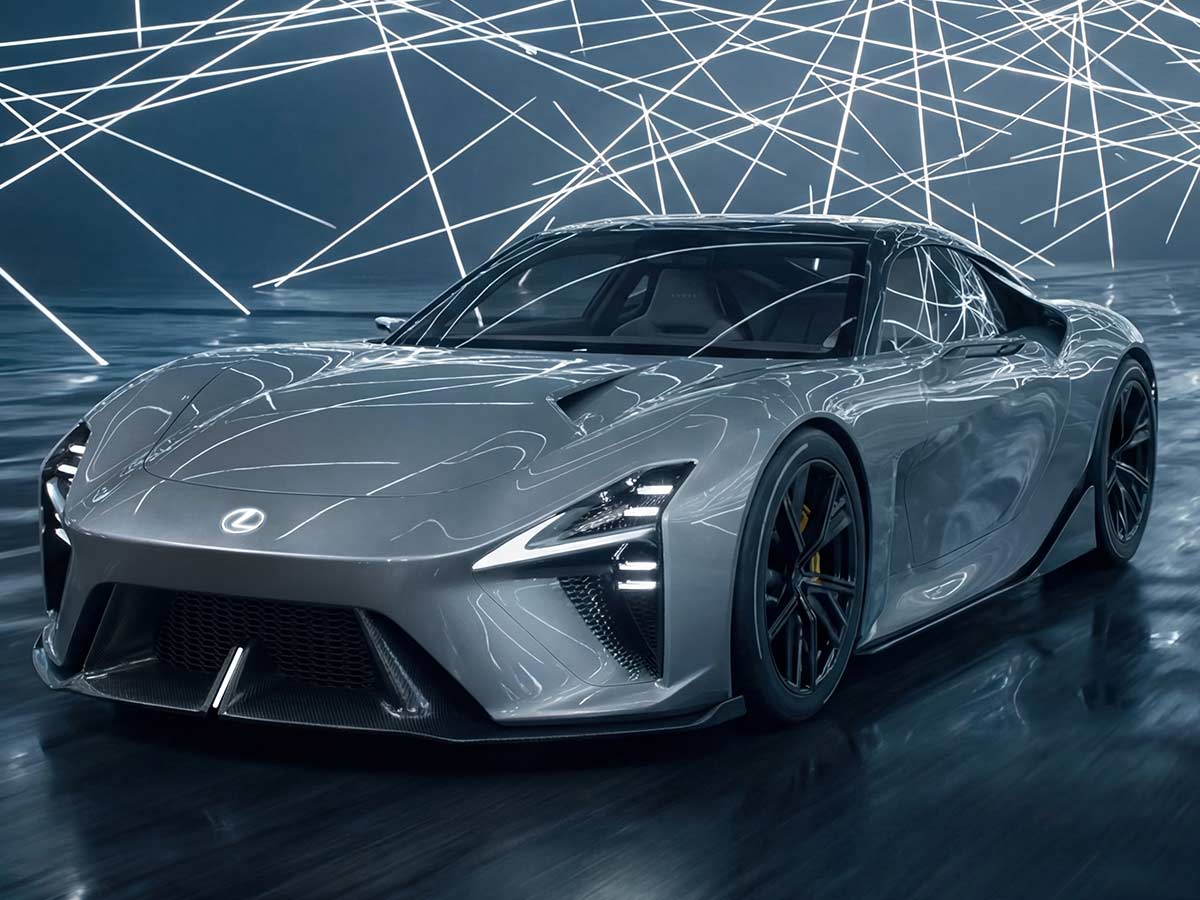
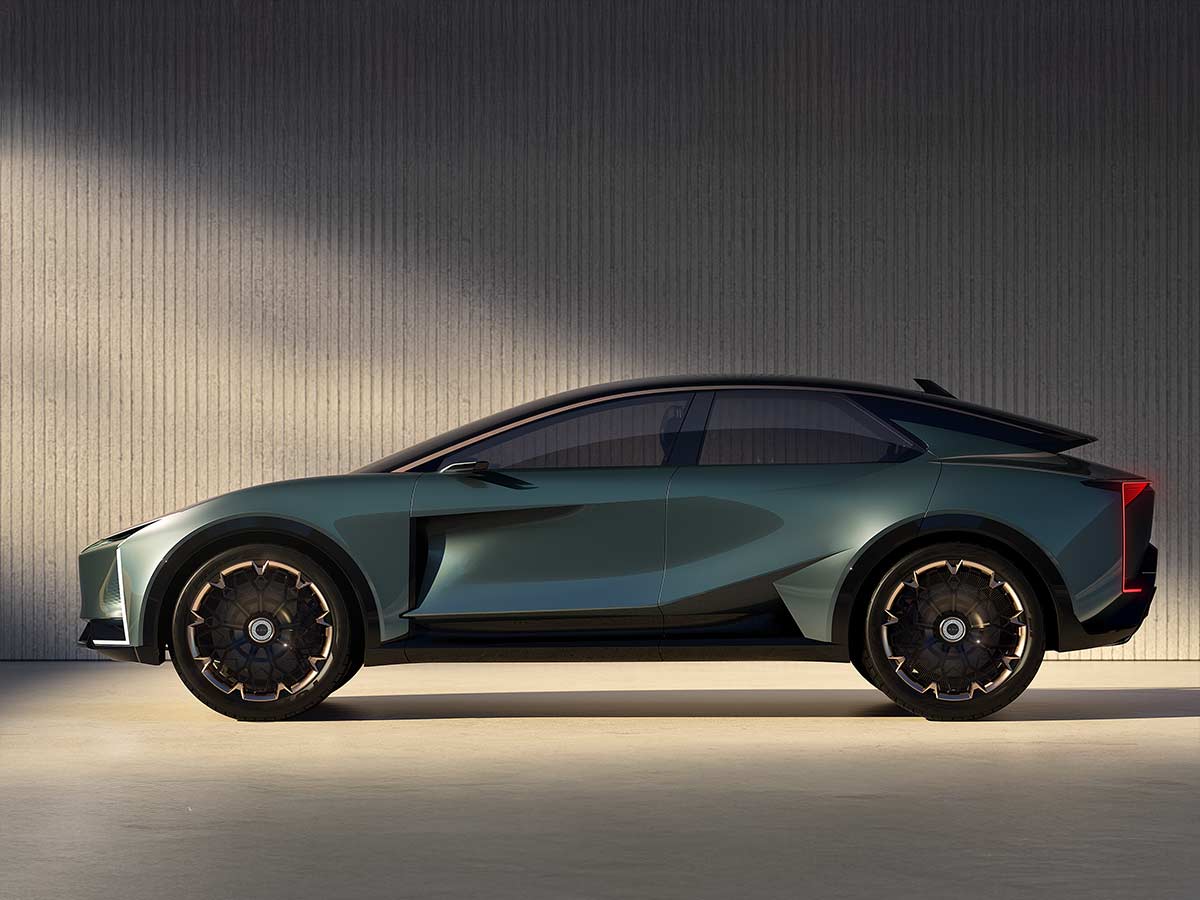
Realizing that a six-wheeled land yacht might be a bit much for some, Lexus also presented a second, more grounded vision: the LS Coupe Concept. If the MPV is for the chauffeured, the Coupe is for the driver who still demands passenger comfort.
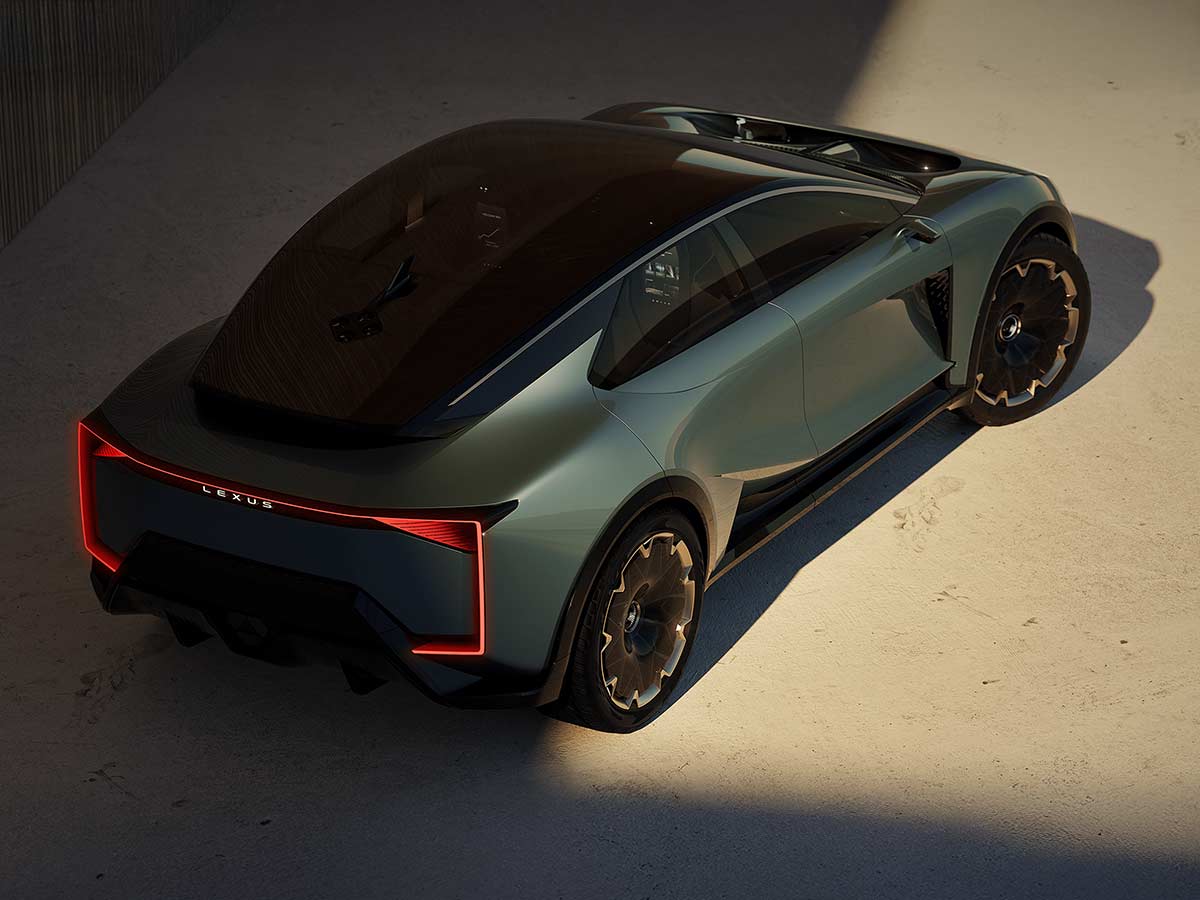
This concept feels far more production-ready, blending the grace of a coupe with the high-riding stance of a crossover. It’s a sleek, sculpted, and aerodynamic machine that offers a “duality of design.”
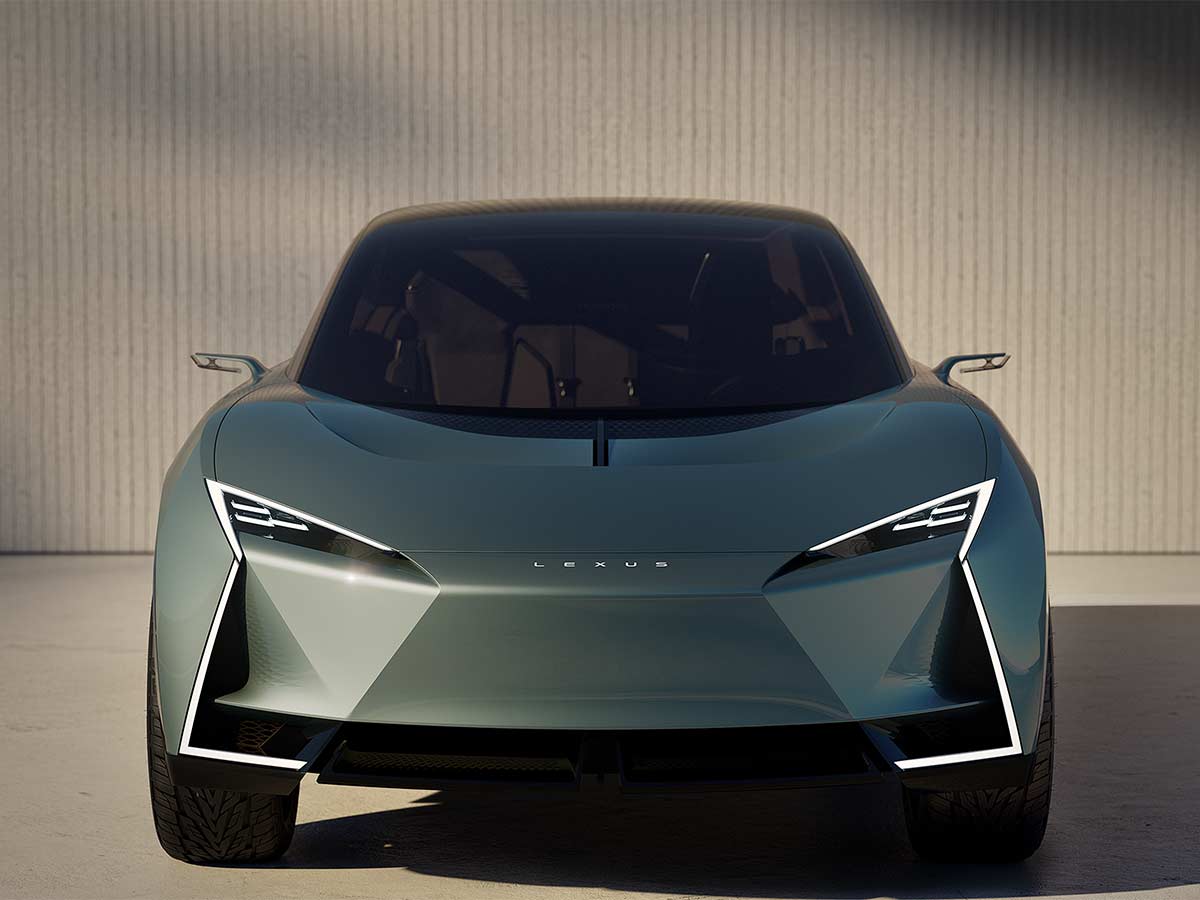
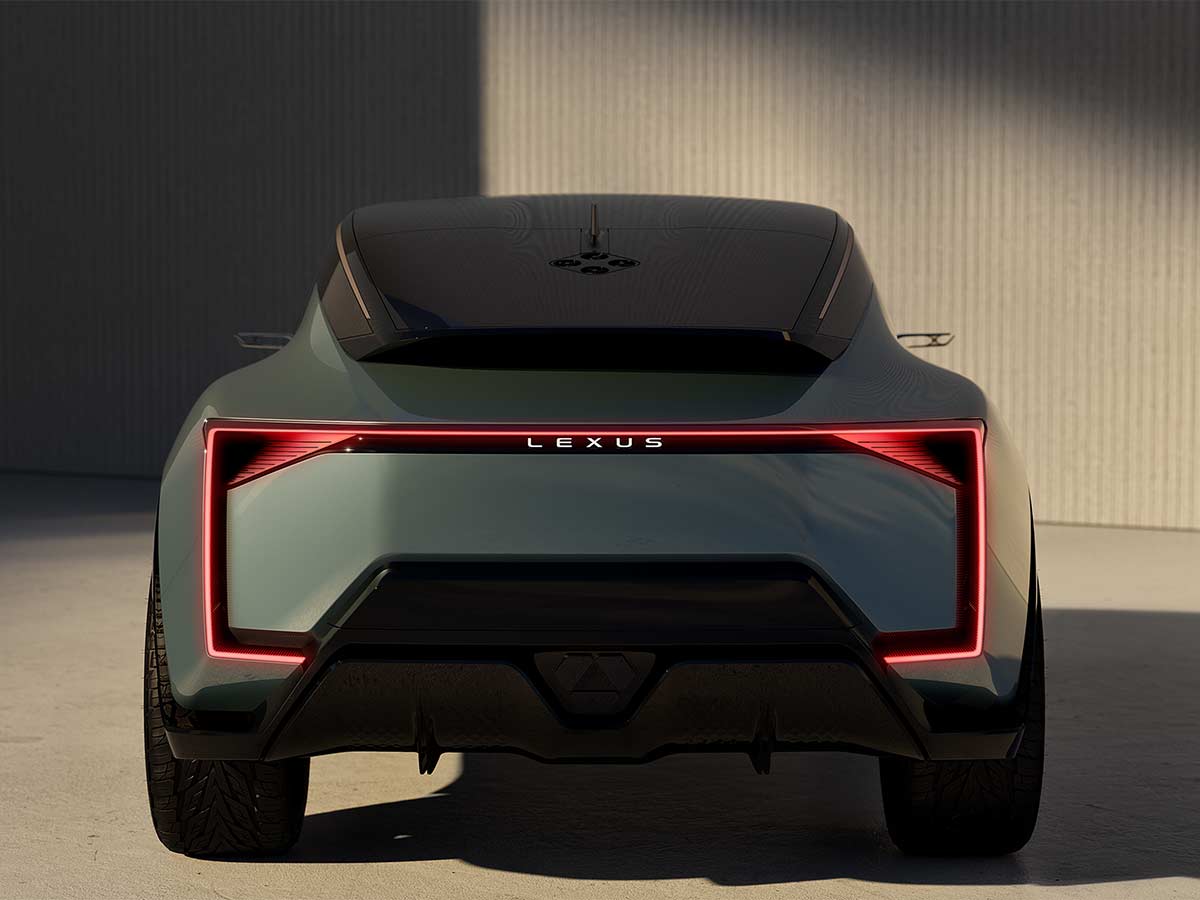
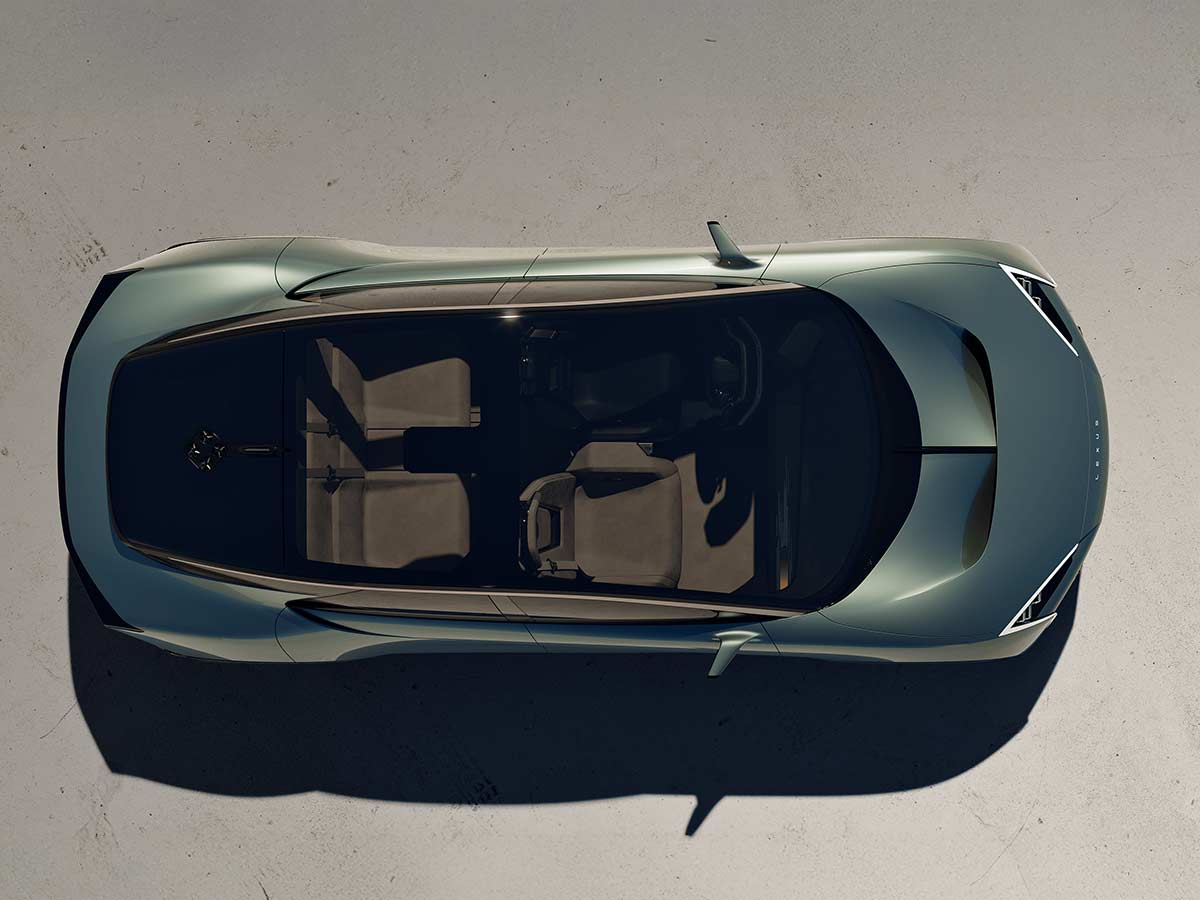
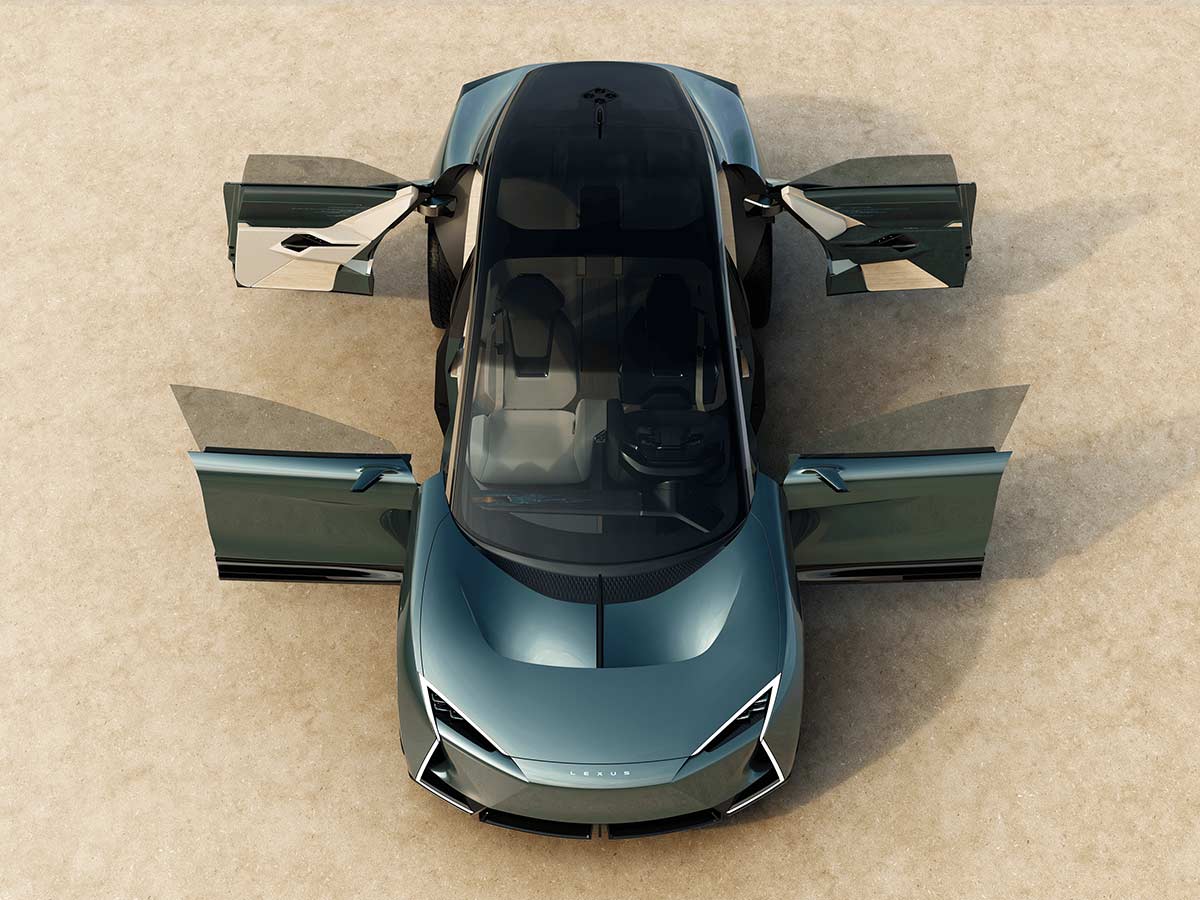
The exterior features sharp, aggressive lines, massive air intakes, and a rear-end light bar that gives it an athletic posture. But the real innovation is two-fold. First, it features rear-hinged “coach” doors for elegant access to the back seats. Second, the interior is visually split: the driver’s domain is finished in a focused, dark green, while the entire passenger side of the cabin is a calm, contrasting beige. It’s a clever way of creating two distinct emotional zones within one space.
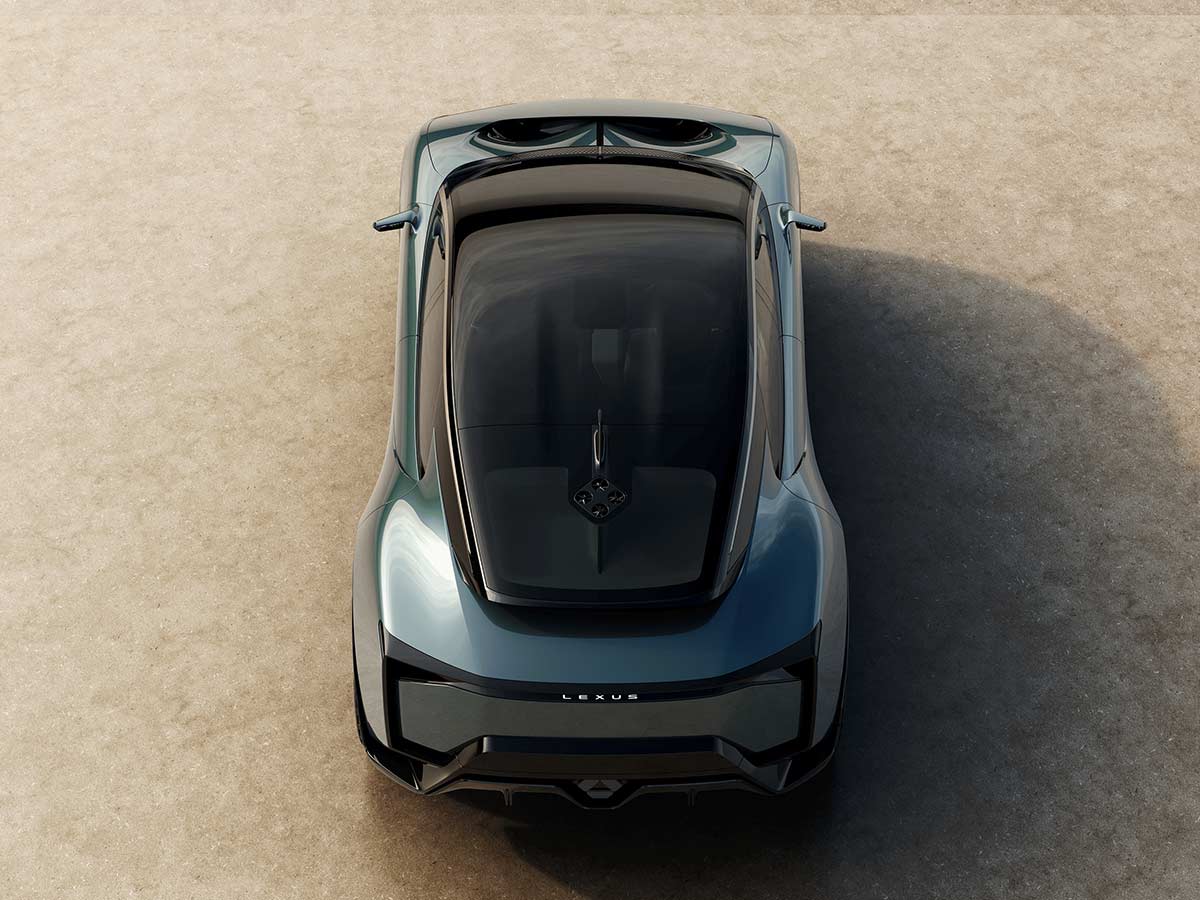
Perhaps its most inventive trick is its boot. Instead of a normal liftgate, the central tailgate panel slides down into the bumper while a retractable cargo floor extends outward, creating an elegant, shelf-like loading surface. It’s a piece of pure “wow”-factor engineering that is both futuristic and genuinely practical.
The 360-Degree Ecosystem
Lexus didn’t stop at cars. The “Luxury Space” philosophy extends to a “360-degree” mobility ecosystem. Also on the stand were:
- The LS Micro Concept: A single-occupant, autonomous pod for navigating a city, translating the “Luxury Space” idea into a personal, urban solution.
- The Lexus Catamaran: An autonomous, solar-powered luxury vessel for “discovering escapism” on the water.
- An eVTOL Aircraft: In partnership with Joby Aviation, Lexus showed a personal air mobility solution, promising a future where its flagship “LS” brand can take you from land to sea to air.
What Lies Beneath? The Silent Heart
Lexus was conspicuously silent on powertrain specifics for any of the concepts. This is typical for design-focused show cars, but the implications are clear. The current-generation 2025 LS 500h is a brilliant hybrid, but this new generation will be entirely electric.
The BEV platforms needed for these concepts—especially the flat-floor MPV – scream next-generation, dedicated-EV architecture. This is almost certainly a preview of the platform that will underpin Toyota and Lexus’s solid-state battery vehicles, promising 500-600 km (or more) of range, ultra-fast charging, and the silent, potent surge of torque that defines modern luxury.
The New Meaning of Flagship
The 2025 Japan Mobility Show will be remembered as the moment Lexus changed the game. By redefining “LS,” the brand has unshackled its flagship from the constraints of a single body style. It’s a tacit acknowledgment that the future of luxury isn’t one-size-fits-all.
The customer who wants a private, rolling office to work in while being driven (the six-wheel MPV) is different from the one who wants a dynamic, high-style crossover for a weekend escape (the LS Coupe). By presenting both under the same “LS” banner, Lexus is positioning itself to be the singular brand that can cater to every facet of a high-net-worth lifestyle.
The Luxury Sedan isn’t just in a losing battle with SUVs; it’s in a losing battle with the very idea of modern life. With this audacious, multi-pronged vision, Lexus hasn’t just shown us its next flagship. It has shown us it’s ready to lead the future of luxury itself—wherever it may be.